Born between the late '90s and early 2010s, Gen Z grew up with smartphones in hand and high-speed internet at their fingertips. For them, digital convenience isn’t a novelty—it’s the norm. They don’t just like technology—they expect it. From one-tap shopping to same-day deliveries, this generation is used to doing things quickly, independently, and without friction.
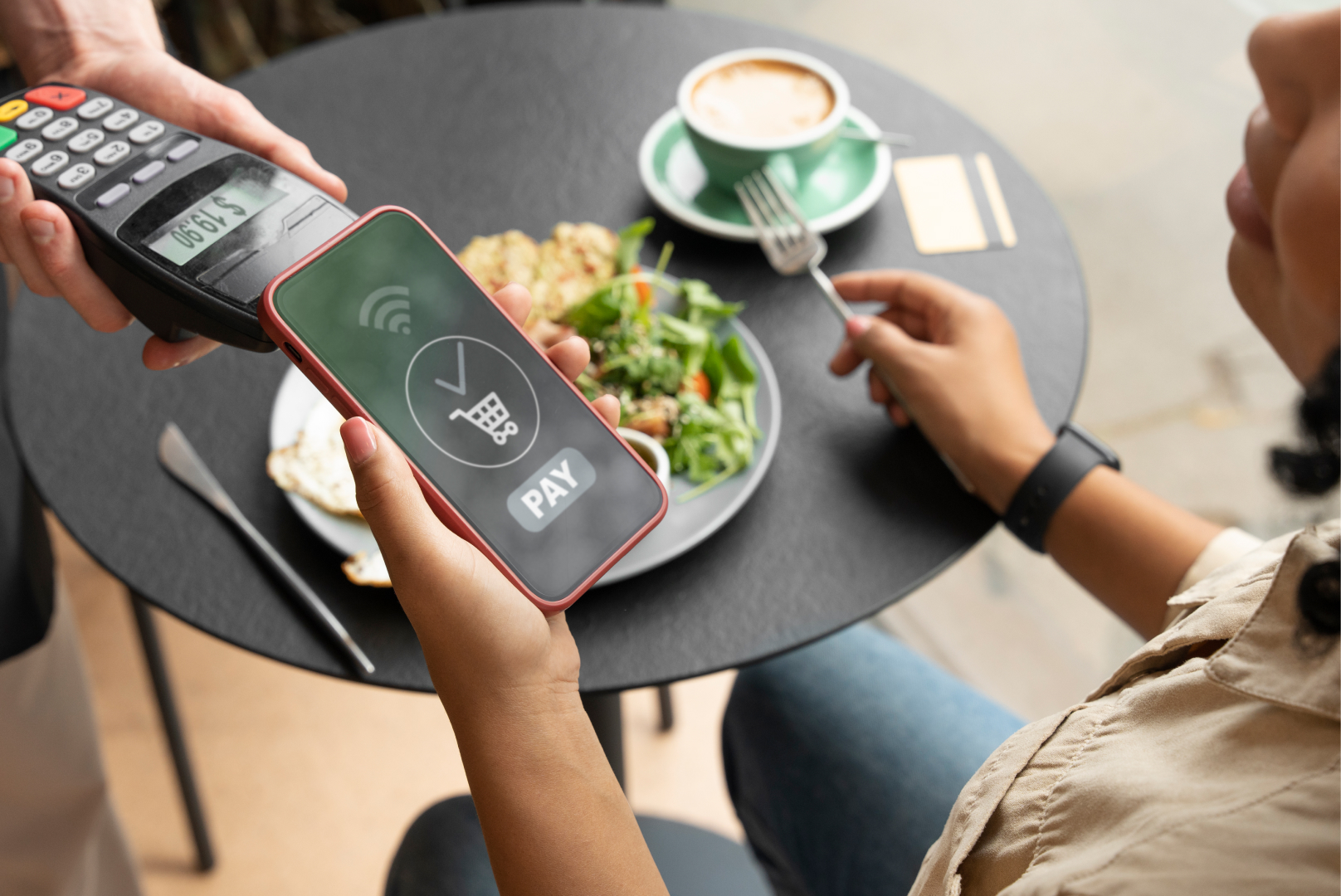
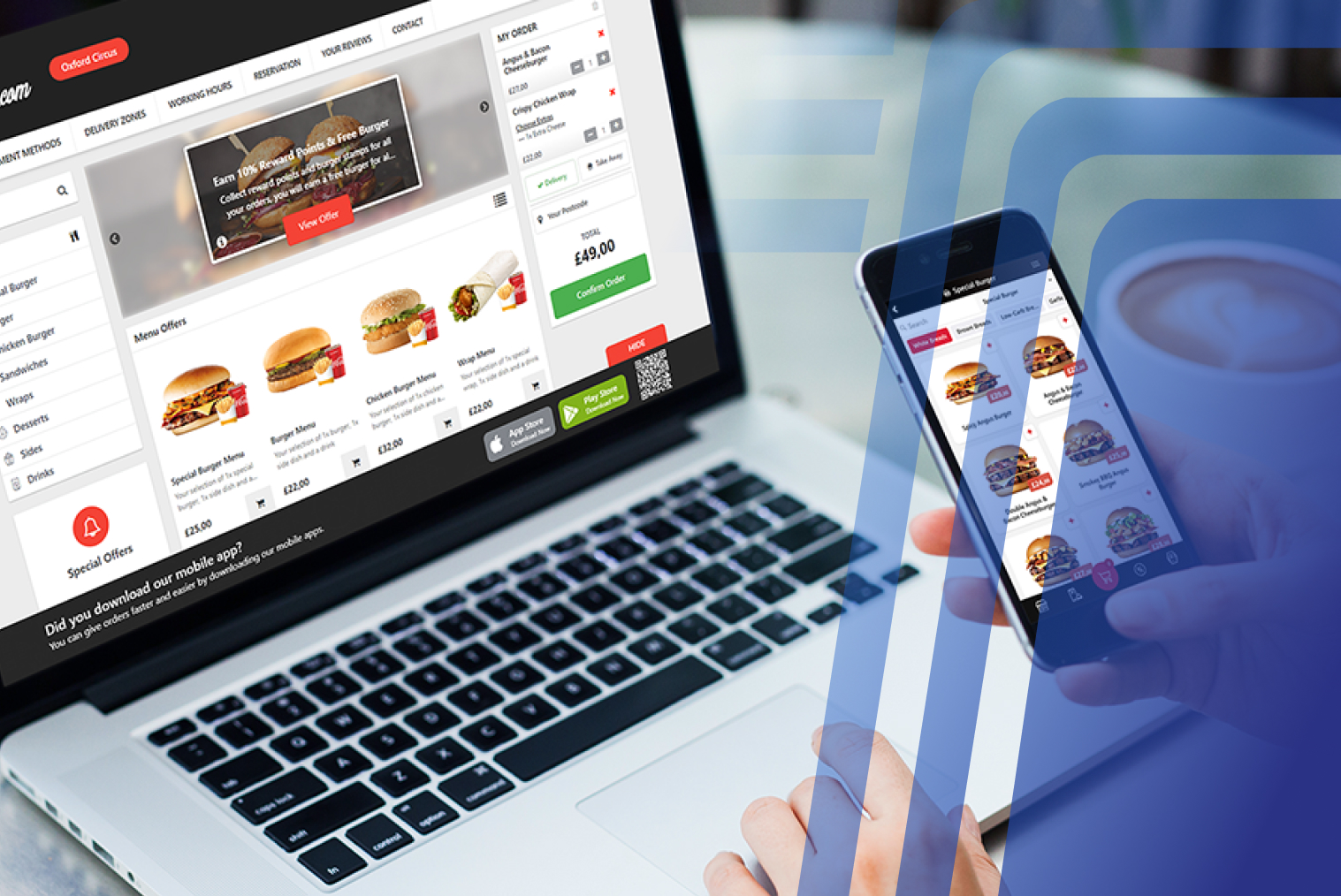
This shift is reshaping modern restaurant technology, compelling brands to reassess how ordering, payments, and customer experiences are delivered. When Gen Z enters a restaurant, standing in line, looking at paper menus, or getting frustrated with slow service feels like taking a step back in time. What are they actually looking for? An app-like restaurant experience—one that aligns with broader Gen Z technology trends seen across retail, entertainment, and food service. More than half (52%) of restaurant diners now use mobile or contactless payment methods, highlighting that restaurants must adopt modern payment and ordering systems to meet customer expectations
2026 Macro Trends: Why Gen Z Expects AI-Powered Kiosks Now
As restaurant technology evolves, the expectations of Gen Z are rising rapidly. In 2026, this generation is no longer impressed by ordinary digital tools—they want intelligent, personalised, and frictionless ordering experiences. According to a 2025 survey, 61% of diners say they want more self-service kiosks available in restaurants, underscoring growing consumer preference for digital ordering.
AI-powered self-service kiosks are becoming the standard because they mirror how Gen Z interacts with apps, social platforms, and online shopping.
Key trends shaping 2026:
- Gen Z prefers instant, app-like ordering experiences when dining out.
- AI recommendations now feel like Spotify/Netflix-style personalisation.
- Faster service expectations push restaurants to adopt smarter systems.
- Visual-first interfaces align with Gen Z technology trends.
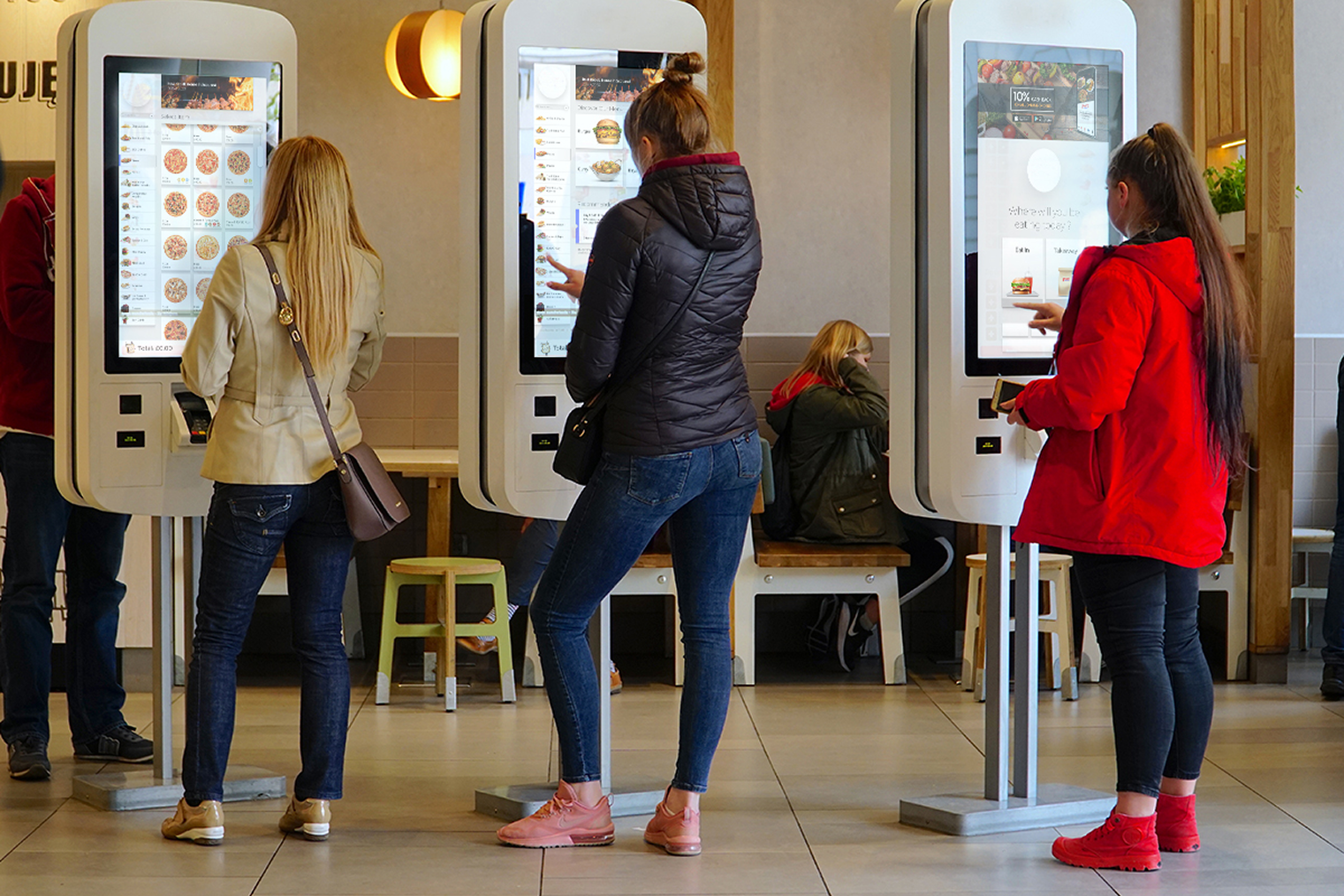
Restaurants adopting AI-driven kiosks show they understand the digital-first mindset dominating 2026. Market data shows that over 60% of restaurant customers use kiosks at least occasionally, and 26% use them frequently, proving that self-service kiosk adoption is no longer niche.
Top 2026 AI-Driven Kiosk Features Restaurants Must Offer
AI kiosks are more advanced than ever, especially for restaurants wanting to stand out in the competitive dining market.
Here are the features customers expect:
1. Personalised Menu Suggestions
AI analyses past orders, ingredient preferences, and even time of day to curate smarter menu suggestions.
2. Intelligent Upselling
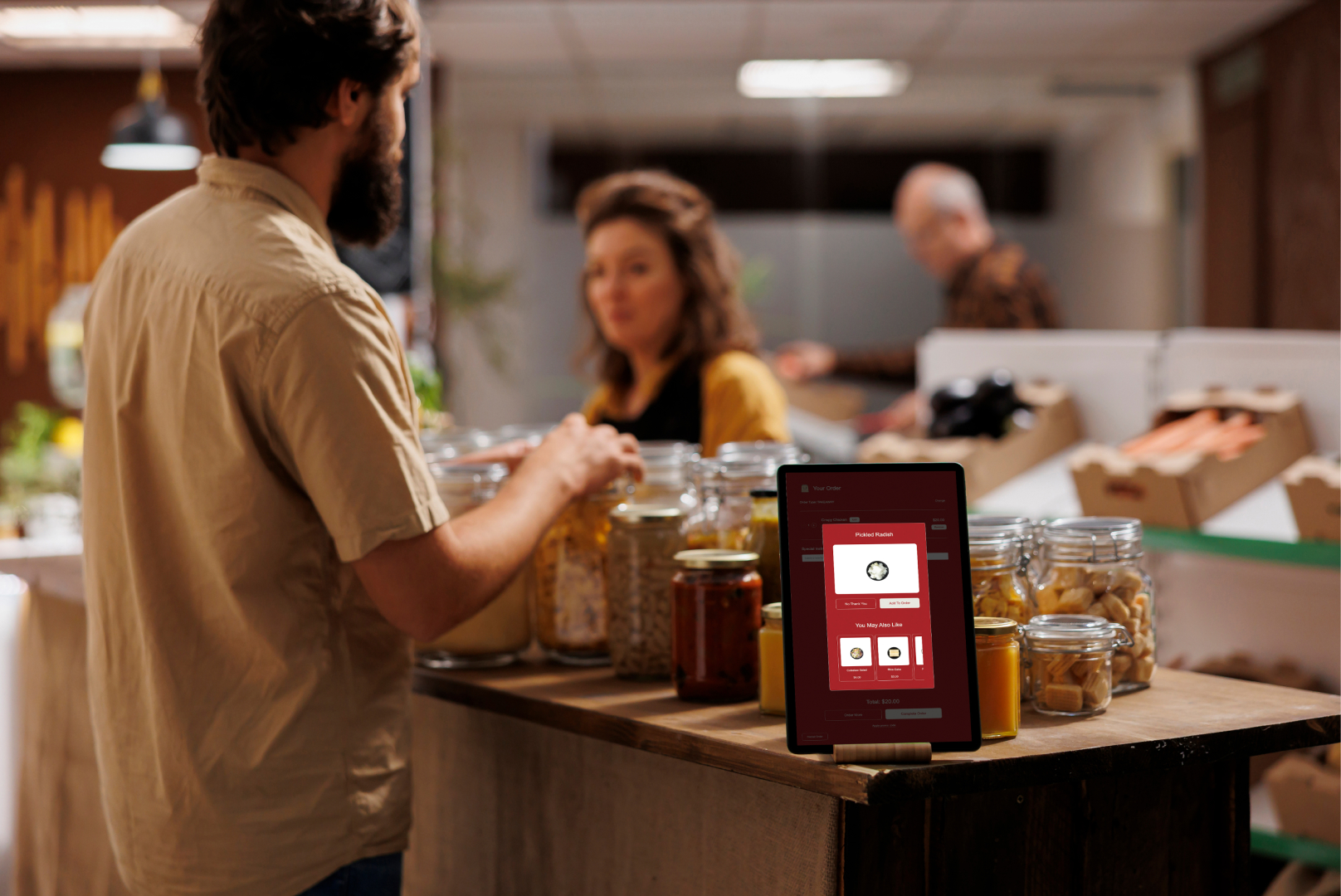
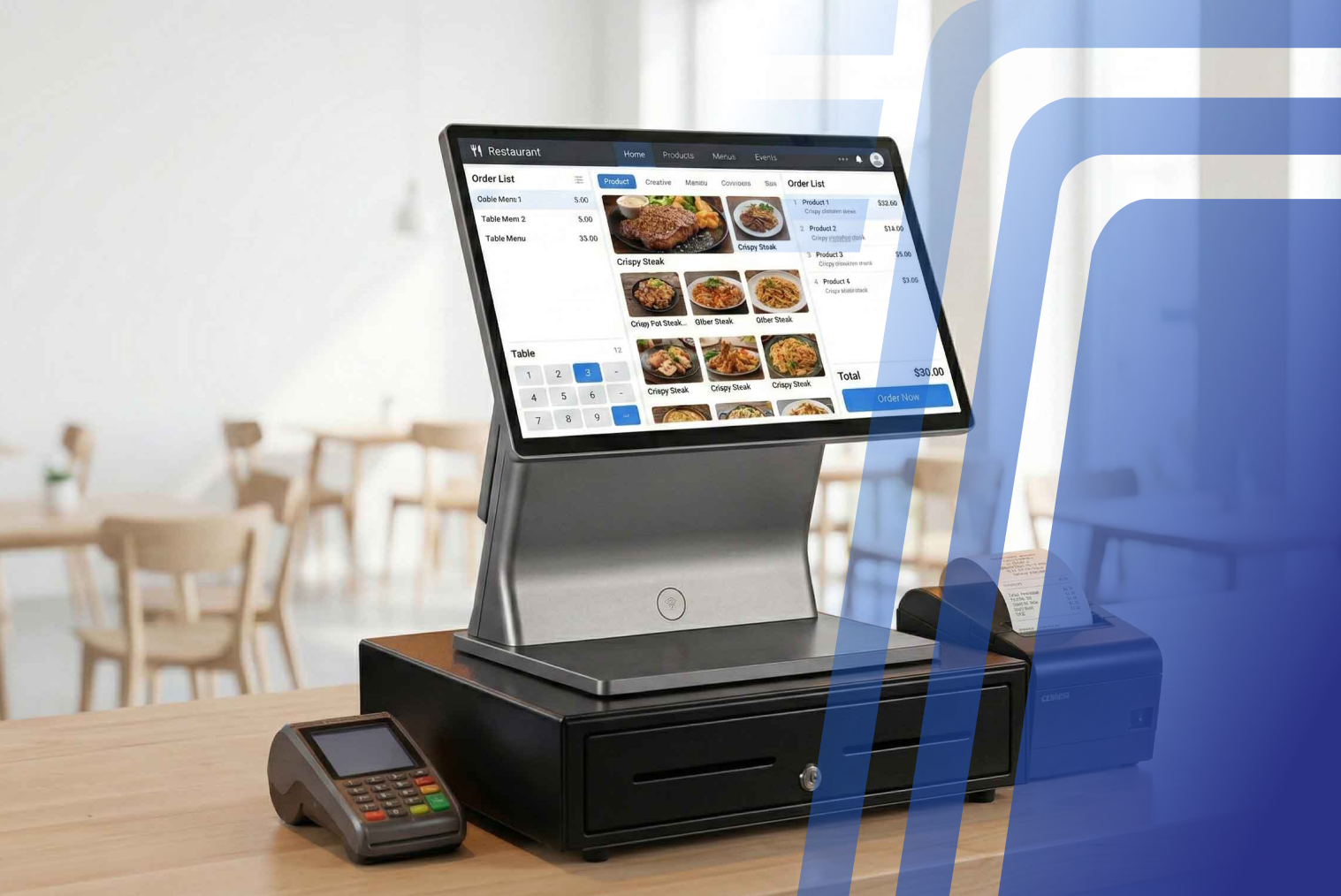
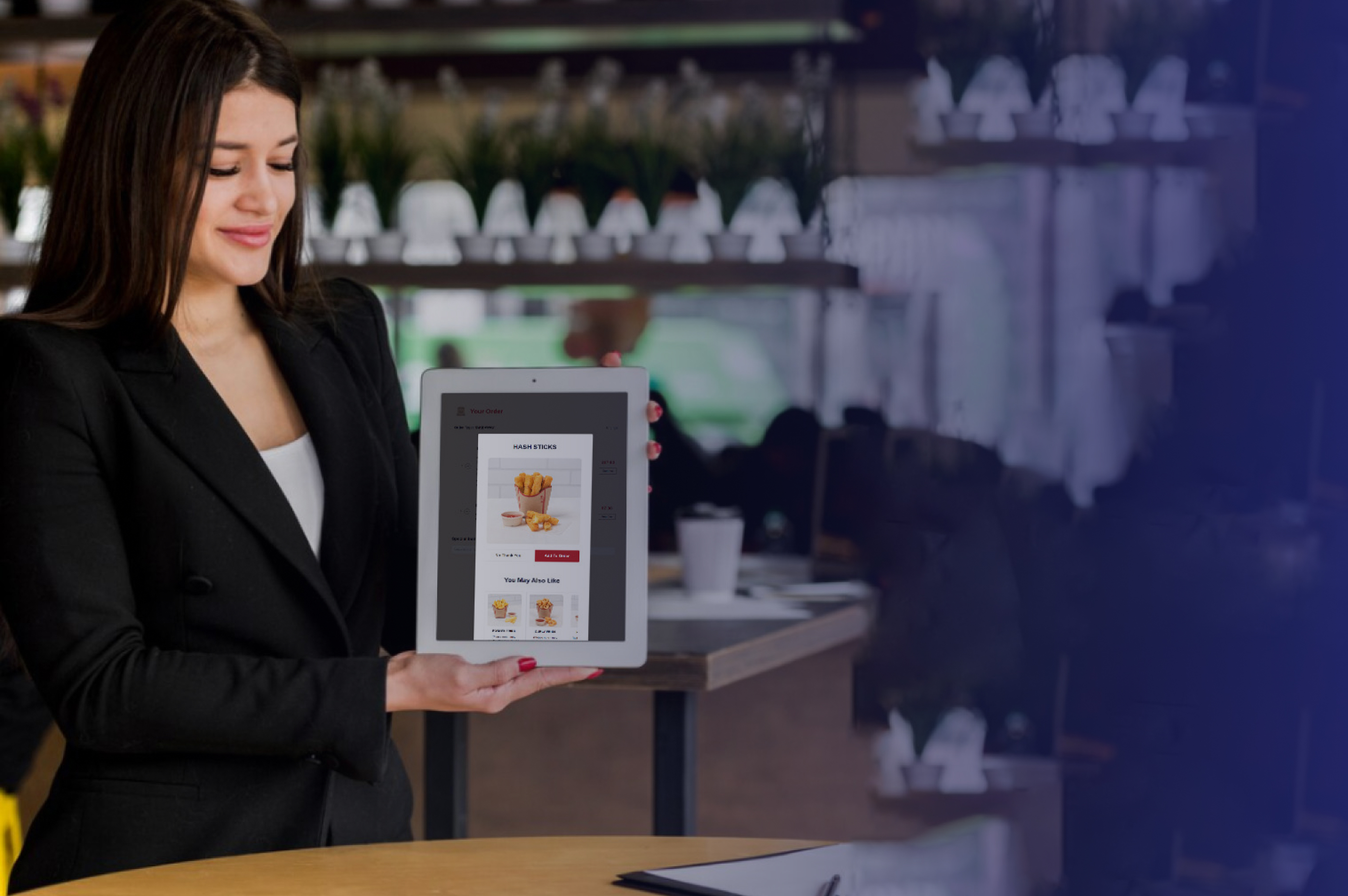
Subtle, data-backed recommendations increase revenue—making AI kiosks a better investment than random human upselling attempts. In fact, 78% of food-service operators say that introducing digital ordering platforms helped increase their revenue, validating the business case for kiosks and POS integration.
3. Voice-Enabled and Accessibility-Friendly Ordering
2026 kiosks support:
- Voice commands
- Multiple languages
- Accessibility for visually or hearing-impaired diners
4. Real-Time Inventory Sync
No more ordering unavailable items—AI detects and hides out-of-stock dishes instantly.
5. Seamless Integration with Loyalty Apps
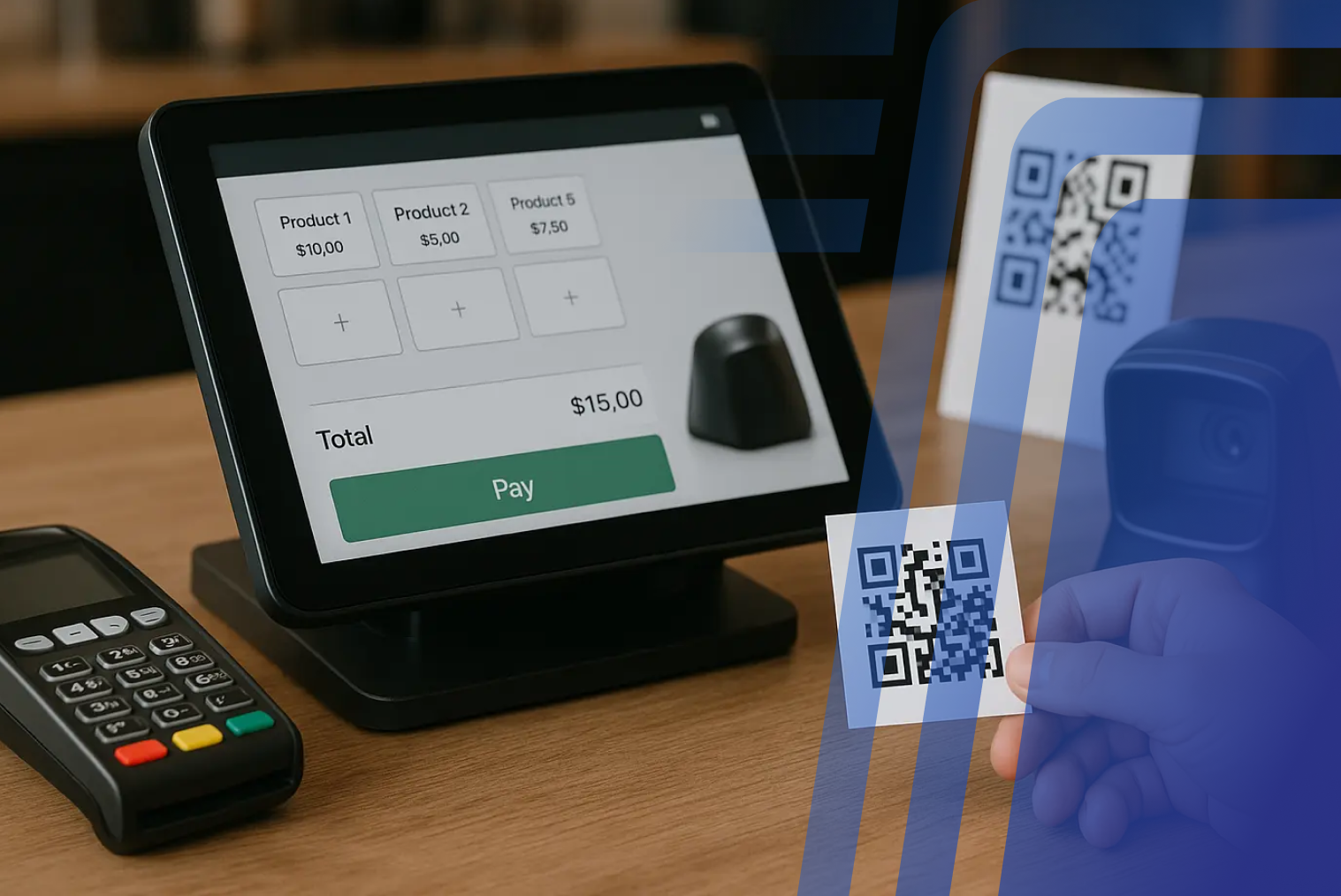
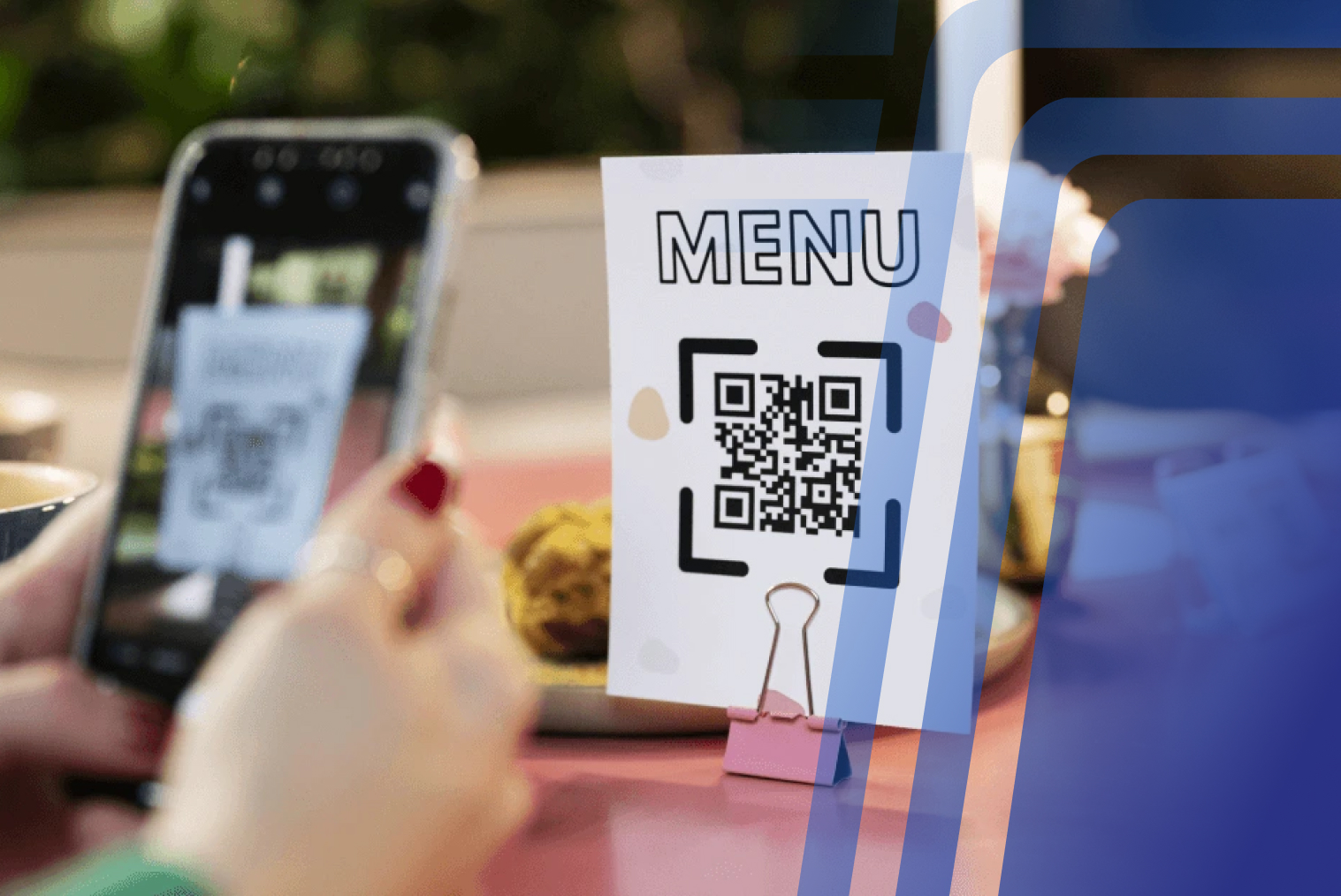
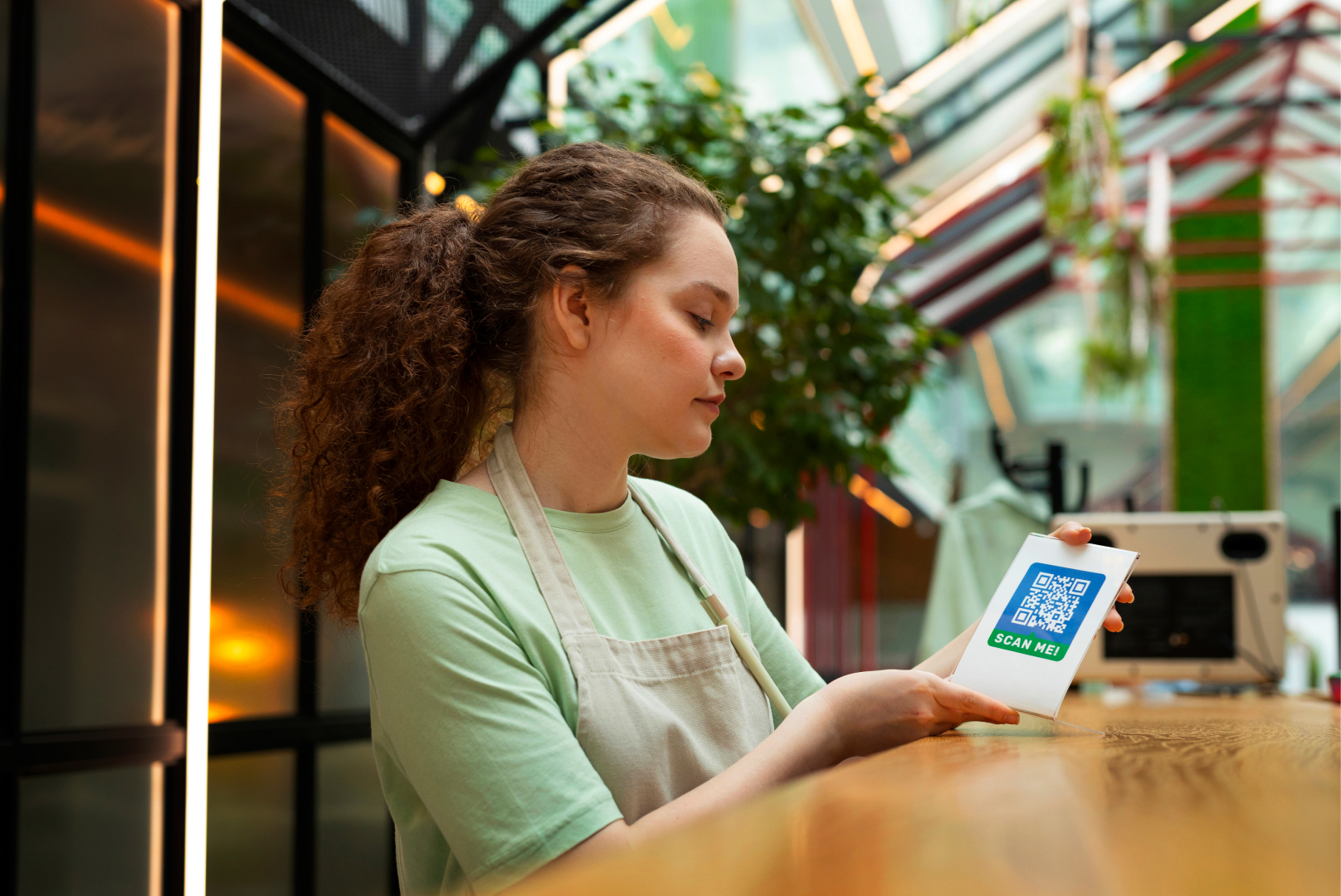
Customers can log in using phone numbers or QR codes, making it effortless for the self-service kiosk for restaurants to connect to rewards programs.
How Gen Z’s Ordering Behaviour Changed in 2026
Gen Z’s dining behaviour continues to evolve, heavily influenced by mobile apps, AI, and fast-paced digital culture.
Notable behaviour shifts in 2026:
- 70% prefer self-service to avoid queues and pressure.
- They spend 20–30% more when ordering from kiosks because of smarter upsells and personalised add-ons.
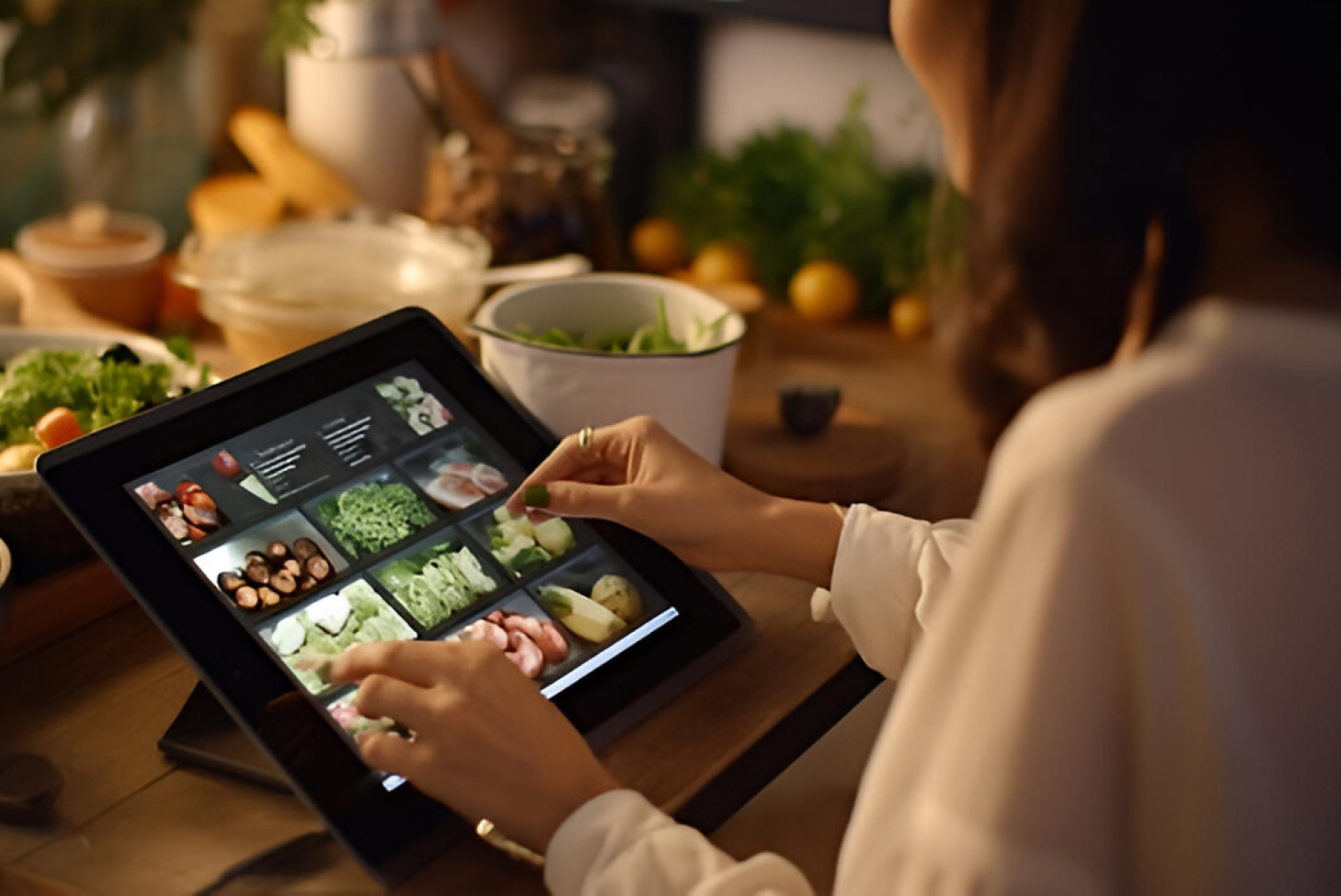
- They trust visual menus far more than text-based ones.
- Privacy and independence during ordering matter more than ever.
This is where modern self-service kiosk experiences shine.
2026 Comparison — AI Kiosks vs Traditional Counter Service
| Feature |
AI-Powered Kiosk |
Traditional Counter |
| Speed |
Fast, parallel ordering |
Queue-based, slower |
| Accuracy |
Automated, reduces human error |
Higher chance of mistakes |
| Upselling |
AI-driven smart suggestions |
Depends on staff consistency |
| Personalisation |
Suggests based on history/preferences |
Minimal |
| Cost Efficiency |
Lowers labour cost and increases AOV |
Labour-dependent |
| Gen Z Appeal |
Very high |
Moderate |
AI kiosks now outperform counters in almost all customer-facing metrics.
How AI Kiosks Personalise Every Order (Even First-Time Customers)
AI uses behavioural patterns, time-based data, and contextual cues to personalise ordering even for new customers.
How Personalisation Works:
- Time of day: breakfast recommendations in the morning
- Weather-based menus: warm foods on cold days
- Popular items prediction
- Customisable dietary filters
- Smart category suggestions (veg, spicy, combos, trending dishes)
This gives customers a tailored experience without requiring logins.
Why Self-Service Kiosks Speak Their Language
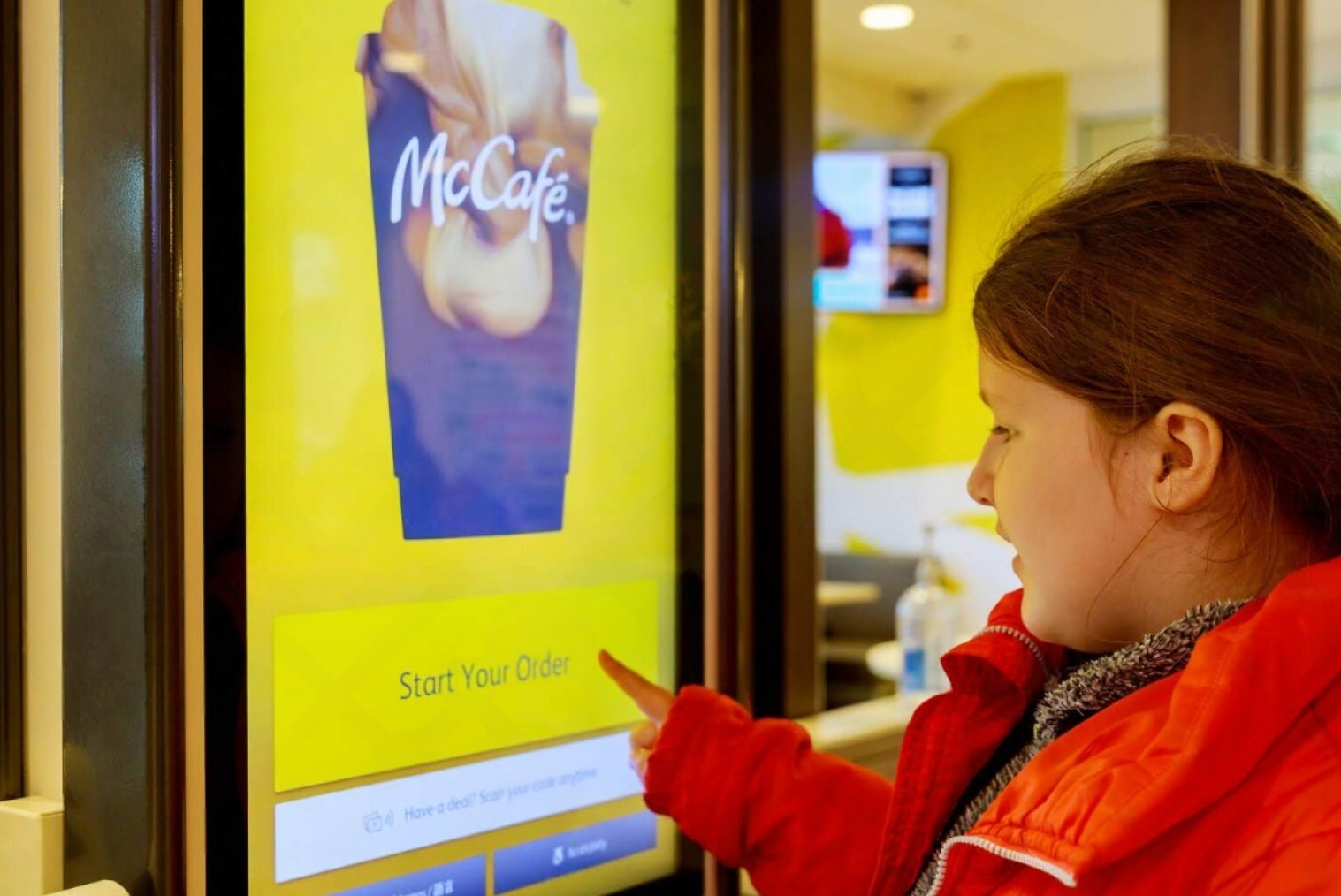
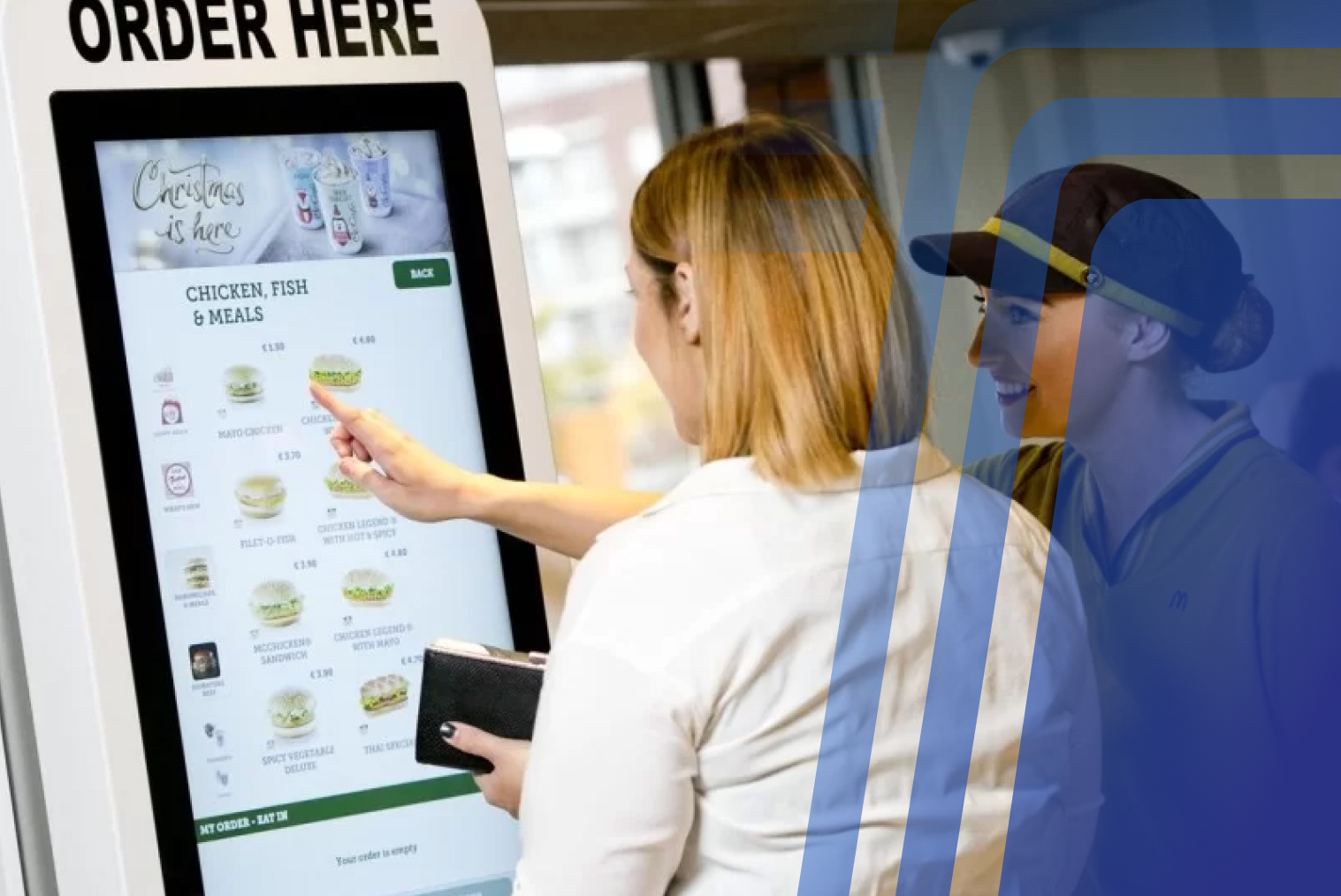
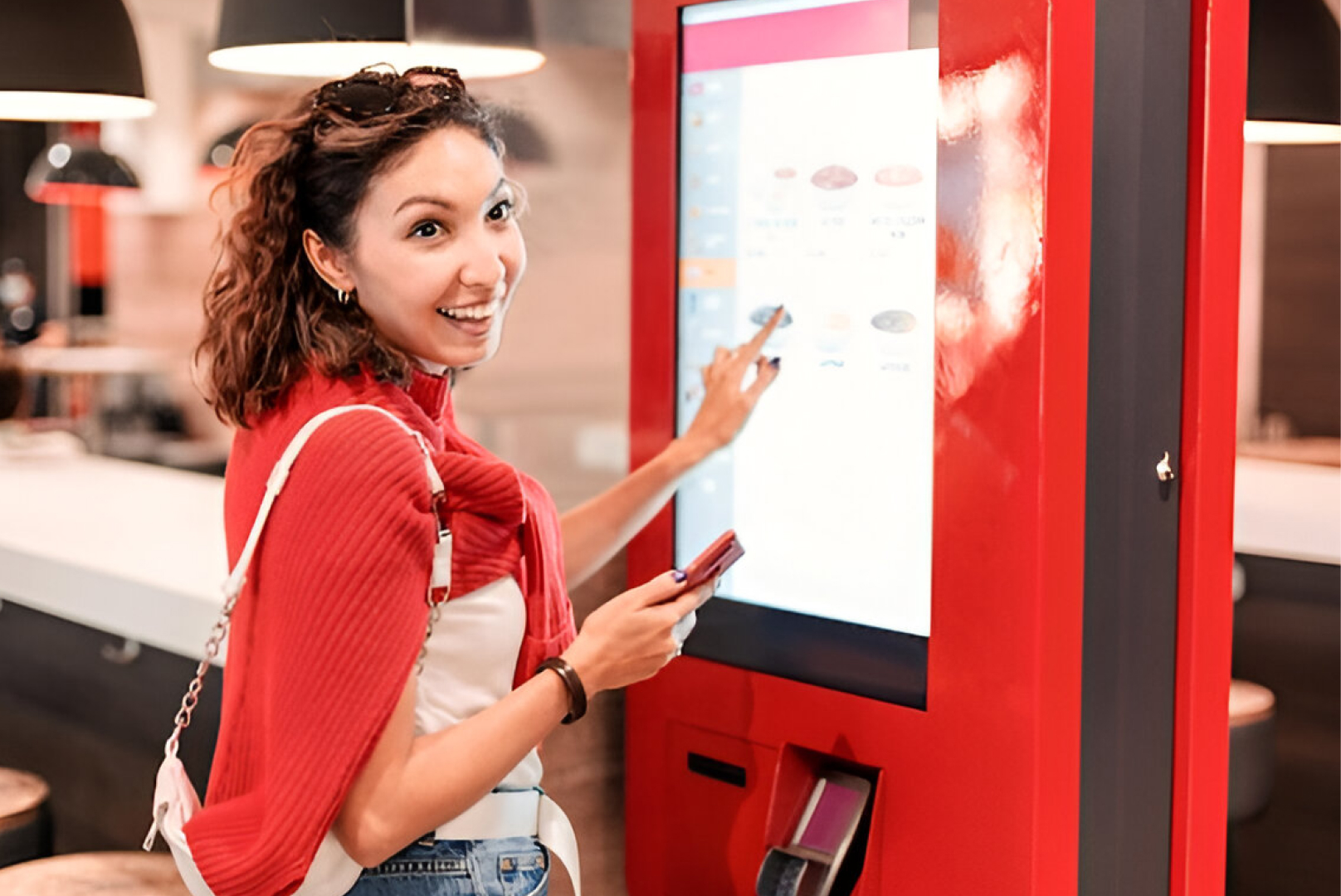
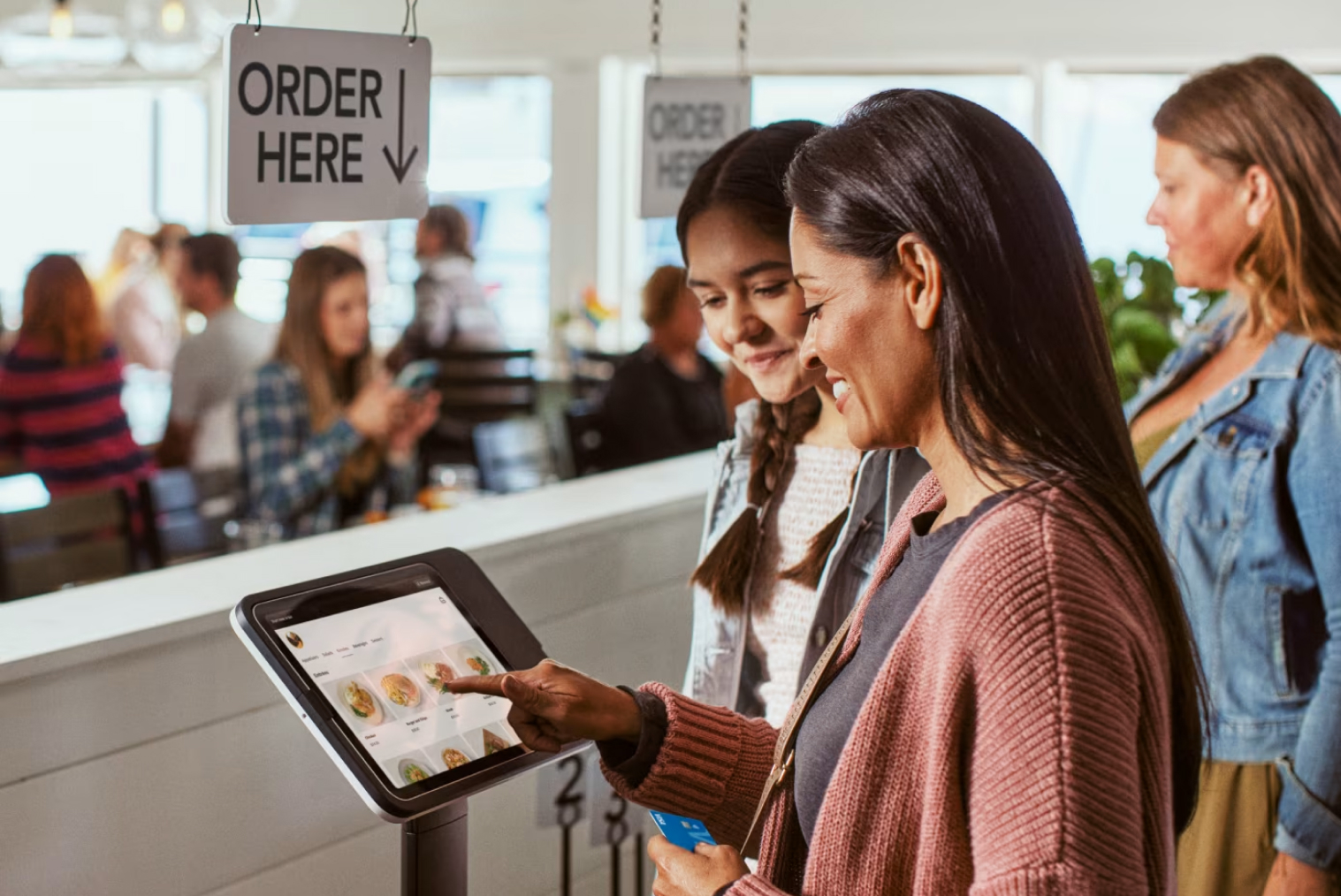
For Gen Z, customisation and control are paramount—two expectations shaped directly by modern Gen Z technology trends and their daily interaction with digital platforms. They want to customise their orders, browse the menu at their own pace, and make decisions independently, without pressure. A self-service kiosk delivers exactly that, making it one of the most effective forms of customer-facing restaurant technology today:
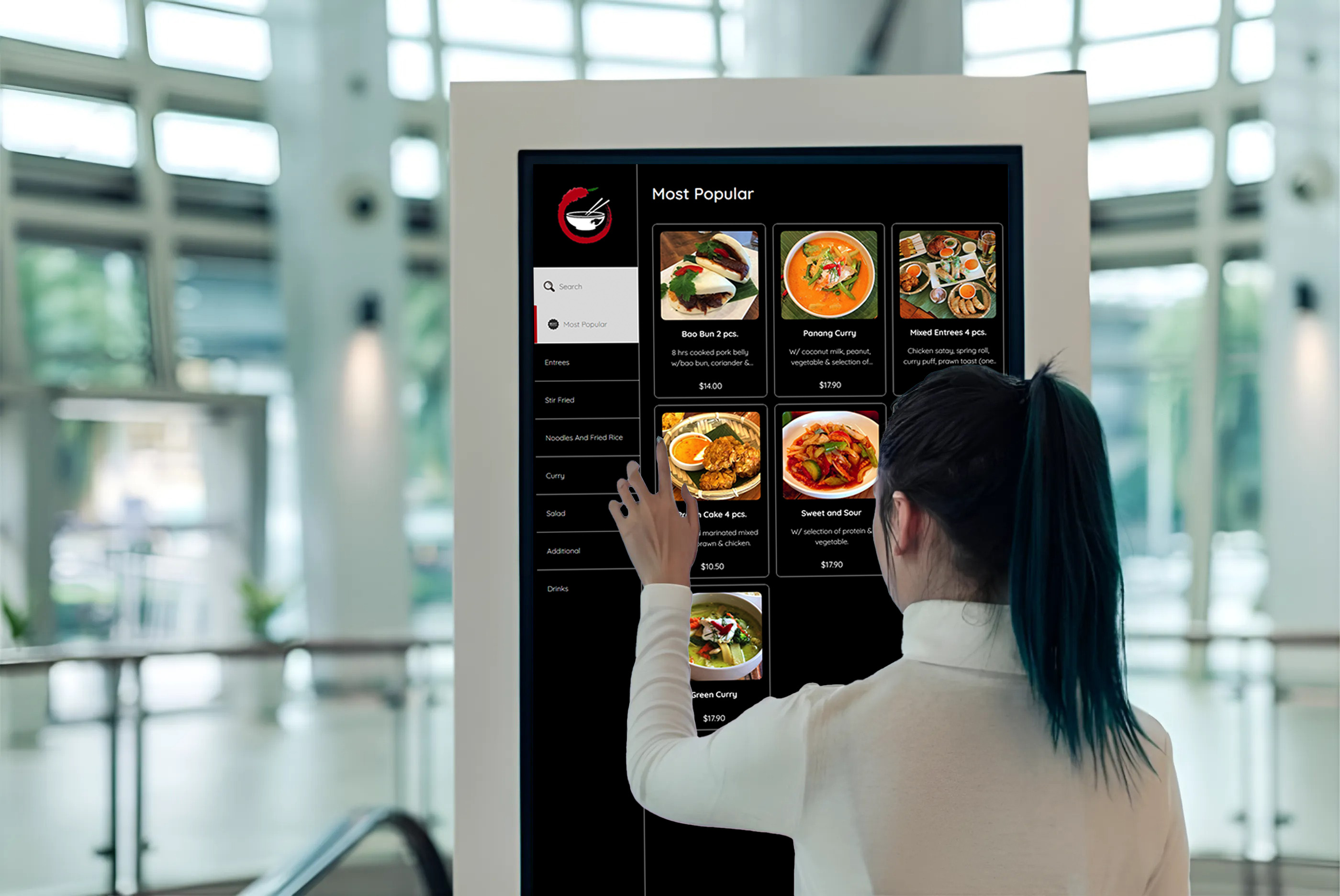
- A clean, visual, app-like interface
- The freedom to add, remove, or modify any item
- Complete control over timing and decision-making
- No awkward conversations or ordering pressure
This level of control is especially valuable for customers with food allergies, dietary restrictions, or those who simply want to experiment with personalisations without feeling judged. As restaurant technology continues to evolve around speed, autonomy, and personalisation, kiosks align perfectly with Gen Z technology trends that prioritise independence and digital-first experiences. Recent findings show that 65% of guests now prefer ordering through digital kiosks rather than traditional waitstaff, which explains why Gen Z and younger diners gravitate toward kiosk-based ordering.
Instant Gratification, Seamless Experience
Gen Z's online existence is based on instant feedback—likes, swipes, notifications. They take that expectation with them to every interaction, including eating out. They don't have time to wait 10 minutes just to order.
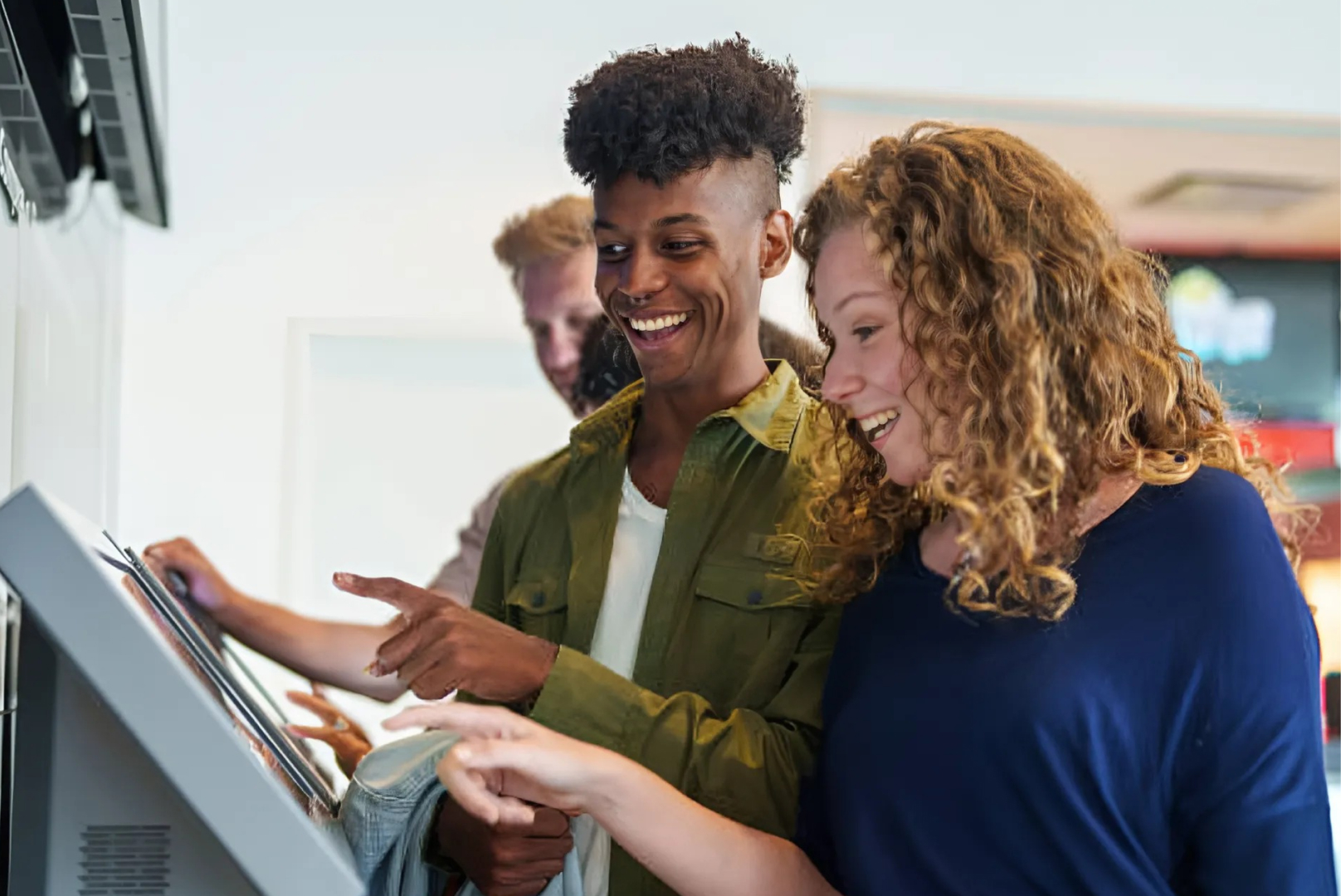
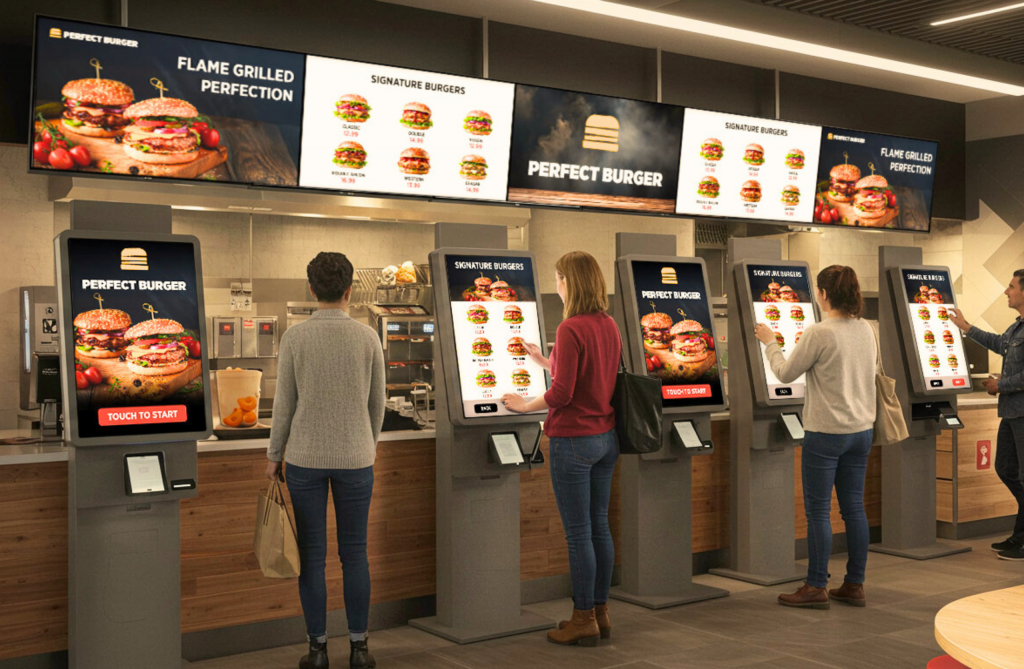
Kiosks reduce bottlenecks by enabling several customers to order simultaneously, making front-of-house operations more efficient. Speedier ordering results in:
- Fewer lines
- Quicker table turnover
- More satisfied, returning customers
- Simply put, kiosks give Gen Z the efficiency they demand.
Design Matters: The Visual Generation
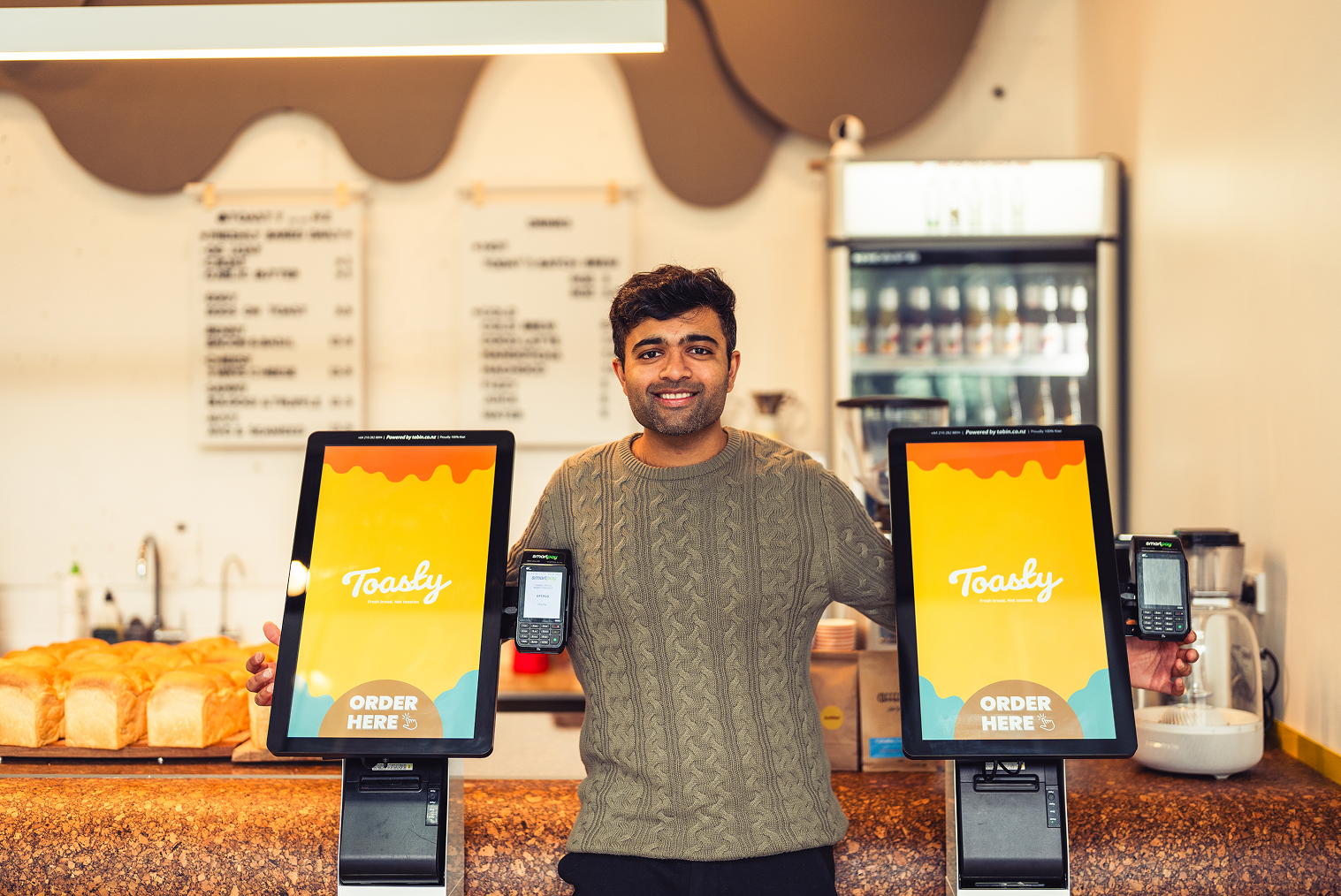
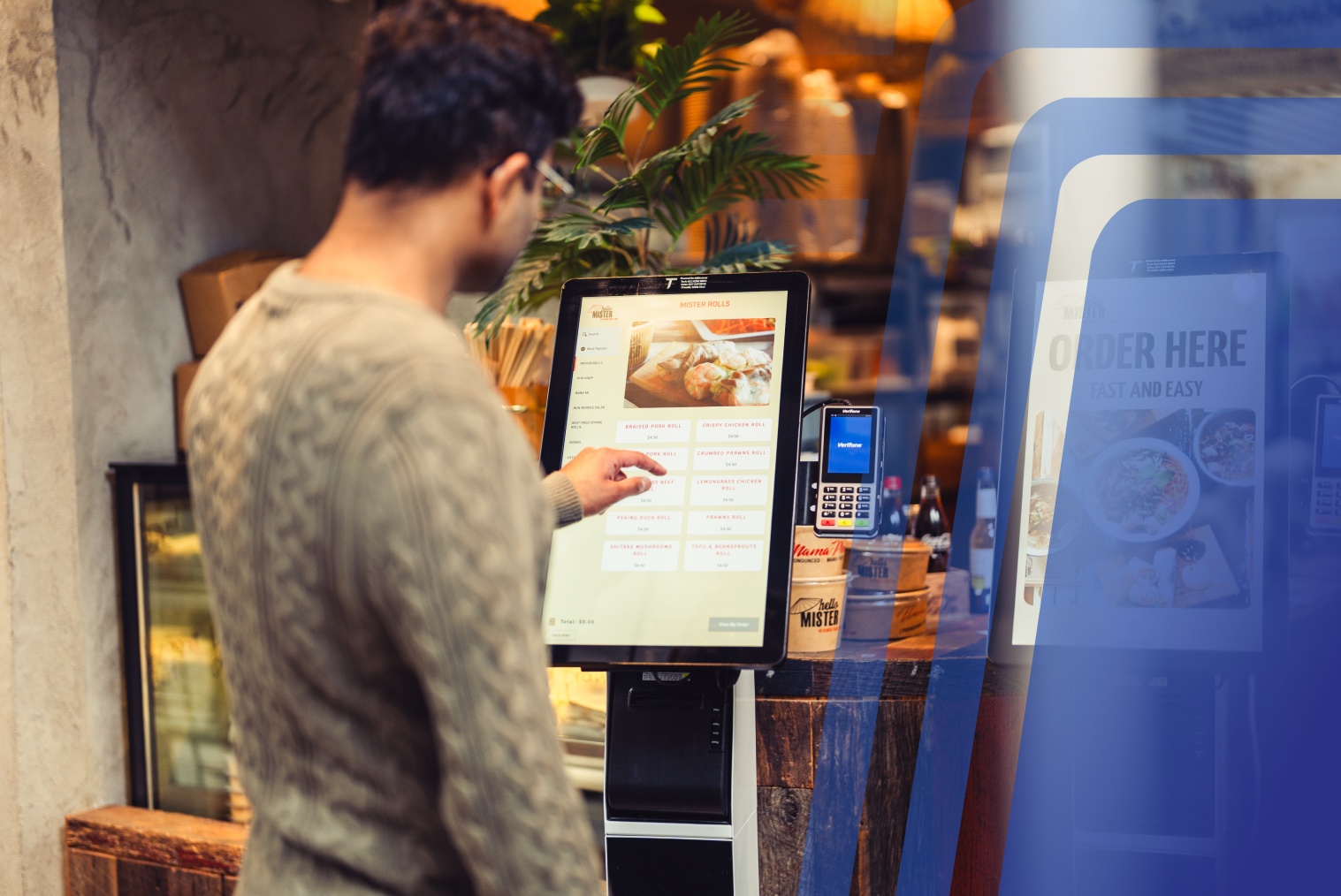
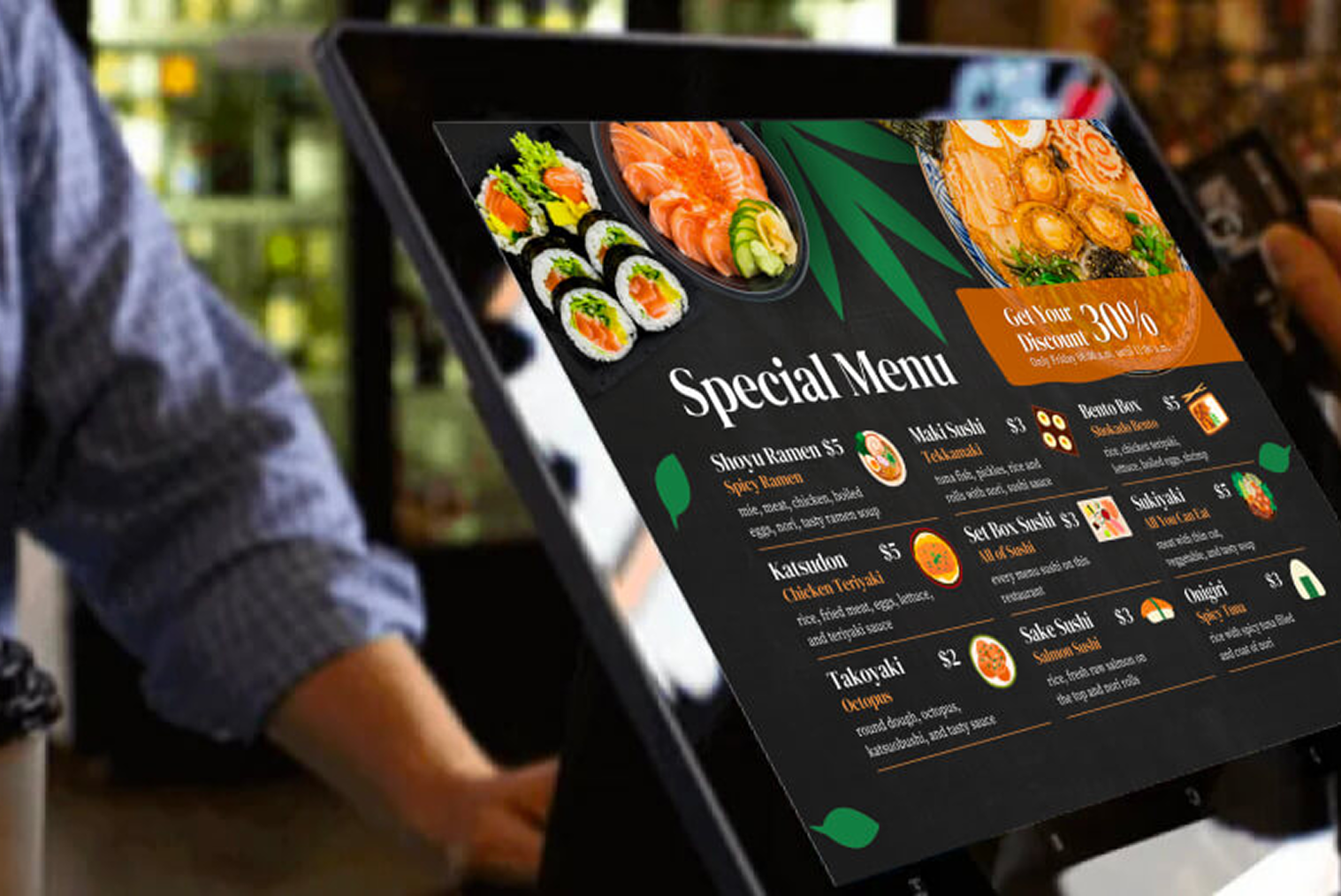
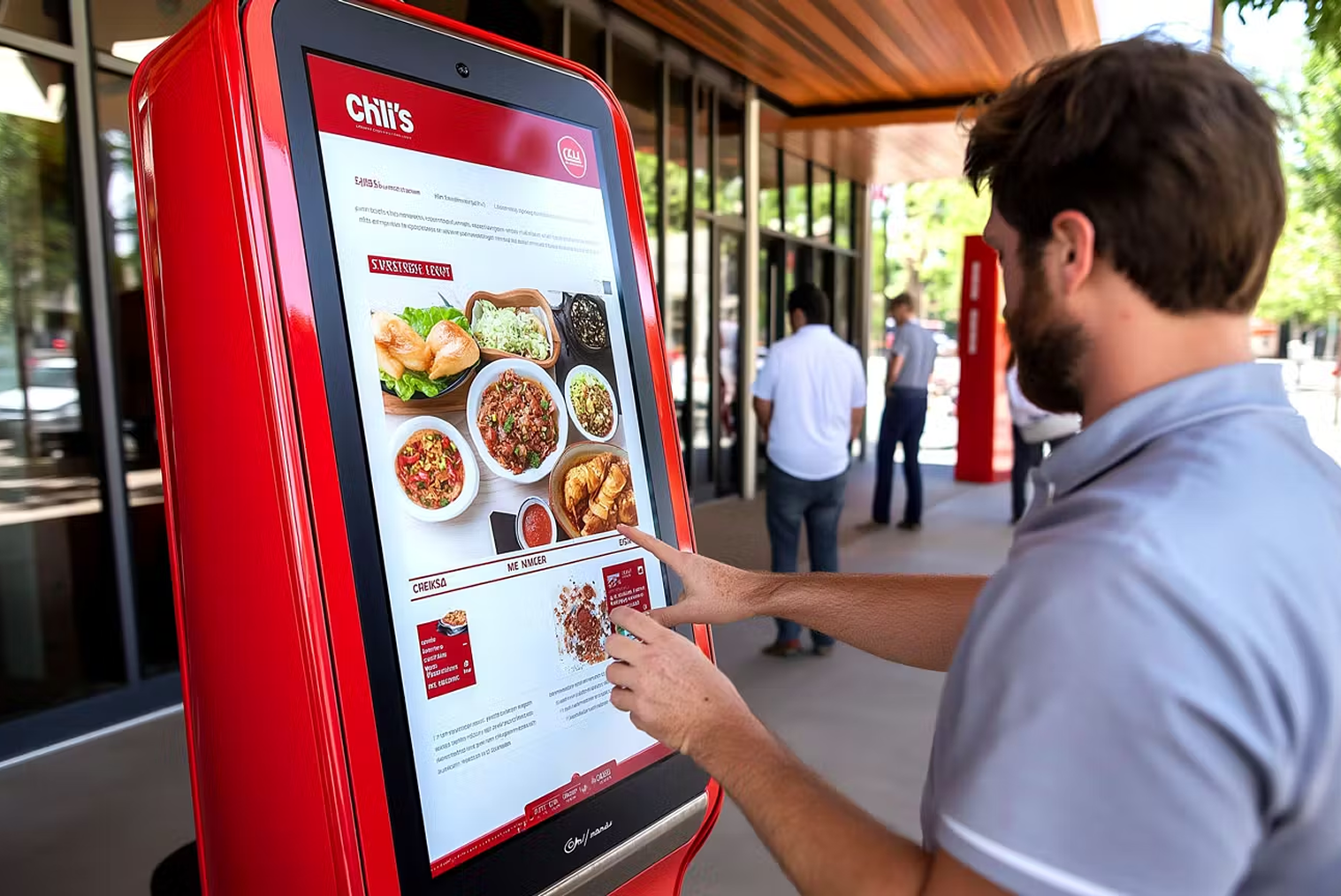
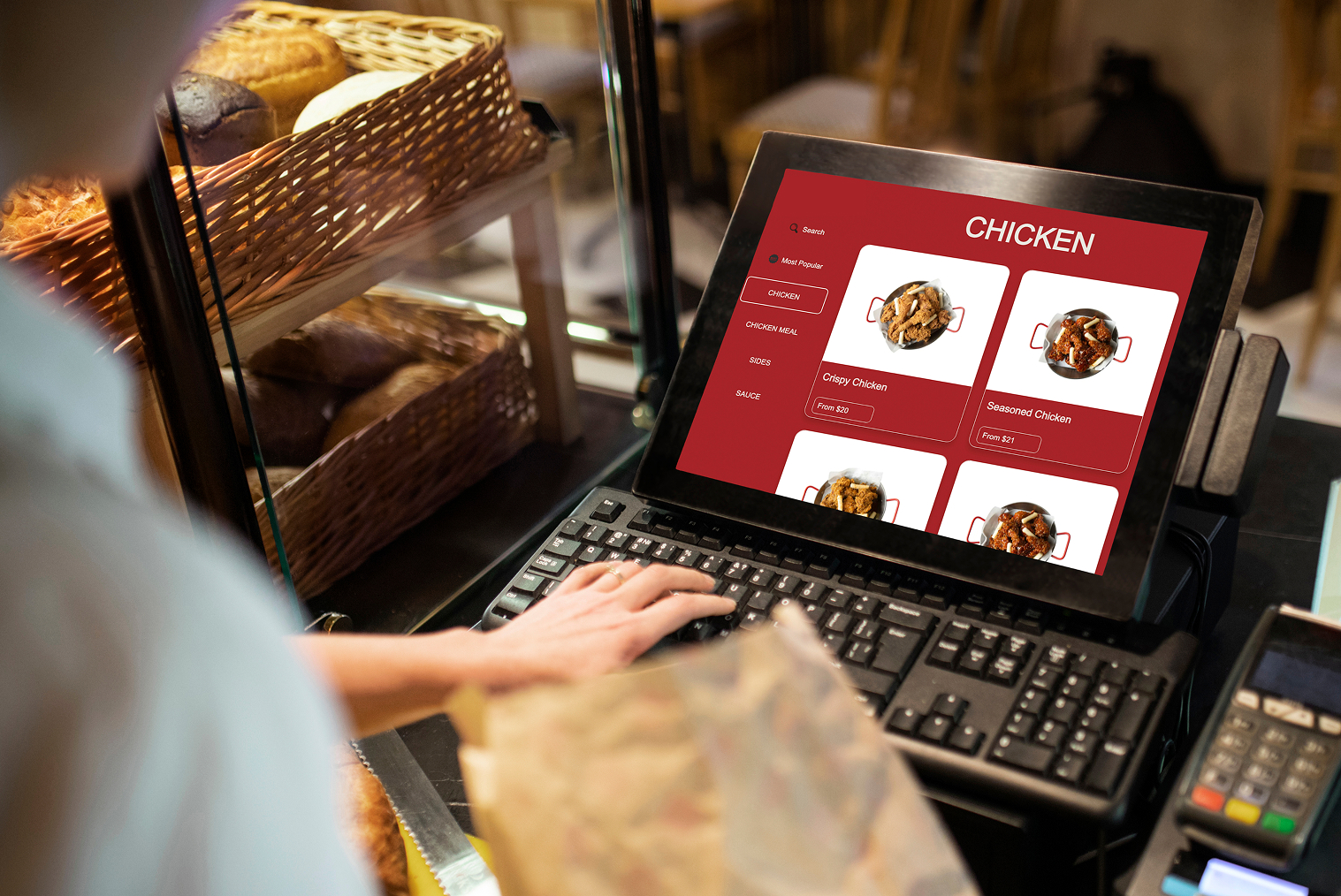
Gen Z is highly visual and design-driven. Whether it's an Instagram feed or a mobile app, look matters a great deal when it comes to engaging with brands. A sleek kiosk with spotless visuals, simple CTAs, and eye-catching food images feels comfortable and credible.
Unlike messy handwritten menu boards or crowded POS screens, kiosks enable restaurants to present their dishes in an aesthetic way that speaks to the digital sense of Gen Z. This reinforces both trust and desire—particularly when high-quality photos of food are used.
Digital Ordering = Digital Loyalty
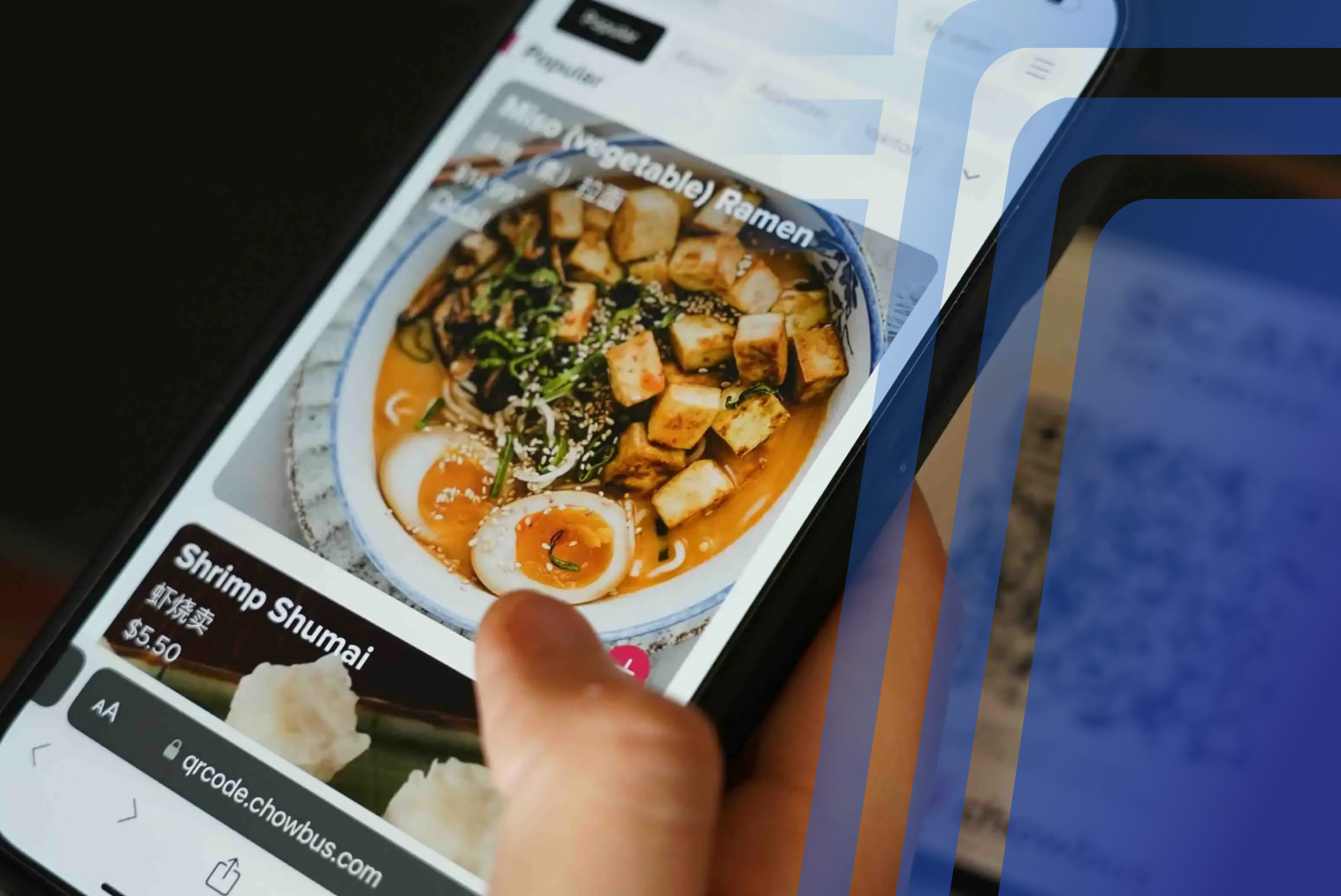
Not just ordering, but making loyalty acknowledged digitally by Gen Z. Punch cards are so last season—mobile login and digital rewards are where it's at.
When kiosks in NZ allow for phone number logins or are integrated with loyalty apps, Gen Z will be much more likely to:
- Sign up
- Monitor rewards
- Visit often
They anticipate their restaurant visit to be part of a networked environment, similar to shopping or streaming.
Gen Z Doesn't Fear Tech—They Expect It
Older generations might require onboarding or training when interacting with kiosks. But Gen Z? They jump in headfirst. They like self-service because it's second nature, not because it's new.
Restaurants that put money into kiosks aren't merely playing catch-up—they're going with the natural flow of this influential demographic. And those that don't? Risk appears old-fashioned, slow, or out of touch with the contemporary dining experience.
Building an Environment Where Gen Z Feels Heard
Gen Z customers don't just want speed and tech—they demand inclusivity and independence. Providing them with tools such as kiosks indicates that you value their time, tastes, and privacy. It's not about eliminating human service—but providing choice. When kiosks exist, Gen Z feels empowered. And that empowerment translates into satisfaction, reviews, and repeat visits.
Final Thoughts: The Future is Already Here
As we move deeper into 2026, one thing is undeniable: Gen Z isn’t emerging—they are already shaping the restaurant industry. Restaurants that want to stay relevant must meet this generation where they live: in a fast, digital, and self-directed world. Self-service kiosks are no longer a future concept; they are now a core part of modern dining experiences.
By creating app-like, personalised, and on-demand ordering journeys, restaurants don’t just keep pace with changing expectations—they gain a competitive edge. Kiosks empower customers, reduce friction, and align perfectly with how Gen Z interacts with technology every day.
Invest in kiosks not because they’re trending, but because your customers already expect them in 2026, and the restaurants that embrace this shift today will lead tomorrow.
Frequently Asked Questions (FAQs)
Q1: Are AI-powered kiosks affordable for small restaurants in 2026?
Yes. In 2026, AI-powered kiosks will be far more affordable and scalable than earlier generations. Many providers offer flexible pricing models, including monthly subscriptions and cloud-based software, allowing small restaurants to start with minimal upfront investment and upgrade features as they grow.
Q2: Do kiosks increase average order value in 2026?
Yes. AI-driven kiosks consistently increase average order value by offering smart upselling, personalised recommendations, and combo suggestions. Studies and operator reports show that restaurants using kiosks typically see a 15–30% increase in average order value compared to traditional counter ordering.
Q3: How do AI kiosks help reduce wait times in NZ restaurants?
AI kiosks reduce wait times by enabling multiple customers to order simultaneously, eliminating queue bottlenecks. In New Zealand restaurants, kiosks also speed up service by integrating directly with POS and kitchen systems, ensuring faster order transmission and fewer manual errors during peak hours.


.webp)









.png)













.webp)


