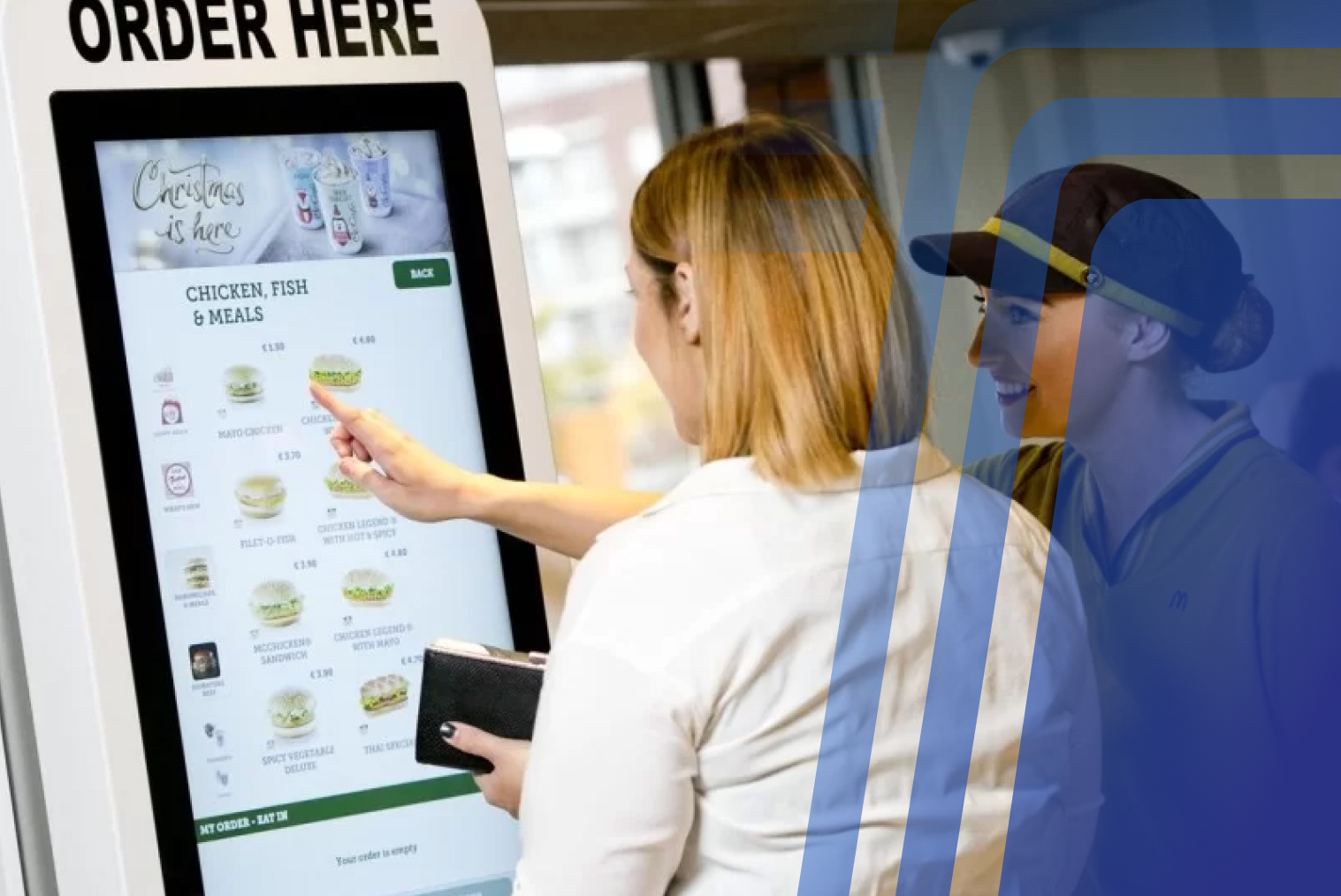
One of the growing investments that restaurant owners make to provide quicker, more accurate, and more convenient service is a self-service kiosk. However, understanding self-service kiosk costs in NZ is one of the first challenges operators face before committing to the investment.
Today's diners expect speed and convenience. A 2026 industry analysis notes that kiosks can increase average guest checks by 15–30% and improve operational performance by reducing wait times and enhancing order accuracy — making kiosks not just a tech upgrade, but a business profitability tool.
If you're considering whether a kiosk is right for your restaurant, the cost depends on much more than the screen and stand. Hardware type, software, POS integration, installation, payment processing and ongoing support can all influence the final investment.
What Do Self-Service Kiosks Cost in New Zealand?
For NZ restaurant owners, a realistic starting point is to look at the total cost of ownership rather than the hardware price alone.
Typical indicative ranges include:
| Kiosk Type |
Approximate Cost (NZD) |
Typical Use |
| Countertop / tablet-style kiosk |
$800–$2,000
|
Cafés, small restaurants and limited spaces
|
| Standard self-ordering kiosk |
$2,000–$6,500+ |
Restaurants, QSRs and food courts
|
| Advanced / freestanding kiosk |
$2,500–$10,000+ |
Higher-traffic venues and larger displays
|
| Outdoor / industrial kiosk |
$10,000–$20,000+ |
Outdoor and demanding environments
|
These are indicative ranges rather than fixed retail prices. The actual cost can vary depending on screen size, payment hardware, printer requirements, enclosure design, software, POS integration and installation requirements.
GST and NZ Kiosk Pricing
When comparing kiosk quotes in New Zealand, check whether the advertised price is inclusive or exclusive of GST.
For example, if a supplier quotes a service at $49 + GST per month, the GST is added to the advertised price. Businesses should also check whether hardware, installation, software subscriptions and support fees are quoted on the same GST basis so that different suppliers can be compared accurately.
TABIN Complete Starter Pack
For restaurants looking for a lower upfront commitment, TABIN's Complete Starter Pack starts from $49 + GST per month.
The package provides an alternative to purchasing a complete kiosk setup outright and can be a useful option for businesses that want to introduce self-service ordering while managing monthly technology costs.
Want to find out what's included and whether it's suitable for your restaurant? Contact TABIN for more information.
Factors That Affect Self-Service Kiosk Cost
There are several factors that will affect what you actually pay for your self-service kiosk. These include the quality of the hardware, software, and the complexity of your installation requirements.
1. Hardware Options
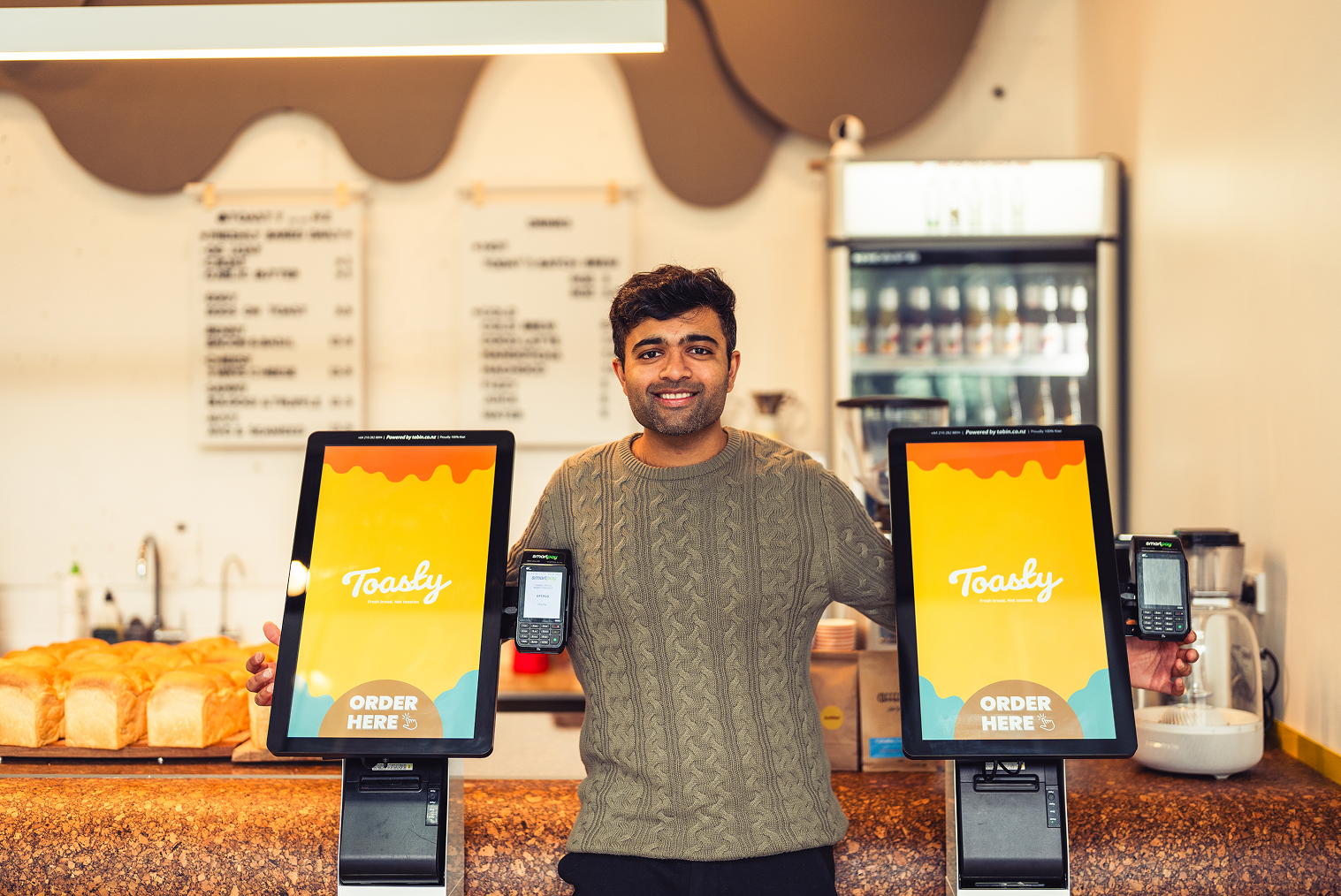
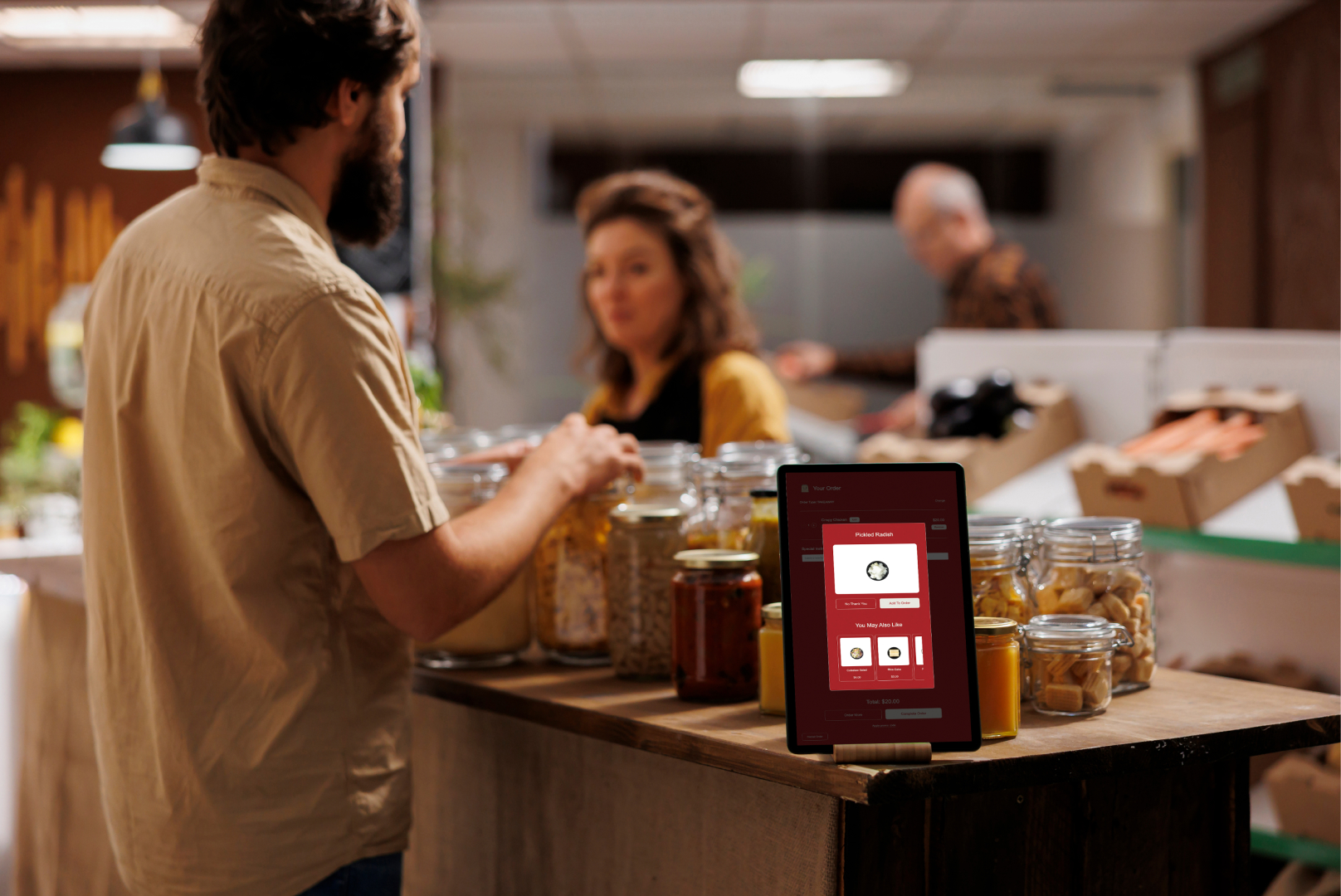
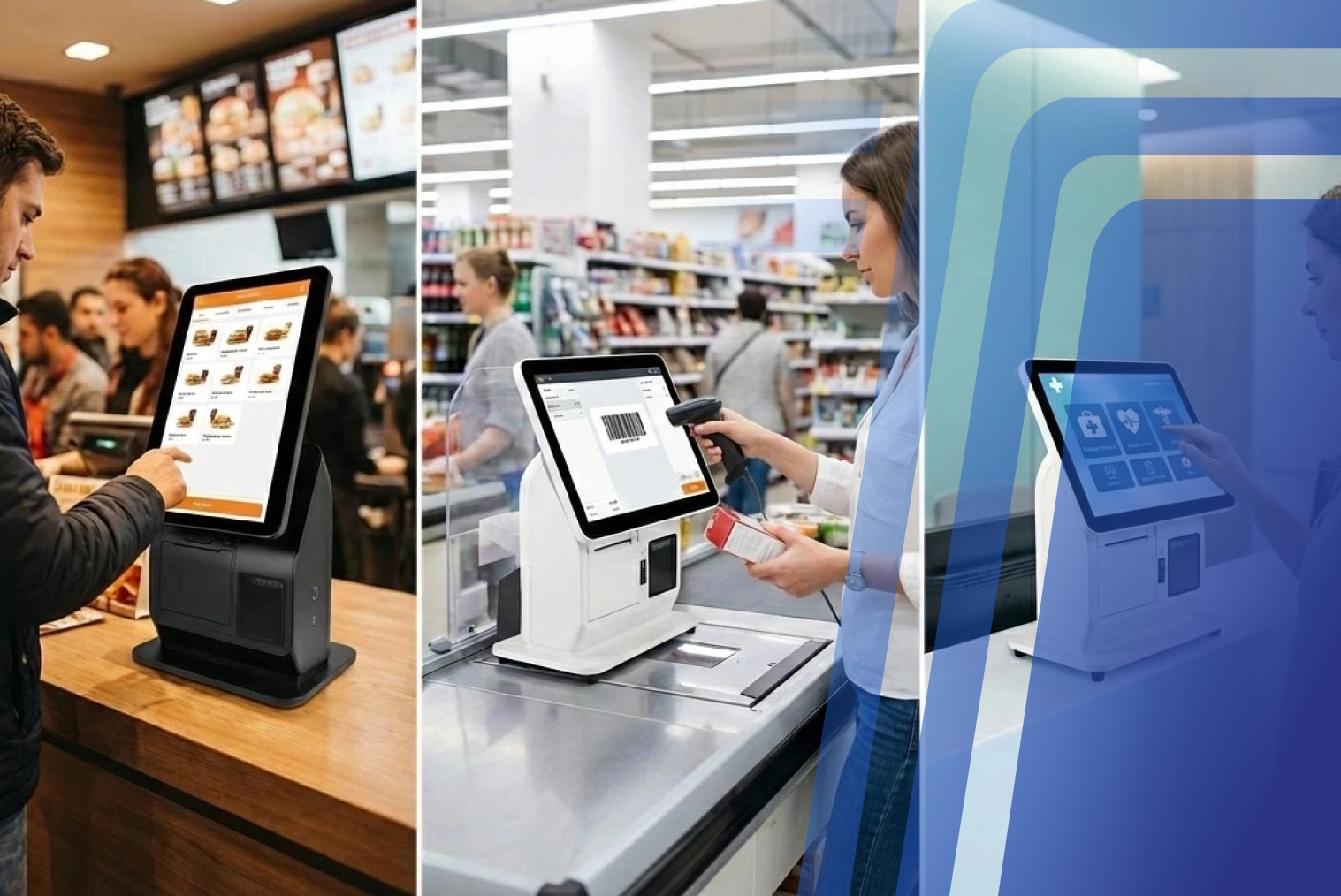
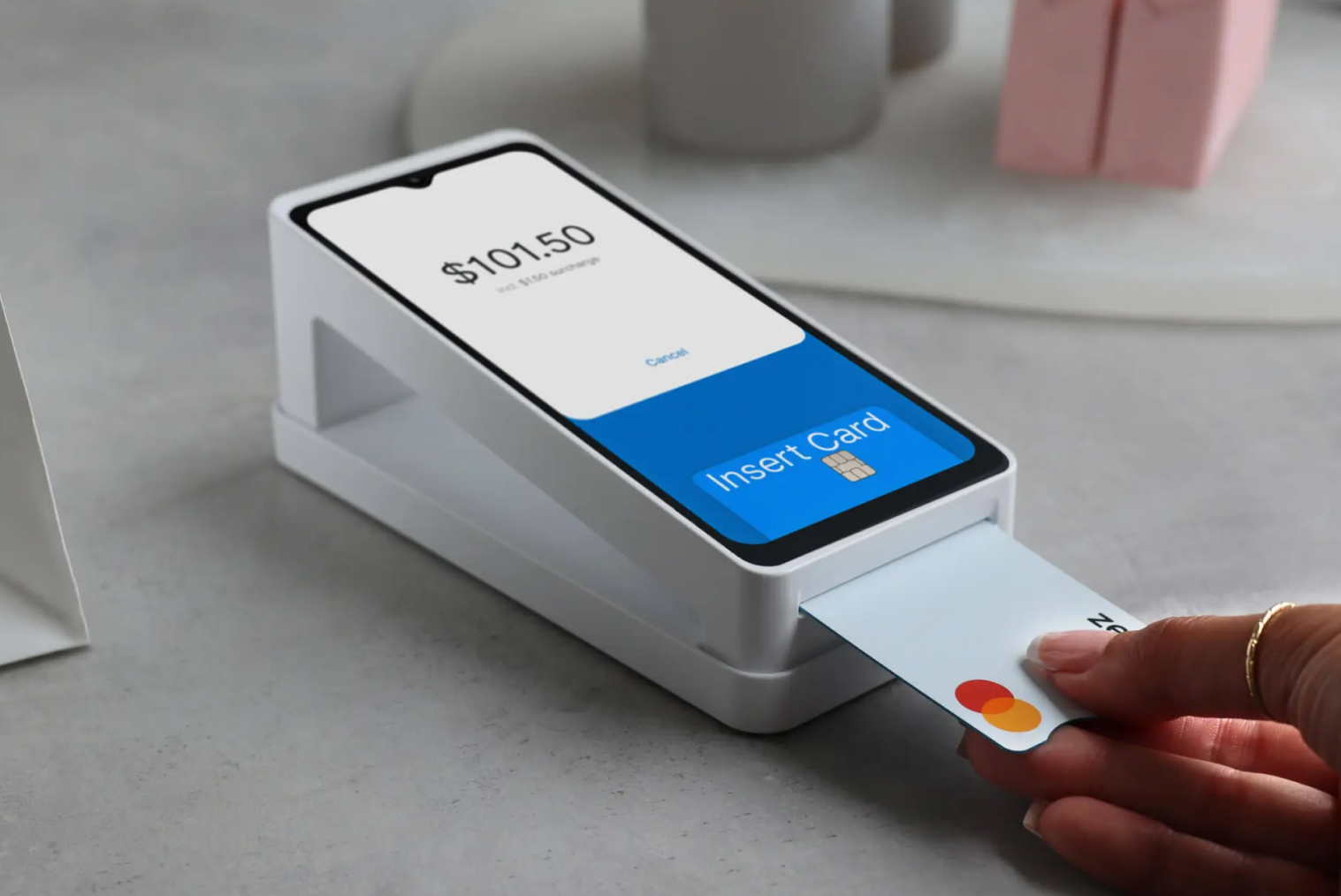
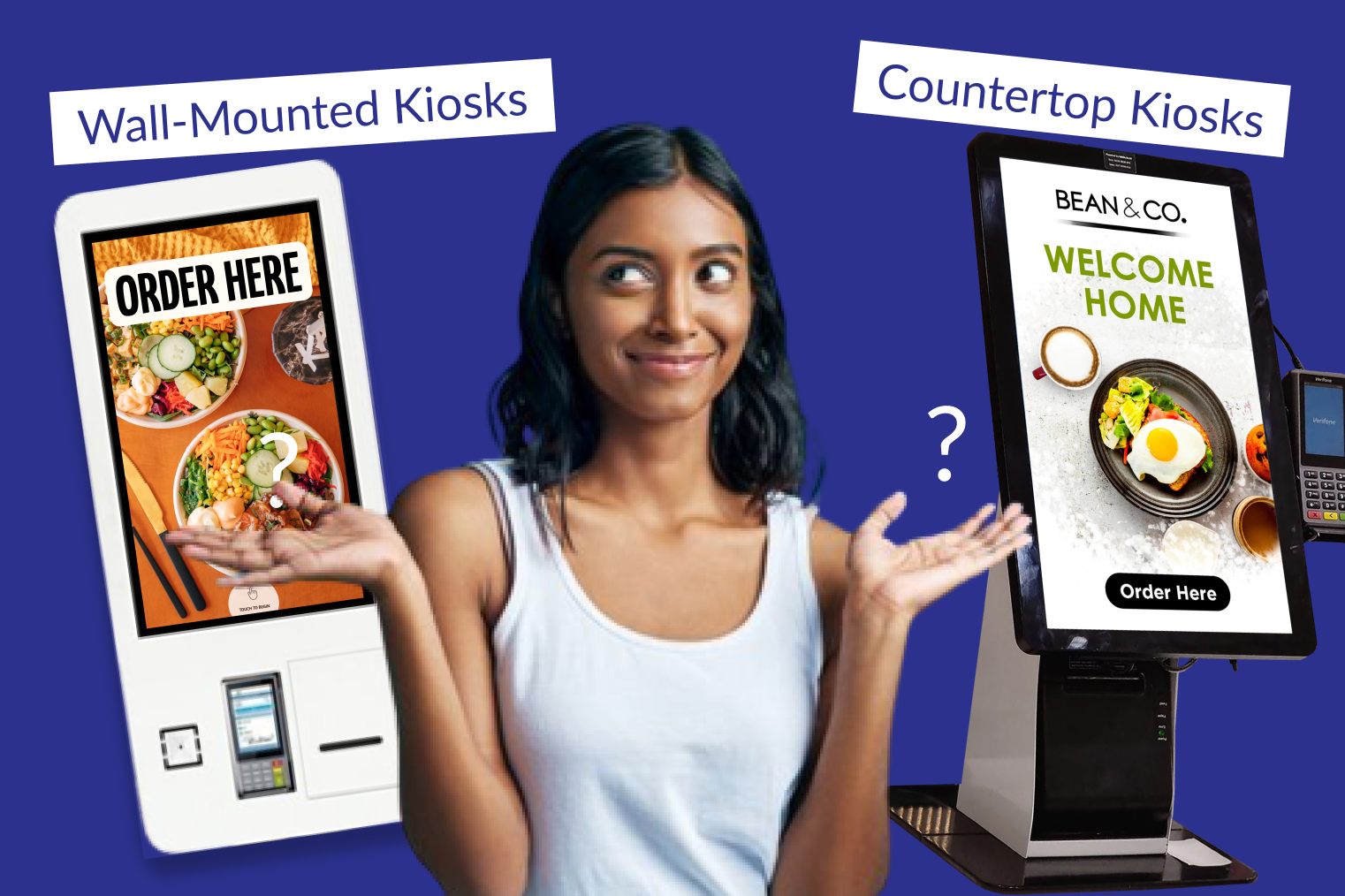
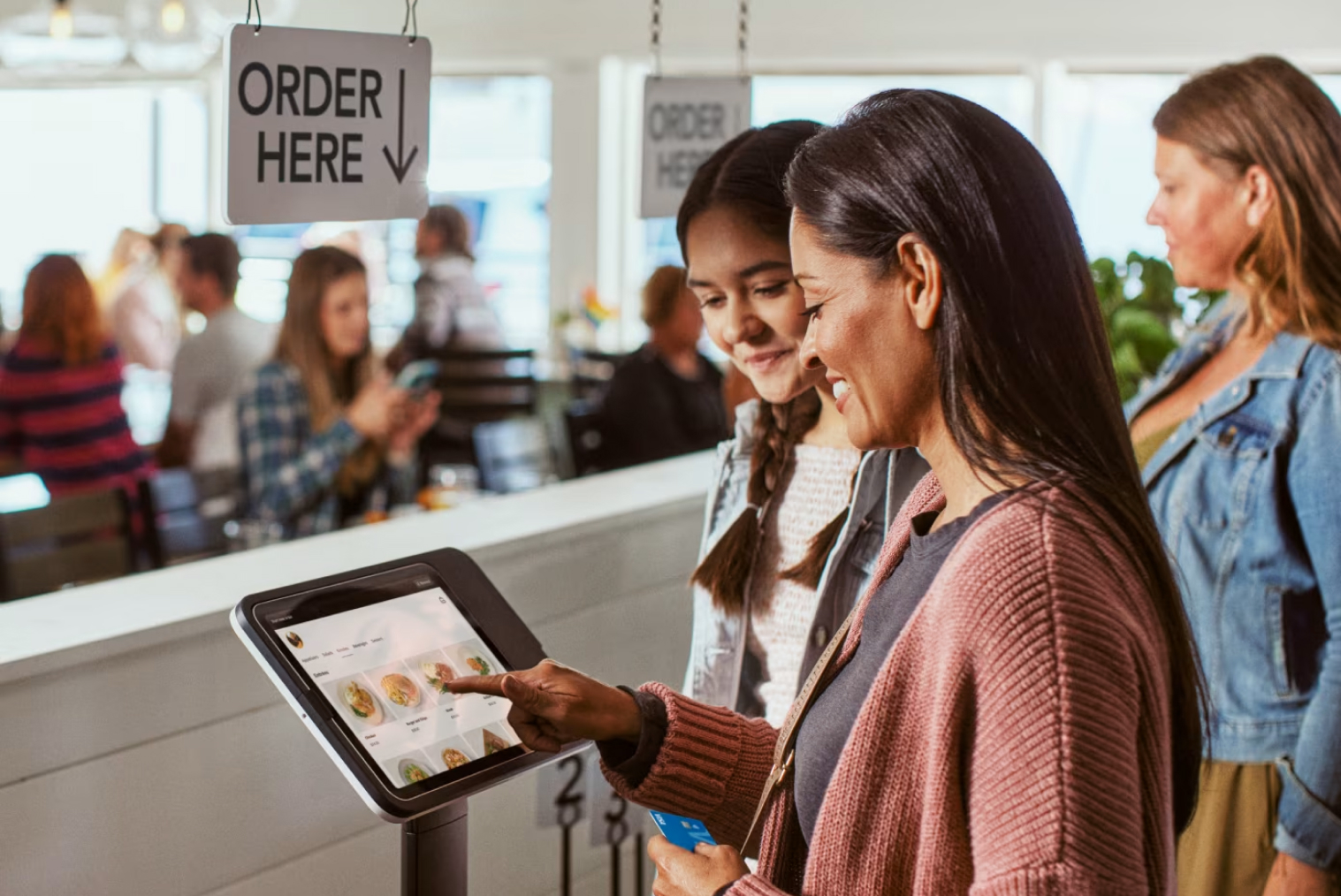
- Countertop or tablet kiosks are ideal for low-volume restaurants, cafés, and quick-service outlets with limited space. They are compact, cost-effective, and suitable for businesses that want to introduce self-ordering without a large upfront investment.
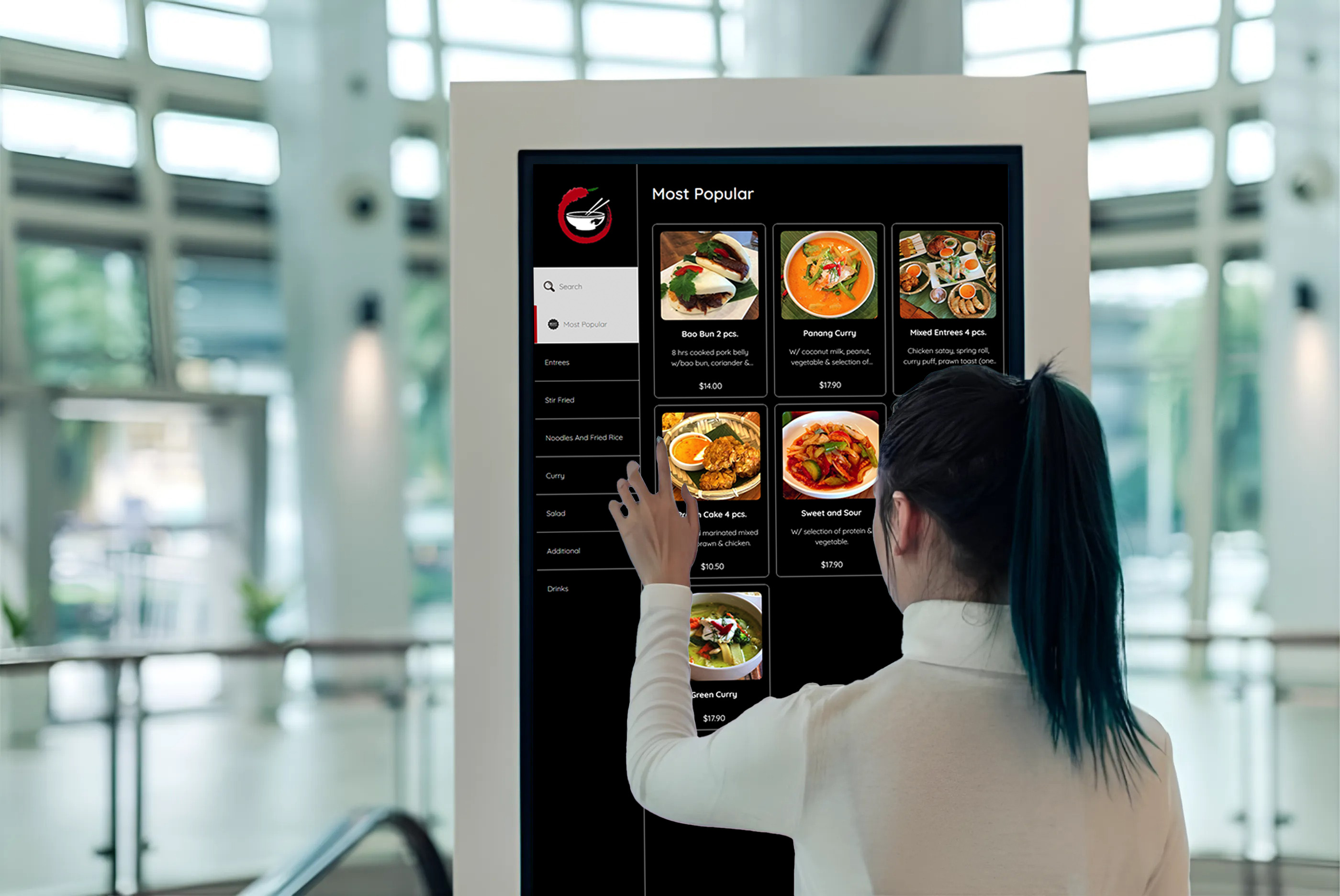
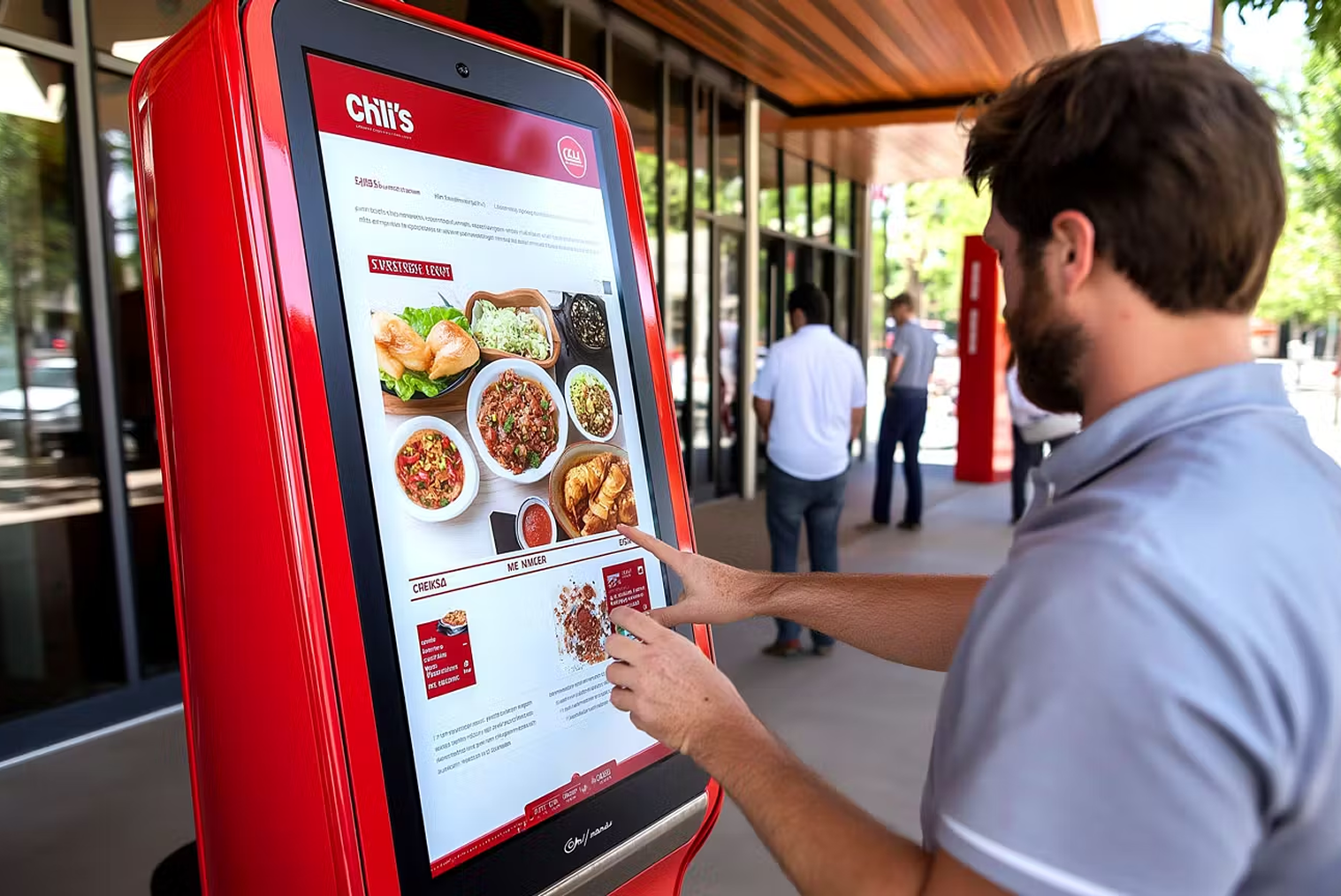
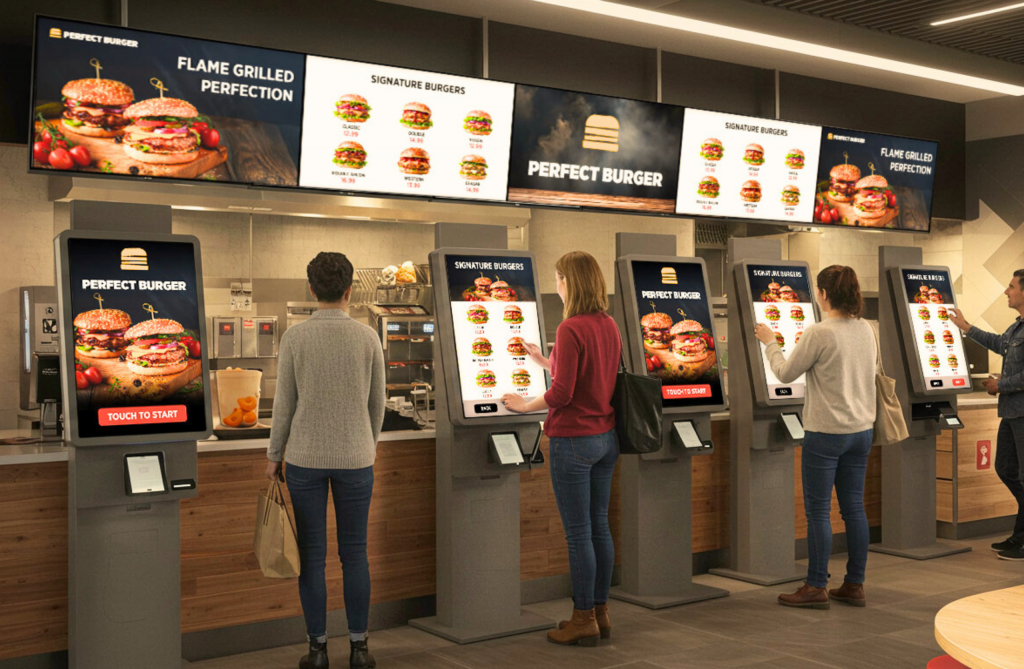
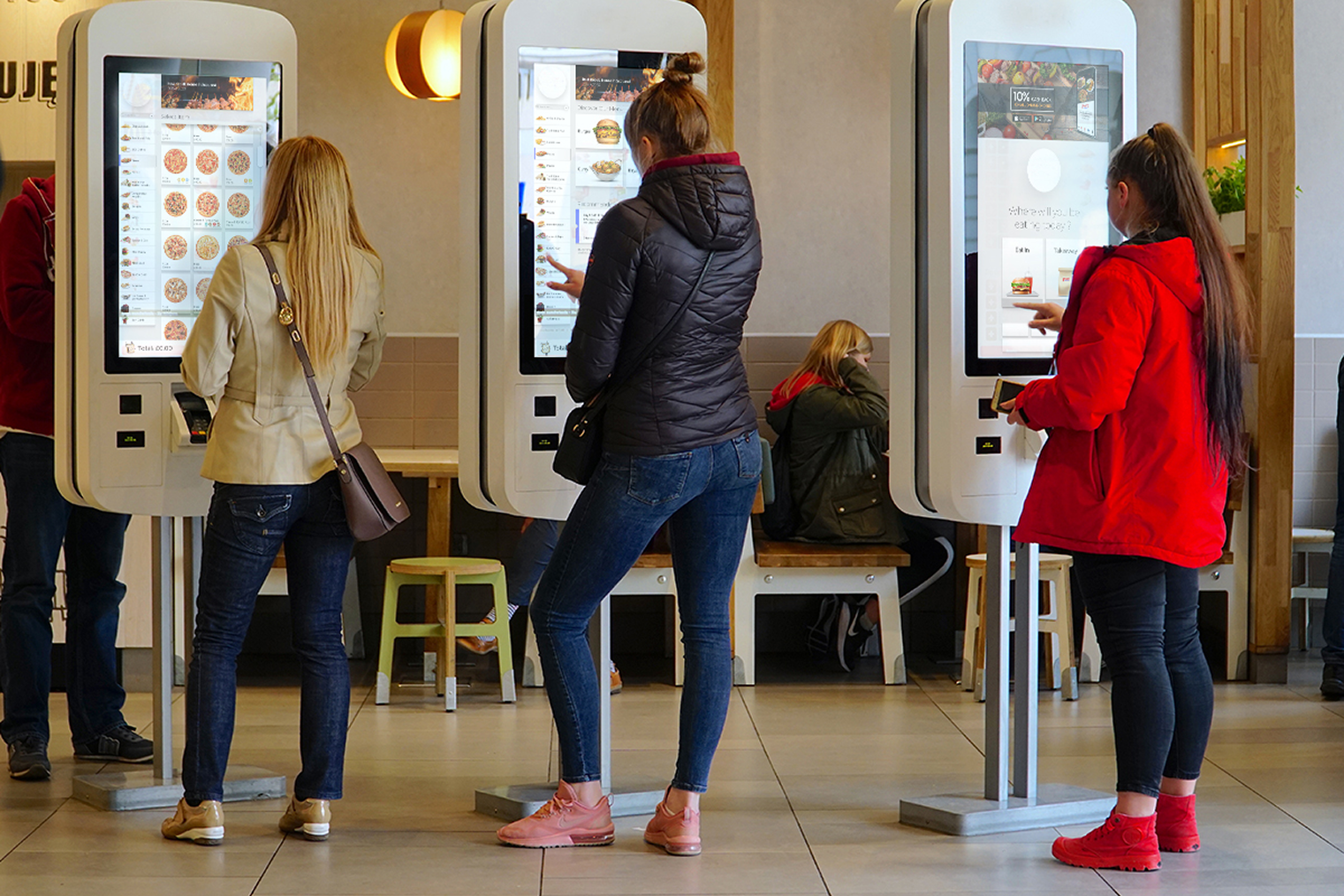
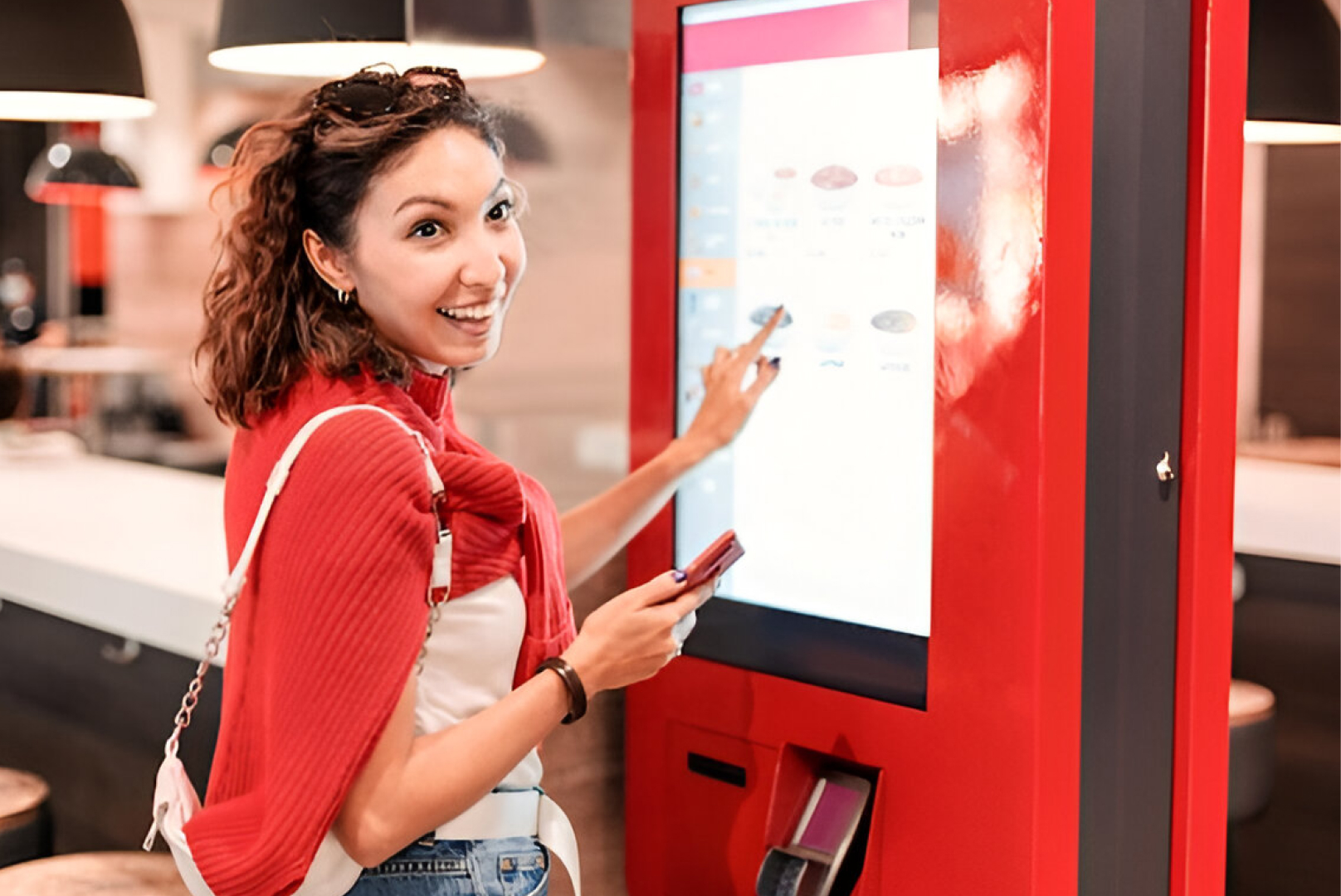
- Standalone floor-standing kiosks featuring a large touchscreen are more noticeable and user-friendly in high-traffic environments.
- Outdoor units designed for exterior operation cost more because of their weather-resistant construction and higher-quality components.
According to multiple cost guides, self-service kiosk hardware typically ranges from roughly $1,500 to $5,000+ per unit, depending on screen size and feature set. In New Zealand, expect these figures in NZD, with pricing influenced by import costs and local supplier margins.
2. Software Licensing & Integration
You'll often pay ongoing software or licensing fees for kiosk applications and POS integration. These can vary from around $50 to $200+ per month per kiosk, depending on capabilities such as inventory syncing, loyalty integration, and advanced analytics.
For restaurants comparing systems, our restaurant POS system page explains how POS integration can form part of a broader restaurant technology setup.
3. Installation & Setup
Installation may add to your cost, depending on whether you're mounting kiosks, connecting to network infrastructure, or customising them for your menu and payment systems. Many restaurants budget an additional $500–$1,000 for professional installation and configuration.
4. Customisation & Branding
If you want kiosks to match your restaurant's branding — logos, colour themes, custom UI — additional customisation fees may apply.
| Kiosk Type |
Approximate Cost (NZD) |
Notes |
| Countertop / tablet-style kiosk |
$800 – $2,000
|
Good for cafés or limited spaces; compact entry-level option
|
| Standard self-ordering kiosk |
$2,000 – $6,500+ |
Common range for restaurant floor-standing kiosks
|
| Advanced or freestanding kiosk |
$2,500 – $10,000+ |
Includes larger displays, full payment support
|
| Outdoor / industrial units |
$10,000 – $20,000+ |
Weatherproof, rugged units for high-traffic outdoor use
|
Note: NZD figures are approximate and reflect typical import pricing. Original USD reference ranges should be adjusted for current exchange rates and local supplier costs.
Average Pricing for Self-Service Kiosks
While costs vary by supplier and features, here are some ballpark figures based on current market data for NZ restaurant operators.
Typical Cost Ranges (2026 Estimates — NZD)
Note: Costs can vary significantly for high-end models or those with special features such as dual screens, built-in receipt printers, advanced analytics, voice capability, or multilingual support.
Additional Costs to Consider
Beyond the device itself, there are ongoing and one-time expenses that factor into your total kiosk investment:
Software and Licensing
Expect monthly SaaS fees for the kiosk's operating software, menu integration, and security updates.
- Typical monthly range: $65–$260 NZD per kiosk (equivalent to approximately $50–$200 USD).
Installation and Setup
Professional setup for network, power, and POS integration often runs between $650 and $1,300 NZD per kiosk.
Maintenance and Support
Annual or monthly support fees cover software updates, hardware servicing, and troubleshooting — often $400 to $1,300 NZD per year.
Payment Processing Fees
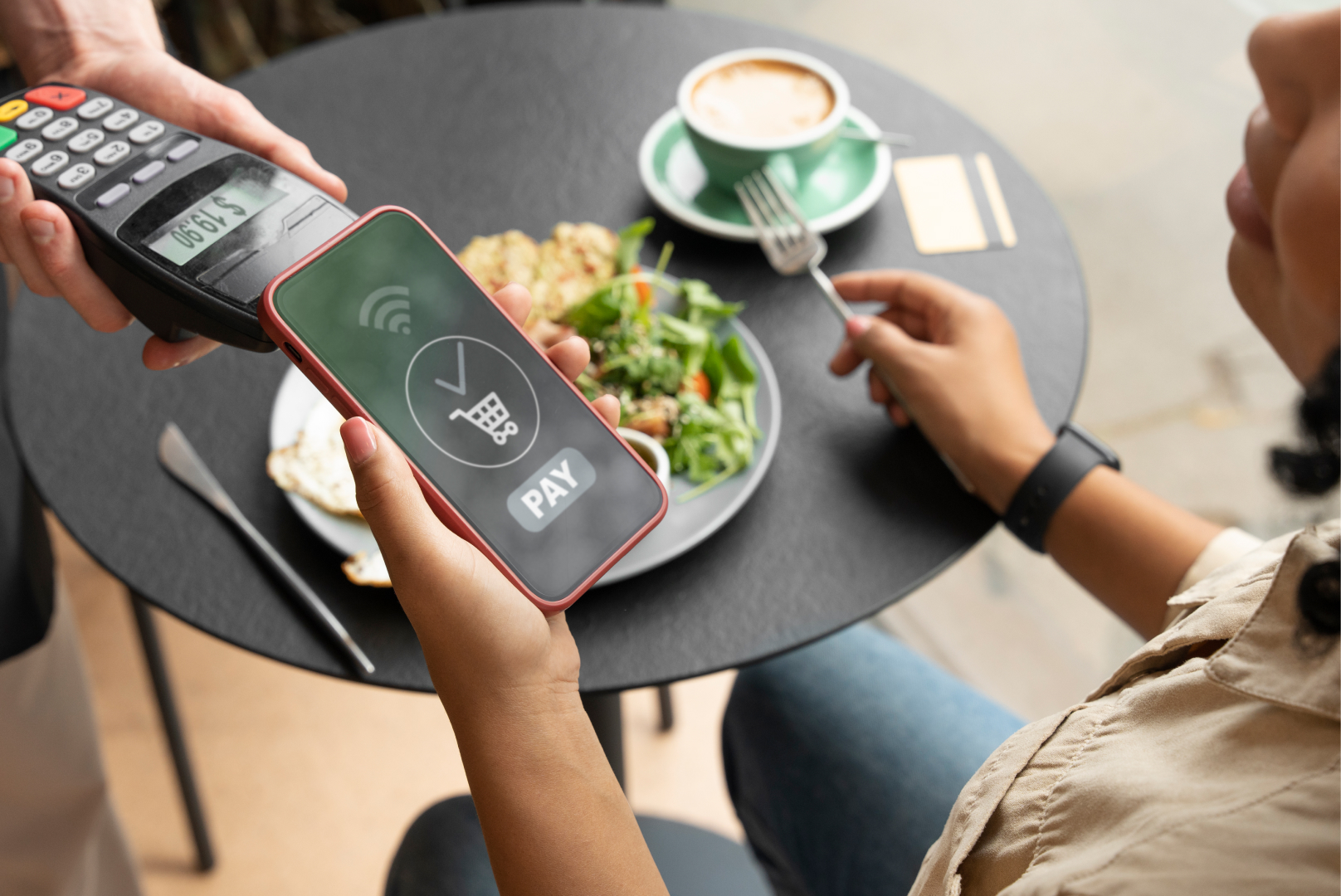
If kiosks process payments directly, transaction fees (typically 1–3% per sale) apply. In NZ, EFTPOS and contactless transaction costs vary by payment provider.
ROI and Benefits of Self-Service Kiosks
Investing in kiosks isn't just about hardware; it's about the value they bring to your operation.
For a deeper look at the financial side of kiosk adoption, read The ROI of Self-Service: How Kiosks Pay for Themselves in Months.
Increased Order Sizes
Kiosks can boost average order value by prompting customers with add-ons and combos. Industry reports cite increases of 15–30% in average order tickets after kiosk adoption.
Faster Service & Reduced Errors
By eliminating manual input, kiosks streamline ordering and reduce order mistakes, enhancing customer satisfaction and throughput during peak hours.
Labour Optimisation
Automation of repetitive tasks allows staff to focus on food preparation and customer engagement, effectively reducing labour pressure without cutting headcount.
Payback Timeline
The time required to recover a kiosk investment varies significantly between restaurants.
Factors such as average order value, transaction volume, labour costs, kiosk price and upselling performance all influence the payback period.
Some restaurant operators may recover their investment within 6–12 months, while others may require longer.
For more information about when a kiosk investment makes sense, read When to Invest in a Self-Ordering Kiosk.
How Many Kiosks Does a Restaurant Need?
The number of kiosks required depends on your customer volume, peak ordering periods, available floor space and the proportion of customers you expect to use self-service ordering.
A smaller café may only need one countertop unit, while a busy QSR or food court location may benefit from several floor-standing kiosks.
Avoid simply choosing as many kiosks as possible. The goal is to provide enough self-service capacity to reduce queues without creating unnecessary hardware costs.
For a more detailed guide, see How Many Self-Service Kiosks Does a Restaurant Need?.
TABIN's Self-Service Kiosk Solution
TABIN's self-service kiosk solution is designed to deliver measurable outcomes for restaurants — not just modern hardware. Whether you choose a compact countertop unit or a high-visibility floor-standing kiosk, TABIN helps restaurants serve more customers, faster, and more accurately, even during peak hours.
By integrating with your existing POS system, TABIN ensures menus, pricing, and inventory stay perfectly aligned in real time. This reduces order errors, eliminates manual updates, and creates a smoother experience for both staff and customers — resulting in shorter queues, higher order accuracy, and improved customer satisfaction.
Beyond efficiency, TABIN kiosks actively support revenue growth. Intelligent upsell flows, loyalty programme connectivity, and intuitive UX design encourage customers to add more to each order, driving higher average order value without increasing staff workload.
With built-in reporting and analytics, restaurant owners gain clear visibility into ordering trends, peak times, and customer preferences — empowering smarter decisions around menu optimisation, staffing, and promotions.
Tips to Reduce Kiosk Costs
Here are practical ways to manage your self-service kiosk budget intelligently:
Start with a Tablet-Based Kiosk
If upfront cost is a concern, tablet kiosks or countertop units (approximately NZD $800–$2,000) are a more affordable entry point. They let you test adoption and ROI before committing to floor-standing units.
Bundle Software with POS
Choosing kiosk hardware that integrates with your existing restaurant POS system often reduces subscription fees and eliminates installation complexity.
Leasing vs Buying
For restaurants that want to test ROI first, leasing kiosks can spread costs over time with a lower upfront investment — a sensible option for first-time adopters.
Conclusion
Self-service kiosks typically cost between NZD $2,000 and $6,500+ per unit for standard restaurant setups, depending on hardware and features. Most restaurants see a strong return through faster service, higher average order values, and reduced labour pressure. With the right setup and seamless kiosk and POS integration, solutions like TABIN's self-service kiosks help restaurants recover their investment quickly while delivering long-term operational efficiency and revenue growth.
Ready to find the right kiosk setup for your restaurant? Contact the TABIN team for a demo and get a tailored recommendation based on your venue size, traffic volume, and budget.
Frequently Asked Questions
Q1: How long does it take to install a self-service kiosk in a restaurant?
Installation typically takes a few hours to a full day, depending on configuration, network setup, and POS integration. Simple countertop units can often be configured and live on the same day.
Q2: What kind of support is available after kiosk installation?
Most vendors offer ongoing support packages including software updates, remote troubleshooting, and optional on-site servicing. TABIN provides NZ-based support during local trading hours.
Q3: Do self-service kiosks reduce the need for staff entirely?
No. Kiosks automate order entry and payments, but staff are still essential for food preparation, customer support, and maintaining a quality guest experience. The goal is reallocation, not reduction.
Q4: How much does a self-service kiosk cost in NZ?
In New Zealand, standard self-ordering kiosks typically cost between NZD $2,000 and $6,500 per unit for hardware. Add software licensing of $65–$260 NZD/month and a one-off installation cost of $650–$1,300 NZD. TABIN offers a range of kiosk configurations suited to different venue types and budgets.
Q5: What is the ROI timeline for a restaurant kiosk?
Most restaurants recoup their kiosk investment within 6–12 months through increased average order value, reduced labour pressure, and faster service during peak hours. Industry data shows kiosks increase average order tickets by 15–30%, which accelerates the payback period significantly.
Q6: Should I lease or buy a self-service kiosk?
Leasing can reduce the upfront investment and spread payments over time, making it useful for restaurants that want to test self-service ordering. Buying can make sense for businesses with available capital that plan to use the kiosk for several years. Compare the total cost over the full contract or ownership period before deciding.


.webp)
.png)



























.webp)


