The world of restaurant marketing is changing quickly, particularly in the wake of the pandemic. The pandemic's effect on consumer behavior and the industry's rapid use of digital technology brought about significant changes in restaurant operations and marketing.
It's more important than ever for small eateries and larger chains to have a successful restaurant marketing plan. With revenues expected to surpass $1 trillion for the first time in 2026, the restaurant business is expected to experience tremendous growth. A robust job market supports this expansion, as the sector is predicted to gain 200,000 positions, bringing the total number of employed individuals to 15.7 million (NRA). However, restaurants have a fierce rivalry and growing expenses; 98% of owners report higher labor costs, and 97% mention increased food costs as a major challenge.
Many business owners are using creative restaurant marketing ideas to overcome these obstacles. Several businesses are investing in cutting-edge point-of-sale (POS) technologies and improving their online ordering systems as they embrace the digital transition. Restaurant operators must comprehend and adjust to these trends to maintain a competitive edge and establish a genuine connection with customers. This article further highlights restaurant marketing ideas and trends that use modern technologies and innovation within the food business.
Kiosk Technology Trends Shaping Restaurants
Kiosk technology assists restaurants in improving the speed of orders, personalization, and upselling, while also reducing reliance on the front-line workforce.
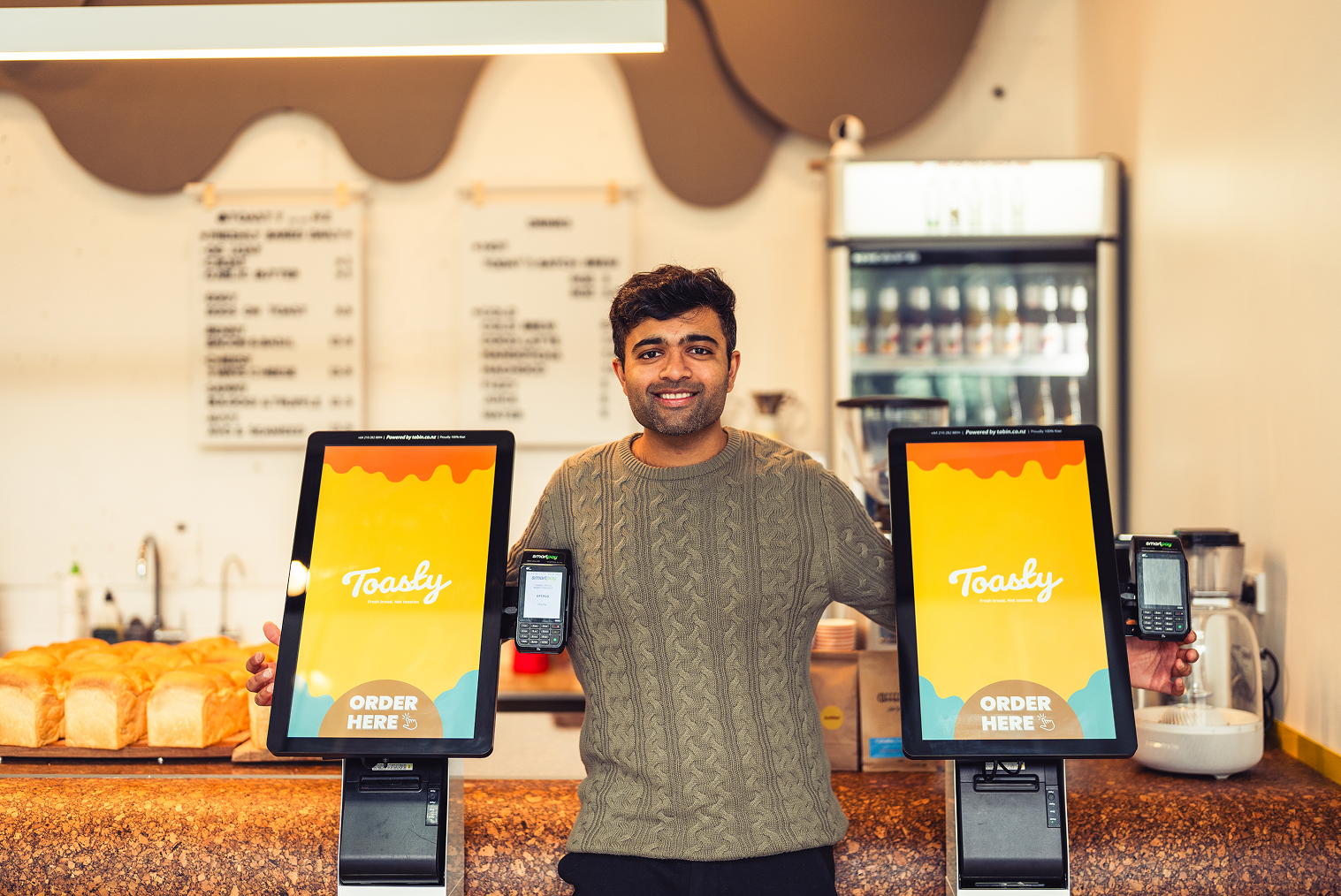
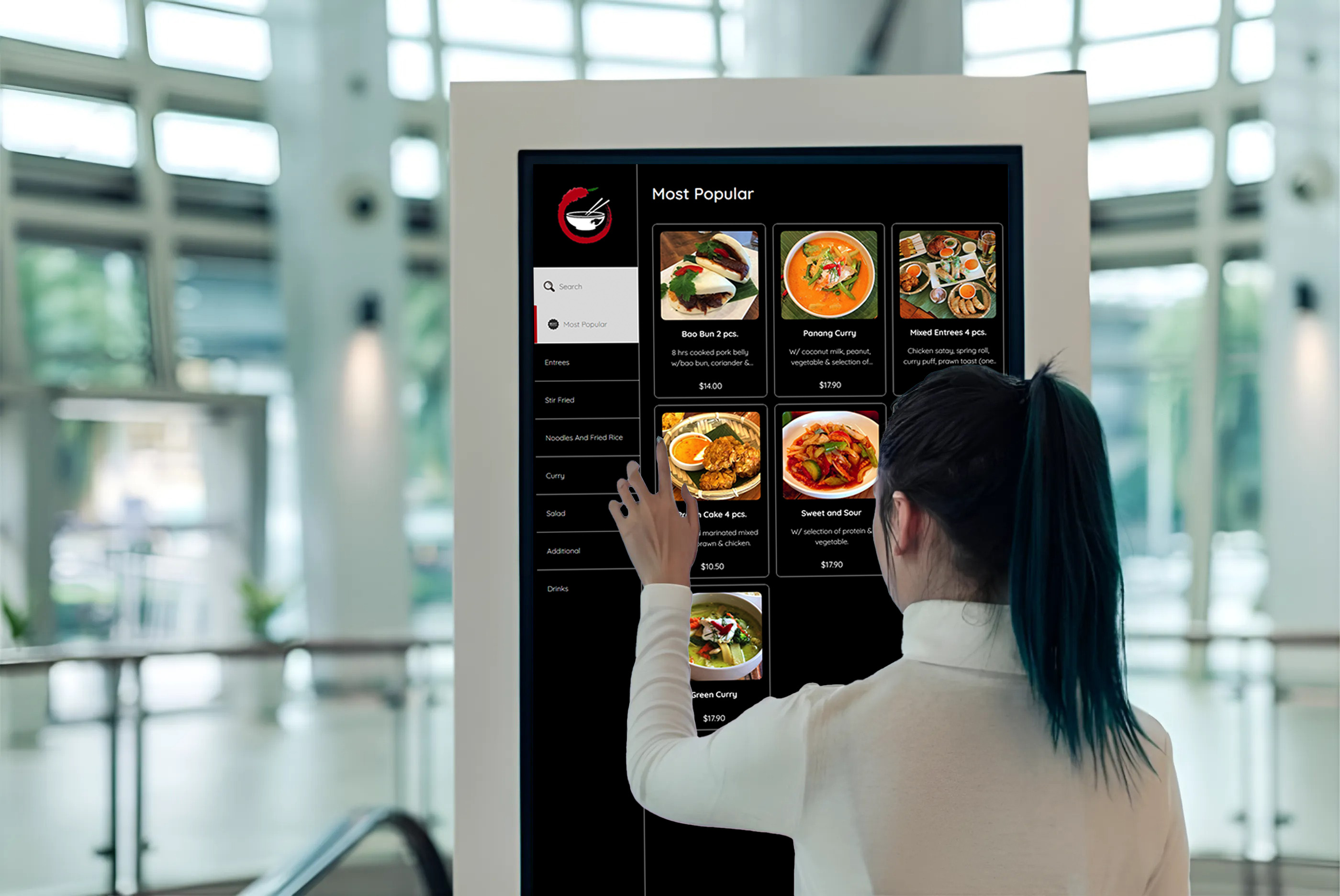
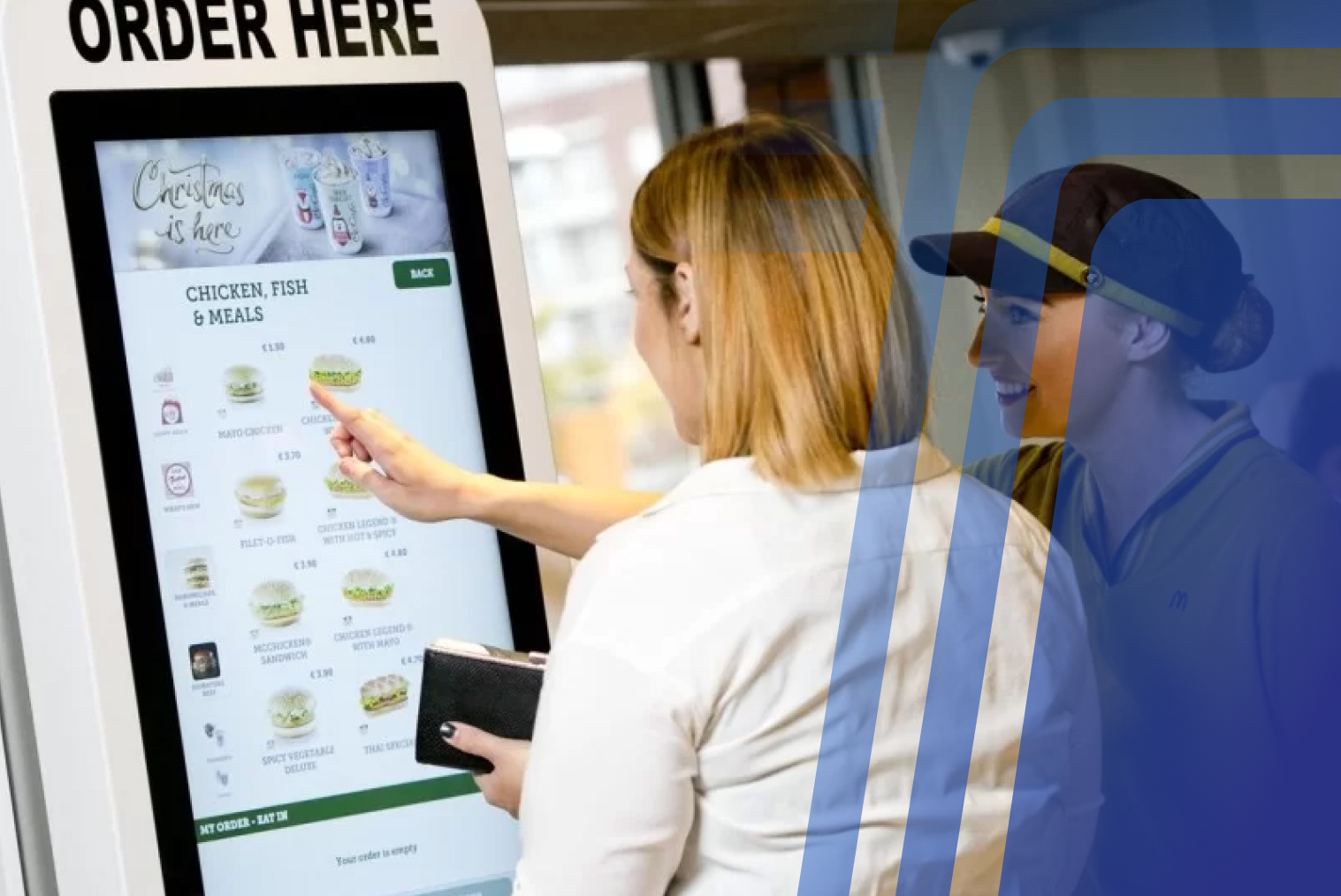
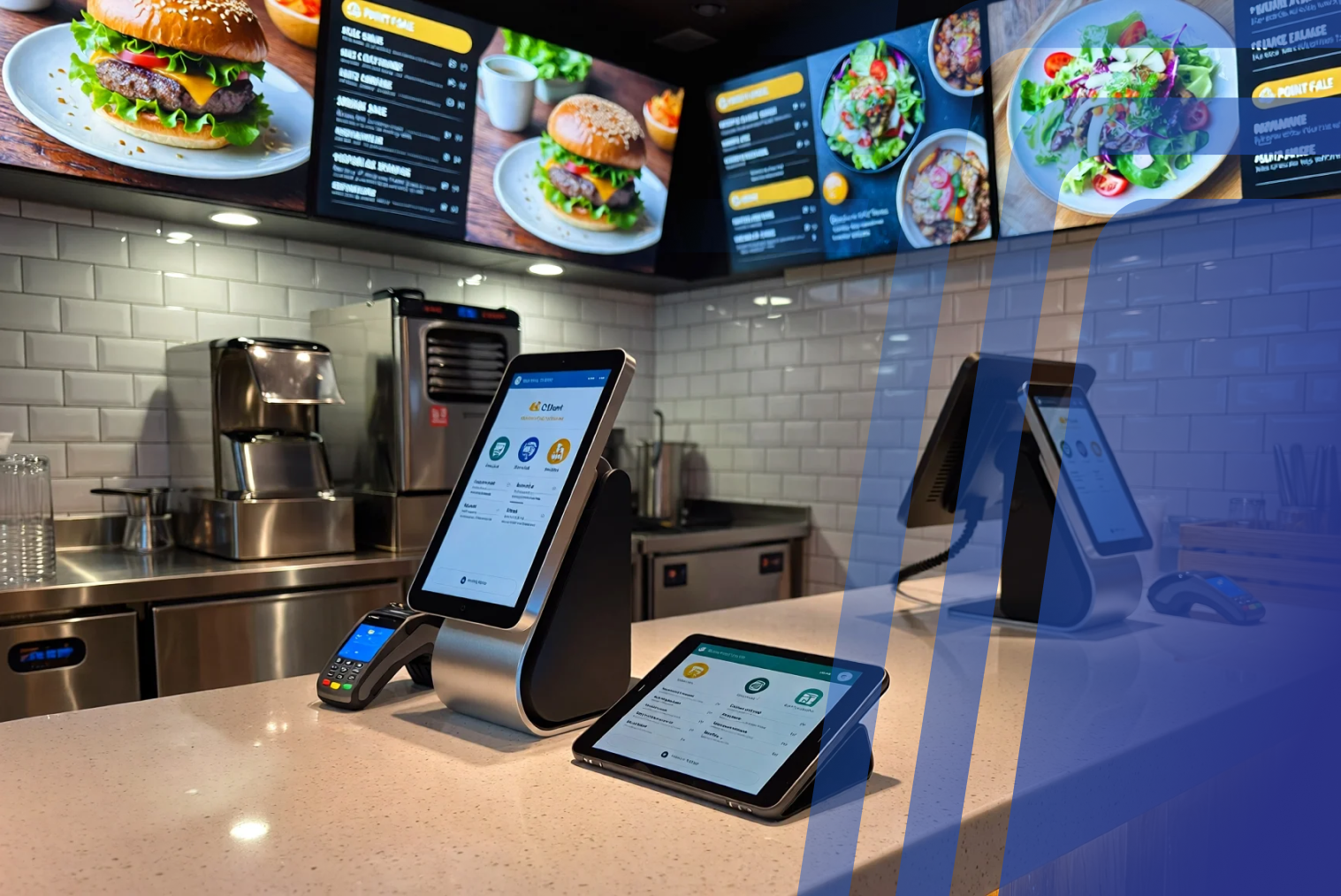
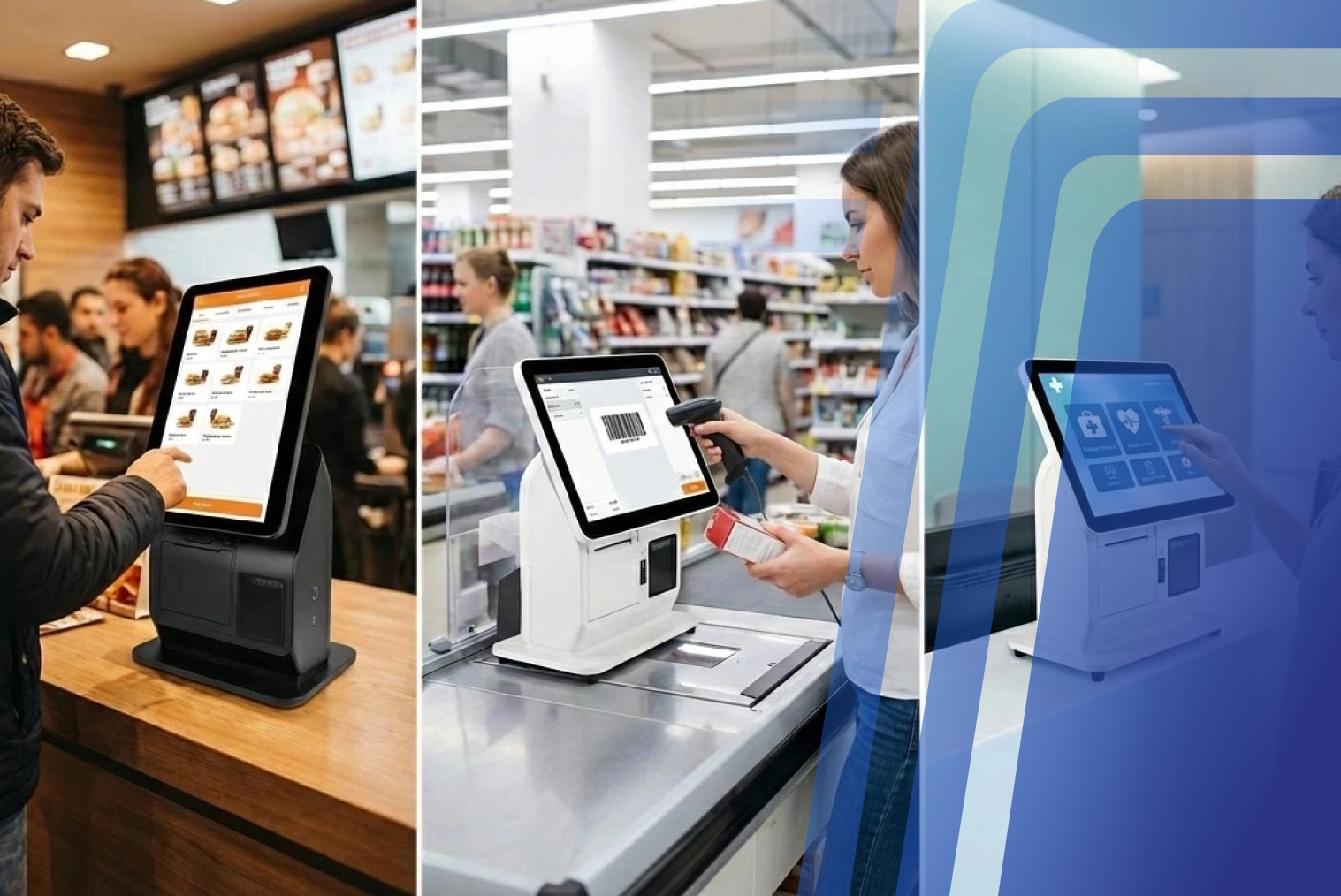
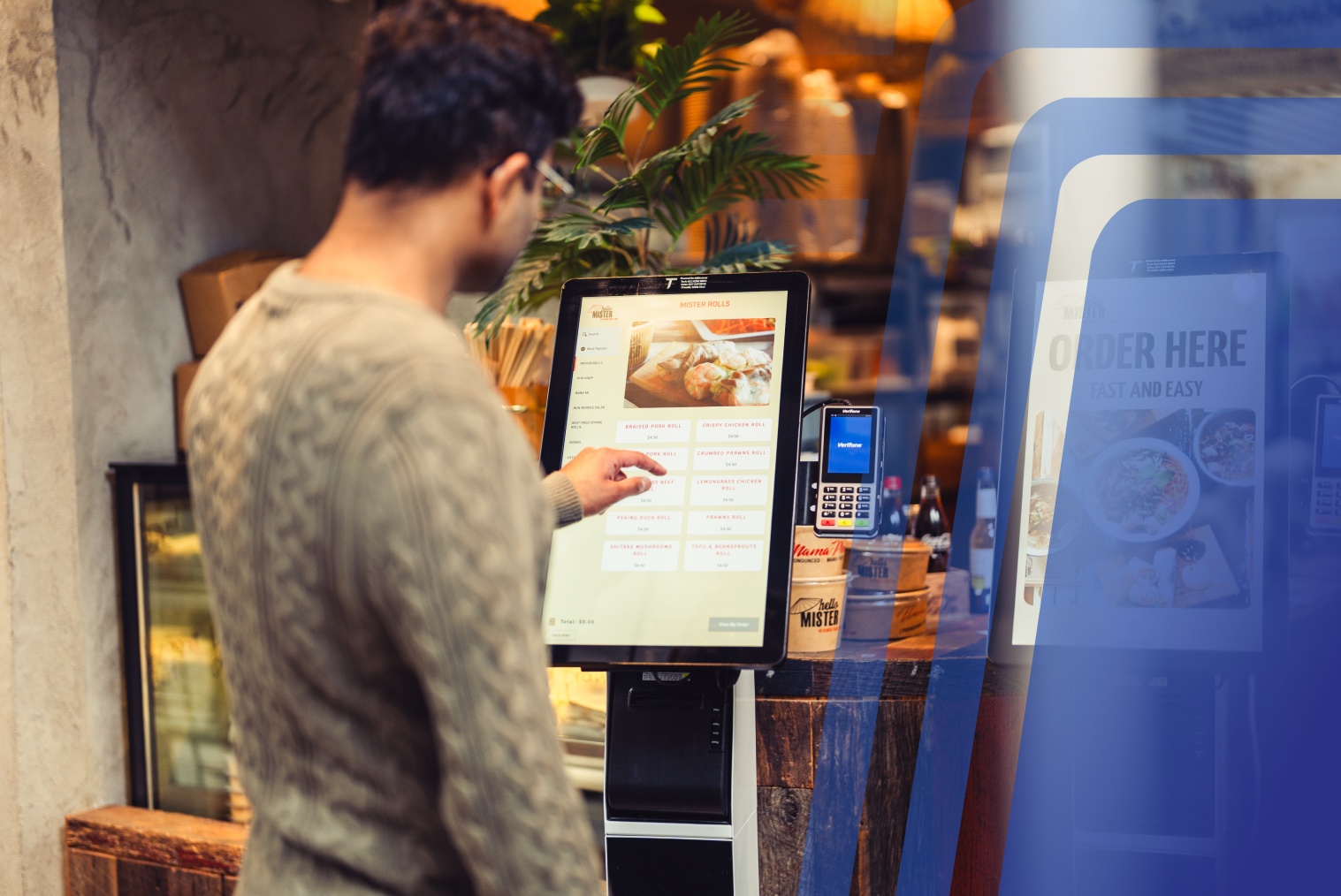
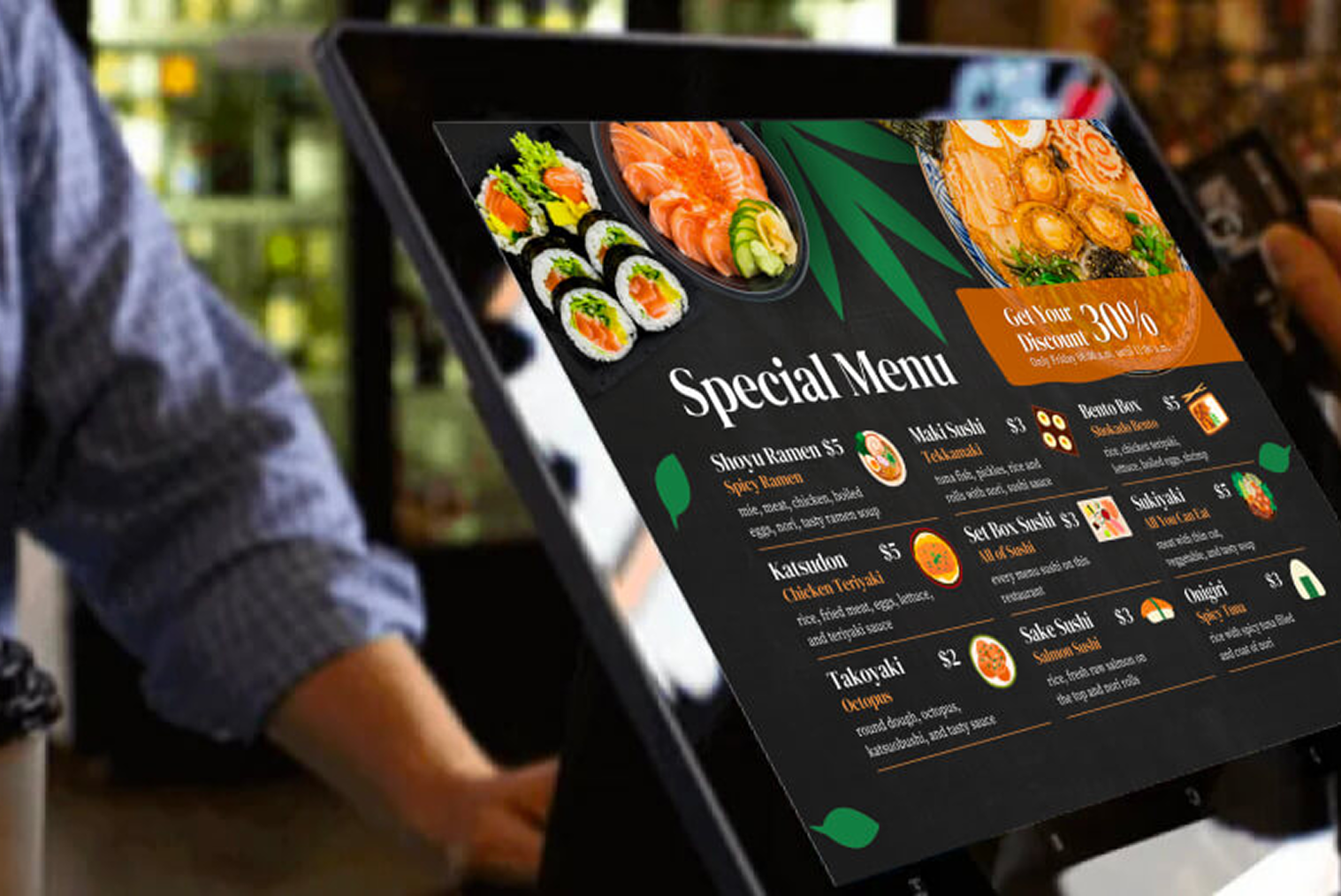
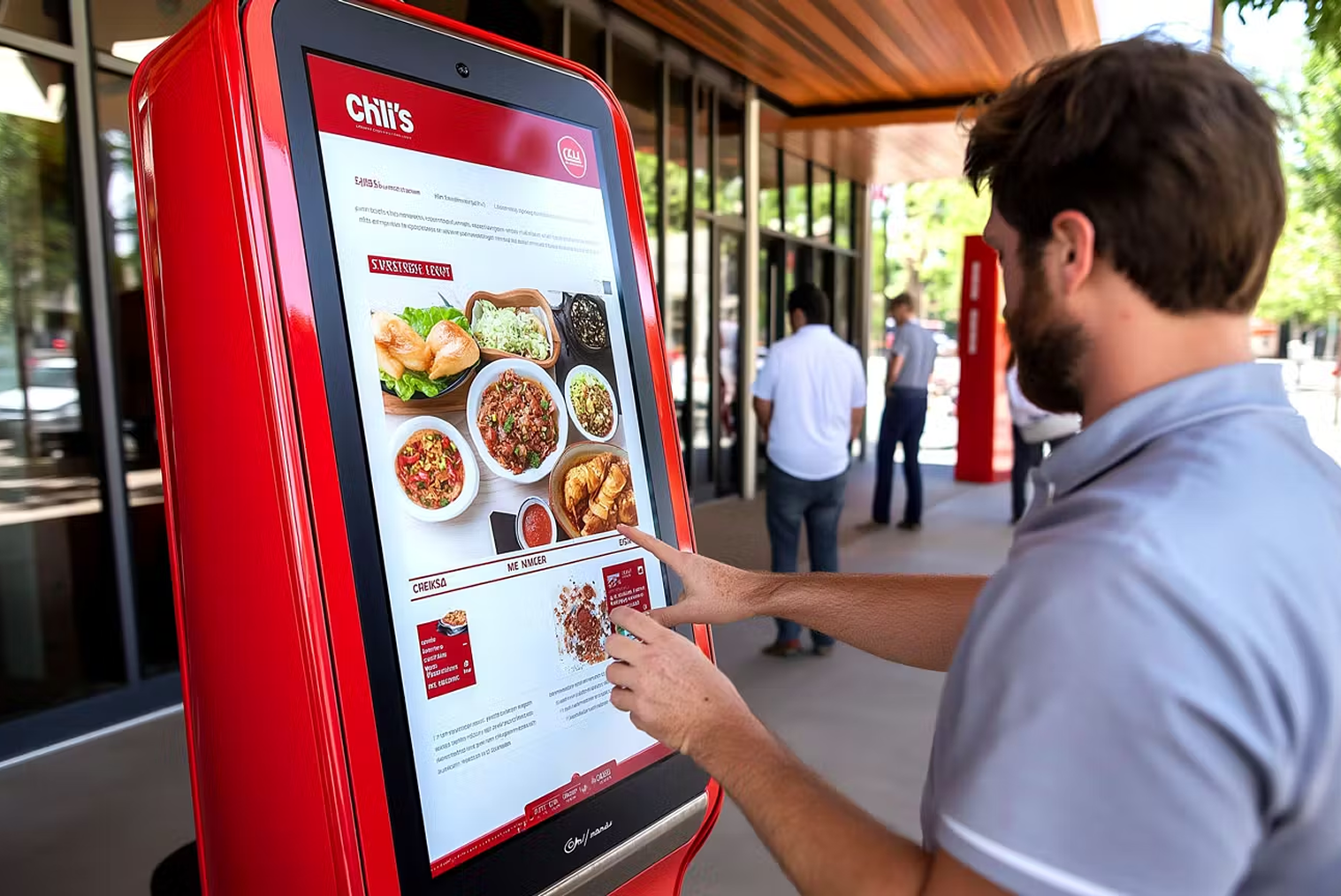
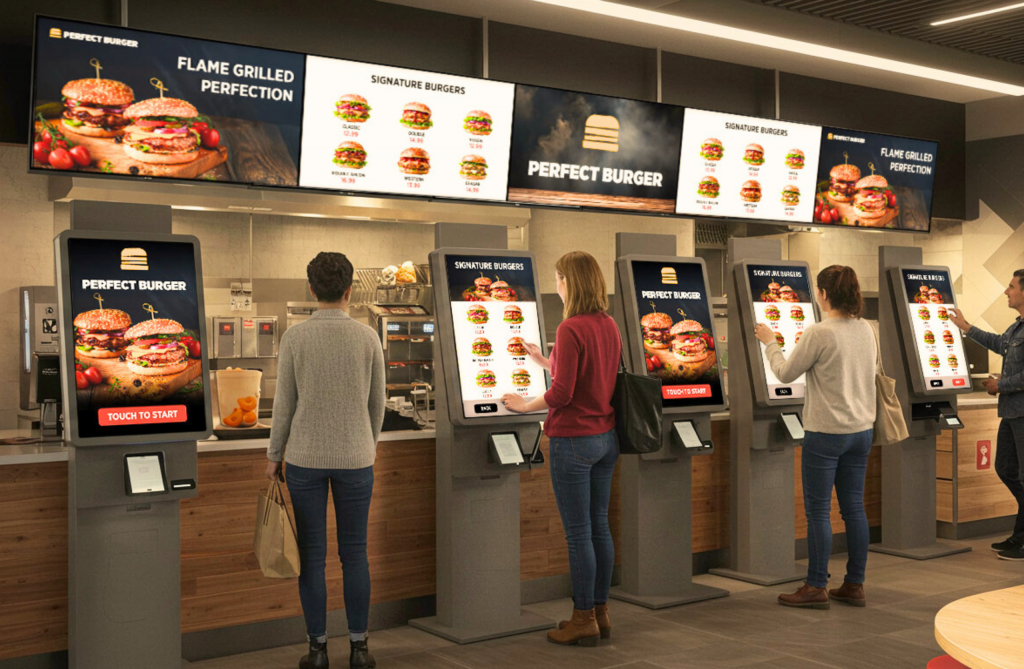
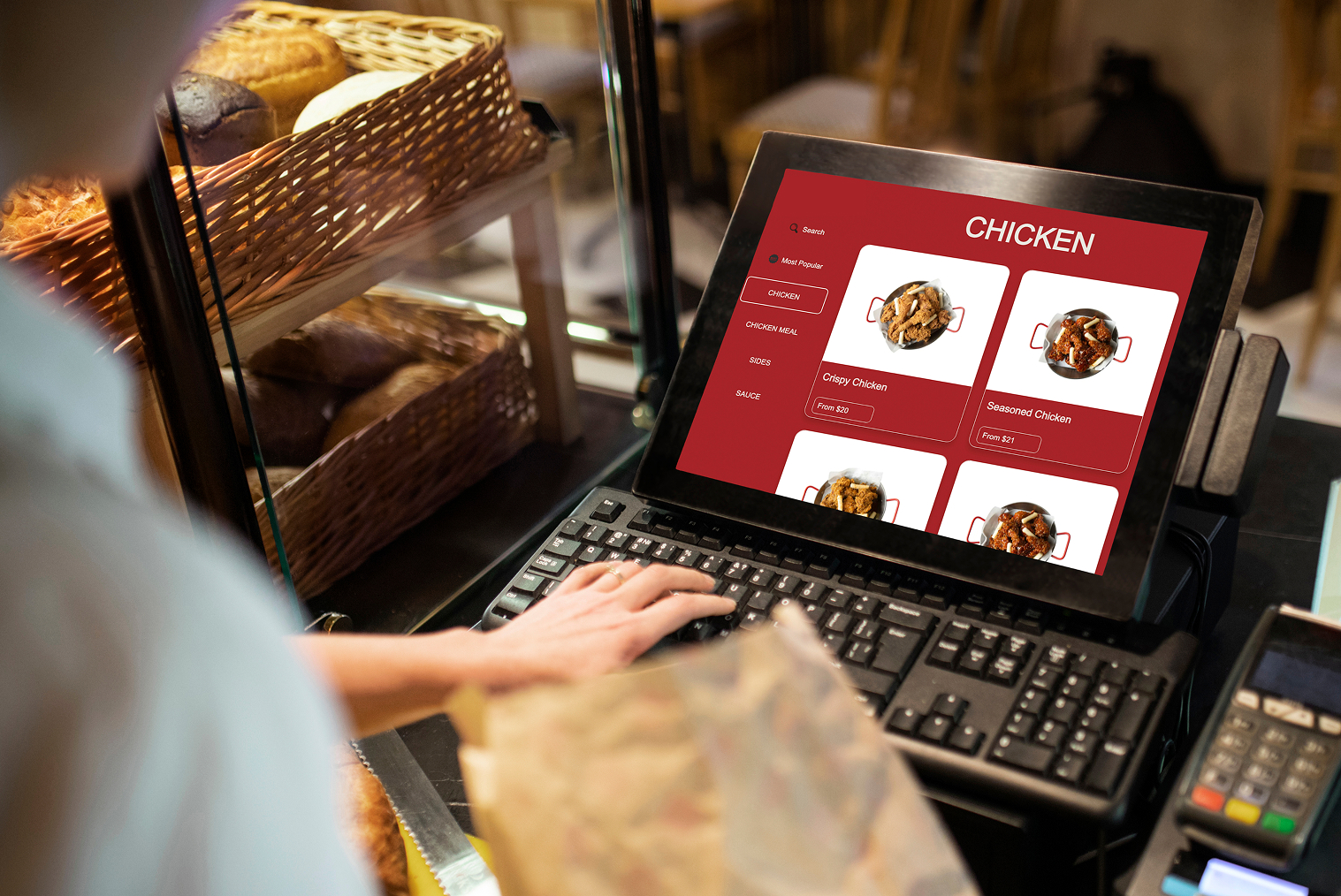
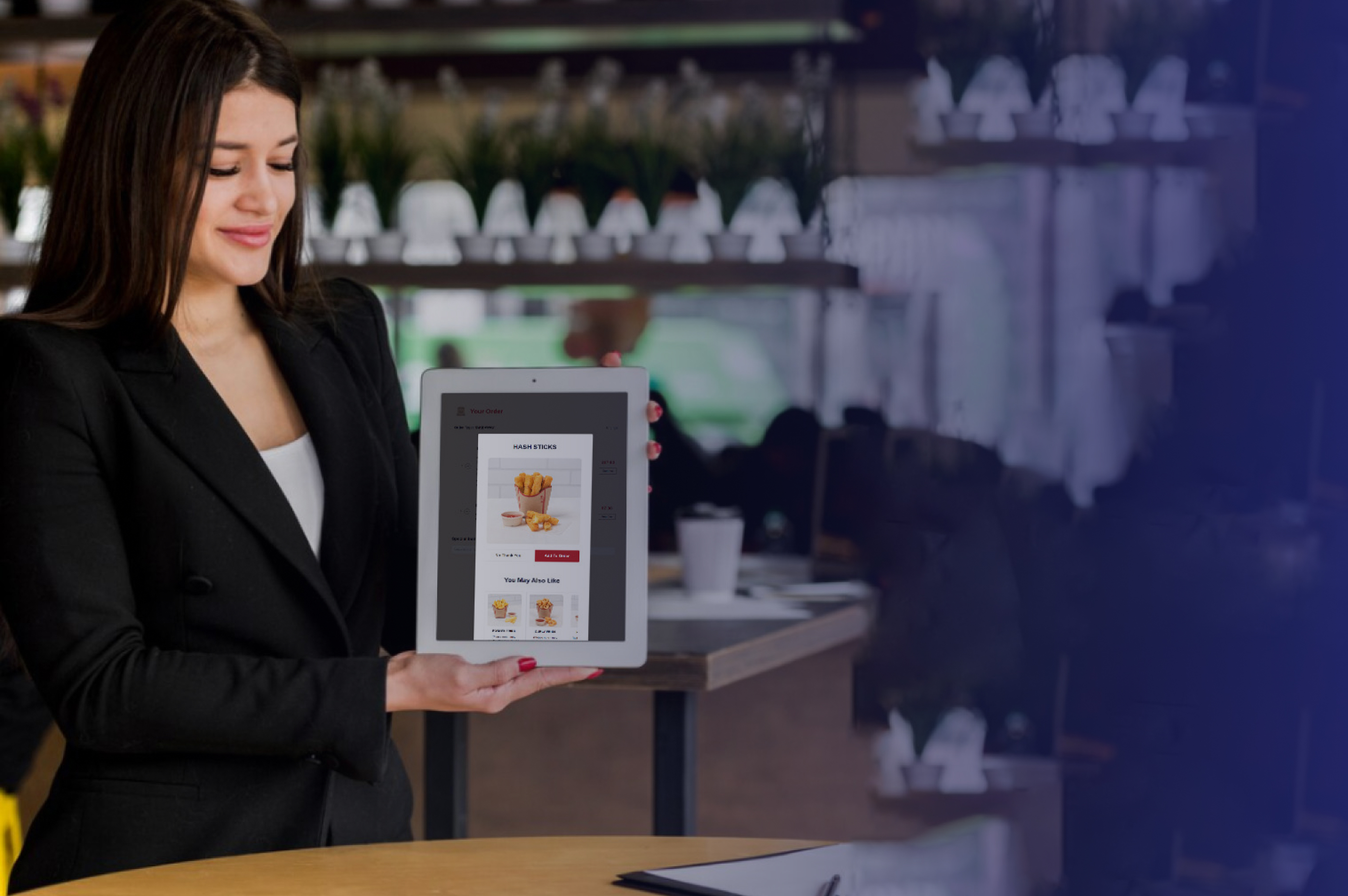
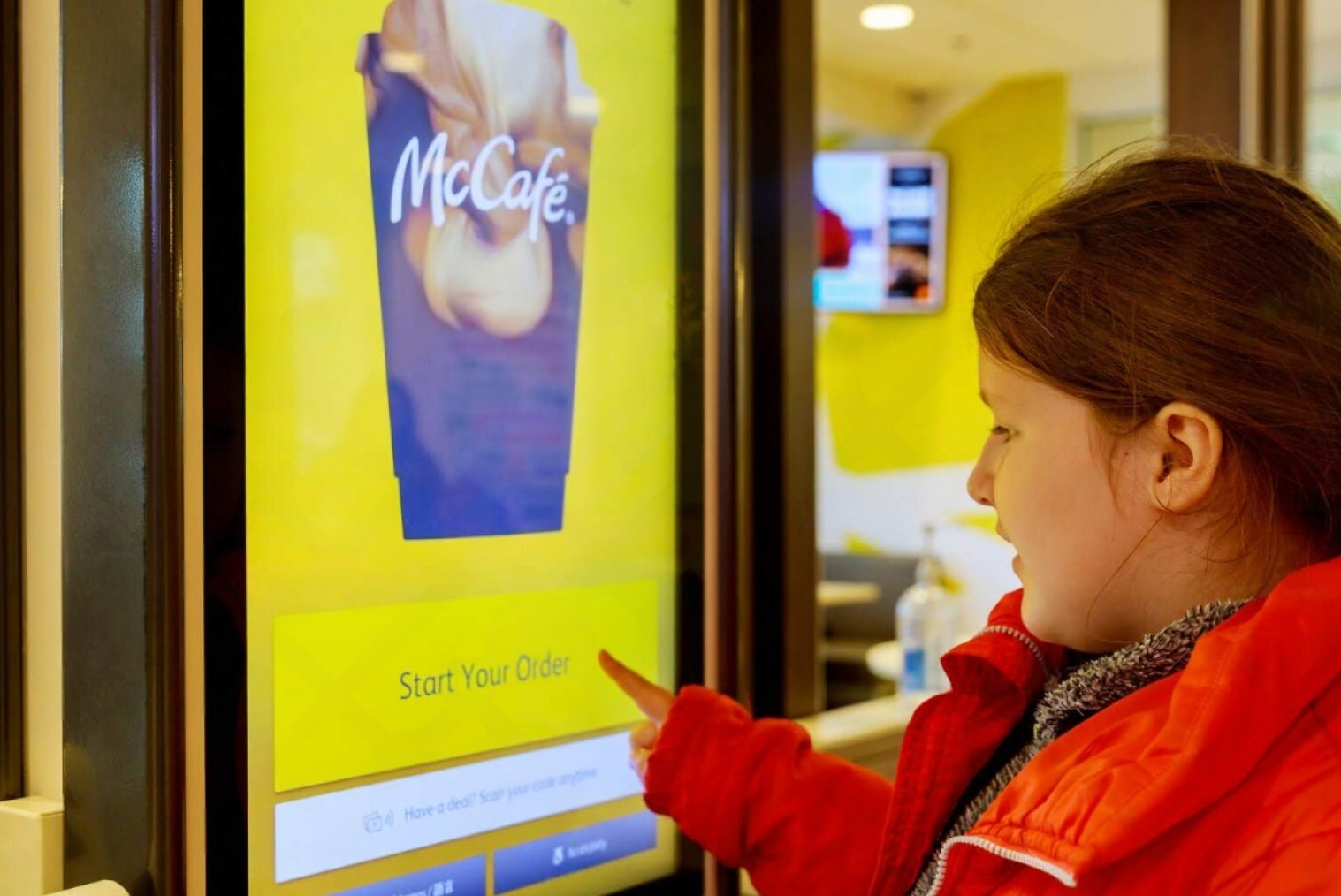
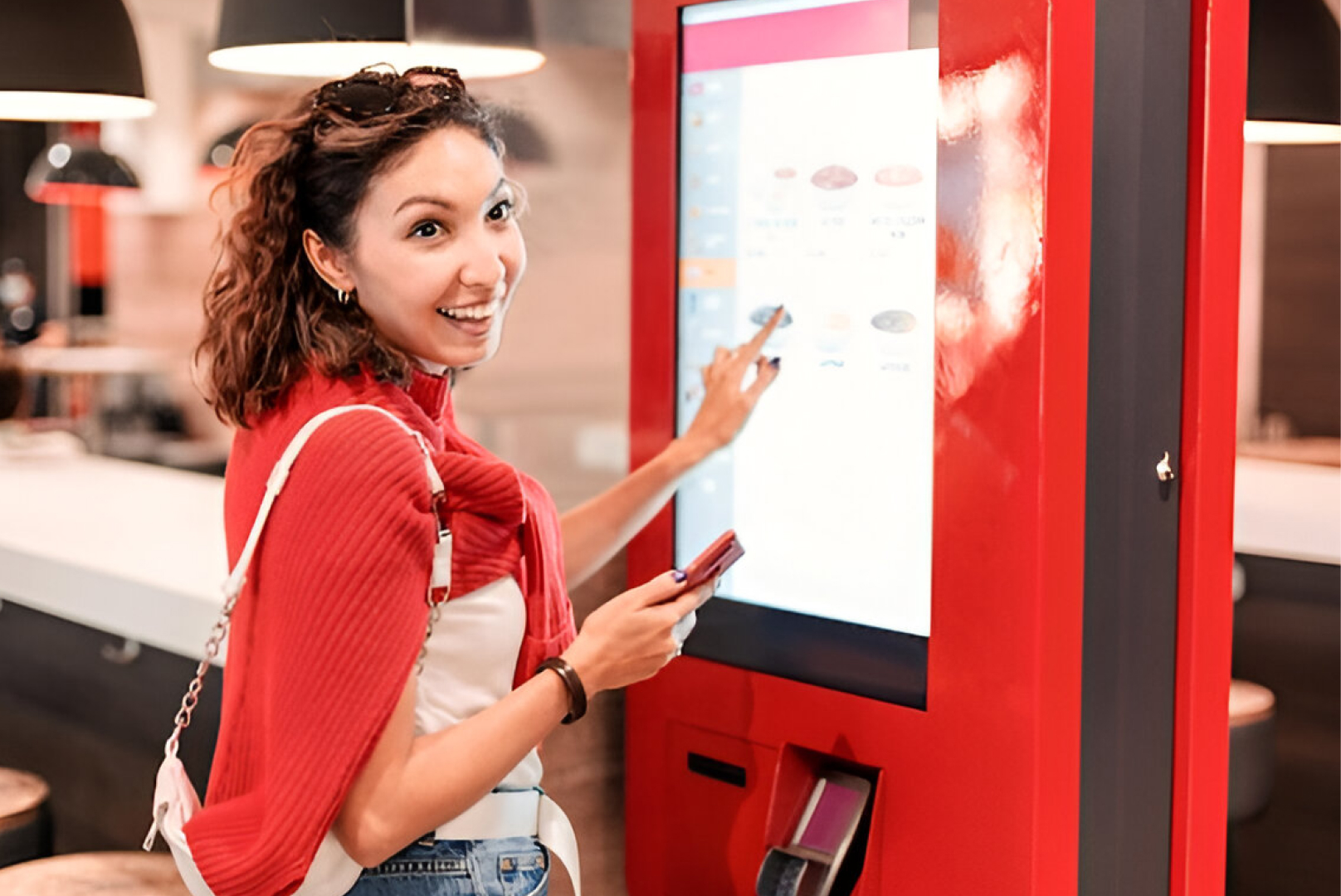
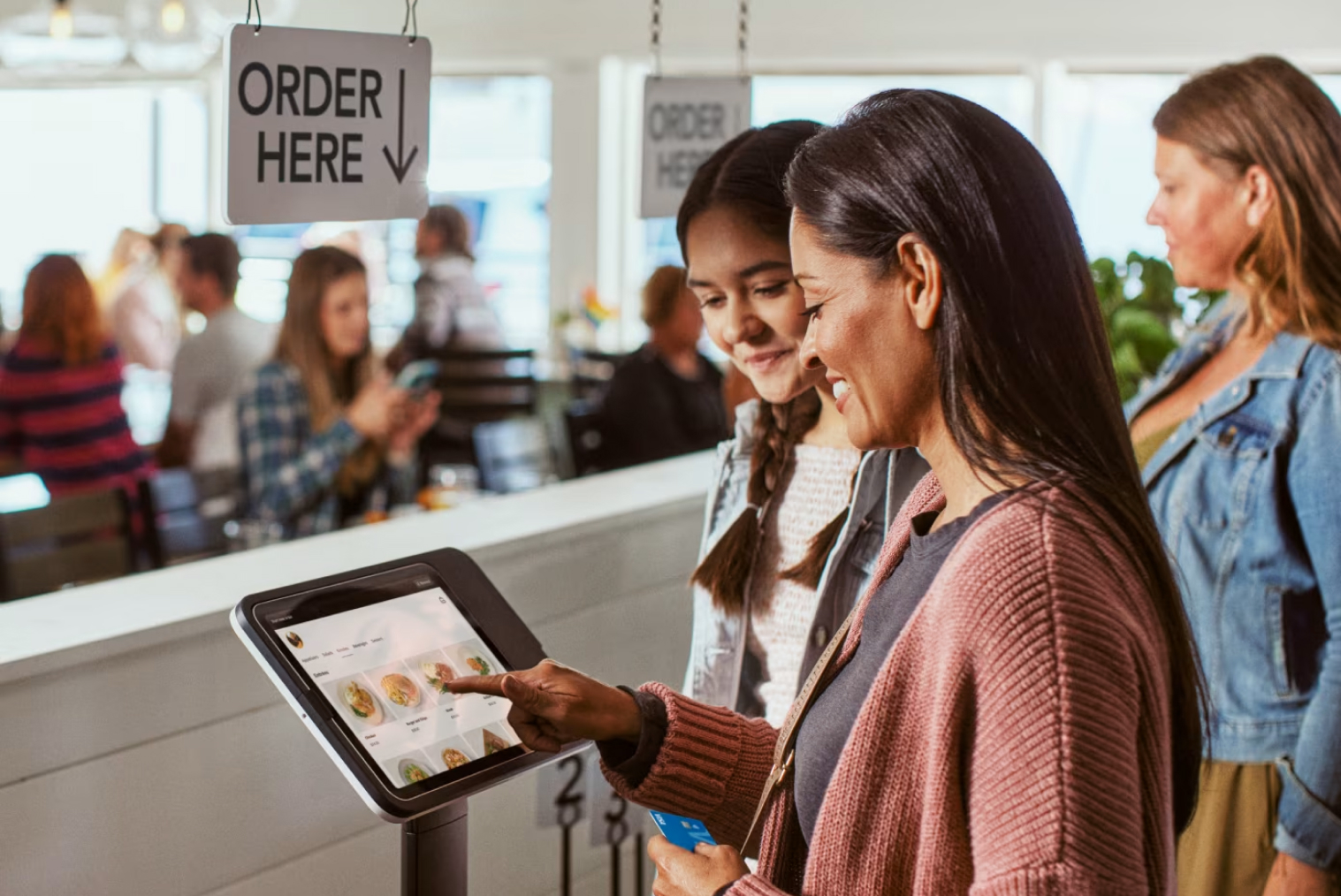
Restaurants continue embracing kiosk technology to support modern marketing ideas for food business models centered around self-service, upselling, personalisation, and customer data. Digital ordering kiosks support faster service, minimize manual errors, and reduce labor pressure while allowing restaurants to showcase visual menus, run digital promotions, and integrate loyalty programs. By collecting customer preferences and order behavior, kiosks also help brands strengthen long-term customer engagement and consistency across locations.
Kiosk-Driven Revenue & Sales Growth Ideas
Self-service kiosks help restaurants increase average order value through automated upselling, smart combo suggestions, and timely promotions.
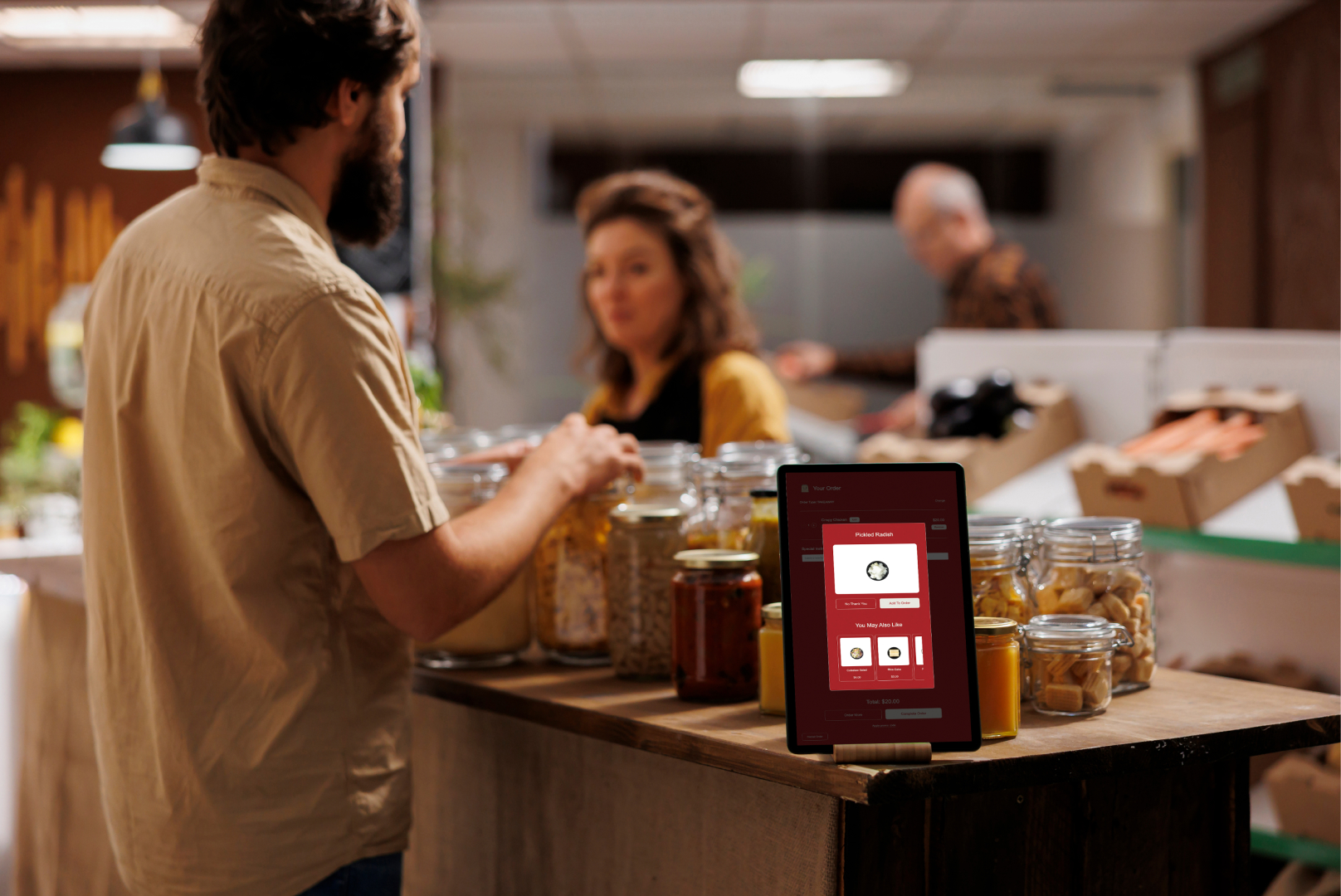
For example, a quick-service restaurant can use kiosk prompts to suggest add-ons like drinks, sides, or premium upgrades at checkout, encouraging customers to customize their orders without staff involvement. By highlighting limited-time offers, best-selling items, or bundled meals directly on the kiosk interface, restaurants create a seamless and effective path to higher revenue while maintaining a smooth ordering experience.
Future Innovations in Kiosk Experiences
Some of the innovations in kiosks are already in widespread use, while others are still in the process of development.
Some of the innovations that are already in use include functionalities such as ordering in multiple languages, menu display, and loyalty program integration. Some of the innovations that are still in the early stages of adoption include AI-powered menu suggestions, personalization, and allergen information, which have a lot of potential for improving customer retention.
1. Embrace Technology to Have a Smooth Experience
Ordering Kiosk System Integration
Ordering kiosks are no longer a future concept — they are an effective marketing and operational tool used by restaurants today.
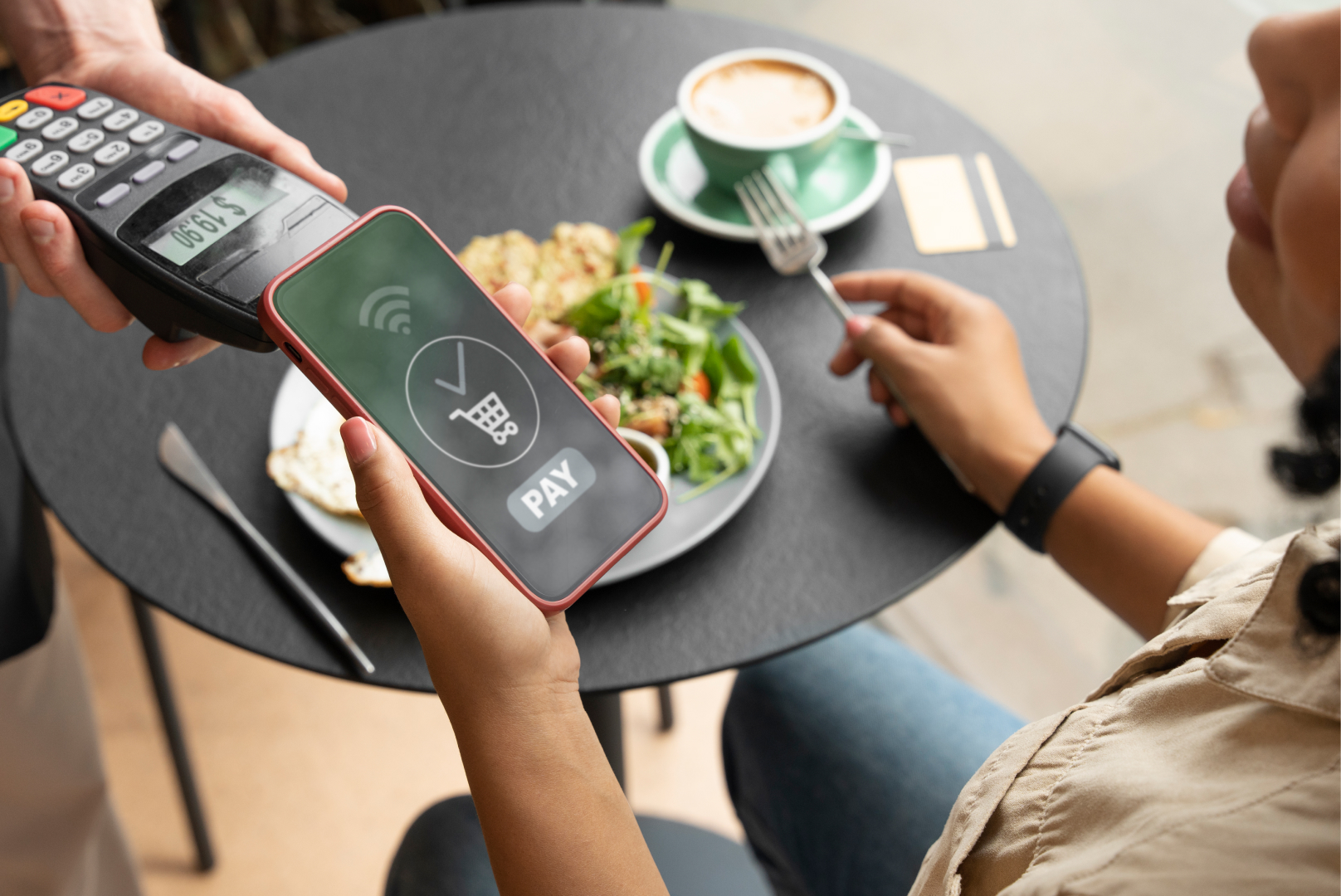
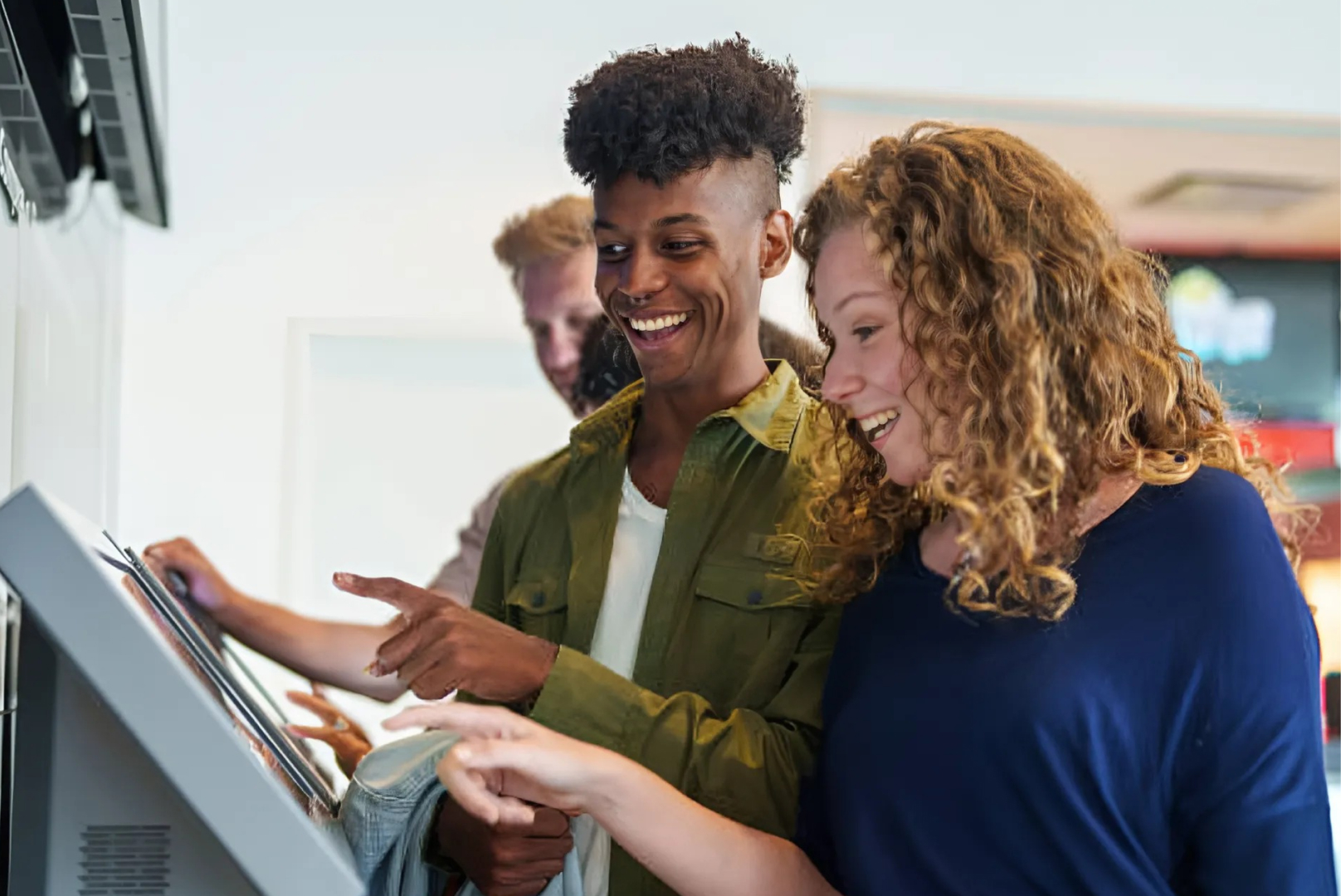
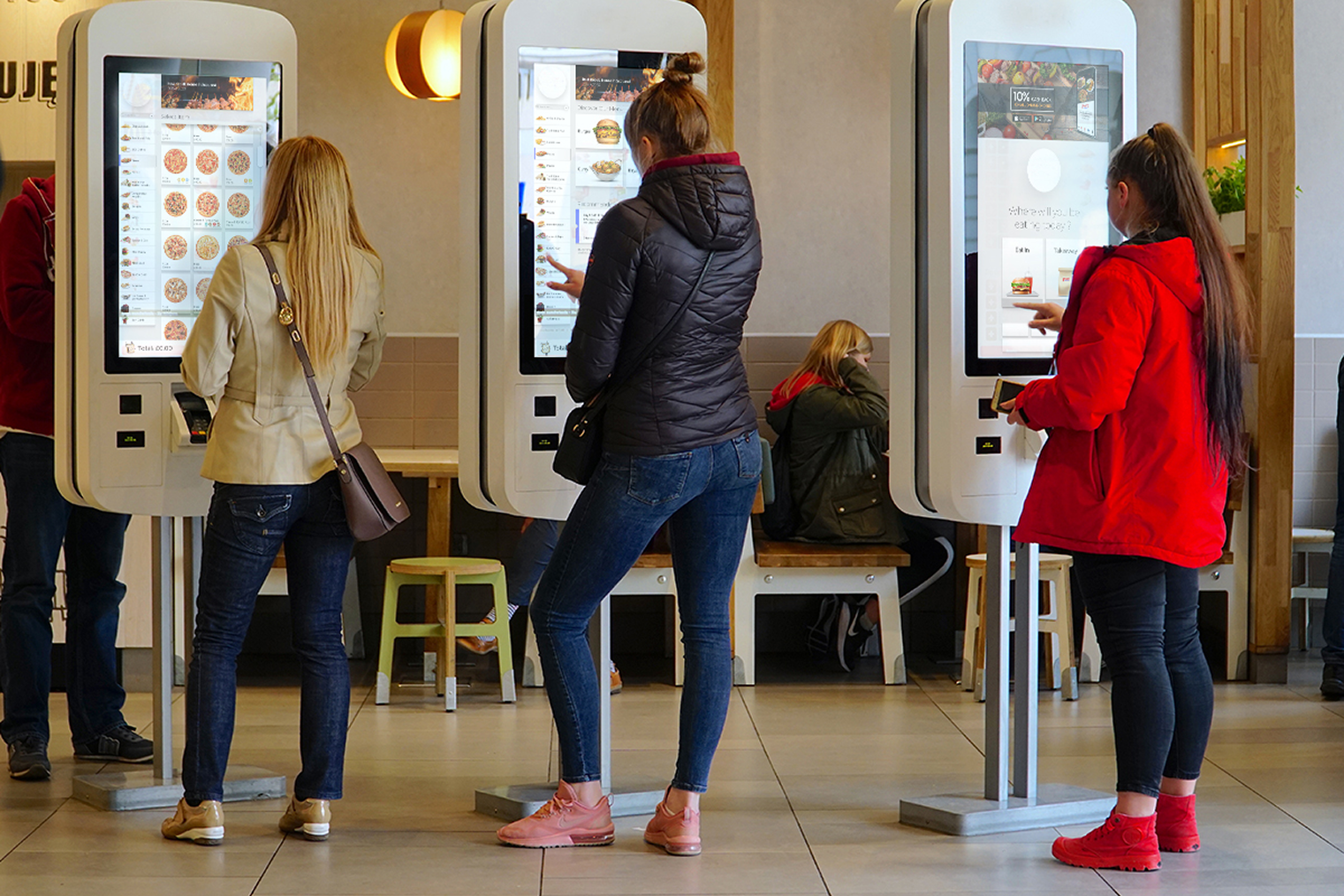
Kiosks allow customers to browse menus at their own pace, personalize orders easily, and complete payments quickly, which helps reduce wait times and improve order accuracy. Features such as visual menus, nutritional information, and loyalty program integration also help increase average order value while delivering a more engaging and customized ordering experience.
Interaction on Social Media using Interactive Content
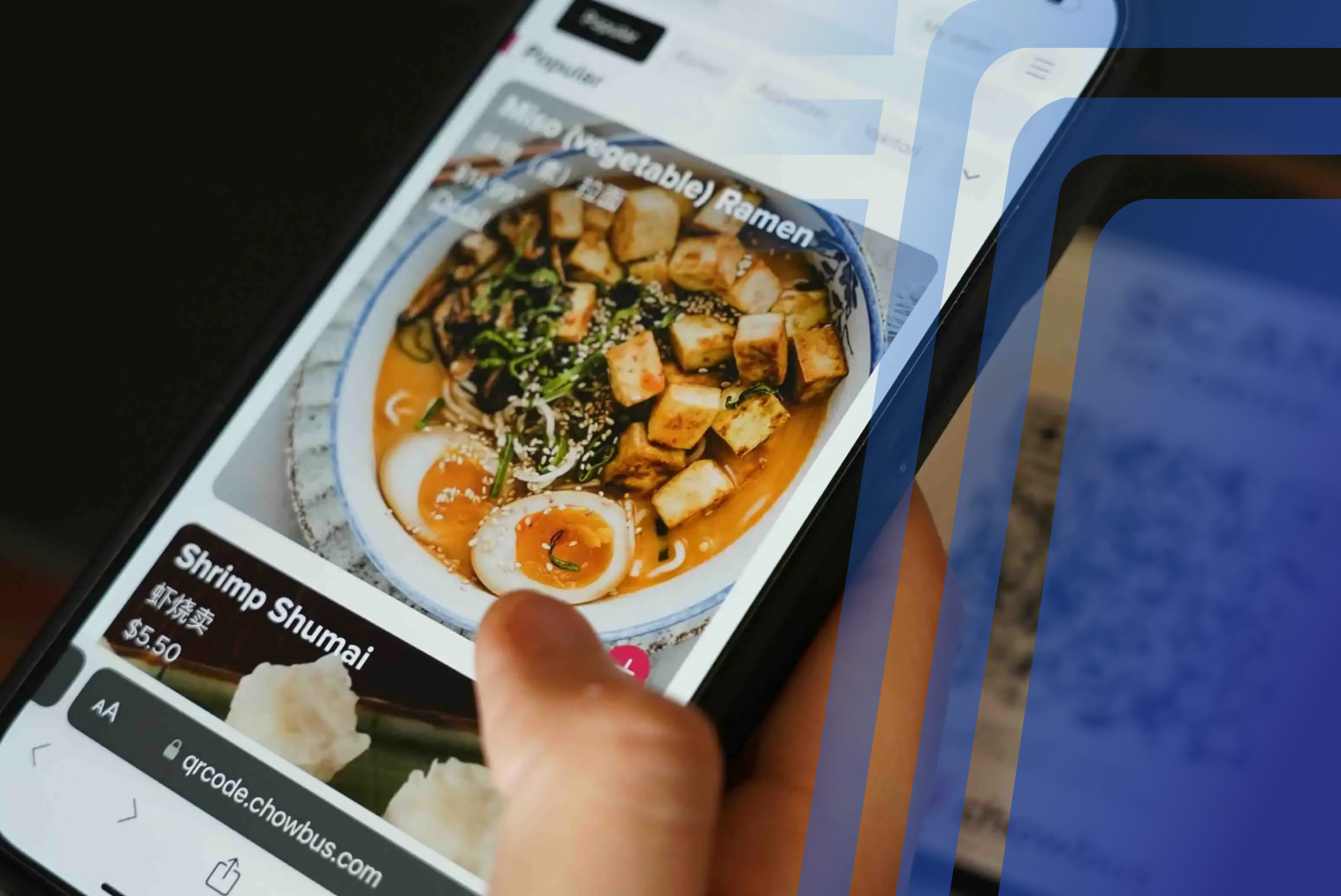
Use popular platforms like Snapchat, TikTok, and Instagram to exhibit your food creations. Move beyond still images and produce interesting content that compels viewers to participate, such as chef interviews, recipe videos, or food challenges. Use interactive features and polls to collect insightful data about your customers and adjust your products accordingly.
2. Embrace Sustainability and Community Engagement
Eco-Friendly Initiatives and Partnerships
Showcase your commitment to sustainability by highlighting green practices like using local, organic substances, imparting reusable packaging alternatives, or partnering with neighborhood farms. Organise activities that sell environmental recognition or complement local sustainability projects for high-quality community engagement.
Supporting Local Farmers and Artisans
Partner with neighborhood farmers and artisans to highlight the provenance of your substances. Promote the story behind your menu offerings on social media and your website, showcasing the quality and freshness of your ingredients while helping local businesses.
3. Creating a Buzz: Events and Unique Dining Experiences
Pop-Up Events and Themed Menus
Host pop-up activities featuring restrained-version culinary creations or themed menus inspired by international cuisines or seasonal ingredients. Promote those occasions via social media and influencer collaborations to create a sense of exclusivity and pleasure. You may even incorporate online ordering via your website or app for seamless shopping and reservation options.
Interactive Dining Experiences and Cooking Classes
Offer unique occasions like cooking instructions or interactive dining experiences where customers can engage with chefs, learn new instruction techniques, or participate in themed meal tastings. Consider livestreaming those events on social media platforms to expand your reach and lure new audiences.
4. Storytelling's Power: Foodies' Guide to Content Marketing
Behind-the-Scenes Content and Culinary Storytelling
Share snippets of your restaurant's history through interesting blog entries or social media videos. Display your cooks' enthusiasm and ingenuity, record the steps involved in creating unique meals, or chronicle the process of locating regional ingredients. This content marketing technique will establish an emotional connection with your audience and brand loyalty.
Working with Food Influencers and Bloggers
To promote your brand, partner with social media influencers and food bloggers. Through these collaborations, they can reach new audiences and offer insightful critiques and suggestions that appeal to their already large following.
5. Personalisation is Key: Cater to Individual Preferences
Targeted Promotions and Loyalty Programs
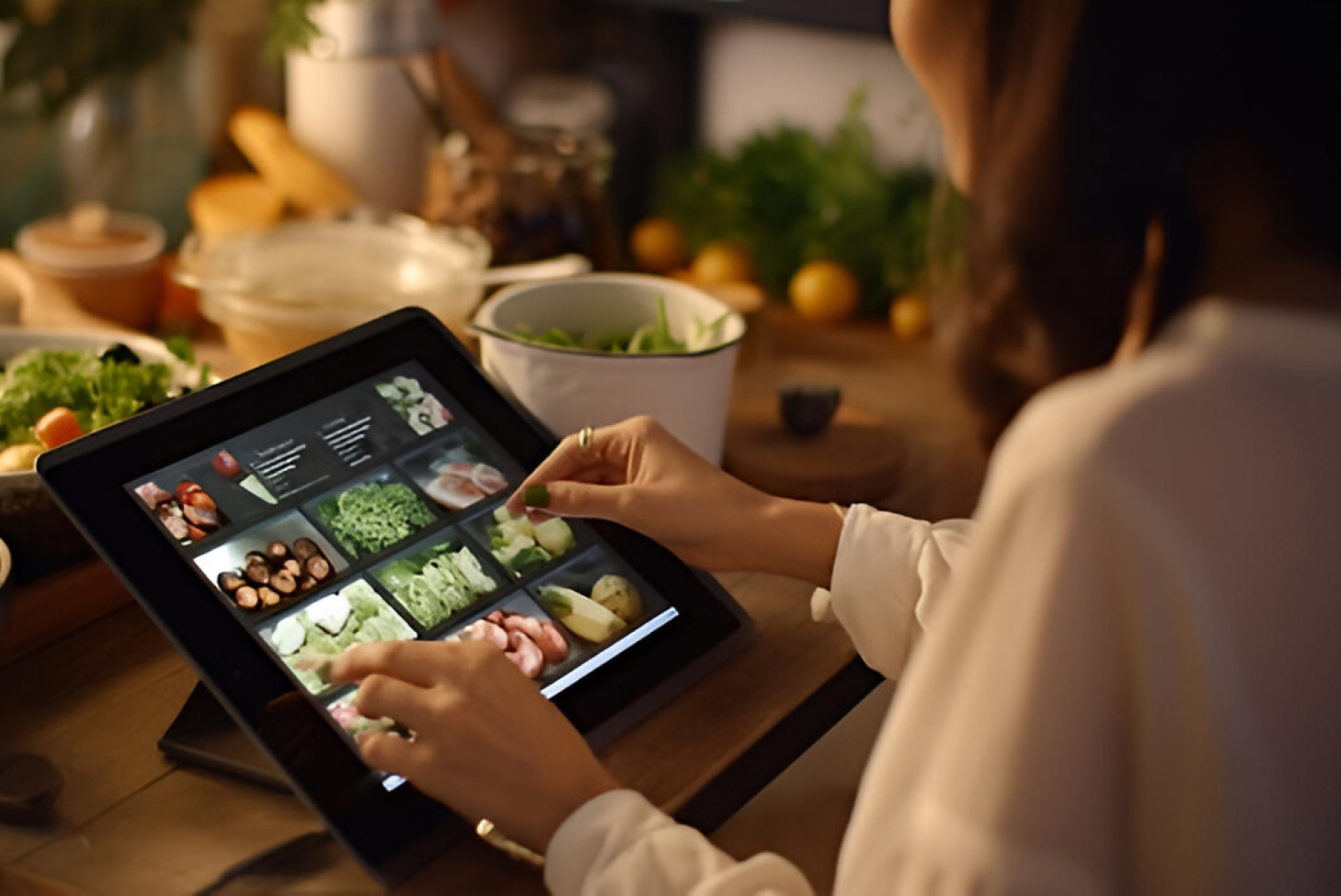
Utilise facts from ordering kiosk systems or online ordering systems to create targeted marketing campaigns. Offer personalized reductions, birthday promotions, or recommended dishes primarily based on beyond-customer possibilities. Loyalty applications with tiered rewards and one-of-a-kind offers incentivize repeat visits and foster purchaser relationships.
Dietary Considerations and Allergen Transparency
With growing dietary regulations and meal allergic reactions, restaurants want to include transparency. Highlight allergen-friendly alternatives on menus and kiosks, and consider providing customizable dishes that cater to particular nutritional desires. Promote your commitment to inclusive dining stories through social media campaigns and website content.
6. Embrace the Future: Emerging Technologies and Data-Driven Strategies
Virtual Reality (VR) and Augmented Reality (AR) Dining Experiences
These emerging technologies provide modern ways to engage customers. VR tours combined with kiosk-based ordering can improve customer confidence and increase pre-visit conversions. These interactive reviews can create pleasure and anticipation around your brand.
Data Analytics for Strategic Marketing Decisions
Utilize the facts accrued via numerous resources, which include ordering kiosk systems, website analytics, and social media engagement, to benefit valuable purchaser insights. Analyze purchasing tendencies, identify client possibilities, and tailor your advertising techniques to optimize performance and maximize effects.
Frequently Asked Questions (FAQs)
Q1: What are the best marketing ideas for food business owners in 2026?
Leveraging kiosks, influencer partnerships, social content, personalisation, and sustainability are among the strongest restaurant marketing ideas this year.
Q2: How do kiosk systems support restaurant marketing initiatives?
Kiosks support upselling, improve speed, and reinforce brand storytelling through digital touchpoints.
Q3: Are digital kiosks helping create new customer experiences?
Yes, kiosks offer personalisation, loyalty integration, visual menus, and data-driven recommendations that enhance decision-making and satisfaction.
Q4: What restaurant marketing ideas and trends will dominate beyond 2026?
Self-service technology, social commerce, content marketing, eco-friendly partnerships, and experiential dining will continue shaping future restaurant operations.


.webp)










.png)













.webp)


