Why Smart Technology Pays Off in More Ways Than One
When restaurants are deciding whether to add self-service kiosks, one of the most common questions is whether the technology will pay for itself. While the initial installation may feel like a significant step, the long-term benefits are well-documented — and they tend to arrive sooner than most operators anticipate.
Kiosks don't only assist in queue reduction or order flow improvement. A 2025 industry analysis found that they increase average guest checks by 15–30% and improve overall operational performance by reinforcing accuracy and reducing wait times.
Rather than looking only at the purchase price, restaurant owners should calculate kiosk ROI using the additional revenue and operational savings generated by the system.
What Happens When You Don't Have a Kiosk?
Most restaurants believe their existing system is adequate. But below the surface, small inefficiencies compound into meaningful operational drag:
- Guests waiting in long queues, becoming impatient and occasionally walking out
- Staff missing upselling opportunities during peak times due to transaction pressure
- Orders entered incorrectly or items omitted under rush conditions
- Front-of-house staff stretched between delivery pickups, counter service, and customer queries
- Team burnout from excessive workloads during sustained peak periods
These are individually small problems — but they create a slow leak in your overall performance. Research shows that 57% of customers abandon a restaurant queue once it reaches five people, rising to 91% at ten or more. Kiosks help fill those gaps and bring consistency to your customer flow.
Upselling That Actually Works
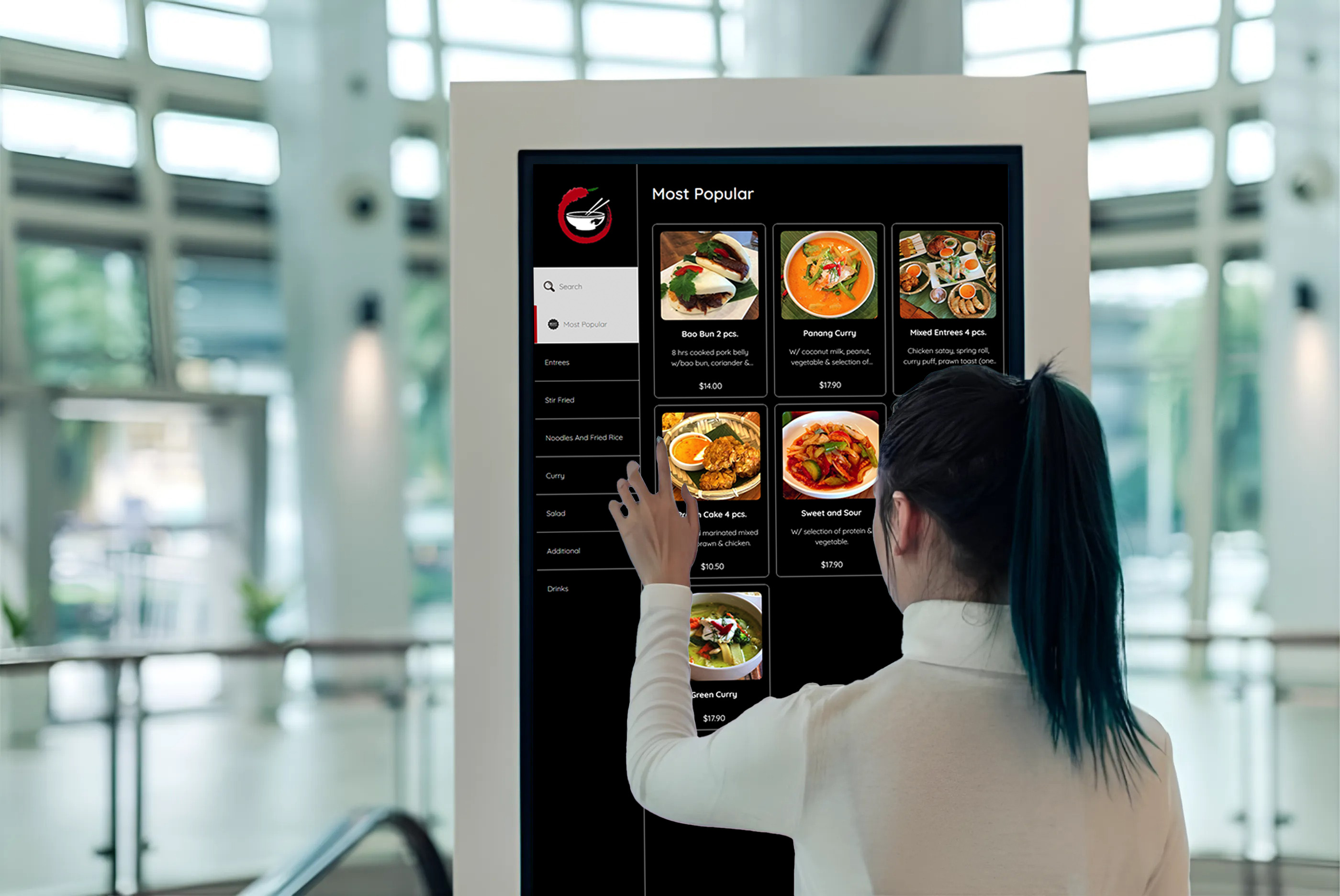
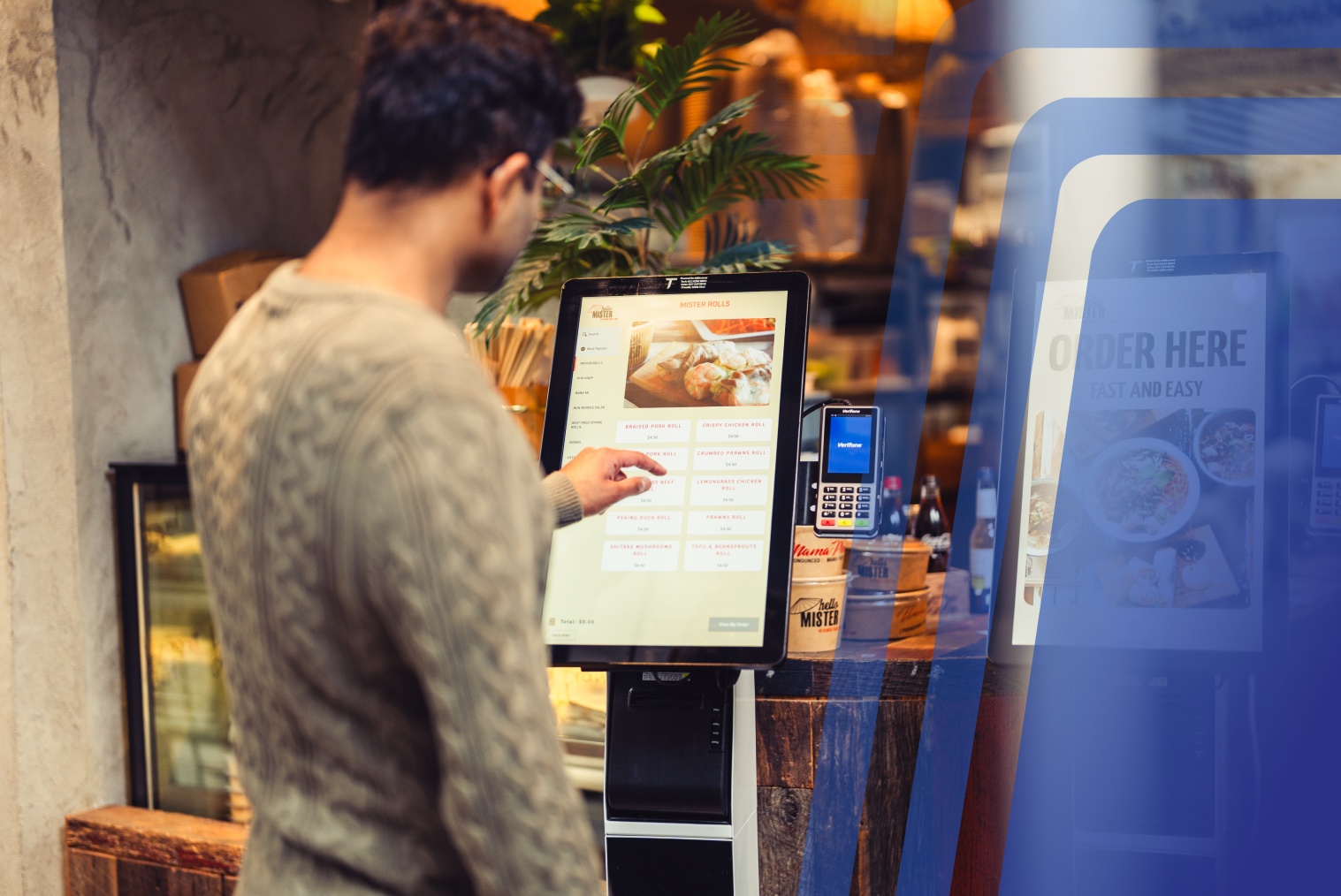
One of the clearest advantages of self-service kiosks is that they upsell consistently. Without the social pressure or time constraints of a live counter interaction, customers are more likely to explore the menu, review recommendations, and opt for extras — add-ons, meal upgrades, or desserts.
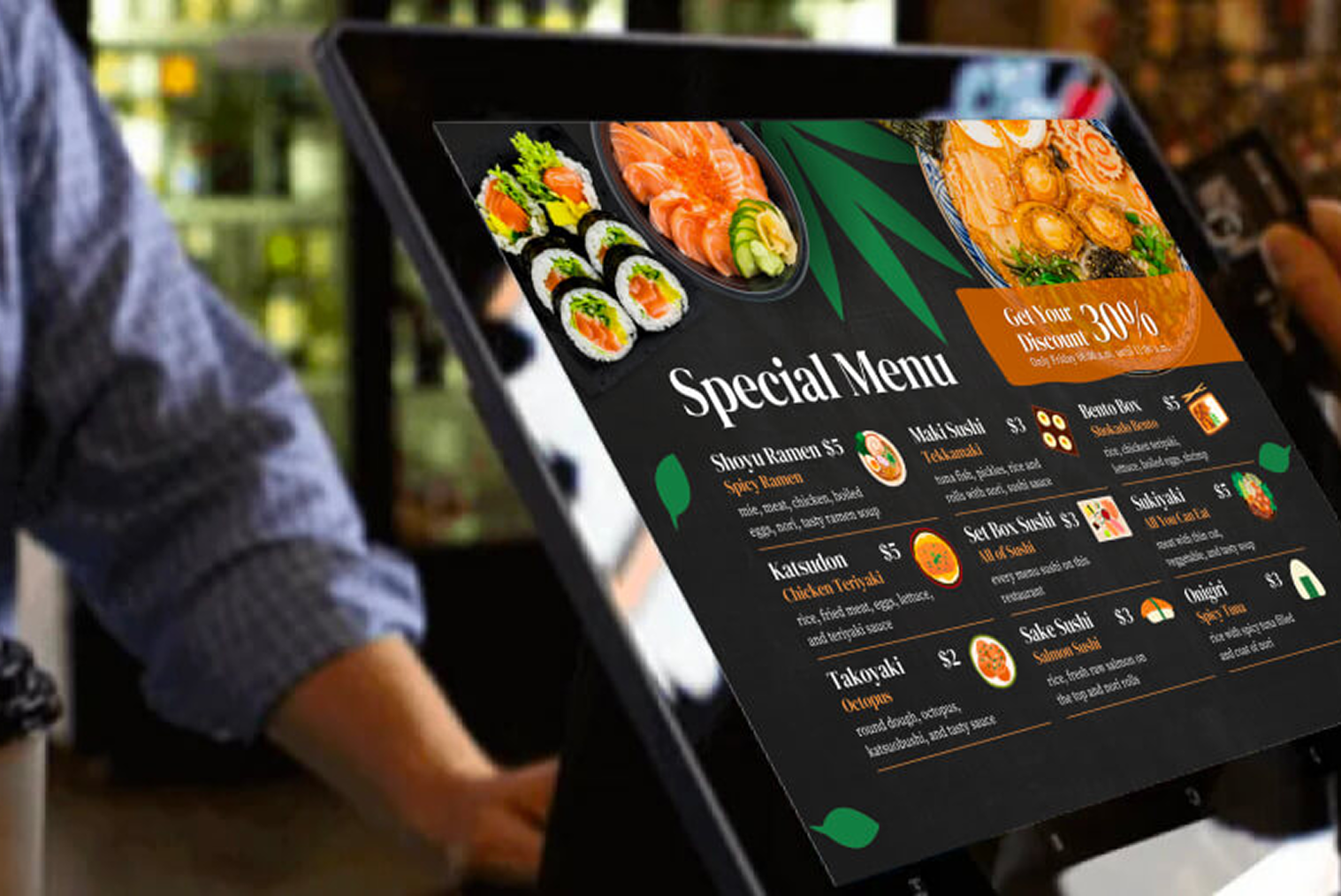
A kiosk never forgets to promote a combo deal. It presents choices visually and gives customers the space to make informed decisions. Industry data shows upsell prompts from kiosks are up to 50% more effective than verbal prompts from counter staff — and average order values at kiosks run 15–30% higher than counter orders as a result.
Even a relatively small increase in average order value can have a meaningful effect when multiplied across hundreds of transactions each week.
Helping Staff Focus Where It Matters
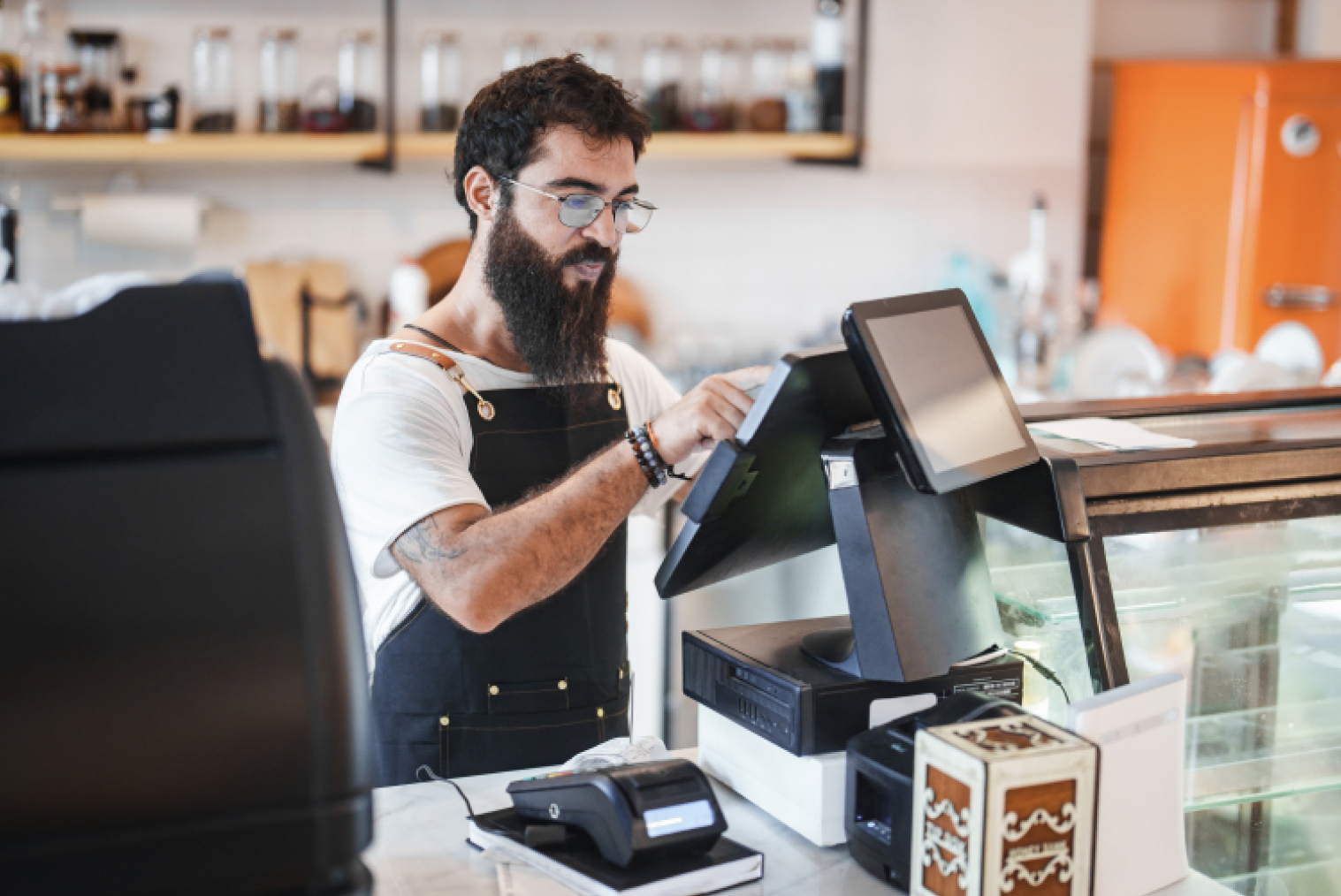
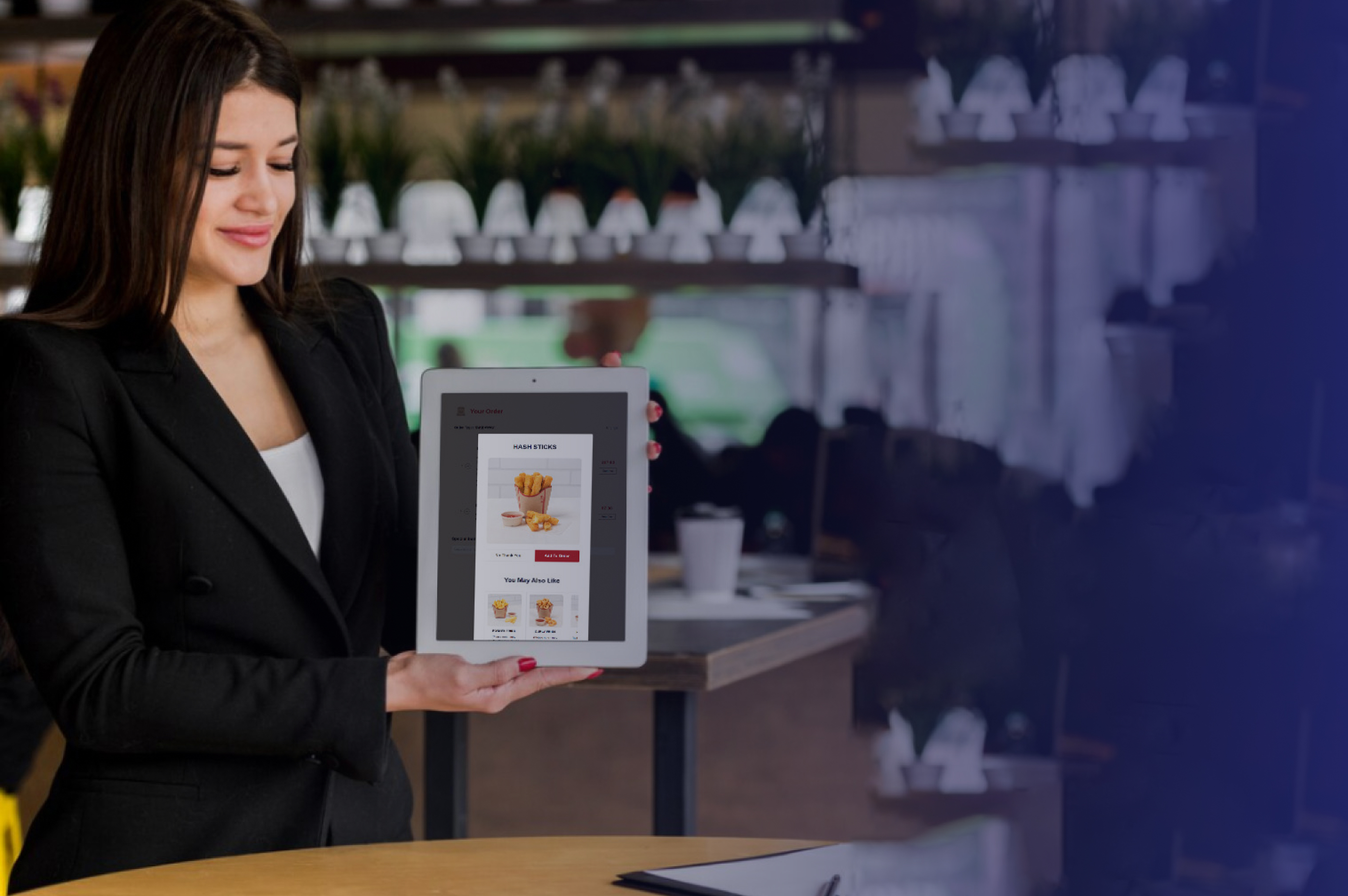
Kiosks don't replace workers — they redirect them. With order-taking handled at the screen, staff can concentrate on food preparation, maintaining a clean dining area, and genuinely assisting customers with more complex needs.
This not only improves service quality but also reduces the stress and chaos associated with peak hours. Restaurants using integrated kiosk systems report meaningfully lower staff turnover — a direct consequence of reduced workload pressure and a more manageable pace during busy services.
Speed and Efficiency Without the Chaos
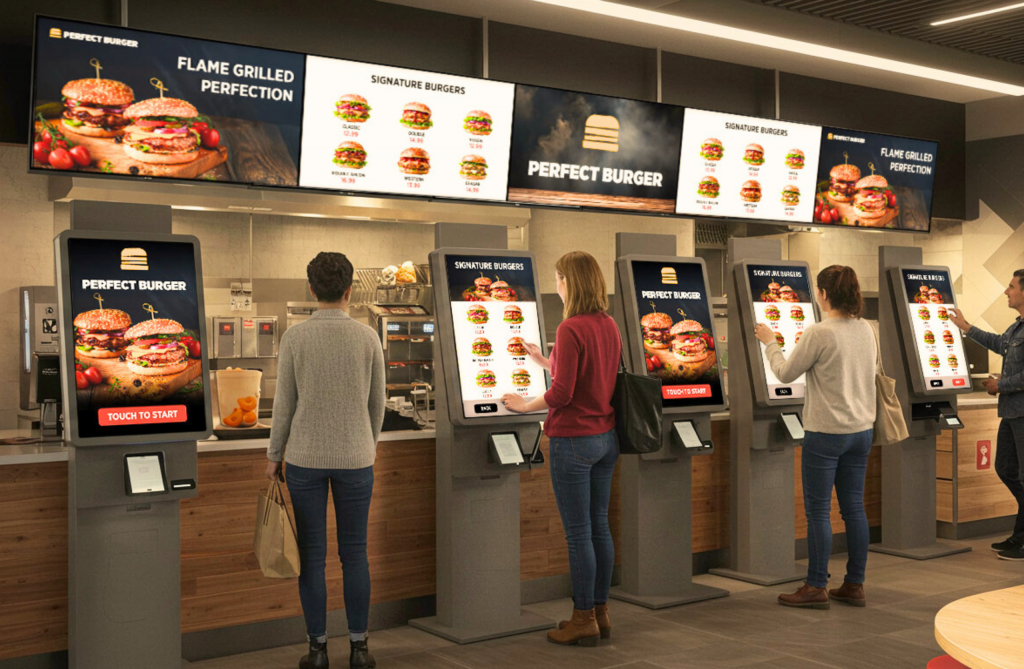
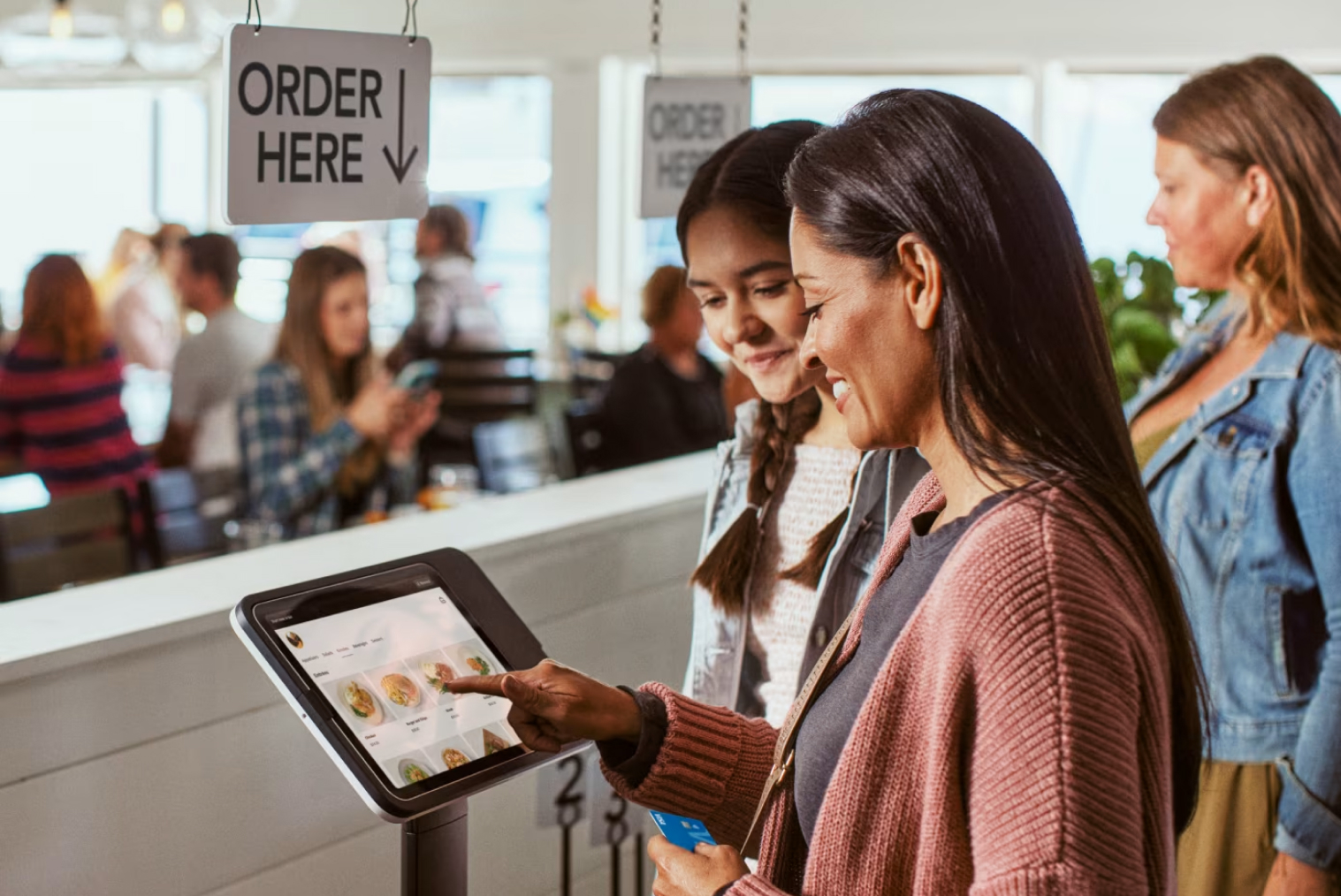
Self-service kiosks allow multiple customers to order simultaneously — something impossible with a single cashier. This significantly reduces wait times and keeps the queue moving, especially during the lunch or dinner rush. Kiosk-enabled restaurants typically see 10–20% faster throughput during peak hours without adding headcount or expanding the physical footprint.
In quick-service environments and food courts, this speed difference is visible — the kind of operational improvement that translates directly into more covers served per shift.
Accuracy at Every Step
Misheard orders, handwritten notes, and misinterpreted instructions become significantly less frequent with kiosks. Customers select their options directly, modifiers are confirmed on screen, and the order is sent to the kitchen system without a manual relay step.
This minimises the likelihood of human error and ensures every order is accurate and complete — particularly important for customers with dietary requirements or specific customisation needs. Self-ordering kiosks reduce order error rates by up to 20% compared to conventional counter ordering.
Creating a Better Experience for Your Guests
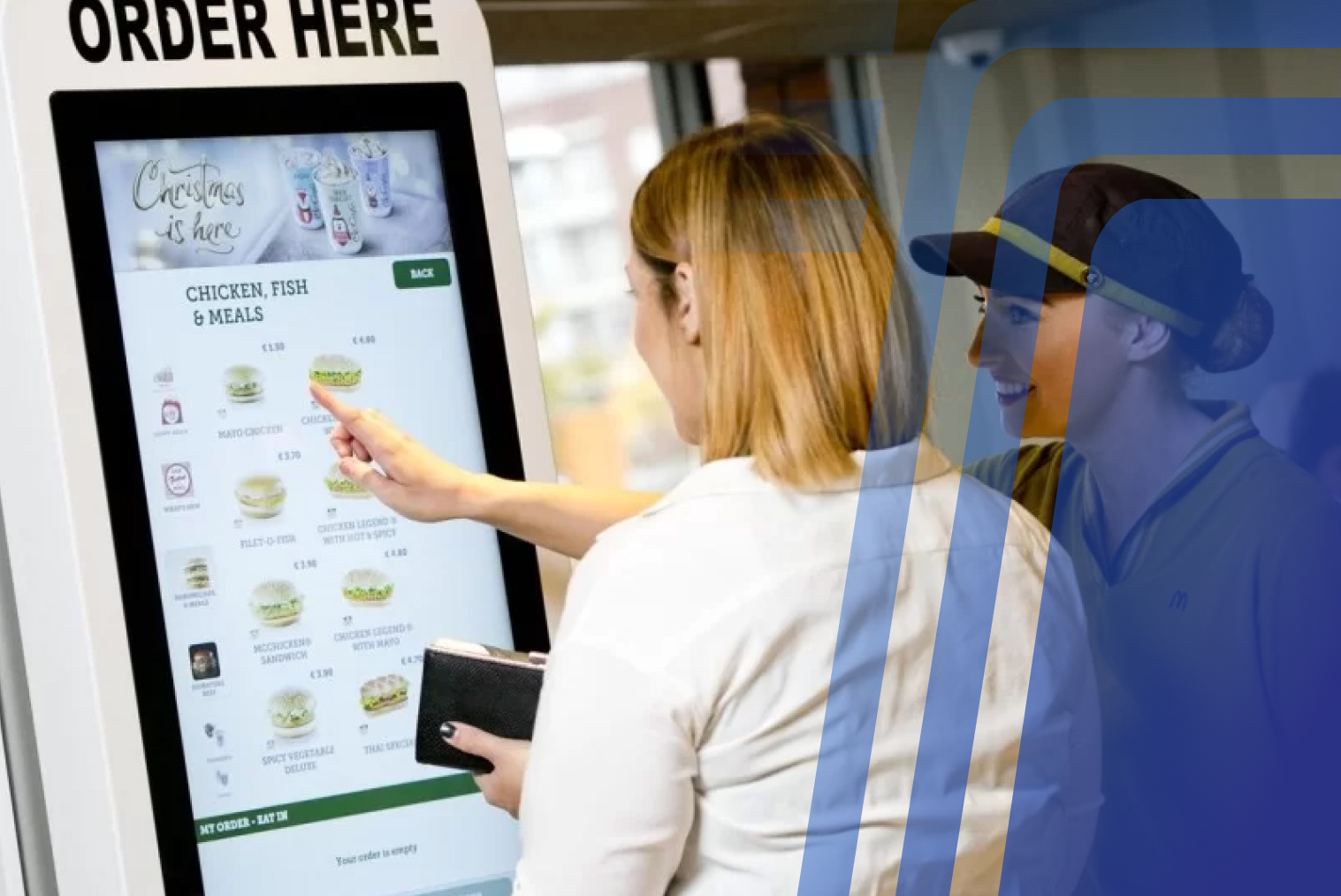
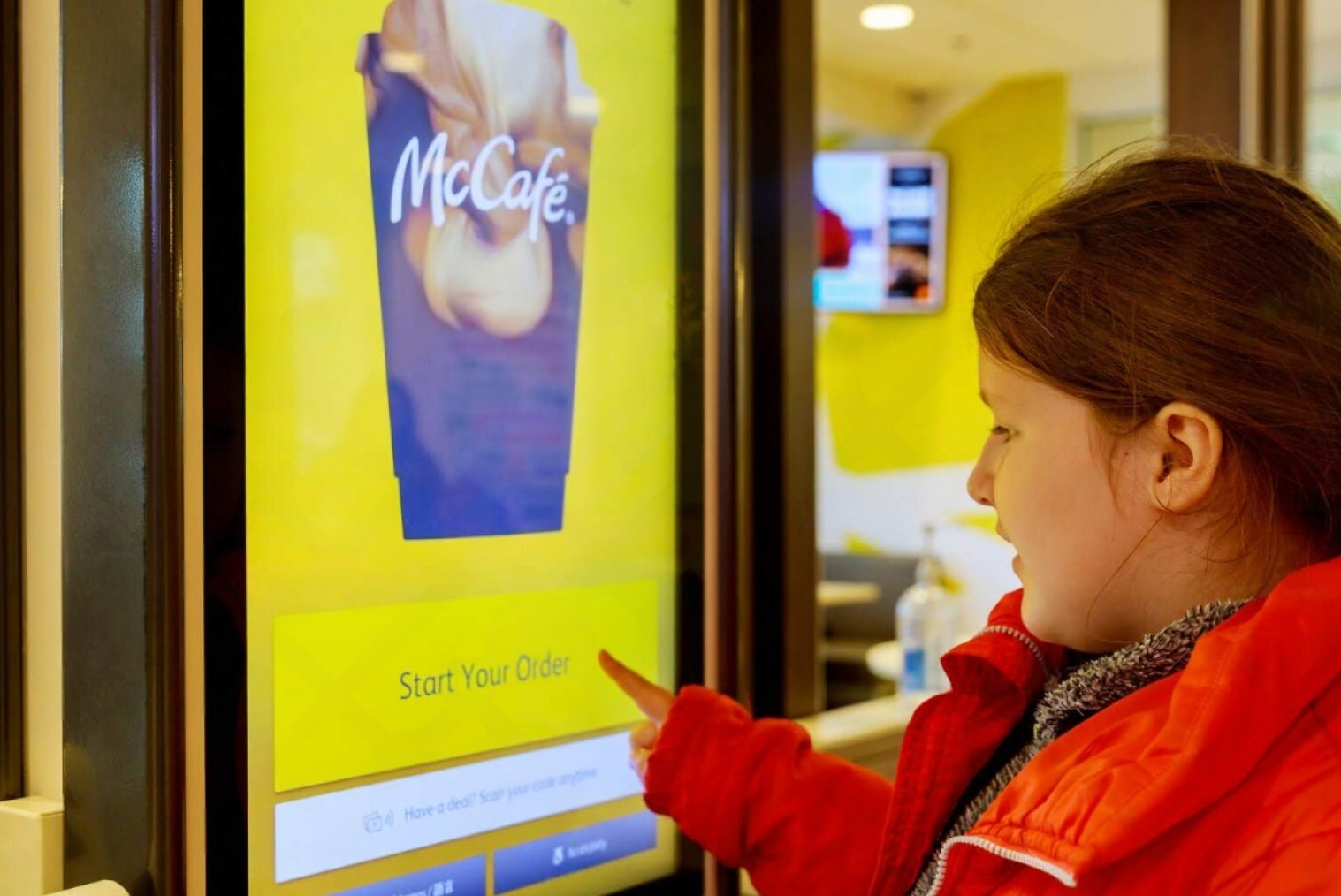
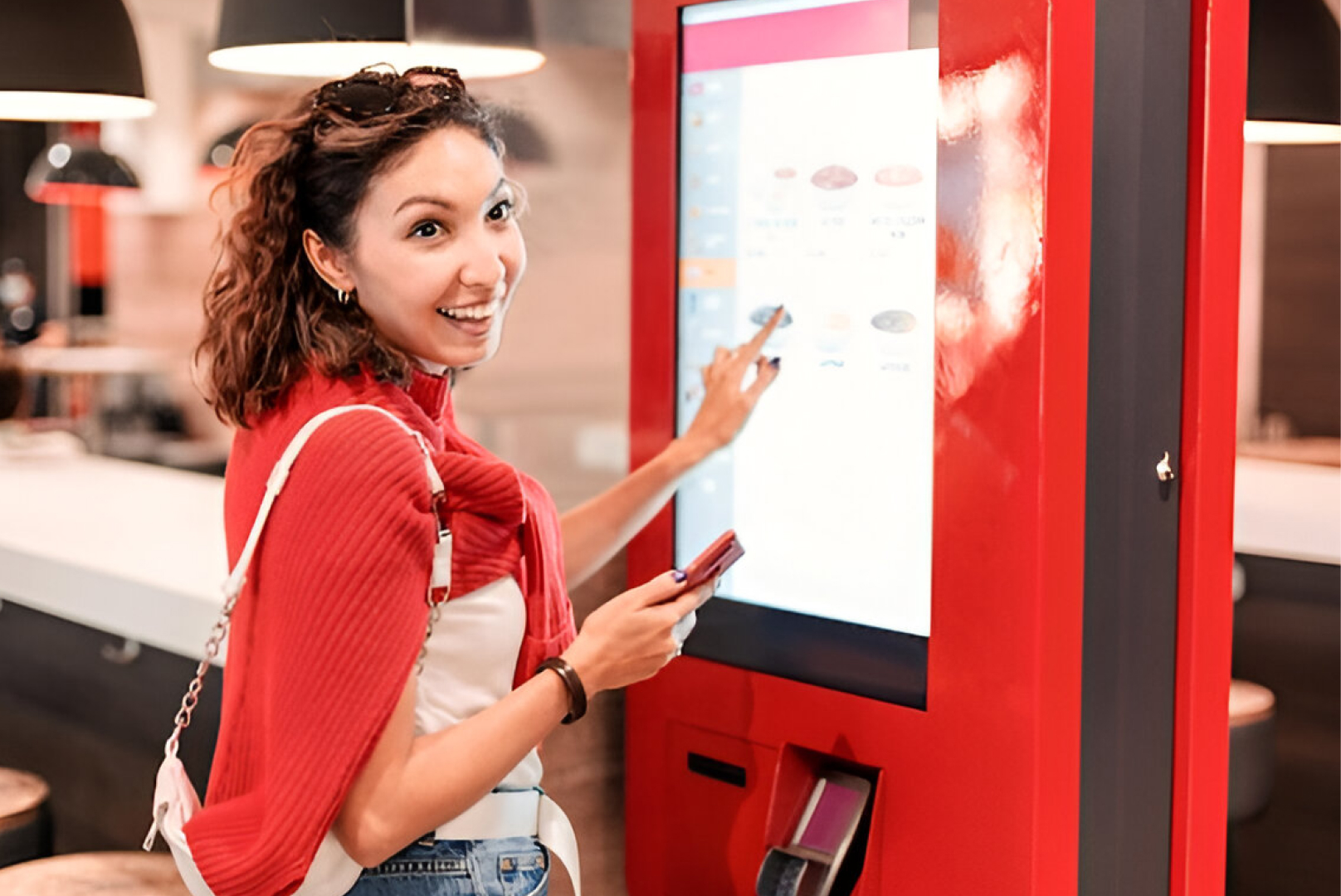
For most diners — particularly younger customers — self-service is no longer a novelty. It's an expectation. Kiosks give customers the autonomy to review the menu at their own pace, customise their order without time pressure, and complete the transaction without relying on a counter interaction.
This is especially valuable in high-traffic environments or for customers ordering in a second language — the visual, structured interface removes ambiguity from both sides of the transaction.
Long-Term Payoff in Loyalty and Consistency
The financial benefits are evident in the short term, but kiosks also support long-term business health. Customers value consistent service, predictable wait times, and the ability to direct their own ordering experience. Restaurants that implement kiosk systems report customer satisfaction scores increasing by up to 20% — a result of faster service and fewer order errors rather than any single feature.
By delivering a consistent experience with every transaction, you build returning customers who come back not only for the food — but for the reliability and simplicity of the process.
How to Calculate Your Kiosk ROI
The easiest way to understand kiosk ROI is to compare the total investment against the additional monthly contribution generated by the system.
A simple calculation is:
Payback Period = Total Kiosk Investment ÷ Additional Monthly Contribution
The additional monthly contribution can come from several sources:
- Higher average order values
- Additional orders processed during peak periods
- Reduced order errors and refunds
- Labour time redirected to higher-value tasks
- Reduced pressure on front-of-house operations
Illustrative ROI Example
The following is an example for illustration only. It is not a guaranteed TABIN customer result. Actual results will vary by restaurant.
Imagine a restaurant invests:
| ROI Component |
Illustrative Amount |
| Kiosk hardware and setup |
$4,000 |
| Average orders processed through kiosk |
150/week |
| Average order value before kiosk |
$20 |
| Illustrative AOV uplift |
15% |
| Additional revenue per order |
$3 |
| Additional weekly revenue |
$450 |
| Additional monthly revenue* |
~$1,950 |
Based on approximately 4.33 weeks per month.
If the restaurant converts the additional revenue into $600 of additional monthly contribution after accounting for food costs, payment fees and other variable costs, the illustrative payback calculation would be:
$4,000 ÷ $600 = approximately 6.7 months
That means the example kiosk investment could theoretically pay back in around seven months.
However, this calculation depends heavily on actual transaction volume, margins, kiosk adoption and operating costs. A restaurant generating a smaller contribution may take considerably longer to recover its investment.
What This Means for Your Restaurant
There is no universal 6–12 month ROI guarantee. The 6–12 month range should be treated as a potential benchmark rather than a promise.
Before investing, restaurants should calculate their own:
- Total kiosk and installation cost
- Average weekly kiosk transactions
- Current average order value
- Expected AOV improvement
- Gross margin
- Labour costs and potential labour-time savings
- Expected monthly contribution
- Estimated payback period
This approach provides a more realistic picture of whether a kiosk makes financial sense for your particular venue.
What Does a Self-Service Kiosk Cost in NZ?
If you're calculating ROI, the first step is understanding the investment required. For a detailed breakdown of hardware, software, installation and GST considerations, read How Much Do Self-Service Kiosks Cost in NZ?.
For NZ restaurants, kiosk costs can vary significantly depending on the hardware, software, payment integration and installation requirements.
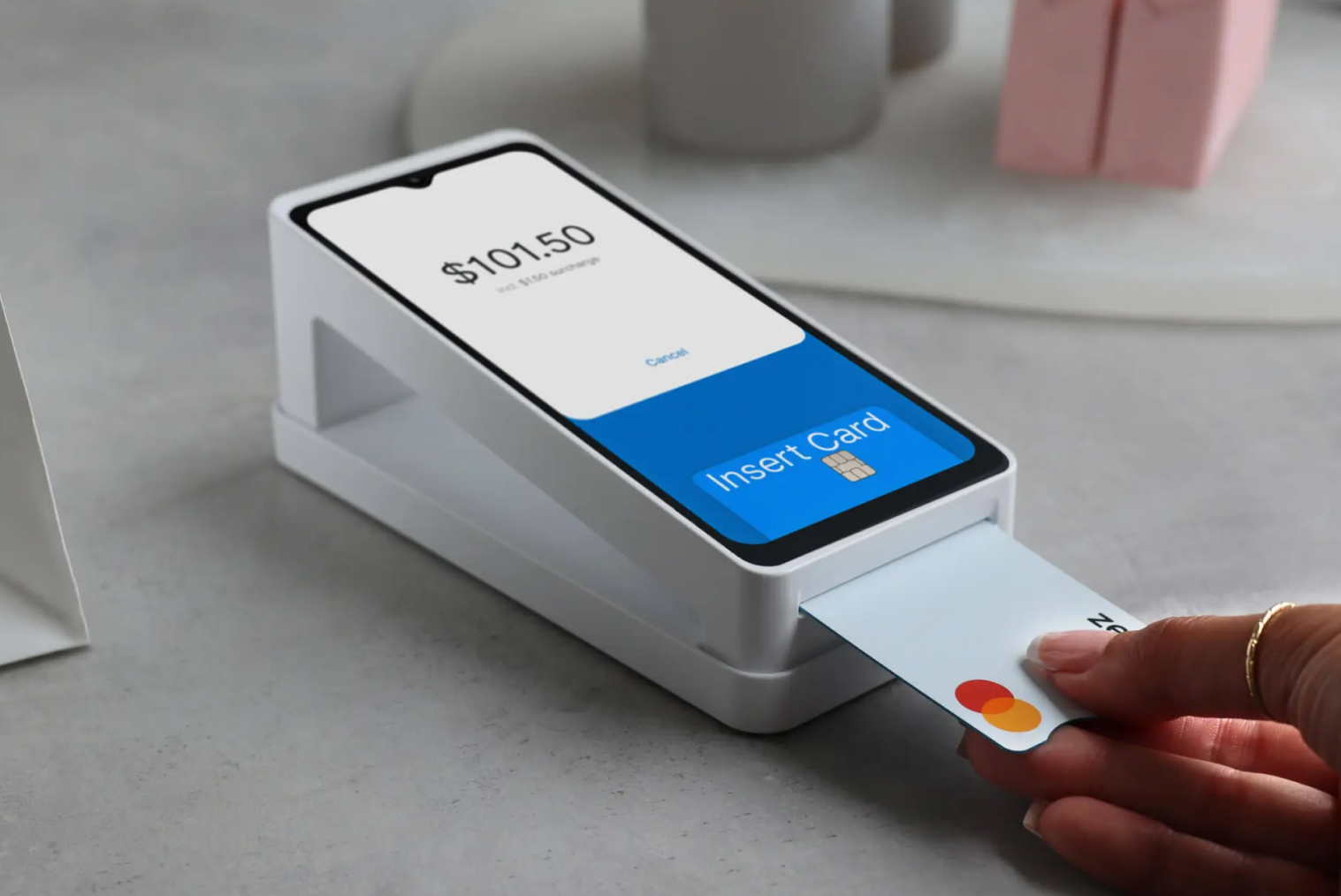
TABIN's Complete Starter Pack starts from $49 + GST per month, giving restaurants an option to manage kiosk technology through a monthly payment model rather than relying entirely on a large upfront investment.
Want to see whether that option fits your restaurant? Contact TABIN to discuss your setup and potential ROI.
A Strategic Step Forward for Your Restaurant
Installing self-service kiosks isn't merely about staying current with technology. It's about designing a smarter, more efficient restaurant operation for both your staff and your customers. If you're ready to explore what a kiosk setup would look like in your venue, explore TABIN's self-service kiosk solutions or contact the TABIN team for a demo tailored to your restaurant's specific needs.
Want to know your potential kiosk payback timeline? Book a free TABIN demo and ROI walkthrough and discuss your restaurant's expected order volume, average order value and operating setup with the TABIN team.
Frequently Asked Questions (FAQs)
Q1. Do self-service kiosks increase restaurant revenue?
Yes — consistently. Self-ordering kiosks increase average order values by 15–30% through persistent, contextual upsell prompts that appear on every transaction. This uplift in average spend, combined with faster throughput during peak service, translates directly into higher daily revenue without additional labour cost.
Q2. Do kiosks replace restaurant staff?
No. Kiosks automate order entry and payment processing, but they redirect staff rather than eliminate them. With order-taking handled at the screen, team members can focus on food preparation, service quality, and customer engagement — areas where human interaction genuinely adds value.
Q3. How quickly do restaurants see ROI from kiosks?
Most restaurants recoup their kiosk investment within 6–12 months, driven by higher average order values, reduced labour pressure, and faster service throughput. Operators who integrate kiosks with their POS and kitchen display system typically see the fastest returns because the operational efficiency gain is maximised from day one.
Q4. Are kiosks suitable for small restaurants?
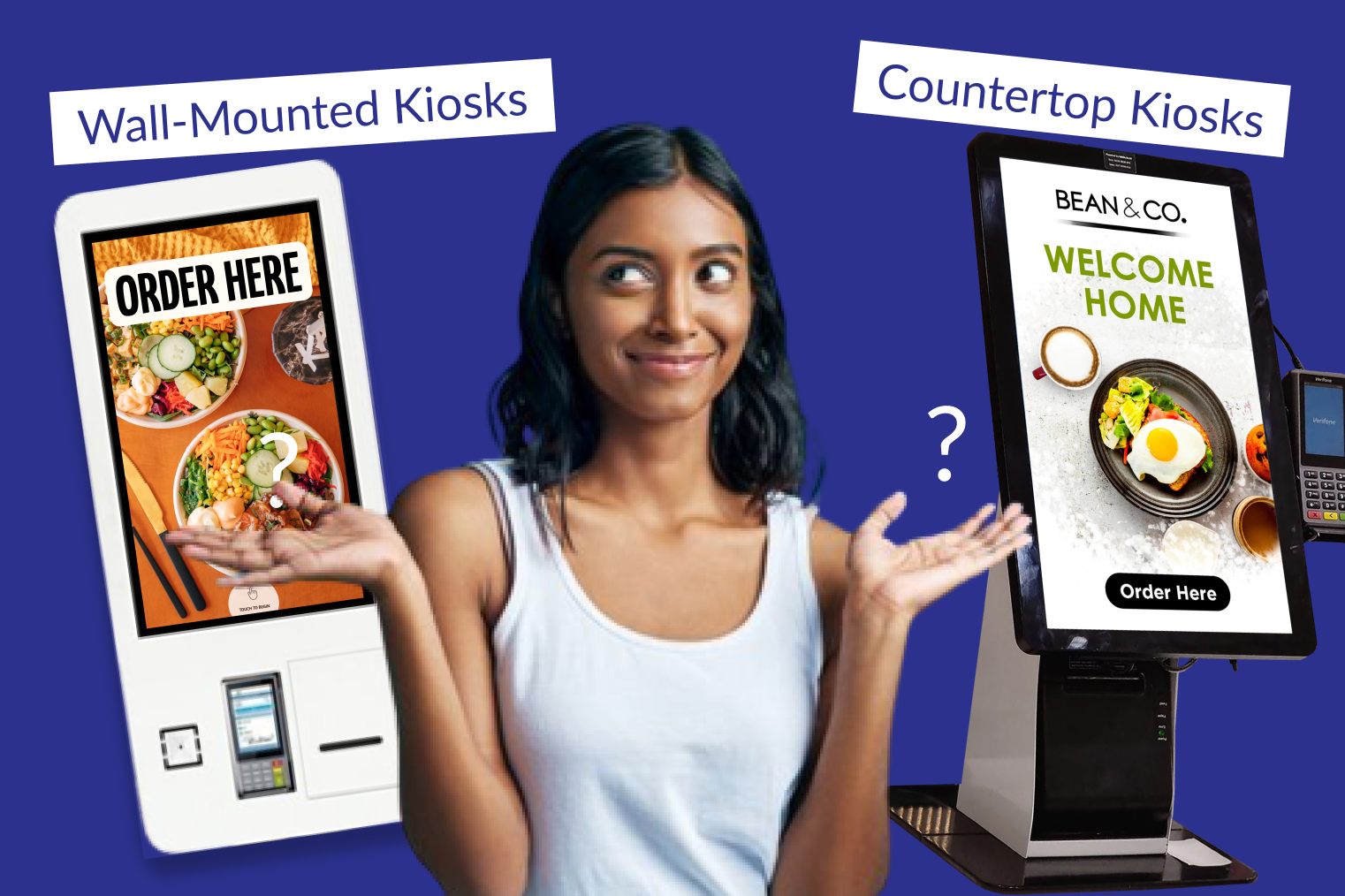
Yes. Compact countertop kiosks are specifically designed for lower-volume venues and tight counter spaces. They provide the same upselling and accuracy benefits as floor-standing units at a lower hardware cost, making them a practical entry point for small cafés, takeaways, and independent QSRs.
Q5. How do kiosks improve order accuracy?
Kiosks eliminate the manual relay step between the customer's verbal order and the kitchen ticket. Self-ordering kiosks reduce order error rates by up to 20% — because the customer confirms every modifier, customisation, and quantity before submitting. The order transmits directly to the kitchen display system with no re-entry or interpretation required.


.webp)










.png)













.webp)


