Starting a food truck in New Zealand requires more than a great menu. From planning your concept and budgeting for your truck to meeting food safety requirements and choosing the right POS, payment, and ordering technology, every decision contributes to a smoother launch. This guide covers the key steps to help you plan, set up and launch your food truck with the right foundations for long-term growth.
Introduction
Starting a food truck business in New Zealand can be an exciting way to enter the hospitality industry without the same fixed premises requirements as a traditional restaurant. But before you start trading, you need to understand the planning, startup costs, legal requirements, equipment, technology, and operational systems involved.
This guide focuses on how to start a food truck business from scratch in New Zealand — from developing your concept and budgeting for your truck to meeting legal requirements and choosing the right technology before launch.
Step 1: Planning Your Food Truck Venture
Before you buy a truck or design a menu, a solid business plan is essential.
Market research helps you understand customer demand, peak trading locations, and competitor activity. In New Zealand, food trucks frequently appear at festivals, parks, and city events, with about 60% of operators citing these as key locations for sales growth.
A clear concept — like specialising in coffee, gourmet sandwiches, or a unique cuisine — attracts repeat customers and differentiates you from the competition.
Build a Practical Business Plan
Your initial plan should cover:
- Your food concept and target customer
- Proposed trading locations
- Menu and pricing
- Expected startup costs
- Equipment requirements
- Staffing requirements
- Marketing strategy
- Expected sales and operating costs
- Technology requirements
The goal isn't to predict every detail perfectly. It is to understand how the business will operate before you commit significant capital.
Step 2: Understanding Startup Costs
One of the first questions aspirants ask is about the cost of starting a food truck business.
Real-world data shows startup costs can vary widely depending on the truck’s condition, fit-out, and legal compliance requirements:
- A new, fully outfitted truck may cost between NZ$85,000 and NZ$250,000+ with equipment and permits included.
- Many sources estimate the average cost for a new food truck around NZ$73,000, with variable expenses such as council fees, insurance, and permits.
This often includes:
- Vehicle and kitchen fit-out
- Council registrations and mobile trading permits
- Food safety compliance and insurance
- Initial inventory and working capital
Don't Forget Technology
Technology should be included in your startup budget rather than treated as an afterthought.
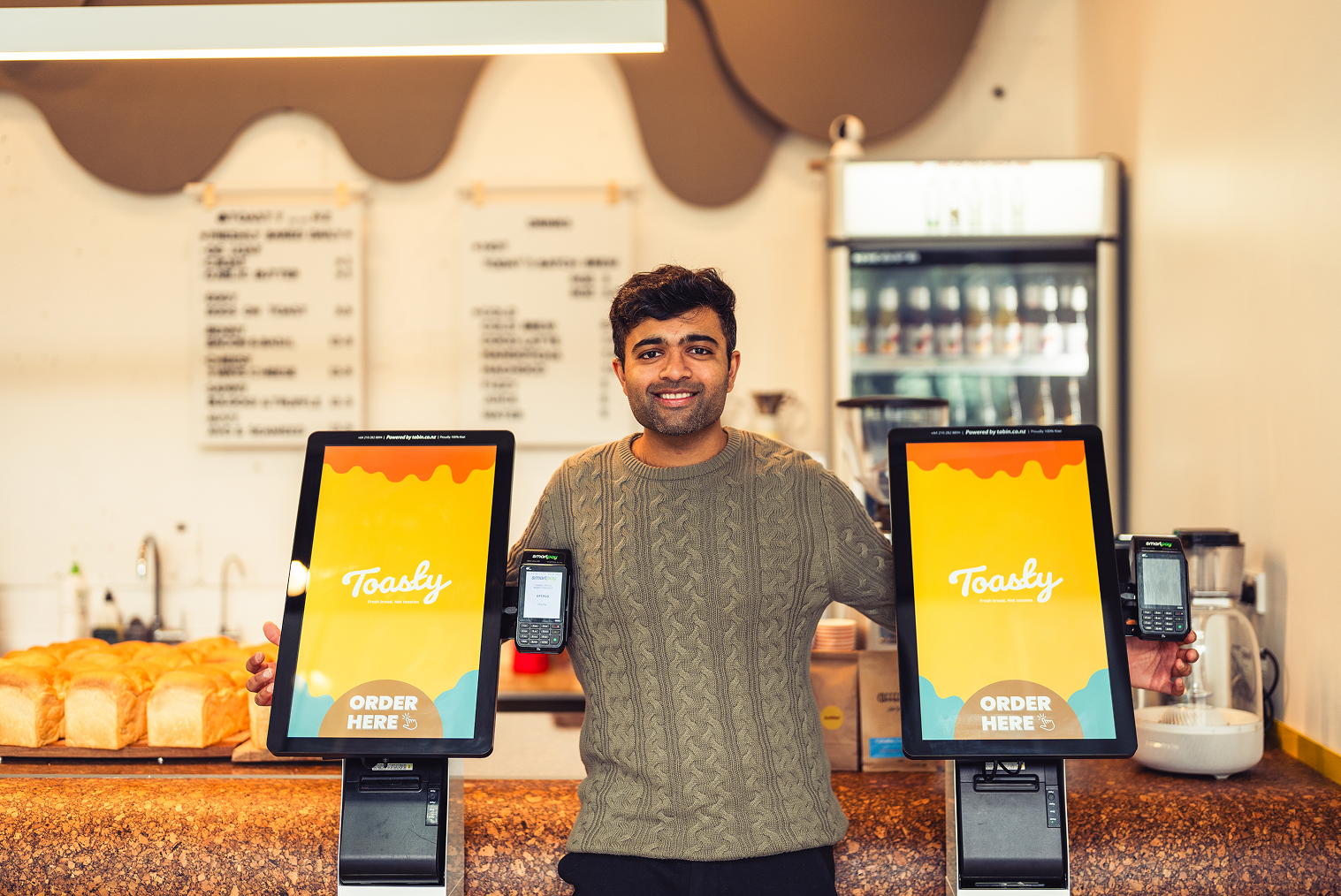
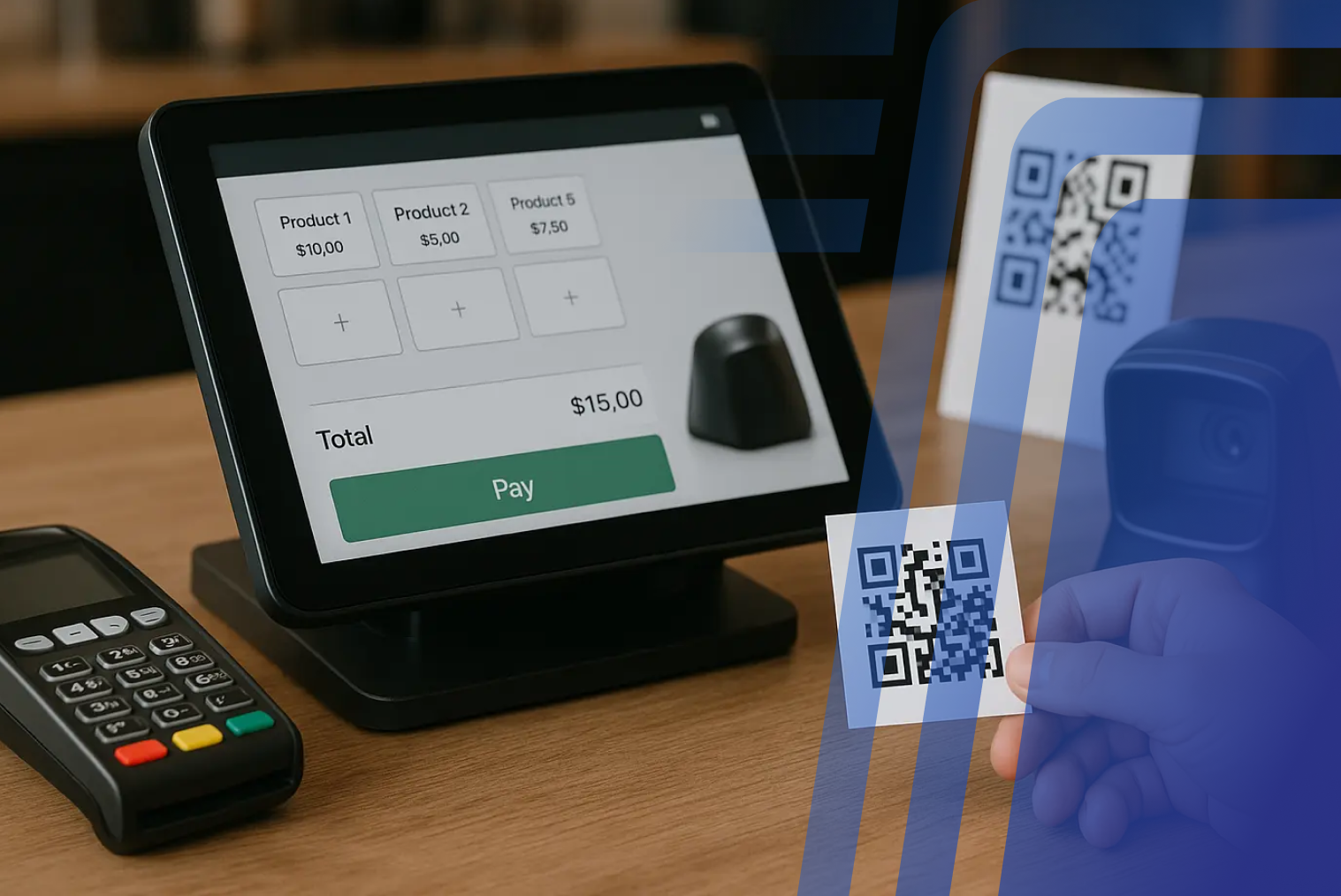
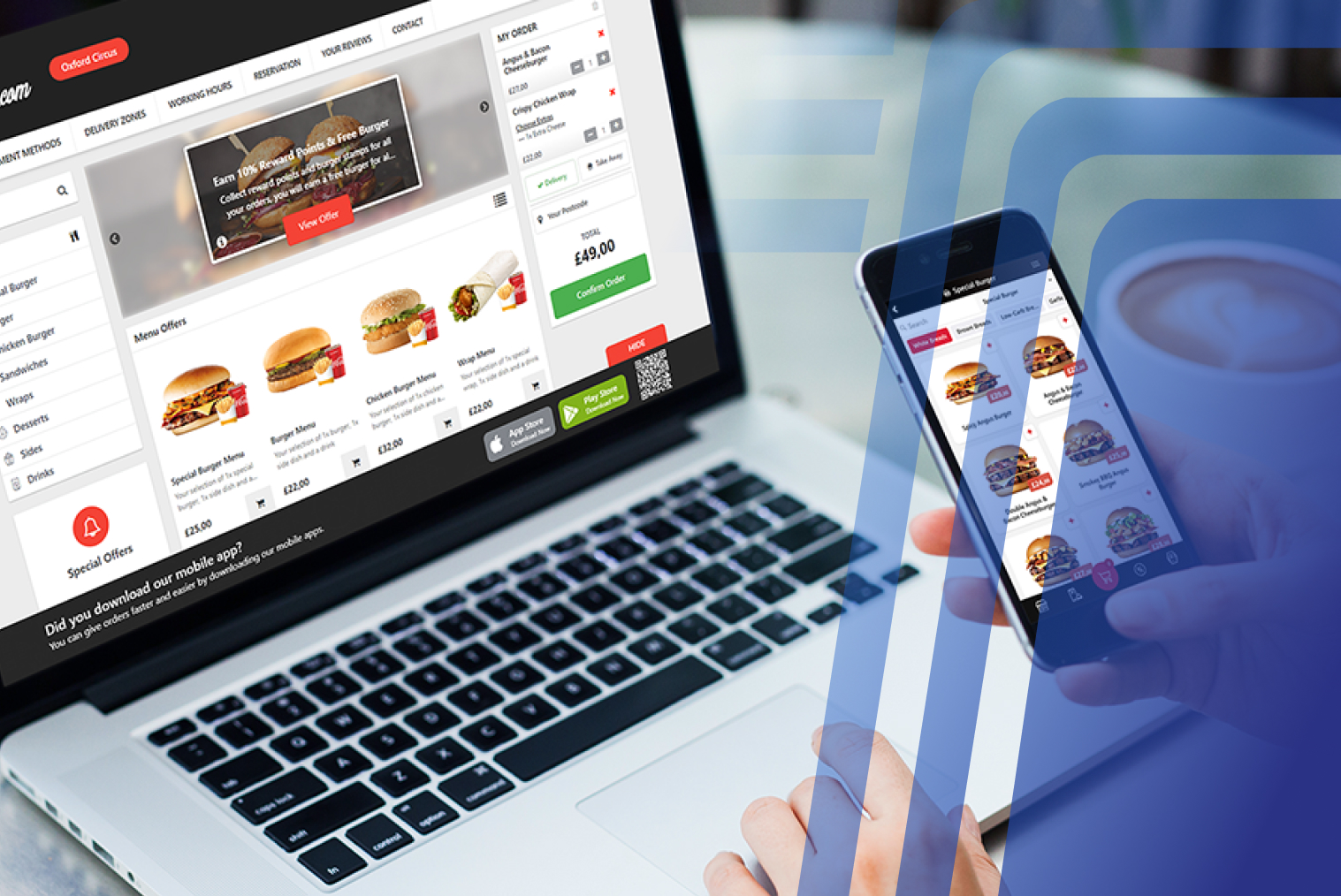
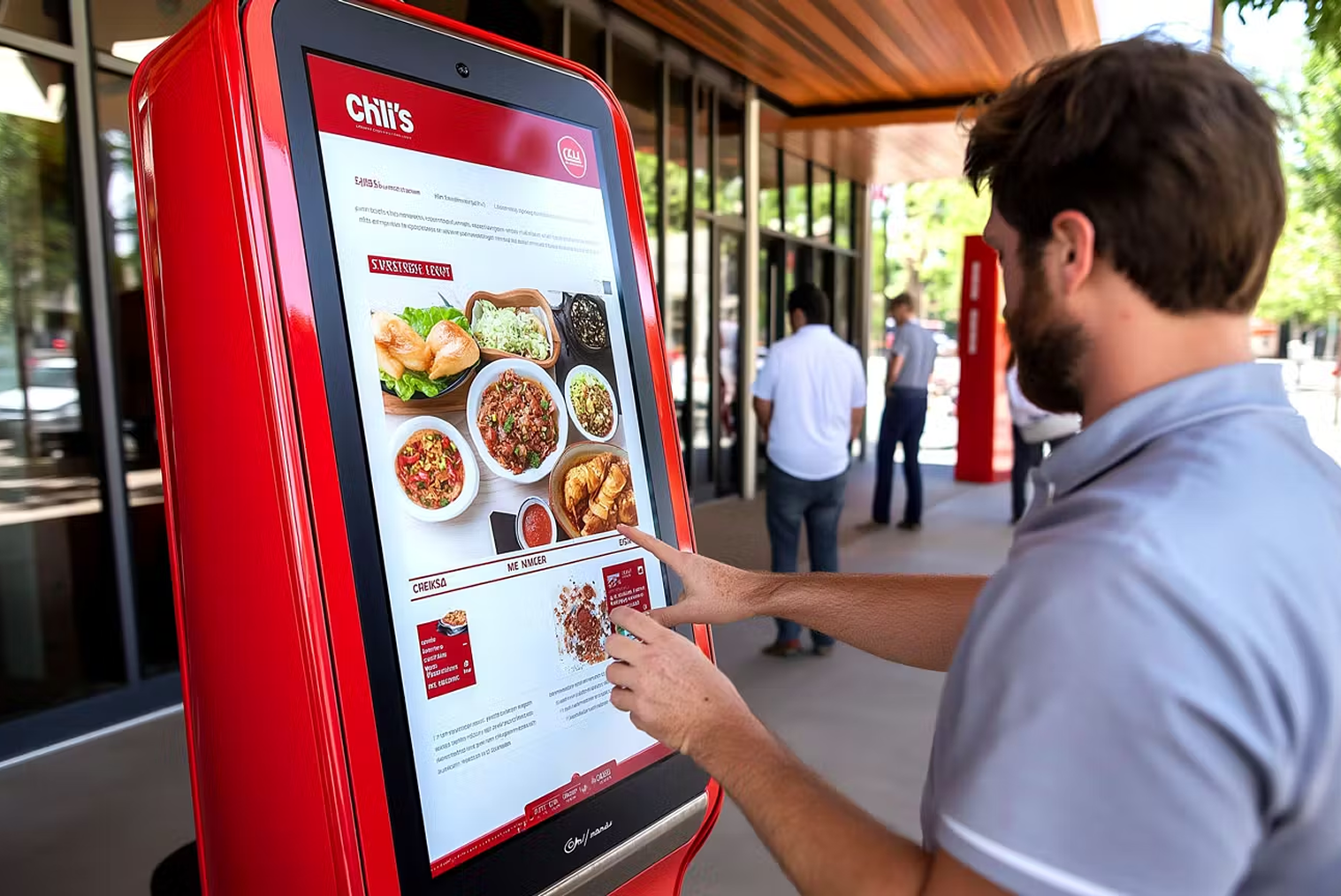
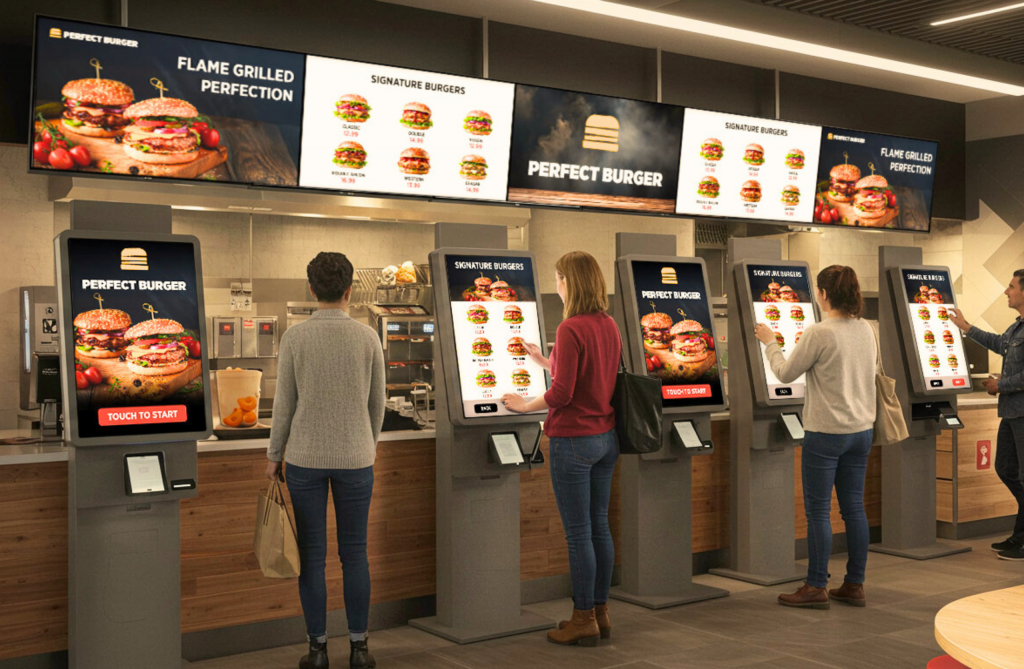
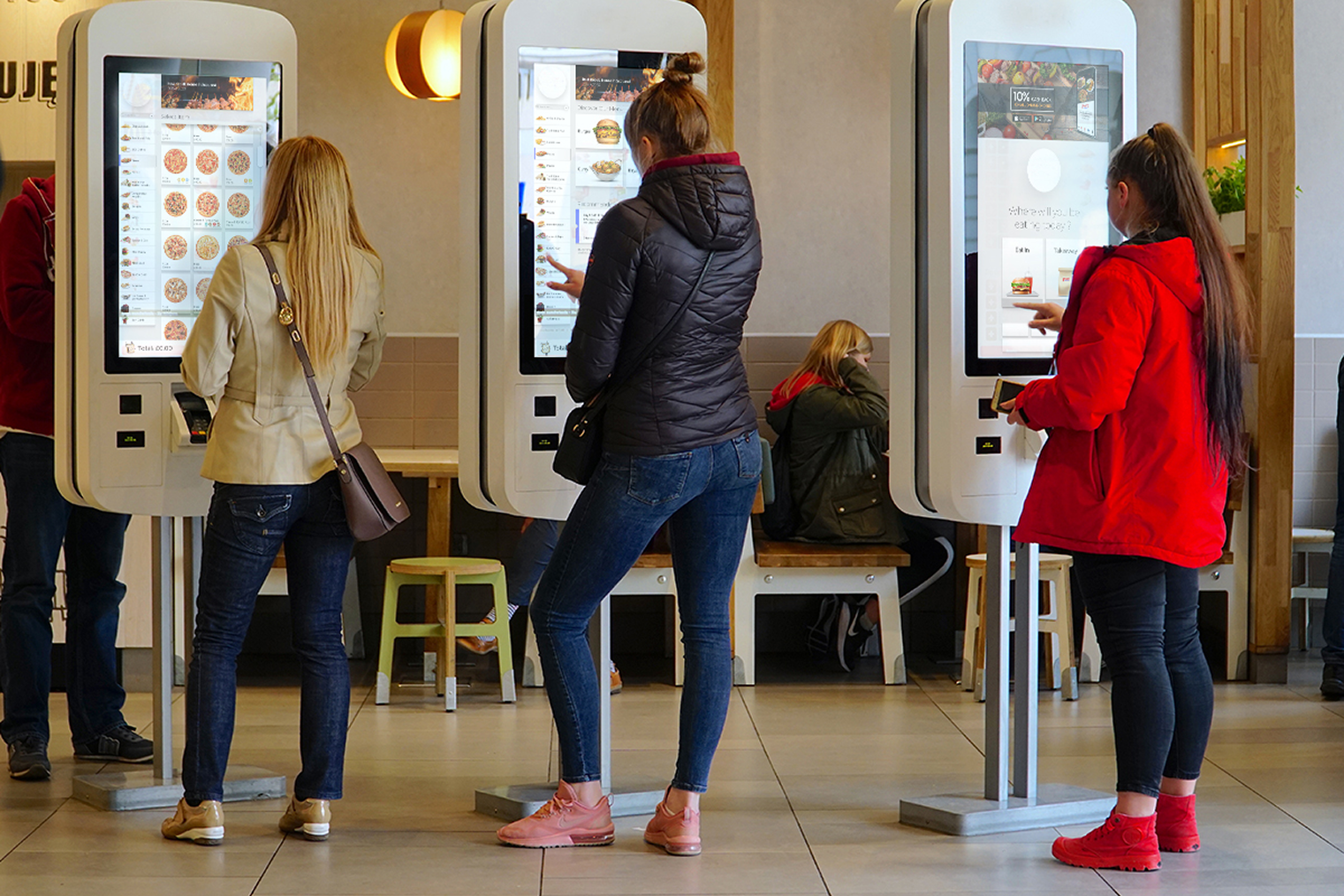
A reliable POS system and contactless self-service kiosks, can help manage sales, payments, menu items, and reporting from the beginning. Depending on your business model, you may also need online ordering, digital payments, or self-service ordering technology.
Starting with the right systems can prevent you from having to replace or rebuild your technology setup as the business grows.
Step 3: Legal Requirements in NZ
Before opening your food truck, you need to make sure the business meets the relevant New Zealand food safety and local trading requirements.
Food Safety Registration
Food trucks generally need to operate under the appropriate food safety framework, such as a Food Control Plan or National Programme, depending on the nature of the business.
The Food Act 2014 provides the legislative framework for food safety in New Zealand.
Council Requirements
Mobile trading requirements can vary between councils. You may need local permissions, registrations or trading licences depending on where you intend to operate.
Before purchasing a truck, check the requirements of the councils and locations where you plan to trade.
Other Requirements
Your planning should also account for:
- Food safety procedures
- Business registration
- Insurance
- Tax and GST obligations
- Waste management
- Vehicle compliance
- Site-specific trading requirements
Getting these requirements right before launch can prevent expensive delays later.
Step 4: Picking the Right Technology for Daily Operations
Modern food trucks are rapidly embracing digital tools — and there’s good reason.
According to recent industry data:
- Around 42% of food trucks have integrated POS systems to streamline transactions.
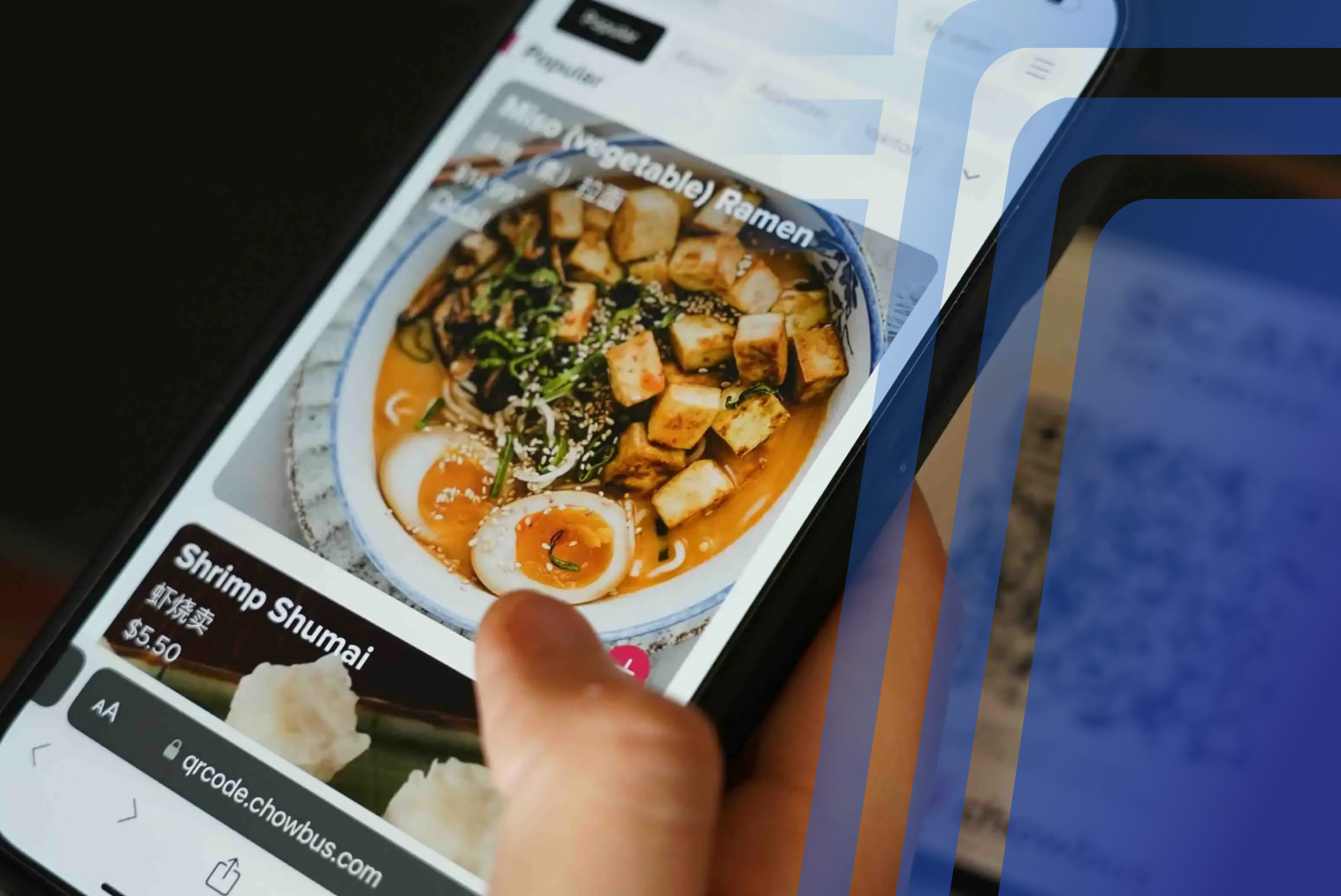
- Over 80% of food truck owners utilise online ordering apps, improving convenience and sales.
- 60% of customers prefer mobile or digital ordering when available at food trucks.
In New Zealand’s competitive food scene, these technologies don’t just enhance service — they are quickly becoming expected by customers.
Choose a POS Built for Food Trucks
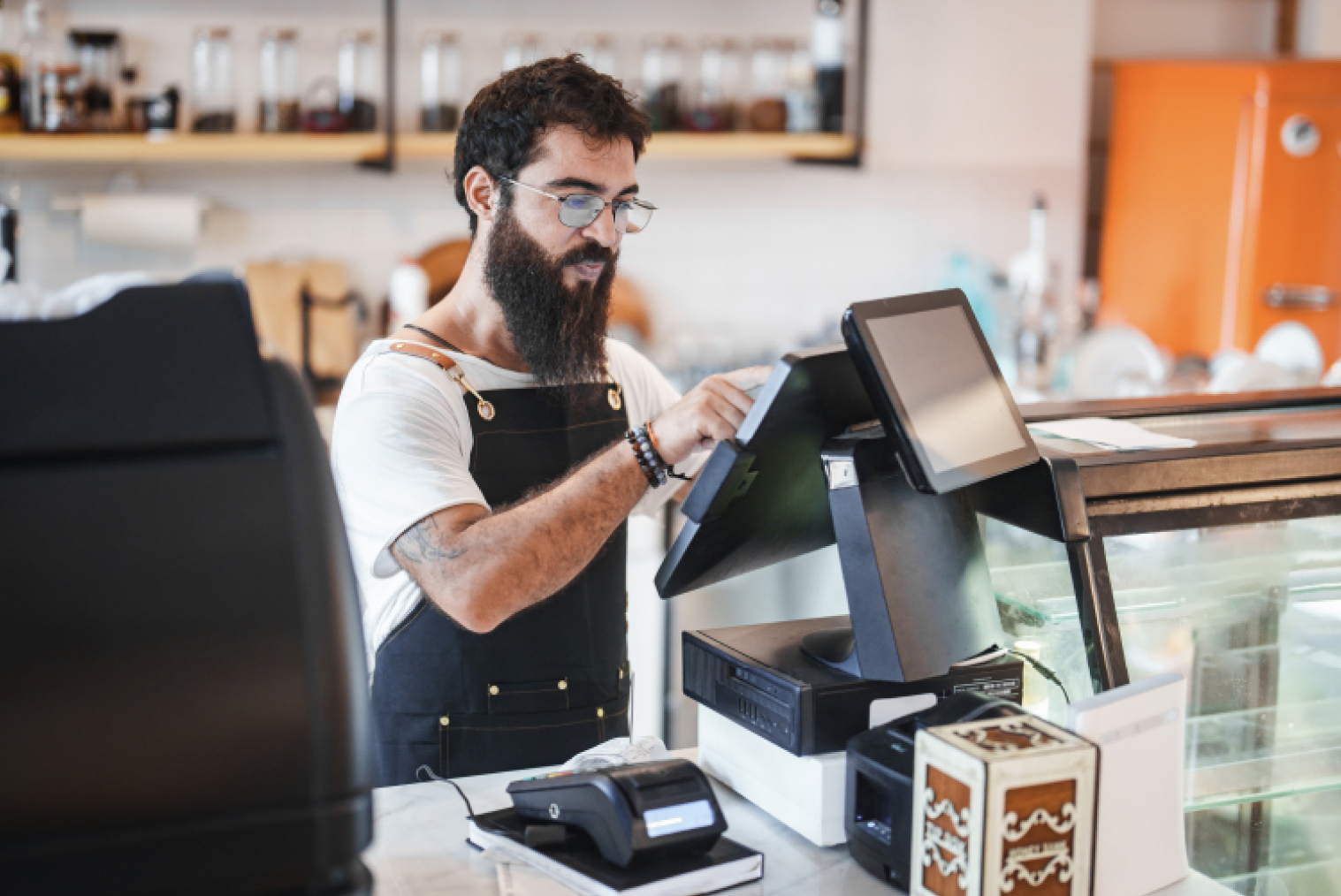
For a mobile business, your POS needs to work around the realities of limited space, fast service, and changing trading locations.
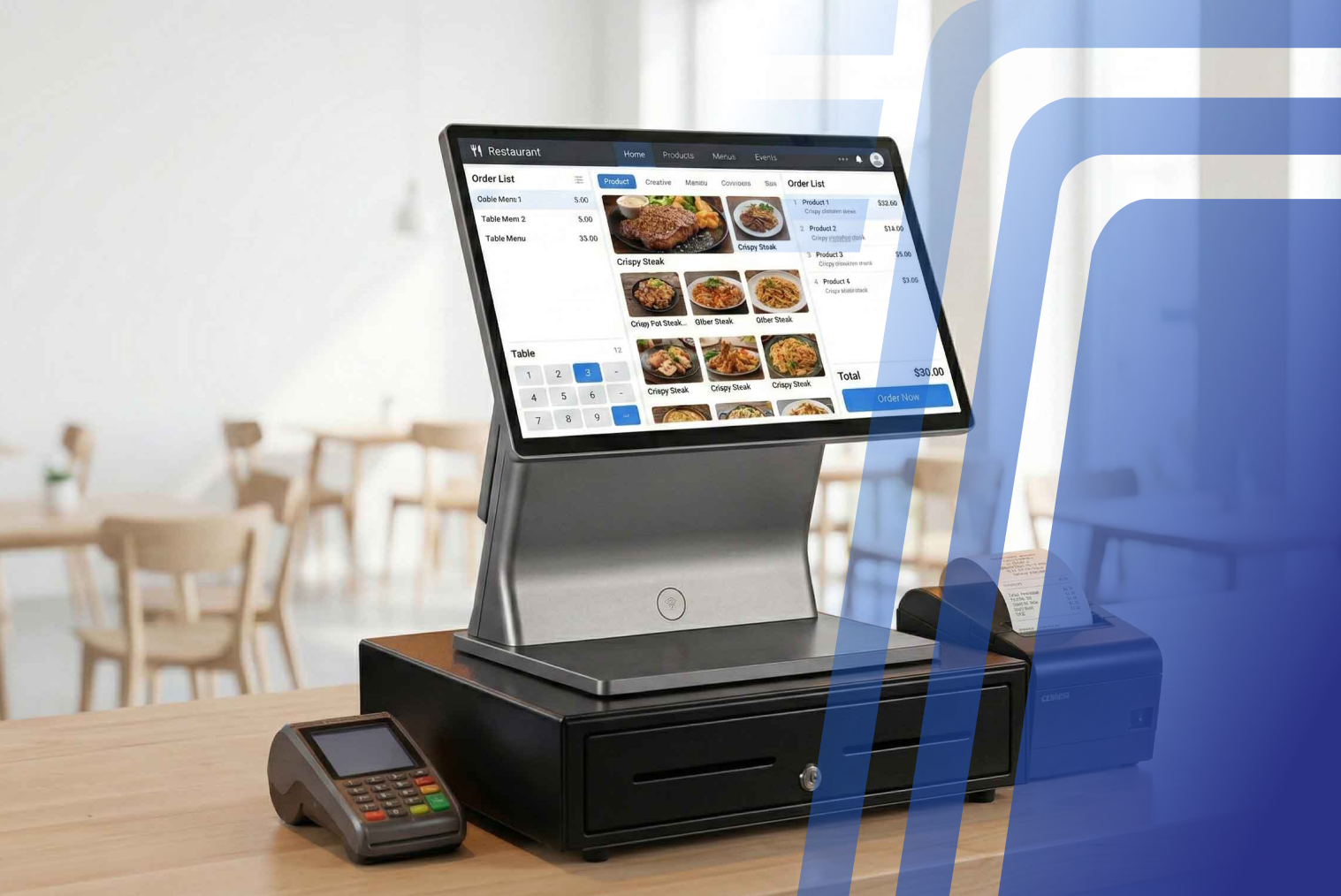
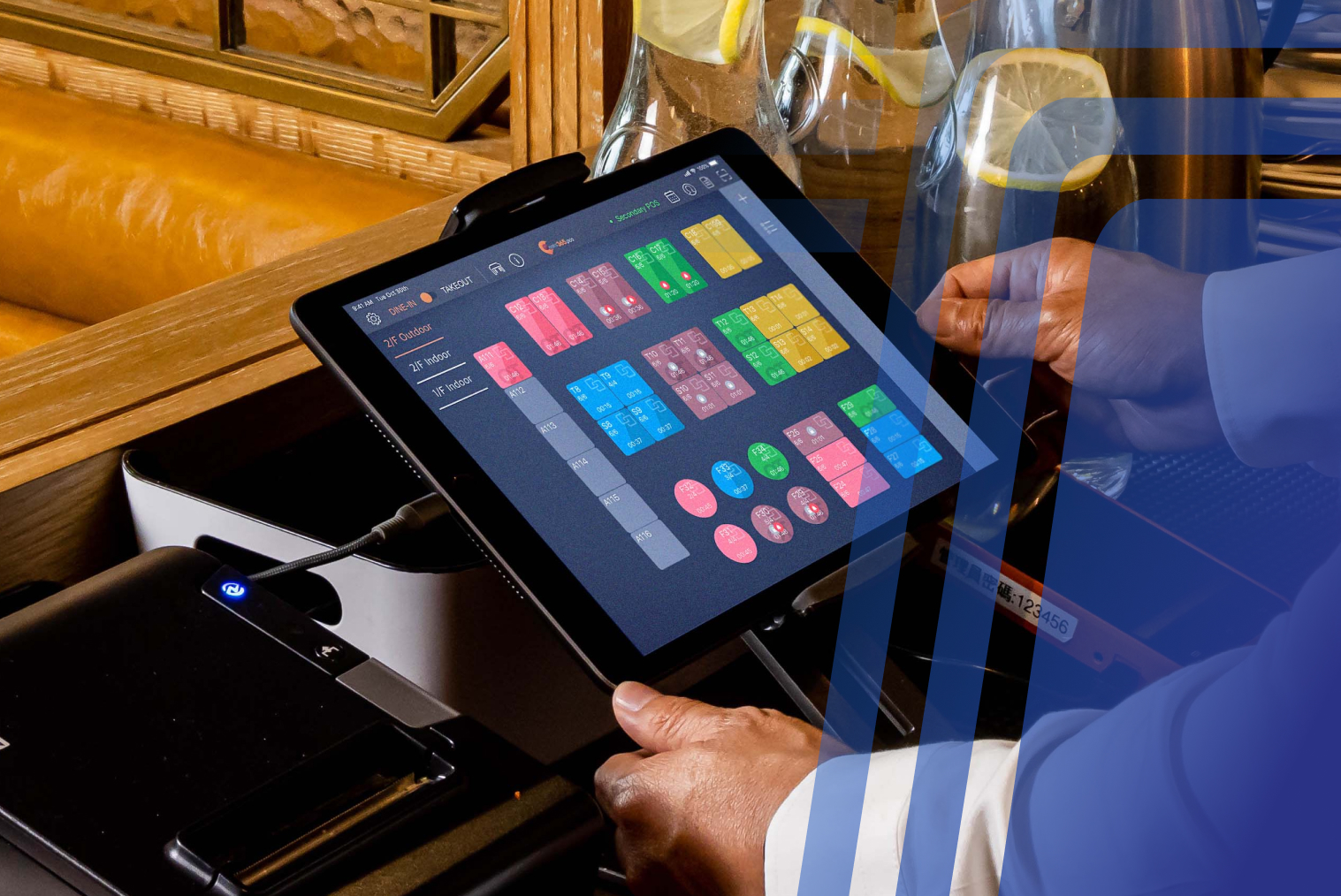
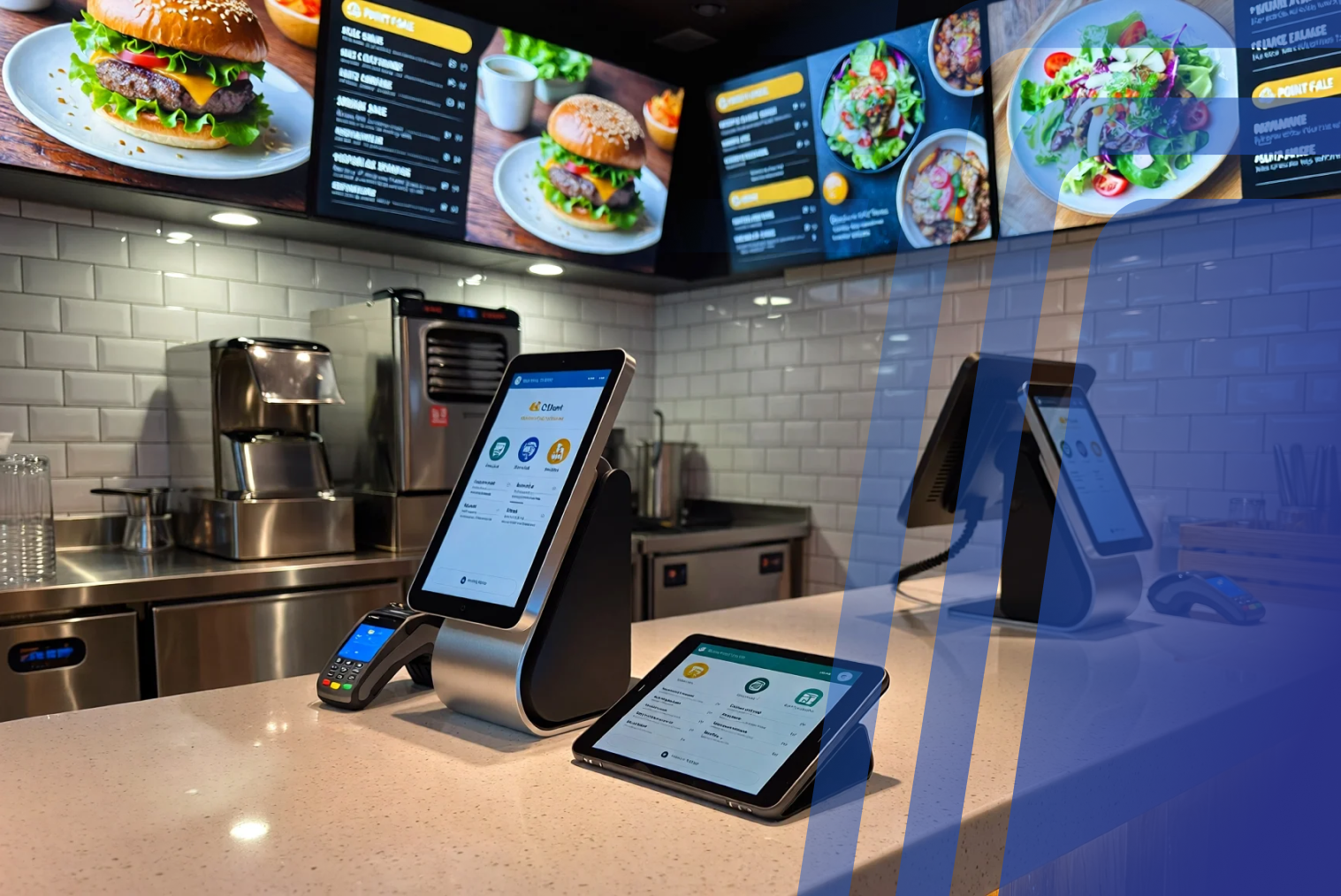
TABIN's food truck POS system is designed to support food businesses with integrated POS, ordering, and payment technology.
Explore TABIN's food truck POS solution →
Enhancing Service with Self-Order Technology
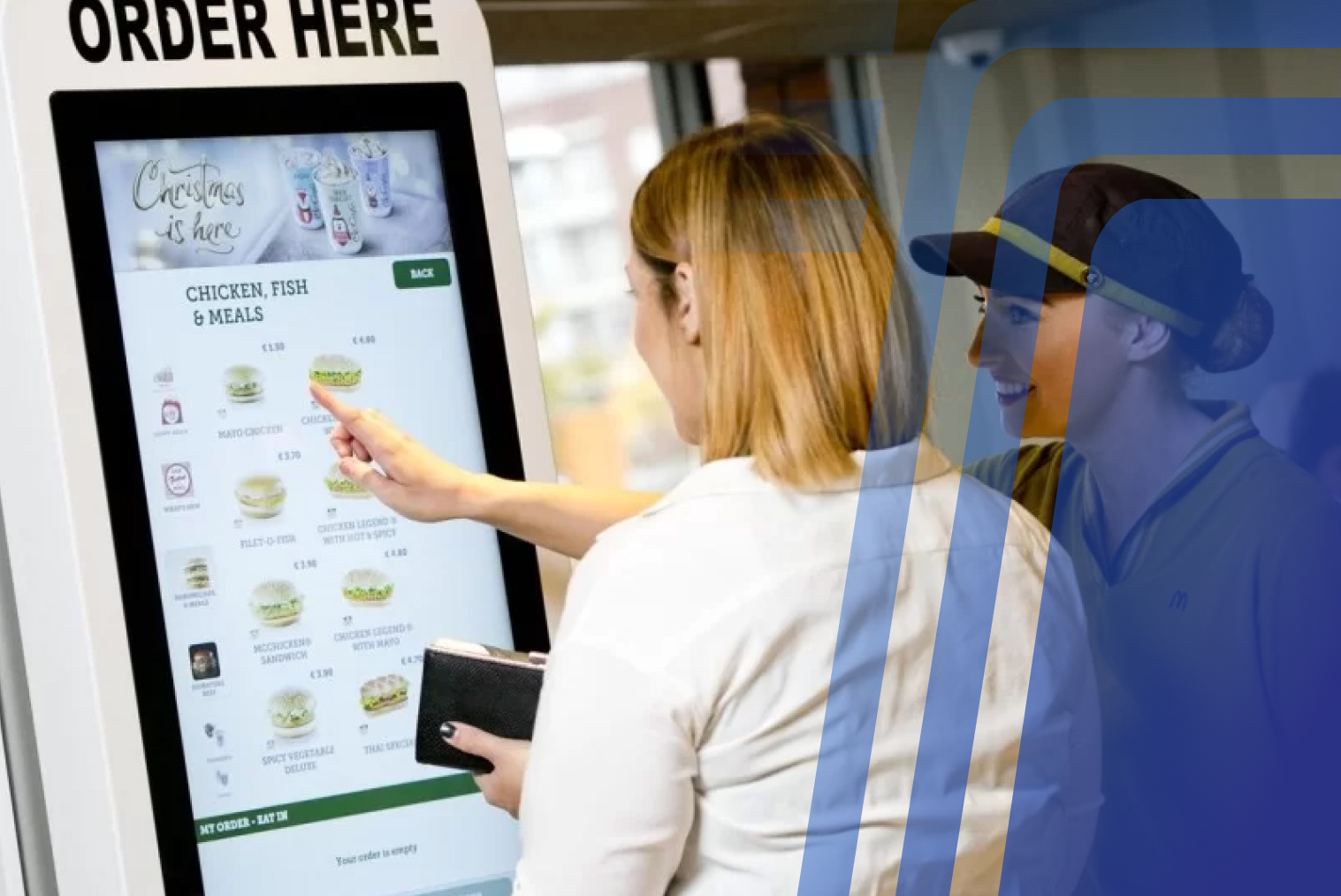
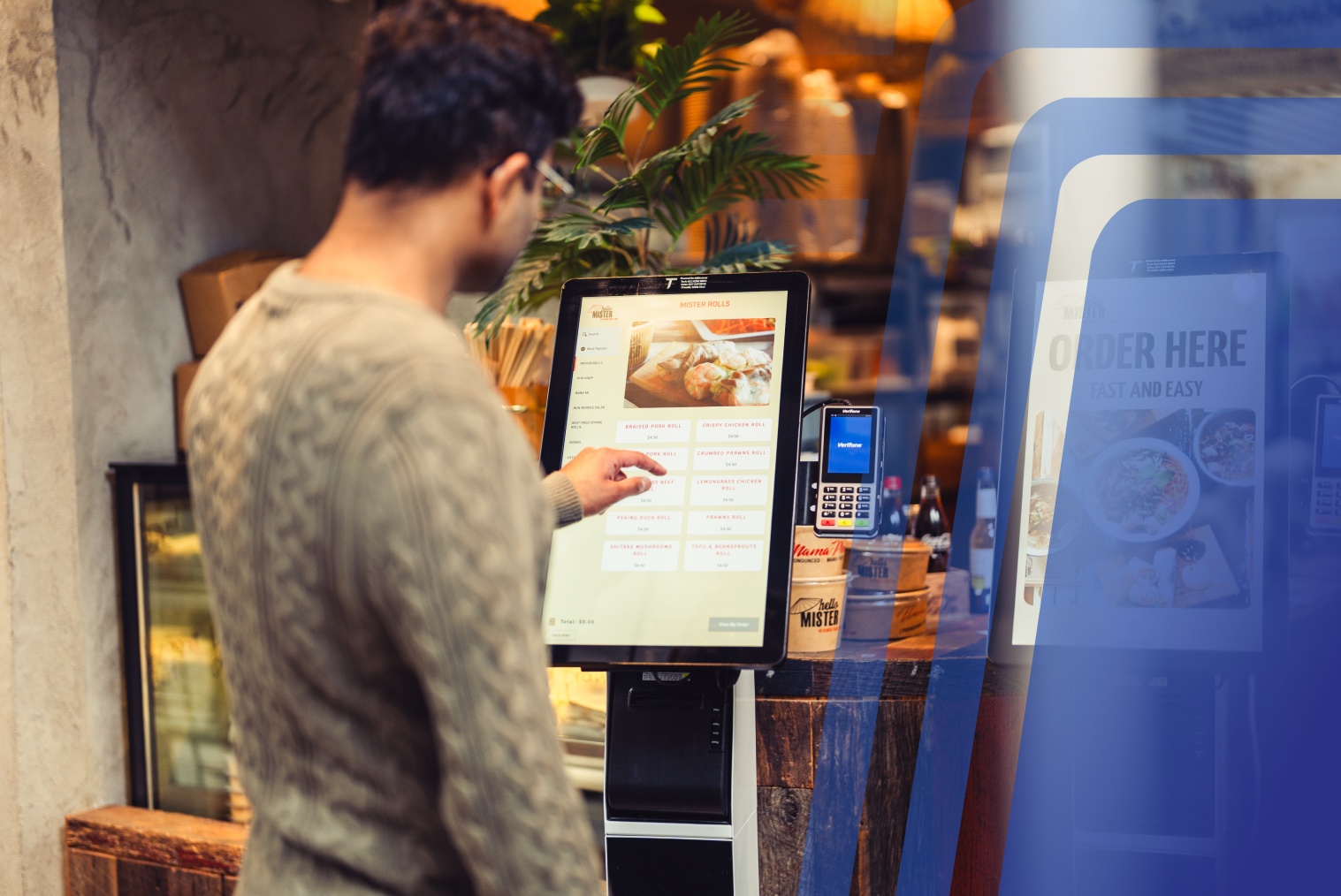
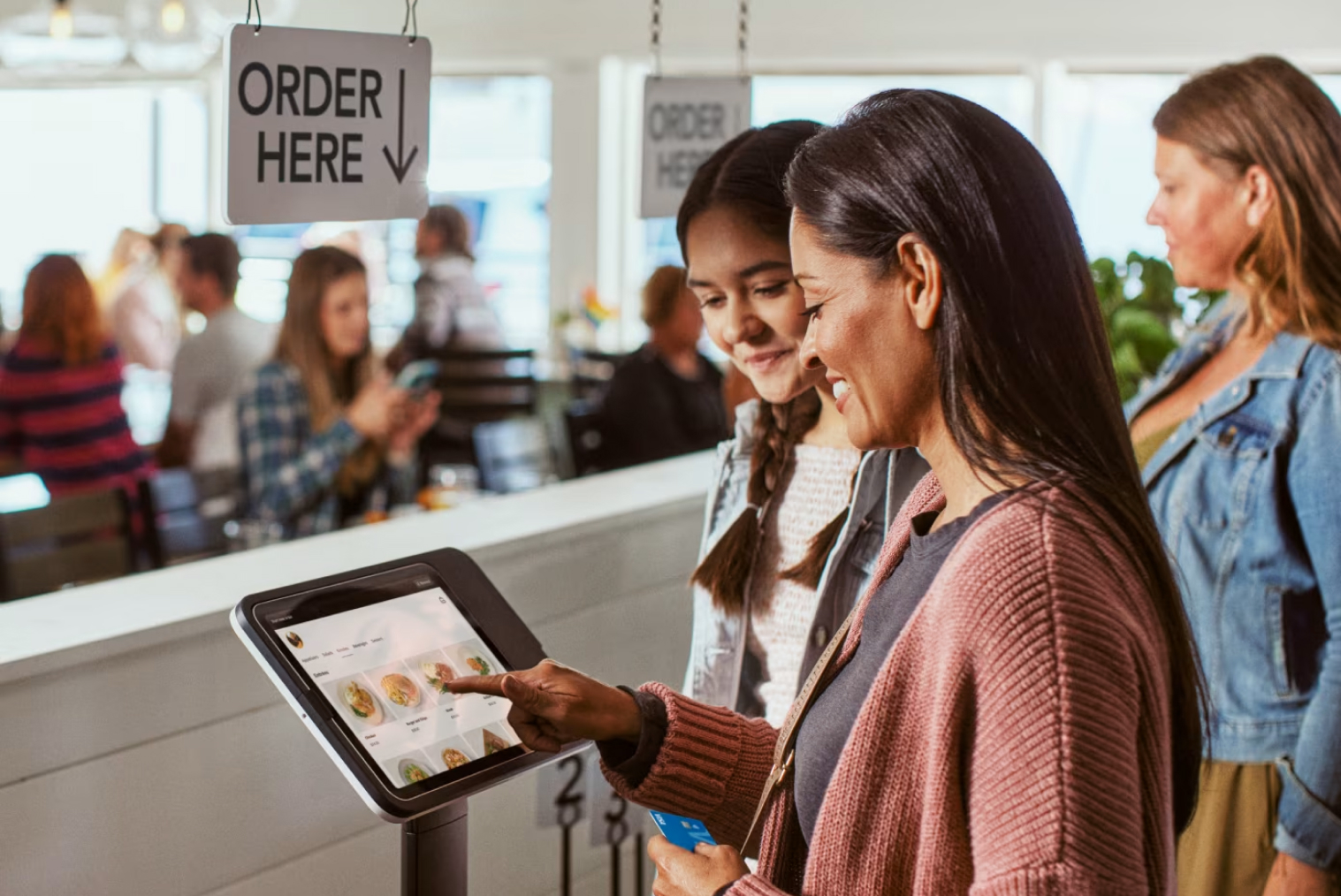
Depending on the size and format of your food truck, self-service technology can also help manage customer flow.
Food trucks that use self-service ordering can potentially:
- Reduce pressure on the ordering point
- Give customers more control over their orders
- Reduce errors caused by rushed order-taking
- Present add-ons and upgrades consistently
- Improve ordering flow during busy periods
TABIN's technology ecosystem connects POS, ordering and self-service solutions, allowing food businesses to build a more integrated setup.
POS Systems and Order & Payment Efficiency
While not legally mandatory, a POS system helps you:
- Record sales and customer preferences
- Manage expenses and tax reporting
- Create actionable business insights
Integrated POS systems also make it easier to expand to online orders and events.
Enhancing Service with Touch and Self-Order Tech
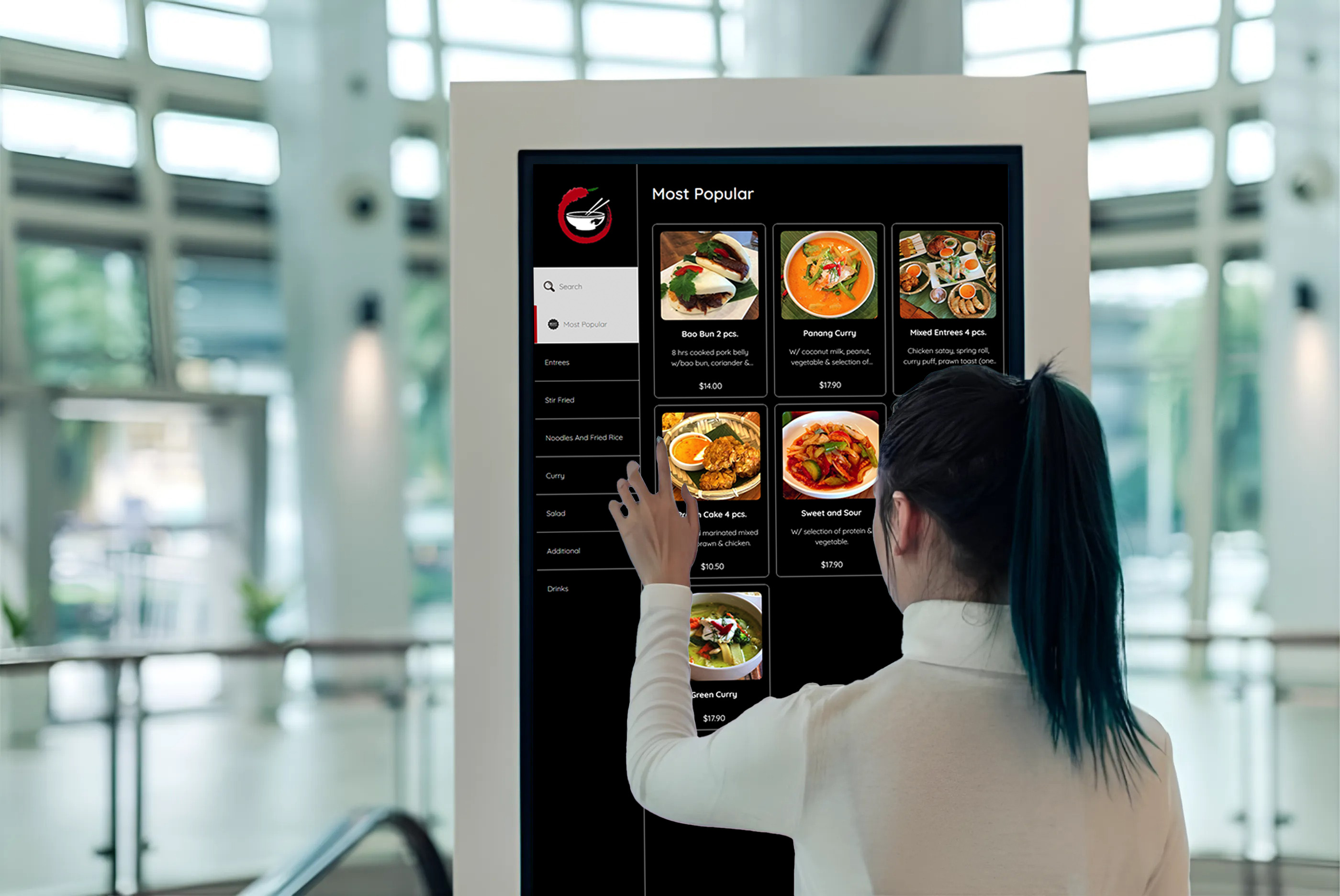
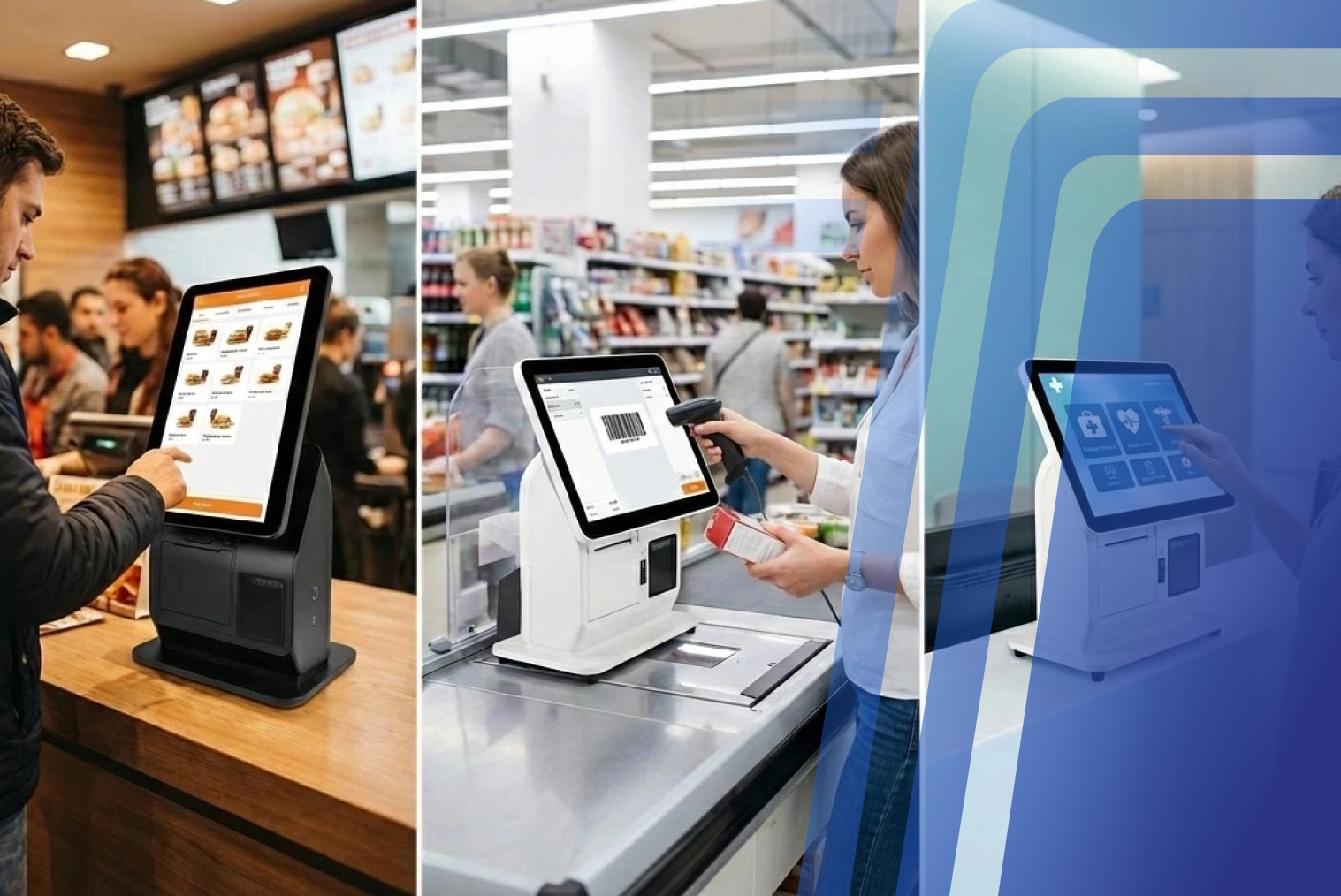
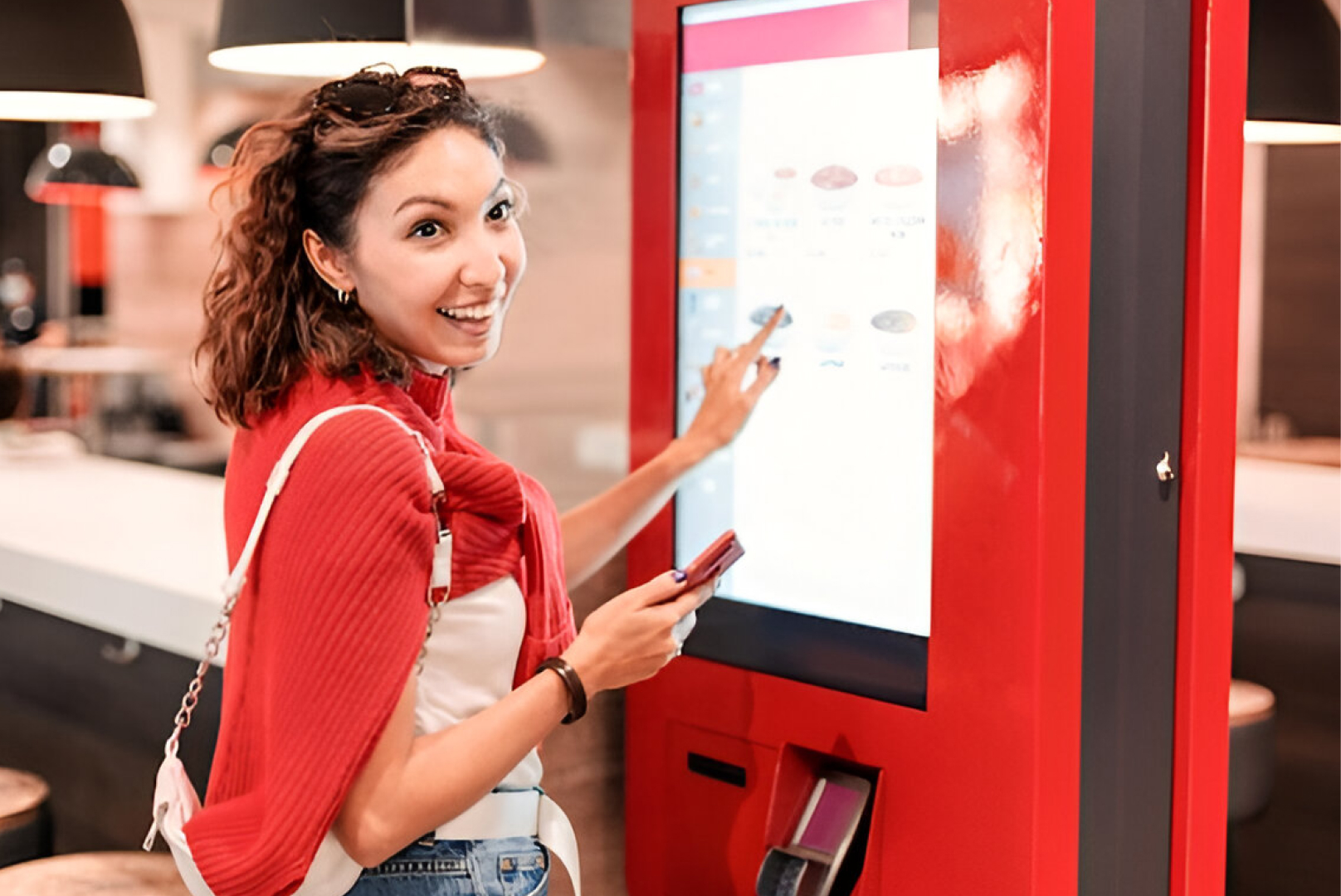
Food trucks that pair their POS systems with contactless self-service kiosks are better equipped to:
- Handle peak period queues
- Reduce errors from rushed order taking
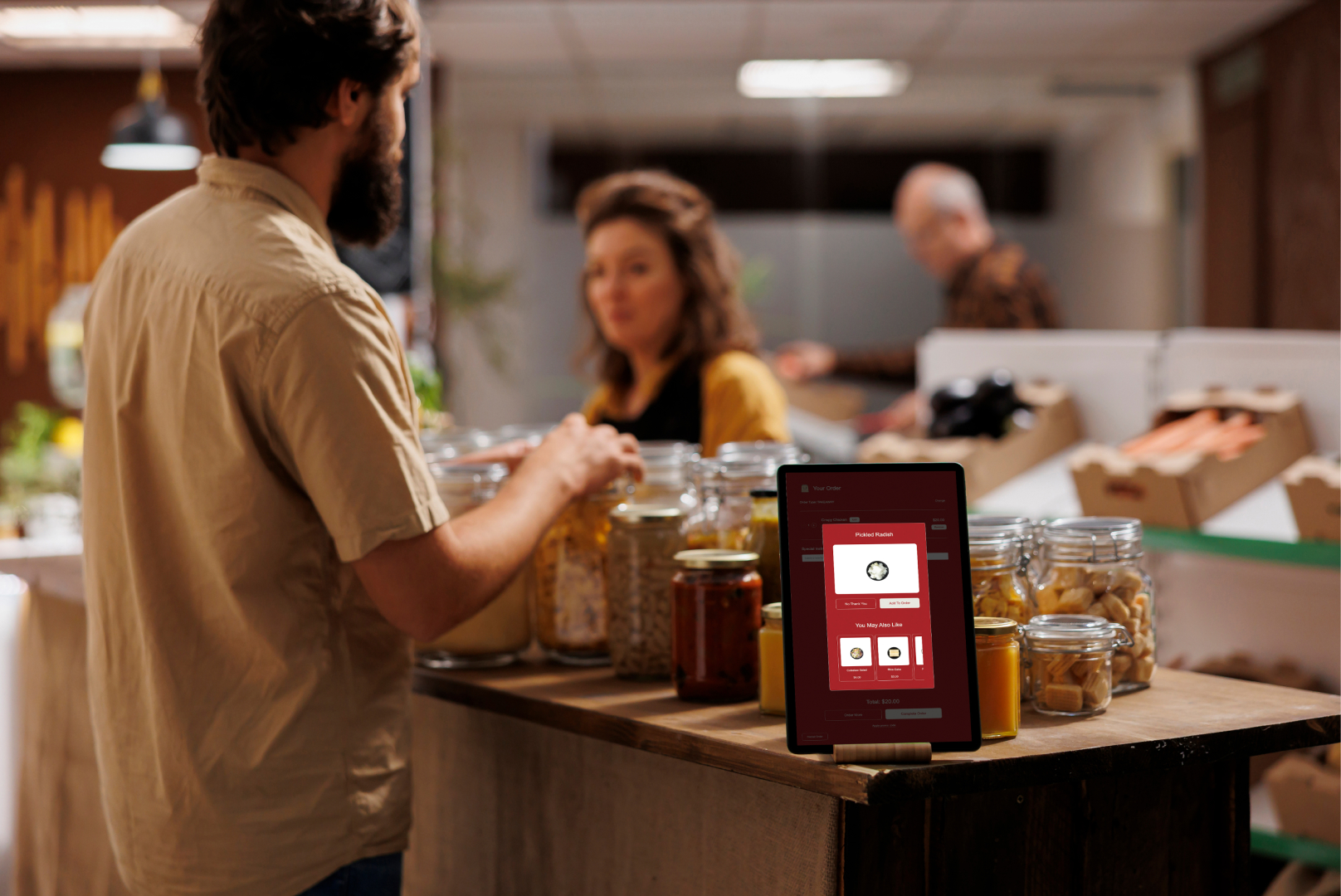
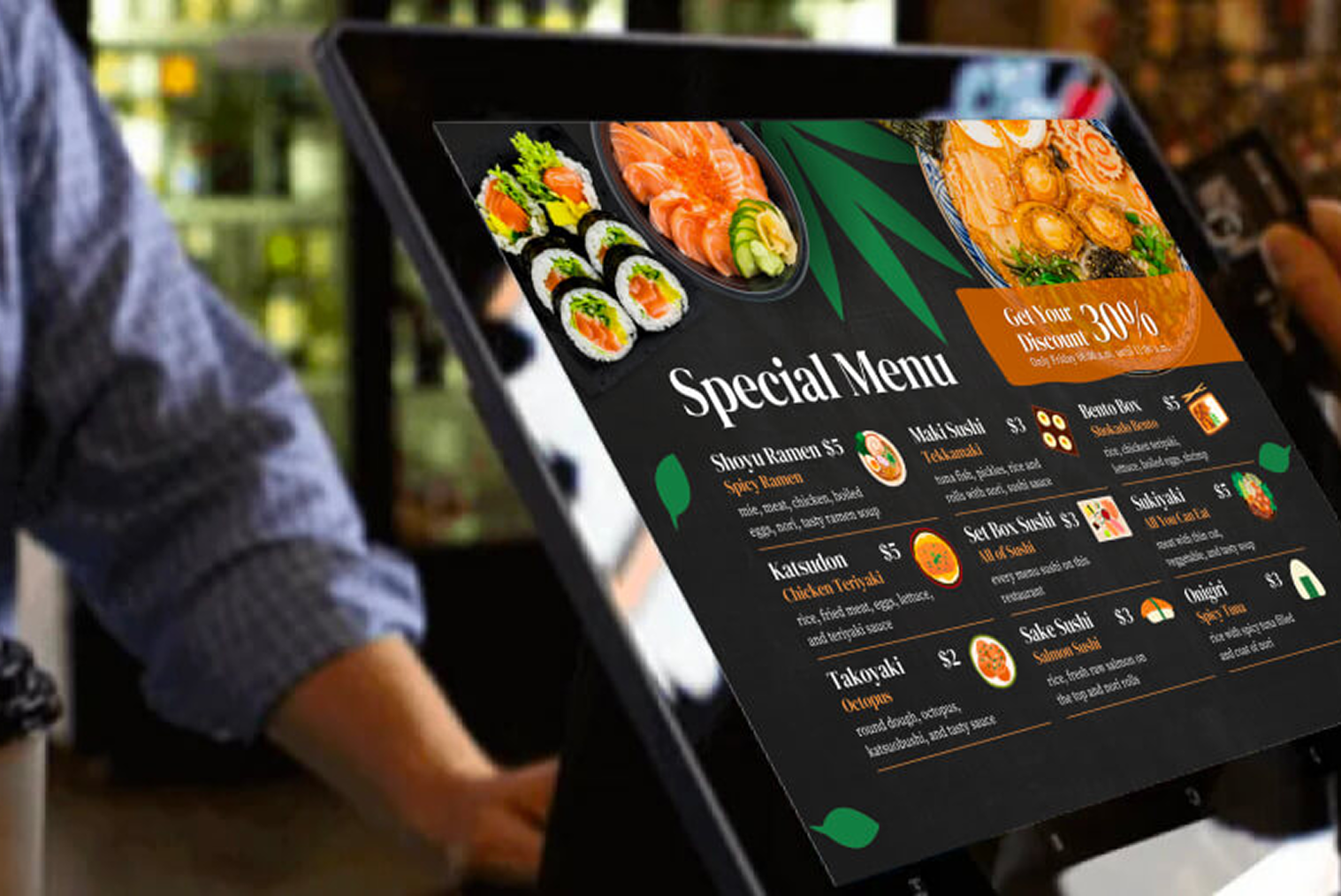
- Upsell combos or add-ons with simple on-screen prompts
Integrating kiosks with your main system (like a POS, inventory, and kitchen workflows) creates a seamless experience for both staff and customers — something Tabin specialises in with its flexible restaurant tech stack, including modern restaurant kiosks and mobile order routing that integrates with restaurant online ordering platform options.
Step 5: Running Daily Operations Successfully
Knowing how to run a food truck business goes beyond startup costs and permits — it involves day-to-day optimisation.
Speed and Accuracy
Data shows that food trucks embracing digital ordering and payment tools not only serve faster but also enjoy higher customer satisfaction — a major factor in return visits.
Inventory and Waste Management
Digital tools help manage stock in real time, reducing waste and cost leaks — especially critical when food costs alone typically make up a significant portion of your spend.
Marketing and Customer Engagement
Digital presence matters. With over 70% of customers using mobile apps or online tools to find food trucks before visiting, having a system that supports digital menus, online orders, and event updates is increasingly necessary.
This means your business can grow not just through quality food, but through data-driven visibility and engagement.
Already Running a Food Truck?
This guide focuses on starting a food truck from scratch. If your food truck is already operating and you're looking to improve day-to-day ordering, payments, inventory and customer flow, read TABIN's guide on Why Mobile POS Solutions Are Essential for Modern Food Trucks.
How Technology Improves Food Truck Viability
Adoption of digital tools is no longer optional. Around 85% of food truck operators plan to upgrade digital tools within the next two years, with POS systems and digital menus at the forefront.
At Tabin, we build technology that helps food trucks thrive:
- POS systems tailored for high-velocity ordering
- Digital ordering workflows for online and offline orders
- Kiosk integrations for contactless service
These tools help food truck owners improve efficiency — and increase sales — without adding unnecessary operational burden.
Conclusion
It’s not just about being able to roll your food truck business in New Zealand; it’s about the right systems to help it thrive.
With real startup cost data, legal necessities, and statistics on the advantages that digital tools provide, you can ensure that the right investment in technology options from point-of-sale to kiosk integrations enables quicker and better service with happier customers.
Food trucks that adopt technology, as facilitated by the integrated technology services offered by Tabin’s, may not only be more efficient but also more promising for growth in the ever-evolving NZ food scene.
Ready to Launch Your Food Truck With the Right Technology?
Book a free TABIN demo → and explore POS, payment, ordering, and self-service solutions designed for modern food businesses.
Frequently Asked Questions (FAQs)
Q1: Is a POS system mandatory for food trucks in New Zealand?
No, a POS system is not legally required under the Food Act 2014. However, most operators choose to implement one to improve order accuracy, manage GST reporting, track inventory, and generate financial reports. As digital payments become standard, having an integrated POS system simplifies compliance and daily reconciliation.
Q2: What is the cost of installing a food ordering kiosk in a food truck?
Costs vary depending on hardware durability, software capabilities, and integration needs. Entry-level compact kiosks suitable for food trucks may start from a few thousand NZ dollars, while more advanced touchscreen systems with payment integration and inventory syncing can cost significantly more. Installation and ongoing software subscriptions should also be considered.
Q3: Are ordering kiosks suitable for small or mobile food businesses?
Yes. Modern kiosk systems are designed to function in compact spaces and support high-volume ordering environments. They can reduce queues, minimise manual errors, and increase average order value through automated upselling prompts.
Q4: Can food trucks in New Zealand use kiosks for contactless payments?
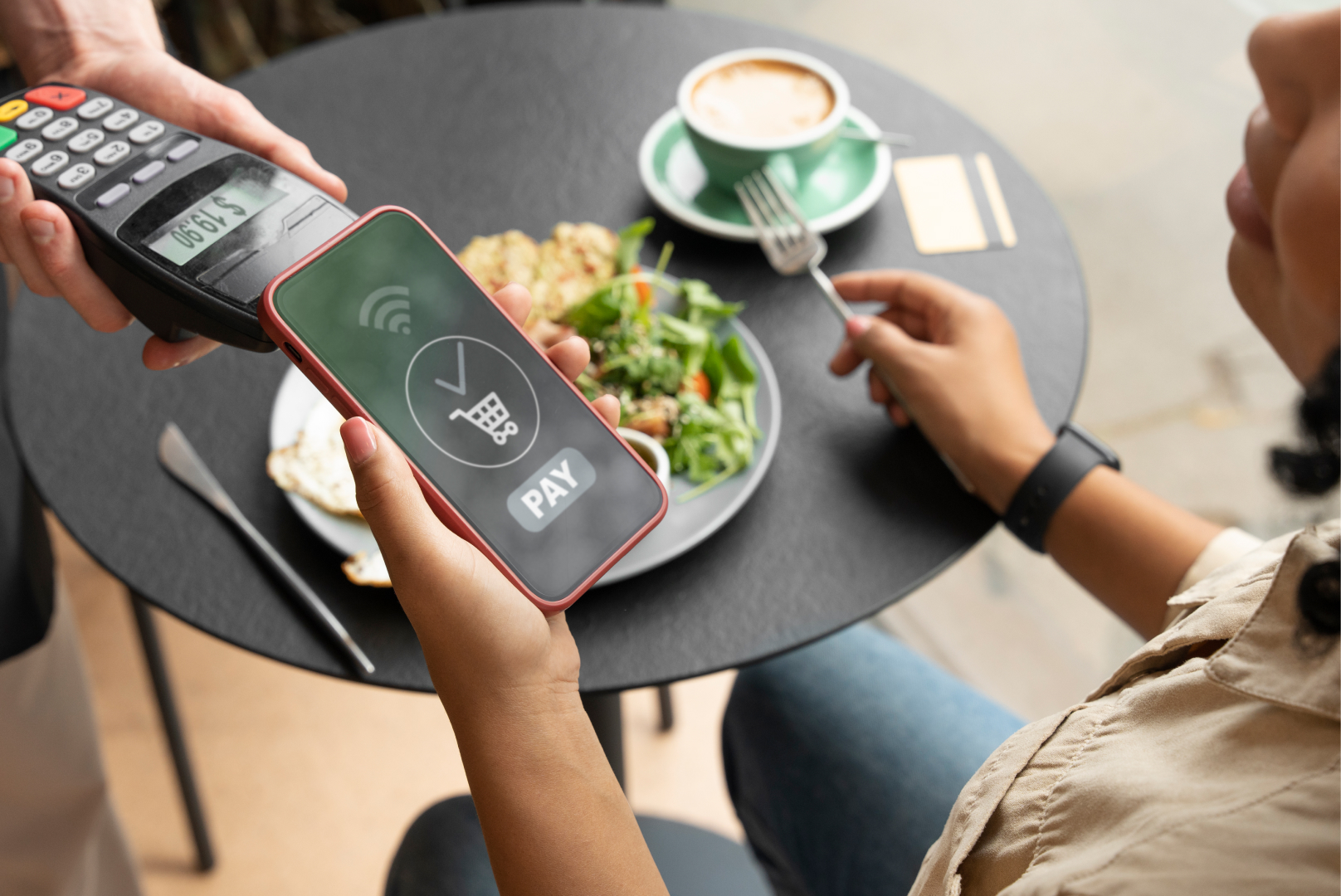
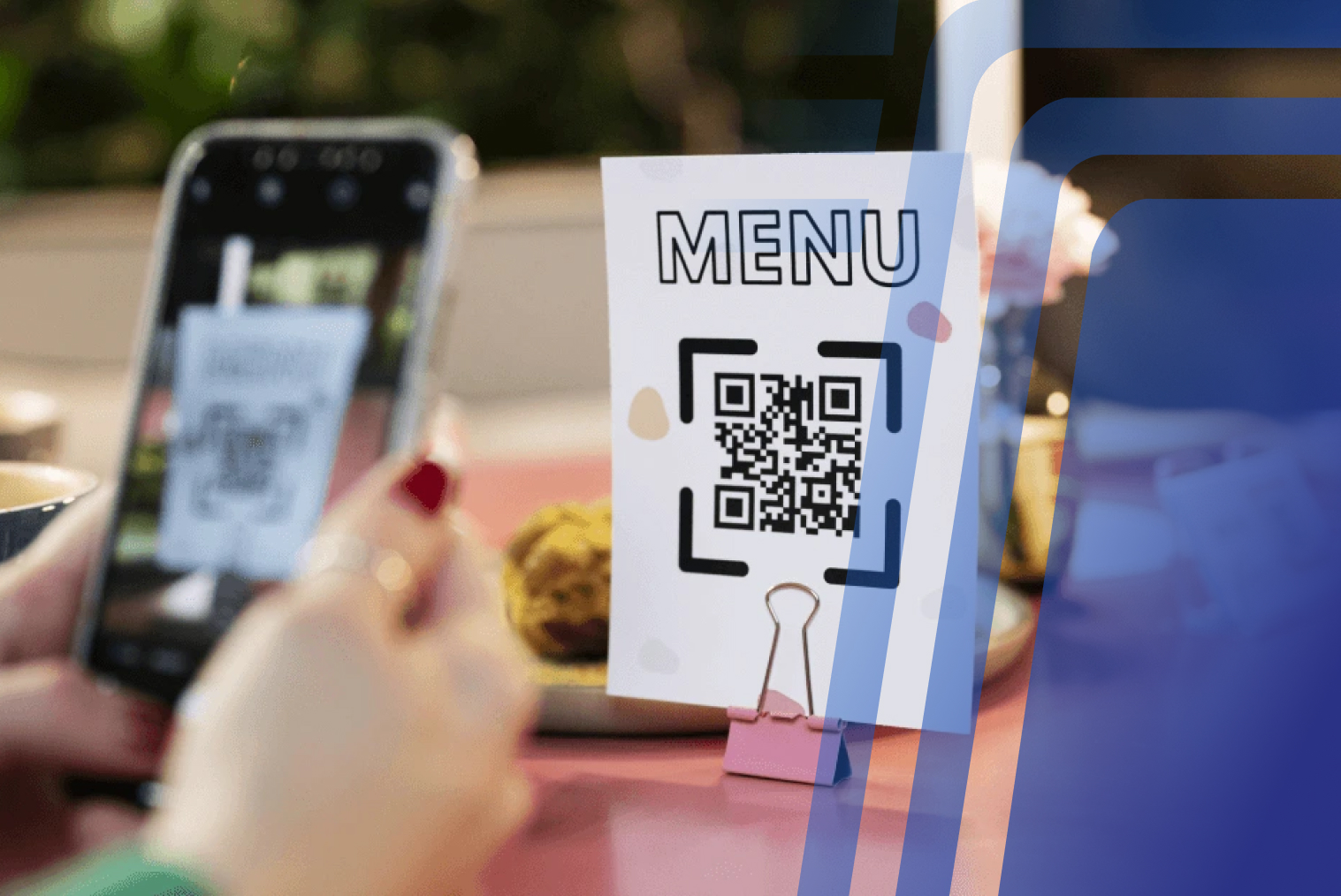
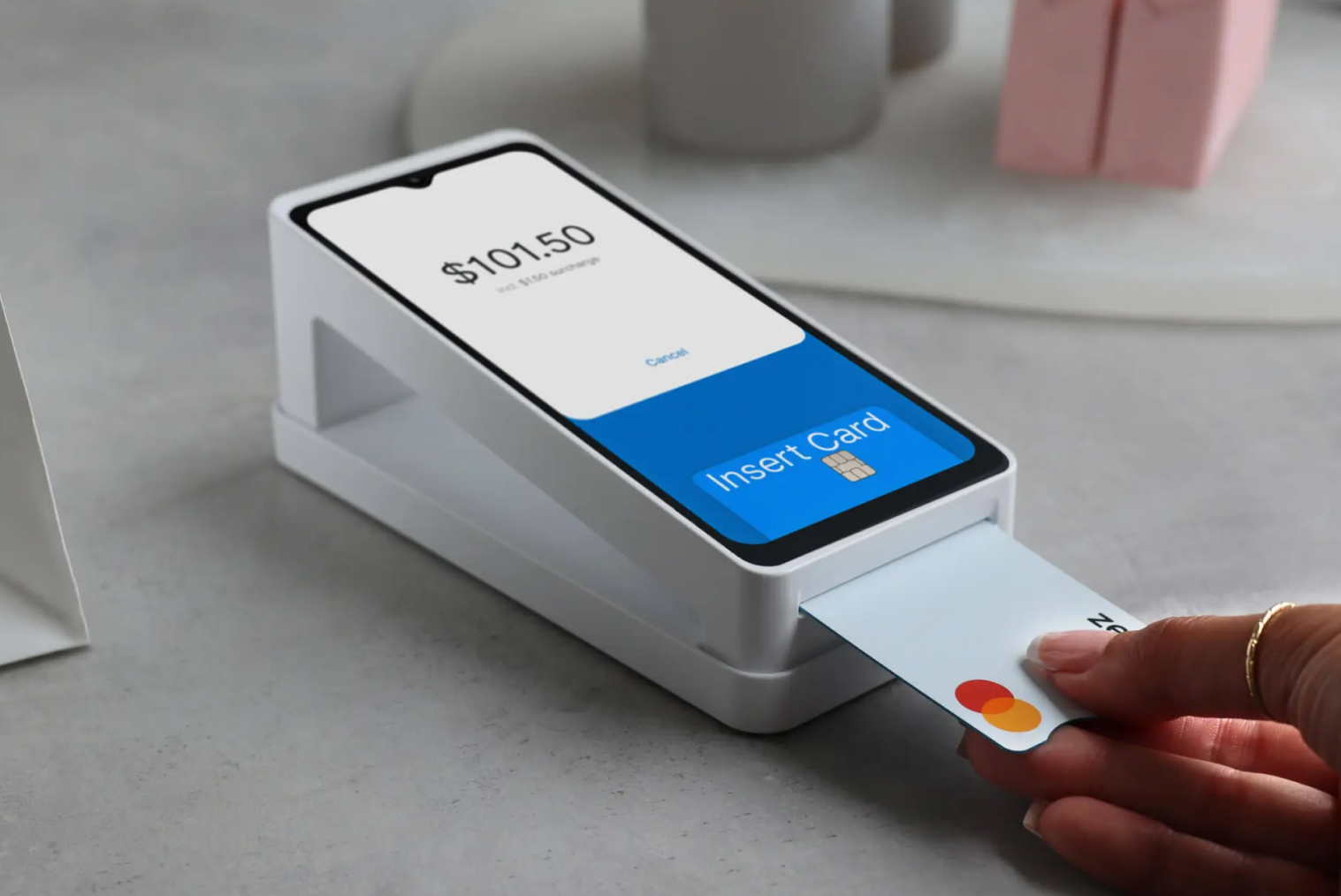
Yes. Most modern kiosk systems support contactless card payments, mobile wallets, and QR-based ordering. This aligns with customer expectations for speed, hygiene, and convenience, particularly at busy events.


.webp)










.png)

















.webp)


