In New Zealand, paying with cards has largely replaced cash — but the distinction between an EFTPOS card vs debit card can still be confusing for both consumers and merchants. Understanding the difference between EFTPOS and debit card payments helps businesses manage costs and offer better checkout experiences. In this article, we’ll break down how each card works, the costs involved, and answer common questions business owners often ask.
EFTPOS vs Debit Cards: What They Are
What Is an EFTPOS Card?
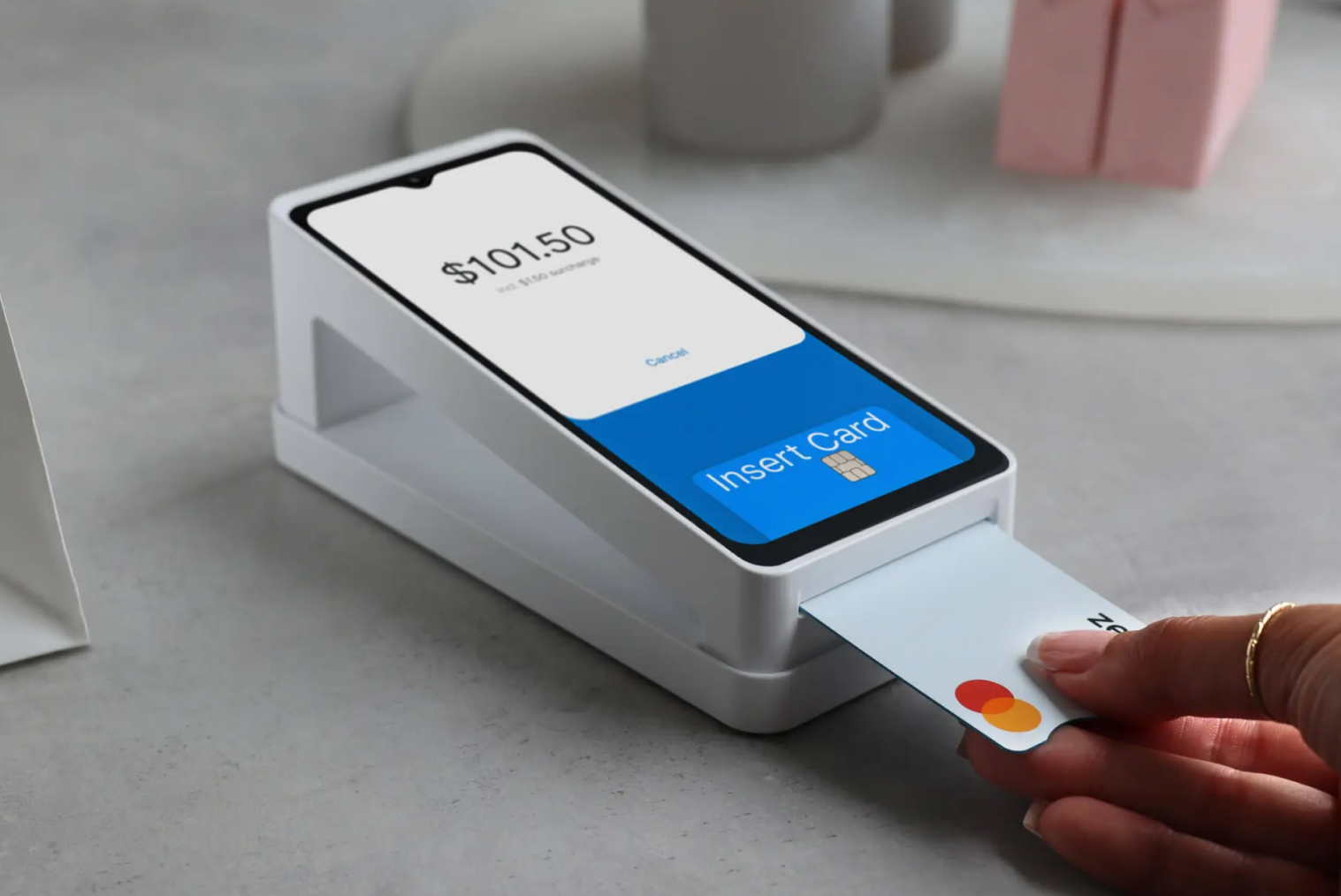
EFTPOS is an abbreviation for Electronic Funds Transfer at Point of Sale. An EFTPOS card lets you pay money directly from your bank account during an in-person transaction using a physical terminal. In New Zealand, these cards are attached to your bank account, and it is required to use your PIN during any purchase. They also tend not to work online or overseas and, for most domestic EFTPOS transactions, per-transaction merchant fees are not taken out.
According to Payments NZ, EFTPOS cards are designed for domestic, face-to-face transactions and can also be used to withdraw cash from ATMs within New Zealand.
What Is a Debit Card?
A debit card also draws money directly from your bank account — but unlike most EFTPOS-only cards, it’s generally issued on a Visa or Mastercard network. This means you can use it:
- In-store at EFTPOS terminals
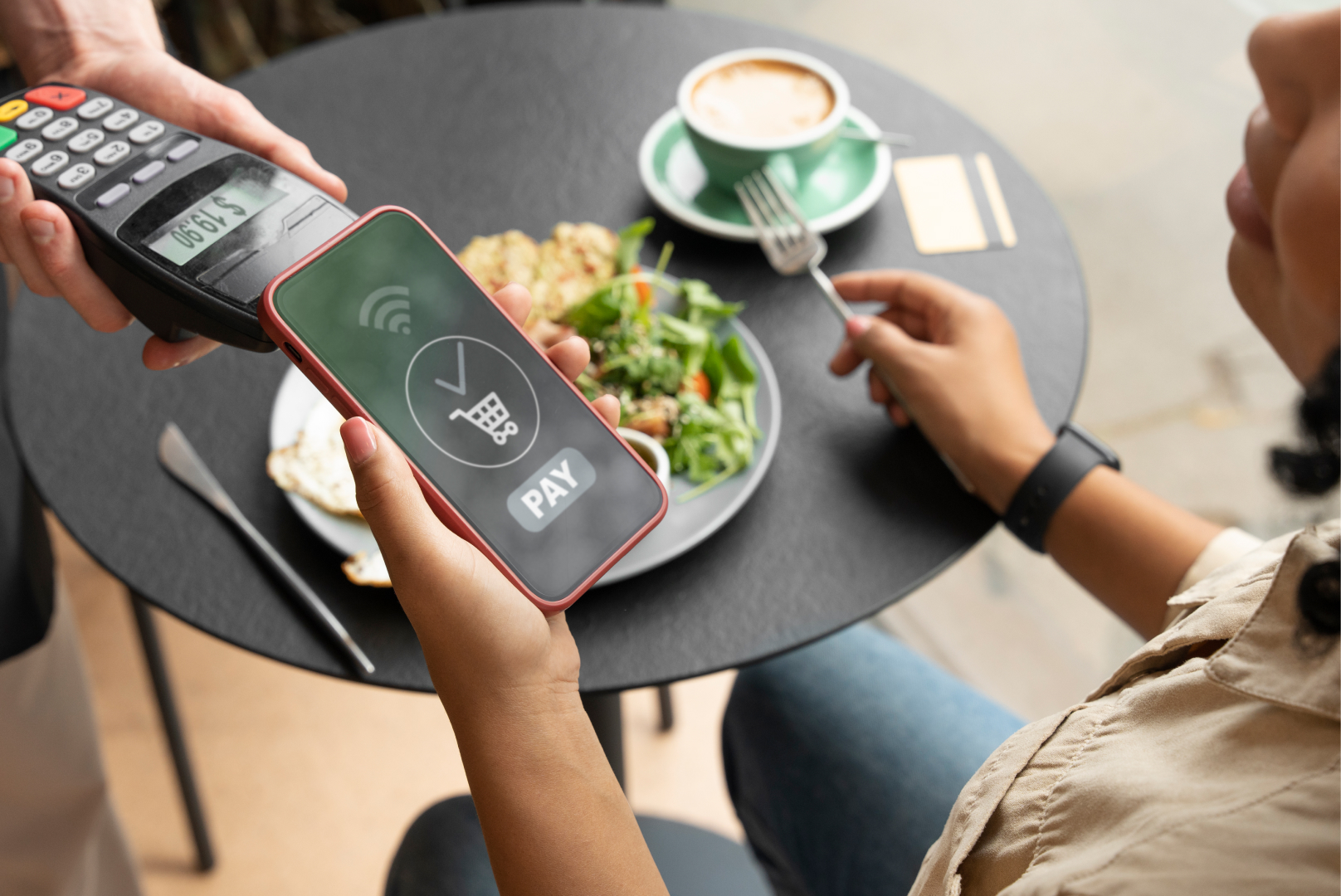
- Contactless (tap)
- Online
- Overseas
- With digital wallets like Apple Pay or Google Pay
The broader acceptance and flexibility of debit cards are the key differences compared to EFTPOS cards.
Key Differences Between EFTPOS and Debit Cards
Here’s a clear comparison of the two:
1. Acceptance and Usage
| Feature |
EFTPOS Card |
Debit Card |
| In-store payments |
✔ |
✔ |
| Contactless payments |
❌ (traditionally) |
✔ |
| Online purchases |
❌ |
✔ |
| Overseas use |
❌ |
✔ |
| ATM withdrawals |
✔ |
✔ |
Because debit cards operate on international networks (Visa/Mastercard), they offer broader usage than EFTPOS cards, which are typically limited to face-to-face payments within NZ.
2. Fees for Merchants and Customers
From a cost perspective, this is where the distinction becomes critical.
- EFTPOS transactions processed through the domestic EFTPOS network generally do not incur per-transaction merchant fees.
- Debit card transactions, particularly contactless ones, may attract fees because they are routed through Visa or Mastercard networks.
These fees may accumulate rapidly for cafés, food trucks, as well as restaurants. Thus, many merchants favor a payment system whereby customers are allowed to choose EFTPOS wherever possible, in addition to the existing debit card contactless payment methods.
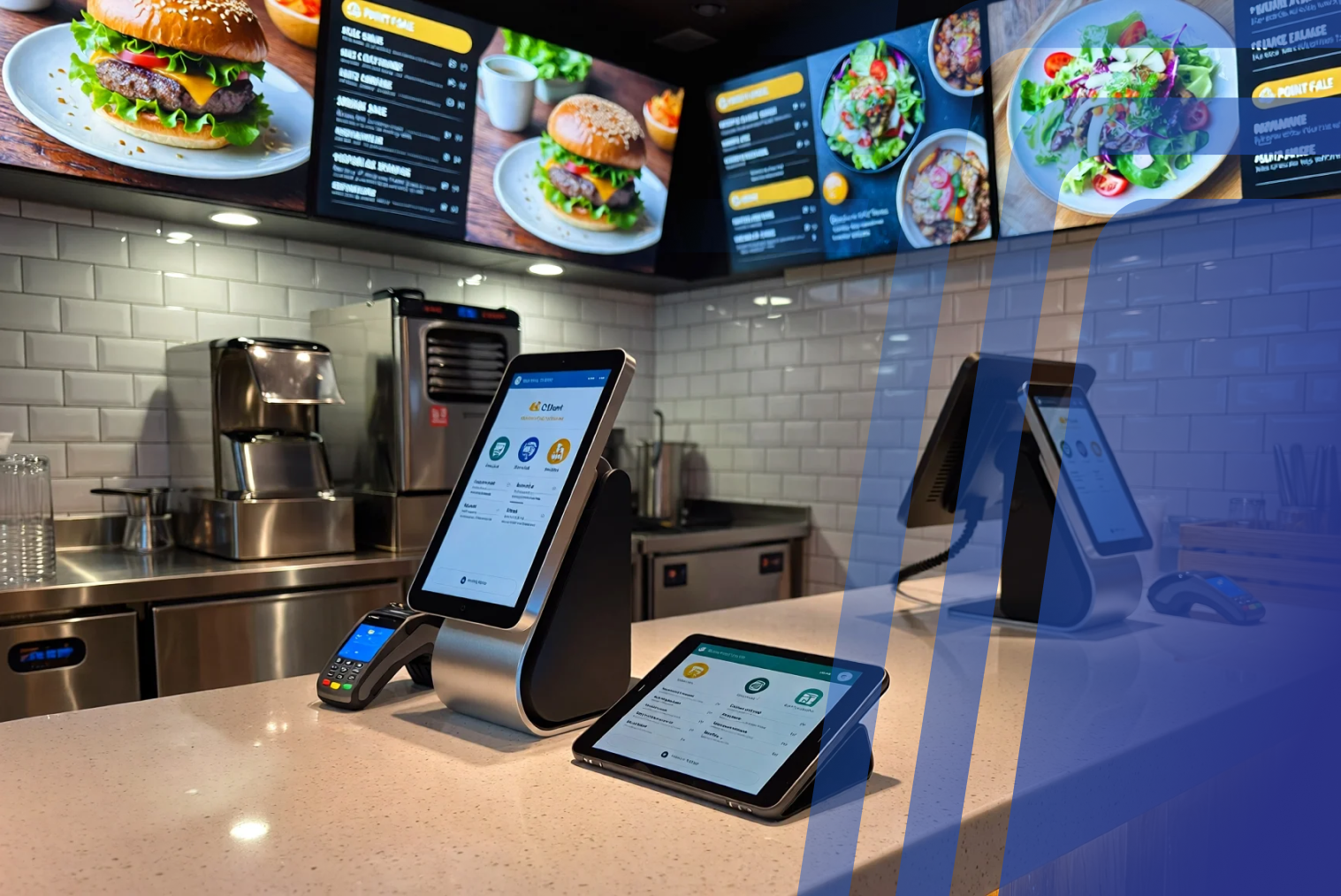
Using integrated platforms such as portable EFTPOS machines for small businesses ensures flexibility without compromising on cost control.
Practical Examples for Business Owners
Consider a busy café during the morning rush:
- A customer inserts an EFTPOS card and enters a PIN → transaction is completed with no per-sale merchant fee.
- Another customer taps a debit card or phone → transaction is processed via an international network and may incur a small fee.
Modern hospitality businesses increasingly rely on smart payment ecosystems that combine EFTPOS, debit, POS, and ordering into one streamlined flow. This is where solutions like Tabin’s integrated POS and EFTPOS systems help businesses balance speed, customer preference, and cost efficiency — without juggling multiple providers.
Why This Difference Matters for Your Business
A common question many business owners ask is: is an EFTPOS card a debit card?
While they may look similar to customers, they function differently at the transaction level, and understanding this difference directly affects your costs and operations.
An EFTPOS card typically processes domestic, network-based transactions that debit funds directly from a customer’s bank account, often with lower or zero merchant service fees. A debit card, on the other hand, usually runs through international card networks (such as Visa or Mastercard), which can involve higher processing fees for merchants.
Understanding this distinction helps your business:
- Choose the right EFTPOS or debit payment setup based on transaction fees and customer usage
- Forecast payment processing costs more accurately, especially for high-volume transactions
- Train staff to guide customers toward cost-effective payment options during checkout
- Offer flexible payment choices that balance customer convenience with business profitability
For example, some food and retail businesses pair EFTPOS acceptance with advanced payment tech like portable EFTPOS machines for small businesses or integrated restaurant EFTPOS systems, helping them balance cost and convenience for customers.
Investing in the right terminal, one that can accept EFTPOS, debit, and contactless options, ensures you’re prepared for the full range of payment methods customers expect.
New Zealand Payment Trends & Industry Notes
EFTPOS remains one of New Zealand's core methods of payments, especially for face-to-face transactions. In addition, according to the industry guides, though EFTPOS transactions do not charge any fee to the merchants per sale, businesses pay predictable costs such as terminal rental and network fees.
Interestingly, there are some regulatory changes afoot: the New Zealand government has proposed banning most card payment surcharges in stores in a bid to save consumers around NZ$150 million annually. This is part of a broader effort to reduce payment costs and increase transparency at checkout.
Conclusion: Choosing What’s Right for Your Business
Understanding the difference between EFTPOS and debit card payments can make you a better planner when it comes to financial, customer, and technology-related implications. While both draw funds directly from a bank account, EFTPOS transactions are typically limited to in-store domestic use, whereas debit cards can also be used online and internationally.
For businesses in New Zealand — from cafés and quick-service restaurants to retail — adopting flexible payment infrastructure is key. Tabin’s solutions, like portable EFTPOS machines for small businesses and integrated restaurant EFTPOS systems, help you accept all popular payment types smoothly, while managing costs and improving service quality.
As payment technology continues to evolve, being prepared with systems that support both traditional EFTPOS and modern debit/contactless payments ensures you meet customer expectations and run your business efficiently.
Frequently Asked Questions (FAQs)
Q1. What Is the Difference Between an EFTPOS Card and a Debit Card?
An EFTPOS card in New Zealand is used for domestic, in-person transactions processed through the local EFTPOS network and typically requires a PIN. A debit card also draws money directly from a bank account but operates on international networks like Visa or Mastercard, allowing contactless, online, mobile wallet, and overseas payments.
Q2. Can I use a debit card on an EFTPOS machine?
Yes — you can usually use a debit card on an EFTPOS terminal. If you insert or swipe the card and choose the appropriate account (savings/cheque), the transaction routes through either EFTPOS or a card scheme, depending on the terminal setup.
Q3. Is EFTPOS cheaper than debit card payments for merchants?
Typically, yes. EFTPOS transactions processed on the domestic network generally do not incur per-transaction merchant fees, while debit card contactless payments through Visa/Mastercard can attract small fees.
Q4. Do EFTPOS and debit cards have the same transaction fees?
Not always. EFTPOS transactions via the domestic EFTPOS network usually avoid merchant service fees per sale, while debit cards processed via international networks (especially contactless) often incur a fee, though this varies by provider and pricing plan.
Q5. Is an EFTPOS Card the Same as a Debit Card?
No. While both draw funds directly from a linked bank account, EFTPOS cards typically operate only within New Zealand’s domestic EFTPOS network for in-store transactions. Debit cards use international networks like Visa or Mastercard and can be used online and overseas.
Q6. Why Do Debit Card Contactless Payments Cost More?
Contactless debit card payments are usually processed through international card schemes rather than the domestic EFTPOS network. These networks charge merchant service fees, which can increase processing costs for businesses.


.webp)













.png)























.webp)


