Digital businesses have evolved with the latest advancements in technology and ushered in several innovations in recent years. Customers can browse catalogues and make payments independently. They do this with just a few clicks.
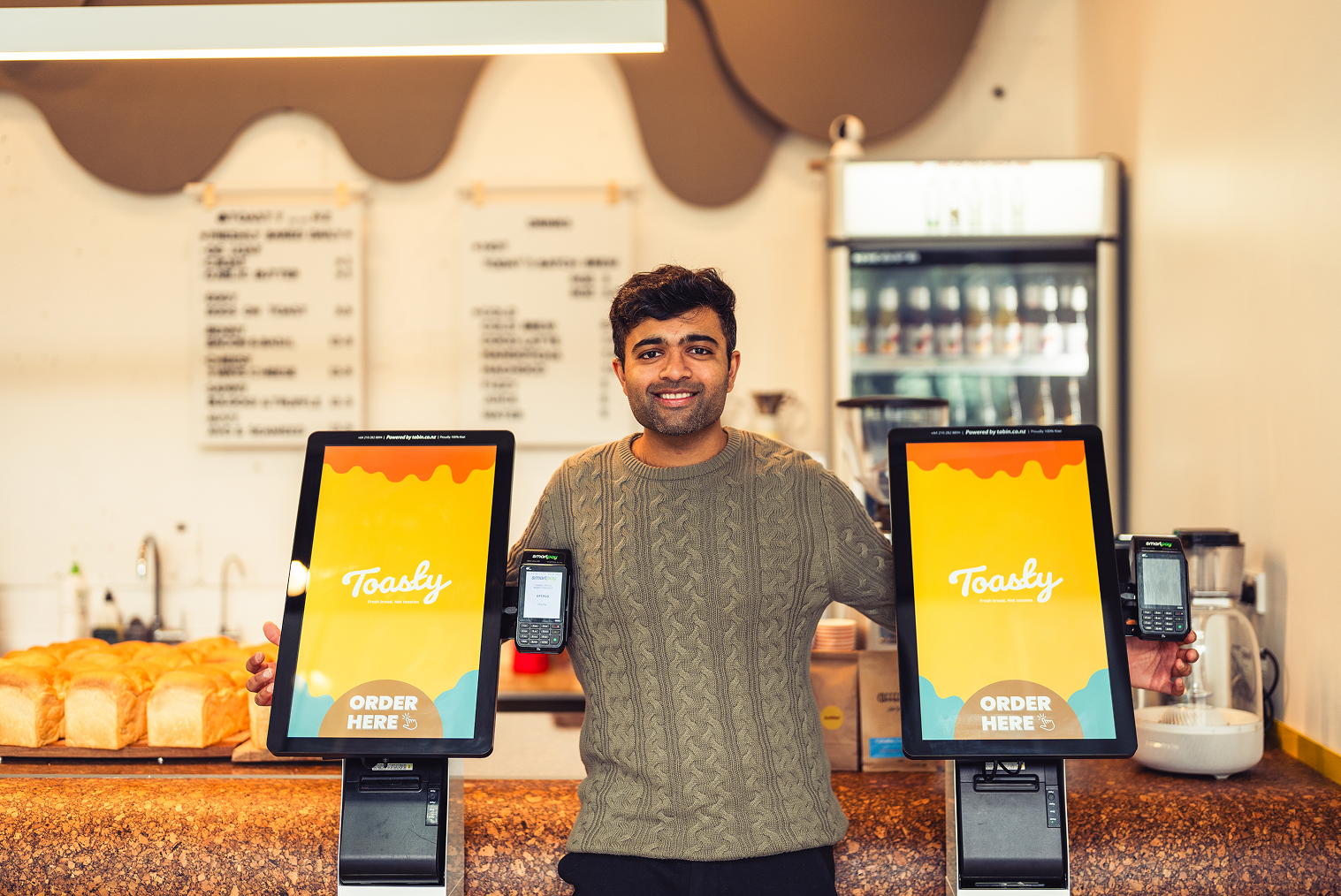
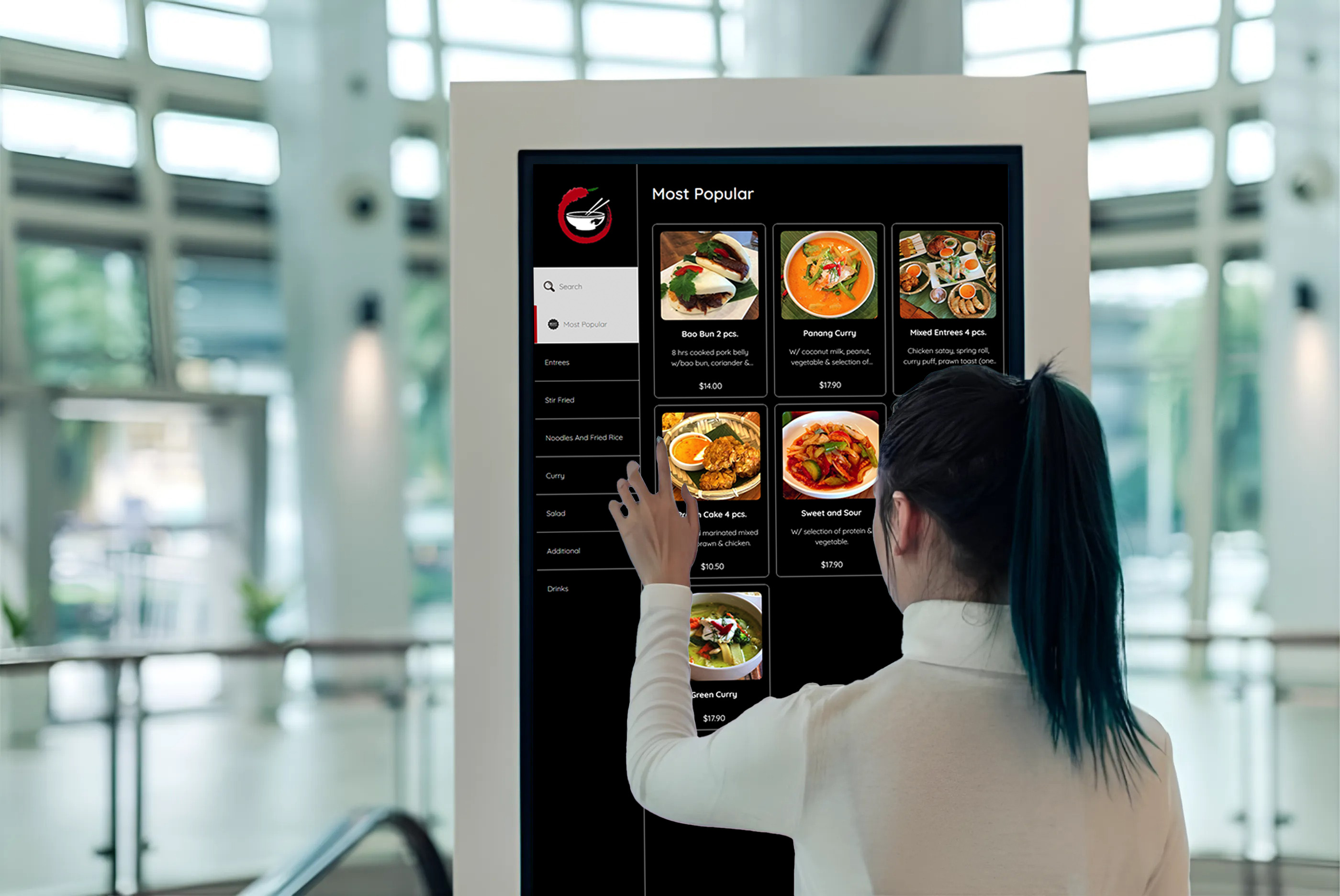
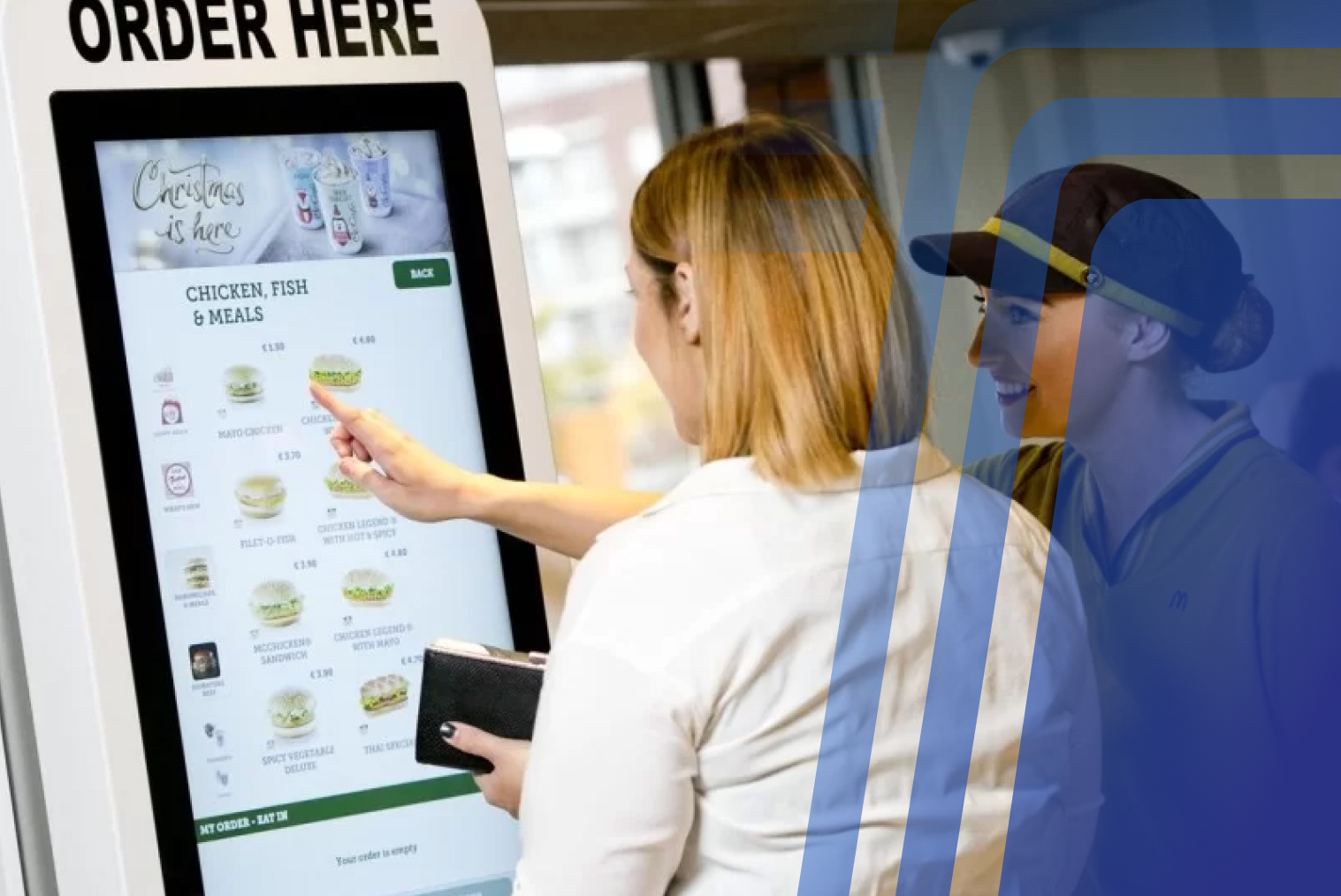
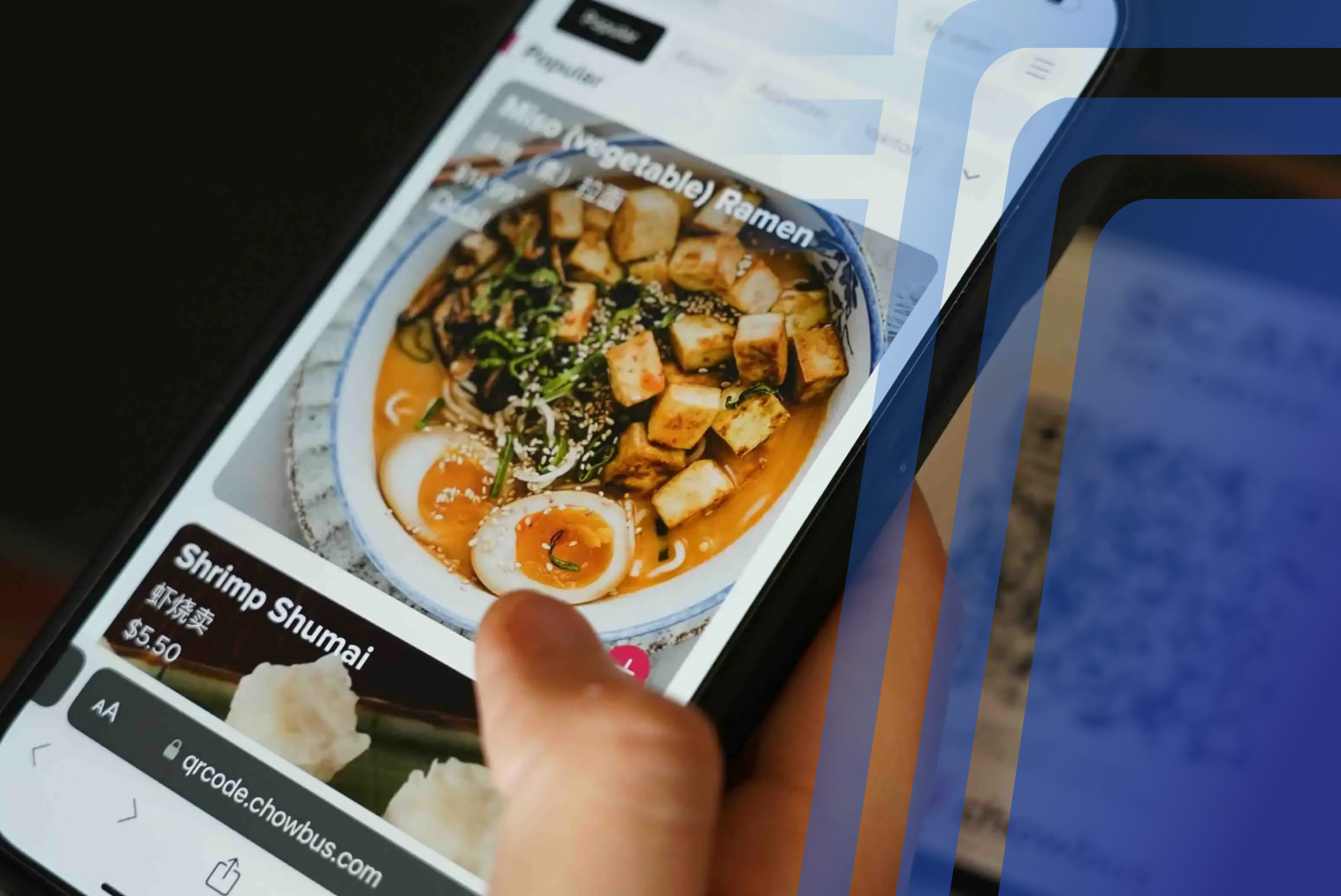
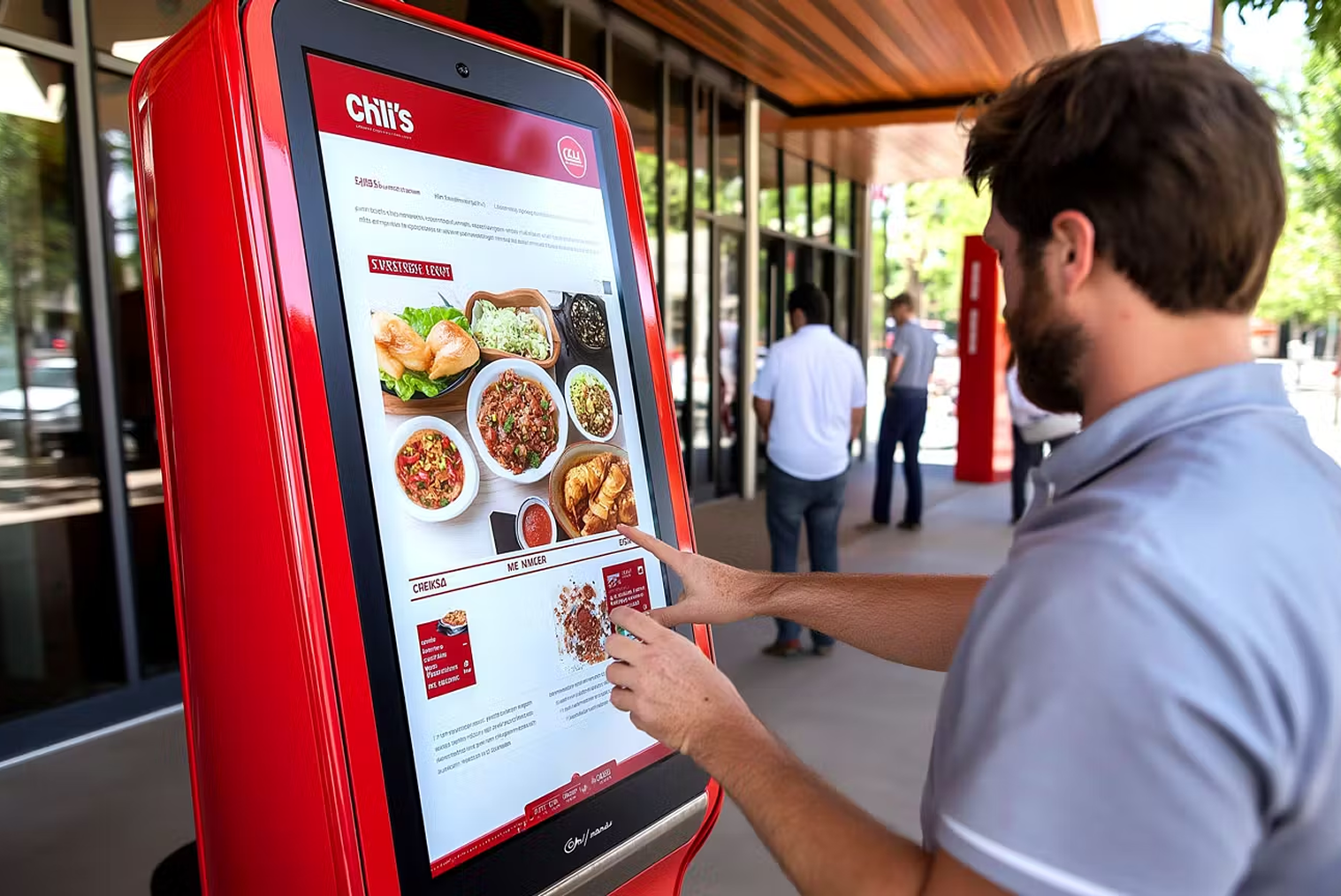
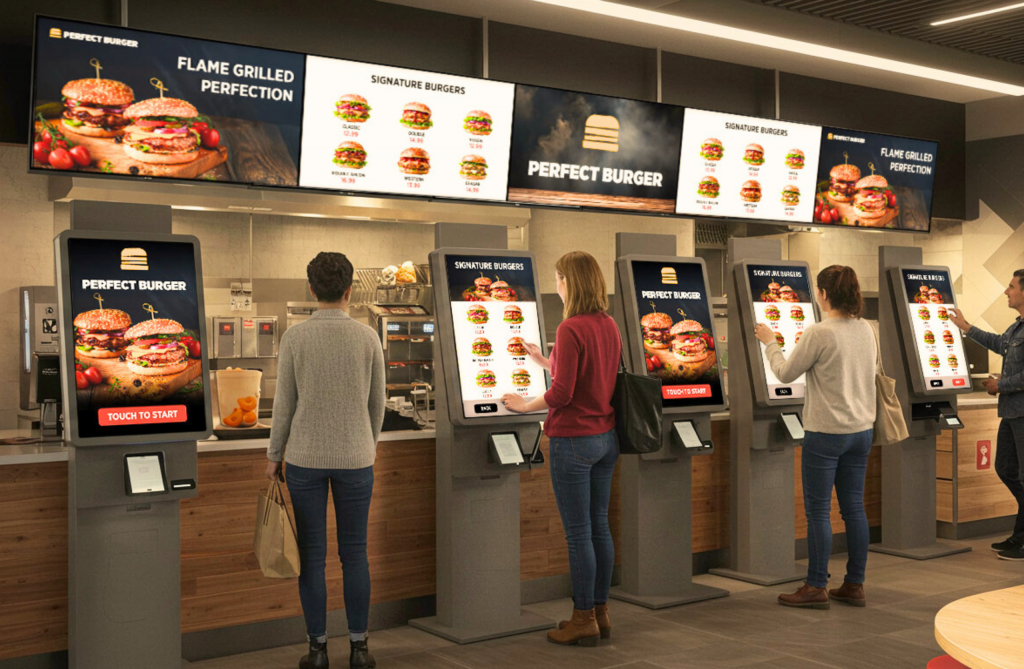
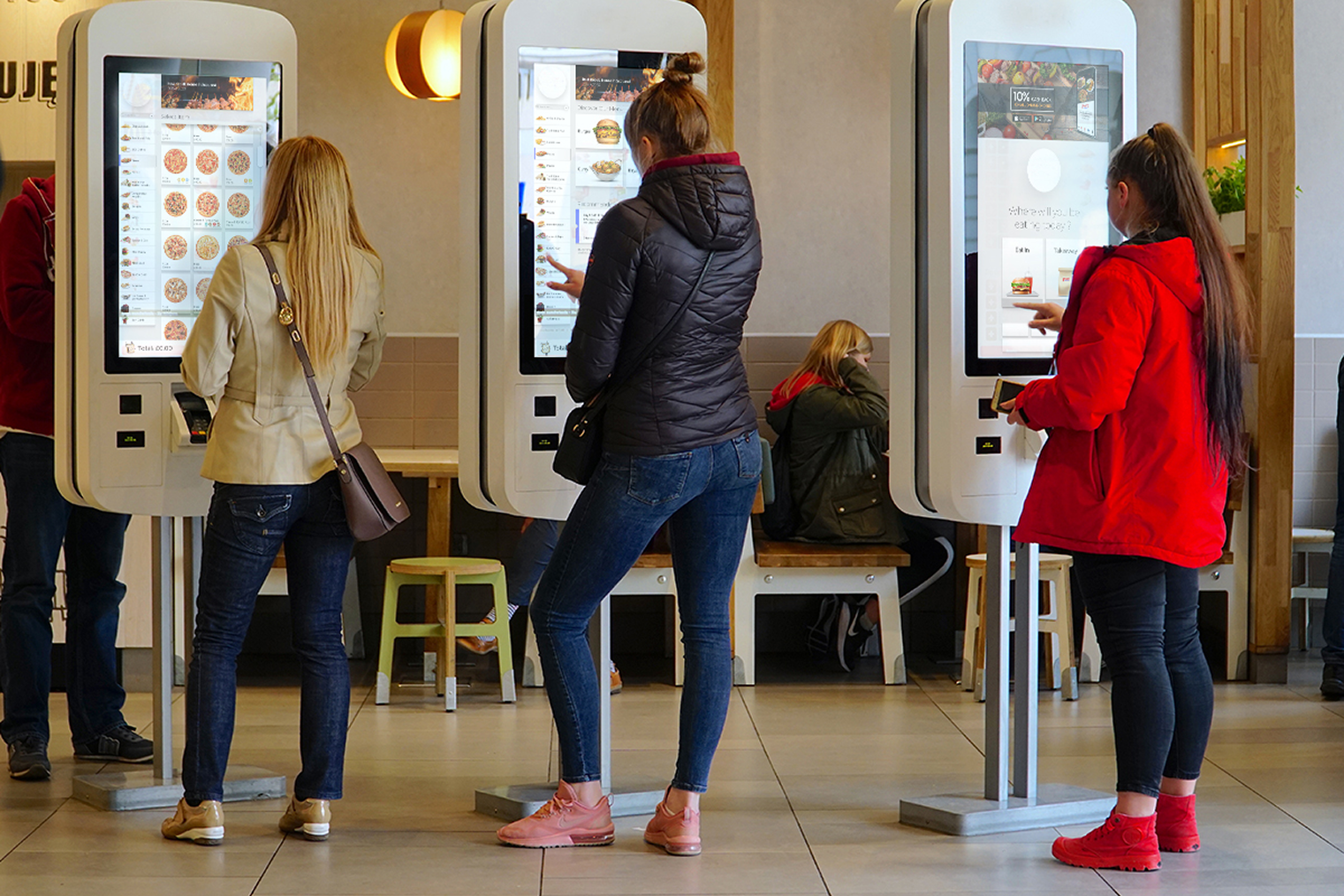
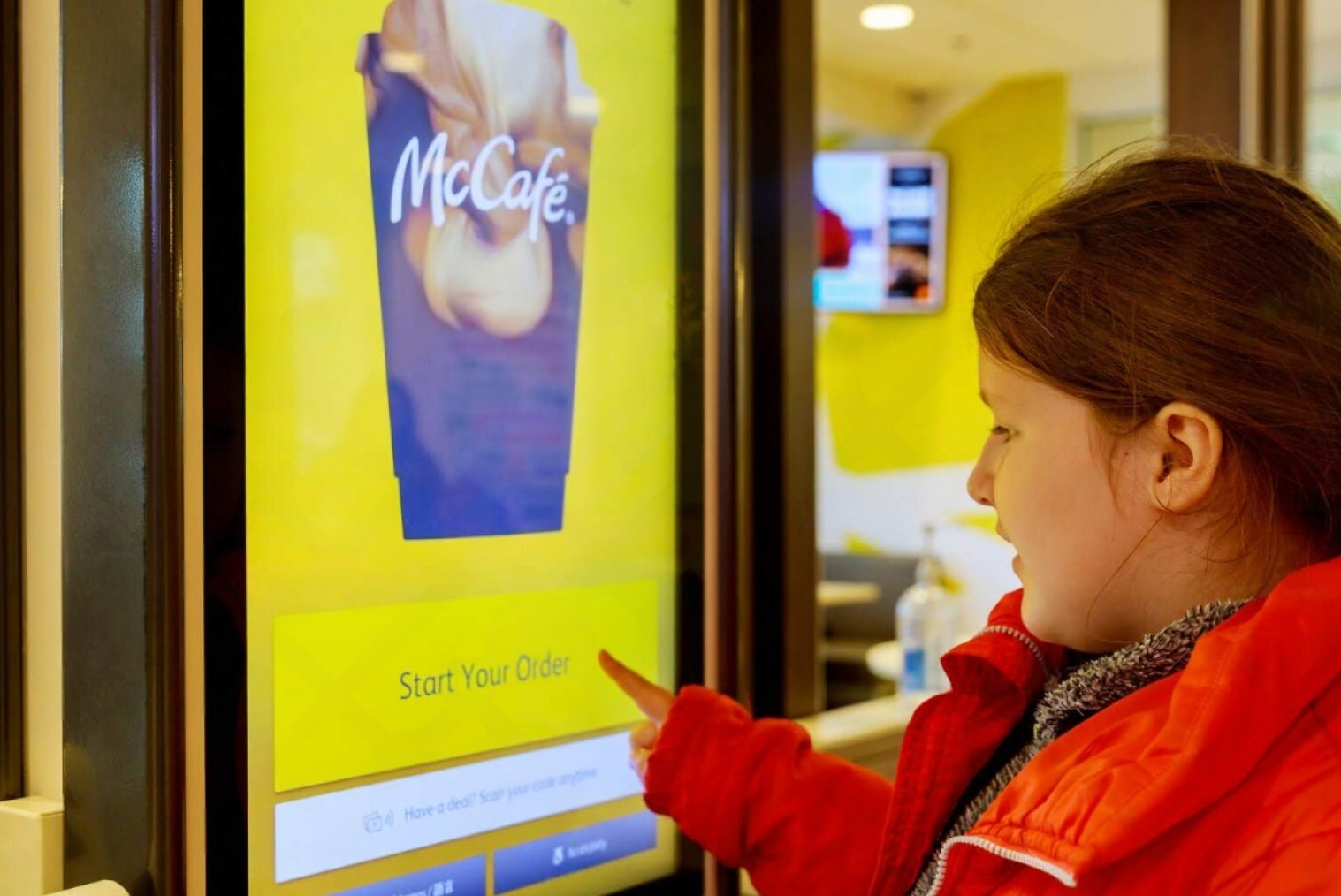
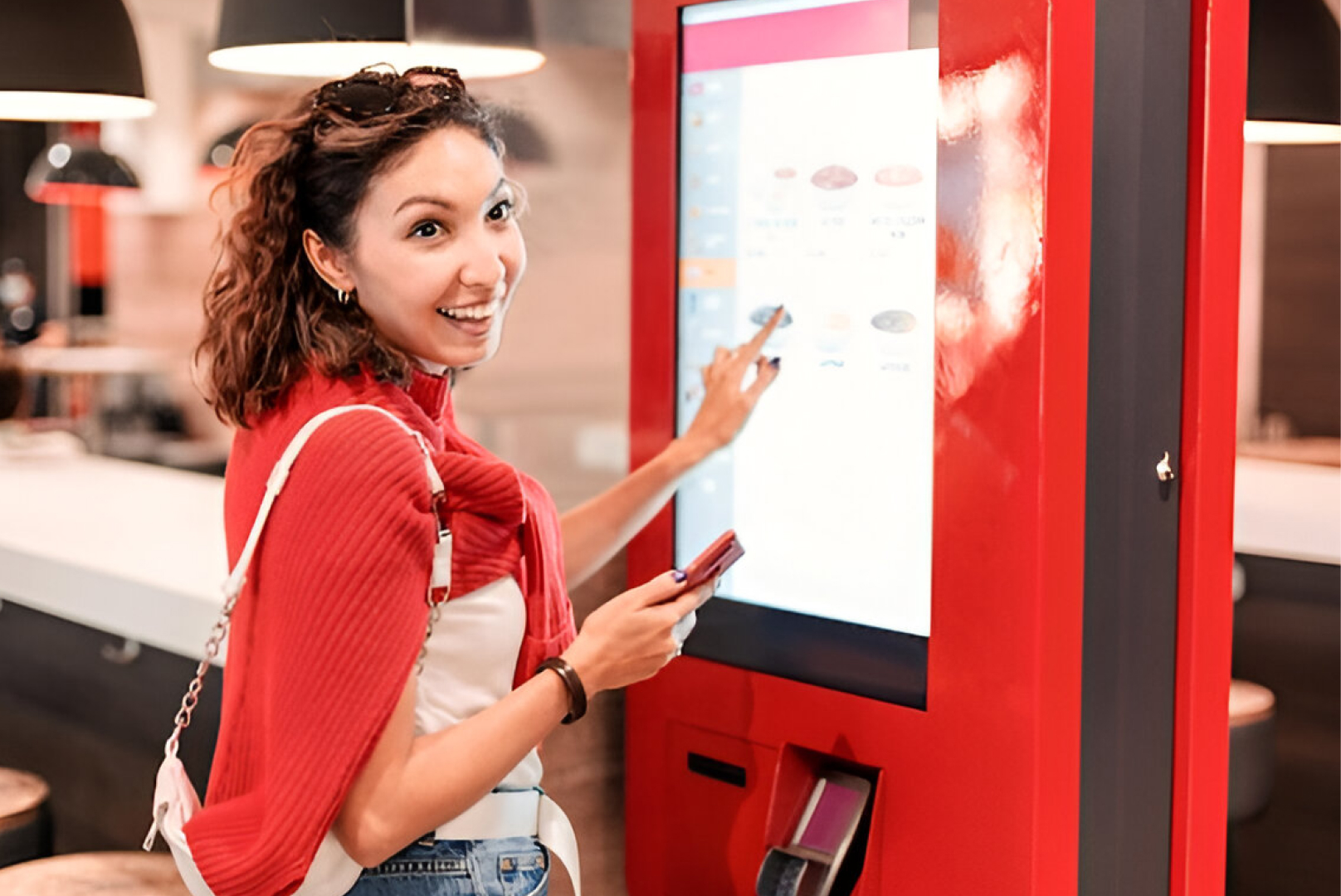
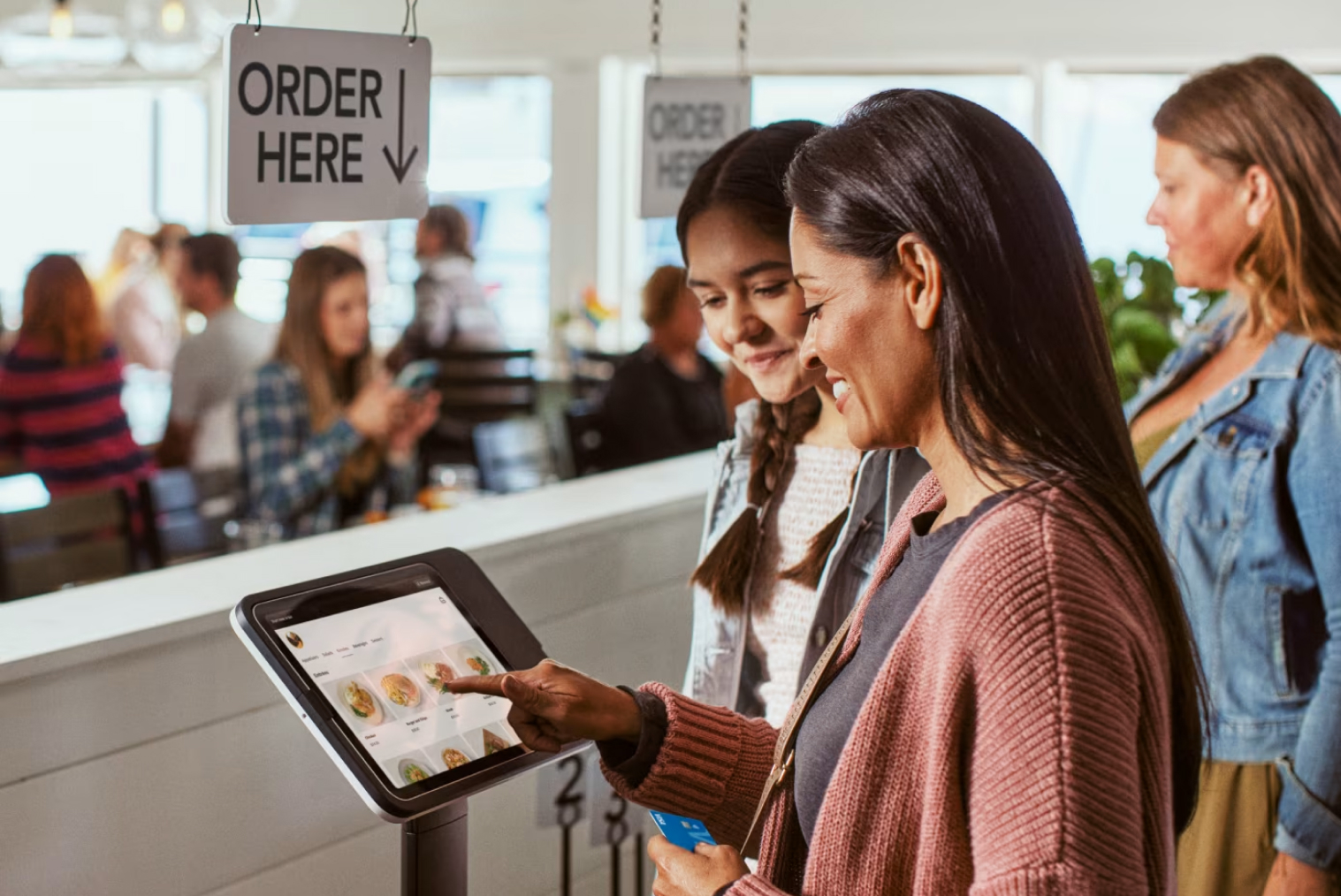
One significant technological feat that the restaurant industry has achieved is the touch-screen kiosk for placing orders. According to a 2025 survey, 61% of diners said they want more kiosks available in restaurants, underlining that customers increasingly prefer kiosk-based ordering over traditional counters. With this technology, customers utilize digitized versions of menus and payment gateways. This lets them avoid long queues. It also reduces their dependence on human assistance to place orders at restaurants. They browse the menu at their own pace. They customise their orders independently. Many restaurants report a 15–30% increase in average order value (AOV) after adopting self-ordering kiosks due to automated upsell prompts. They make contactless payments.
Latest technological innovations have thus contributed greatly to enhancing efficiency and customer satisfaction through the food kiosk system. The global adoption of self-order kiosks has surged, with installations growing 43% between 2021 and 2023, reflecting rapid worldwide expansion.
How Touch Screen Kiosk Technology has transformed Business?
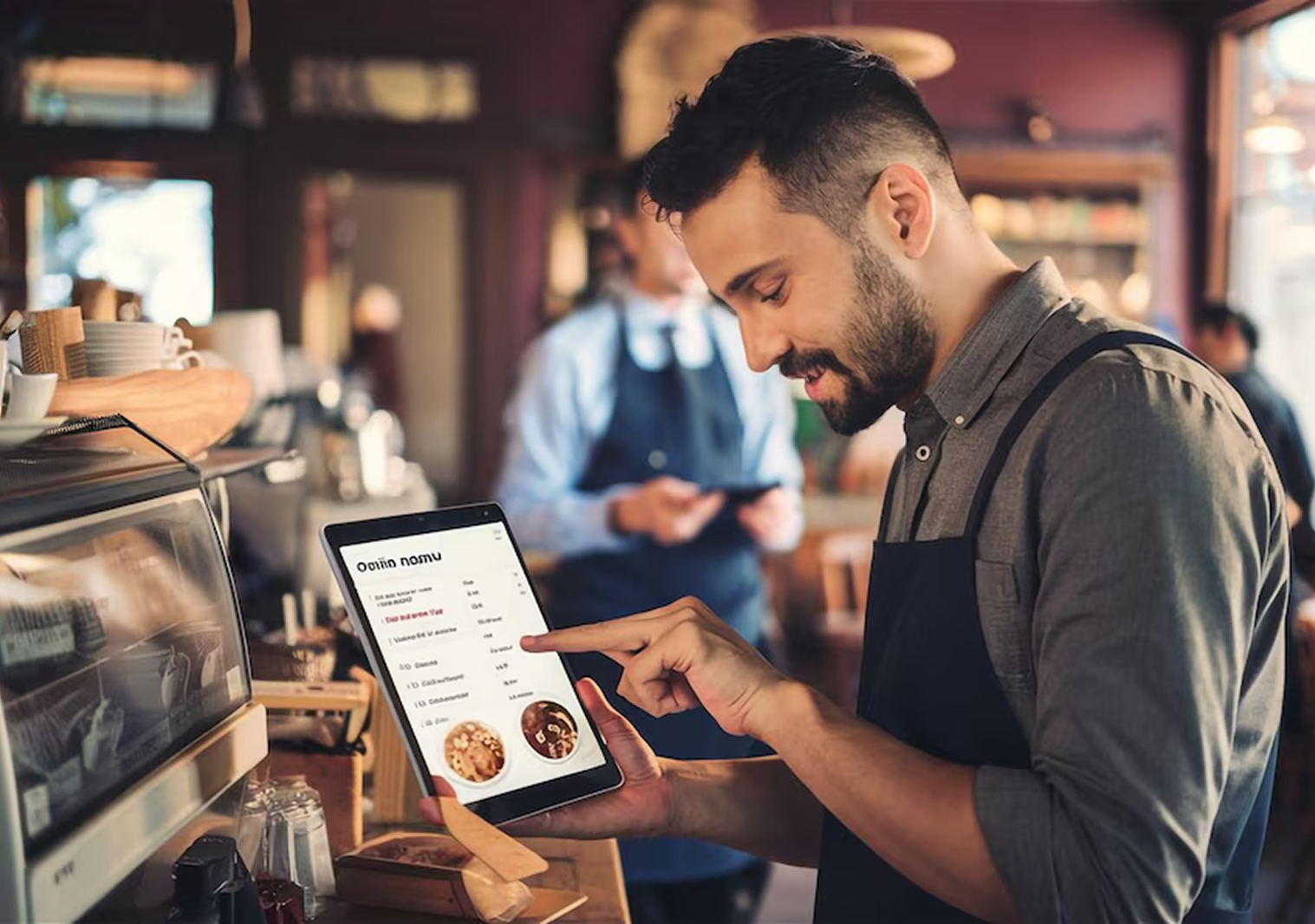
Latest innovations in self-ordering systems like touch screen food kiosks have revolutionised how businesses interact with their customers. Interactive touchscreen kiosks have replaced traditional static kiosk signs. The change creates a dynamic and interactive experience. Customer experience research shows that users rate kiosks higher than traditional counter service for customization, accuracy, and convenience. With this technology, customers do much more than just get information from a screen. They can browse each component of the menu. They do so in a unified interface. They can customise their orders, get notified about special offers, give feedback, and make contactless payments. Let us see how the latest innovations in touchscreen kiosk technology are transforming business efficiency.
Streamlined workflow
Touchscreen kiosk systems have become an integral part of modern eateries. They save additional labour costs and streamline workflow. Advanced technologies like AI and machine learning are integrated with these systems. Digital kiosks provide personalised information and recommendations to customers based on their preferences. When targeted content is delivered to customers, it enhances their experience with the eatery.
Enhanced accessibility
Some kiosks can also receive voice-activated commands. This further enhances accessibility and user experience, especially in light of the development of AI.
Interactive experience
The latest technology is leveraged in these ordering systems. They give customers an intuitive and interactive user interface. This helps businesses understand customer loyalty. Purchase patterns are analysed through technological insights. Self-service capabilities offered by these kiosks also help to free up staff time and reduce wait times for customers.
Independent ordering with quick updates
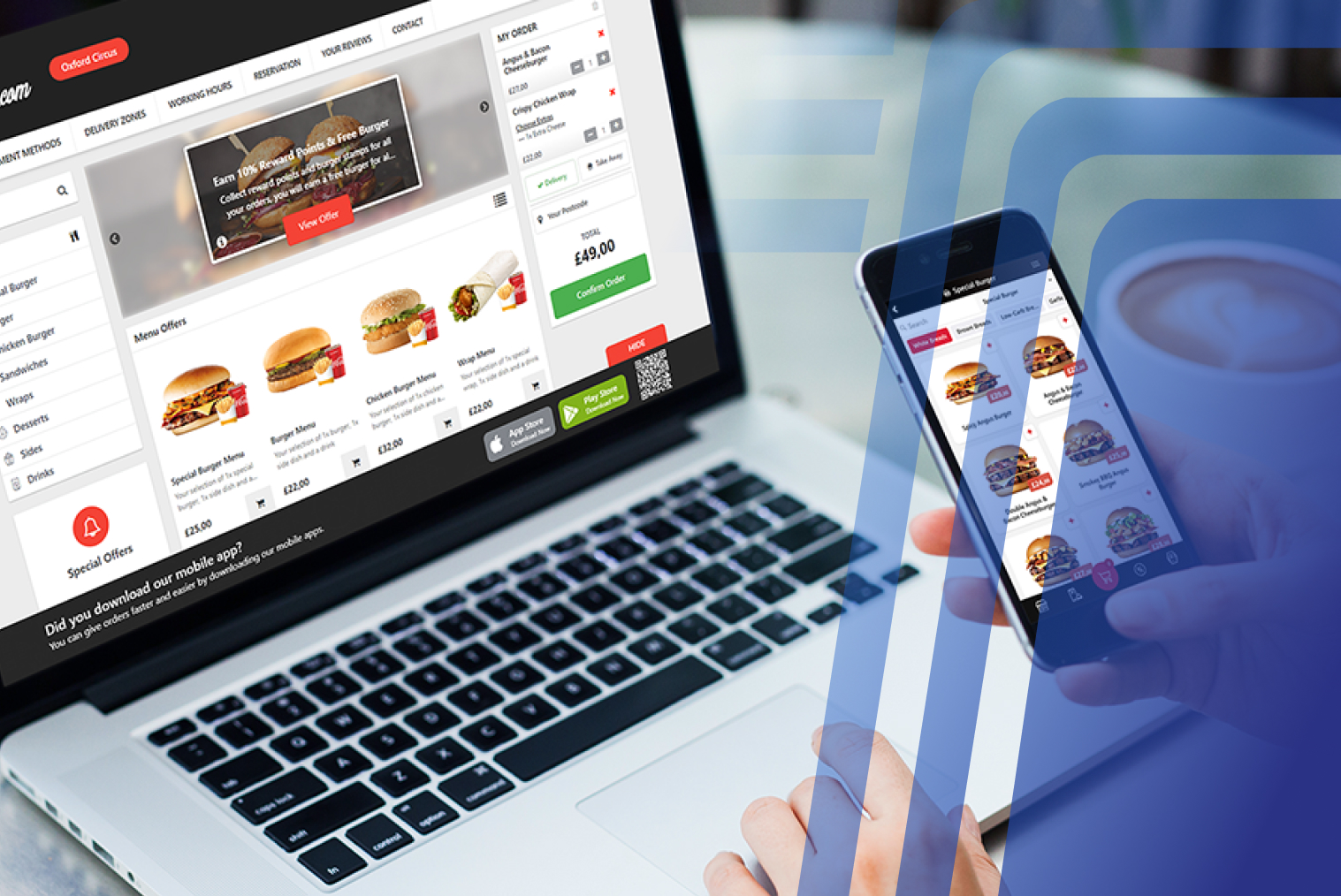
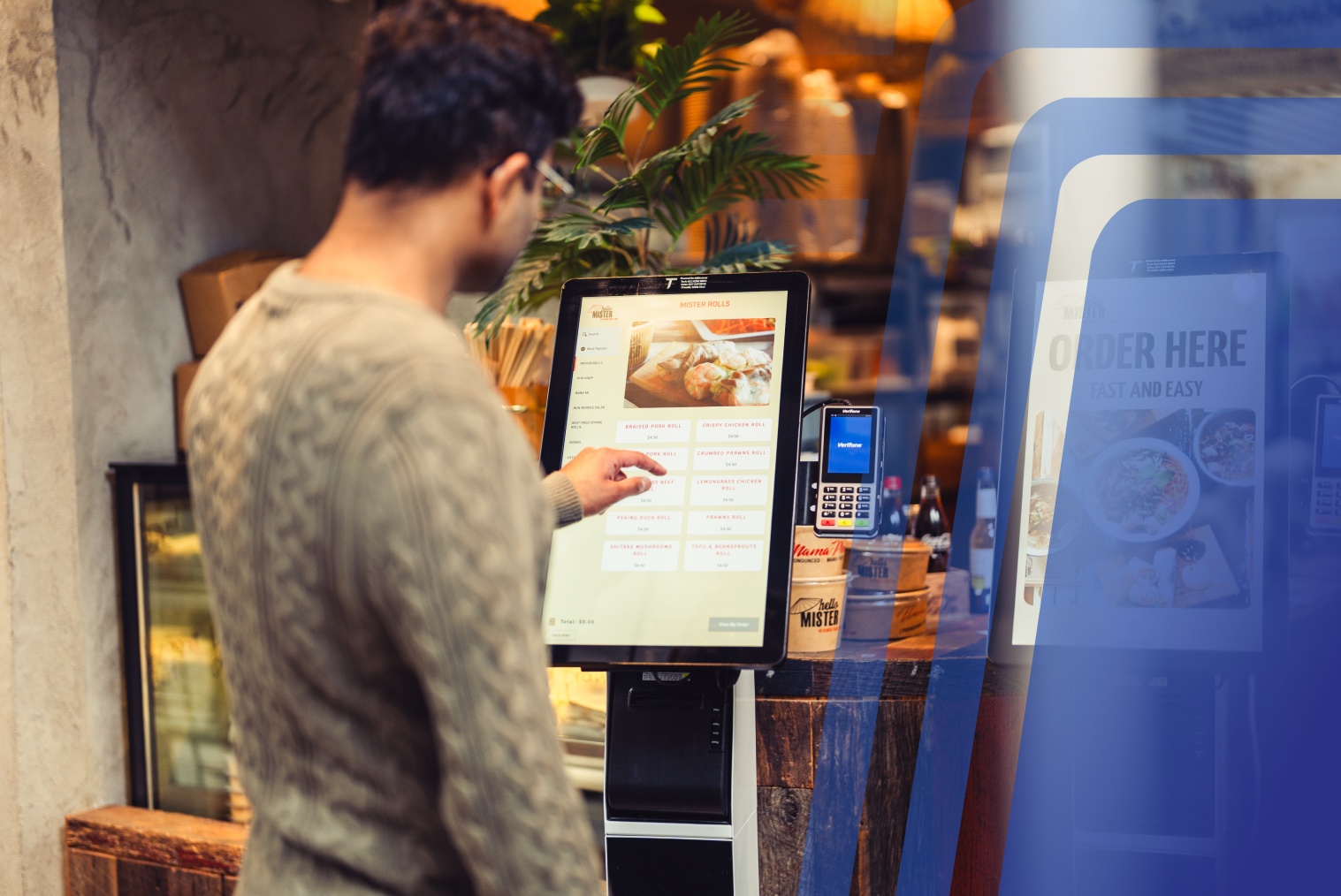
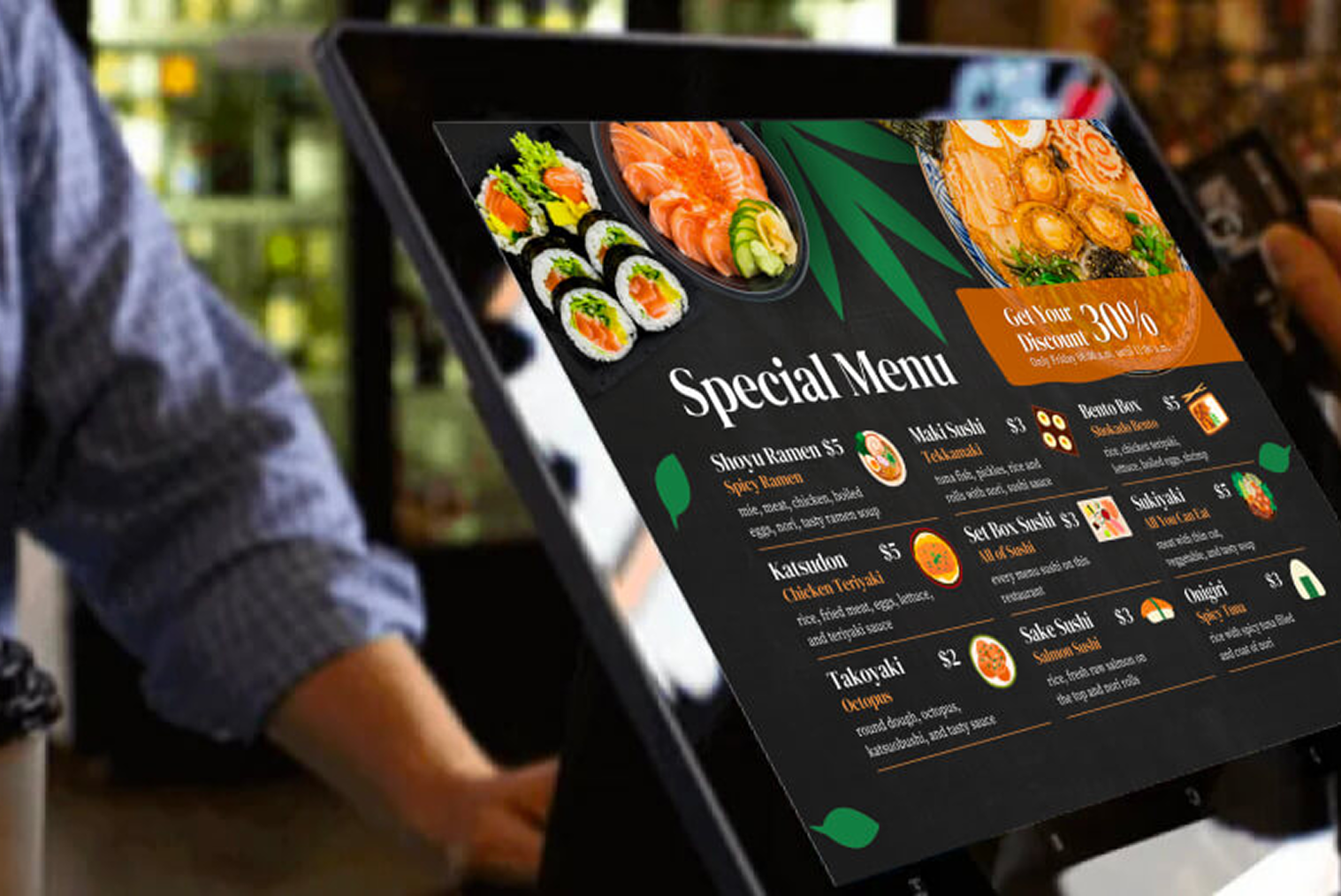
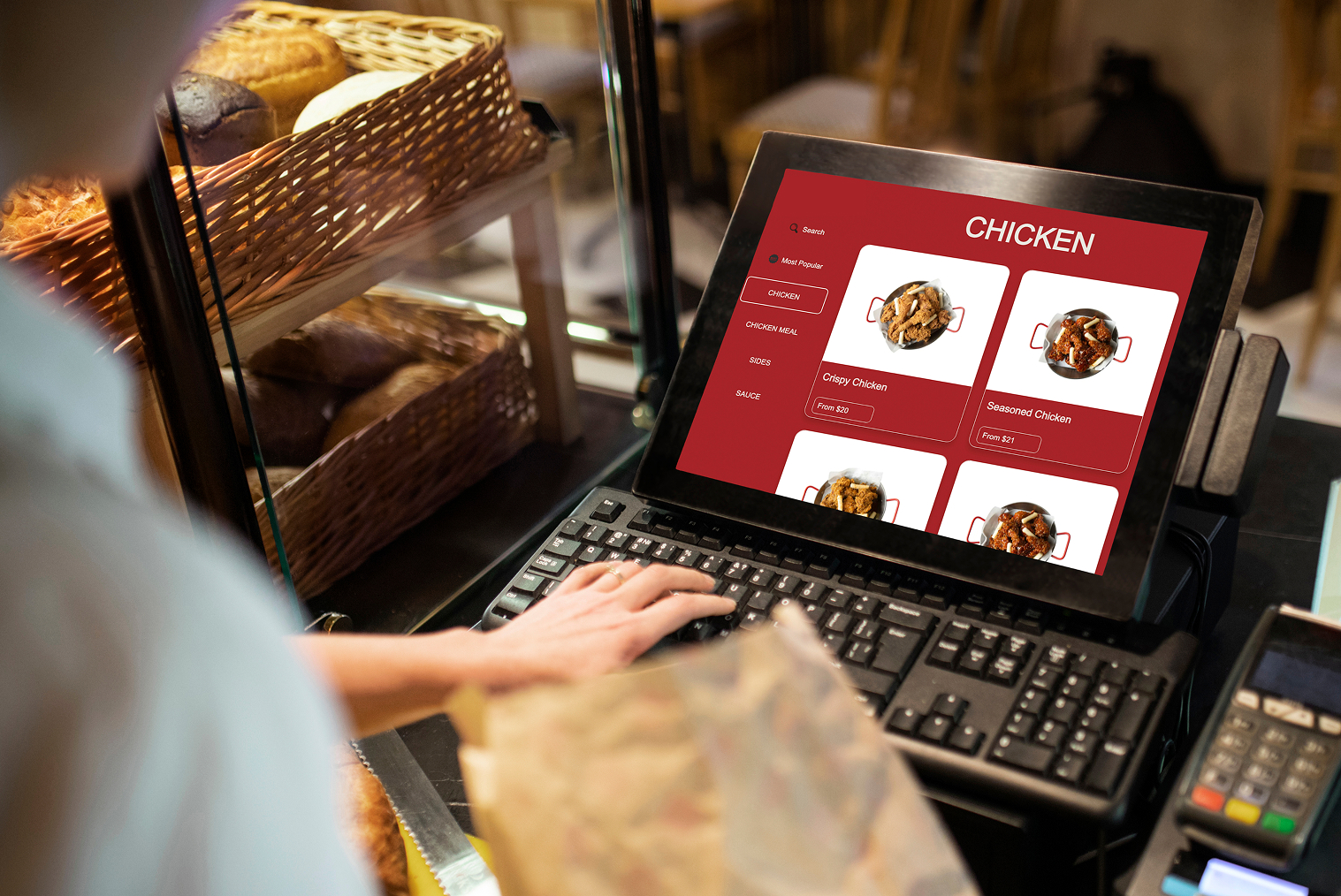
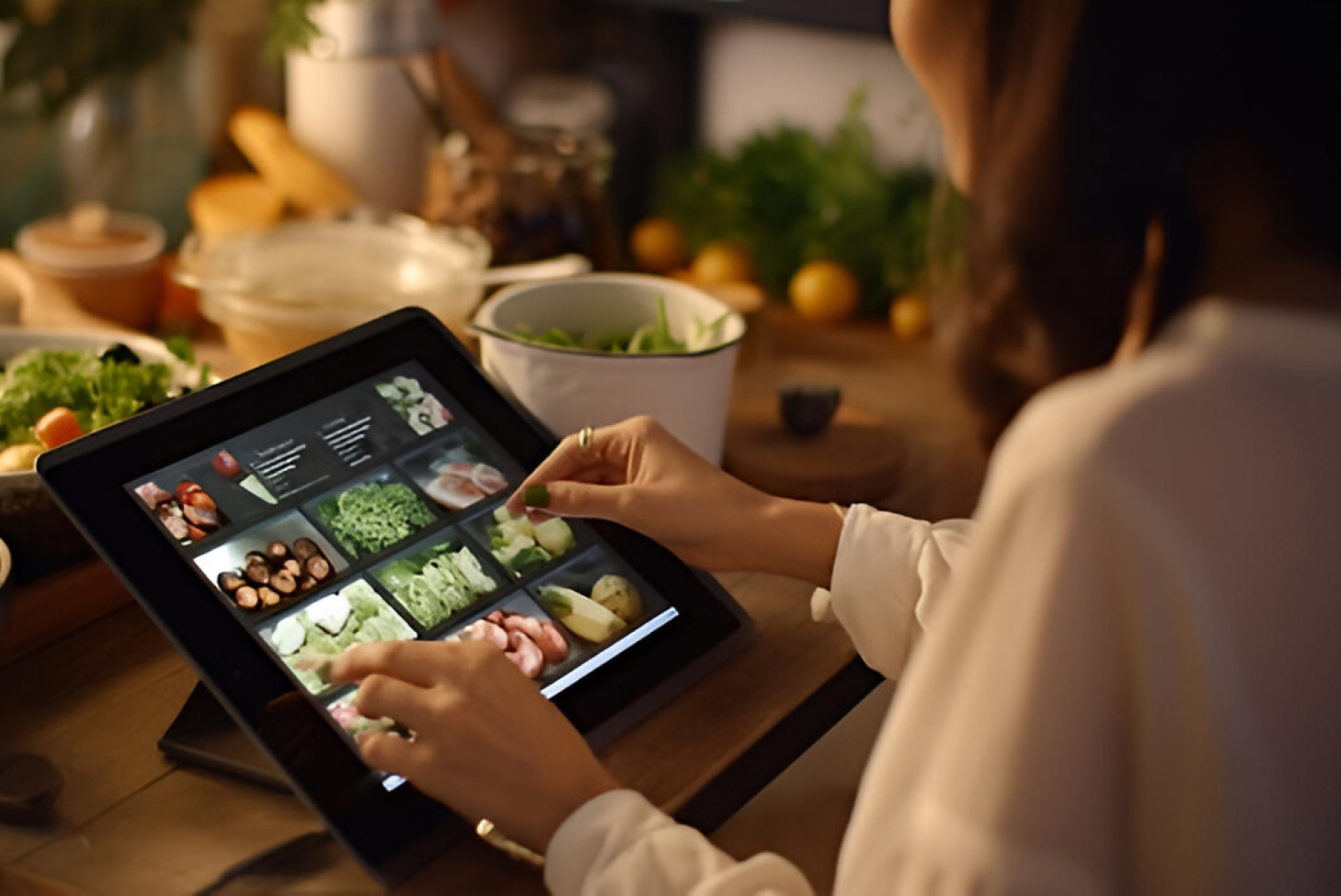
Innovative touchscreen kiosks for ordering allow customers to independently browse products. They do not have to interact with a staff member. They can check prices and stock, order food, complete payments, and more. Even if an item suddenly goes out of stock, it can be automatically updated in the system without the need for staff to individually inform customers.
Touch-Screen Kiosks for Restaurants: Latest Trends and Best Practices
The surge in demand for touch-screen ordering system restaurant solutions is driven by customers who expect speed, autonomy, and contactless experiences. Restaurants are rapidly adopting self-service kiosks in NZ to reduce queues and optimize staff efficiency. Studies show that touchscreen ordering systems can cut total order processing time by up to 40%, dramatically reducing queues and wait times during busy hours.
Modern touch-screen kiosks align with global design trends such as:
- Minimal UI design with high-contrast food visuals
- AI-powered recommendation engines
- Integrated loyalty systems
- Real-time stock updates
- Contactless and wallet-based payments
These innovations not only improve customer experience but also support scalability for growing businesses.
Best Practices for Implementing Touch-Screen Kiosks
To maximise the benefits of touch-screen kiosks, restaurants should follow proven best practices rather than adopting technology blindly.
1. Prioritise User-Friendly Design.
Kiosks should be intuitive for all age groups, with clear buttons, simple navigation, and minimal steps to complete an order. A confusing interface can slow service and frustrate customers.
2. Optimise Menu Layout For Upselling.
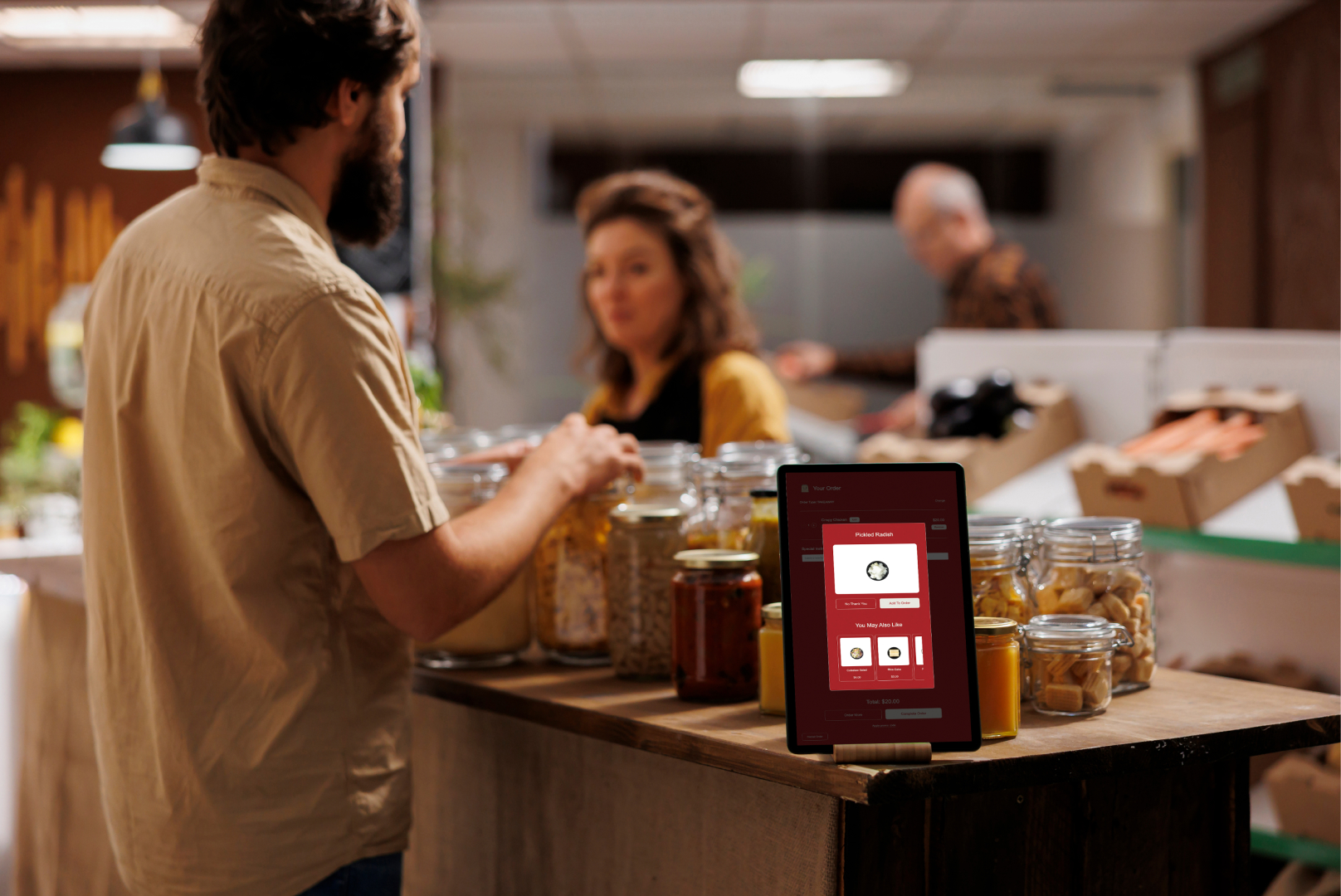
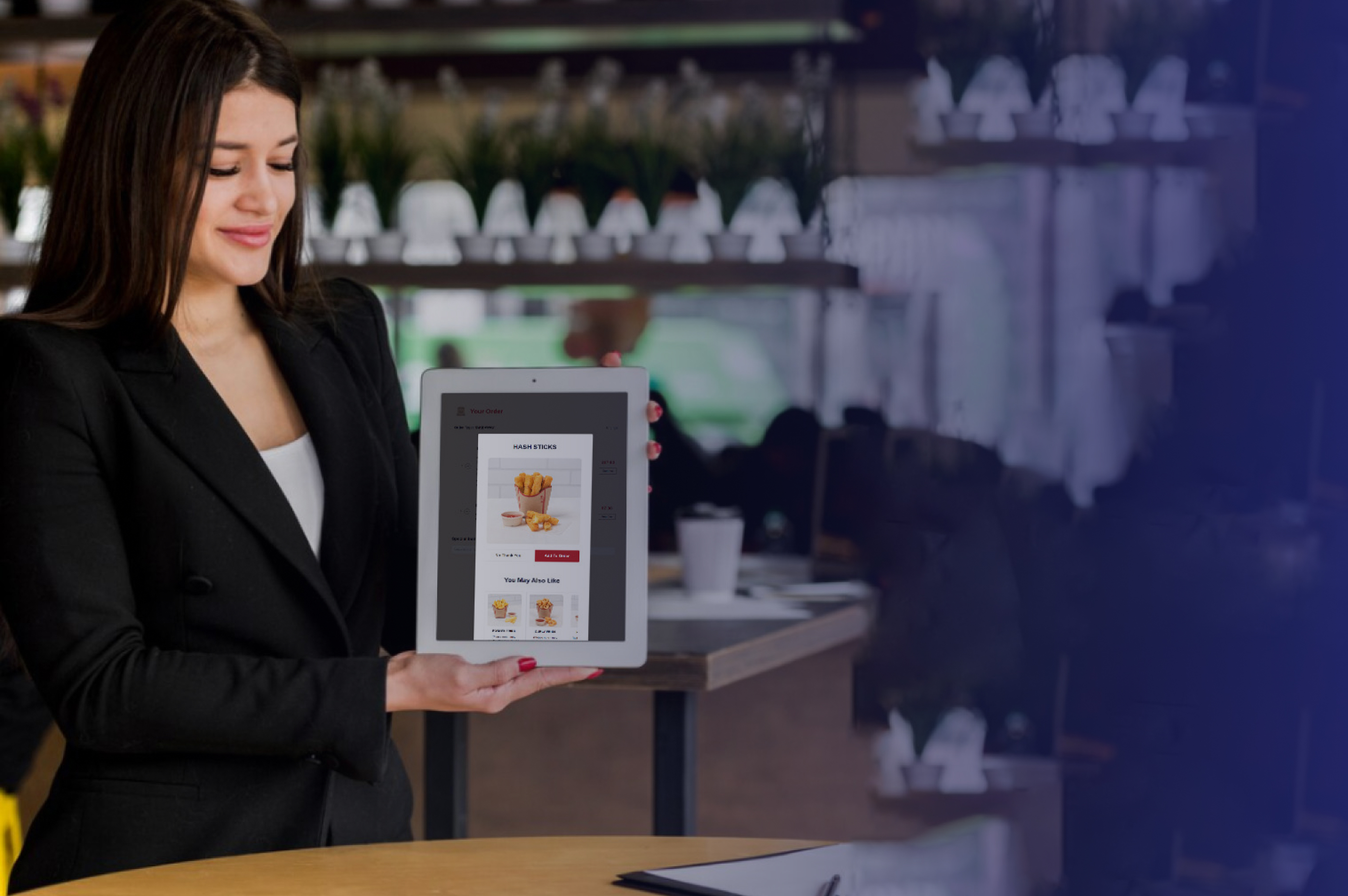
Place popular add-ons, combos, and upgrades strategically within the ordering flow. When paired with AI-driven recommendations, this approach consistently increases basket size without pressuring customers.
3. Ensure Seamless Pos And Inventory Integration.
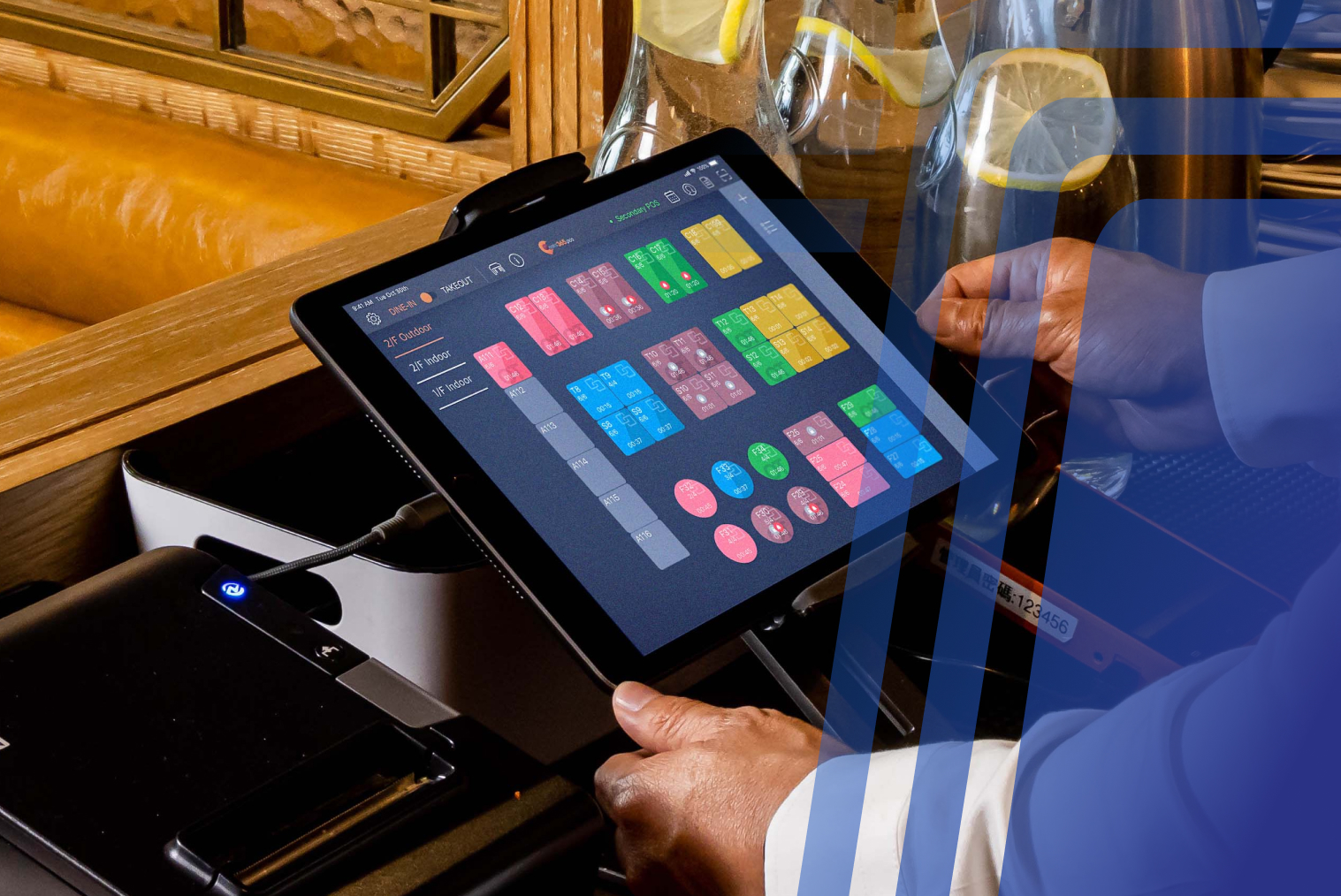
Kiosks must sync in real time with your POS system so pricing, menu updates, and stock levels remain accurate across dine-in, takeaway, and online ordering channels.
4. Support Multiple Payment Options.
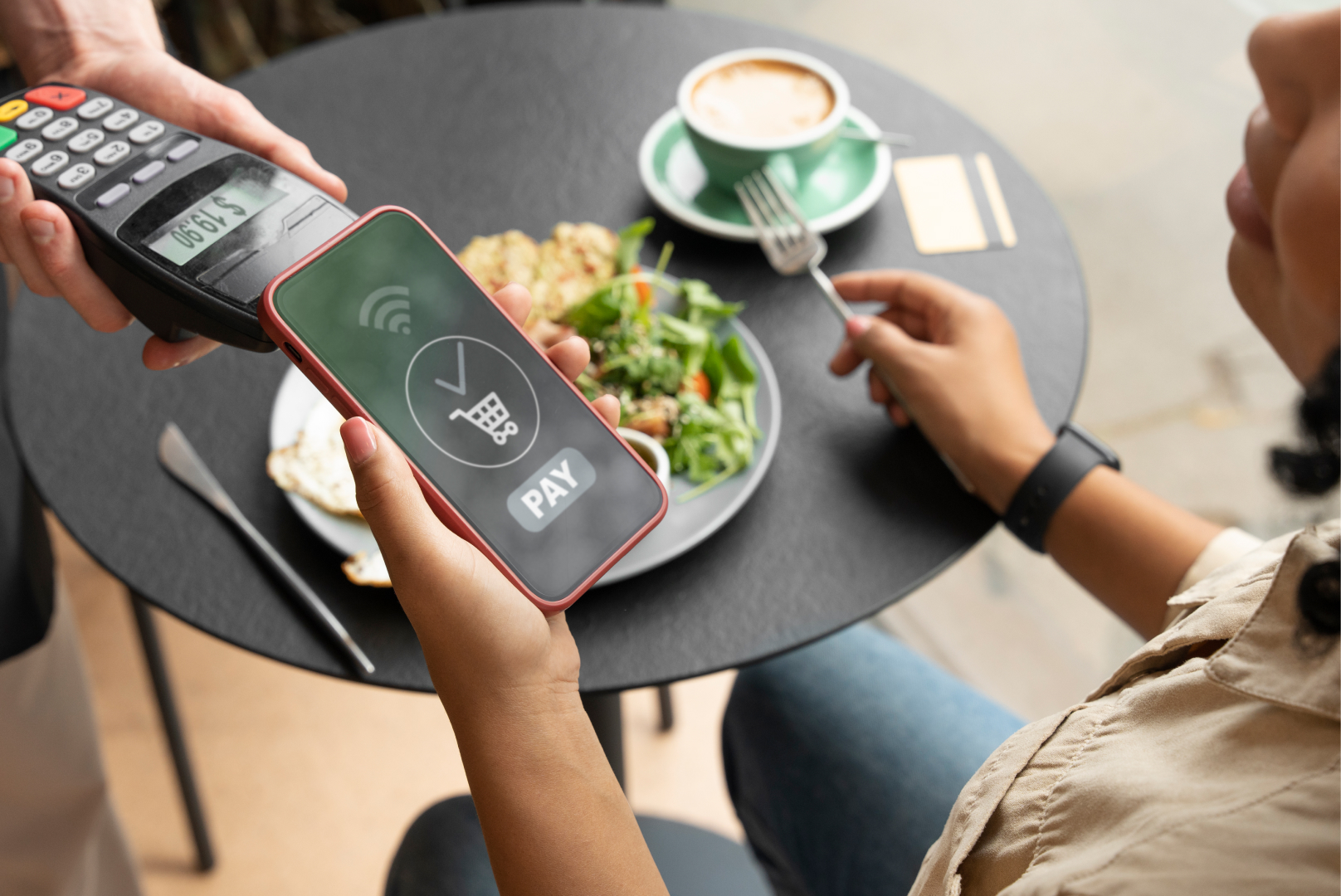
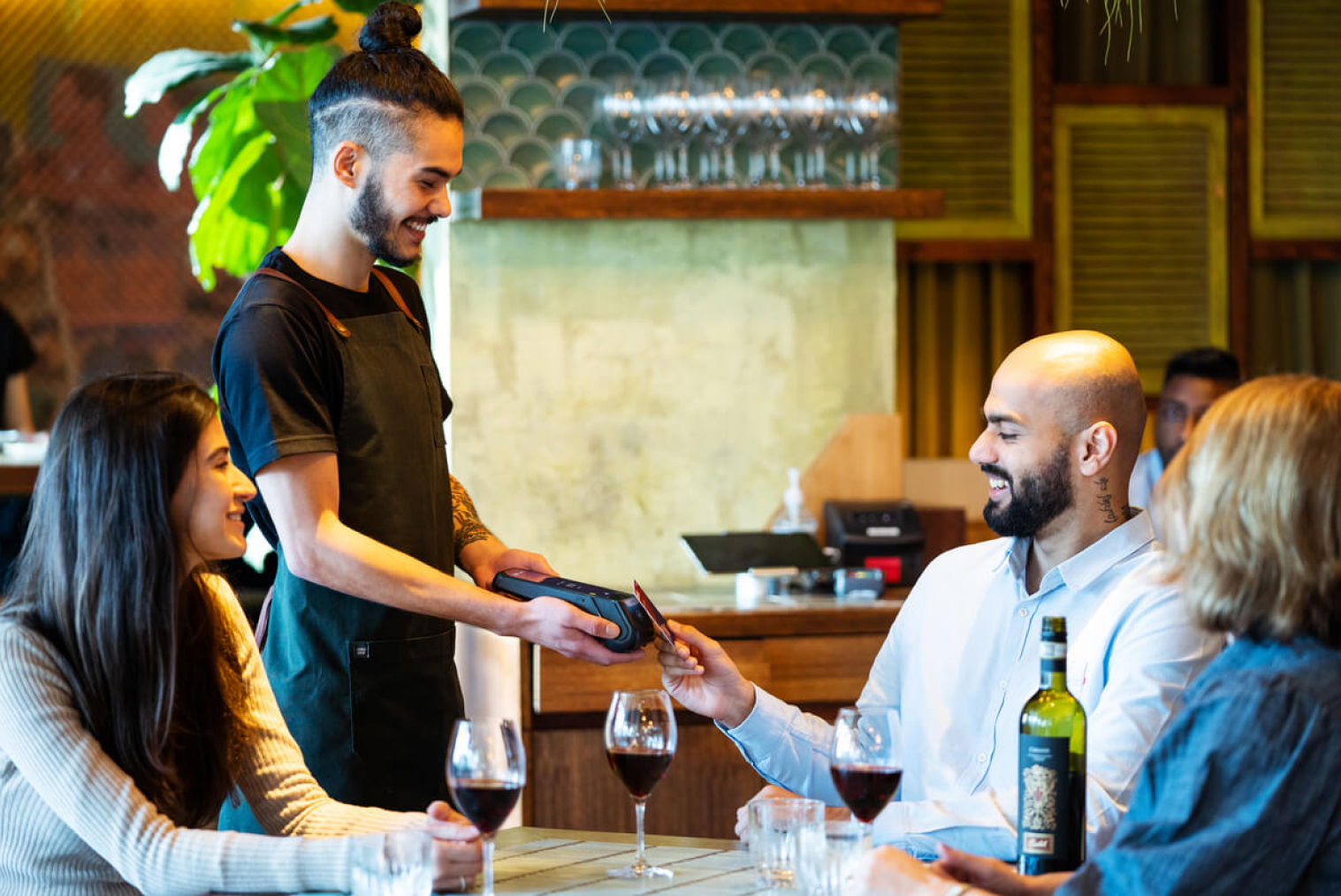
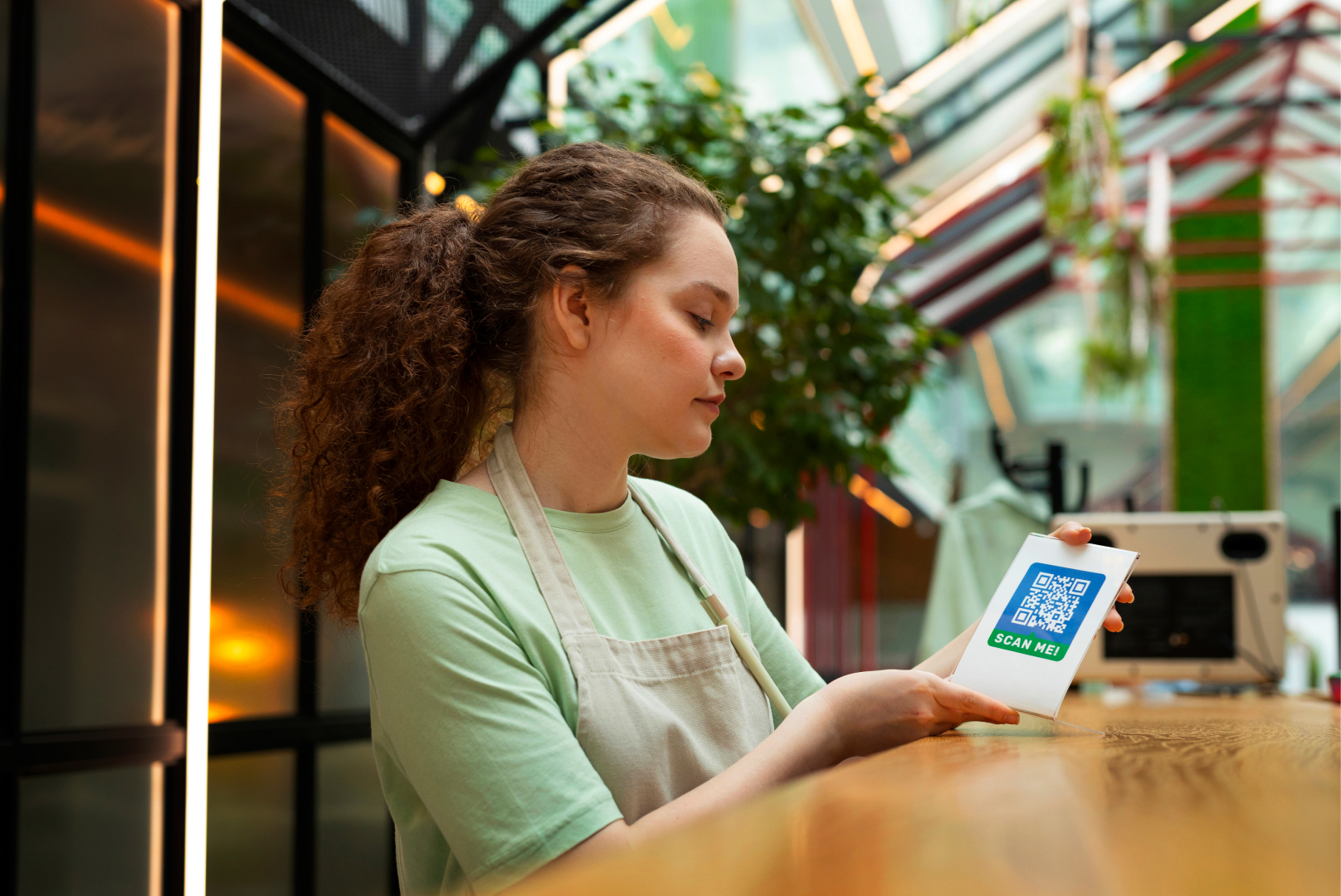
Offering contactless cards, mobile EFTPOS, and digital wallets is now essential, especially for younger, tech-savvy diners who expect frictionless payments.
5. Use Kiosk Data To Continuously Improve Performance.
Analysing ordering behaviour, peak times, and popular items helps restaurants refine menus, staffing, and promotions over time.
By combining the latest kiosk trends with these best practices, restaurants can deliver faster service, higher accuracy, and a consistently modern dining experience while improving operational efficiency and revenue growth.
How to Compare Touch-Screen Display Technologies (Capacitive vs Infrared vs Resistive)
Choosing the right display technology is essential when selecting a kiosk for restaurants or retail spaces. Here’s a quick breakdown:
| Display Type |
Best For |
Pros |
Cons |
| Capacitive Touch |
High-traffic restaurants
|
Smooth touch, durable glass, highly responsive
|
Higher cost
|
| Infrared Touch (IR) |
Large menu boards, indoor kiosks
|
Works with gloves or a stylus, long lifespan
|
More sensitive to dust
|
| Resistive Touch |
Budget-friendly kiosks
|
Low-cost, pressure-based touch
|
Less responsive, lower clarity
|
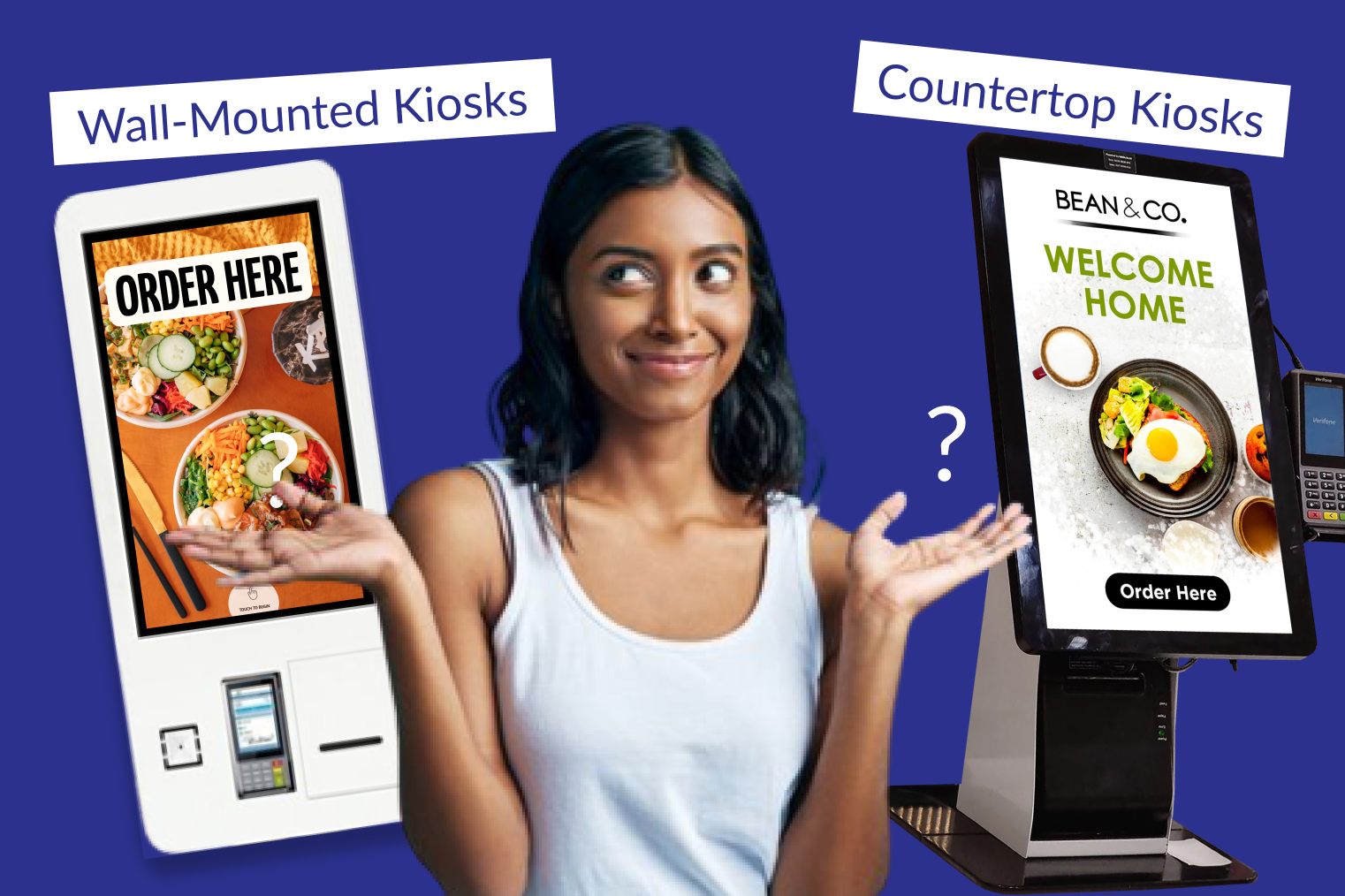
These differences help businesses pick the right kiosk format options for various spaces, from compact counters to wall-mounted designs.
How Touchscreen Kiosks Drive Business Growth in Restaurants
Touchscreen kiosks are more than just digital ordering tools—they are powerful drivers of long-term performance and scalability. When looking at the benefits of touchscreen kiosks for business growth, restaurants quickly see how these systems directly impact both revenue and operational efficiency.
- Higher throughput during peak hours
- Increased upsell opportunities through AI suggestions
- Consistent user experiences across locations
- Improved data-driven decision making
- Faster table turnover
This aligns with the rising adoption of touch-screen menu ordering systems and touch-screen food ordering systems across modern eateries.
How Interactive Kiosks Are Transforming Modern Stores
Retailers and restaurants alike are embracing interactive kiosks, transforming modern stores by offering features such as:
- Product discovery
- Personalised recommendations
- Unified payment experiences
- Digital loyalty logins
- Multi-language support
This shift ensures businesses stay competitive in a digital-first consumer world.
Benefits of implementing touch screen kiosk technology
Implementing touch screen kiosks for businesses like eateries can drastically reduce waiting time for customers. It speeds up the placing of orders. This also helps staff to focus on more productive aspects like food preparation and hospitality. Front-house tasks like taking orders and processing payments are taken care of through automation. Let us explore some of the key benefits of implementing touch screen kiosk technology –
-Interactive touch screens can provide product information. They highlight promotions and give customized dining experiences. This enhances customer satisfaction.
-It also allows real-time feedback collection. This helps businesses to understand their progress better.
-It can also offer personalized recommendations to customers based on behaviour analysis and algorithms.
-It gives customers autonomy over their orders. It reduces wait times.
-Touch screen kiosk systems also reduce wait times for customers. This minimizes queues. The act of ordering and making payments is fully automated. Customers are not burdened with the additional anxiety of waiting to confirm their order.
-Touch screen kiosks for ordering also increase accuracy. They improve speed in processing orders. This minimizes the risk of human error associated with traditional ordering methods.
-As the entire ordering process goes online restaurants can also save on staffing costs.
Conclusion
To withstand the pressures of constant use in outlets like eateries, modern touchscreen kiosks are made durable with the most advanced material. Displays are made more robust with materials such as strengthened glass, scratch-resistant coatings and improved impact resistance. This contributes to the longevity of the systems. Customers can use these systems at all times without interruption. The latest innovations in touchscreen kiosk technology have indeed revolutionized the way restaurant businesses operate. Customers now browse menus and place orders independently. These kiosks have helped streamline workflow. Integration of AI and machine learning has also allowed customized preferences. Behavioural insights enhance overall customer experience and help businesses boost efficiency in operations.
Frequently Asked Questions (FAQs)
Q1. How do touchscreen kiosks improve the customer experience in restaurants?
Touchscreen kiosks give customers more control over their orders, reduce wait times, and allow for easy customization, making the dining experience smoother and more enjoyable.
Q2. Can touchscreen kiosks help restaurants save costs?
Yes! By automating order-taking and payments, kiosks reduce the need for extra staff, helping restaurants cut costs while improving efficiency.
Q3. Do touchscreen kiosks make ordering faster?
Absolutely. Customers can place their orders independently without waiting for staff, which reduces queues and speeds up service.
Q4. Are touchscreen kiosks accurate and reliable?
Yes, they minimize human errors by letting customers confirm their orders before payment. Real-time updates also ensure out-of-stock items are automatically displayed.
Q5. What extra benefits do touchscreen kiosks offer restaurants?
Beyond faster orders, kiosks can integrate AI to give personalized recommendations, collect real-time feedback, and track customer behavior to improve loyalty.
Q6. What types of businesses benefit most from touch-screen kiosks?
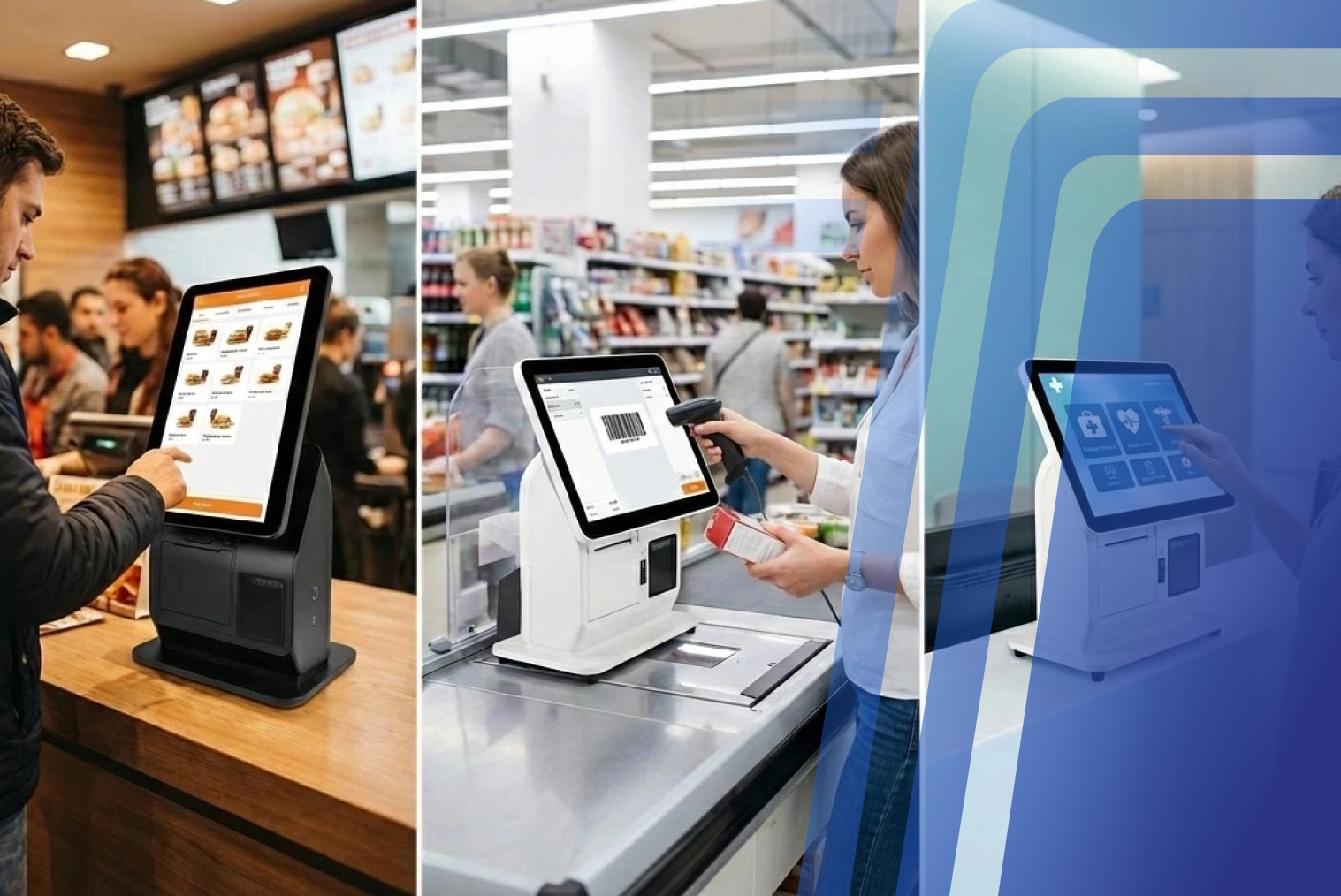
Restaurants, cafés, retail outlets, entertainment centres, cinemas, airports, and supermarkets benefit significantly due to high foot traffic and repeat interactions.
Q7. Can kiosks be customised for accessibility and special needs (e.g., voice-control, large fonts)?
Yes. Modern kiosks can include voice commands, larger text options, adjustable screen heights, and simplified UI for accessibility.
Q8. What is the typical payback period for a self-service kiosk in a restaurant?
Most restaurants recover the investment within 3–8 months, thanks to reduced labour burden, faster ordering, and improved upsell performance.


.webp)











.png)













.webp)


