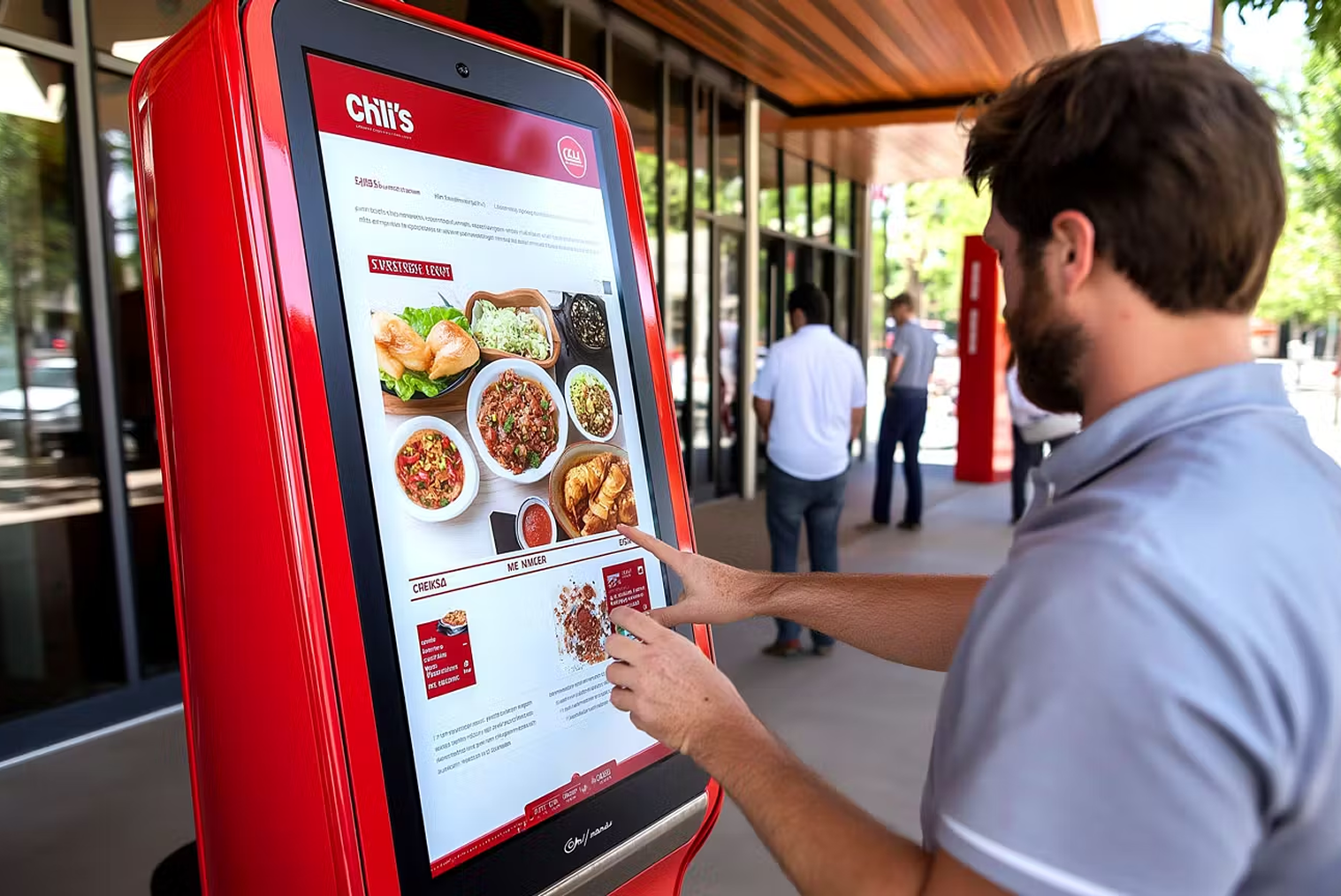
The restaurant industry is rapidly evolving with technology reshaping how customers order and how businesses operate. Among the most impactful innovations is the self-service kiosk, which allows customers to browse menus, customize orders, and pay without waiting for staff assistance.
But while kiosks are widely used in quick-service environments, many restaurant owners still wonder whether they work equally well for different restaurant models.
Understanding the difference between QSR and full-service restaurant systems is essential when deciding if kiosks are the right investment for your business. In this guide, we’ll explore how kiosks perform in both environments, compare the QSR vs full-service restaurant technology, and help you determine which model benefits the most.
Understanding the Core Difference Between QSR and Full-Service Restaurants
Before analyzing kiosk technology, it's important to understand the operational differences between restaurant models.
What Is a Quick Service Restaurant (QSR)?
A Quick Service Restaurant (QSR) focuses on speed, efficiency, and high customer turnover. Orders are typically placed at a counter, drive-thru, or kiosk, and food is prepared quickly.
Popular QSR examples include global brands like McDonald’s, Burger King, and KFC. According to the National Restaurant Association, QSRs account for nearly 50% of total restaurant industry sales in the United States, highlighting their massive market presence.
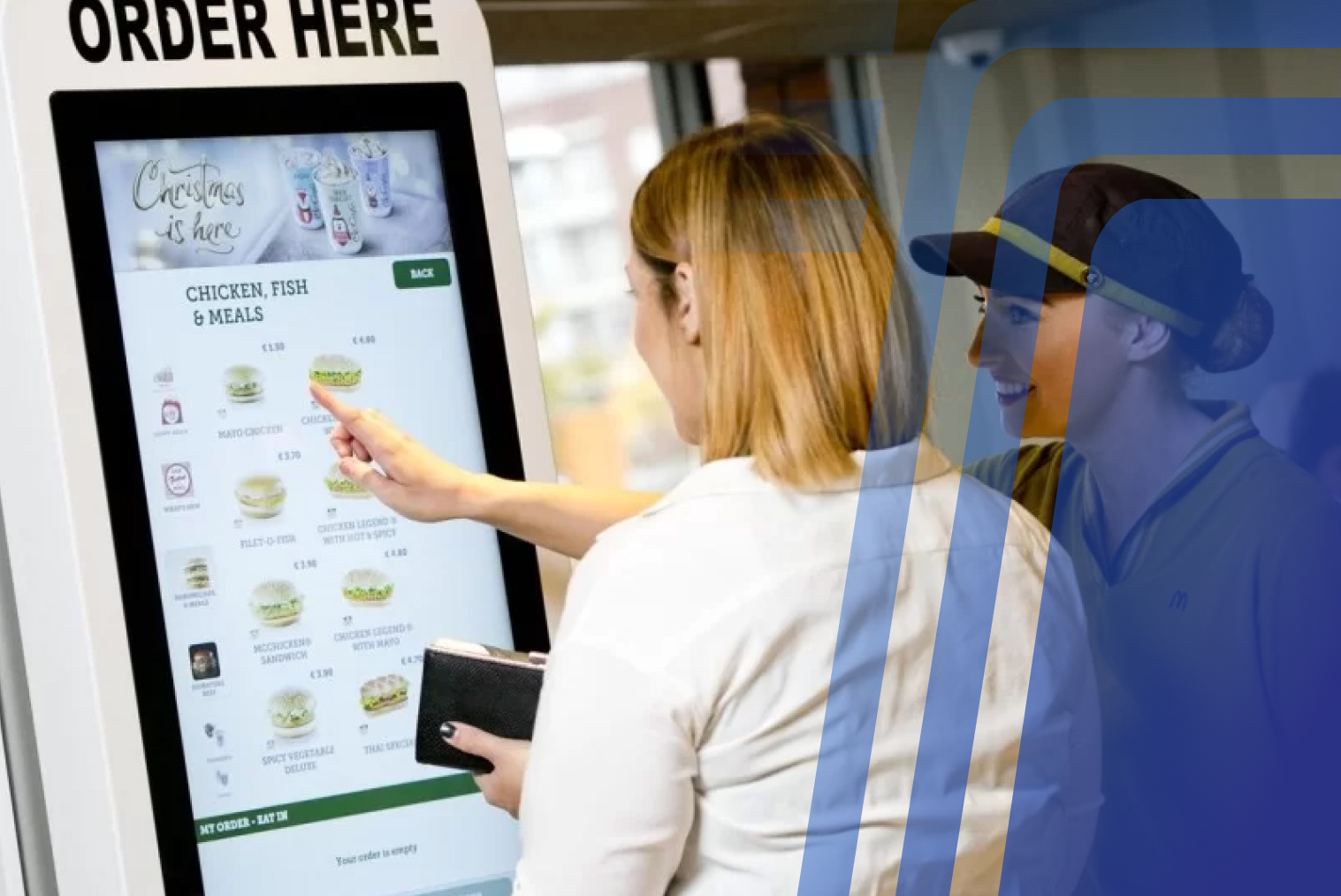
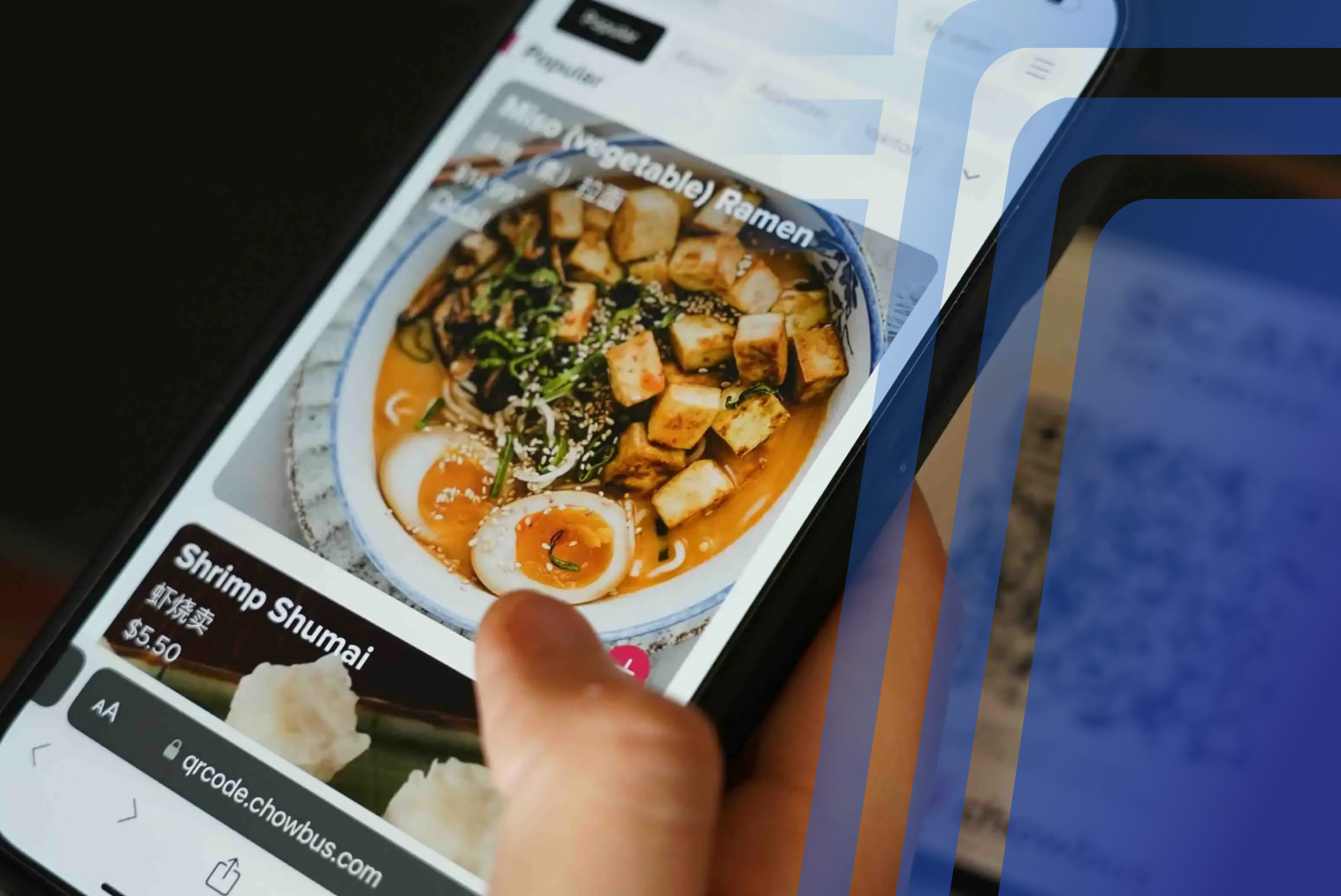
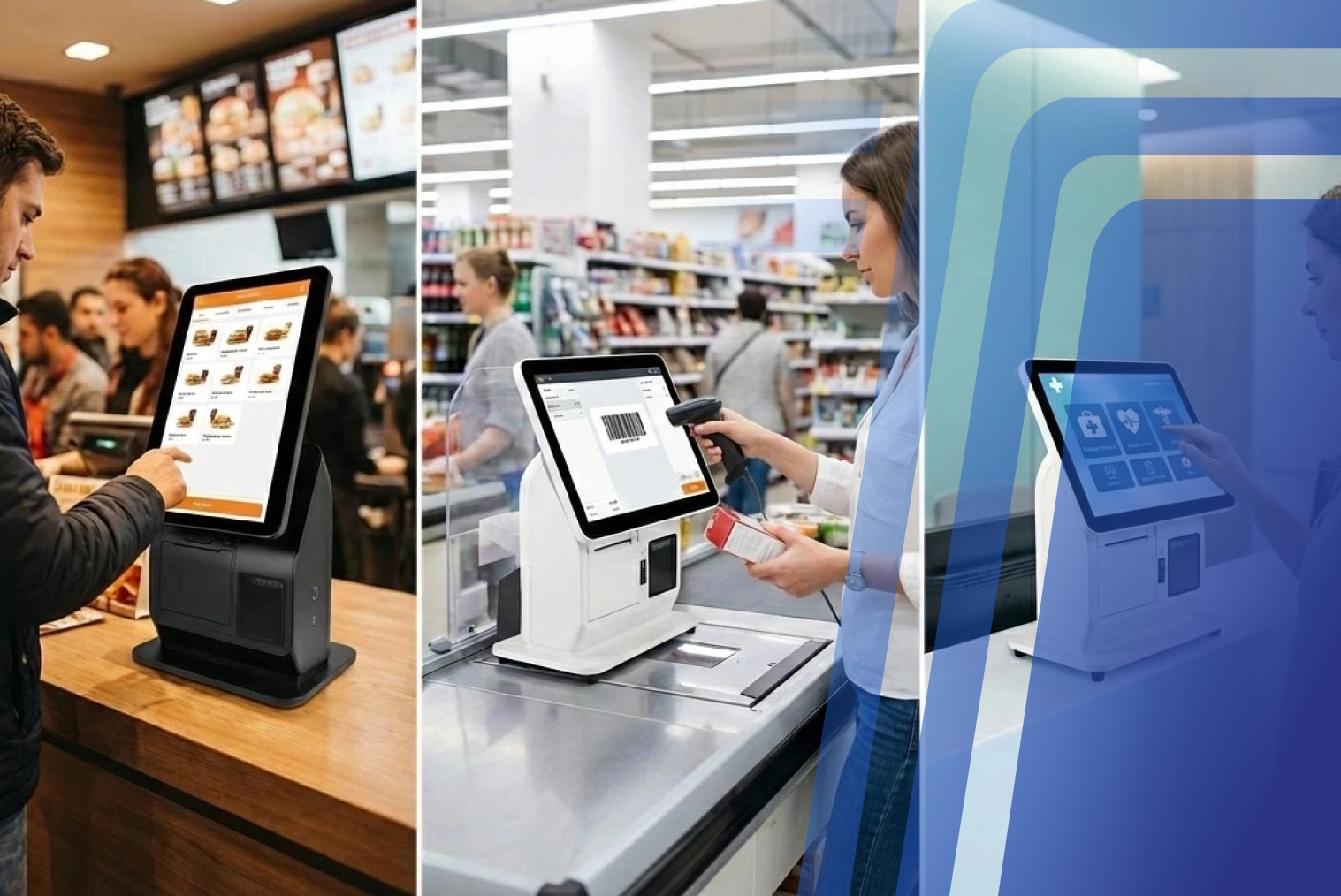
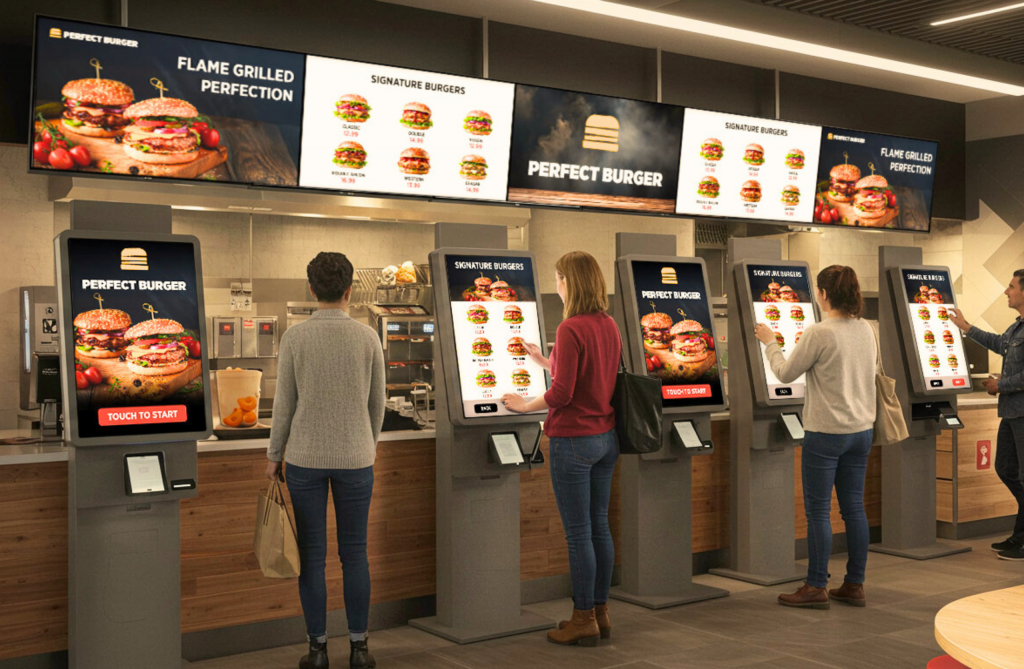
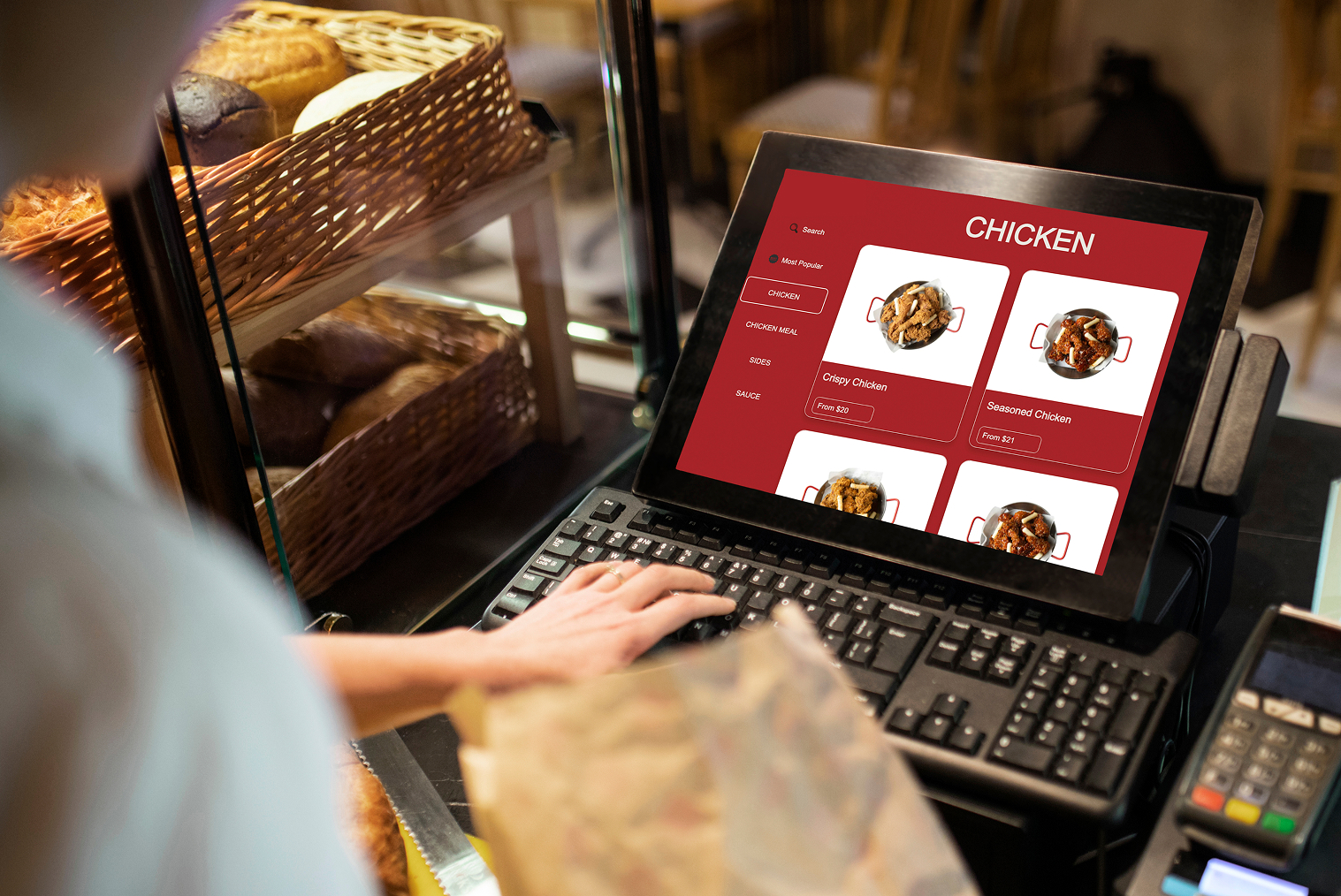
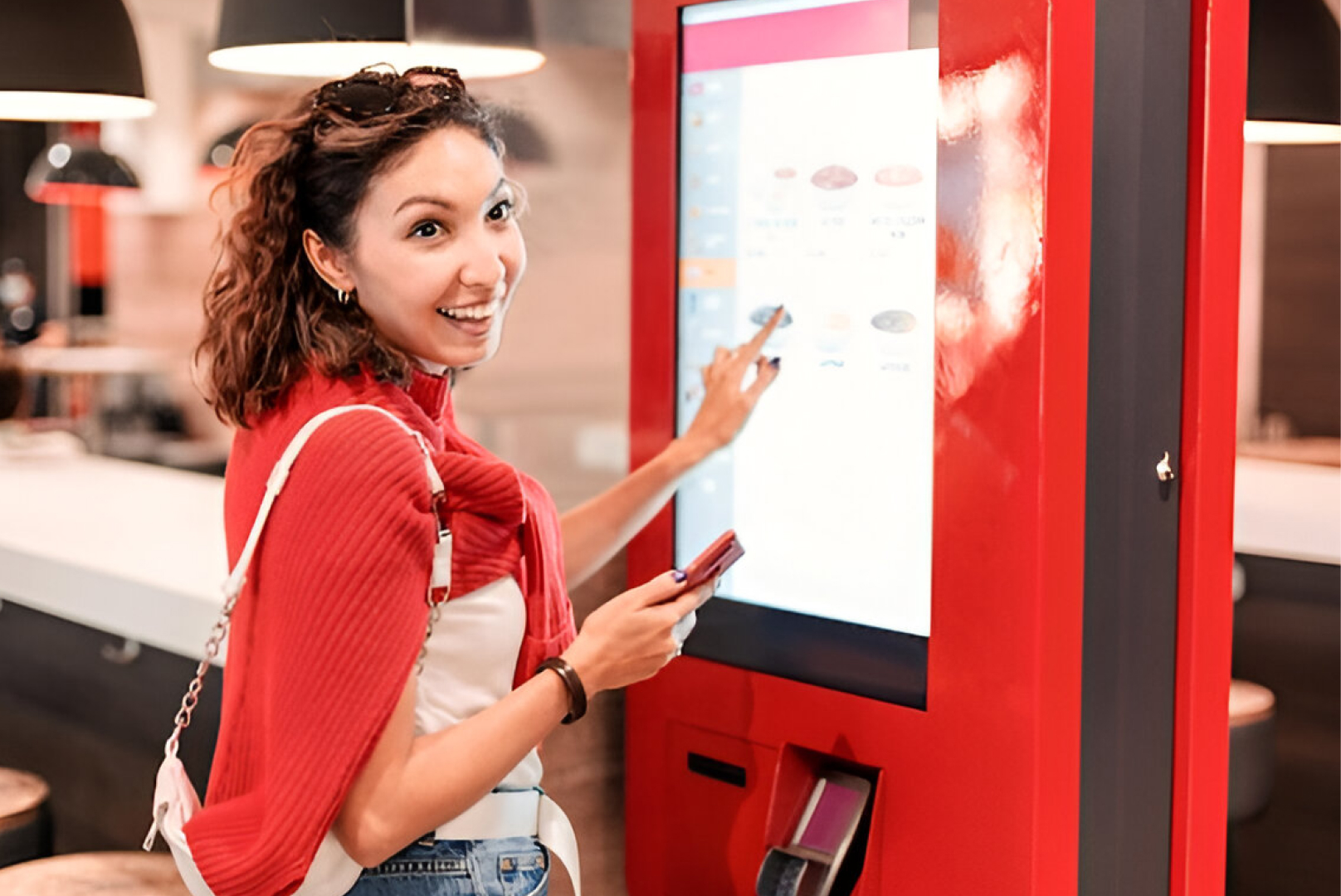
Technology plays a critical role in these restaurants. Tools such as digital menus, mobile ordering, and self-service kiosks for QSR help streamline operations while reducing wait times.
Key characteristics of QSRs include:
- Fast ordering and service
- High daily customer volume
- Limited table service
- Focus on operational efficiency
Because of these characteristics, automation technologies are often essential for scaling operations.
What Is a Full-Service Restaurant?
Full-service restaurants offer a more traditional dining experience where customers are seated, served by waitstaff, and typically spend more time dining.
Examples include casual dining chains like Olive Garden or Applebee’s, as well as independent restaurants offering table service.
In this model:
- Staff take orders at the table
- Dining experiences are longer
- Personalized service is emphasized
- Customer interaction is part of the value
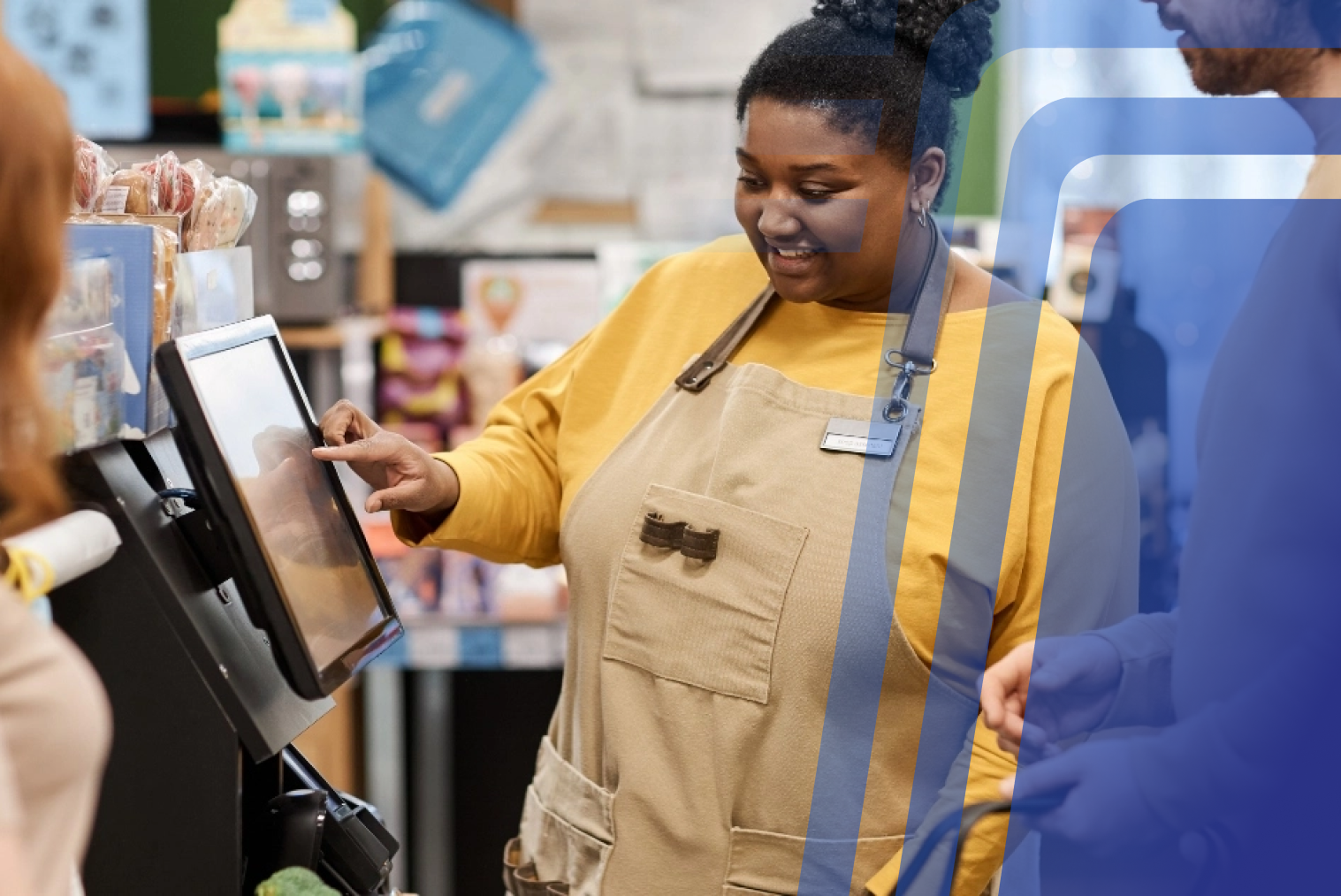
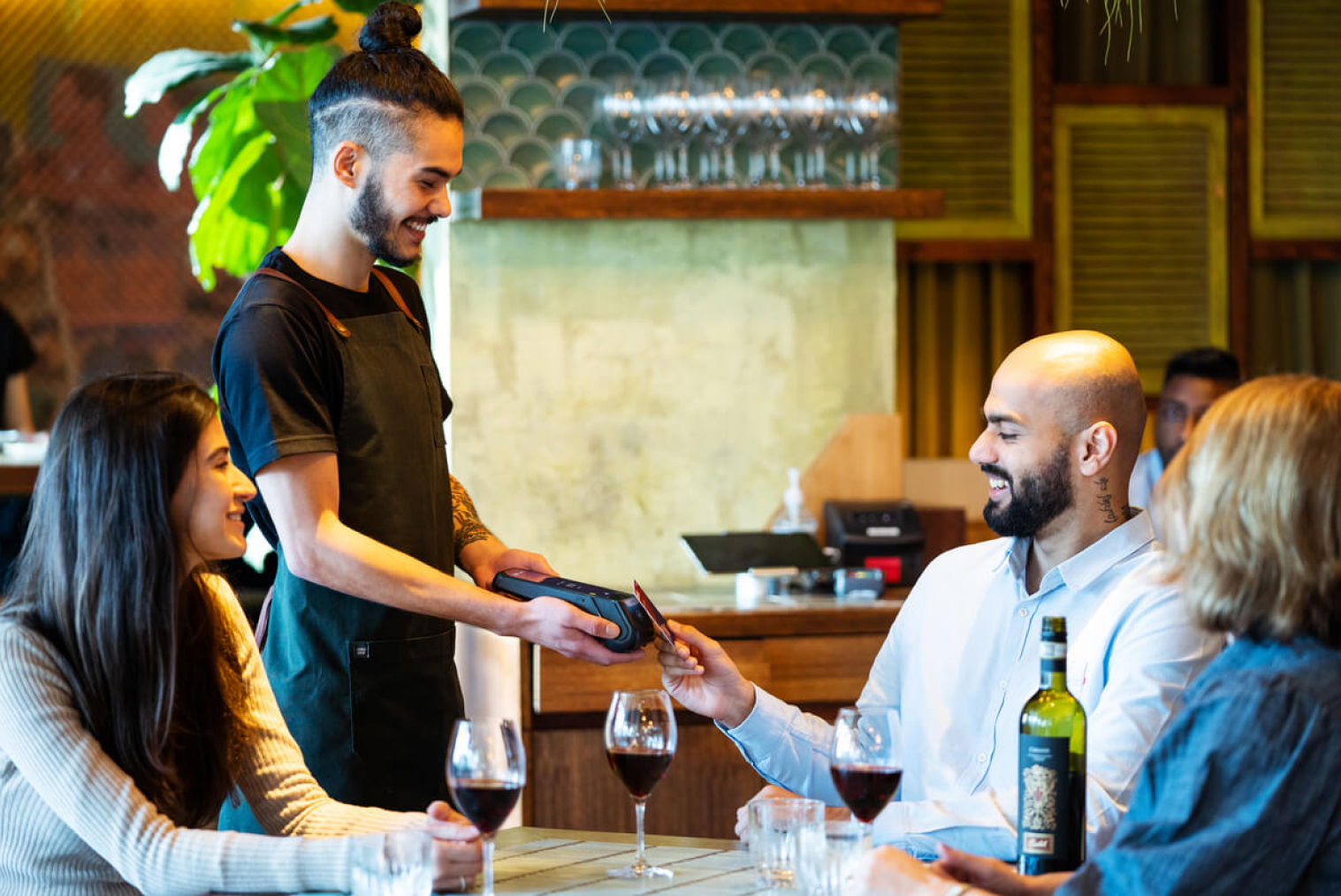
Due to these differences, the QSR vs full-service restaurant technology landscape varies significantly. Full-service restaurants traditionally rely more on POS systems and staff interaction rather than automated ordering.
However, technology adoption in this segment is increasing rapidly.
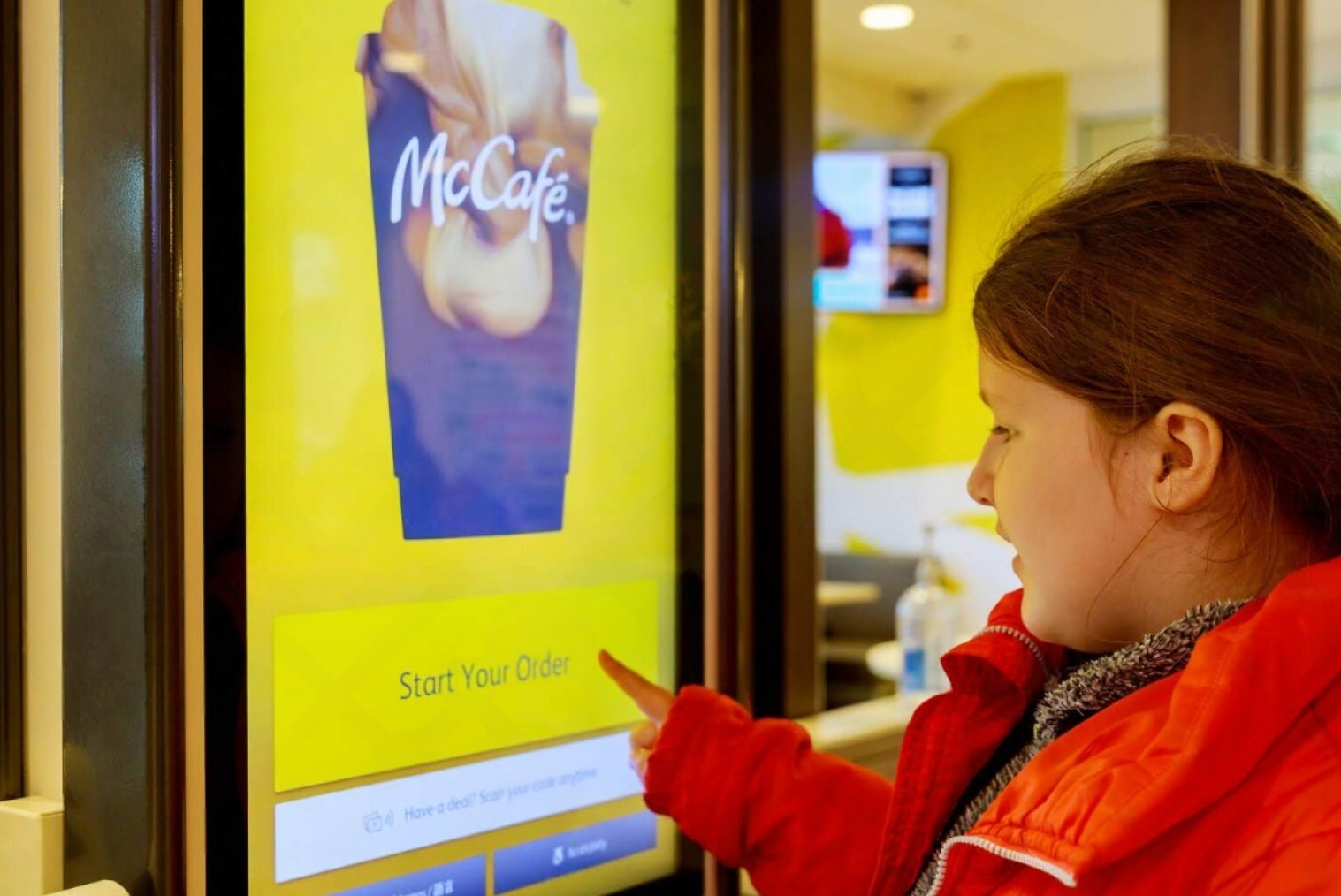
Why Self-Service Kiosks Work So Well for QSRs
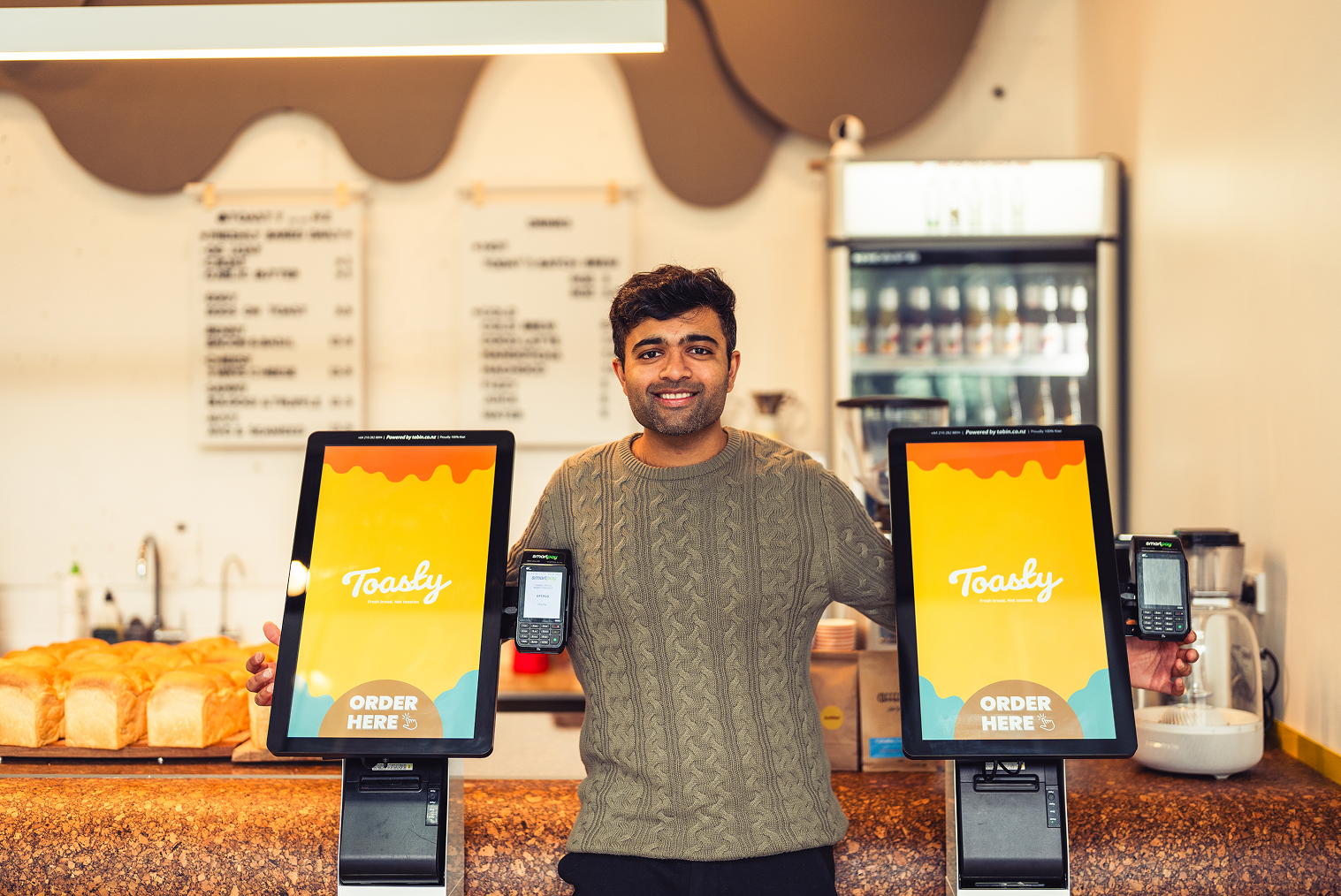
For quick-service restaurants, kiosks are more than just a convenience—they are often a strategic advantage.
Studies show that self-ordering kiosks can significantly increase order value. According to research from Tillster, restaurants using kiosks see average order values increase by up to 30% because customers feel less rushed and are more likely to explore menu options.
Key benefits of kiosk in QSR vs full-service restaurants include:
1. Faster Ordering and Reduced Lines
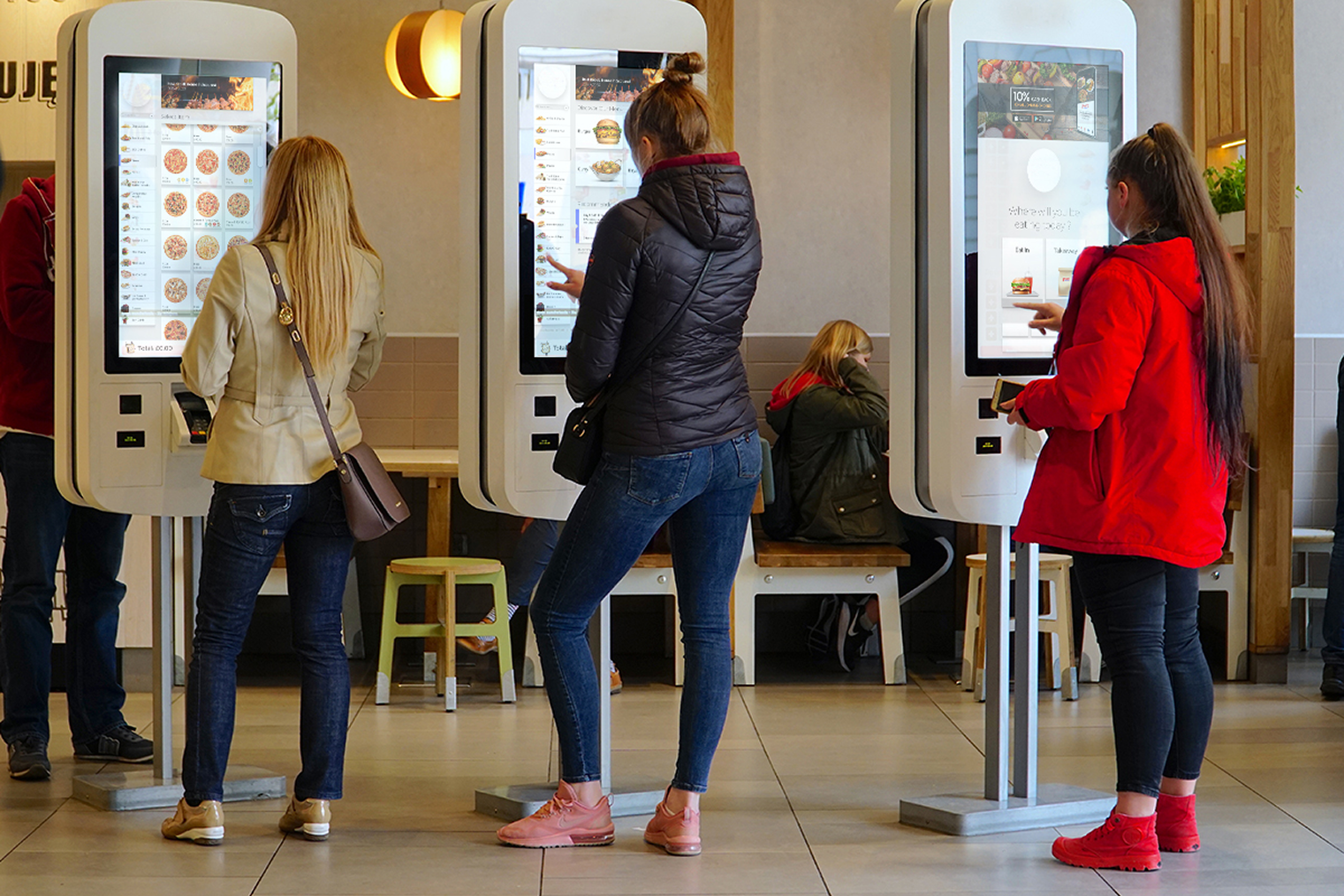
Kiosks reduce congestion at the counter by allowing multiple customers to place orders simultaneously. This helps QSRs maintain high throughput during peak hours.
For example, McDonald’s reported improved operational efficiency after installing self-ordering kiosks in thousands of locations worldwide.
2. Upselling
Unlike human staff who may forget or hesitate to upsell, kiosks automatically suggest upgrades such as combos, drinks, or add-ons.
This leads to higher revenue without increasing labor costs.
3. Lower Labor Pressure
Labor shortages remain a major challenge in the restaurant industry. The U.S. Bureau of Labor Statistics has repeatedly reported staffing shortages in hospitality roles.
Kiosks help reduce dependency on front-counter staff while still maintaining efficient service.
4. Improved Order Accuracy
Because customers input their own orders, mistakes caused by miscommunication are significantly reduced.
Do Full-Service Restaurants Really Need Self-Ordering Kiosks?
At first glance, kiosks might seem unnecessary for full-service dining environments where staff handle ordering.
However, many restaurants are discovering new ways to integrate kiosks without disrupting the dining experience.
Examples include:
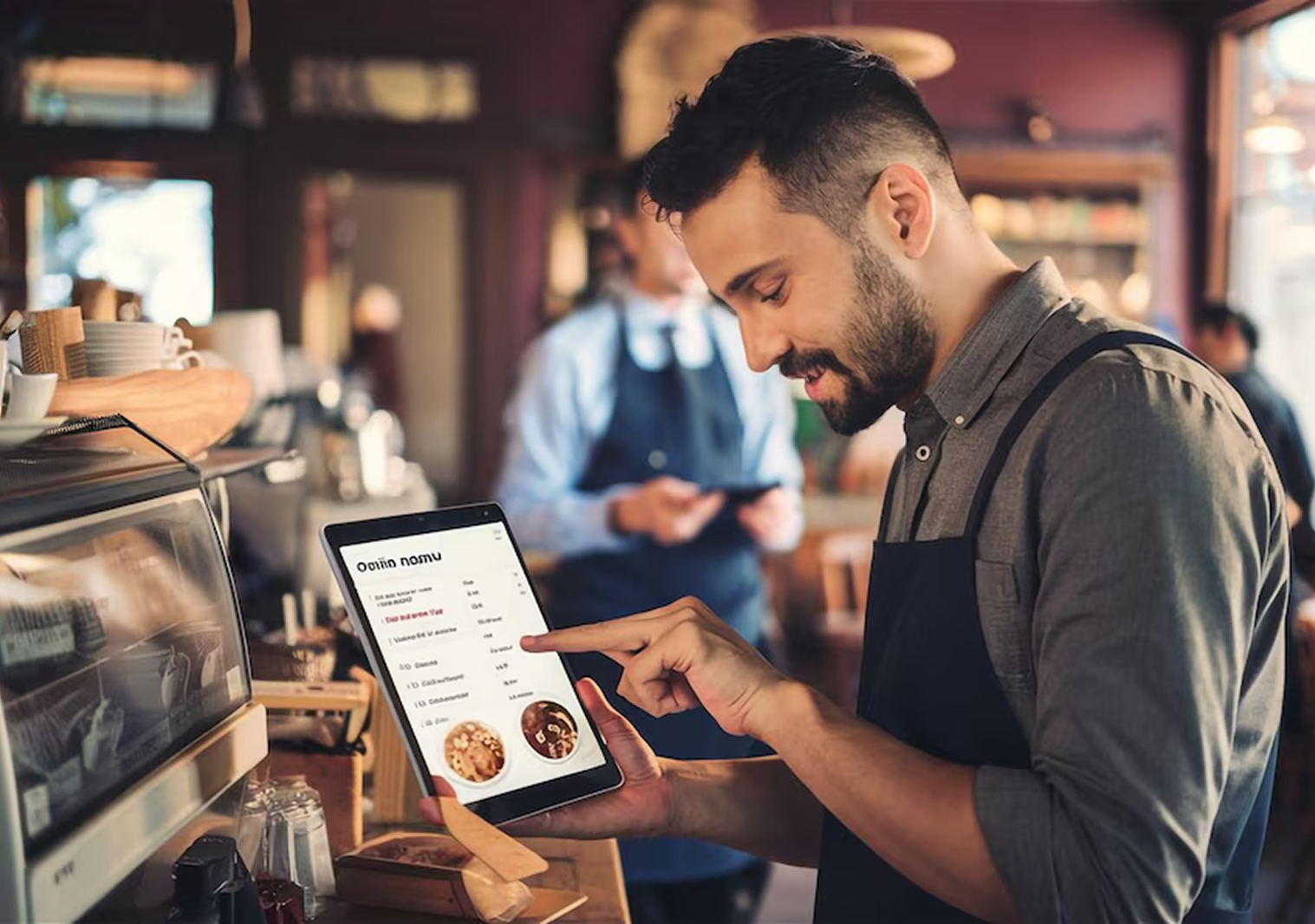
Self-Service Ordering for Takeaway
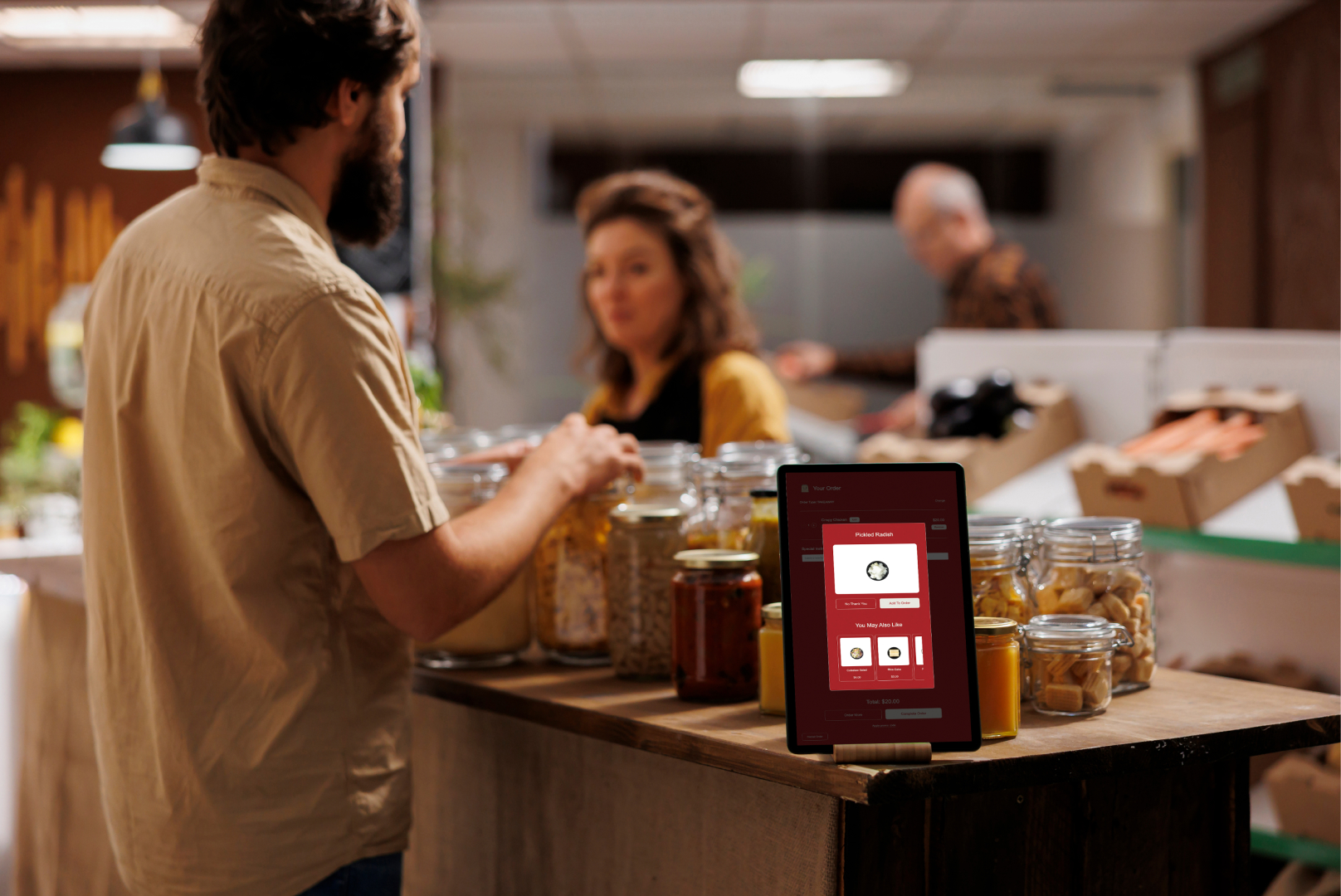
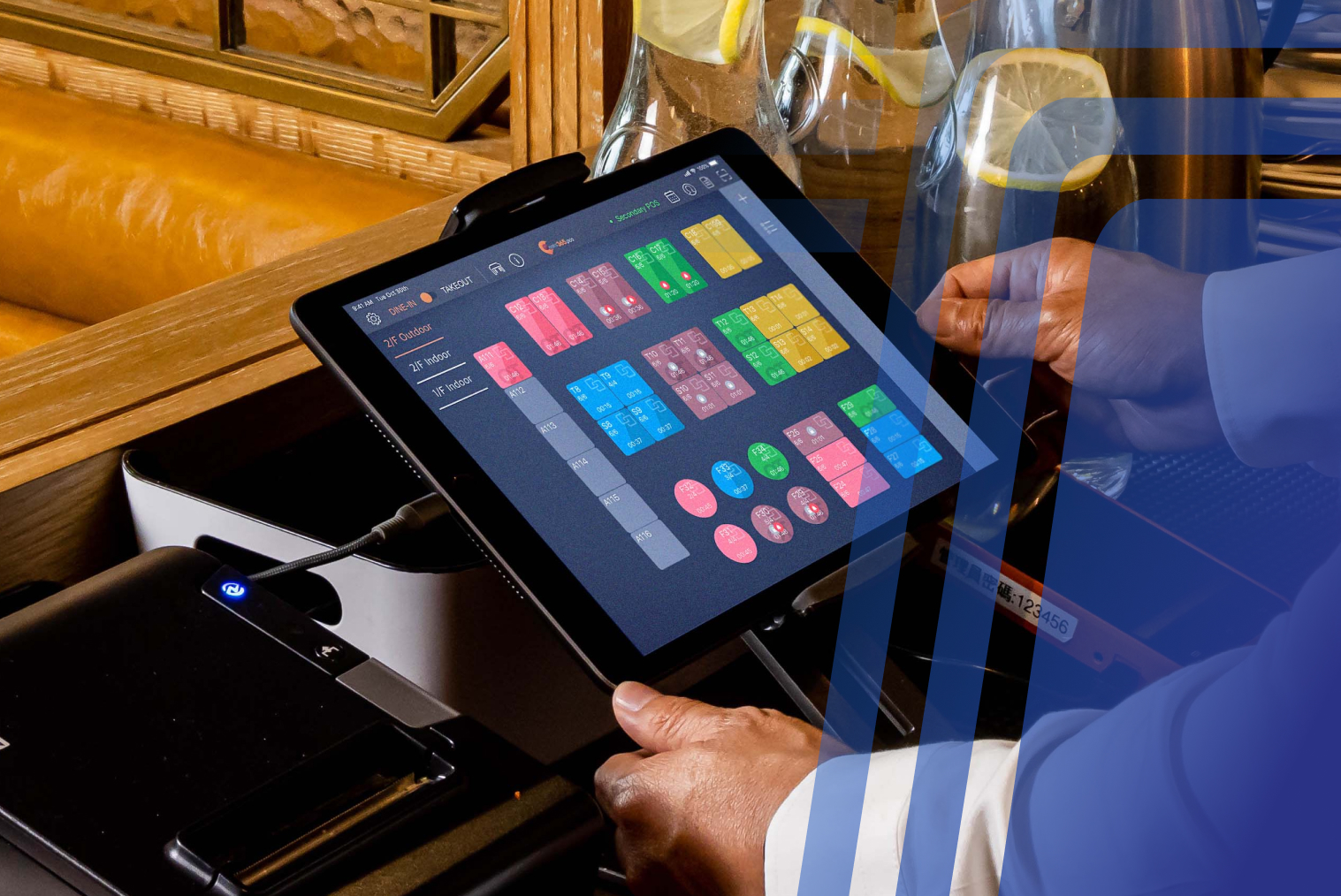
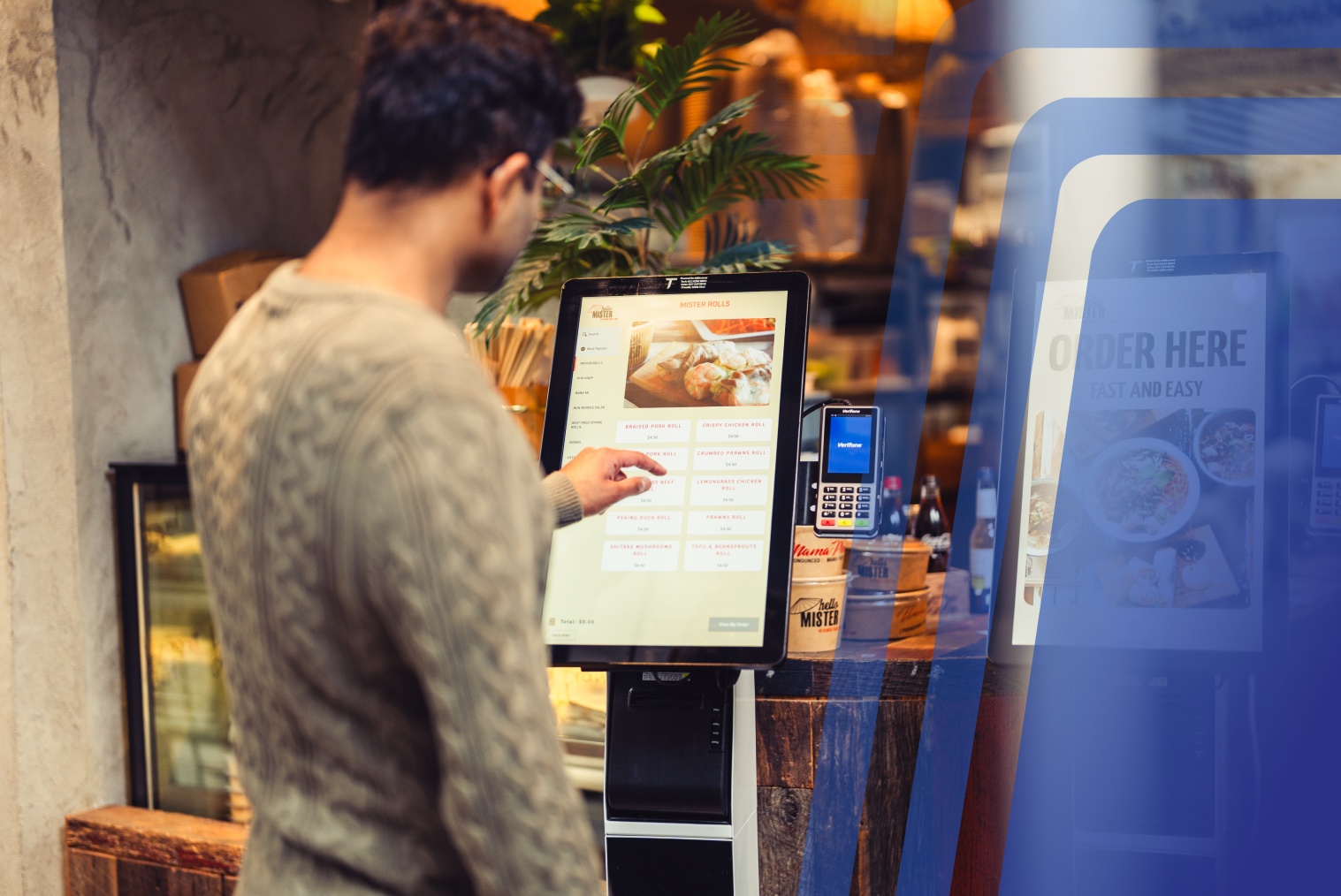
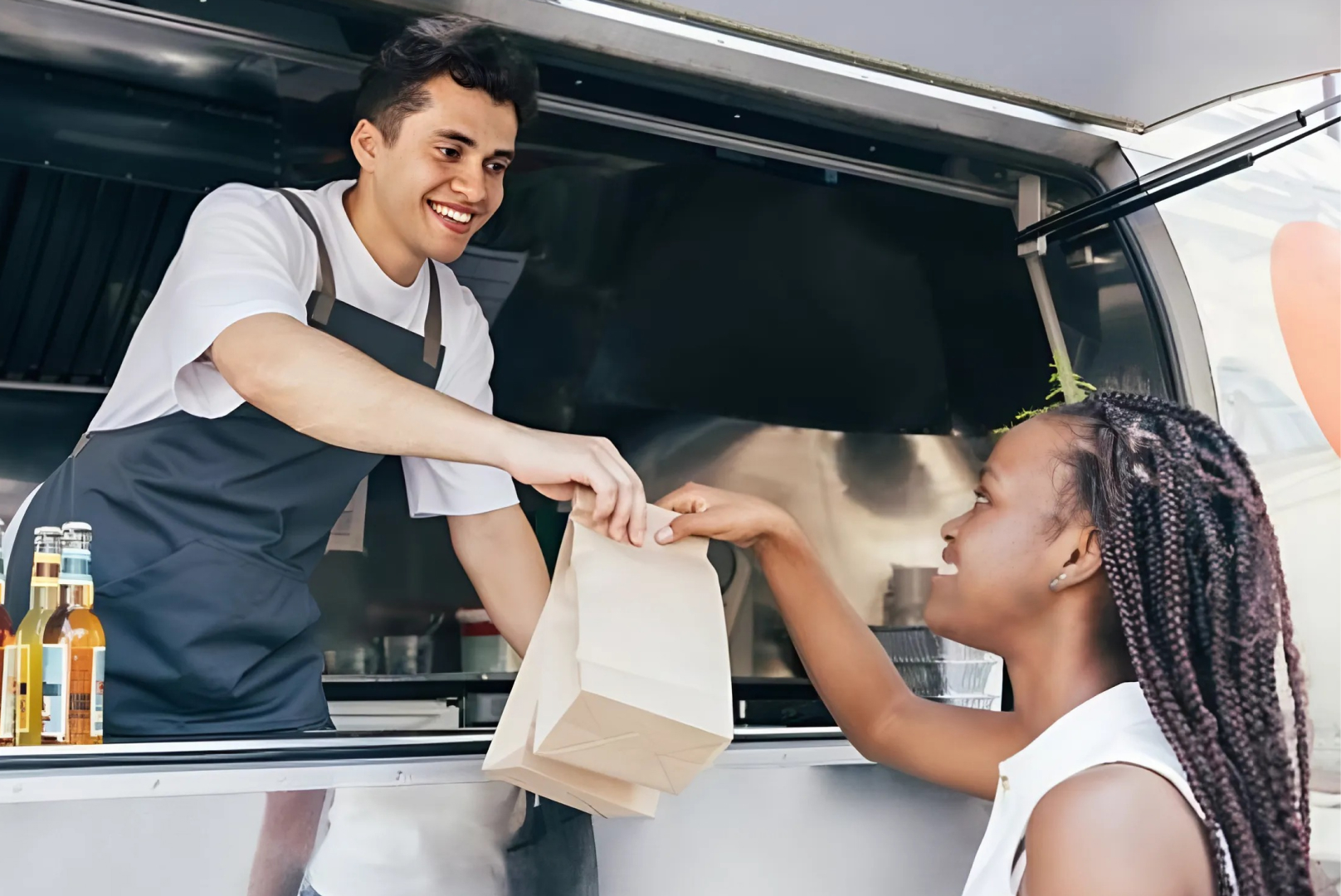
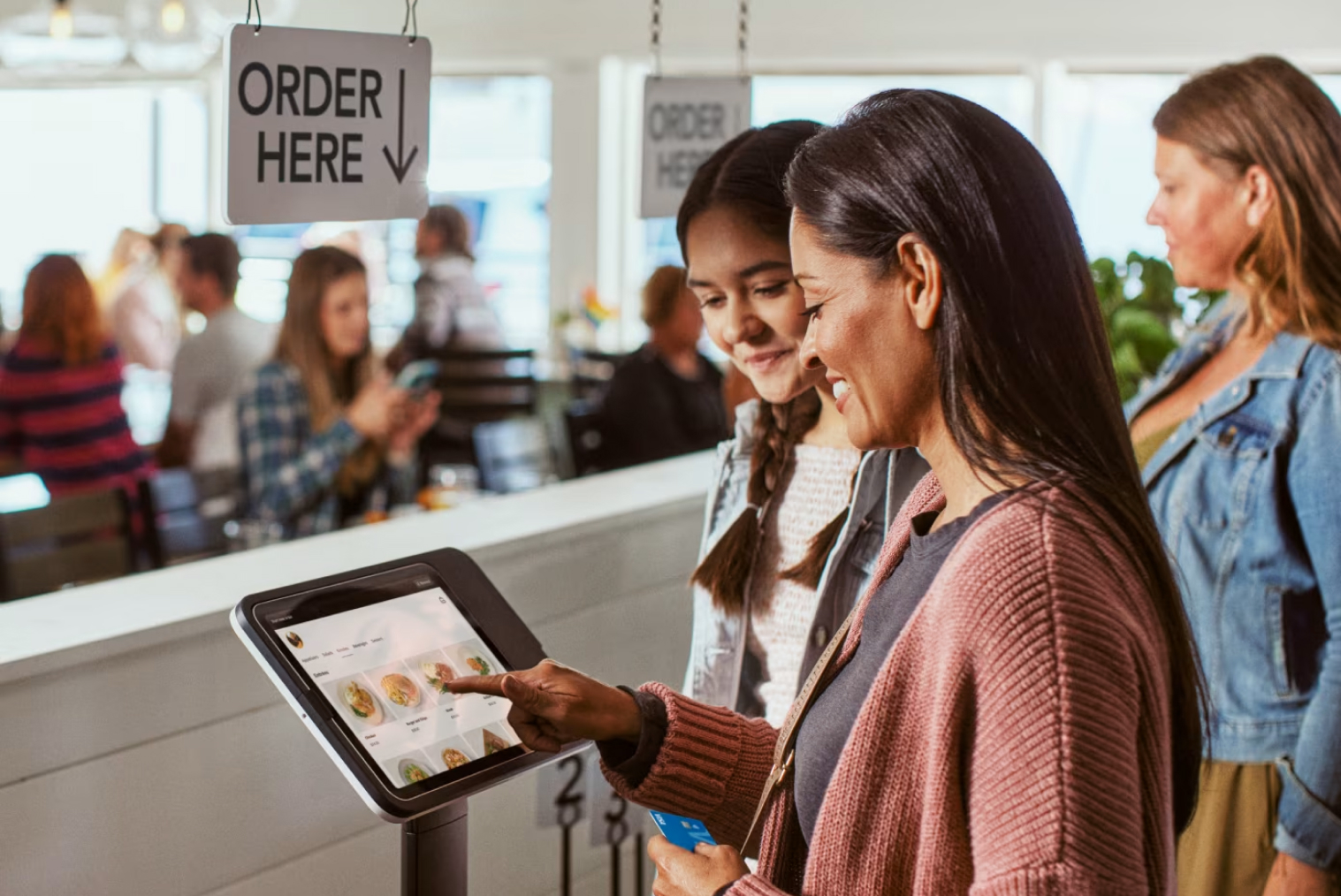
Many full-service restaurants now handle both dine-in and takeaway orders. Kiosks provide a convenient option for customers who want to place quick pickup orders without waiting for staff.
Hybrid Ordering Models
Some restaurants use kiosks at the entrance for:
- Waitlist management
- Quick lunch ordering
- Self-checkout for regular customers
For example, several casual dining chains have introduced tablets or ordering screens to speed up service during busy hours.
In this context, kiosks complement the dining experience rather than replacing staff.
QSR vs Full-Service Restaurant Kiosks – Feature Comparison
While both restaurant models can benefit from kiosk technology, their operational needs are quite different. The table below highlights the key differences between QSR vs full-service restaurant technology and how kiosks are typically used in each model.
| Feature |
QSR Kiosks |
Full-Service Restaurant Kiosks |
| Primary Purpose |
Fast ordering and reducing queues
|
Supporting takeaway orders and guest management |
| Ordering Speed |
Designed for very fast transactions |
Moderate speed, often used for specific functions |
| Customer Interaction |
Customers fully place and pay for their own orders |
Staff still handle most table service interactions |
| Upselling Features |
Strong upselling prompts (combos, add-ons, meal upgrades) |
Limited upselling, mostly for takeaway orders |
| Payment Processing |
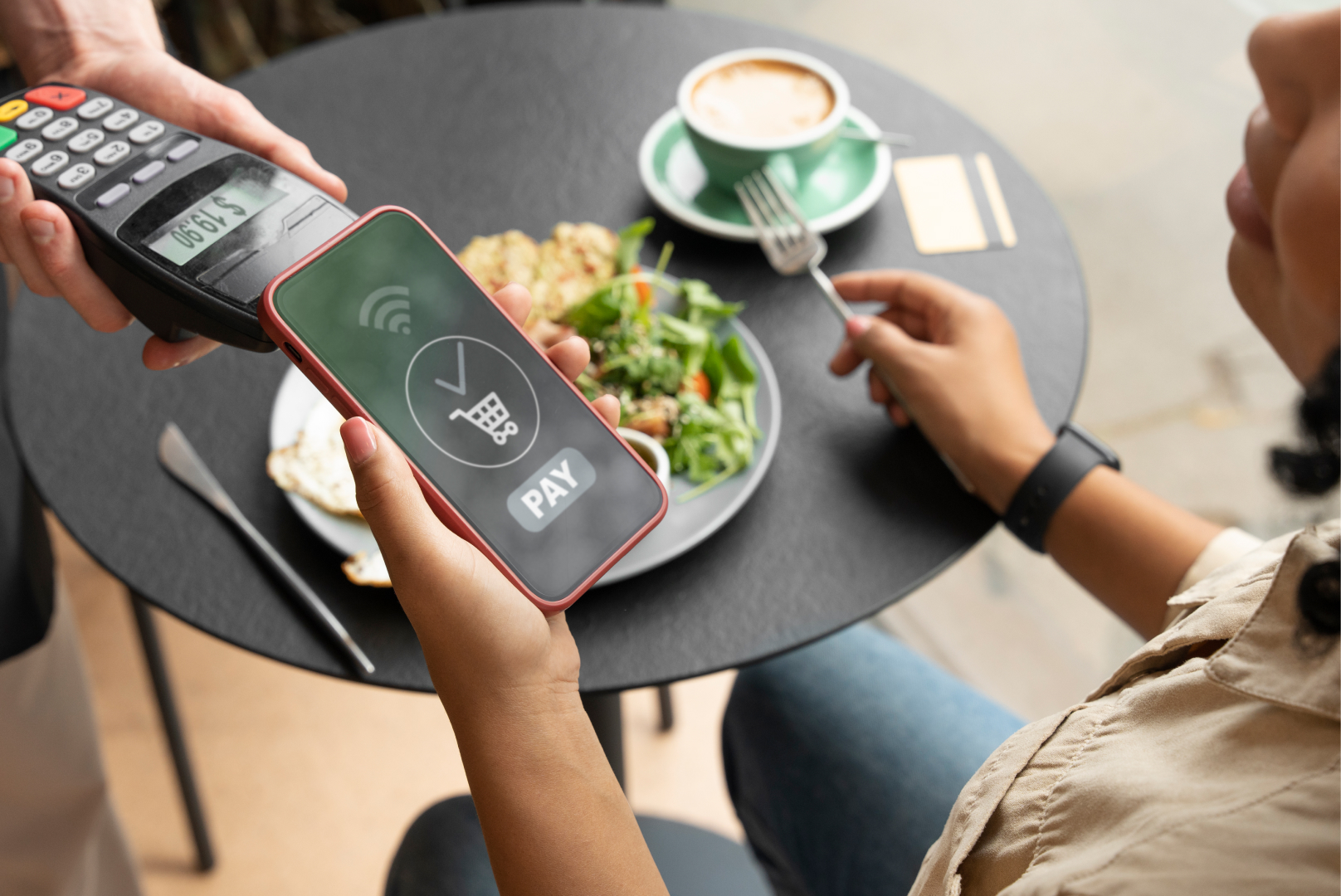
Integrated instant payment (card, mobile, contactless) |
Often used for bill payment or takeaway checkout |
| Queue Management |
Reduces long counter lines during peak hours |
Helps manage waiting lists or reservations |
| Menu Navigation |
Simplified menu with quick combos and bundles |
Detailed menu browsing for dine-in or takeaway |
| Integration with POS |
Direct integration with kitchen display systems and POS |
Often integrated with reservation systems and POS |
| Customer Volume |
Built to handle high daily customer volume |
Designed for moderate usage alongside staff service |
| Typical Use Case |
Fast food chains and quick-service restaurants |
Casual dining restaurants offering hybrid ordering |
Cost Comparison – Which Model Gets Better ROI?
Return on investment is often the deciding factor when adopting new technology.
Research from Hospitality Technology shows that kiosks can increase revenue through larger order sizes while reducing operational costs.
ROI for QSRs
QSRs typically experience faster ROI because:
- Higher customer volume
- Faster ordering cycles
- Strong upselling opportunities
Many restaurants report recovering kiosk investment within 12 to 18 months.
ROI for Full-Service Restaurants
For full-service restaurants, ROI comes from different benefits such as:
- Faster takeaway processing
- Reduced staff workload
- Improved operational efficiency
While the financial return may take longer compared to QSRs, kiosks still deliver operational advantages.
How to Choose the Right Kiosk for Your Restaurant Model
Choosing the right system depends on your restaurant’s service style, customer flow, and operational priorities.
Here are key considerations:
Customer Ordering Behavior
If customers expect fast service and quick transactions, kiosks can dramatically improve efficiency.
Restaurant Layout
Limited counter space or heavy takeaway traffic often makes kiosks a practical addition.
Menu Complexity
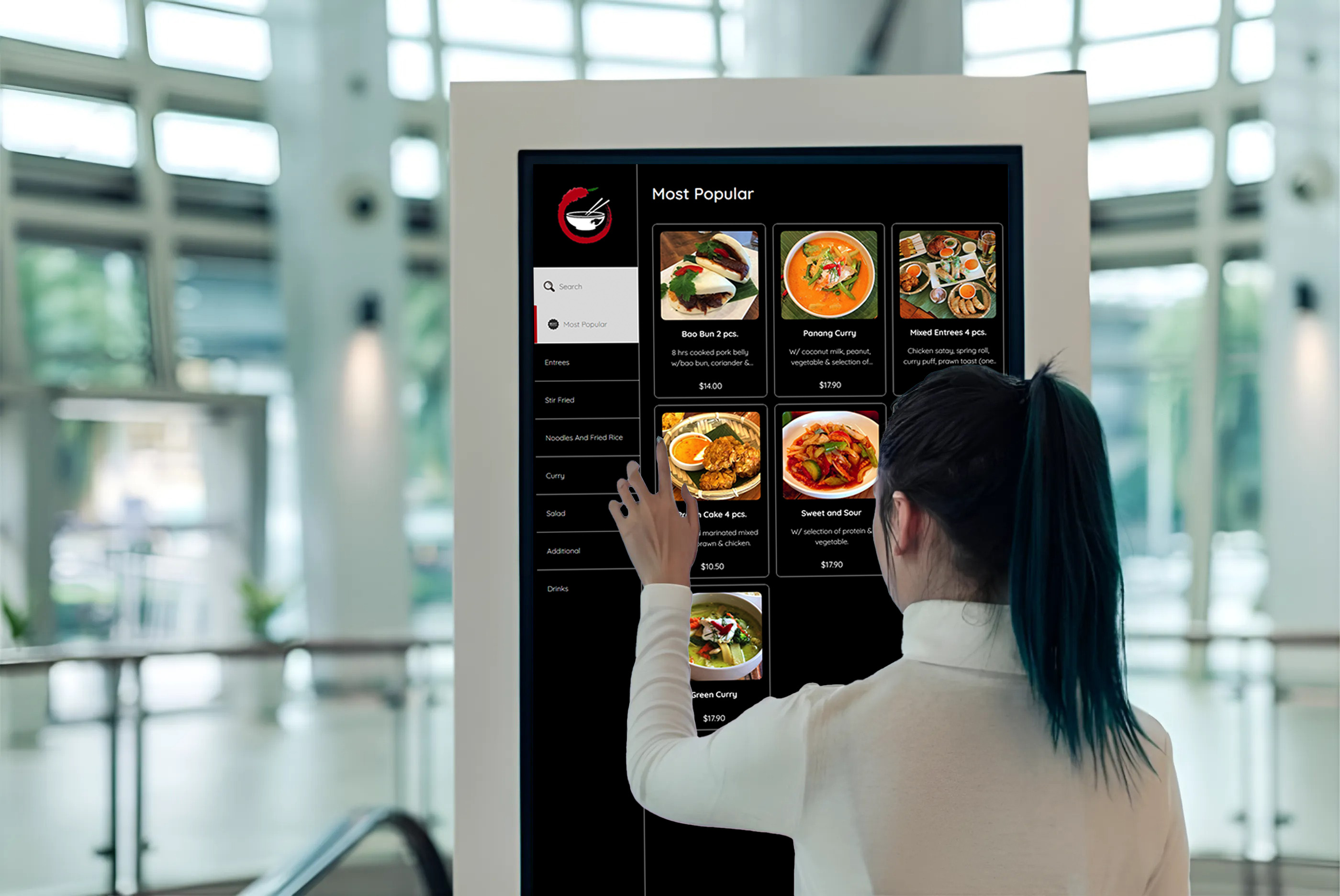
Interactive menus help customers customize meals easily, which works particularly well in QSR environments.
Integration with POS Systems
A kiosk should integrate seamlessly with your POS system, kitchen display systems, and payment gateways.
Final Verdict – Which One Fits Your Business?
Both restaurant models can benefit from kiosk technology, but the impact varies.
For quick-service restaurants, a self-service kiosk for QSR is almost essential for improving speed, increasing order value, and managing high customer volumes.
Full-service restaurants may not rely on kiosks as heavily, but they can still use them strategically for takeaway orders, queue management, and hybrid service models.
Ultimately, the decision depends on your operational goals, customer expectations, and growth strategy.
As restaurant technology continues evolving, kiosks are becoming a core part of modern dining experiences—whether in fast-paced QSR environments or more traditional full-service restaurants.


.webp)











.png)

















.webp)


