While digital food delivery is a multi-billion dollar industry, many eateries struggle to turn clicks into sales. High cart abandonment, clunky user interfaces, and poor point-of-sale (POS) integrations are just a few reasons why online ordering fails for restaurants. By identifying these pitfalls and streamlining the customer journey, operators can significantly boost their conversion rates and customer loyalty.
The Landscape: What, Why, and How
What is Happening in Digital Dining?
The restaurant industry has undergone a massive digital transformation. In fact, the global online food delivery market reached an estimated $288 billion in 2024, proving that digital ordering is no longer just a luxury—it is a baseline expectation. An online ordering system is the digital storefront that allows customers to browse menus, customize meals, and pay securely from their personal devices.
Why Do Some Systems Underperform?
Despite this explosive growth, many operators face persistent restaurant online ordering problems. Why? Well, because having an app and web-based menu alone simply won’t cut it. An ill-integrated, overly complicated, and cumbersome process that bombards users with modifiers and other similar items causes friction. And what’s the result? Lost money, since the typical cart abandonment rate for food ordering can reach as high as 63% to 74% according to recent 2025 benchmarks.
How Can You Fix It?
To thrive, you need to understand the common mistakes in online ordering systems. In this guide, we will explore the background of these digital pitfalls, explain why integration and design matter, and provide actionable tips to improve restaurant ordering experience while avoiding critical errors.
Background: The Anatomy of a Successful System
Before diving into the mistakes, it is crucial to understand what makes online ordering for restaurants actually work. A high-performing system relies on three core pillars:
- The User Interface (UI): The visual layout and navigation your customer interacts with.
- The Backend Integration: How the digital storefront communicates with your kitchen's POS system.
- The Data Engine: The analytics that track customer behavior, average order value, and abandonment rates.
When these three elements are out of sync, problems arise. Customers expect a seamless journey. If your backend doesn't sync with your front end in real-time, customers might order out-of-stock items, leading to immediate frustration and cancellations.
The Biggest Restaurant Online Ordering Problems
1. Clunky and Long Checkout Processes
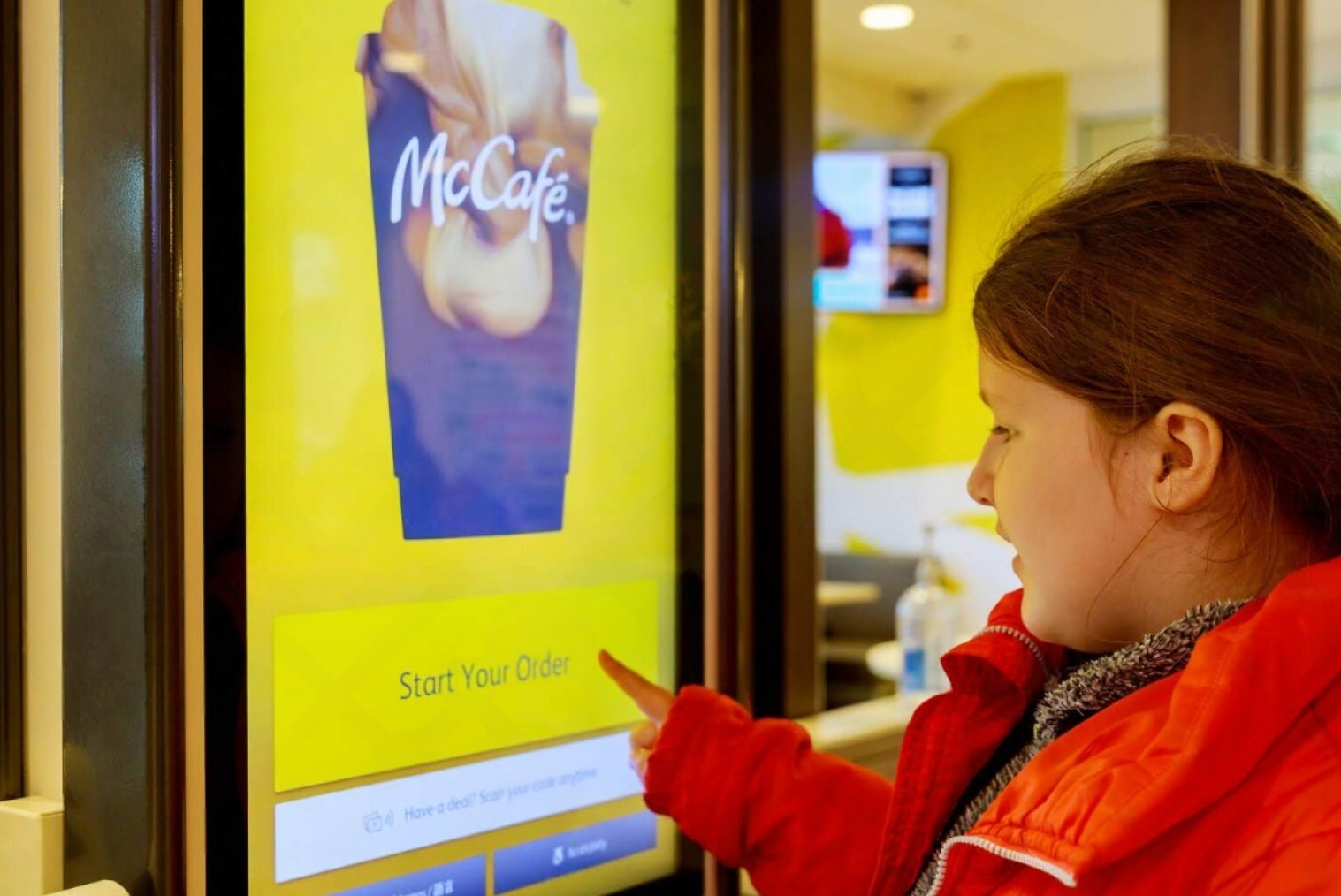
One of the most frequent reasons why online ordering fails for restaurants is a cumbersome checkout flow. Modern diners are hungry and impatient. If your system forces them to create an account, verify an email, or navigate through five different screens just to order a pizza, they will bounce to a competitor.
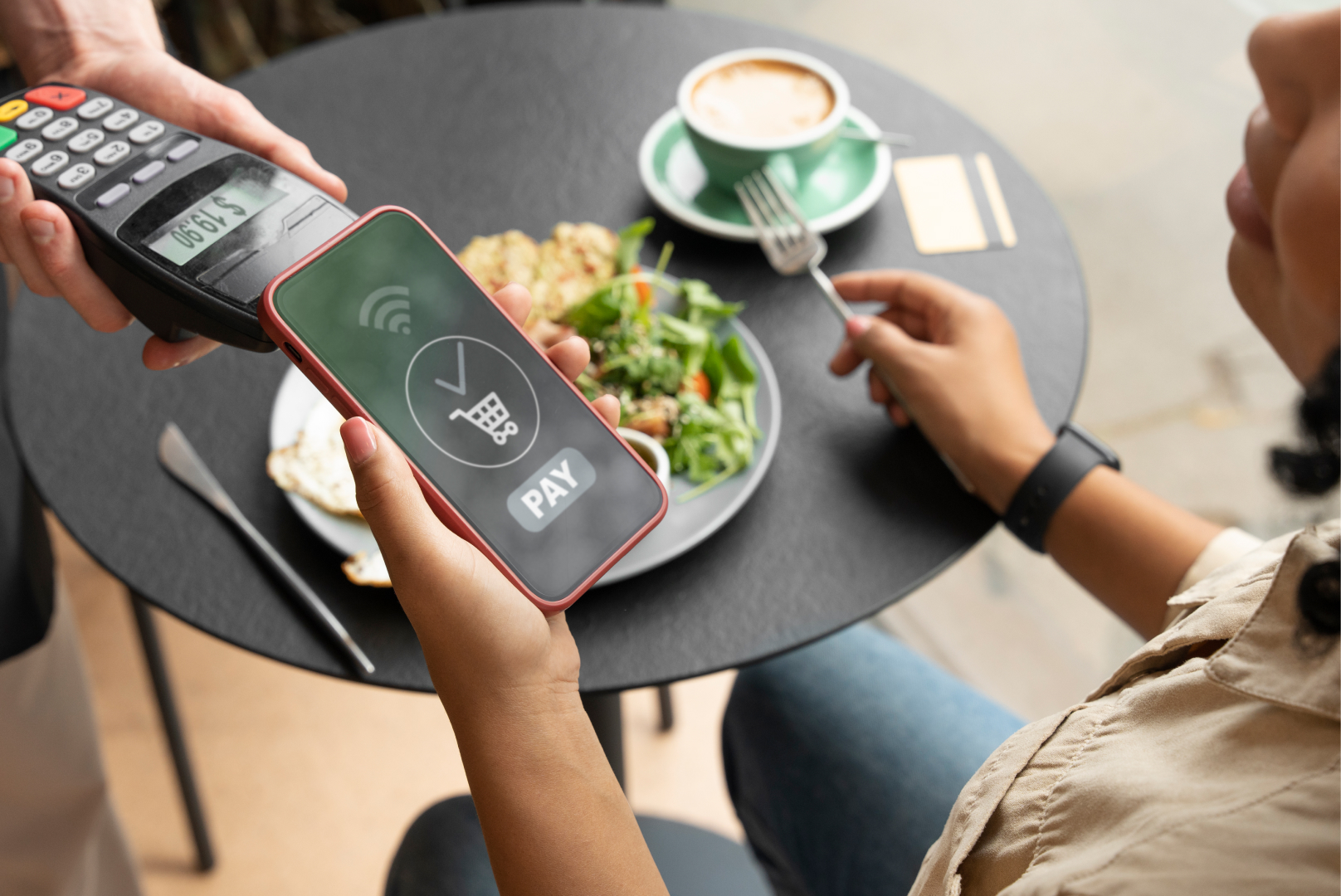
- The Fix: Offer guest checkout options by default. Allow quick payments through digital wallets like Apple Pay or Google Wallet to reduce keystrokes.
2. Disconnected POS Integrations
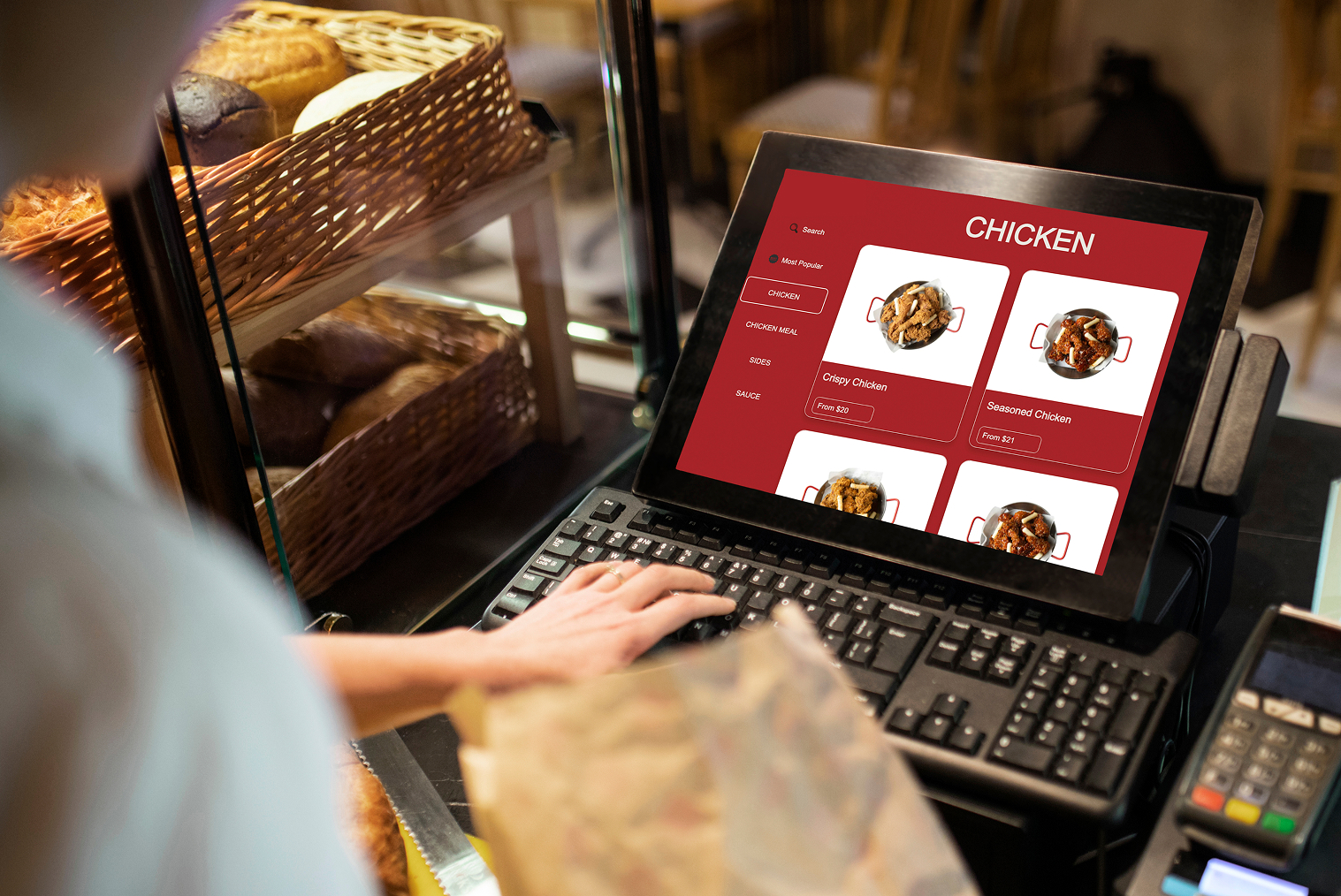
Nothing damages a restaurant's reputation faster than inaccurate orders or massive delays. When a digital order has to be manually re-entered into the POS system by a staff member, the margin for human error skyrockets.
- The Data: Research shows that 86% of customers hesitate to return to a business after a single poor online experience.
- The Fix: Invest in two-way POS integration where online orders fire directly to the kitchen display system (KDS) and inventory syncs automatically.
3. Menu Overload and Lack of Personalization
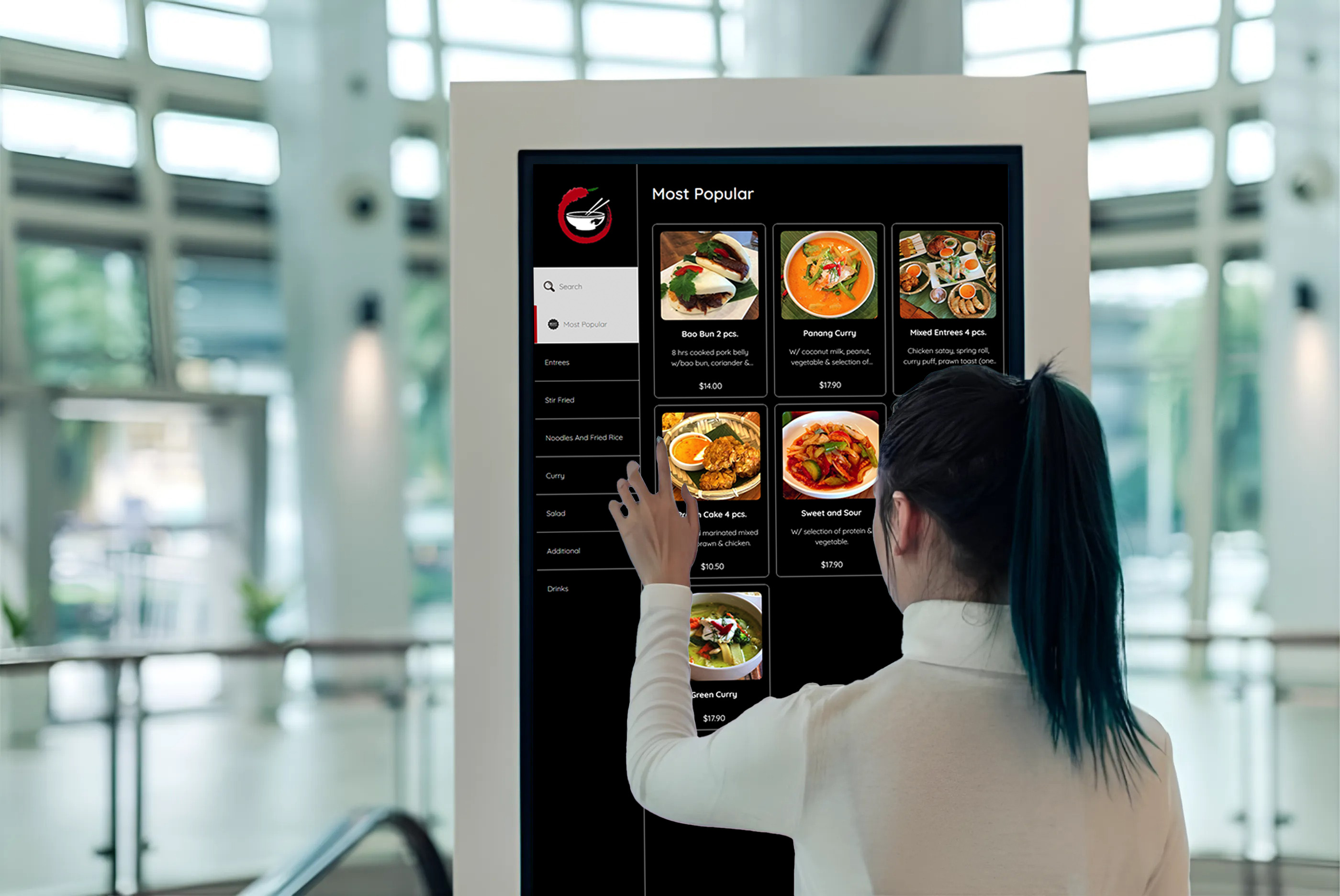
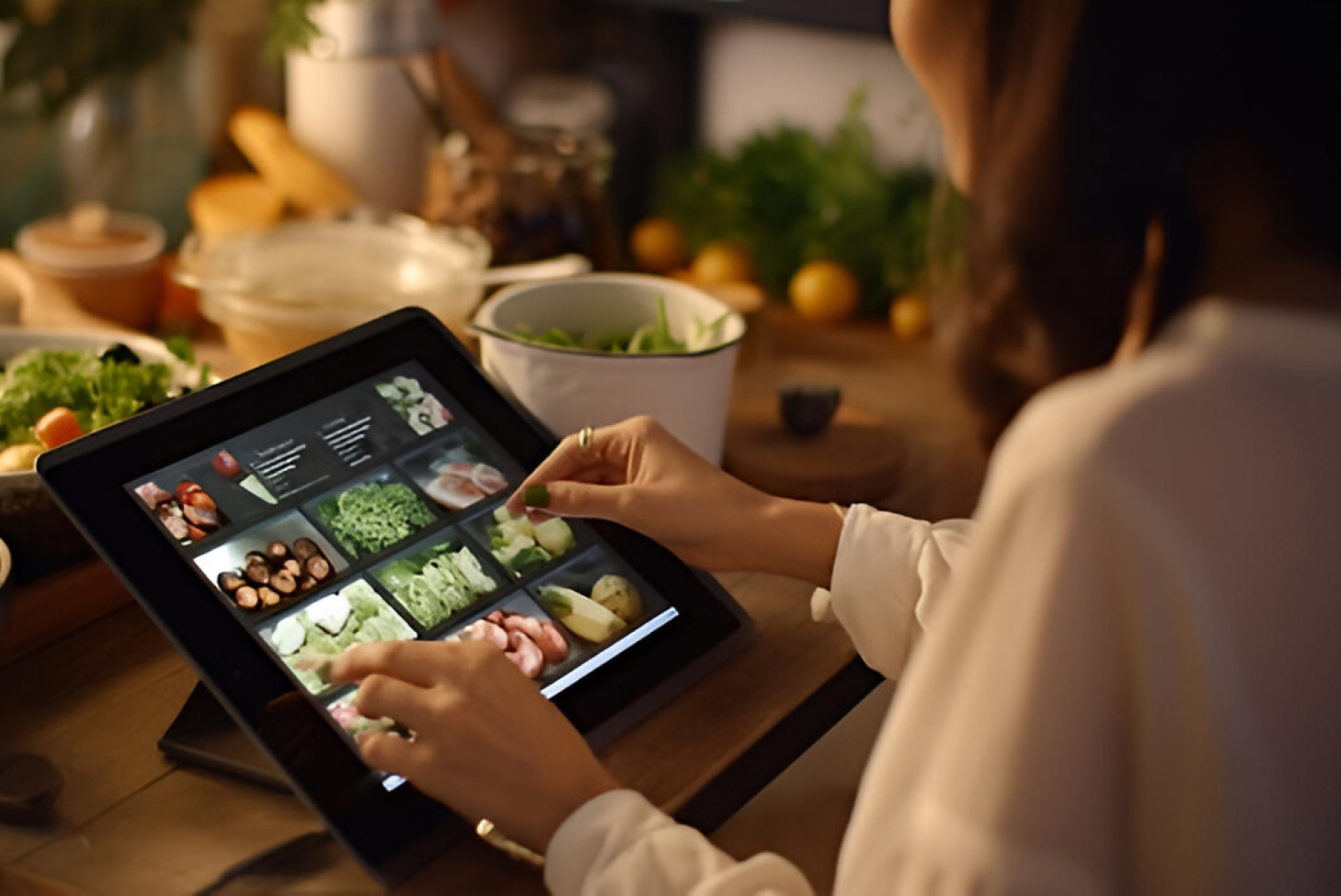
Offering a massive menu with dozens of complicated modifiers creates "analysis paralysis." Common mistakes in online ordering systems include treating the digital menu exactly like the physical dine-in menu. A PDF menu uploaded to a website is not an online ordering system.
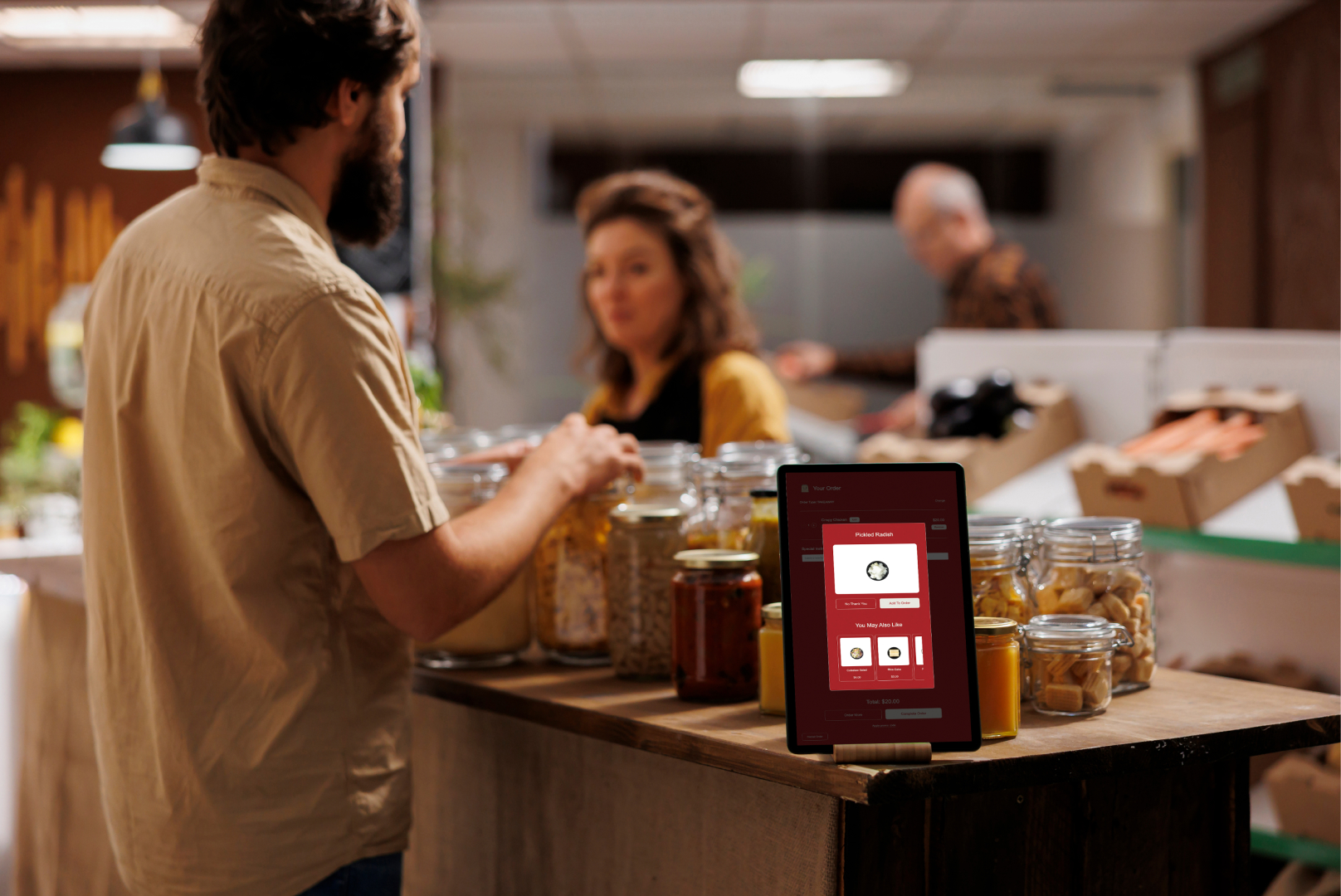
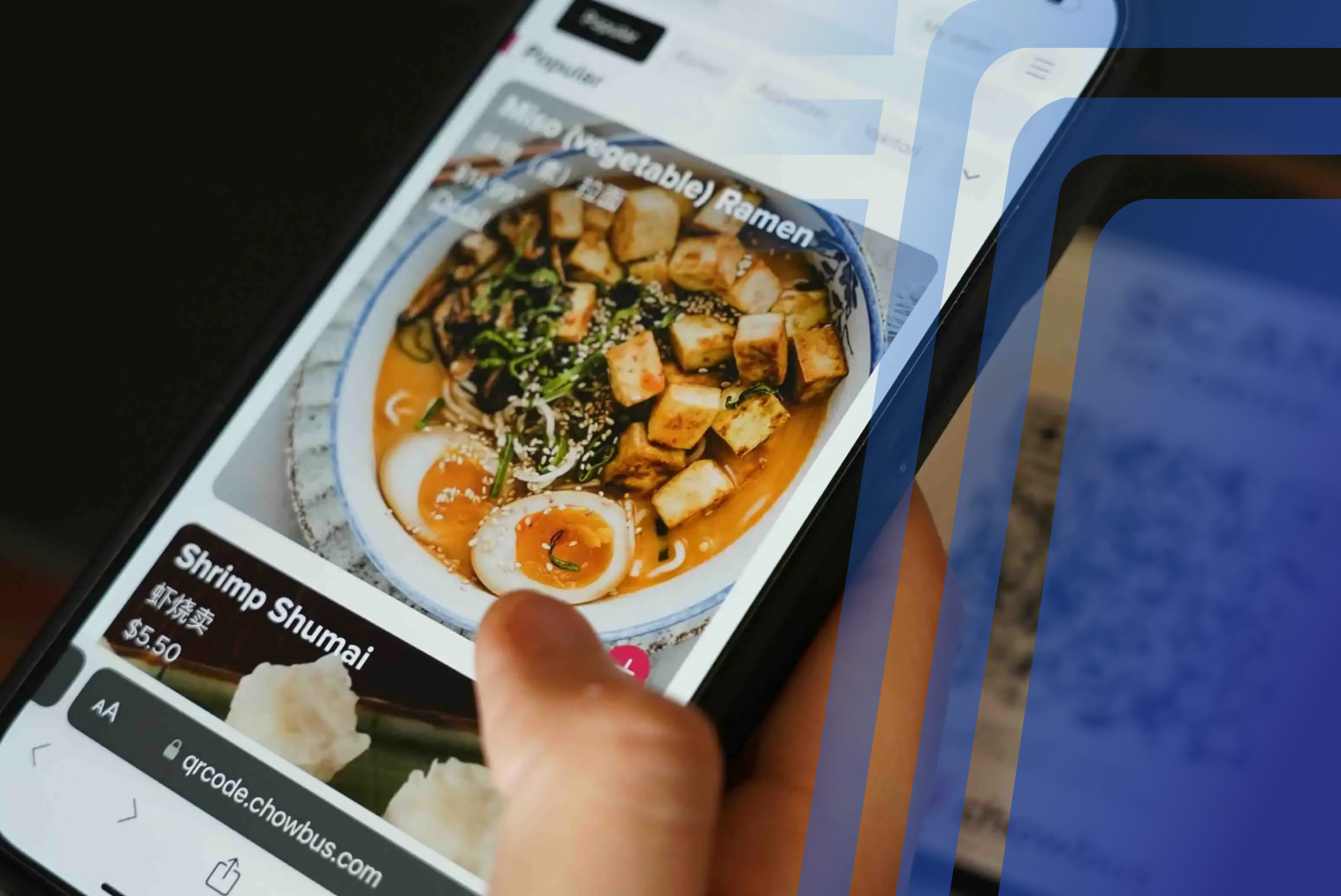
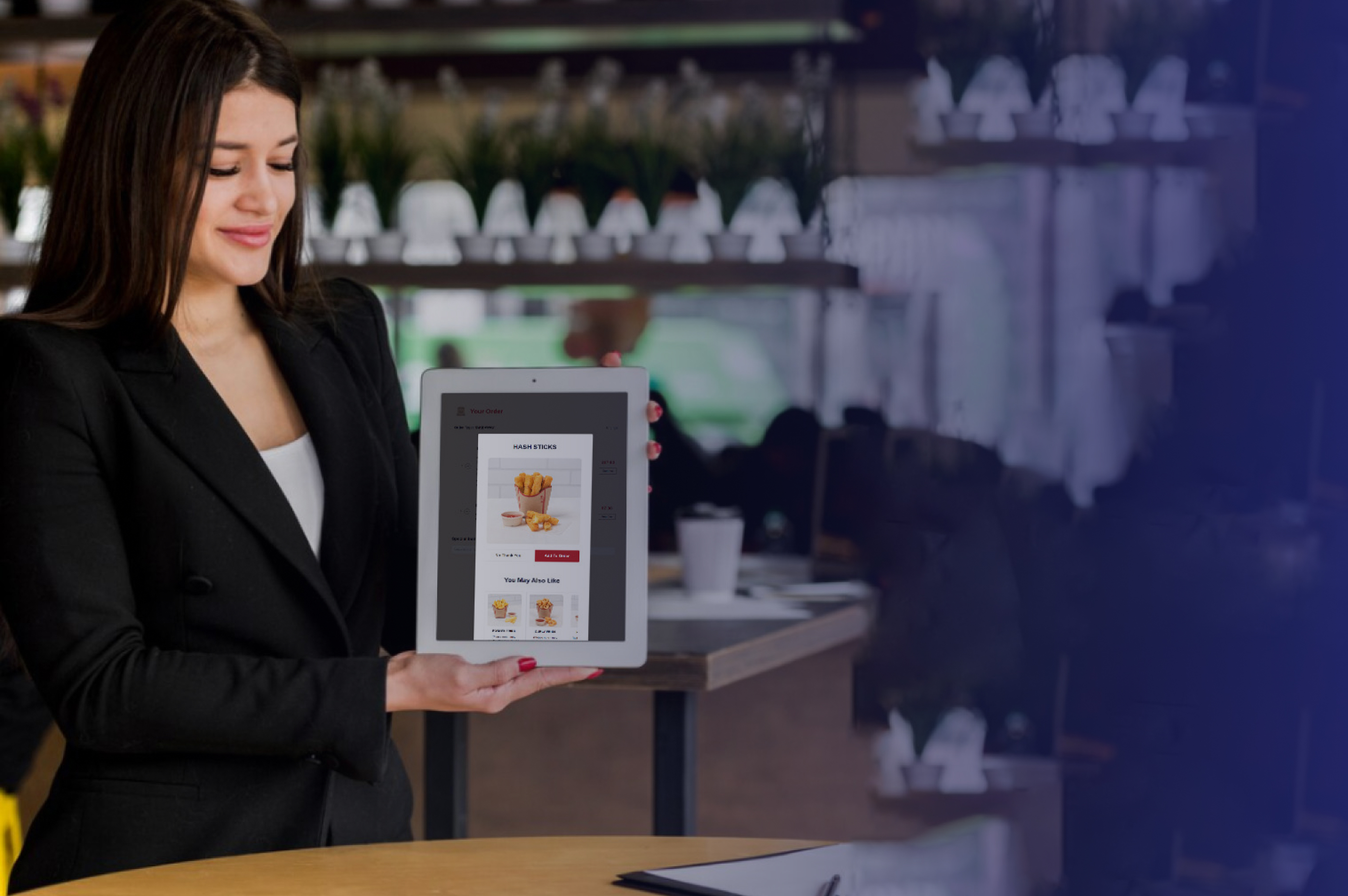
- The Fix:Categorize foods properly (example: "Popular Foods," "Finger Food"). Personalized upselling is more advisable than giving your customers too many choices all at once; suggest drinks that would complement the food they have selected.
Summary: Elevating the Digital Dining Experience
Avoiding restaurant online ordering problems ultimately comes down to respecting the customer's time and your staff's workflow. By prioritizing real-time POS integration, simplifying the menu layout, and removing checkout friction, you can turn a failing digital platform into a highly profitable, stress-free revenue stream.If your restaurant is struggling with online ordering performance, a unified platform like Tabin can help streamline operations, reduce errors, and deliver a seamless customer experience across all channels. Get in touch to learn how it can work for your business.
Frequently Asked Questions (FAQs)
Q1. How do integration issues affect order accuracy?
When online platforms don't integrate directly with a restaurant's POS, staff must manually re-enter digital orders into the system. This extra step drastically increases the likelihood of typos, missed modifiers, and ultimately, incorrect meals reaching the customer.
Q2. Can too many choices reduce online order conversions?
Yes. Too many choices cause cognitive overload, often referred to as analysis paralysis. When customers are faced with endless, uncategorized options and complex modifiers, they take longer to decide and are much more likely to abandon their carts.
Q3. Why is real-time order syncing critical for restaurants?
Real-time syncing ensures that the online menu perfectly reflects the actual kitchen inventory. If an item sells out in-house, real-time syncing immediately removes it from the digital menu, preventing customers from ordering unavailable items and saving staff from having to issue frustrating refunds.
Q4. How important is personalisation in online ordering systems?
Personalization is vital for driving repeat business and boosting ticket sizes. Features like saving past orders for one-click reordering, or intelligently recommending complementary items based on current cart contents, make the ordering process faster and far more enjoyable for the user.


.webp)












.png)















.webp)


