The takeaway restaurant industry in New Zealand is increasingly using digital ordering technology in order to enhance efficiency and cope with increasing demands from customers. A self-ordering kiosk for takeaway restaurants allows customers to browse menus, customize items, and pay without waiting at the counter. These systems are particularly useful for high-volume takeaway businesses such as fish & chips shops, burger outlets, Asian takeaways, and quick-service cafés. As labour costs rise and digital ordering becomes the norm, a takeaway kiosk helps restaurants operate more efficiently while improving the customer experience across busy New Zealand locations.
What Are Self-Ordering Kiosks for Takeaway Restaurants?
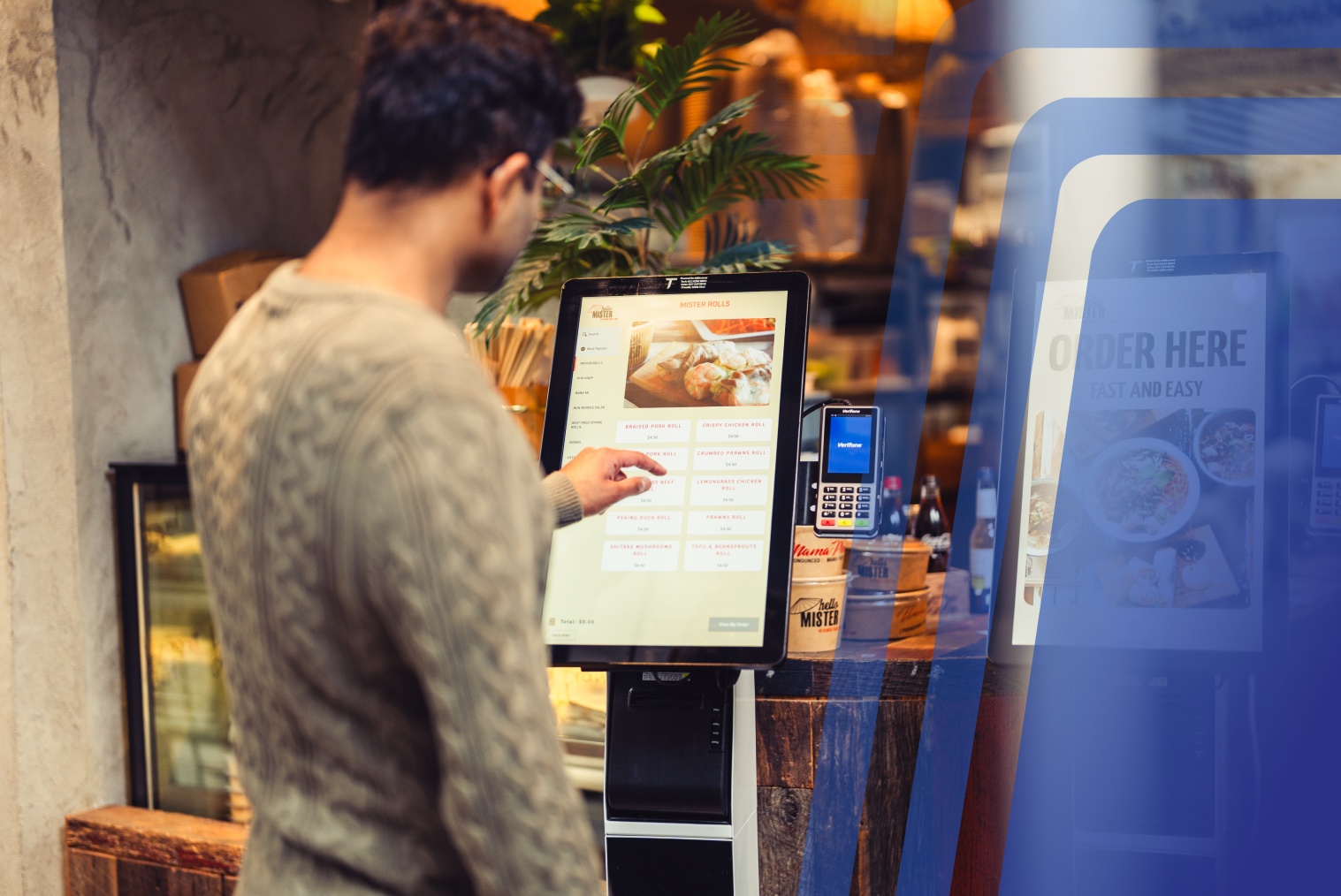
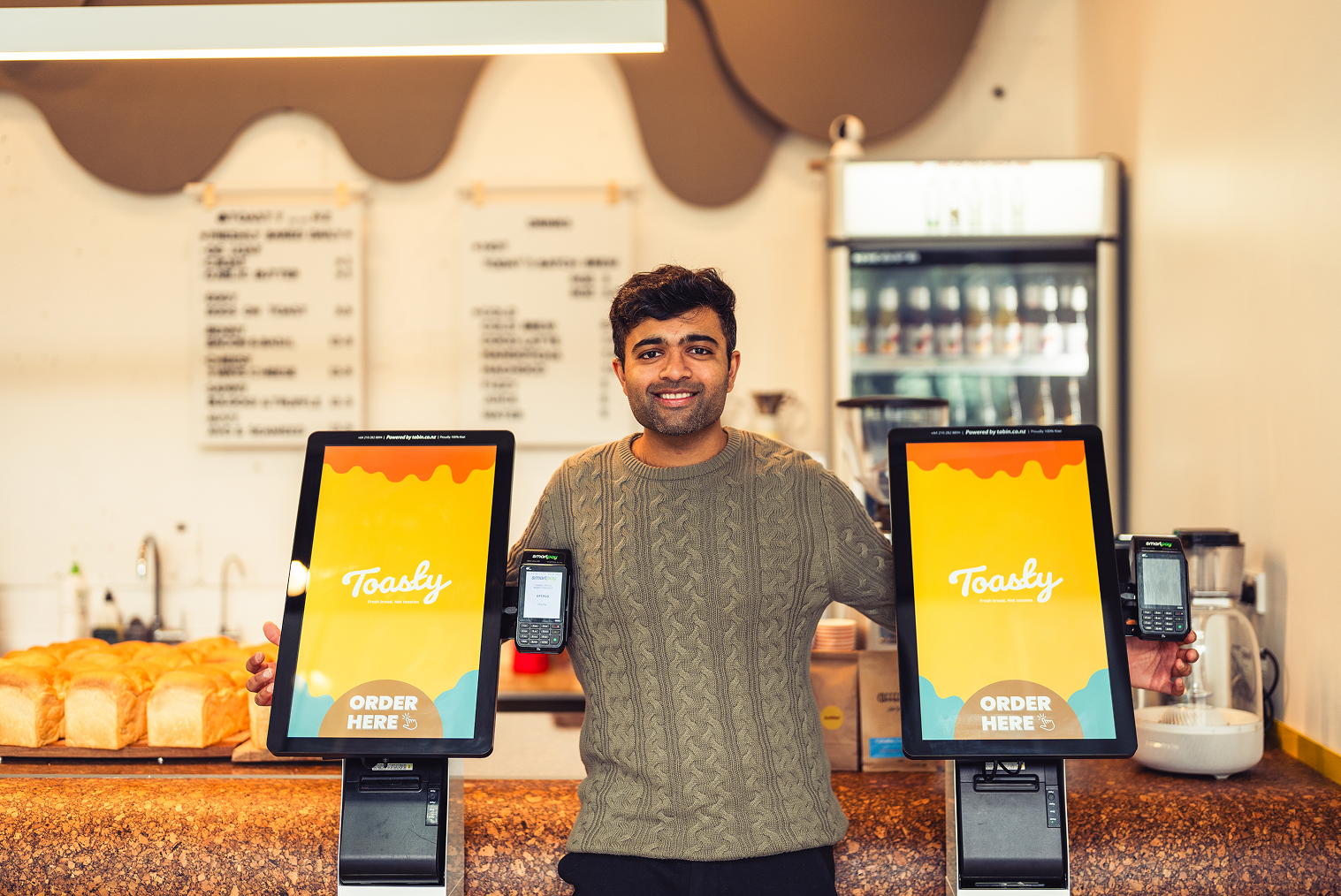
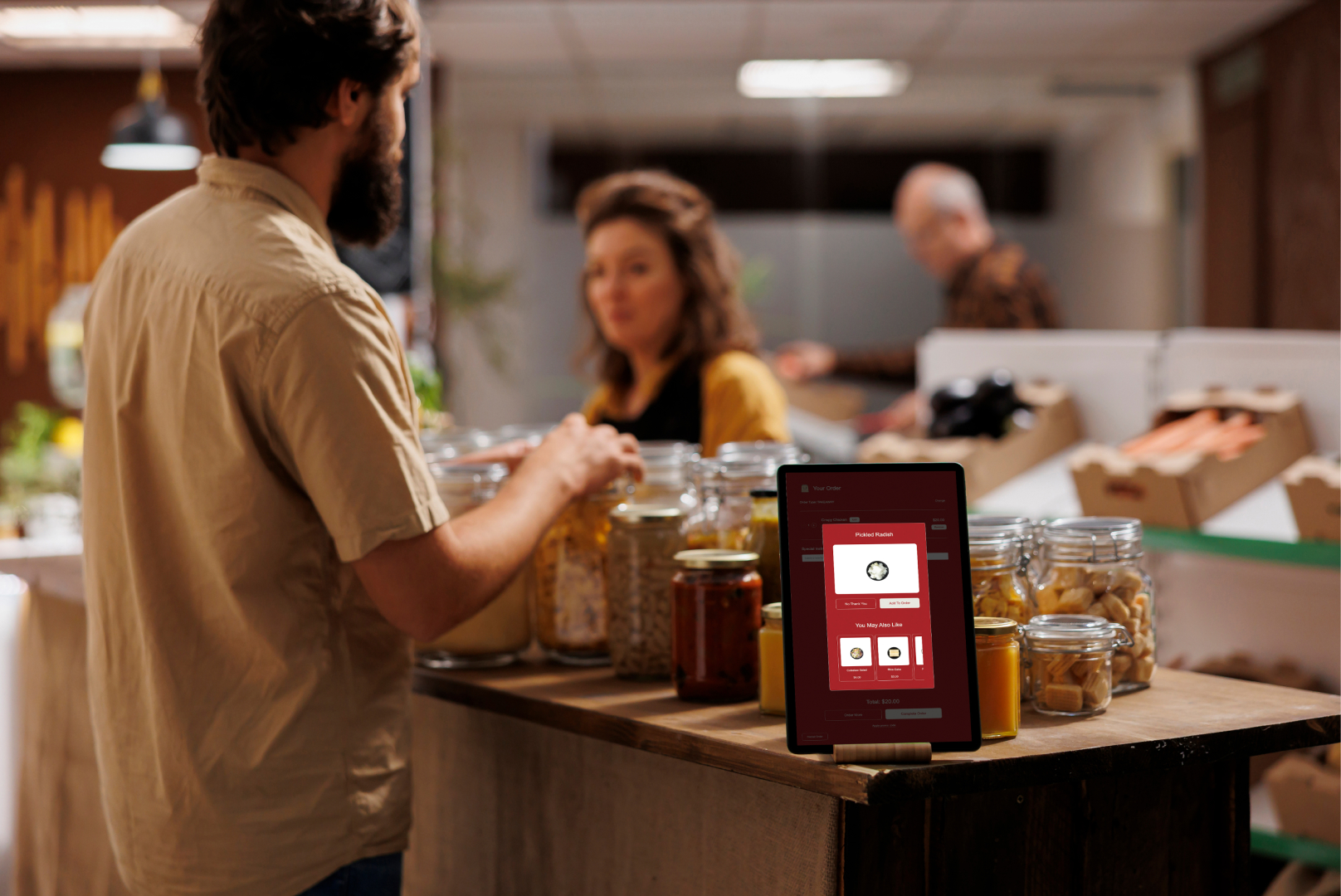
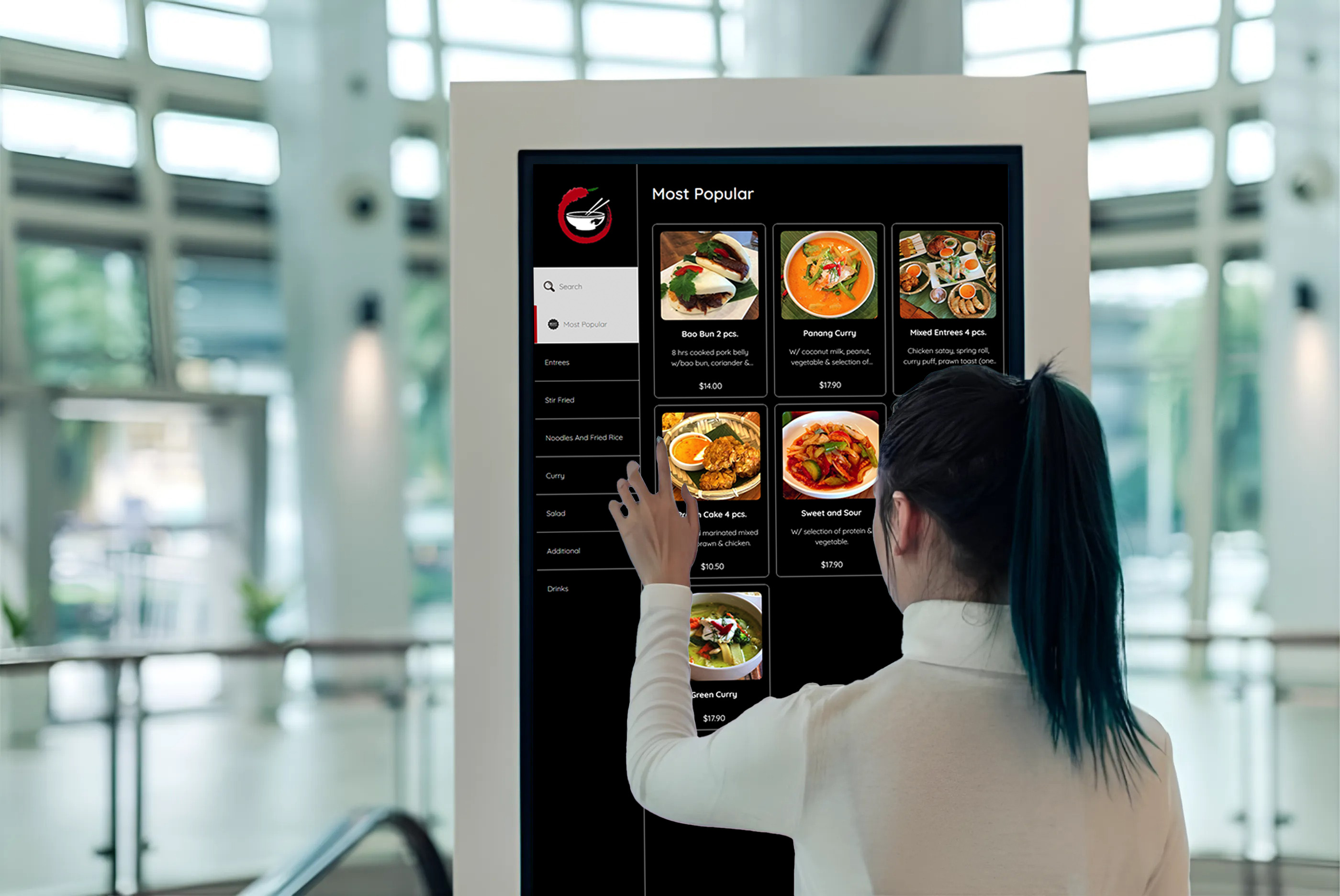
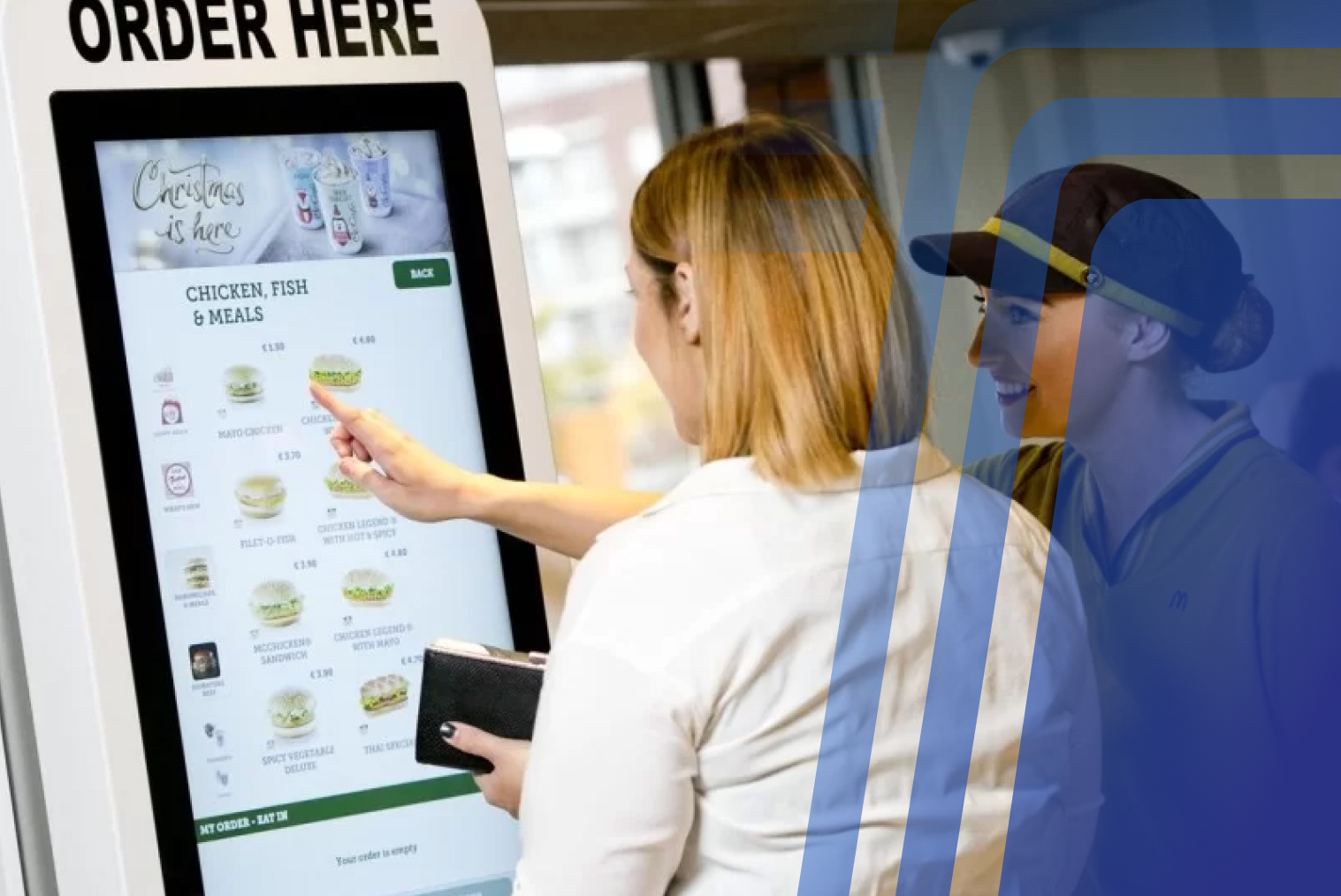
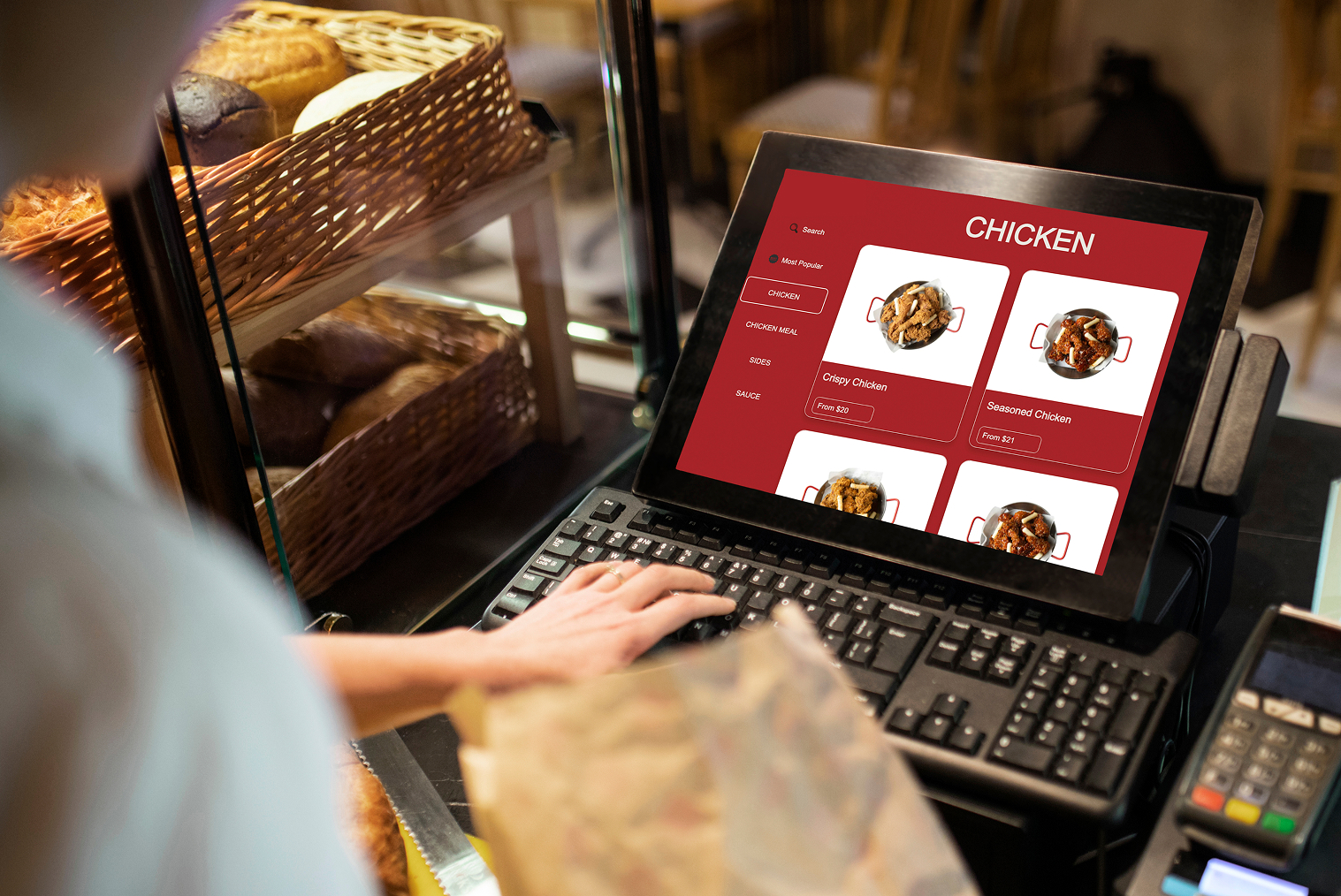
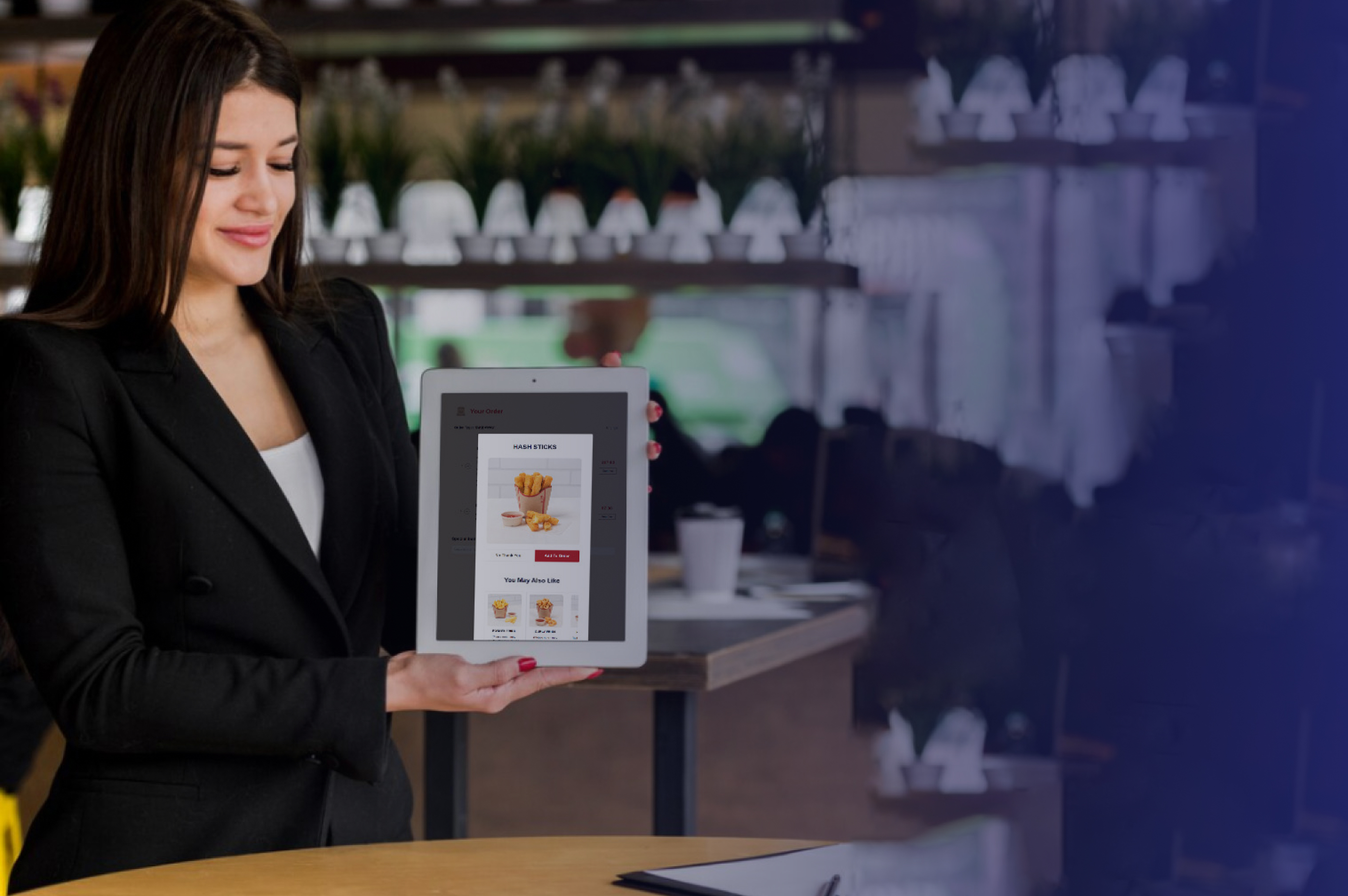
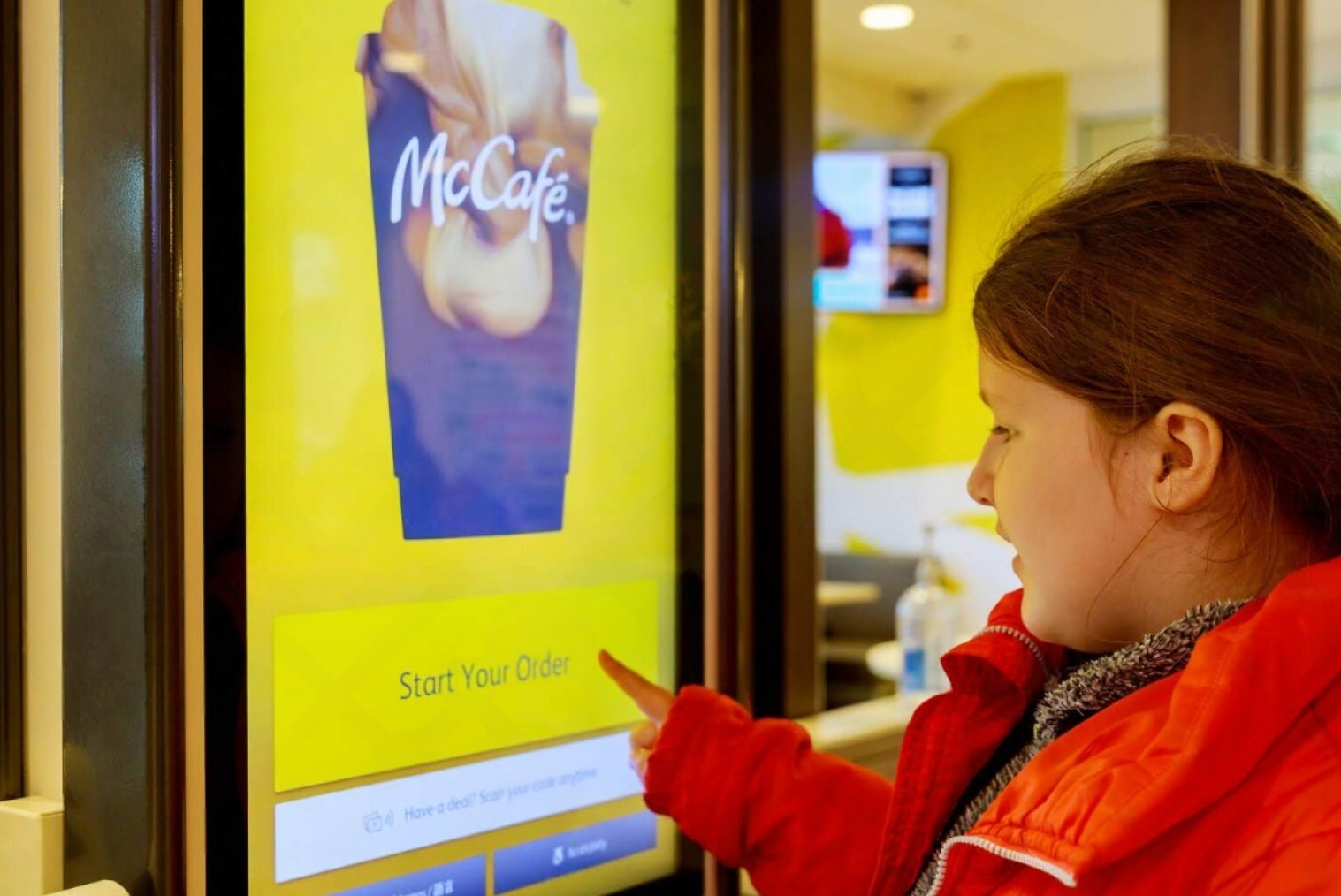
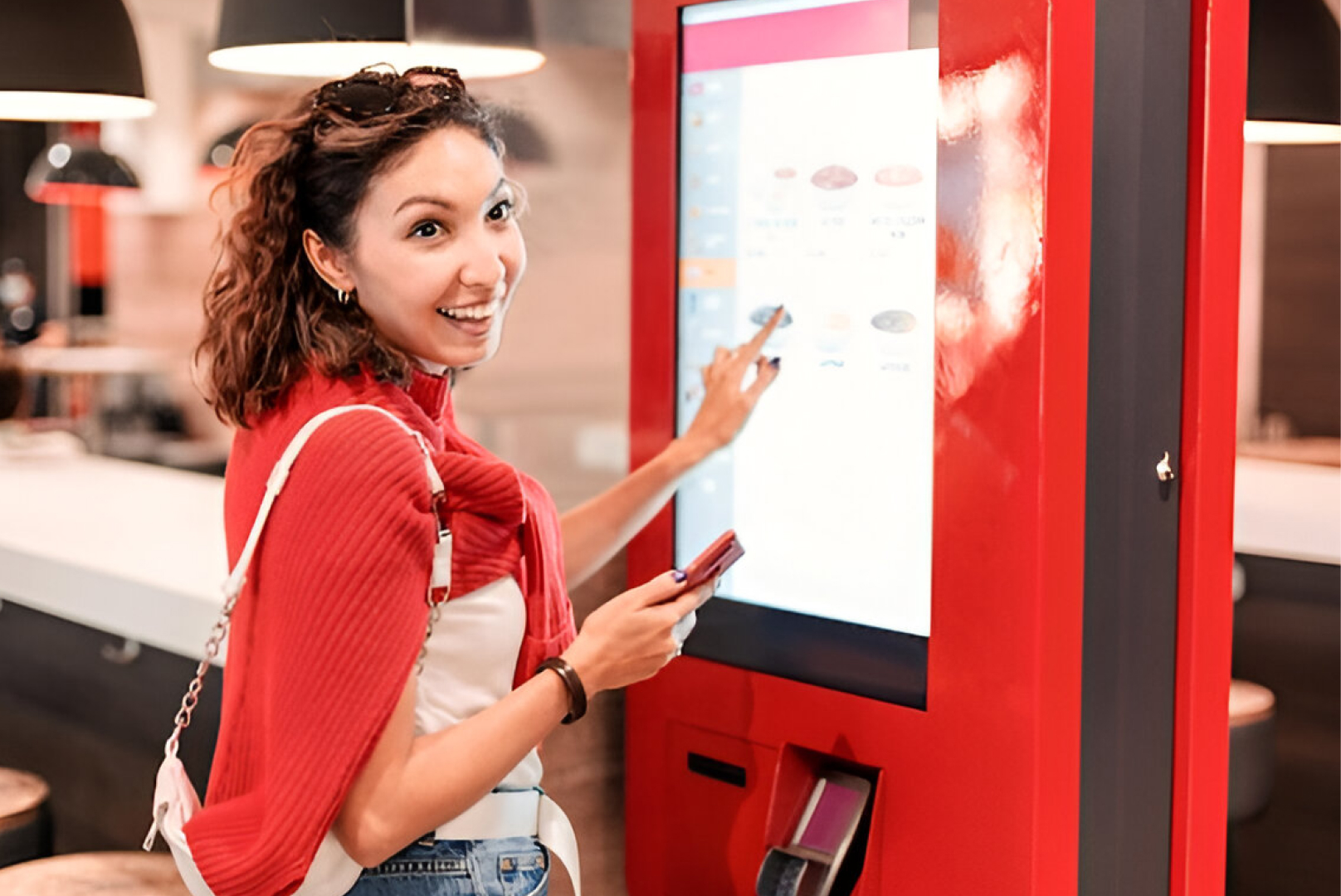
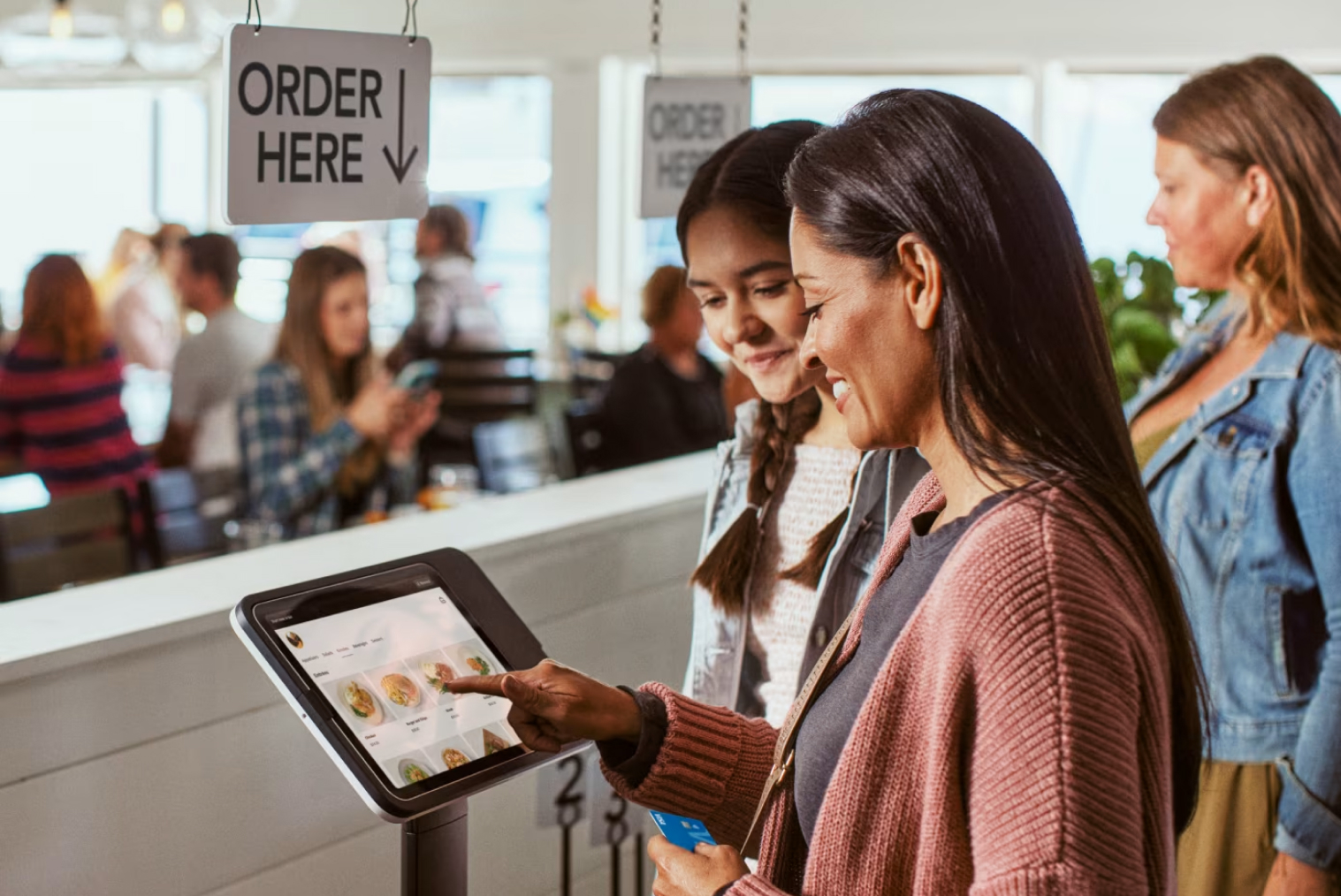
A takeaway ordering system using self-service kiosks allows customers to place their own orders through a touchscreen device. The order is automatically sent to the kitchen and integrated with POS systems.
These food ordering kiosks for takeaways typically include:
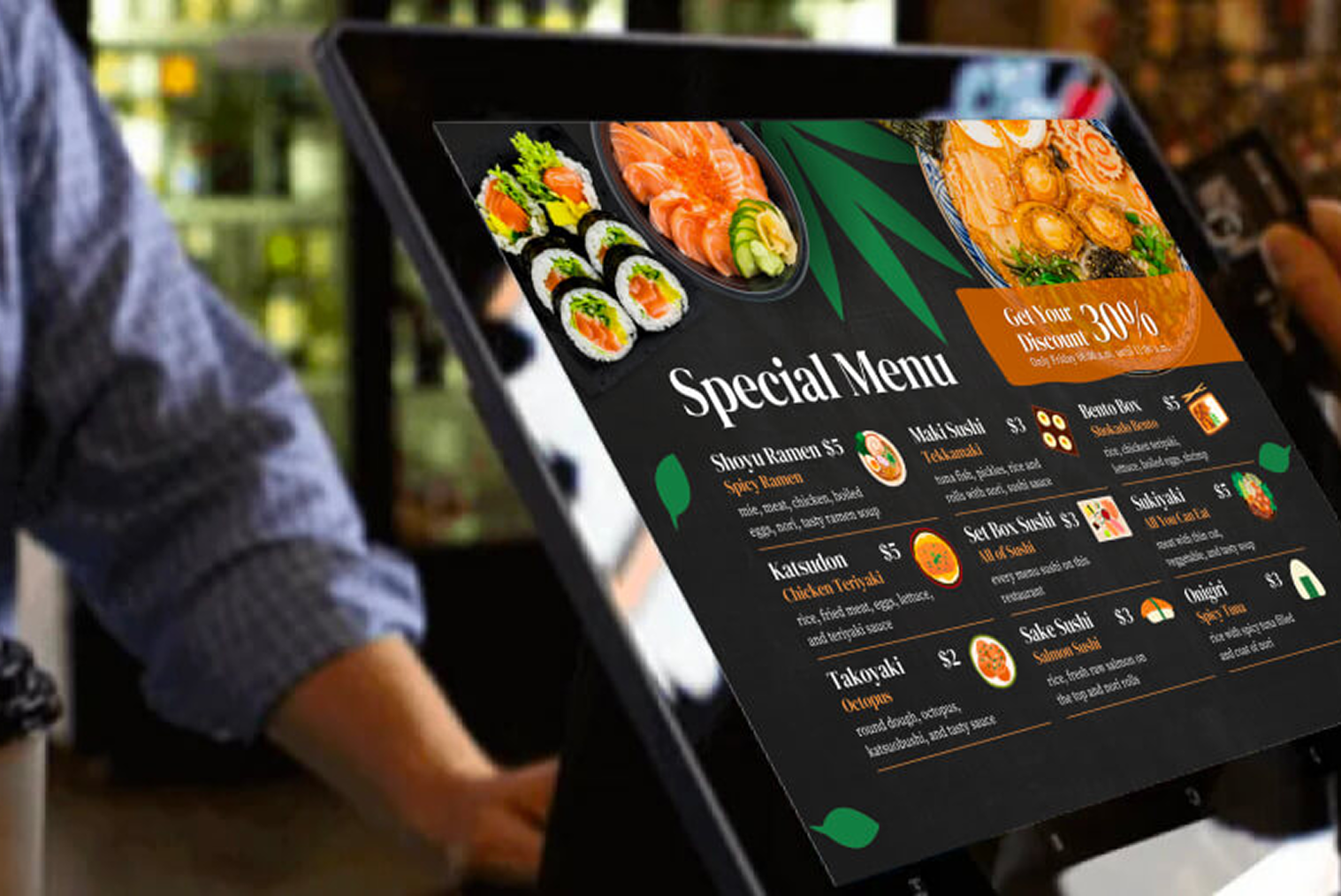
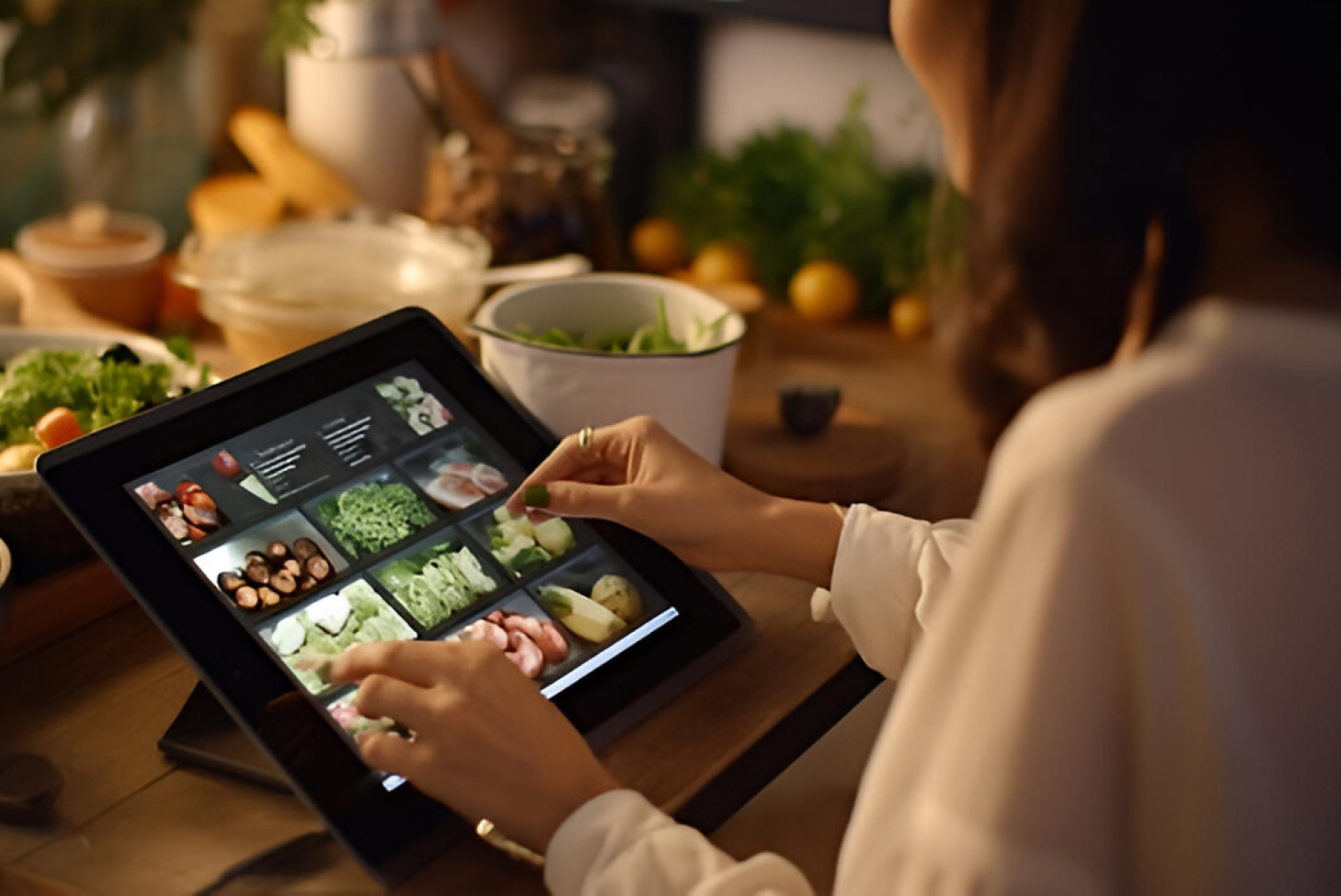
- Digital menu browsing
- Customization options
- Combo suggestions
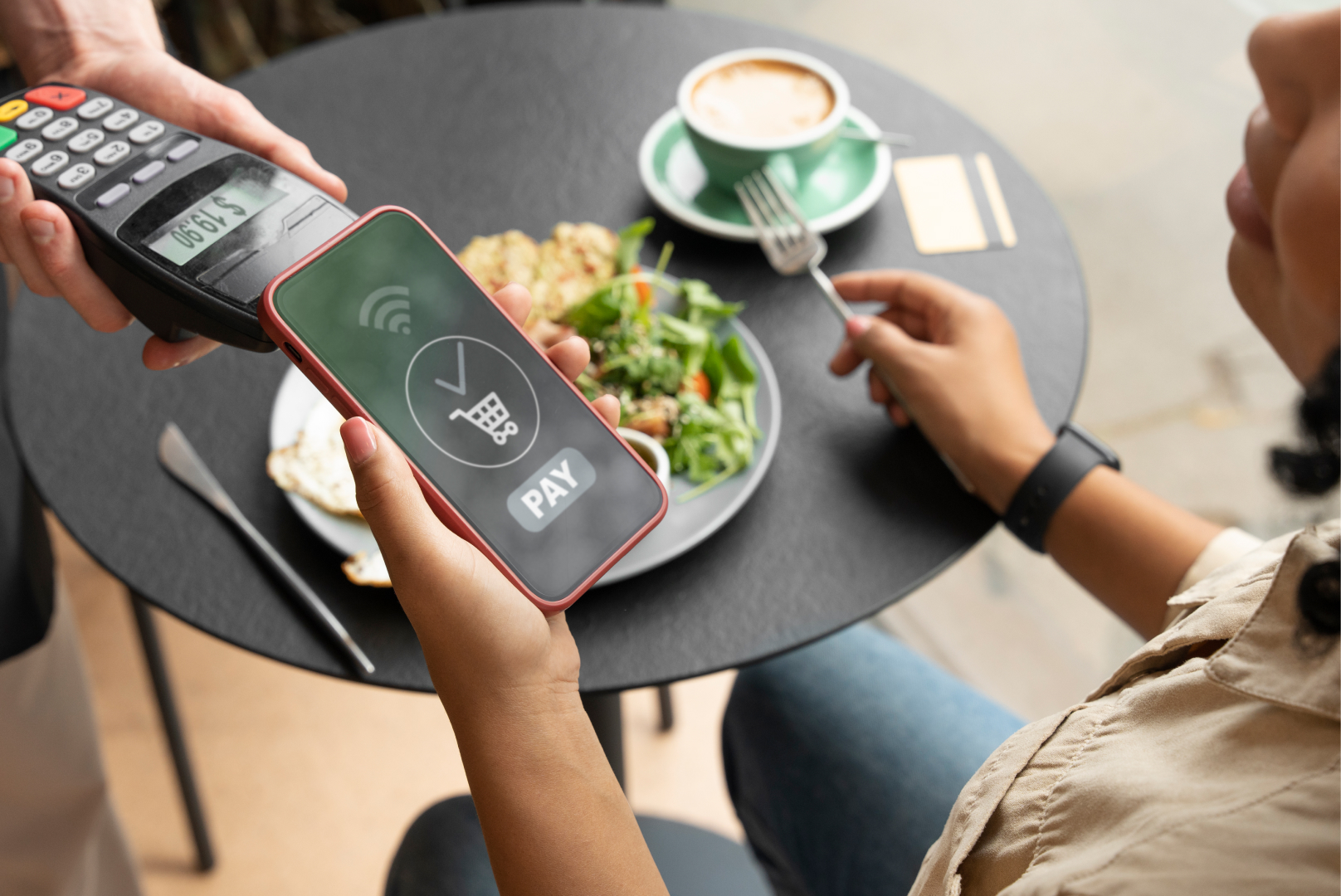
- Contactless payment
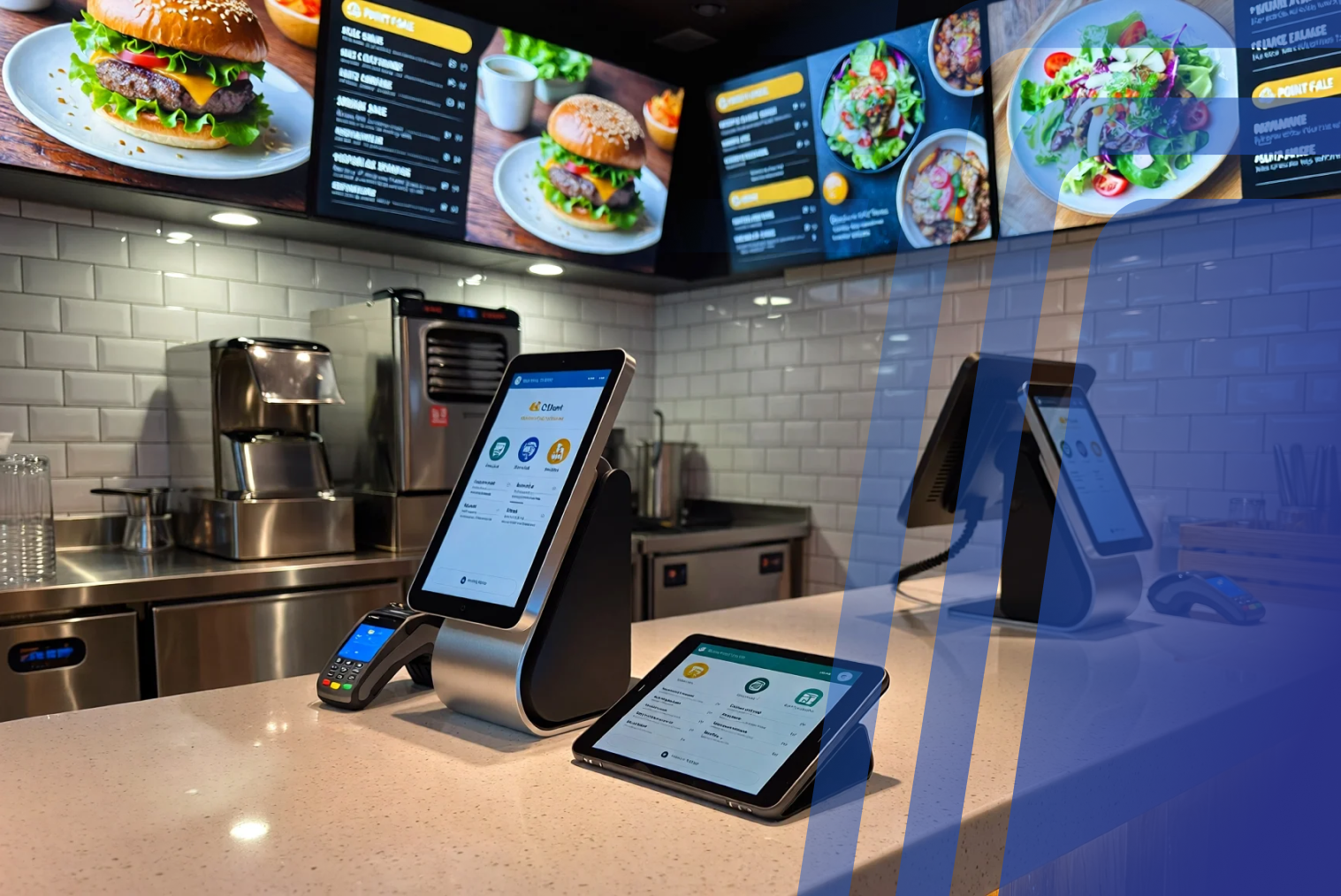
- POS integration
- Order number display
These kiosks are designed specifically for fast-paced takeaway environments where speed and accuracy are critical.
Why Takeaway Restaurants in New Zealand Are Adopting Self-Ordering Kiosks
The demand for digital ordering in New Zealand continues to grow as customers prefer faster and contactless experiences.
According to Statista, online food delivery revenue in New Zealand is projected to exceed US$1.5 billion in 2025 and continue growing toward over US$2 billion by 2030, reflecting strong demand for digital ordering options.
This shift in customer behavior is encouraging takeaway restaurants to adopt takeaway restaurant kiosks NZ to stay competitive.
Surveys from restaurant industry analysts found that customers spend about 8% more at quick-service restaurants and up to 15% more at fast-casual restaurants when ordering through kiosks instead of cashiers.
For takeaway restaurants, this directly translates to higher revenue without increasing staff.
Key Benefits of Self-Ordering Kiosks for Takeaway Restaurants
The self-ordering kiosk for takeaway restaurants offers several operational and financial advantages.
- Faster ordering during peak hours
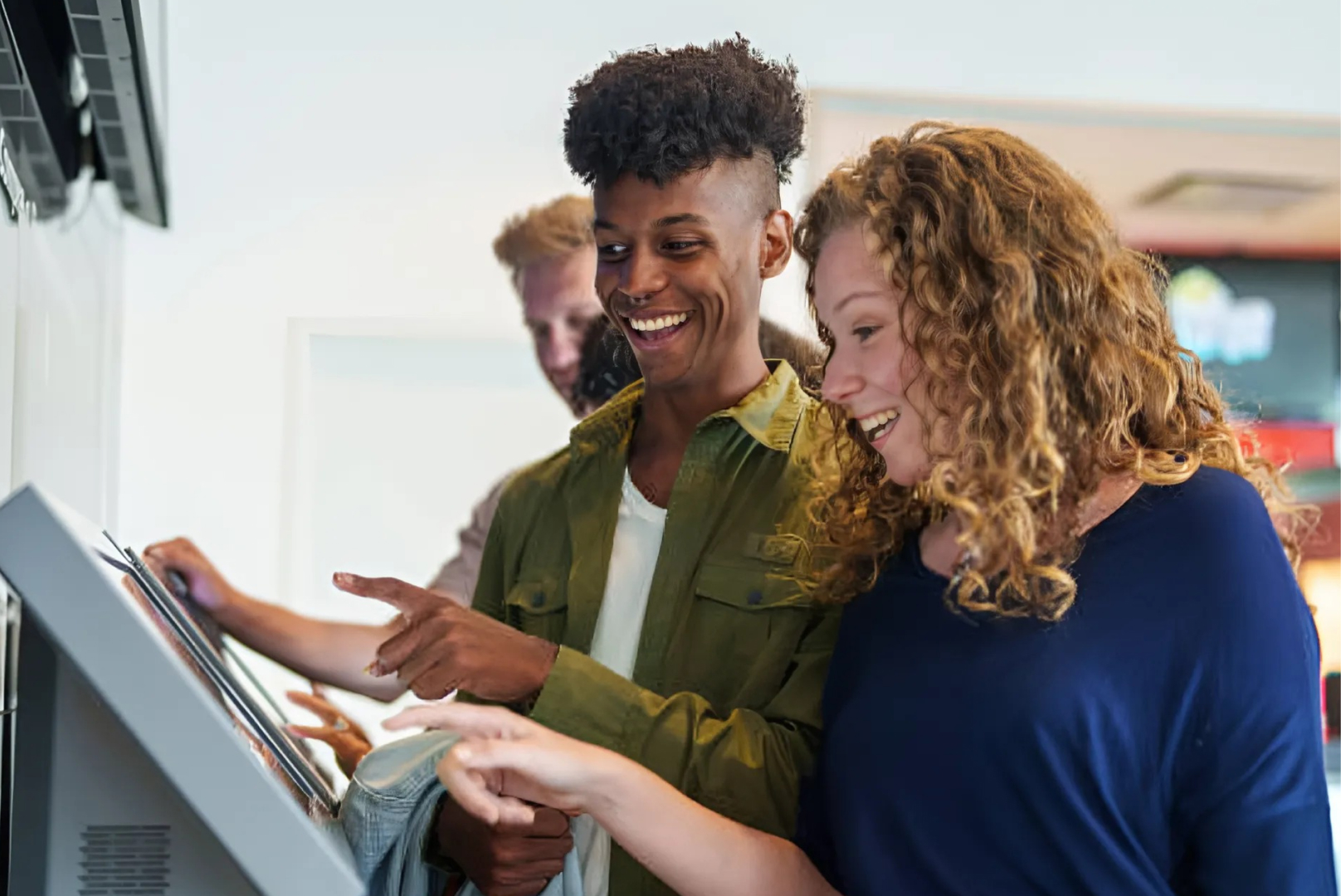
- Reduced queues at the counter
- Increased average order value
- Improved order accuracy
- Lower staff workload
- Contactless payment options
- Better customer experience
- Consistent upselling prompts
- Integration with POS systems
- Support for multiple payment methods
These benefits make takeaway kiosk systems ideal for busy takeaway businesses.
Common Use Cases of Self-Ordering Kiosks in Takeaway Businesses
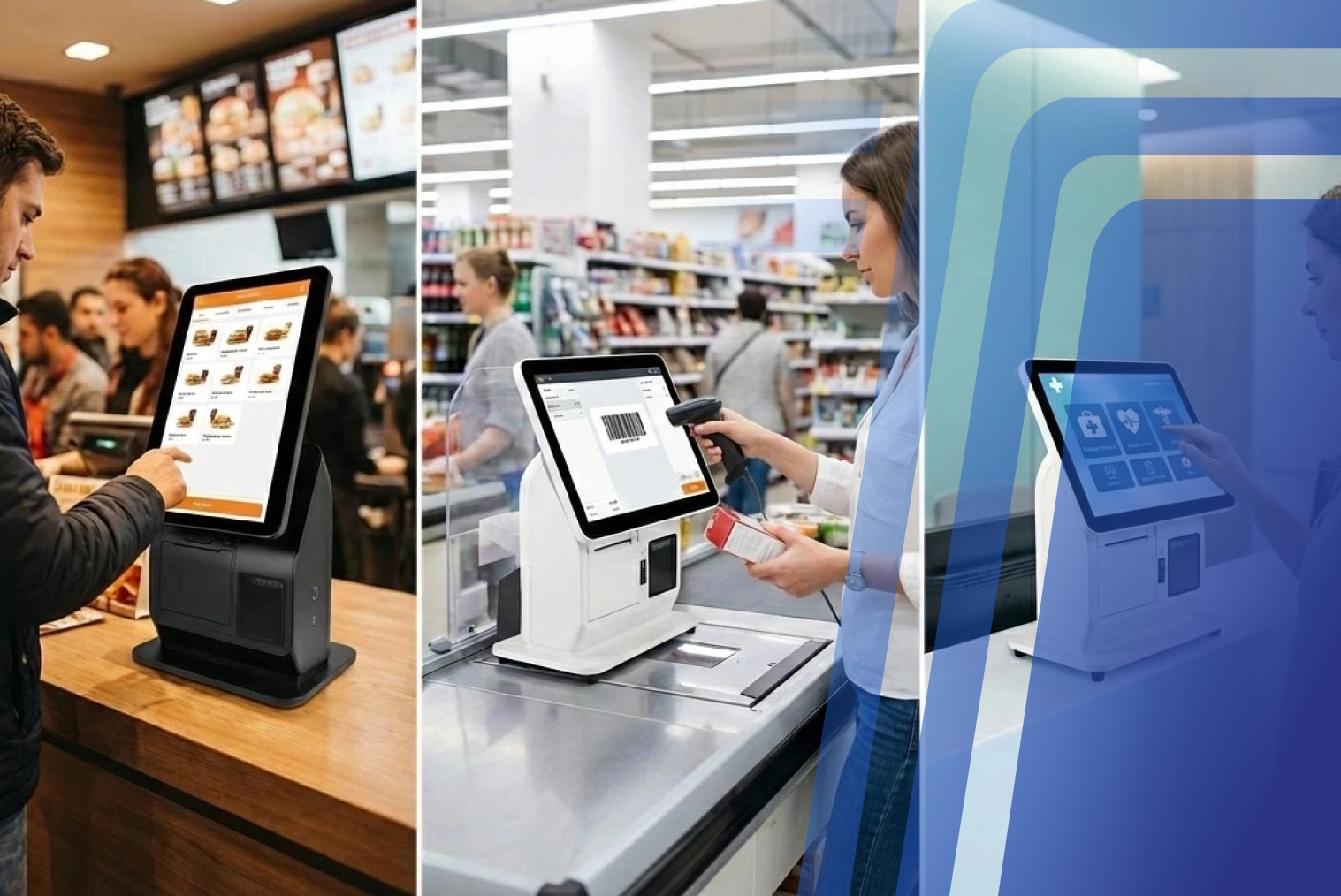
Self-ordering kiosks can be used in multiple takeaway scenarios.
1. Quick-Service Takeaway Shops
Customers place orders quickly and collect when ready.
2. Food Court Takeaways
Kiosks reduce long lines during lunch and dinner rush.
3. Fish & Chips Shops
Customers customize combos and extras easily.
4. Asian Takeaway Restaurants
Complex menu items are easier to order through digital menus.
5. Pizza Takeaway Stores
Customers select toppings and sizes visually.
These use cases highlight the flexibility of food ordering kiosks for takeaways.
Features to Look for in a Self-Ordering Kiosk for Takeaway Restaurants
When selecting a takeaway ordering system, restaurants should look for essential features.
1. POS Integration
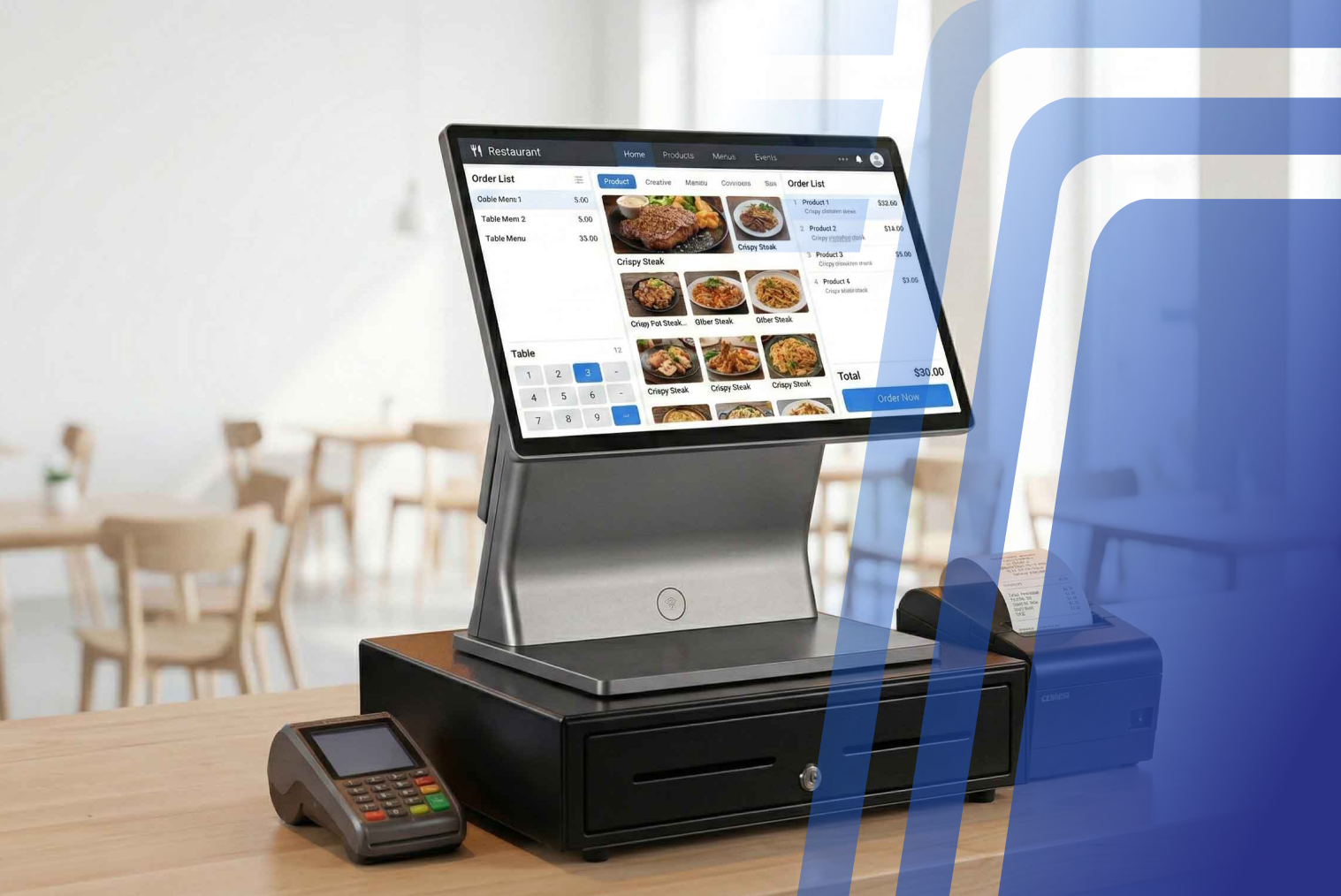
The kiosk should integrate with your POS to send orders directly to the kitchen.
2. Multiple Payment Options
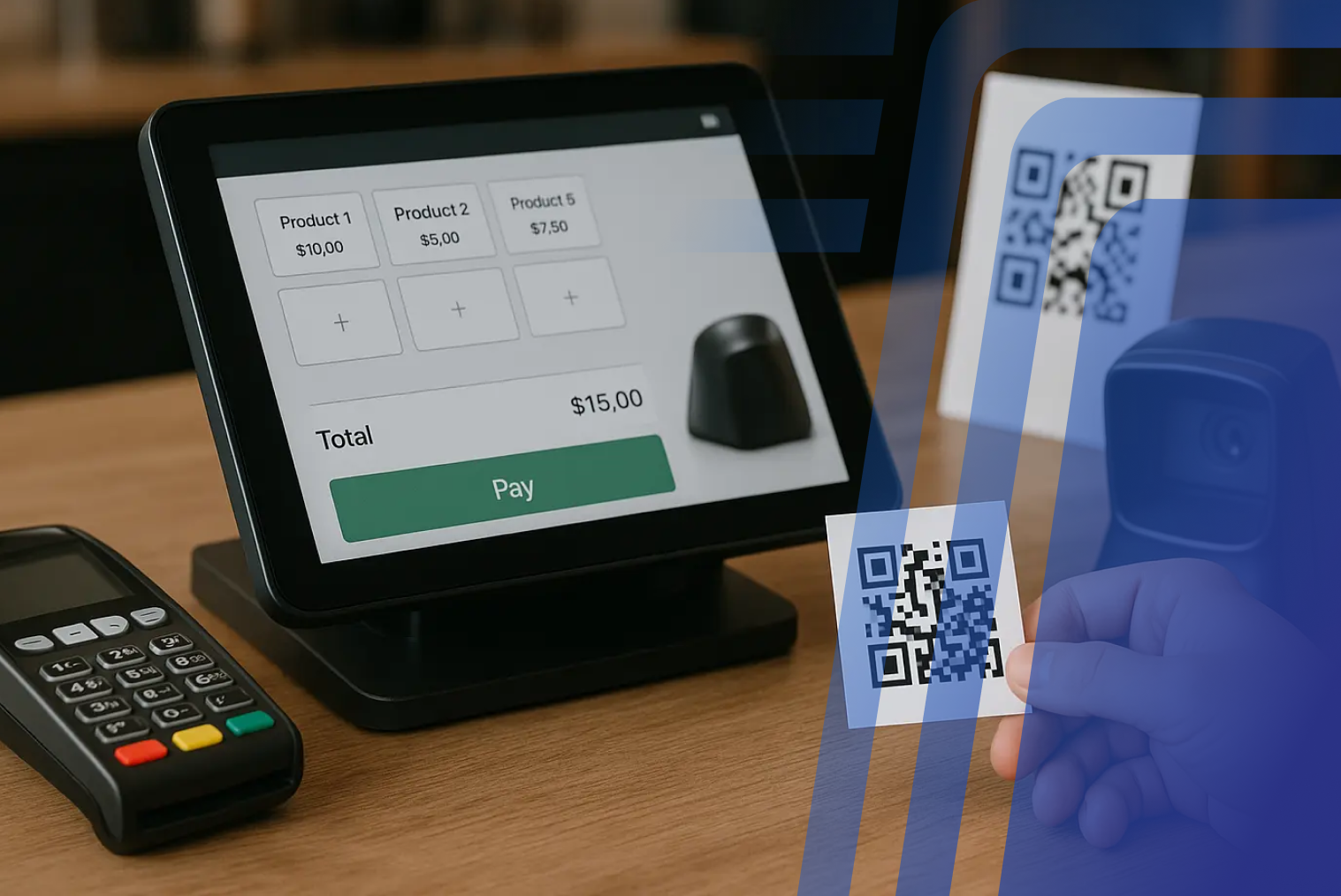
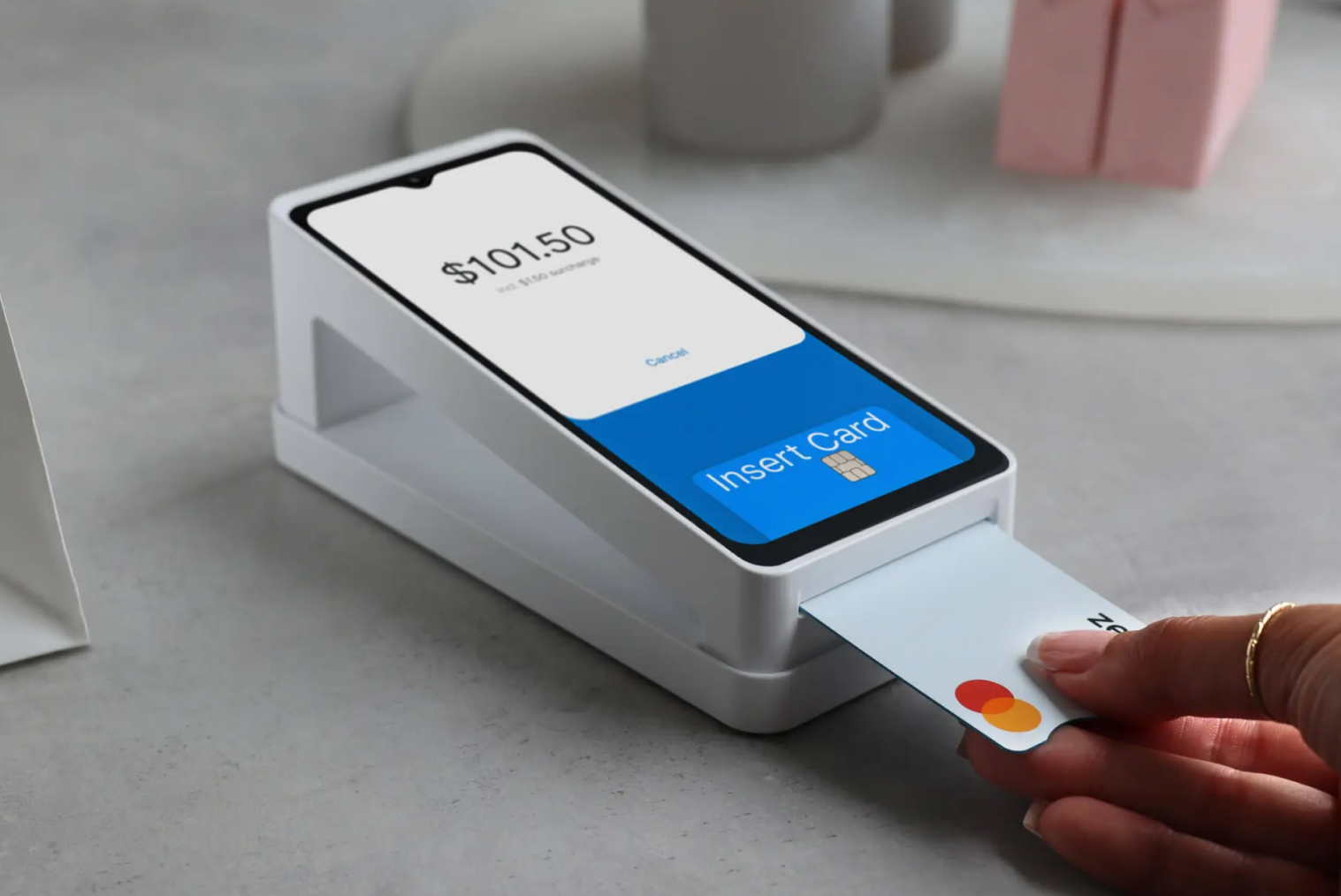
Support for card, contactless, and digital wallets is essential. Many restaurants also prefer a self service payment kiosk that handles secure transactions.
3. Menu Customization
Customers should easily modify meals and add extras.
4. Cloud-Based Management
Allows menu updates and pricing changes remotely.
5. Upselling Functionality
Automatic suggestions increase order value.
6. Compact Design
Important for small takeaway shop layouts.
These features ensure your takeaway restaurant kiosks NZ solution works efficiently.
Cost of Self-Ordering Kiosks for Takeaway Restaurants in New Zealand
The cost of implementing a self-ordering kiosk for takeaway restaurants varies depending on:
- Hardware type
- Software features
- POS integration
- Payment system
- Number of kiosks
Typically, takeaway restaurants recover investment quickly due to increased order value and reduced staffing pressure.
Research shows restaurants using kiosks often see ROI within 12–18 months due to improved efficiency and upselling.
How Self-Ordering Kiosks Help Increase Revenue for Takeaway Restaurants
Kiosks drive revenue growth in several ways.
Automated Upselling
Digital menus suggest upgrades such as:
- Add drinks
- Extra toppings
- Combo meals
- Larger portions
These prompts increase average order value.
Faster Order Throughput
More customers can order simultaneously, increasing total daily orders.
Reduced Order Errors
Accurate orders reduce refunds and food waste.
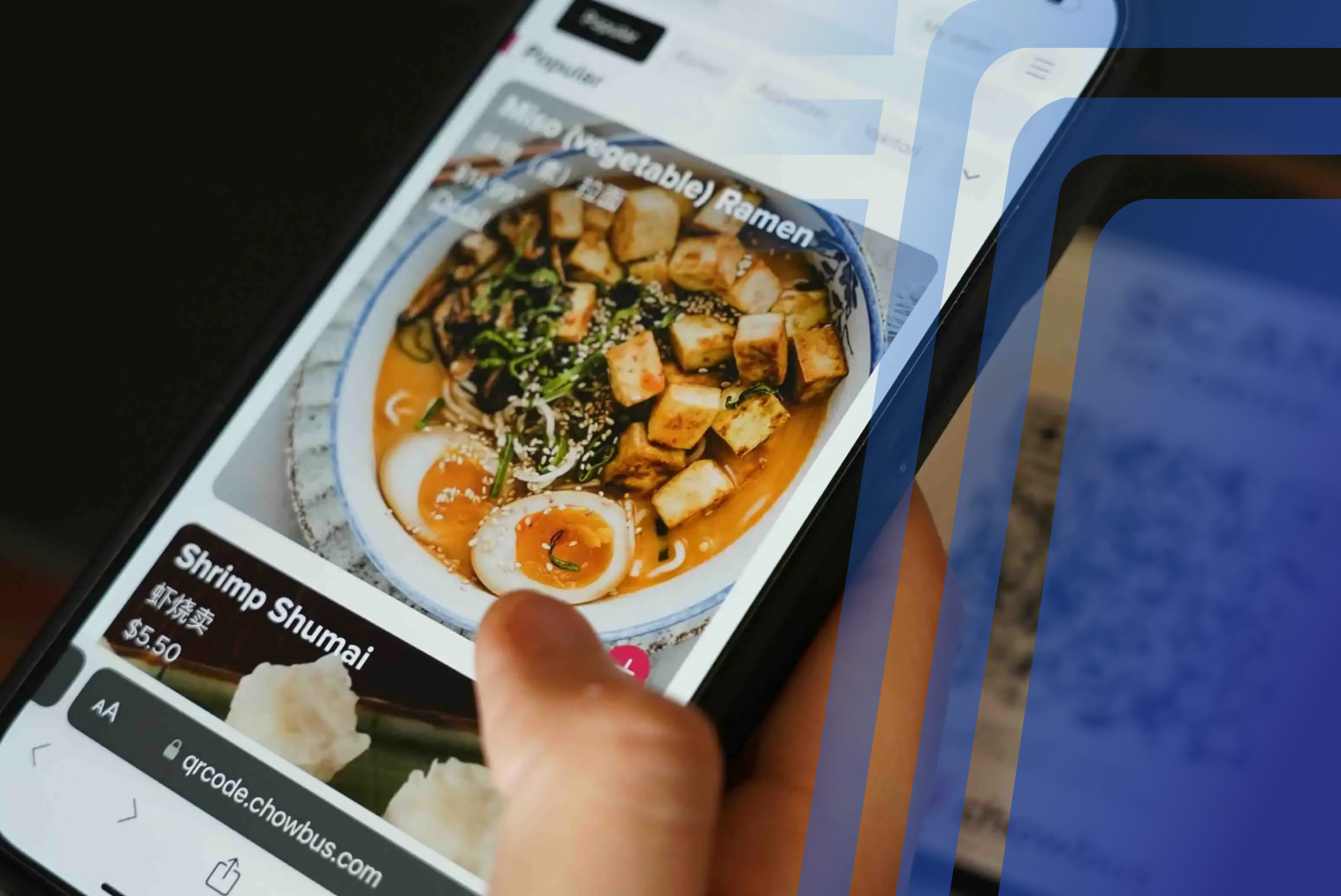
Visual Menu Appeal
High-quality images encourage customers to order more.
These advantages make takeaway kiosk systems powerful revenue tools.
How to Implement Self-Ordering Kiosks in a Takeaway Restaurant
Follow this step-by-step approach for successful implementation.
Step 1: Analyze Customer Flow
Identify peak hours and ordering bottlenecks.
Step 2: Choose the Right Kiosk Type
Select a compact kiosk suitable for takeaway layouts.
Step 3: Integrate with POS
Ensure seamless order routing to the kitchen.
Step 4: Configure Menu
Optimize menu for quick ordering and upselling.
Step 5: Enable Payments
Activate contactless and digital payment options.
Step 6: Train Staff
Staff should assist customers during initial adoption.
Step 7: Launch and Optimize
Monitor usage and refine menu layout.
This process ensures smooth adoption of food ordering kiosks for takeaways.
Challenges of Using Self-Ordering Kiosks (and How to Overcome Them)
While kiosks provide many benefits, some challenges may arise.
Customer Learning Curve
Some customers may prefer traditional ordering.
Solution: Staff assistance during initial rollout.
Space Limitations
Small takeaway shops may have limited space.
Solution: Use compact wall-mounted kiosks.
Menu Complexity
Large menus can slow ordering.
Solution: Simplify menu categories.
Payment Concerns
Customers want secure transactions.
Solution: Use a reliable self service payment kiosk with secure processing.
These challenges are manageable with proper planning.
Why Self-Ordering Kiosks Are the Future of Takeaway Restaurants in New Zealand
Digital order systems have become the norm when it comes to takeaway services. The customers expect convenience in ordering.
Labour cost increases and customer demands have been addressed using takeaway restaurant kiosks New Zealand, which has improved efficiency and profitability of the businesses.
By implementing a self-ordering kiosk for takeaway restaurants, businesses can:
- Reduce queues
- Increase order value
- Improve accuracy
- Enhance customer experience
- Scale operations
As takeaway demand continues to grow across New Zealand, kiosks are becoming an essential part of modern takeaway restaurant operations. By implementing a self-ordering kiosk, takeaway businesses can improve speed, reduce queues, and increase average order value while delivering a better customer experience.
Looking to implement a self-ordering kiosk in your takeaway restaurant? Get in touch for a customised solution tailored to your business needs.


.webp)









.png)













.webp)


