Choosing between a POS system vs cash register: which one is actually better? has become an important decision for small businesses in New Zealand. While traditional cash registers still handle basic transactions, modern POS systems now offer advanced features like inventory tracking, digital payments, sales reporting, customer loyalty programs, and online ordering integration.
As customer expectations continue evolving, many businesses are realizing that a cash register is no longer enough to manage modern operations efficiently. This shift is pushing cafés, takeaway stores, restaurants, and retail businesses toward smarter digital solutions.
At first glance, both systems may seem similar because they process sales and payments. But the real difference lies in how they impact business growth, operational efficiency, and customer experience. A cash register simply records transactions, while a POS system becomes a complete business management tool.
That is why modern POS technology is rapidly becoming the standard across New Zealand’s hospitality and retail industries. According to Grand View Research, the global POS software market continues growing strongly as businesses adopt cloud-based operational systems and digital payment technologies.
In this guide, we will break down the difference between cash register and POS systems, compare the pros and cons of each option, and help you decide which solution is best for your small business.
Quick Comparison: POS System vs Cash Register
The biggest difference between these systems is not the hardware itself. It is the business outcomes they create.
| Feature |
Cash Register |
POS System |
| Transaction Processing |
Basic sales handling |
Advanced transaction management |
| Inventory Tracking |
Manual |
Automated real-time tracking |
| Sales Reporting |
Limited daily totals |
Detailed analytics & insights |
| Customer Management |
None |
Loyalty programs & customer profiles |
| Payment Options |
Mostly basic payments |
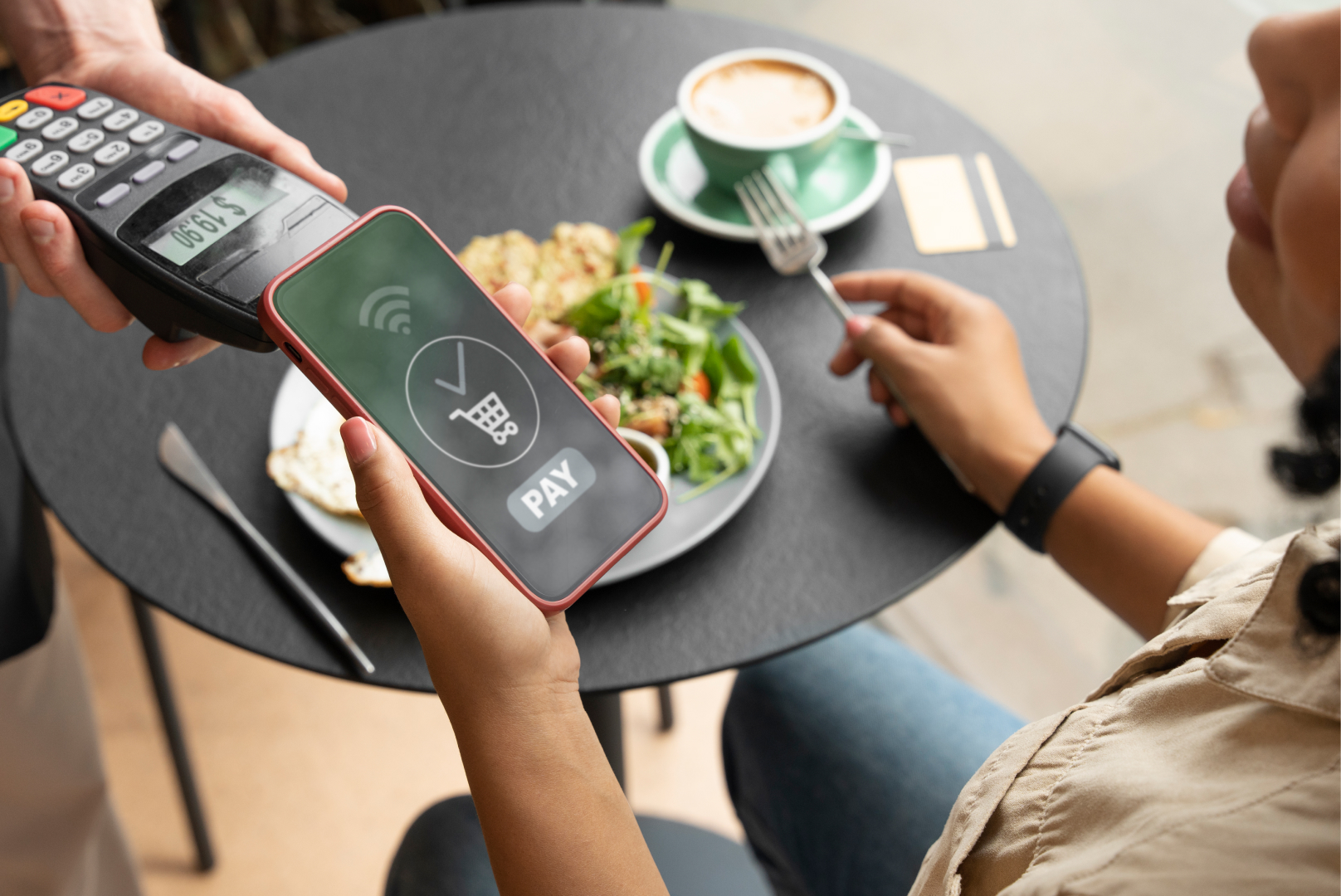
Contactless, online & digital payments |
| Staff Management |
Minimal |
Employee tracking & scheduling |
| Online Ordering Integration |
Not supported |
Fully supported |
| Scalability |
Limited |
Easily scalable |
| Best For |
Very small/basic businesses |
Growing modern businesses |
A POS system helps businesses improve operations, customer experience, and profitability.
This distinction becomes increasingly important as businesses grow. Manual processes that seem manageable at small scale eventually become operational bottlenecks.
For example, a café using a cash register may struggle with:
- Inventory shortages
- Manual stock counting
- Staff accountability
- Sales tracking errors
- Slower reporting
A POS system automates many of these tasks while reducing human error.
The difference is similar to comparing a paper notebook with a cloud-based business dashboard. Both store information, but one provides far more visibility and control.
Why Cash Registers Still Exist (But Are Quickly Becoming Outdated)
Cash registers still exist because they are familiar, relatively affordable upfront, and simple to operate. Many older businesses continue using them because they have worked reliably for years without requiring major technological changes.
For very small businesses with low transaction volumes, a cash register may still appear “good enough.” If a shop mainly accepts cash payments and only needs basic transaction recording, owners may feel there is little reason to upgrade.
Traditional cash registers typically handle:
- Basic billing
- Receipt printing
- Cash drawer management
- Simple sales totals
That simplicity was once considered an advantage.
But modern business operations have become far more complex. Customers now expect:
- Card payments
- Contactless transactions
- Digital receipts
- Loyalty rewards
- Faster checkout experiences
Cash registers struggle to support these expectations efficiently.
Another major limitation is data visibility. A traditional register cannot provide advanced sales reports, inventory analytics, staff tracking, or remote access. Business owners often rely on manual calculations, spreadsheets, or separate systems to manage operations.
This creates inefficiencies that grow worse as the business expands.
The biggest issue is not what cash registers can do — it is what they cannot do anymore. In today’s highly competitive environment, businesses need operational intelligence, not just transaction recording.
That is why many businesses are moving toward a modern POS solution for small businesses instead of continuing with outdated cash register setups.
Why POS Systems Are Becoming the Standard for Small Businesses
Modern POS systems are rapidly becoming the default operational platform for small businesses because they combine multiple business functions into one centralized system.
Unlike cash registers, POS systems do much more than process sales.
A modern POS system can manage:
- Inventory
- Sales analytics
- Staff performance
- Customer loyalty
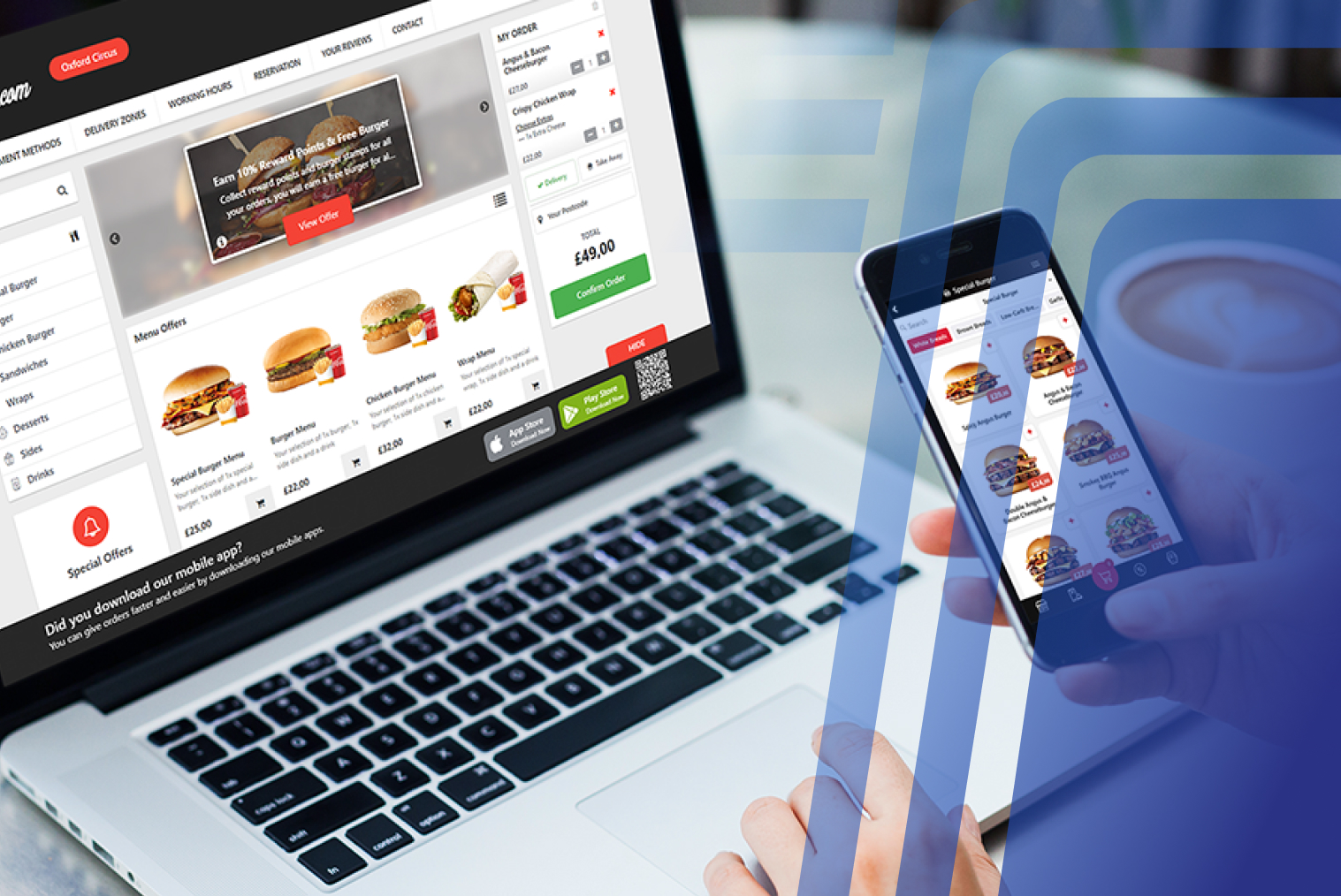
- Online ordering
- Payment integrations
- Multi-location reporting
- Mobile payments
This creates a much more connected business environment.
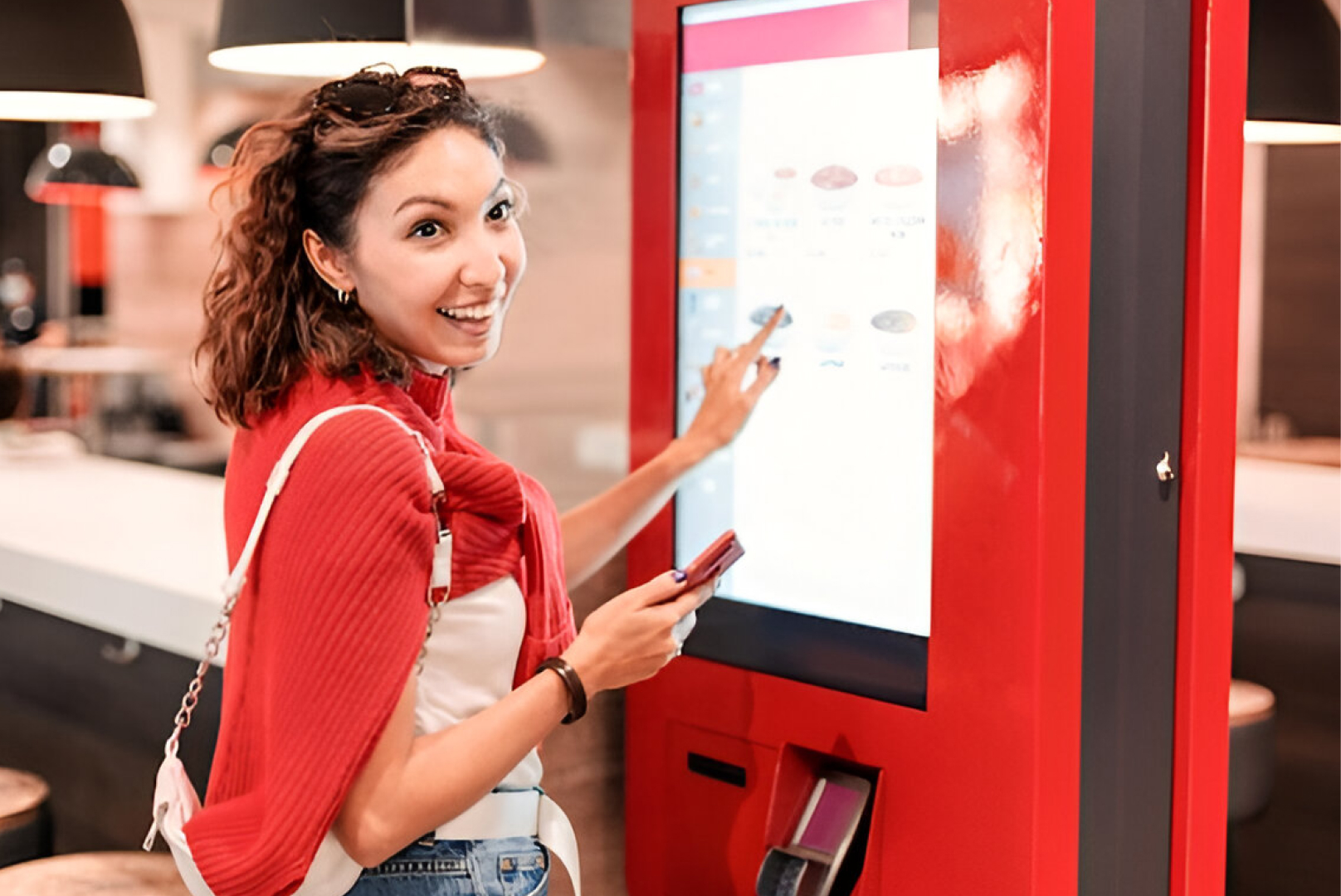
Changing consumer behavior is the primary driver behind the explosive growth of POS systems in New Zealand, with electronic and contactless payments now accounting for roughly three out of four in-store transactions.
Businesses relying heavily on outdated cash-based systems are increasingly falling behind customer expectations.
POS systems also provide real-time reporting. Instead of waiting until the end of the day to manually calculate totals, business owners can instantly track:
- Sales performance
- Best-selling products
- Peak business hours
- Employee productivity
- Inventory movement
This level of visibility allows businesses to make smarter decisions much faster.
Another major reason POS systems are becoming standard is scalability. Businesses can grow more easily because POS systems integrate with online stores, delivery apps, loyalty systems, and accounting platforms.
Cash registers were designed for transactions.
POS systems are designed for business growth.
Why Cash Registers Cost More in the Long Run
One of the biggest misconceptions among small business owners is believing cash registers are cheaper than POS systems.
At first glance, a cash register appears more affordable because the initial purchase cost is lower. But long-term operational costs often tell a very different story.
Cash registers create hidden costs through:
- Manual inventory management
- Reporting inefficiencies
- Human errors
- Limited payment capabilities
- Poor operational visibility
- Slower transaction speeds
These inefficiencies accumulate over time.
For example, manual stock tracking increases the risk of over-ordering, stock shortages, or unnoticed inventory loss. Staff errors during manual transaction handling can also create cash discrepancies and accounting complications.
POS systems reduce many of these operational losses through automation and real-time tracking.
Another hidden cost comes from missed business opportunities. Businesses using outdated systems often struggle to:
- Launch loyalty programs
- Track customer behavior
- Integrate online ordering
- Analyze sales trends
Modern consumers increasingly expect these features as standard experiences.
Digital payment usage and mobile transaction adoption continue rising globally across small business sectors.
Businesses unable to adapt to these shifts may lose competitiveness over time.
While POS systems may involve subscription costs or software fees, they often create operational savings and revenue improvements that outweigh the investment.
How POS Systems Help Small Businesses Grow Faster
Growth requires visibility, efficiency, and adaptability.
This is where modern POS systems for small business operations create a massive advantage over traditional cash registers.
POS systems help businesses grow faster because they provide actionable operational insights. Instead of relying on assumptions, owners can use real data to make smarter decisions.
For example, POS reporting can reveal:
- Which products sell best
- Which hours generate the most revenue
- Which employees perform strongest
- Which promotions increase sales
These insights directly influence profitability.
Another benefit offered by POS systems is easy scaling up. Companies establishing their second or third outlet can handle more than one outlet using POS dashboard without having separate systems.
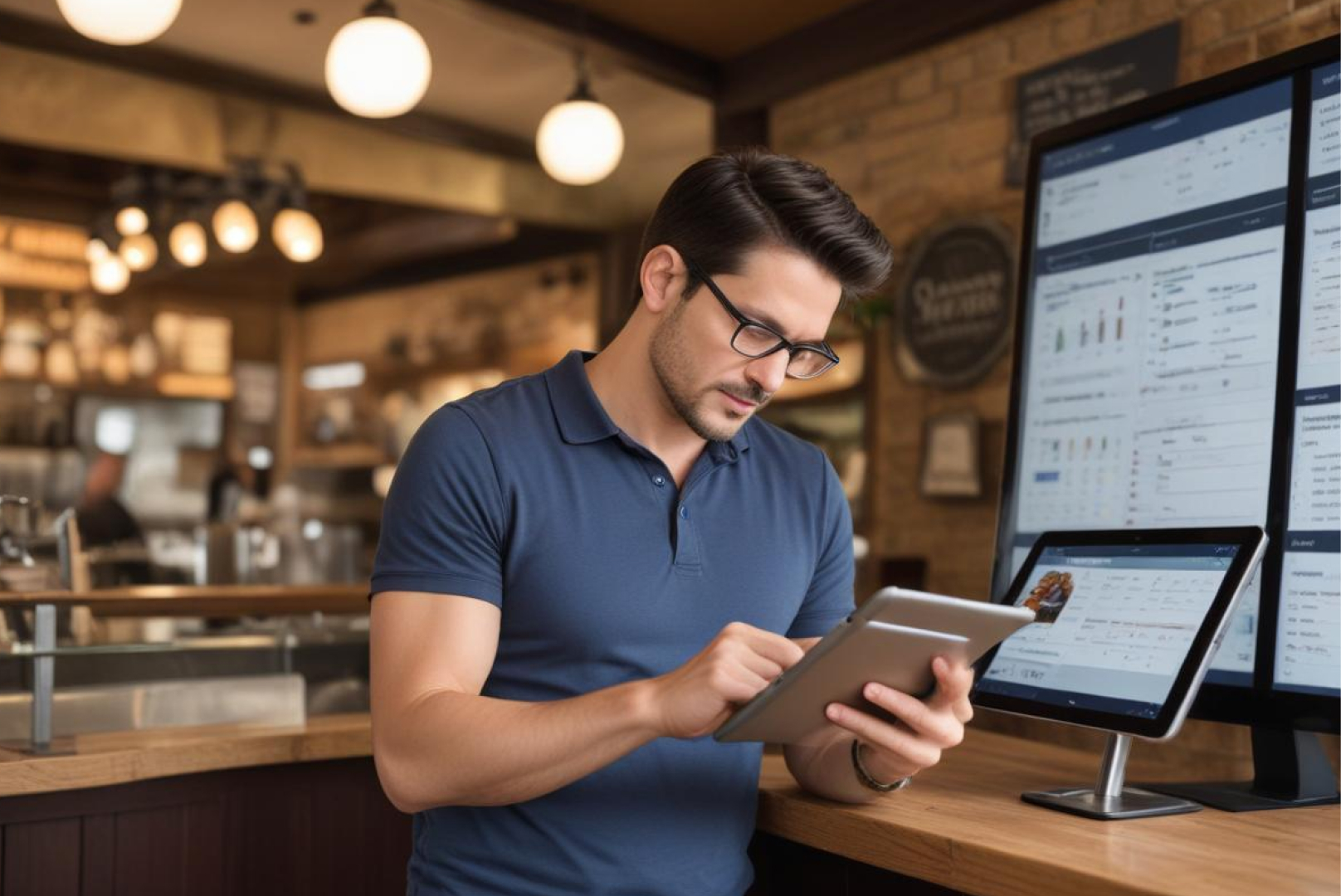
The advantage provided by cloud-based POS system is ease of access to data from smart phones, tablets or laptop from anywhere around the world.
Another key factor contributing towards growth of business using POS systems is the ability to retain customers through various techniques such as loyalty program, targeted marketing and purchase data tracking which could not have been possible without POS systems.
This means that companies having knowledge about customer behavior can grow faster.
Real-World Example Scenarios (Where POS Clearly Wins)
Scenario 1: Busy Café During Morning Rush
A café using a cash register may experience slower checkout times during busy morning periods because staff manually process orders and payments.
A POS system speeds up transactions, integrates contactless payments, and sends orders directly to kitchen displays, reducing congestion dramatically.
Scenario 2: Small Retail Store Managing Inventory
A retail store using a cash register often performs manual stock counting after business hours.
A POS system automatically tracks inventory in real time, alerting owners when stock levels run low.
Scenario 3: Multi-Location Takeaway Business
Managing multiple locations using separate cash registers creates fragmented reporting and operational confusion.
Cloud POS systems centralize data across all stores, simplifying management and improving visibility.
Scenario 4: Restaurant Running Promotions
Cash register-based promotions usually require manual pricing adjustments and staff communication.
POS systems automate promotional pricing instantly while tracking campaign performance in real time.
These examples highlight why POS systems consistently outperform traditional registers in modern operational environments.
Modern POS Systems for Small Businesses in New Zealand
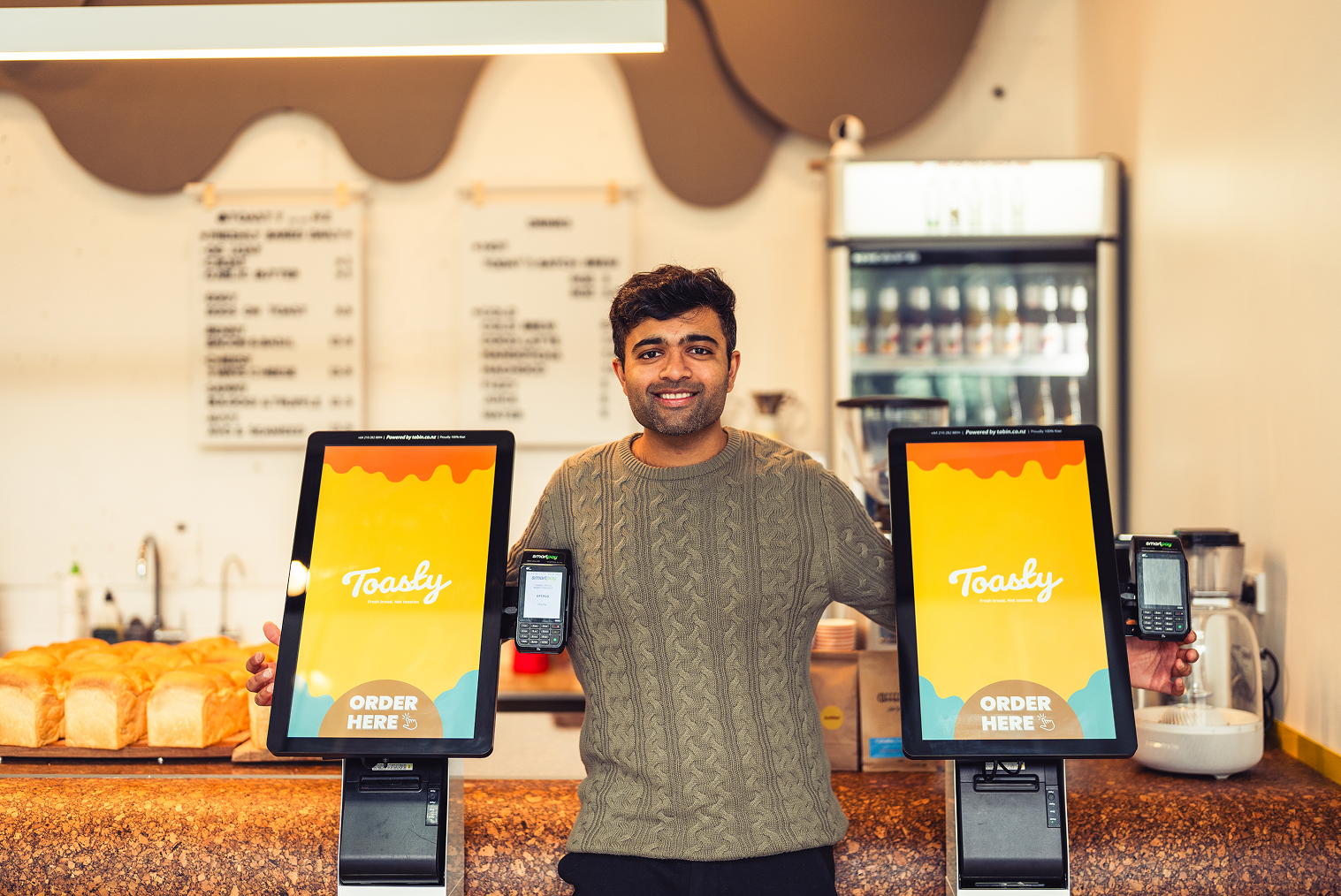
Small businesses in New Zealand are increasingly adopting cloud-based POS systems because they support modern payment trends and operational flexibility.
Today’s POS solutions often include:
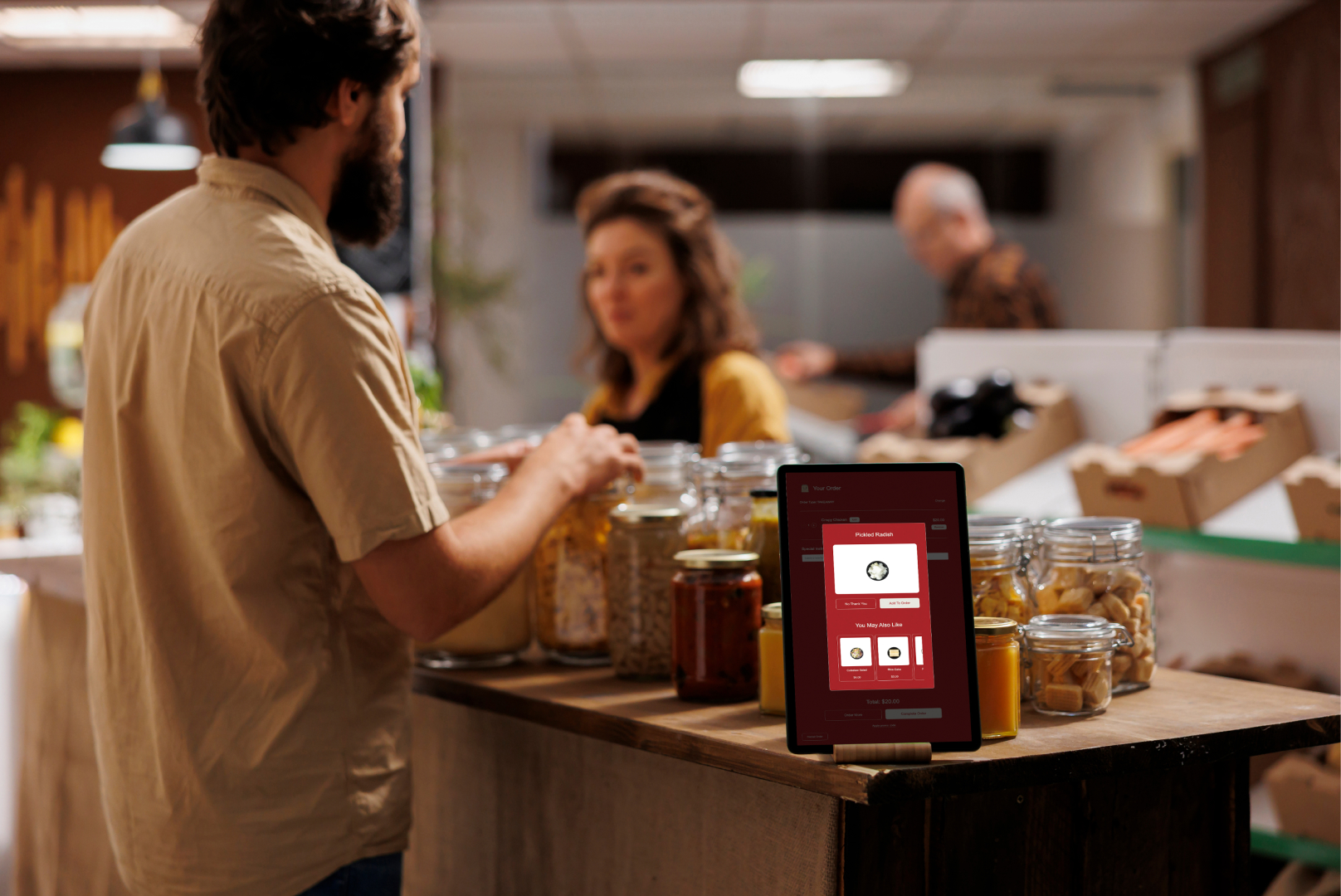
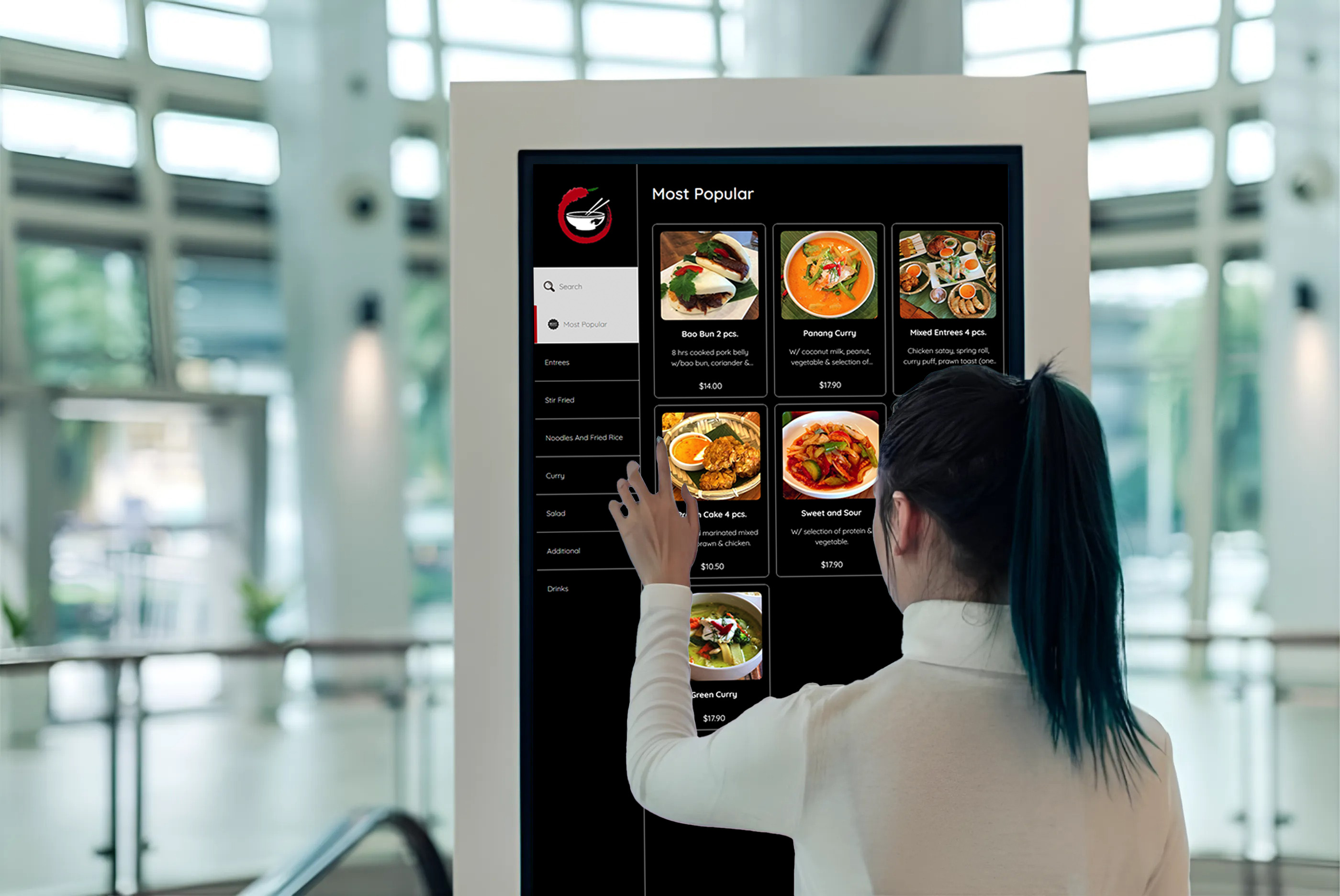
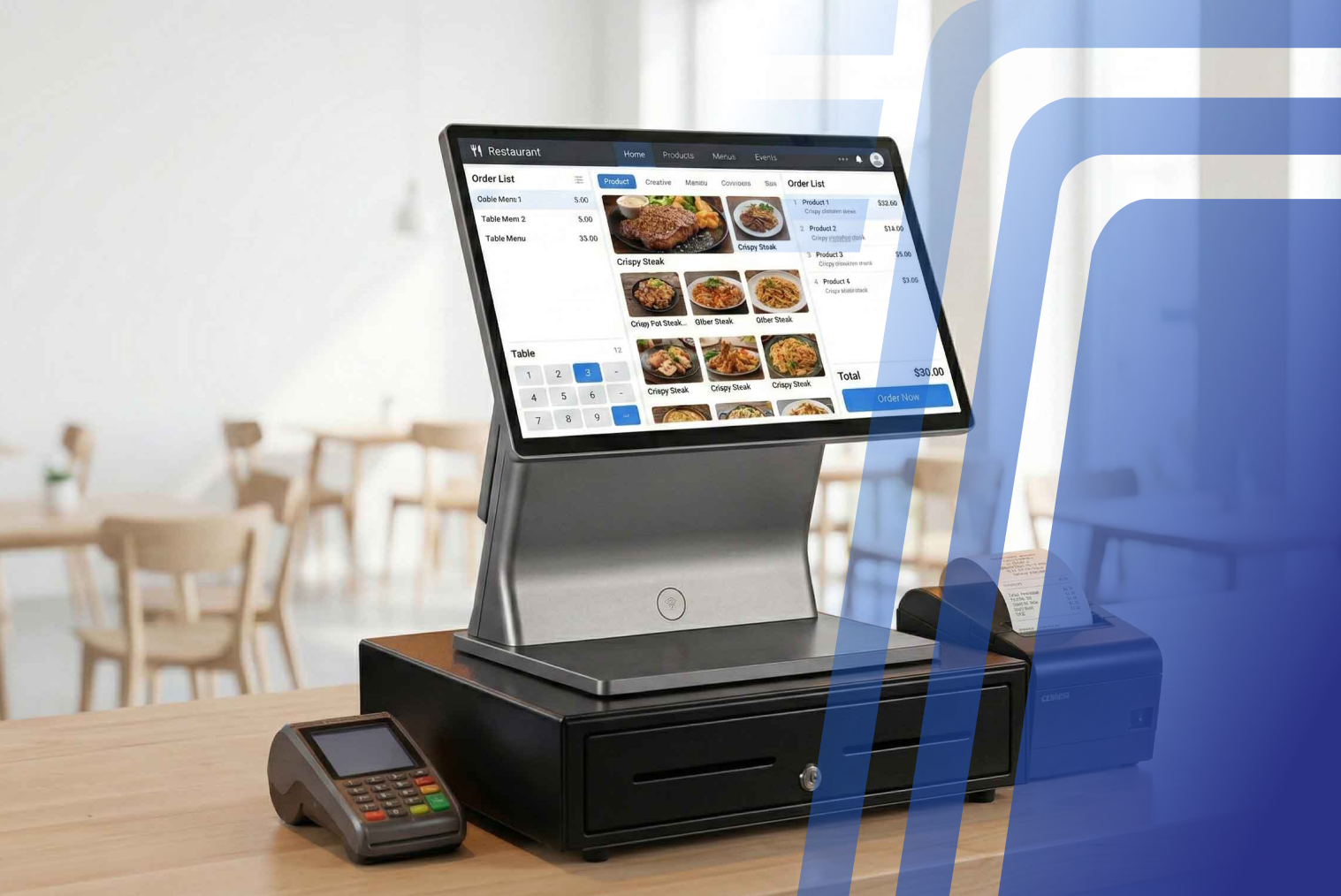
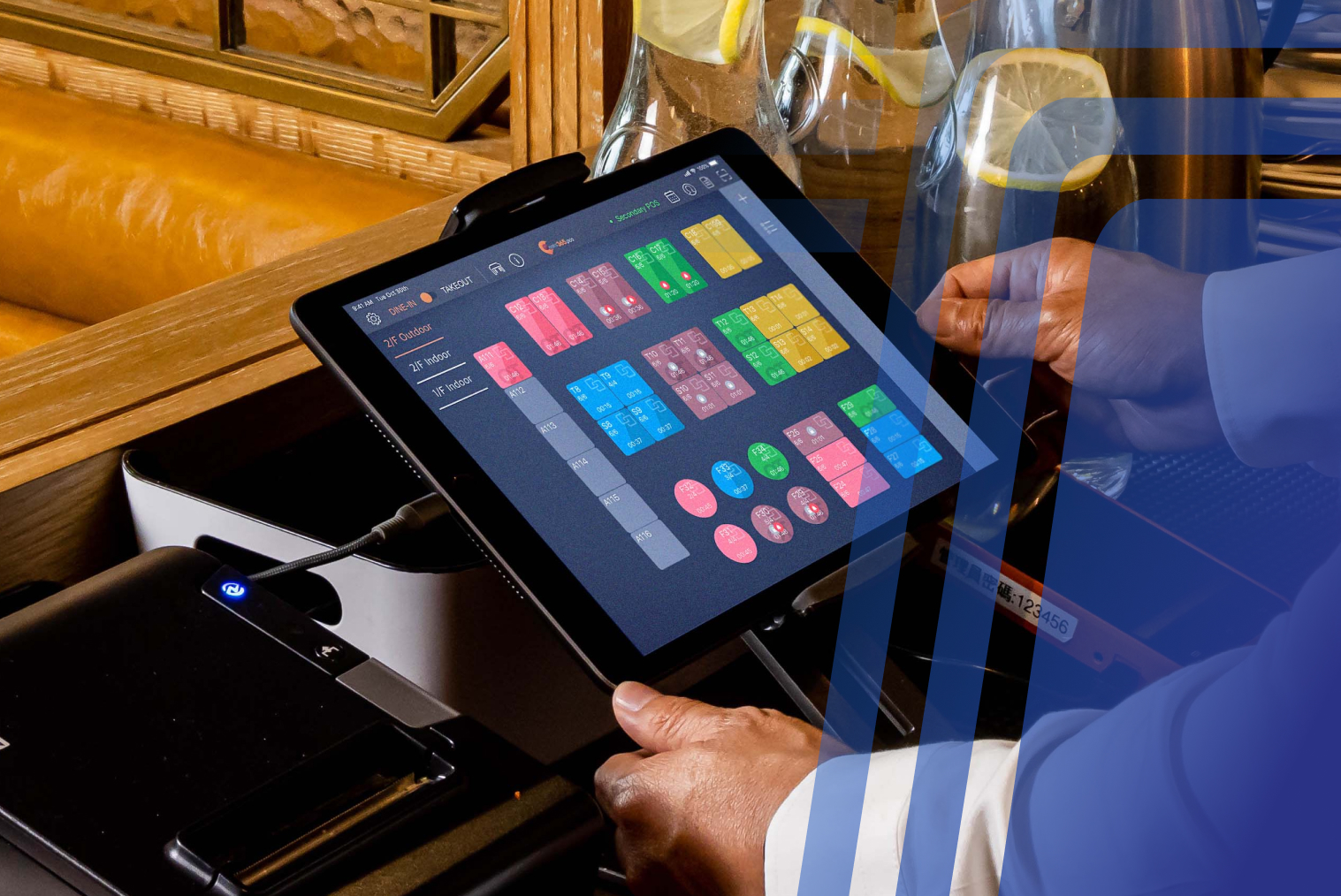
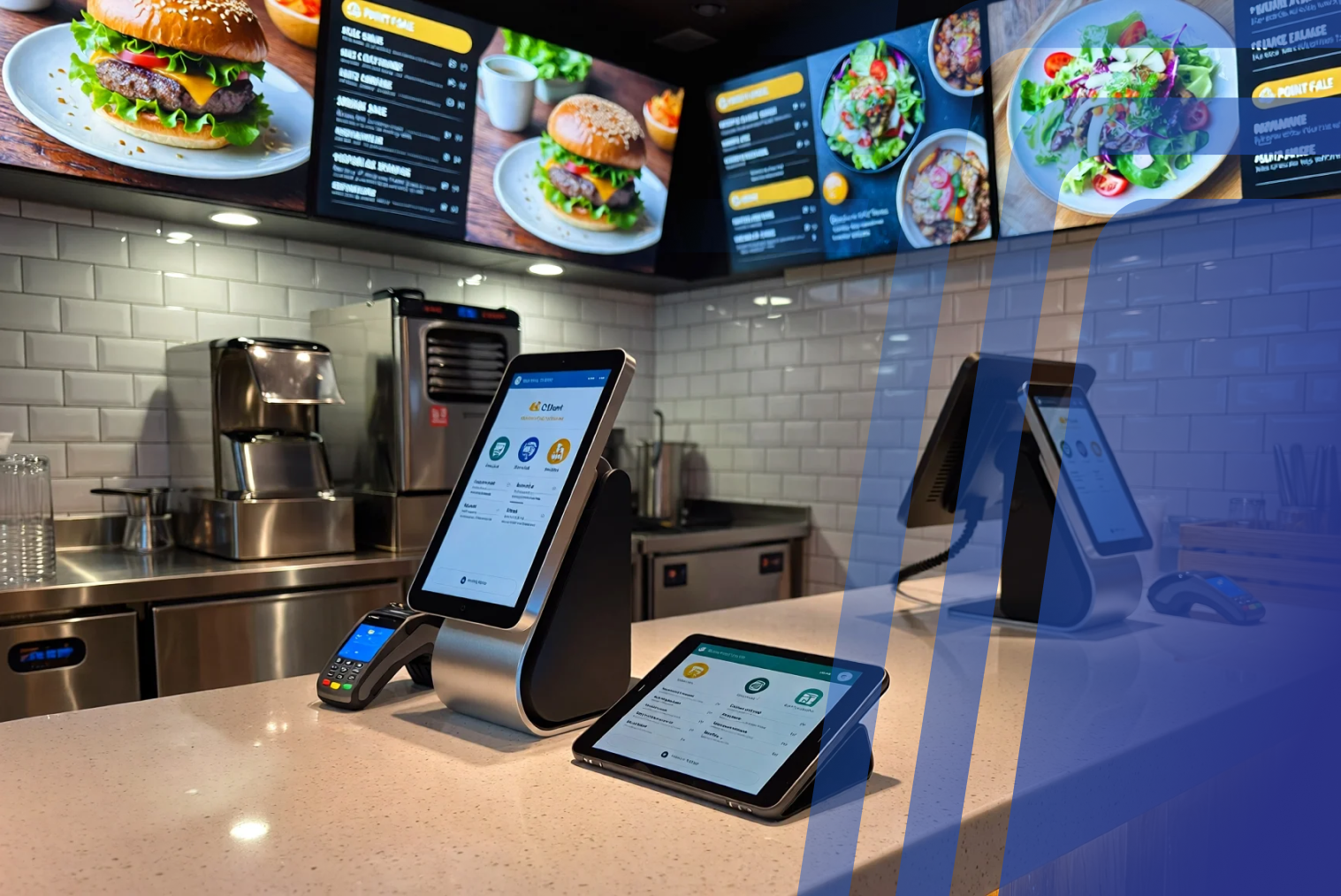
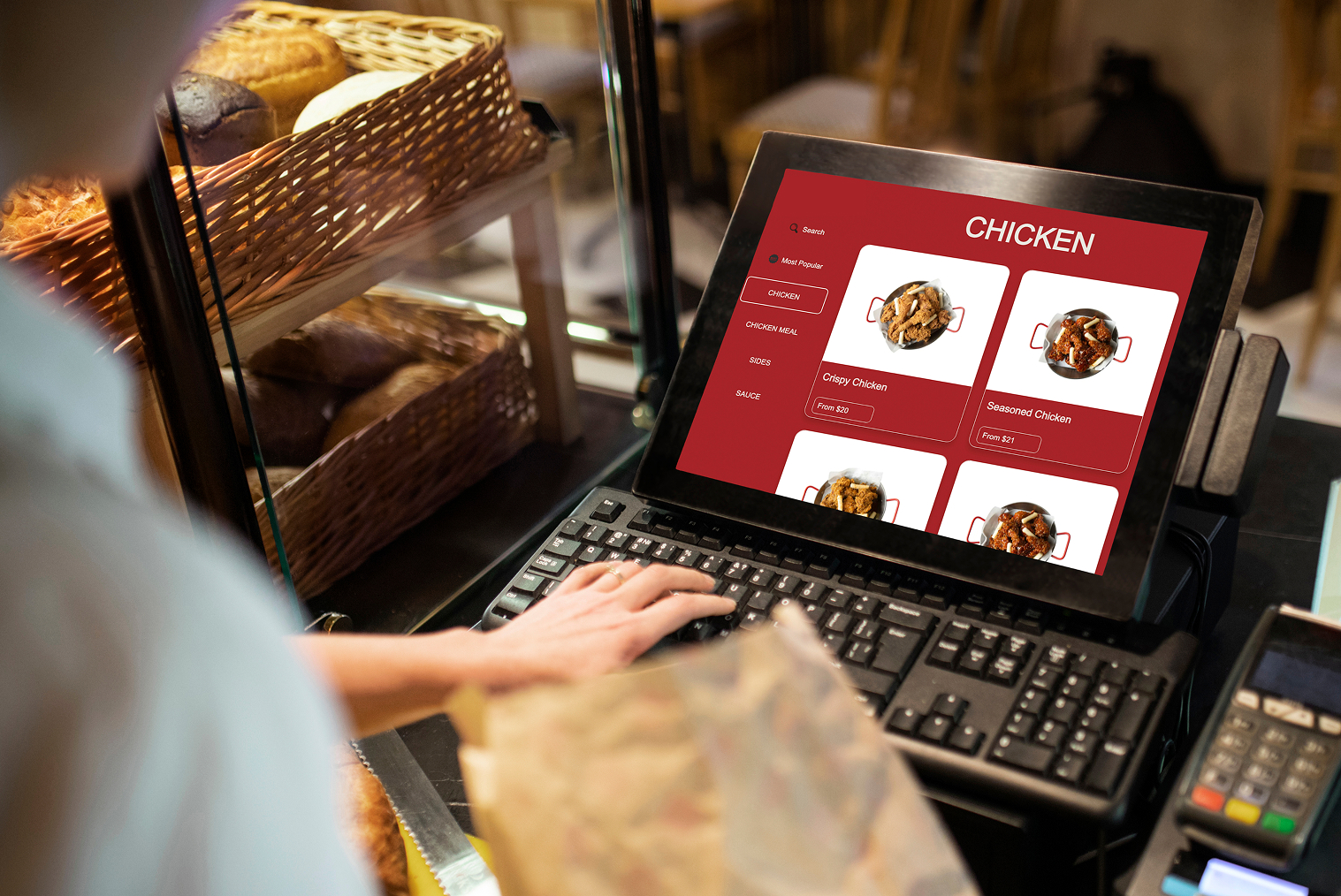
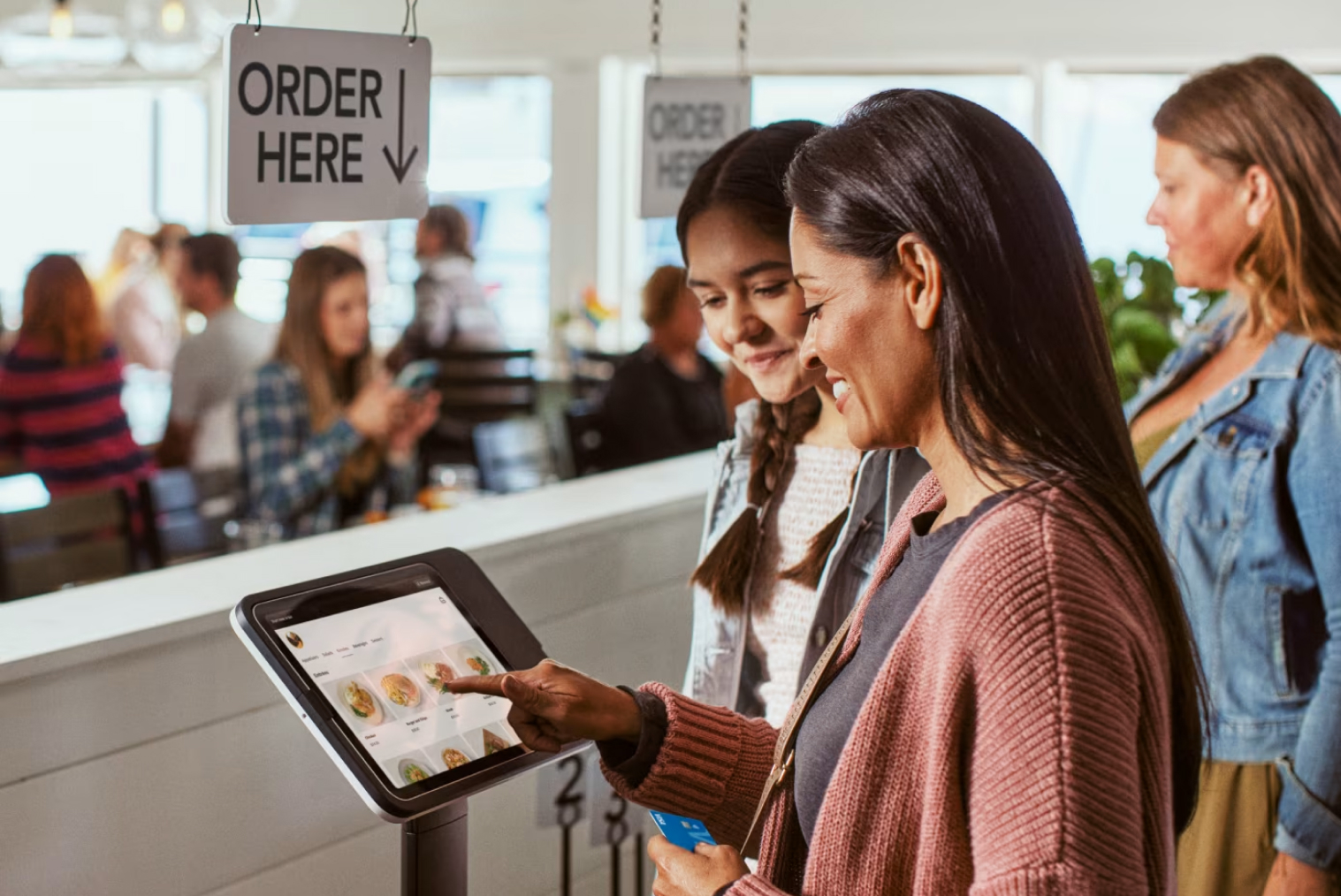
- Tablet-based interfaces
- Cloud reporting
- Online ordering integration
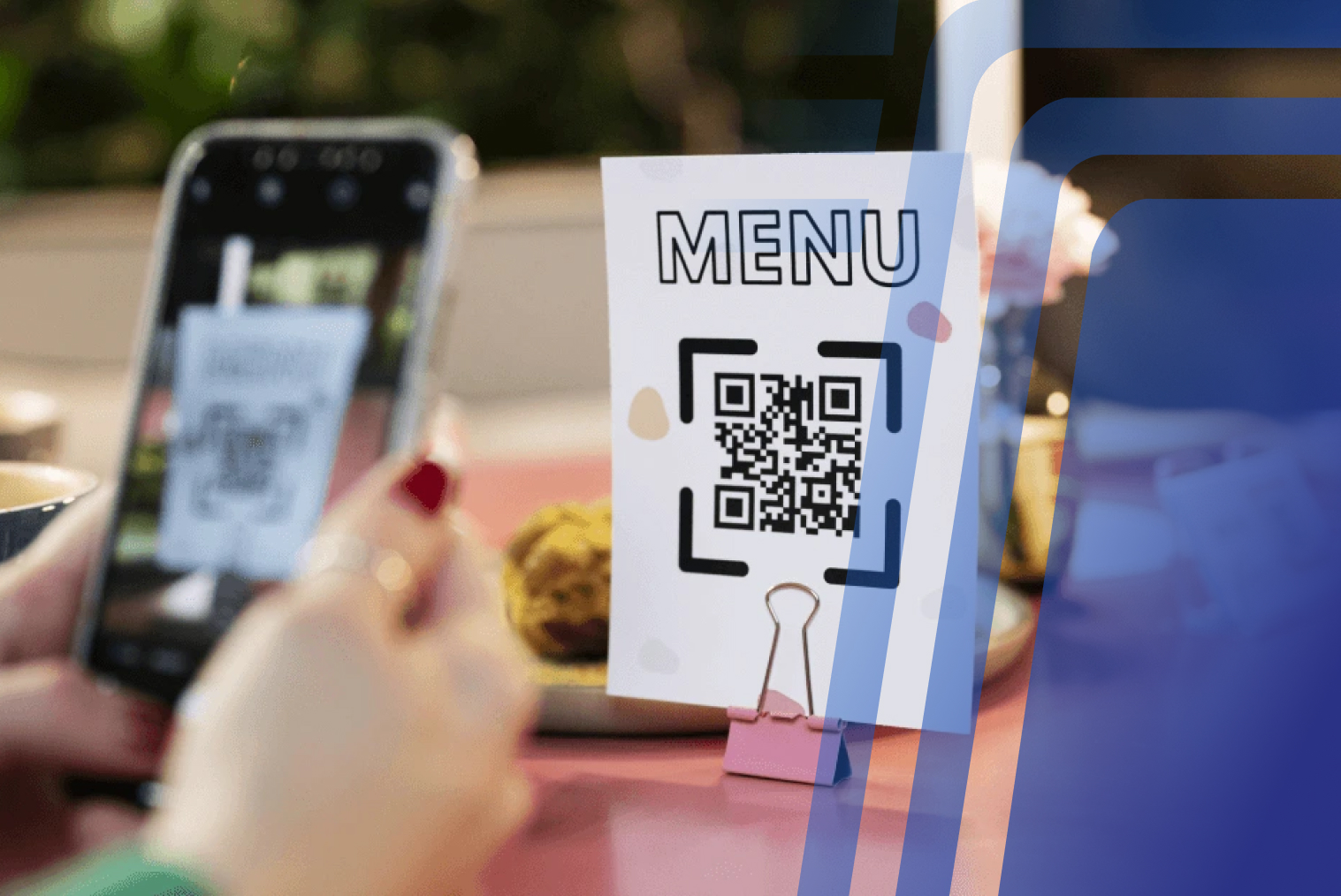
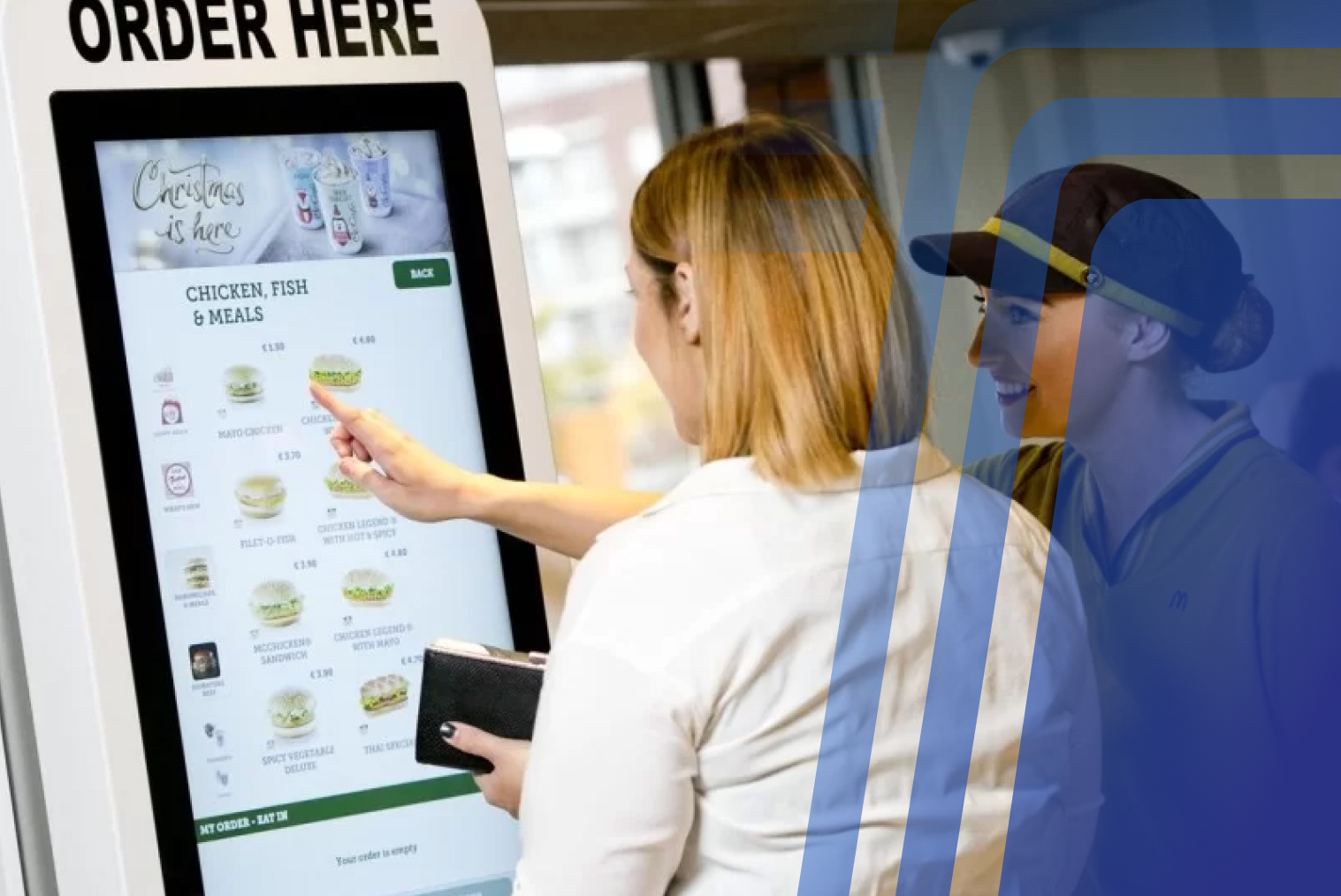
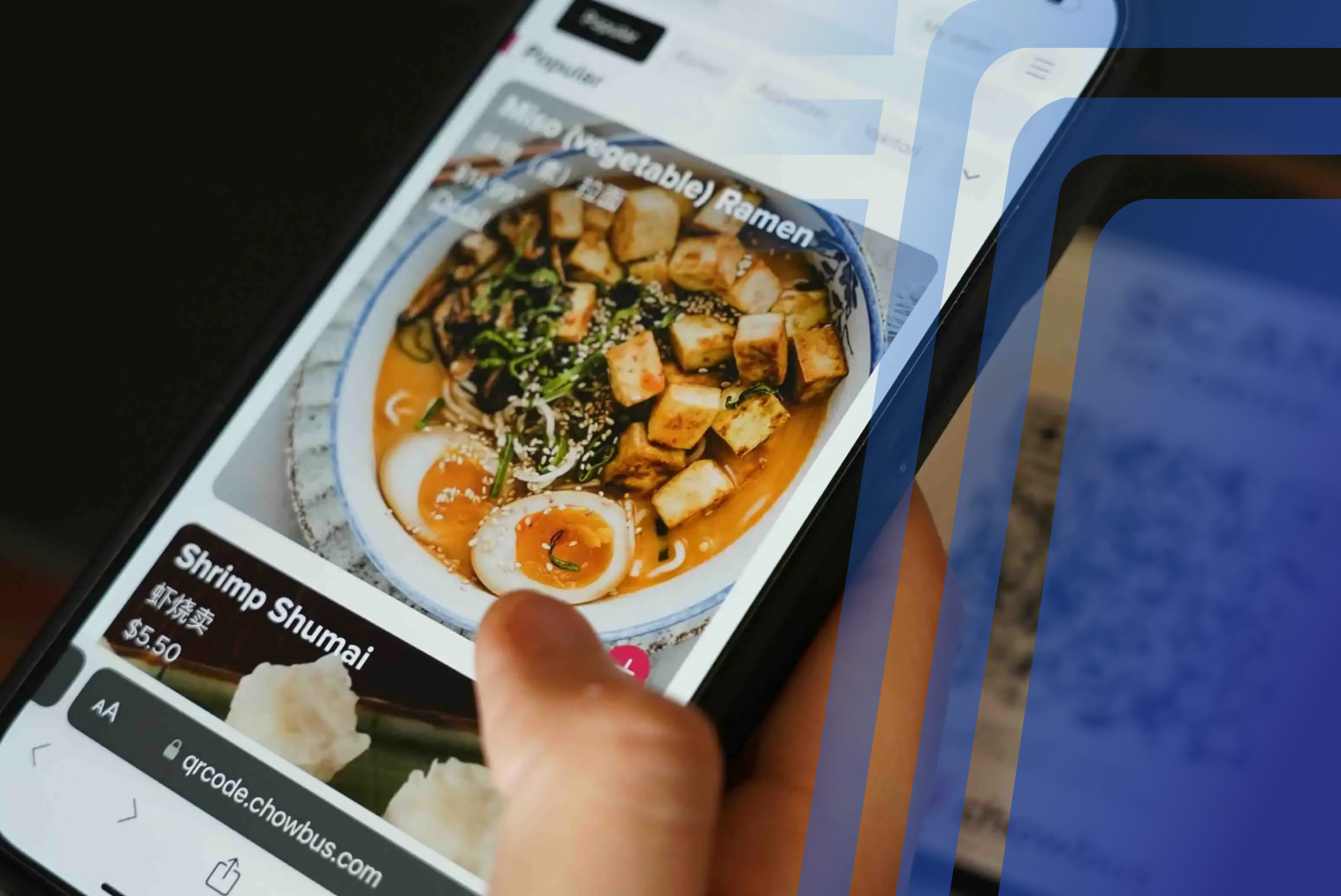
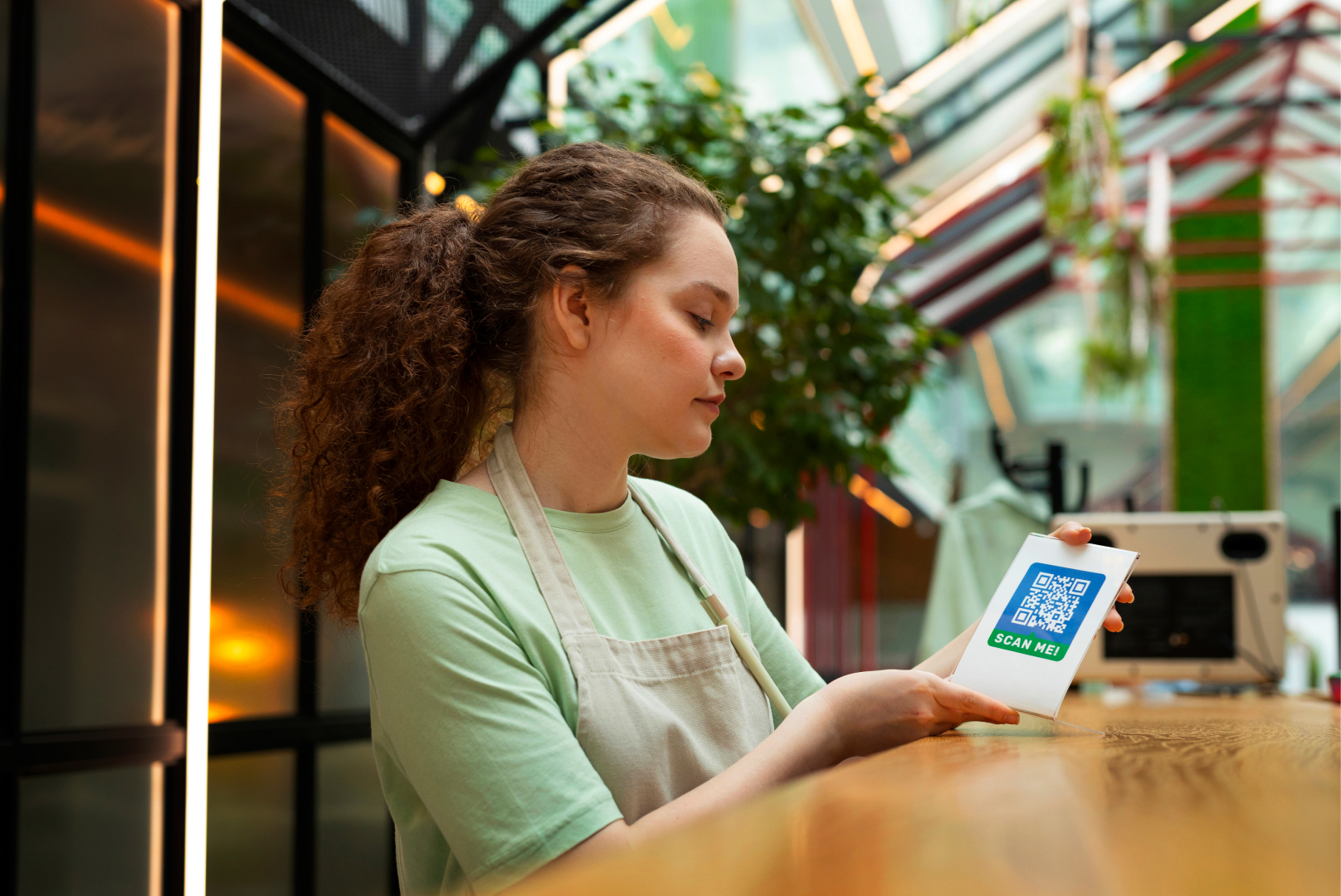
- QR ordering
- Loyalty systems
- Staff scheduling
- Mobile payment support
This flexibility is particularly valuable for:
- Cafés
- Food trucks
- Takeaway restaurants
- Retail shops
- Boutique stores
Many POS providers also offer scalable subscription models, allowing businesses to start small and expand functionality over time.
For businesses exploring a modern POS solution for small businesses, the focus should not just be on billing functionality but on long-term operational efficiency and scalability.
Technology is no longer just supporting businesses.
It is becoming a core competitive advantage.
Decision Rule: When You Should Choose POS Over Cash Register
Choosing between a POS system and a cash register ultimately depends on your business goals.
You should strongly consider a POS system if your business:
- Accepts digital payments regularly
- Wants better sales reporting
- Plans to grow or expand
- Needs inventory tracking
- Uses online ordering or delivery
- Wants customer loyalty features
- Needs staff performance monitoring
A cash register may still work for businesses with extremely simple operational needs and low transaction complexity.
But for most modern small businesses in New Zealand, POS systems offer significantly greater long-term value.
The business environment is becoming increasingly digital, data-driven, and customer-focused. Businesses relying solely on traditional registers may struggle to compete effectively over time.
The real question is no longer whether POS systems are better.
The real question is whether businesses can afford to operate without them.


.webp)











.png)

















.webp)


