The restaurant industry in New Zealand is rapidly shifting toward smarter technology, and one of the biggest changes is how businesses manage their operations through POS systems. For years, traditional POS systems were the standard choice for restaurants, handling billing and payments through on-site hardware. But today, cloud-based POS systems are becoming increasingly popular because they offer greater flexibility, remote access, real-time reporting, and easier integration with online ordering platforms.
This shift has created an important question for restaurant owners: Cloud POS vs Traditional POS — which system is actually better for restaurants in New Zealand? Understanding the difference is essential for businesses looking to improve efficiency, reduce operational complexity, and stay competitive in a fast-changing hospitality industry.
The answer is not just about technology. It is about flexibility, scalability, operational efficiency, customer experience, and long-term business growth. Restaurants now need systems that can manage online orders, delivery platforms, inventory tracking, staff scheduling, analytics, and multi-location operations — all in real time.
According to Grand View research, Cloud-based restaurant management systems are seeing massive global adoption, with the market growing at a 14.94% Compound Annual Growth Rate (CAGR) and accounting for over 60% of industry revenue.Restaurants are increasingly moving away from rigid legacy systems toward more adaptable cloud solutions.
For restaurant owners in New Zealand, especially cafés, takeaway restaurants, and growing hospitality brands, understanding the traditional POS vs cloud POS difference is becoming essential before making long-term technology investments.
Why POS Systems Matter More Than Ever in Restaurants
A restaurant POS system is no longer just a billing machine. It has evolved into the operational brain of the business.
Modern restaurants rely on POS systems to manage:
- Orders
- Payments
- Kitchen coordination
- Inventory
- Staff performance
- Customer loyalty
- Online ordering
- Reporting and analytics
An inappropriate POS system will result in slower processing, gaps in reports, poor utilization of labor, and customer and employee dissatisfaction.
A proper POS system, on the other hand, will lead to streamlined processes, increased speed of service delivery, and enhanced profitability.
It is even more critical for restaurants in New Zealand, which continue struggling with increasing operational costs, labor shortages, and customer demands for fast services.
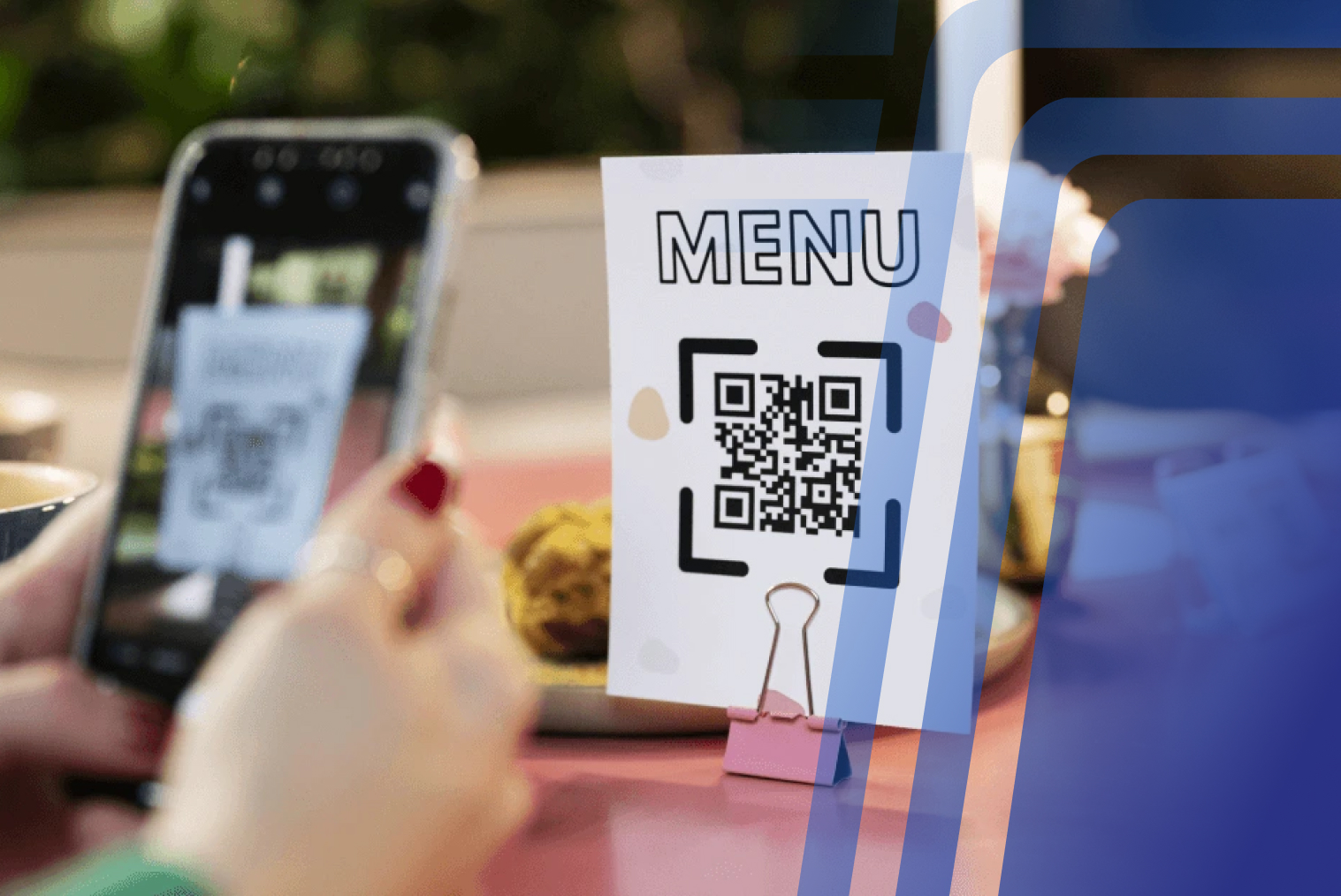
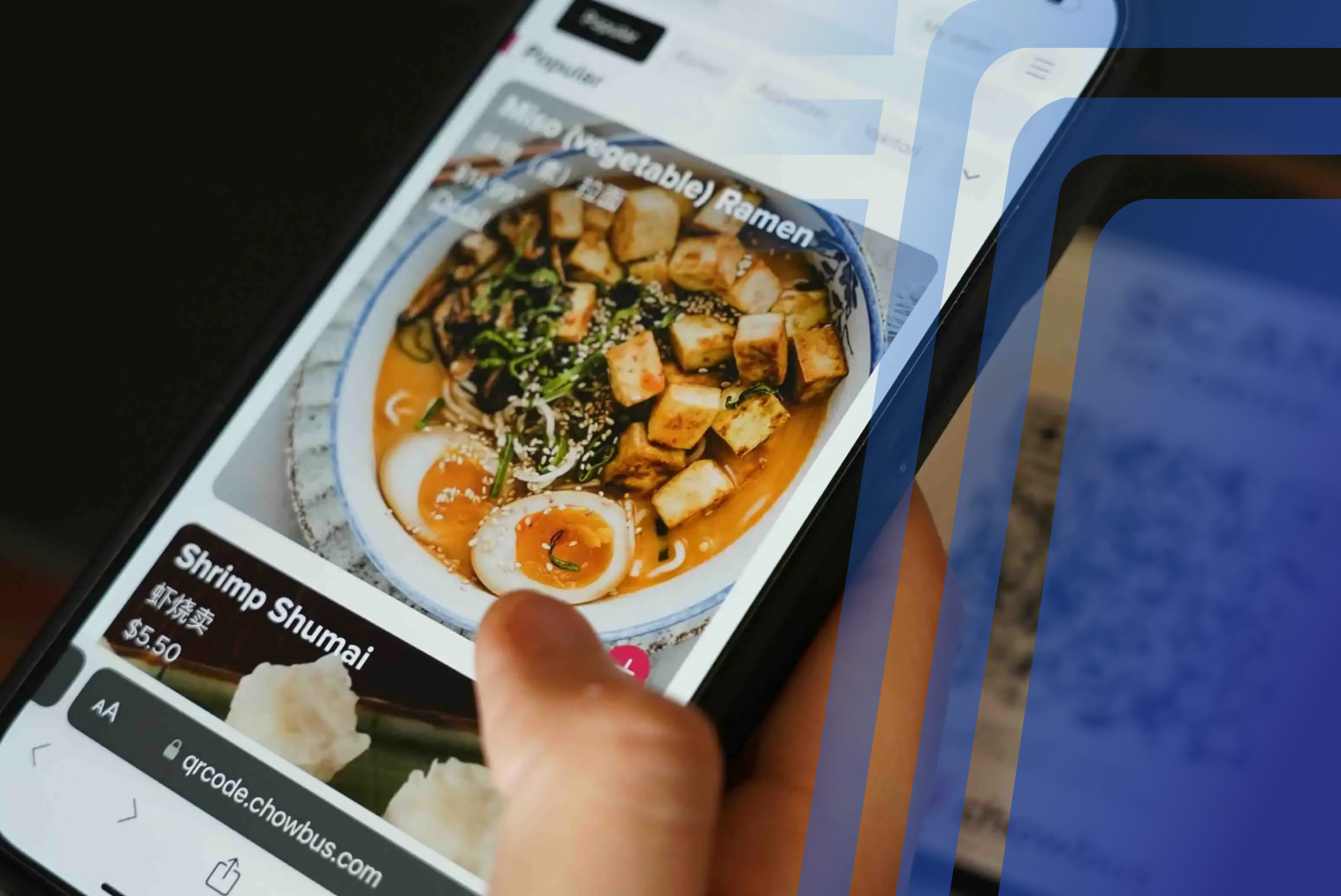
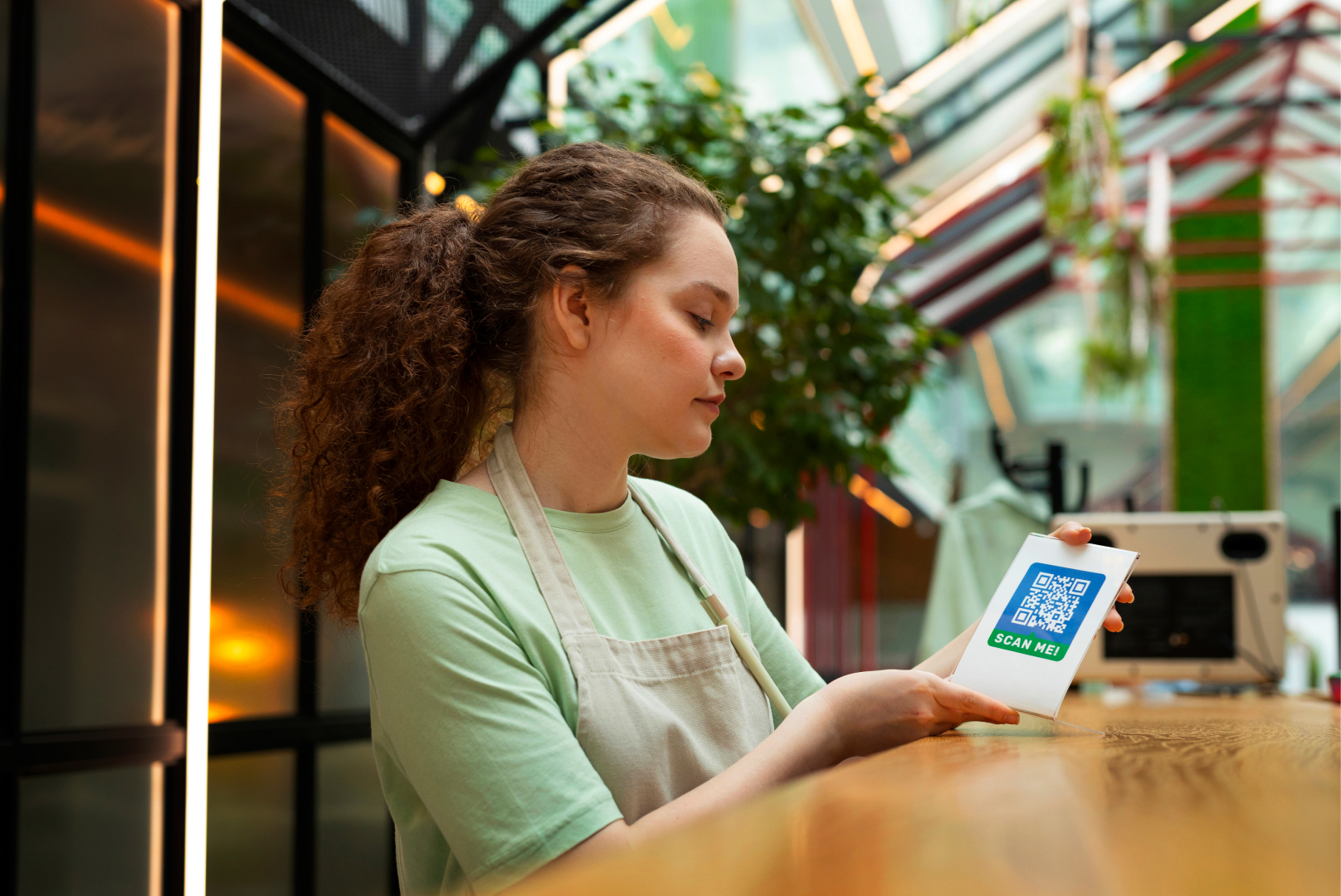
As restaurants adopt digital ordering, QR menus, and delivery integrations, many operators are beginning to explore the benefits of upgrading to cloud POS systems instead of relying on outdated hardware-based setups.
What Is a Traditional POS System?
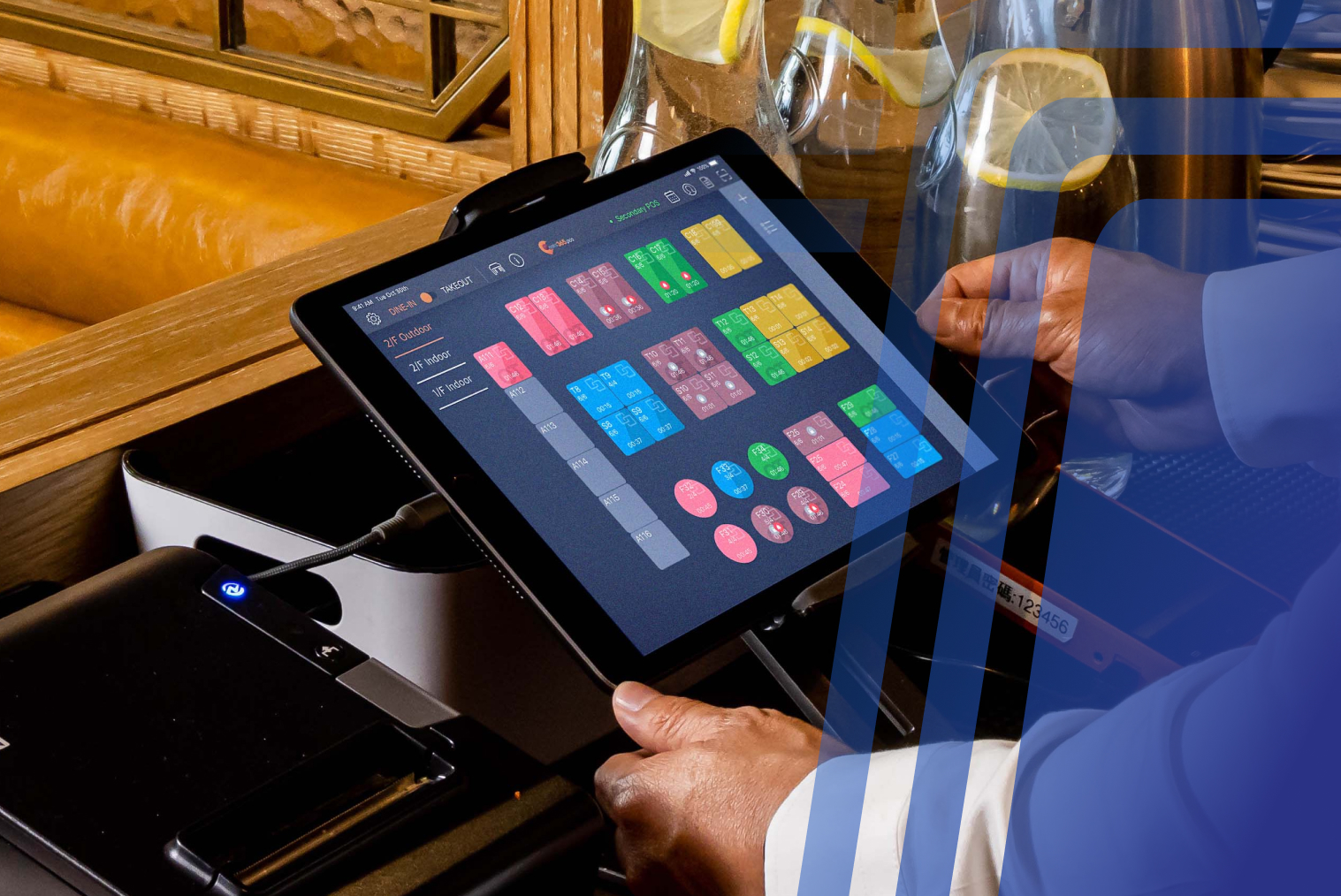
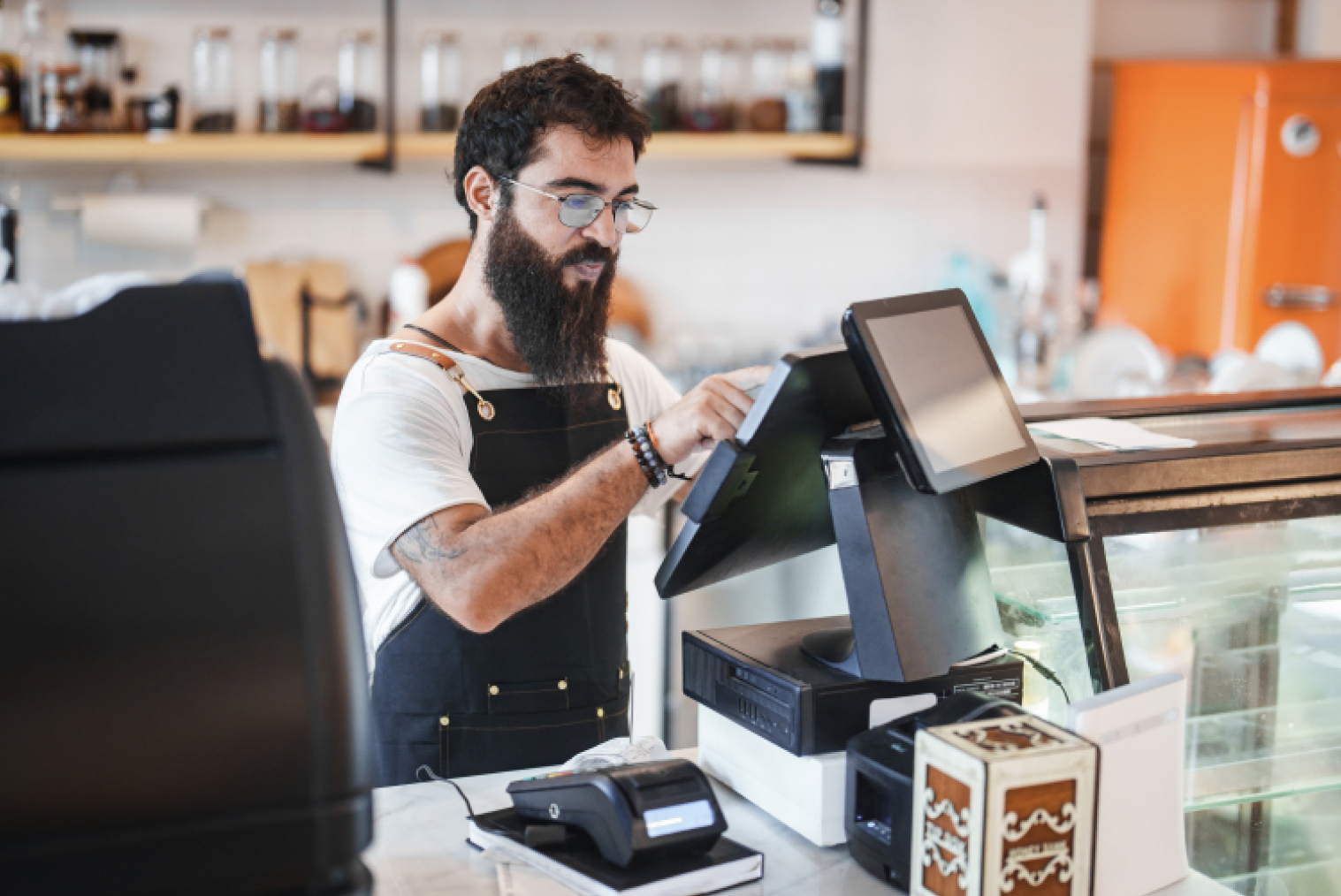
A traditional POS system is an on-premise setup where the restaurant’s data, software, and operations run through physical servers or local hardware installed inside the venue.
These systems were the industry standard for many years because they provided reliable billing and transaction management without depending heavily on internet connectivity.
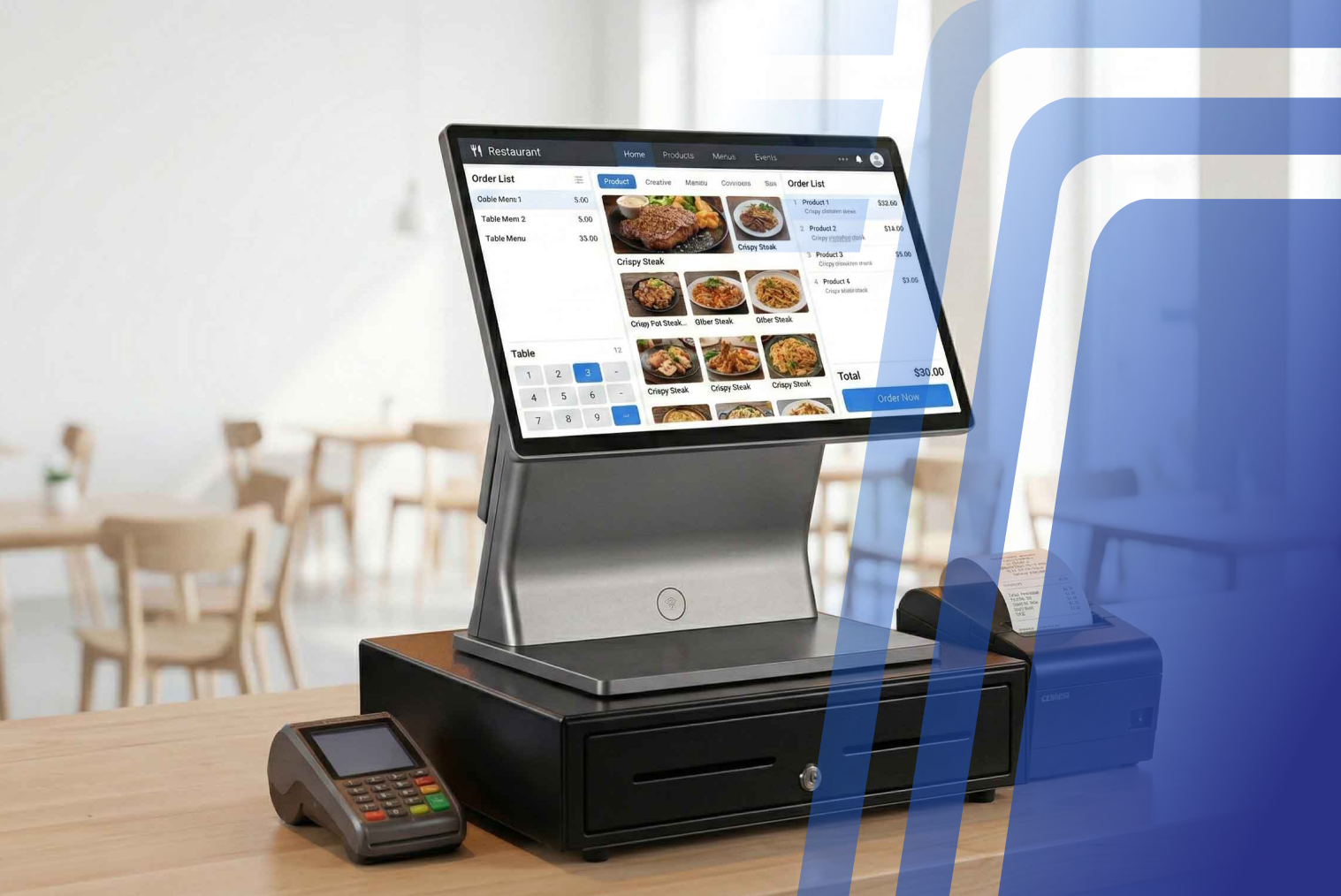
Traditional POS systems usually include:
- Desktop terminals
- Local servers
- Cash drawers
- Receipt printers
- Fixed payment systems
All operations are carried out at the restaurant’s site itself.
Among other things, one of the most prominent strengths of such systems is that they work even when there is no internet connection. Offline functioning is possible, which makes traditional restaurant systems more reliable.
On the other hand, traditional restaurant systems have certain drawbacks. Updates need to be installed manually, access from afar is limited, and expansion is costly and complicated.
This creates problems for growing restaurants.
What Is a Cloud POS System?
A cloud POS system stores restaurant data online instead of relying entirely on local hardware.
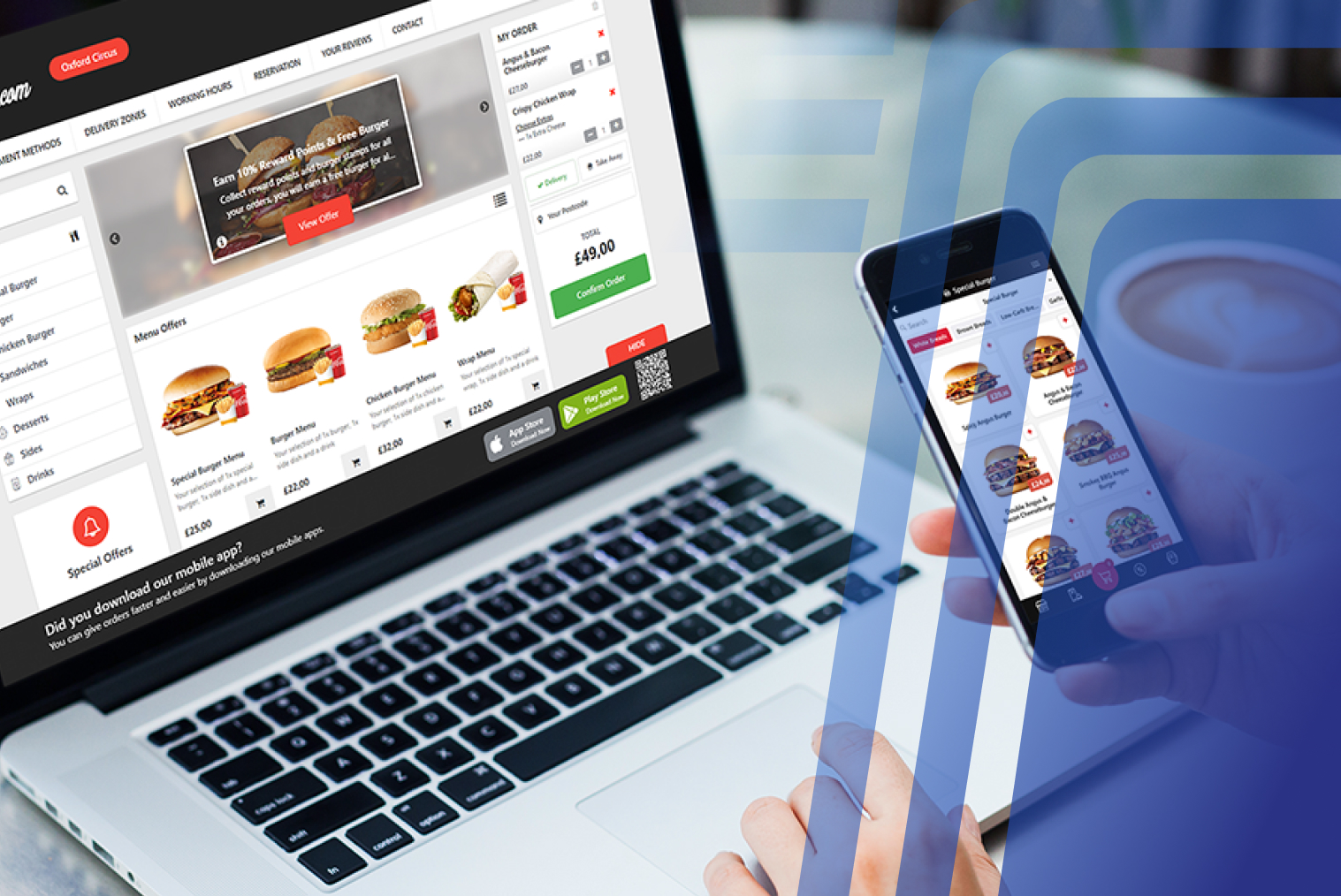
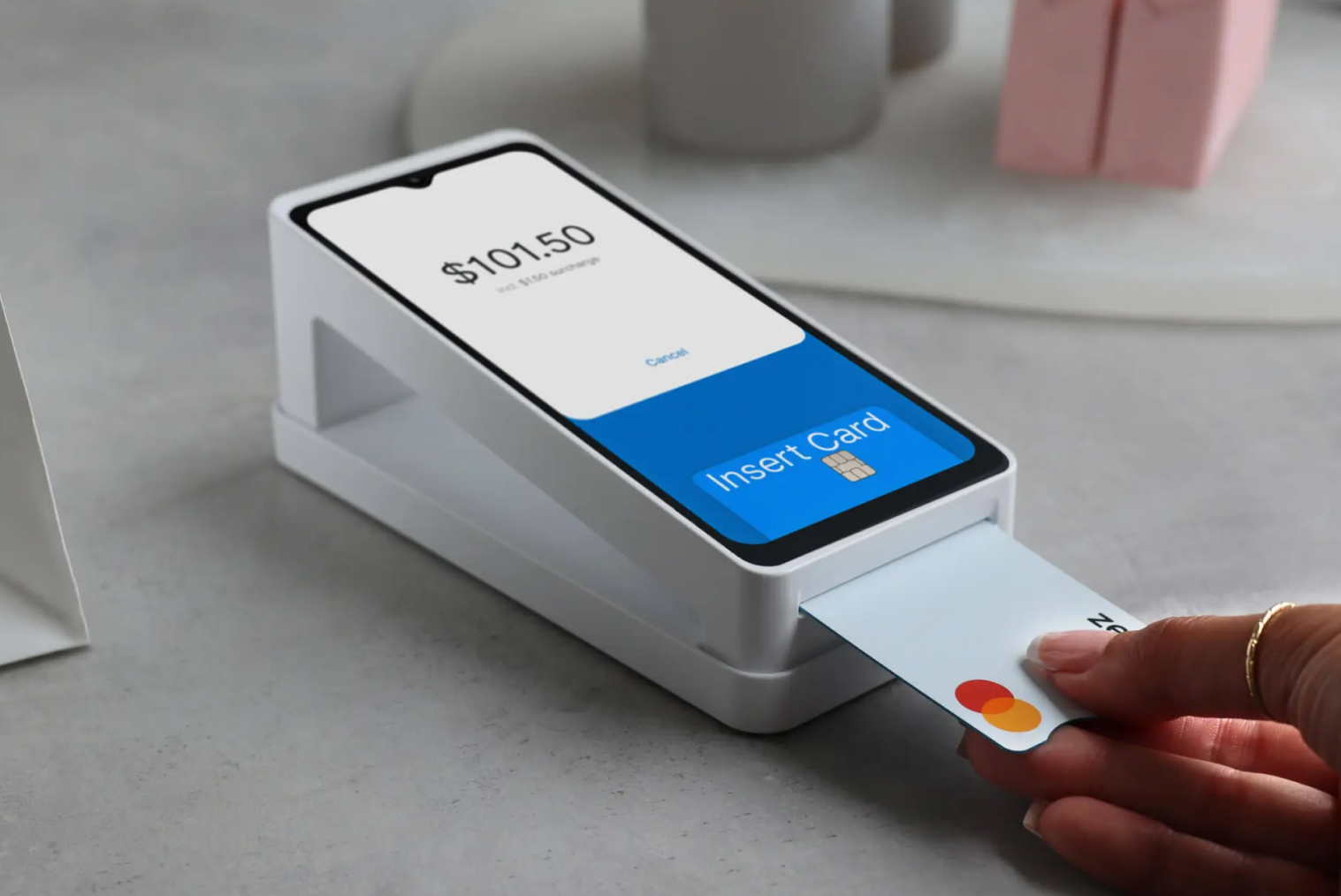
This means restaurant owners can access their business information from anywhere using internet-connected devices such as tablets, laptops, or smartphones.
Cloud POS systems typically operate through:
- Web-based dashboards
- Cloud servers
- Mobile-friendly interfaces
- Automatic software updates
- Real-time synchronization
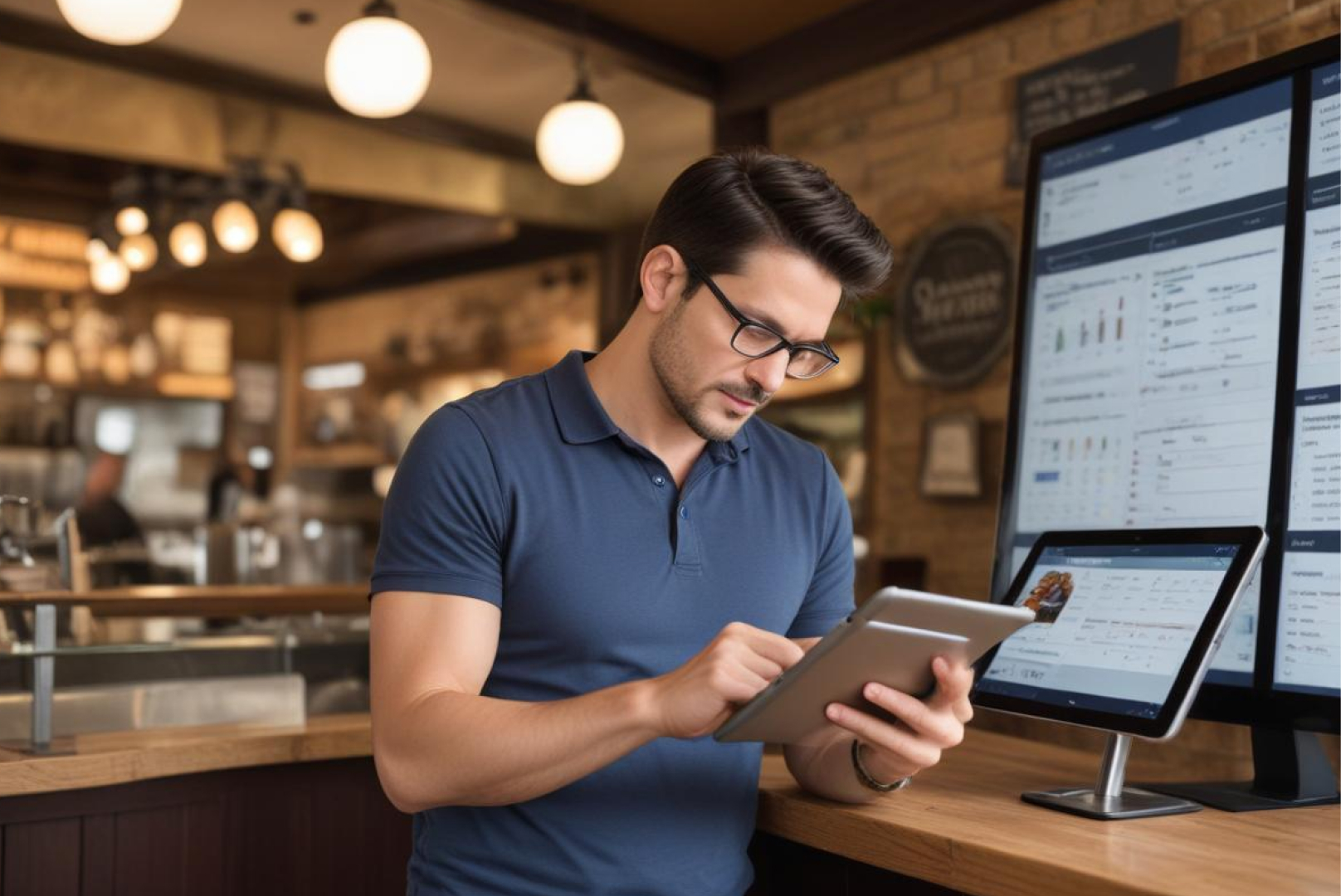
The biggest advantage of cloud technology is flexibility. Restaurant operators can monitor sales, inventory, staff performance, and customer activity remotely without physically being inside the restaurant.
Cloud systems also integrate more easily with:
- Online ordering platforms
- Delivery apps
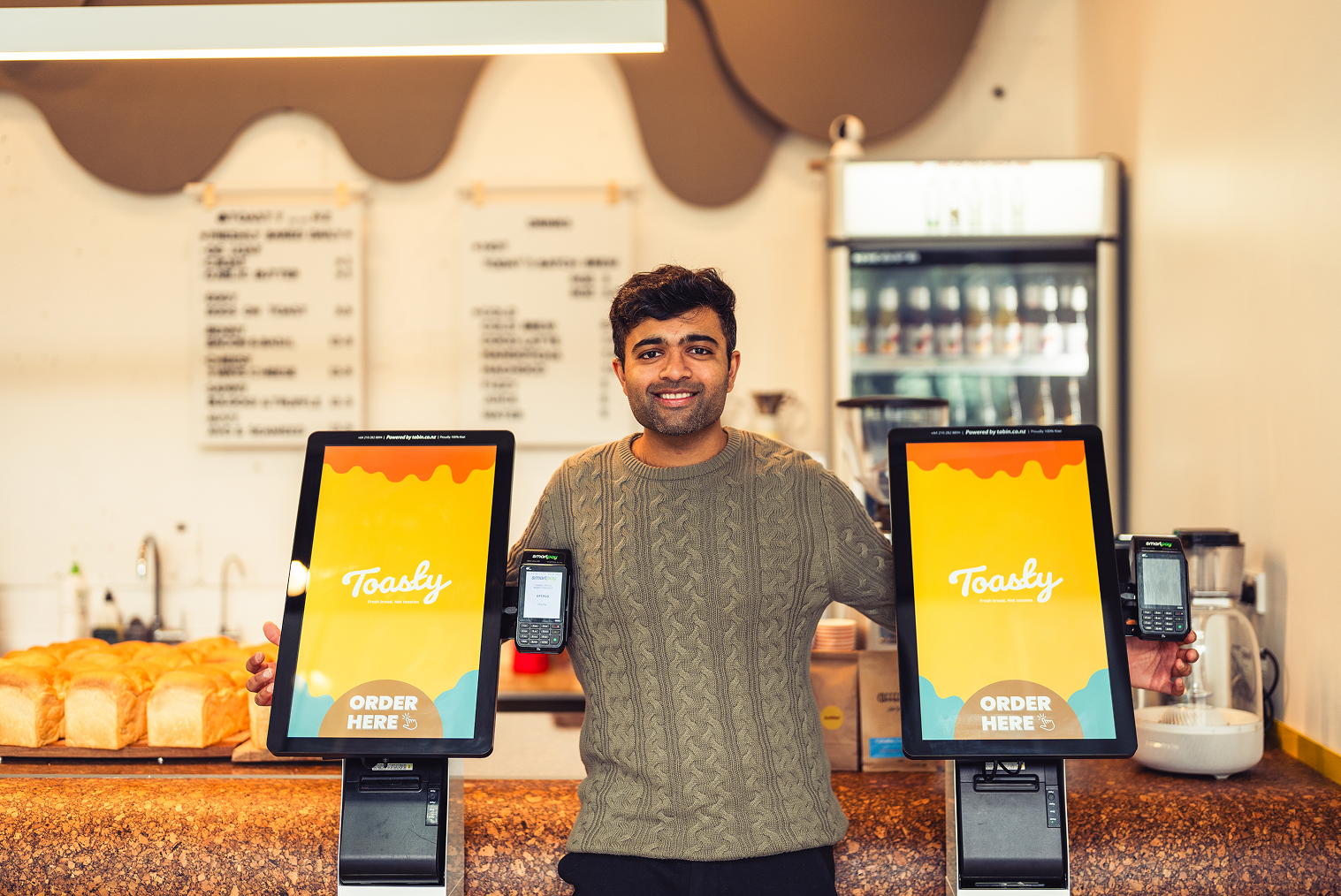
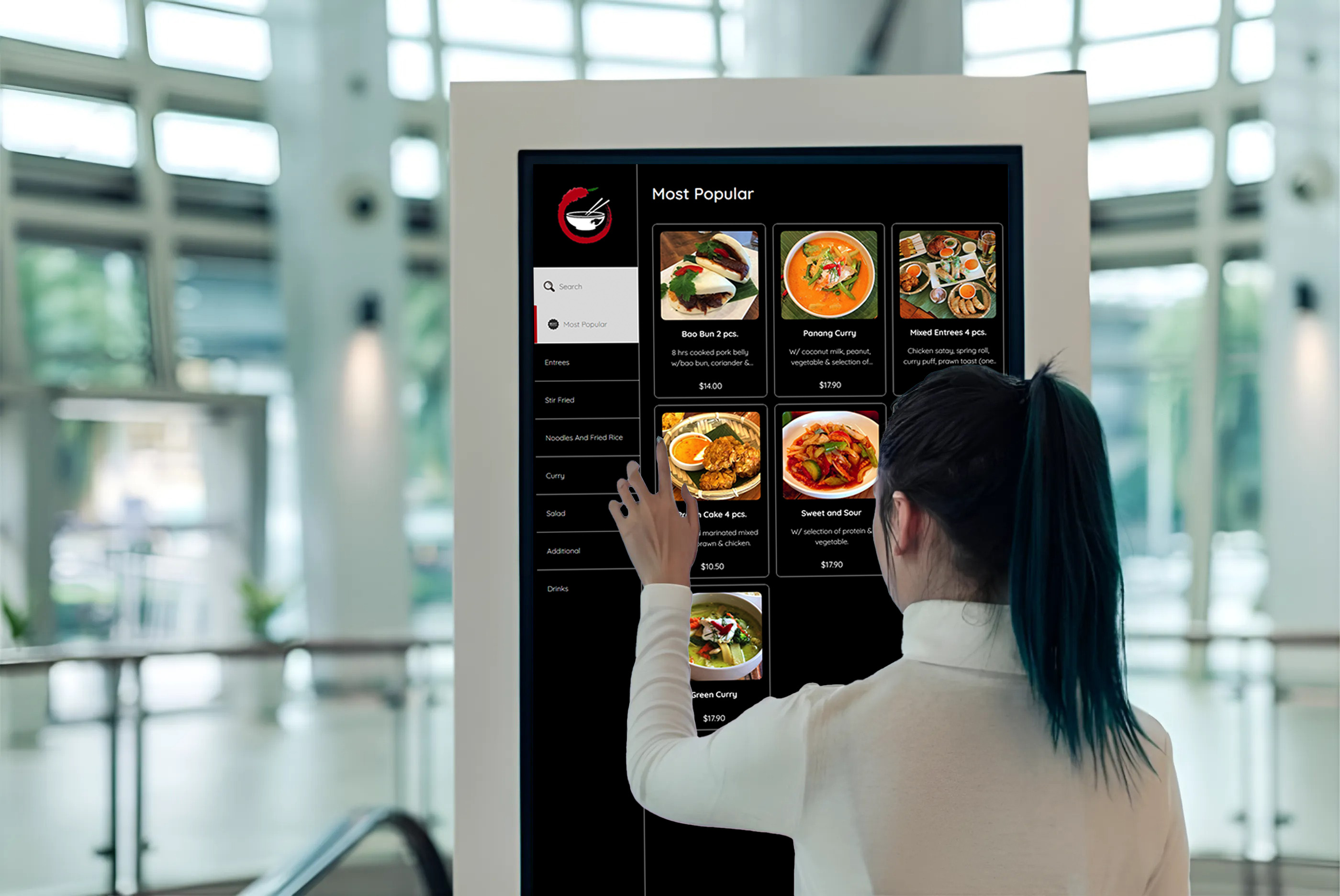
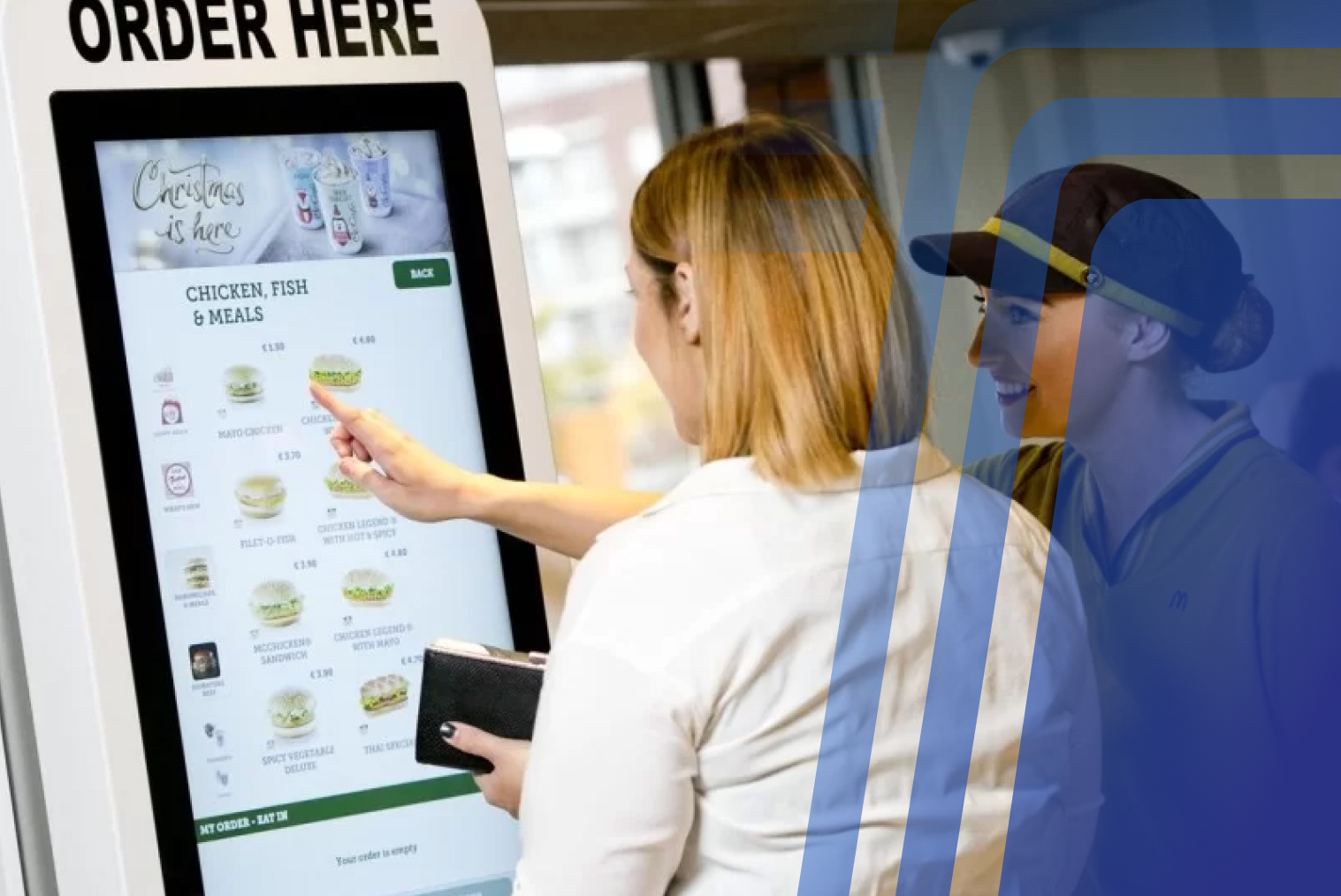
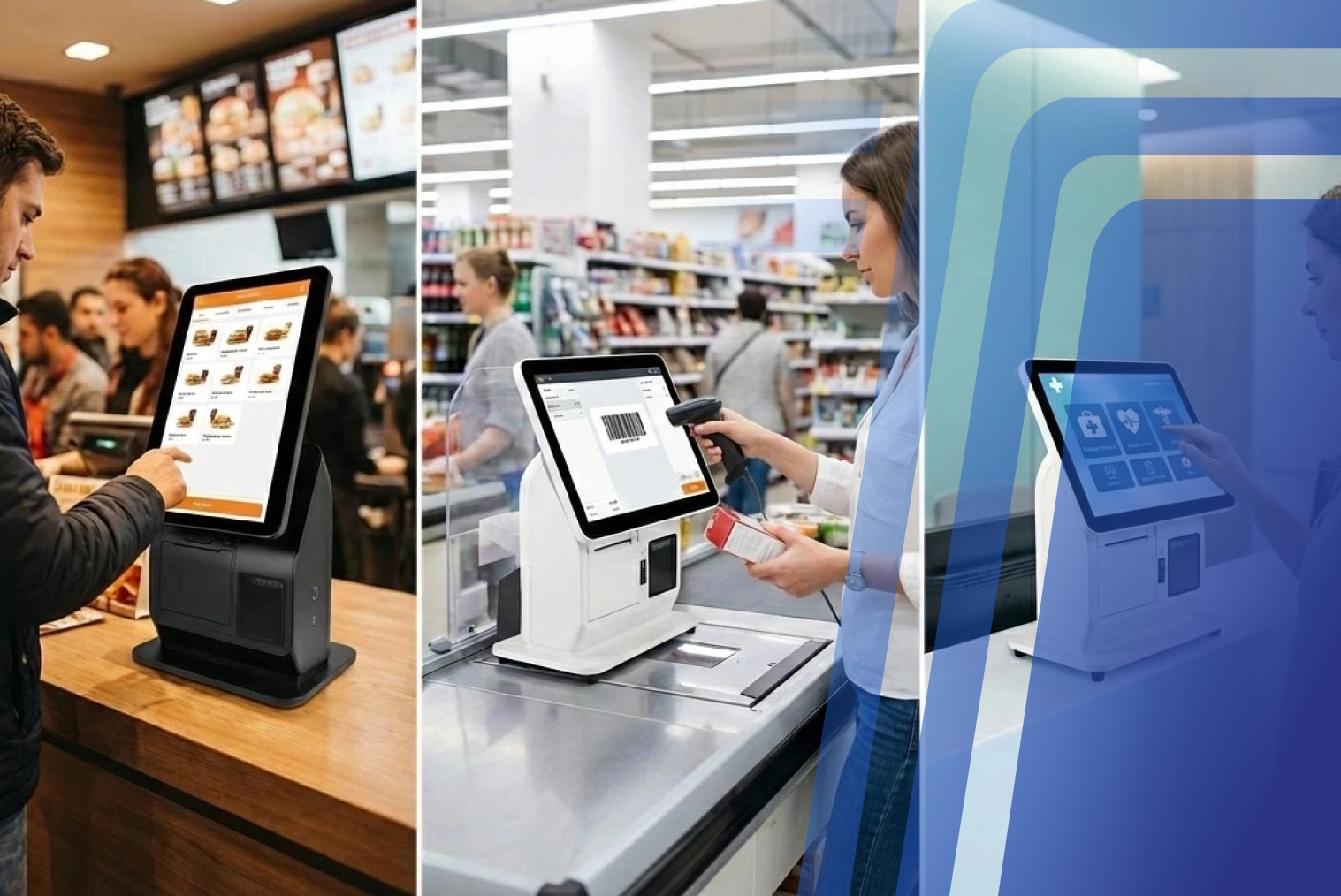
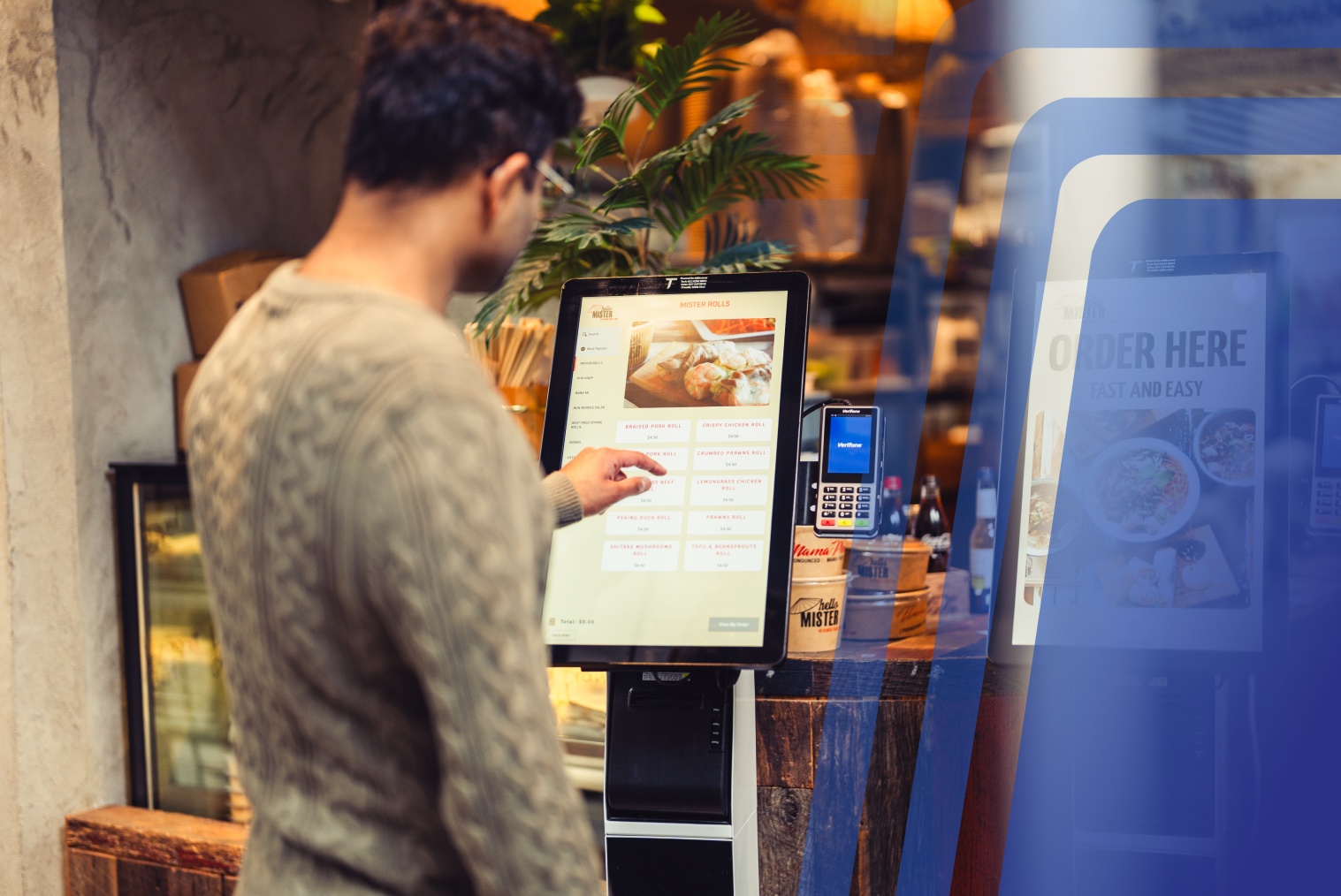
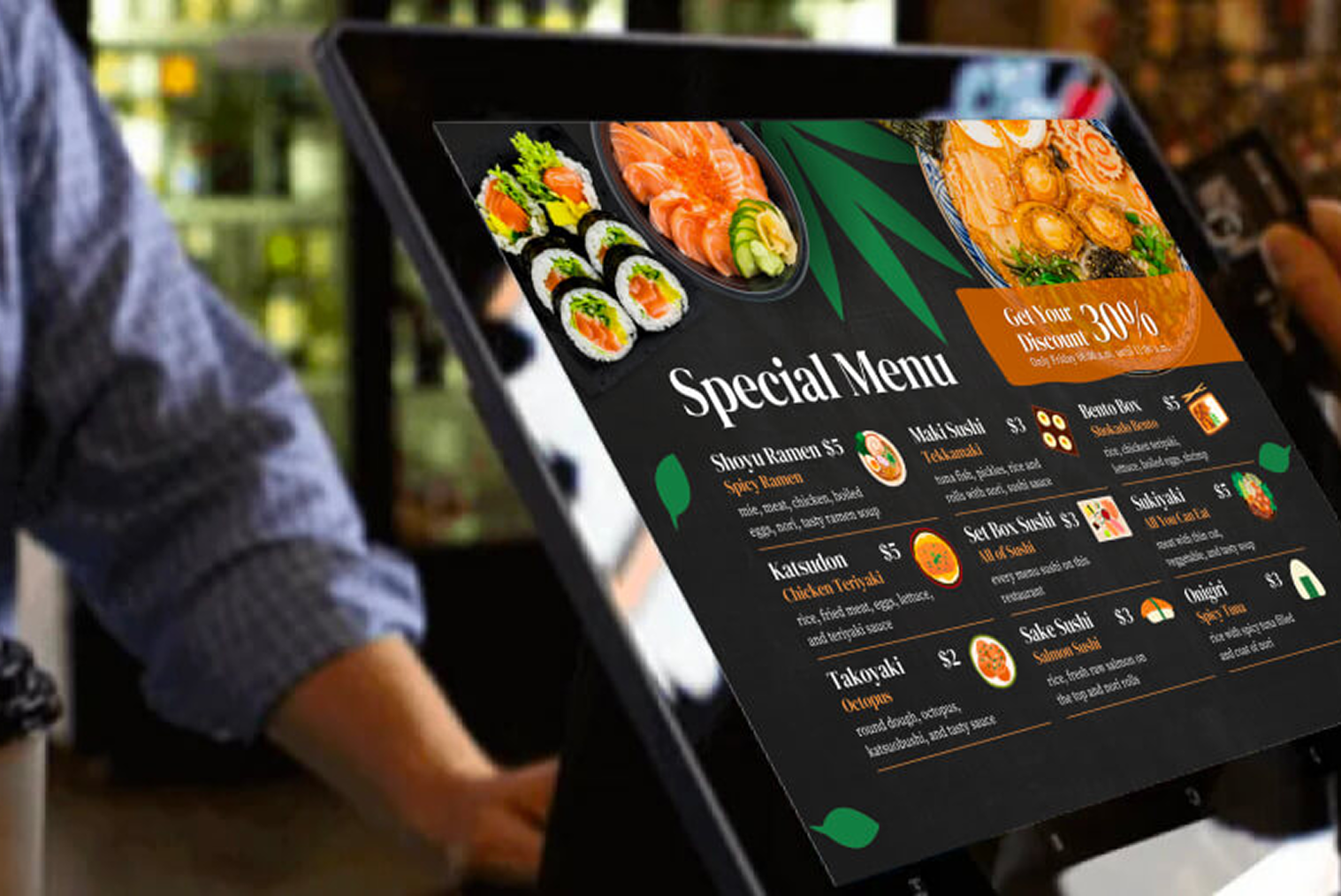
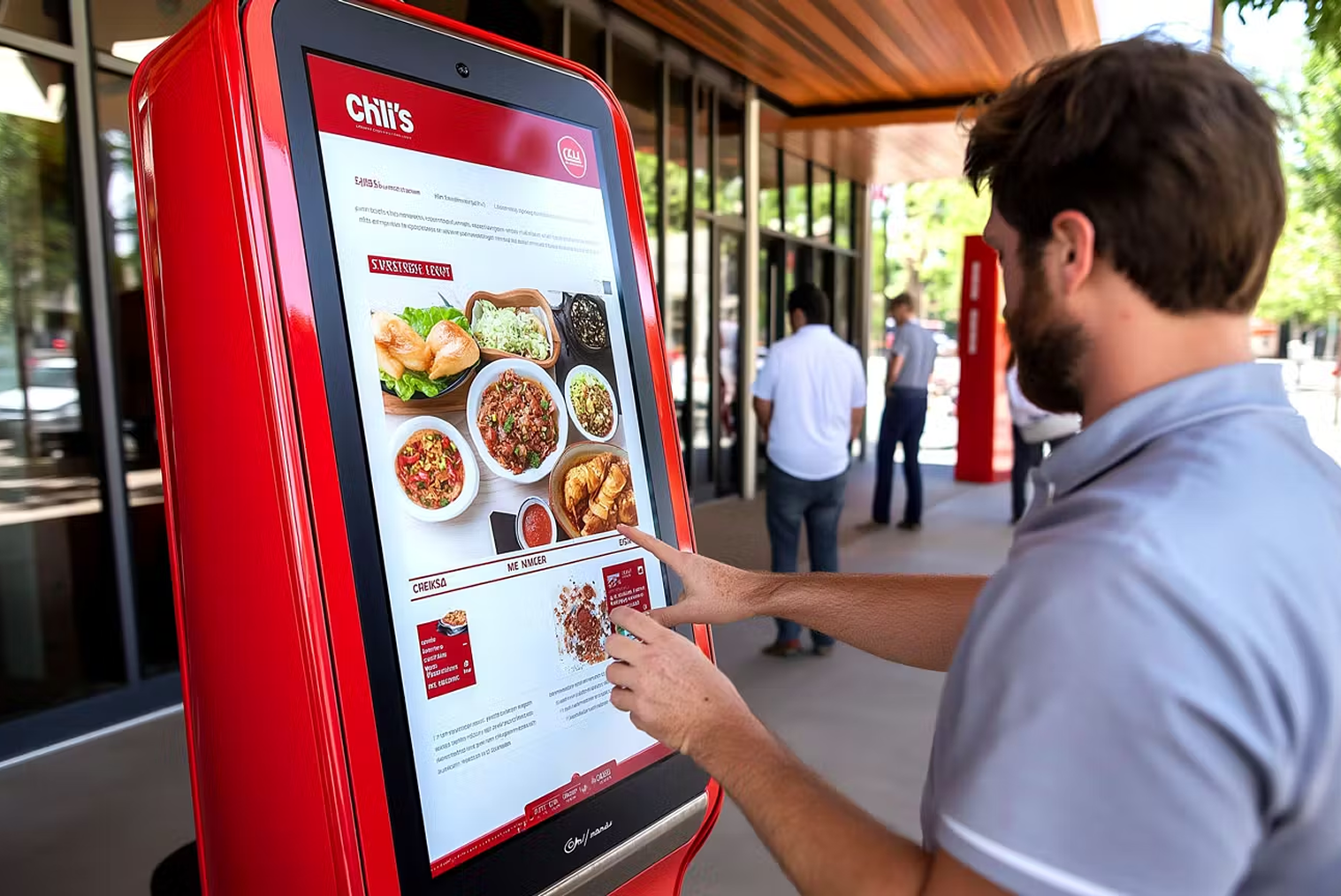
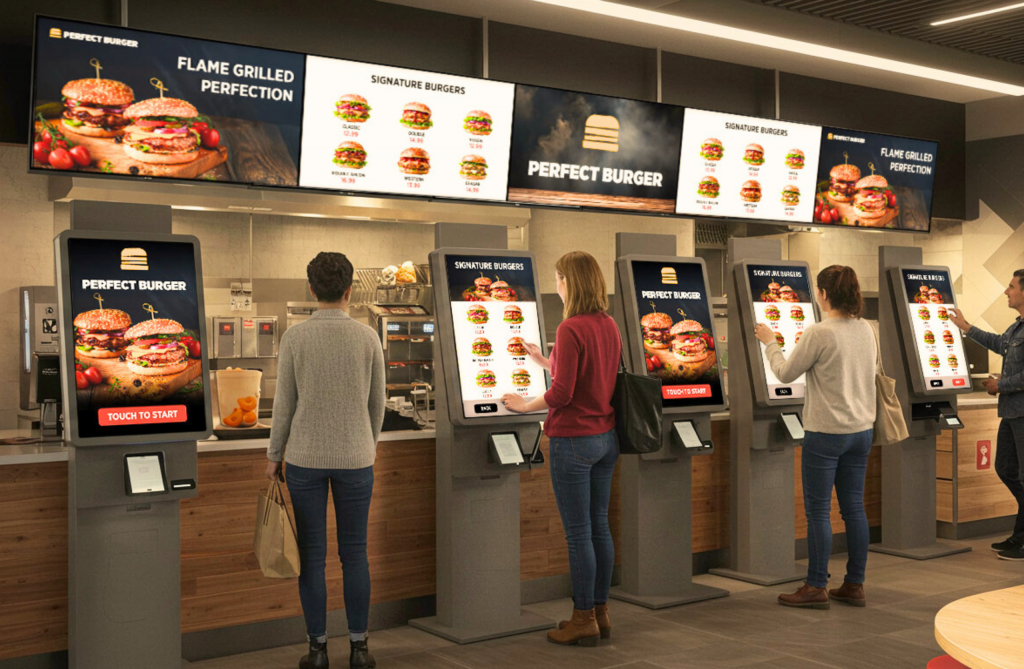
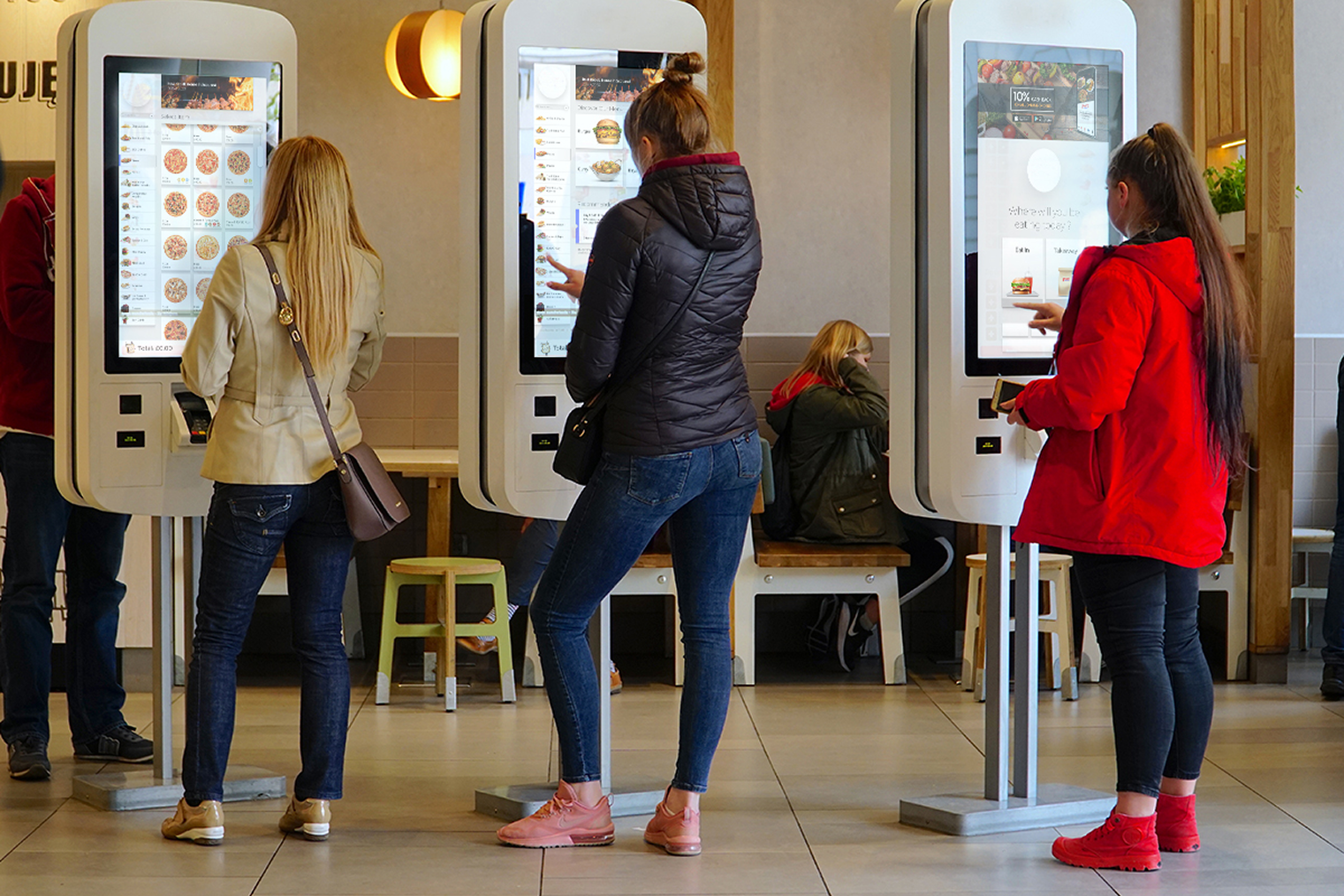
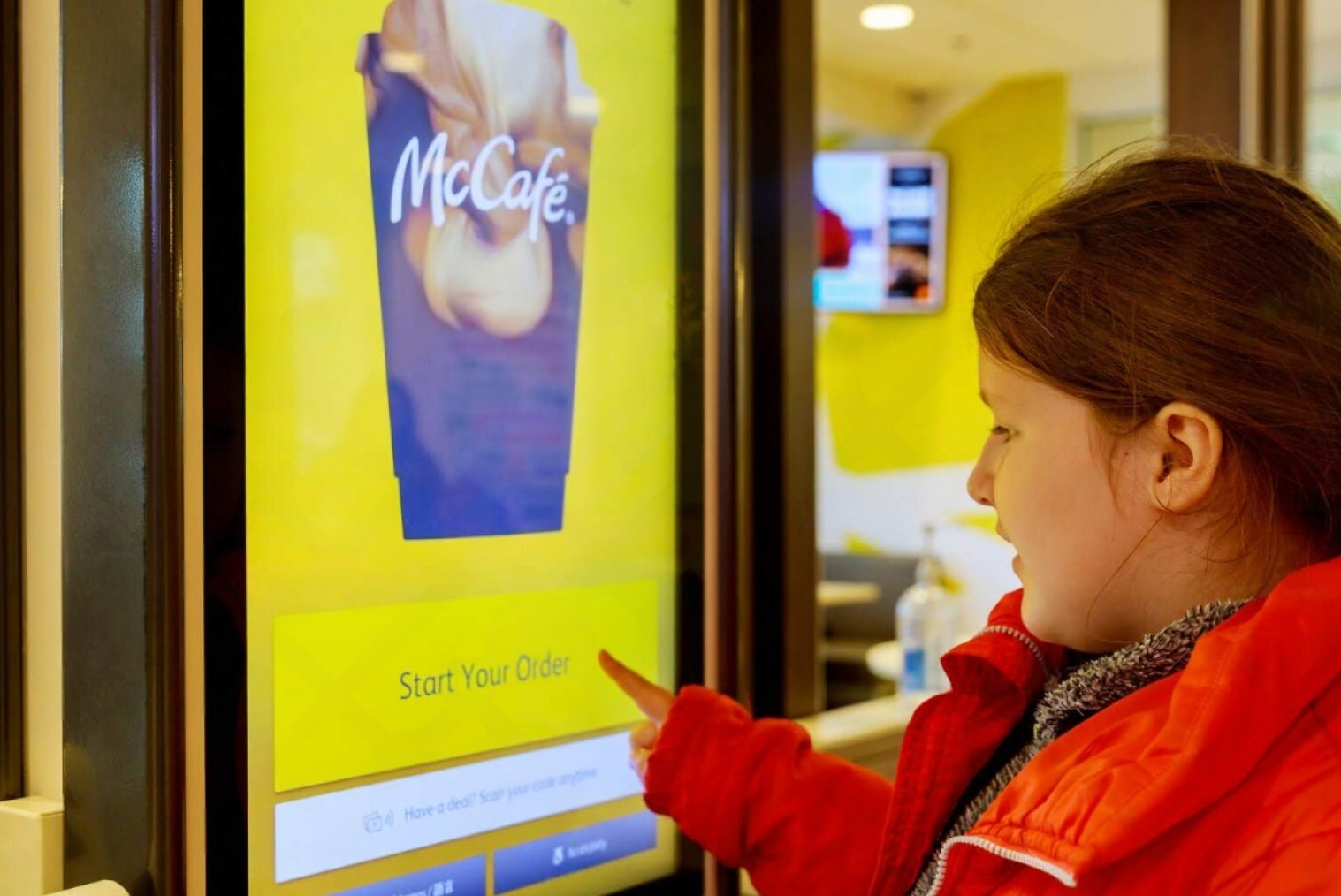
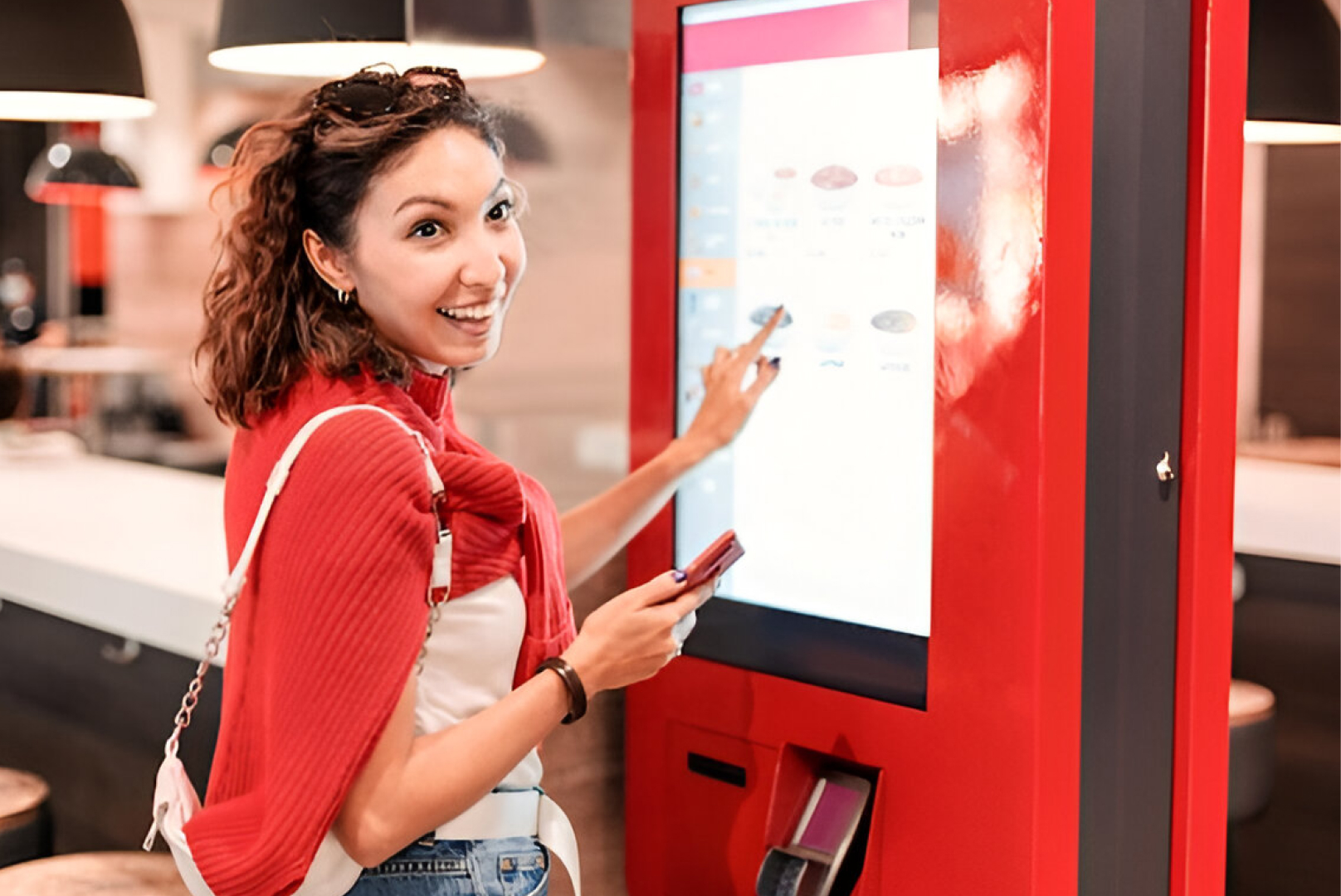
- Self-service kiosks
- Loyalty systems
- Accounting software
This makes cloud solutions particularly attractive for modern hospitality businesses.
For many operators asking why cloud POS is better for restaurants, the answer often comes down to adaptability and scalability.
Cloud POS vs Traditional POS Difference
Understanding the core differences between these systems helps restaurant owners make smarter long-term decisions.
| Feature |
Traditional POS |
Cloud POS |
| Data Storage |
Local servers |
Cloud-based servers |
| Accessibility |
On-site only |
Accessible remotely |
| Software Updates |
Manual updates |
Automatic updates |
| Hardware Dependency |
High |
Flexible |
| Scalability |
More difficult |
Easier |
| Multi-Location Management |
Complex |
Simplified |
| Real-Time Reporting |
Limited |
Advanced |
| Internet Dependency |
Lower |
Higher |
The biggest operational difference lies in accessibility and flexibility.
Traditional systems are like keeping all your restaurant files locked inside one office cabinet. Cloud systems are more like having secure digital access to your business from anywhere at any time.
That flexibility is becoming increasingly important for restaurant owners managing multiple sales channels and operational complexity.
Why Cloud POS Is Better for Restaurants
1. Real-Time Business Visibility
One of the strongest cloud POS benefits for restaurants is real-time visibility.
Restaurant owners can instantly track:
- Daily sales
- Peak-hour performance
- Inventory levels
- Staff activity
- Customer trends
This level of operational insight allows restaurants to make faster and more informed decisions.
Imagine being able to check your restaurant’s lunch-hour performance directly from your phone while away from the venue. That kind of remote management capability is transforming hospitality operations globally.
2. Easier Multi-Location Management
For restaurants operating multiple branches, cloud POS systems simplify centralized management dramatically.
Instead of managing separate local systems at each location, cloud platforms synchronize everything through a single dashboard.
Operators can:
- Update menus across all stores
- Compare location performance
- Manage inventory centrally
- Monitor staffing trends
- Launch promotions instantly
This scalability becomes critical for growing restaurant brands.
3. Lower Upfront Infrastructure Costs
Traditional systems often require expensive server hardware and specialized installation.
Cloud systems usually reduce upfront infrastructure requirements because much of the technology operates online. Many cloud POS solutions also work on tablets and mobile devices instead of expensive proprietary terminals.
This creates a lower barrier to entry for small cafés and independent restaurants.
4. Automatic Updates and Maintenance
Cloud systems automatically receive software updates, feature improvements, and security patches.
Traditional systems may require manual updates or technician support, which can create operational downtime or additional costs.
Automatic maintenance keeps restaurants running with fewer technical interruptions.
5. Better Integration With Modern Restaurant Technology
Restaurants today rely on interconnected digital ecosystems.
Cloud POS systems integrate more effectively with:
- Online ordering systems
- Delivery platforms
- Self-service kiosks
- Kitchen display systems
- Loyalty programs
This integration capability is one of the biggest reasons cloud adoption continues growing within the restaurant industry.
When Traditional POS Still Makes Sense
Although there has been an increase in cloud technology, traditional POS systems remain effective for some restaurant setups.
A restaurant located in places where internet connections are unstable will prefer using a traditional system since it allows them to run even without internet access.
Some companies want full control over their systems and information storage, instead of being dependent on internet-based technologies.
In some cases, a small restaurant that does not have complex needs may not require cloud services at first.
However, most traditional POS companies have begun incorporating cloud features in their systems due to changing customer demands.
Cloud POS Benefits Restaurants in New Zealand Specifically
New Zealand’s hospitality industry operates in a highly competitive environment where operational efficiency matters enormously.
Cloud systems help NZ restaurants adapt faster to:
- Delivery app integration
- Online ordering demand
- Contactless payments
- Staffing shortages
- Customer loyalty programs
Restaurants across New Zealand are increasingly focusing on digital transformation because customer expectations around convenience continue rising.
Another important factor is mobility. Many cafés, food trucks, pop-up concepts, and takeaway businesses in NZ benefit from portable cloud POS systems that operate flexibly across different service environments.
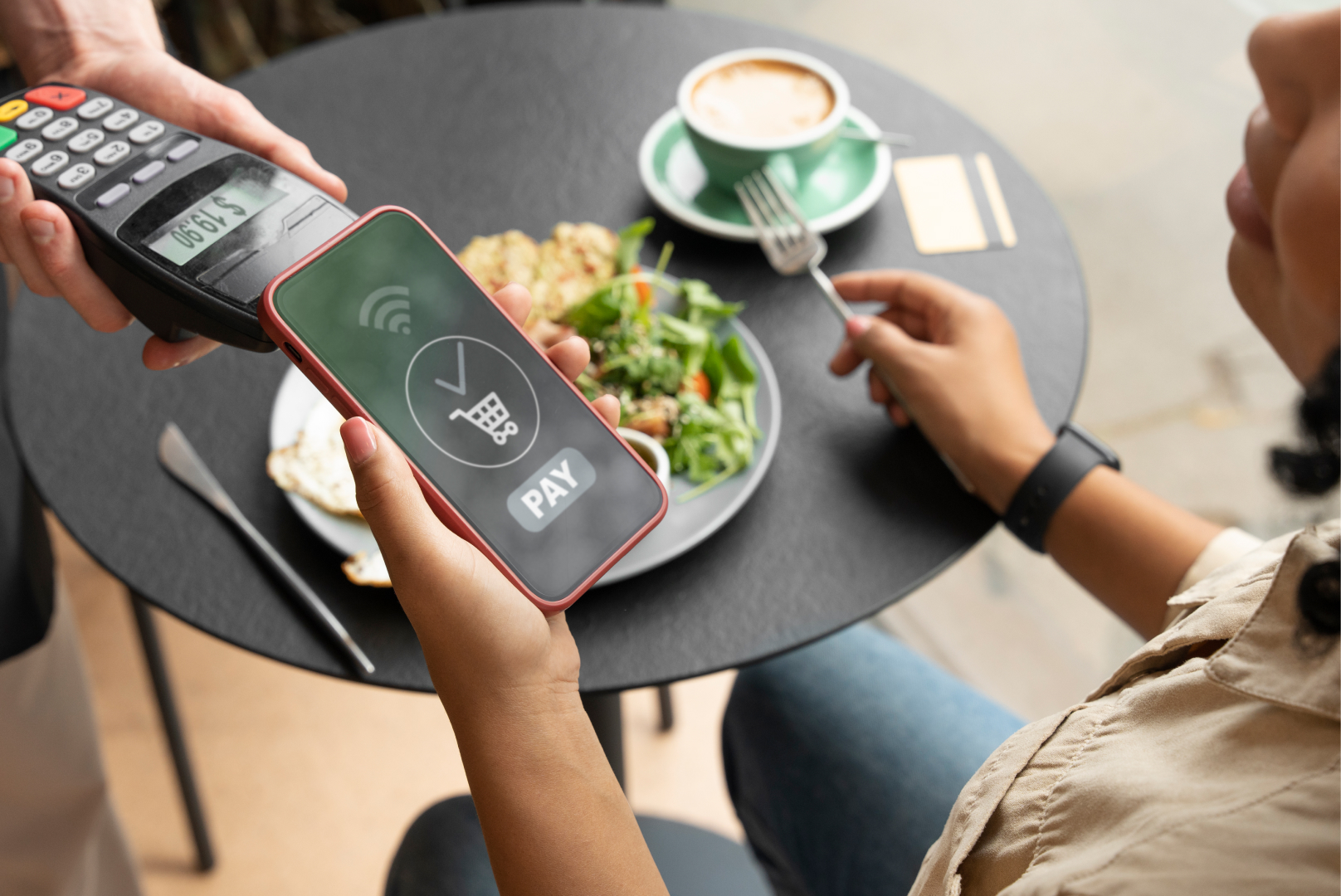
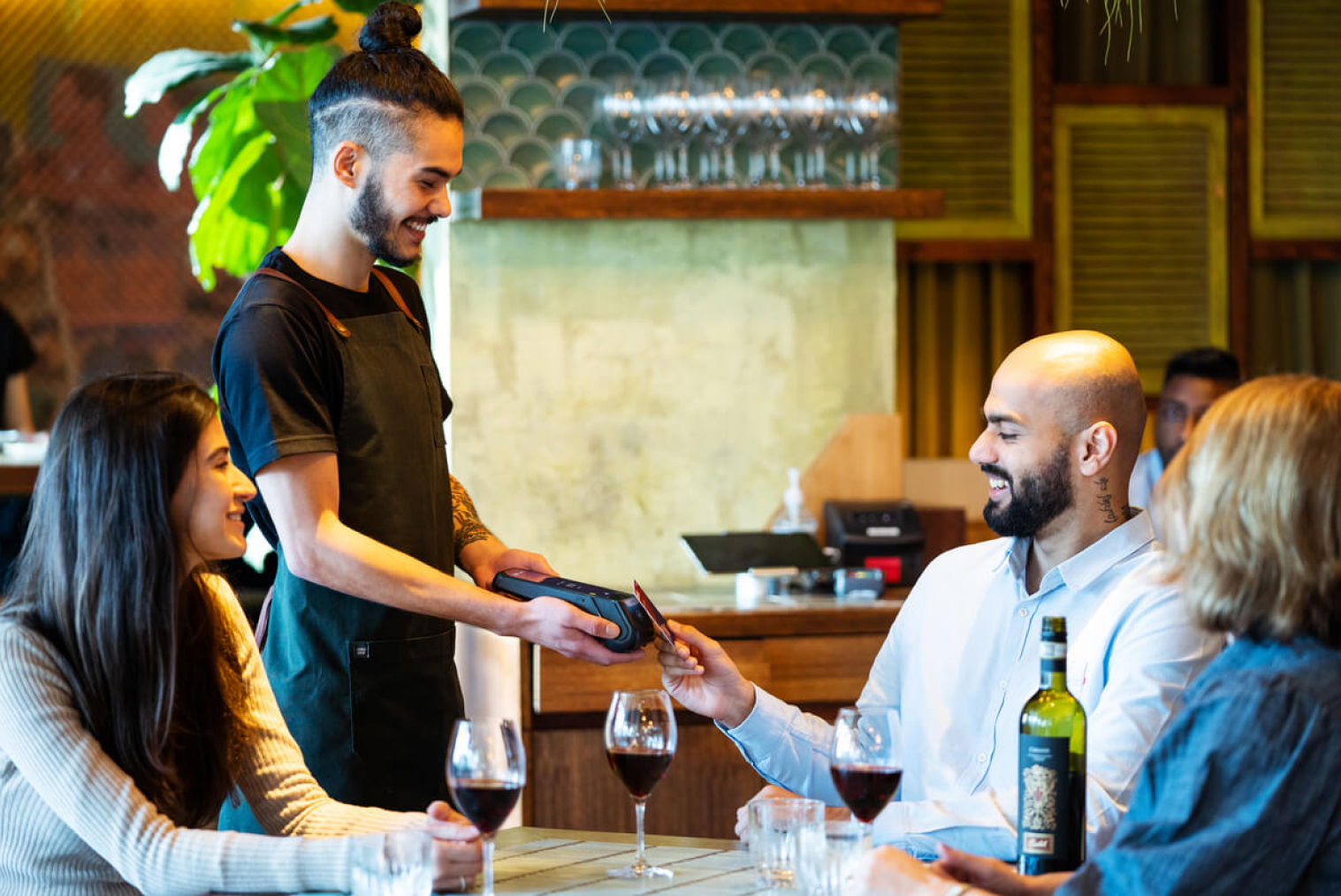
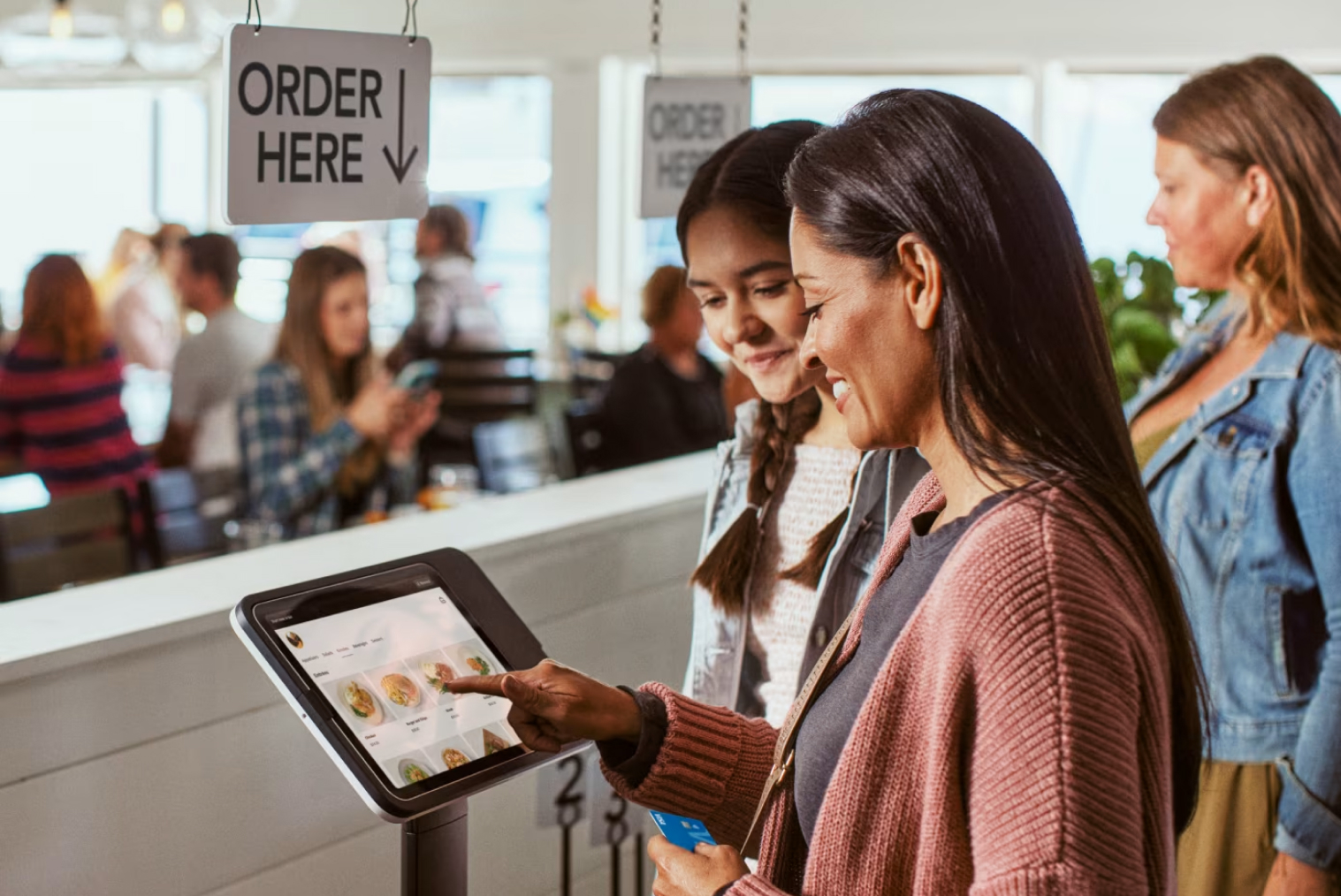
Digital payment and mobile ordering are no longer just temporary conveniences—they are industry-standard requirements. As guest expectations evolve, hospitality venues worldwide increasingly rely on digital wallets (e.g., Apple Pay, Google Pay) and real-time payment rails to provide faster, more secure transactions
Cloud systems align naturally with these evolving customer behaviors.
Security Considerations: Is Cloud POS Safe?
Security is one of the most common concerns restaurant owners raise when comparing cloud POS vs traditional POS.
Modern cloud POS providers typically use:
- Encrypted transactions
- Secure cloud servers
- PCI-compliant payment processing
- Multi-factor authentication
- Automatic backups
In many cases, cloud providers invest far more heavily in cybersecurity infrastructure than small restaurants could independently manage with local systems.
Traditional systems are not automatically safer simply because data remains on-site. Local hardware can still experience:
- Physical theft
- Hardware failure
- Data corruption
- Manual backup errors
The real key is choosing reputable POS providers with strong security protocols and ongoing support services.
Which POS System Is Better for Small Restaurants and Cafés?
For small cafés and independent restaurants, cloud POS systems often provide stronger flexibility and affordability.
Smaller businesses benefit from:
- Lower setup costs
- Easier scalability
- Mobile accessibility
- Simpler management
- Faster deployment
Cloud systems also allow small operators to access advanced reporting and integrations that were previously available mainly to larger restaurant chains.
Many small hospitality businesses now use cloud systems to compete more effectively with larger brands.
That is one of the biggest reasons cloud technology adoption continues accelerating across the restaurant industry.
Choosing the Right POS System for Your Restaurant
The best POS system depends on your restaurant’s operational goals and business model.
Before making a decision, restaurants should evaluate:
- Number of locations
- Internet reliability
- Online ordering needs
- Delivery integrations
- Staff management complexity
- Reporting requirements
- Growth plans
Restaurants focused on expansion, digital ordering, and operational flexibility typically benefit more from cloud-based systems.
Businesses prioritizing offline reliability and simpler operations may still prefer traditional setups in some situations.
The most important thing is choosing a system that supports future growth rather than limiting operational potential.
Conclusion
The debate around cloud POS vs traditional POS is ultimately about flexibility versus legacy infrastructure.
Traditional systems still offer reliability for certain businesses, particularly in environments where internet connectivity may be inconsistent. However, modern restaurants increasingly require real-time reporting, remote access, integrations, scalability, and operational agility — all areas where cloud systems excel.
For most restaurants in New Zealand, cloud technology offers significant long-term advantages. From easier multi-location management to automated updates and better digital integrations, the cloud POS benefits restaurants by simplifying operations while supporting modern customer expectations.
As the restaurant industry continues evolving toward digital-first experiences, many operators are realizing why cloud POS is better for restaurants looking to stay competitive in an increasingly technology-driven market.
The future of restaurant management is becoming more connected, mobile, and data-driven. Restaurants investing in adaptable cloud systems today are positioning themselves for smarter growth tomorrow.


.webp)











.png)














.webp)


