Running a food truck successfully requires more than taking orders quickly. A mobile POS helps food truck operators manage queues, accept contactless payments, track inventory, monitor sales, and stay efficient at busy events and service periods. This guide explains how to use mobile POS technology day to day — from setting up offline payments and managing rush-hour orders to analysing sales and inventory. It also covers the key features to look for and how TABIN's mobile POS can support food truck operations across New Zealand.
Running a Food Truck Is an Operational Challenge
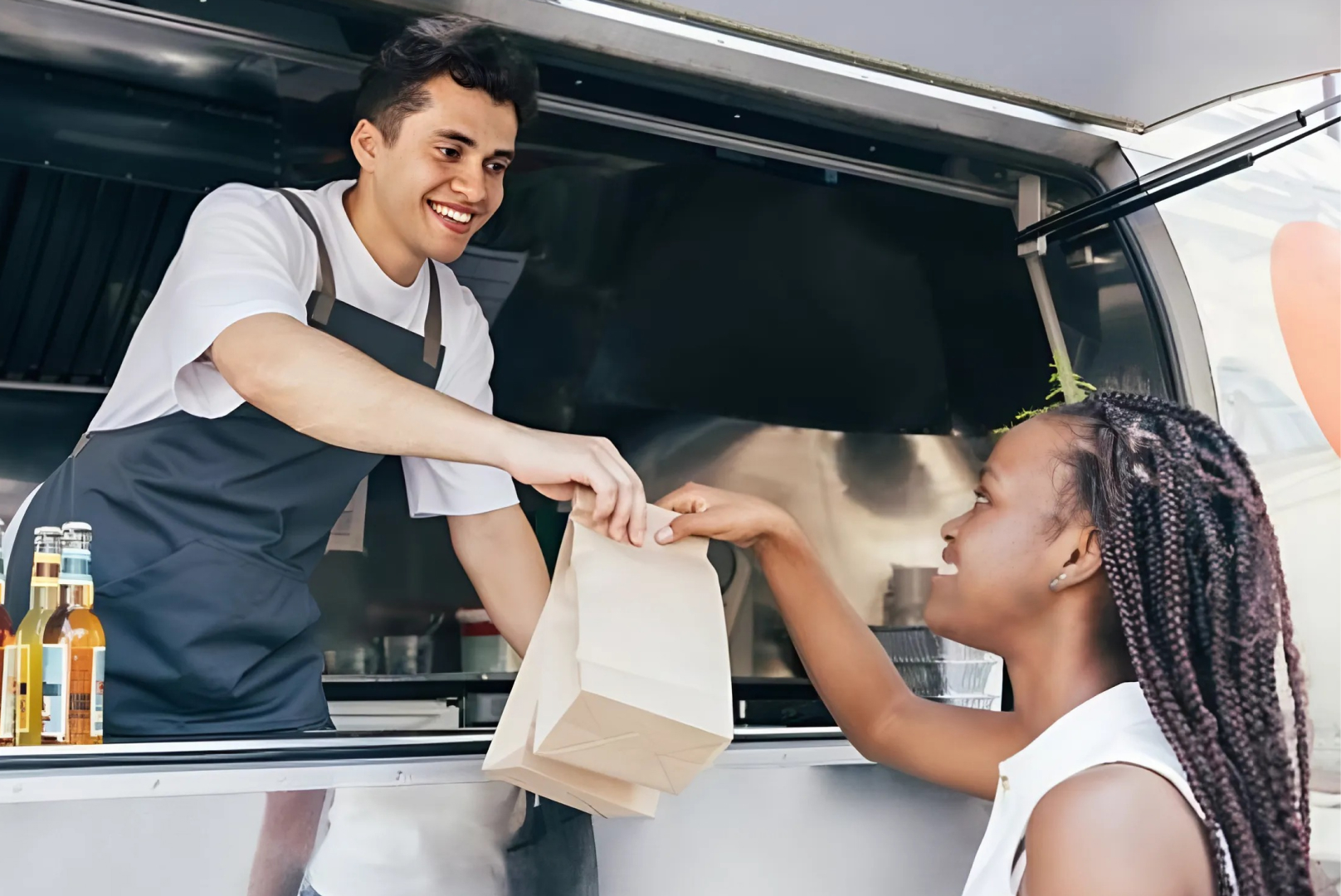
Food trucks have a unique advantage: they can take their business directly to customers.
From festivals and markets to corporate events, sports grounds and busy lunch locations, food trucks can change where they trade based on demand. But that flexibility also creates operational challenges.
Space is limited. Customer demand can change quickly. Staff often have to manage ordering, payments, food preparation, and customer questions simultaneously.
During a quiet period, a simple POS setup may be enough. During a major event, however, the same setup can quickly become a bottleneck.
That's where a mobile POS system for food trucks becomes valuable.
Instead of treating POS as simply a payment terminal, operators can use it as the central system for managing orders, payments, inventory, and sales data throughout the trading day.
Just starting a food truck in New Zealand?
Our guide to how to start a food truck business in New Zealand covers planning, startup costs, legal requirements and getting your business ready to trade.
Why Day-to-Day Efficiency Matters for NZ Food Trucks
Food truck operators in New Zealand are working in a hospitality environment where controlling operating costs and getting more from available staff are increasingly important.
The Restaurant Association's 2025 Hospitality Report found that New Zealand's hospitality sector generated $15.99 billion in sales in the year ending June 2025, while operators continued to face rising food, wage, and operating costs. The Association also reported that labour costs represented approximately 40% of revenue, highlighting why operational efficiency matters.
For a food truck, where the team may only consist of a few people, small improvements can make a noticeable difference.
A faster ordering process can help move customers through the queue. Better inventory visibility can reduce waste. Reliable payment processing can prevent lost sales. And sales reporting can help operators understand which locations, events, and menu items are actually performing.
Why Operational Efficiency Matters for NZ Food Trucks
The wider New Zealand hospitality sector is operating in a challenging cost environment. According to the Restaurant Association's 2025 Hospitality Report, hospitality sales reached $15.99 billion for the year ended June 2025, but annual growth was only 1.4%. The Association also reported that wage costs were averaging around 40% of revenue, putting additional pressure on operators to improve efficiency.
For food trucks and other small-format food businesses, operational efficiency can therefore have a direct impact on profitability.
Every unnecessary step matters.
If staff spend less time writing orders, looking for stock information, manually reconciling sales, or switching between systems, they have more time to focus on preparing and serving food.
The Rise of the Modern Food Truck
Food trucks have come a long way from being impromptu street foods to gourmet roving kitchens that peddle everything from fusion tacos to specialty coffee. But being in a small, movable space also means that they have specific challenges: storage space is limited, customer flow is unpredictable, and serving must be quick.
To remain competitive, today's food trucks are turning to mobile POS systems that are as flexible and fast as they are. The global food truck market is booming — valued at USD 5.42 billion in 2024 and forecast to grow to USD 7.87 billion by 2030. Analysts expect the market to more than double in the next decade, reaching USD 6.27 billion by 2035, according to industry research.
What Is a Mobile POS System?
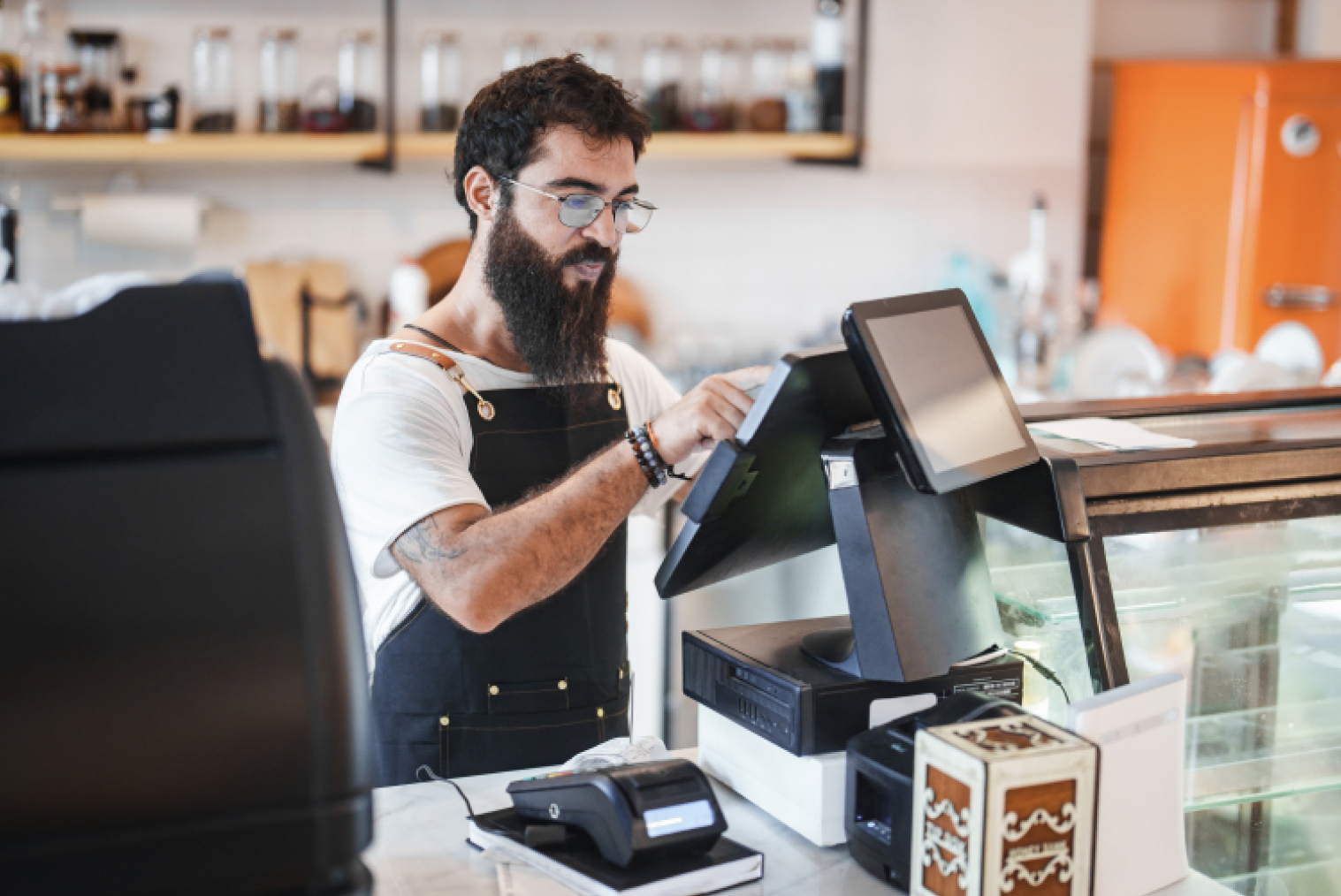
A mobile POS system is a condensed version of a standard POS setup. It normally operates on a tablet or smartphone and syncs with card readers, receipt printers, and cloud-based applications. Such systems are designed to operate untethered from a counter and are very convenient in food trucks, where space is limited and speed is essential.
Key Features:
-Accepts card, cash, and contactless payments (such as UPI or Apple Pay)
-Works offline and syncs when online
-Seamlessly integrates with inventory and order management systems
-It is portable and simple to set up anywhere
How Mobile POS Helps Food Trucks Run More Efficiently
1. Manage Queues During Busy Service
One of the biggest operational challenges for a food truck is handling a sudden rush.
When several customers arrive at once, manually writing orders, calculating totals, and processing payments separately can create bottlenecks.
A mobile POS allows staff to:
- Enter the customer's order
- Apply modifiers and quantities
- Confirm the order
- Process payment
- Send the order to the kitchen or preparation area
This keeps ordering and payment within one workflow.
Staff can also position the ordering device where it makes the most sense during a busy event, helping prevent a single fixed counter from becoming the only point of interaction.
The result?
A smoother ordering process, fewer manual steps, and less congestion around the service window.
2. Keep Inventory Under Control
Inventory management becomes particularly important when you're operating from a small mobile kitchen.
You have limited storage, limited preparation space, and often a fixed quantity of ingredients available for a trading session.
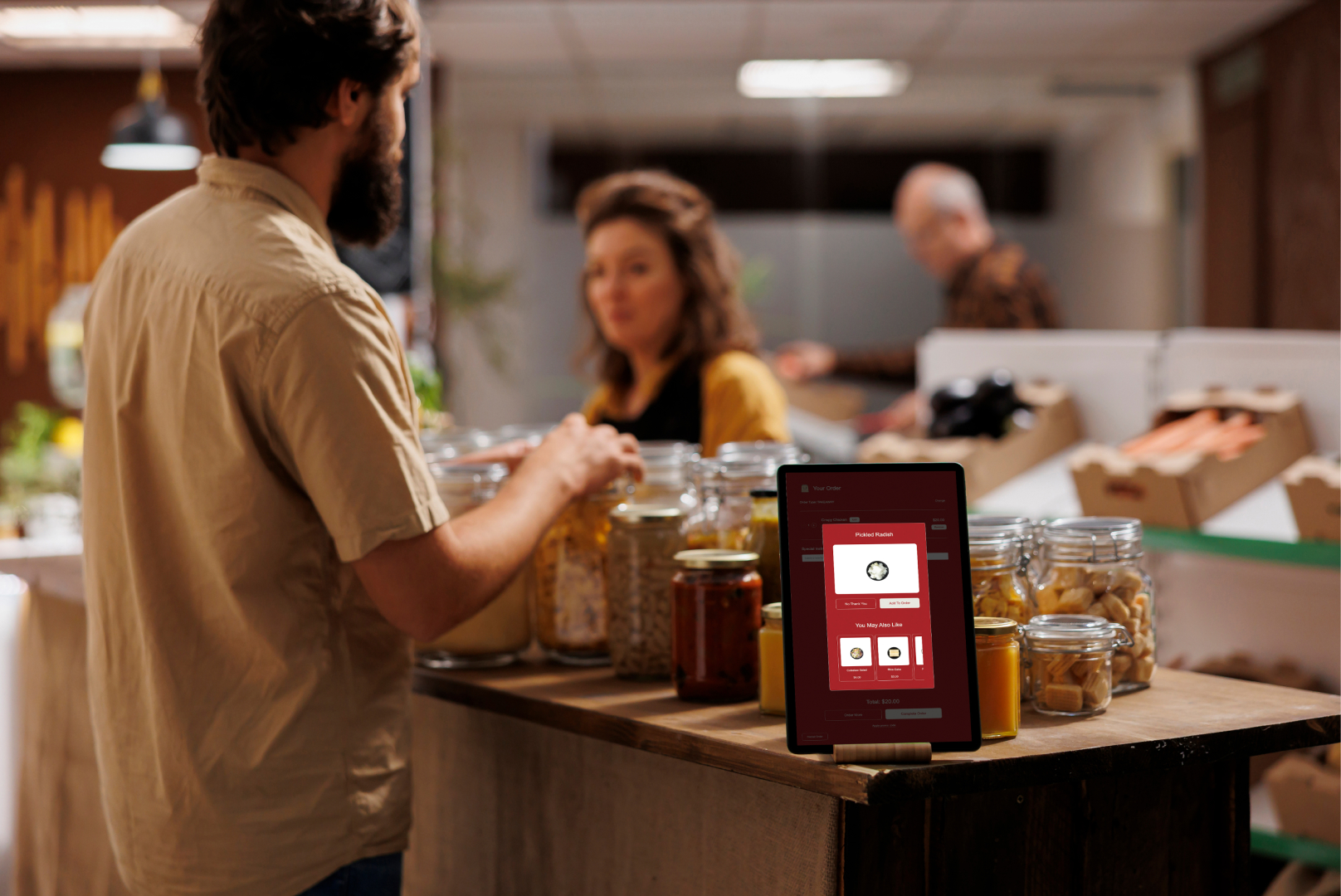
A POS connected to inventory management can record sales as they happen and help operators monitor products and ingredients throughout the day.
For example, if your food truck sells:
- Burgers
- Fries
- Coffee
- Soft drinks
- Specialty sauces
Sales data can help you identify which products are moving fastest and when stock needs to be replenished.
This can also help with post-event planning. Instead of relying entirely on estimates, operators can review actual sales data and adjust purchasing and preparation for the next event.
3. Make Event and Festival Trading Easier
Food trucks often operate in environments where the normal setup isn't available.
You may be trading at:
- Festivals
- Farmers' markets
- Sporting events
- Corporate events
- Outdoor markets
- Private functions
- Temporary pop-up locations
A mobile POS makes it easier to maintain the same ordering and payment workflow across different locations.
The ability to work with portable hardware and, where supported, offline functionality is particularly useful when connectivity isn't guaranteed.
Before an event, check:
- Internet connectivity
- Battery levels
- Payment terminal connection
- Receipt printer
- Offline mode
- Menu availability
- Inventory levels
A short pre-event checklist can prevent avoidable interruptions once the queue starts building.
4. Accept Modern Payment Methods
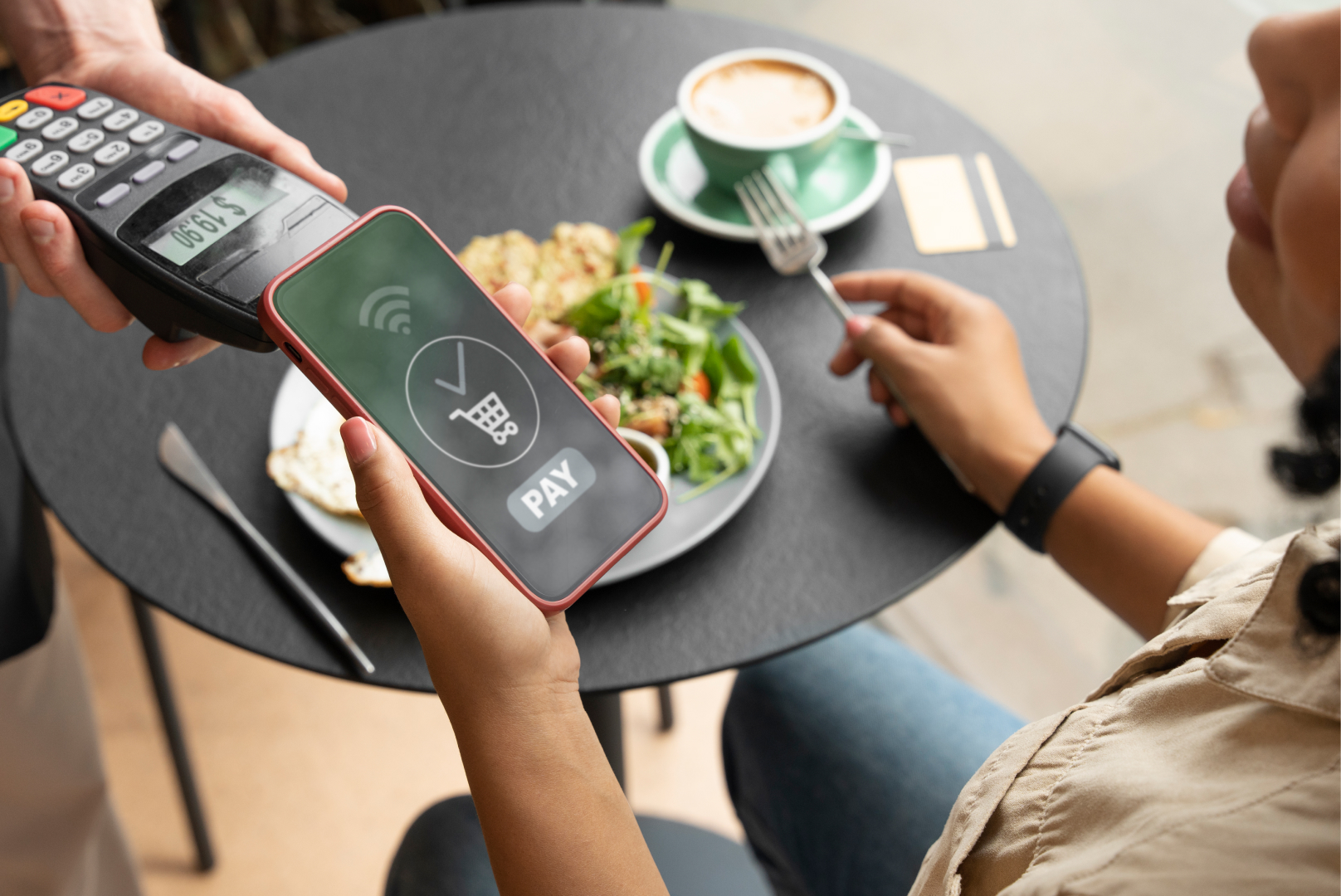
Customers increasingly expect to pay using cards and contactless methods rather than cash.
For a food truck, payment flexibility is especially important because customers may arrive without cash and expect a quick transaction.
A suitable mobile POS setup can support payment methods such as:
- Contactless cards
- Debit and credit cards
- Digital wallets
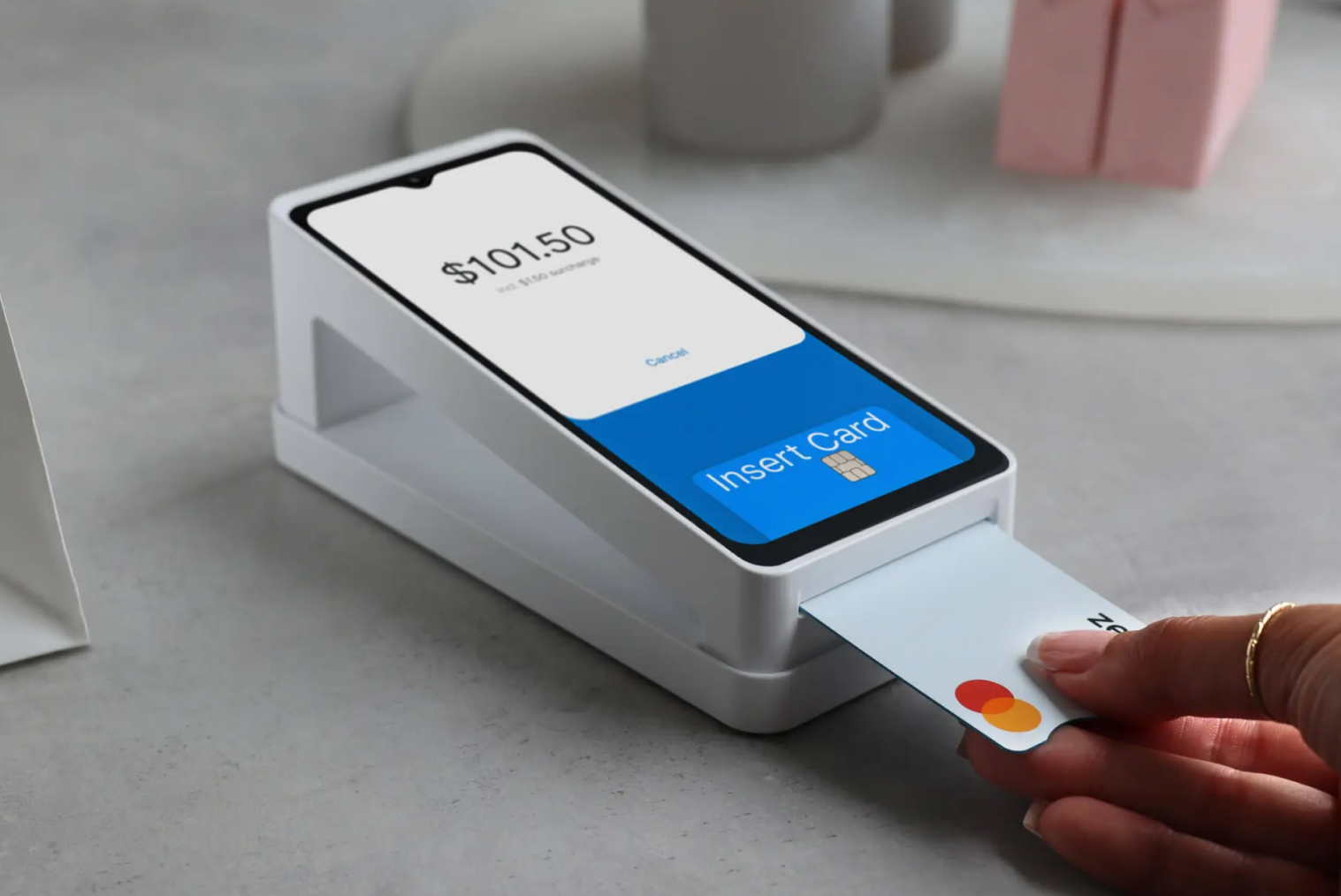
- EFTPOS
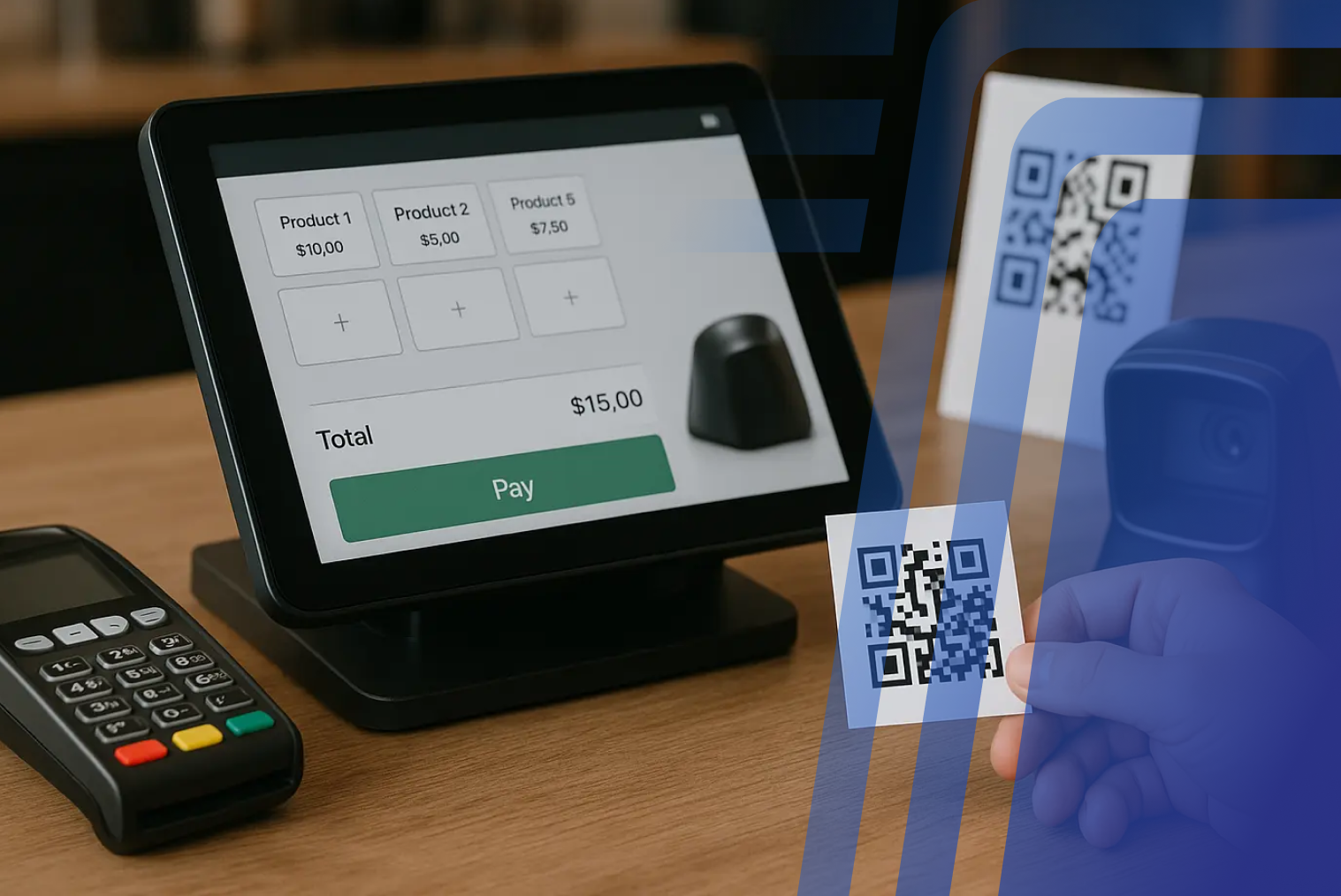
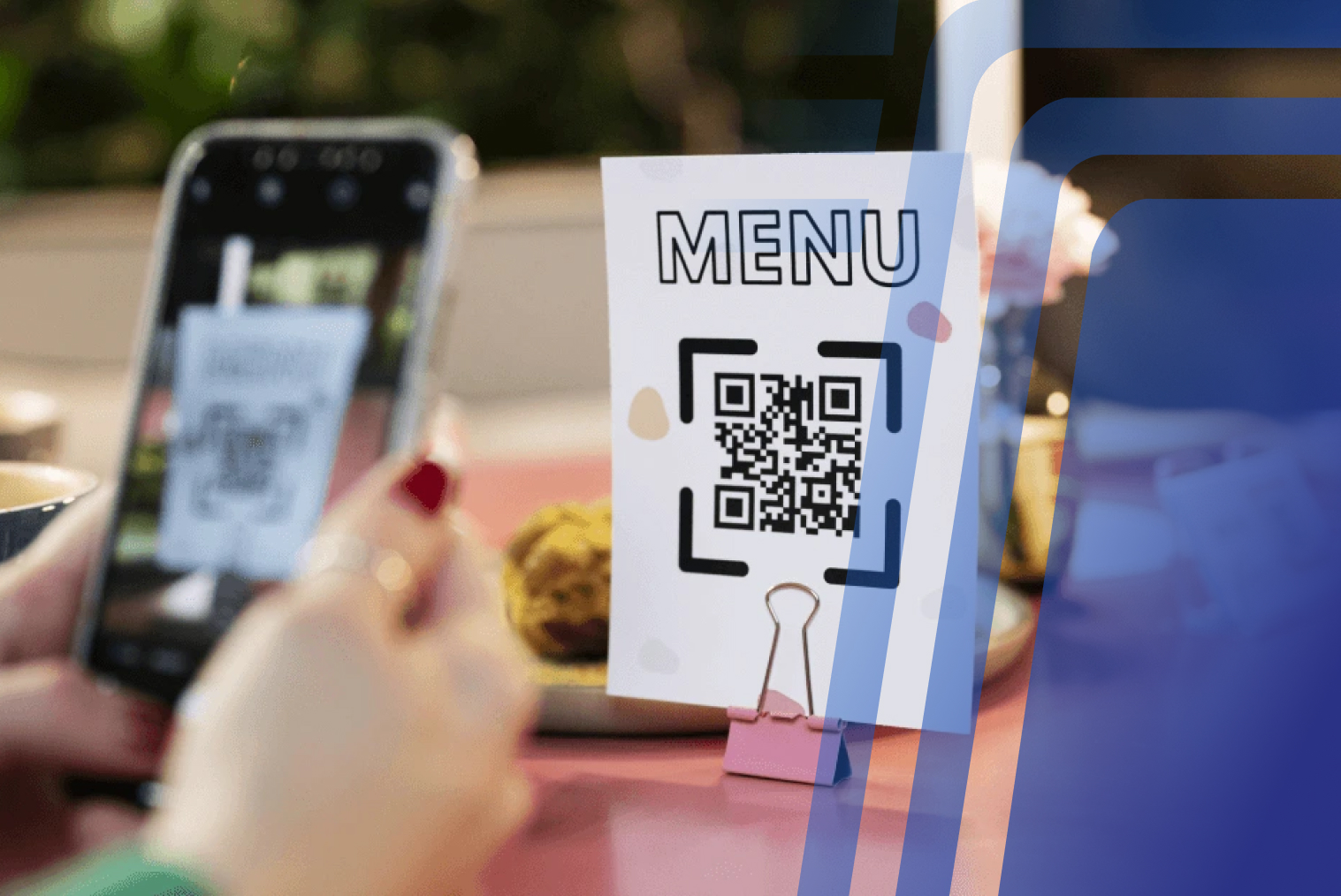
- QR-based payments, where supported
- Cash
Keeping payment processing integrated with the ordering workflow reduces the need for separate manual calculations and transaction recording.
5. Understand What Sells and When
A mobile POS isn't only an order-taking tool. It can also become a source of operational data.
Depending on the system, operators can analyse:
- Best-selling menu items
- Sales by day
- Sales by time
- Average order value
- Event performance
- Product performance
- Payment methods
- Sales trends
For example, if your data shows that a particular menu item consistently sells out during the first two hours of an event, you can adjust preparation quantities for future events.
Similarly, if certain products consistently perform poorly, you can reconsider whether they deserve valuable menu space.
This turns sales data into practical decisions rather than relying entirely on intuition.
Features to Look for in a Food Truck Mobile POS
When choosing a mobile POS system, food truck operators should focus on operational requirements rather than simply counting features.
1. Offline Capability
Outdoor events don't always provide reliable connectivity. Offline functionality can allow trading to continue during temporary internet interruptions, with data synchronising when the connection returns.
2. Fast Payment Processing
Every additional step during a busy service period can contribute to queue times. Look for a payment workflow that is quick and straightforward.
3. Compact Hardware
Space is valuable inside a food truck. Tablets, portable payment terminals, and compact receipt printers can help keep the workspace clear.
4. Inventory Integration
The POS should provide useful information about sales and stock rather than requiring operators to maintain separate manual records.
5. Cloud Reporting
Cloud-based reporting allows operators to review performance without being physically beside the POS.
6. Menu Flexibility
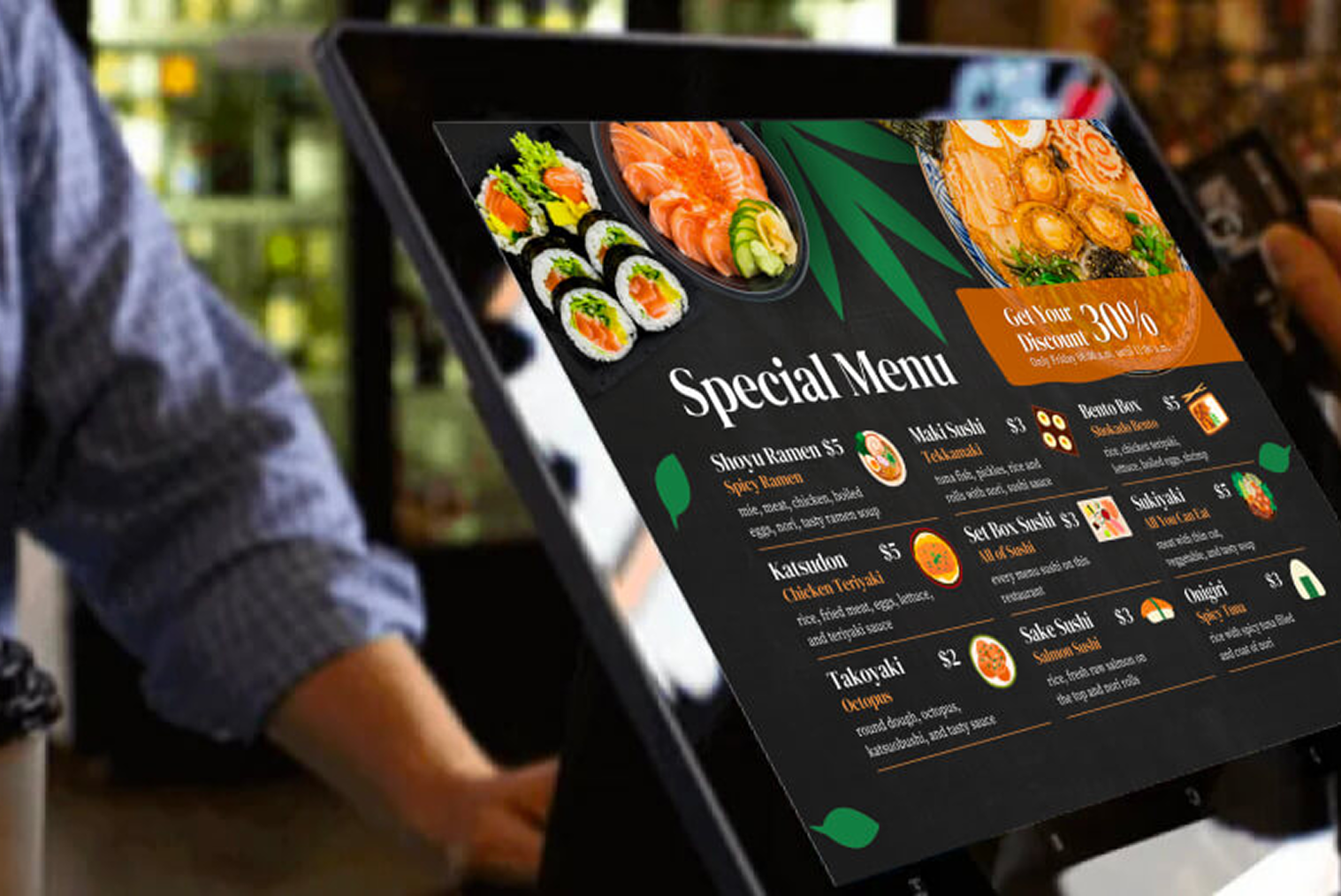
Food trucks may change menus depending on location, event, season, or ingredient availability. Being able to update menu items and pricing quickly is important.
7. Kitchen Integration
If your food truck uses a kitchen display system, the POS should be able to route orders directly to the preparation workflow.
How to Manage a Food Truck Rush with Mobile POS
A good POS is only part of the solution. The way the team uses it during peak periods matters too.
Before the Rush
Prepare the system before customers arrive:
- Check payment terminals
- Confirm internet connectivity
- Verify menu and pricing
- Check inventory
- Charge mobile devices
- Test printers
- Confirm kitchen routing
During the Rush
Keep the workflow simple:
Order → Confirm → Pay → Send to preparation → Complete order
Avoid unnecessary manual steps wherever possible.
If multiple staff members are working, assign clear responsibilities. One person may focus on ordering and payment while another handles food preparation and collection.
After the Rush
Use the POS reports to review what happened.
Look at:
- Total sales
- Peak trading period
- Best-selling products
- Stock usage
- Average order value
- Payment breakdown
This information can help you prepare more effectively for the next service.
Mobile POS and Inventory: Using Sales Data to Reduce Waste
Food waste can quickly affect margins when products have limited shelf life.
A POS that connects sales with inventory data can help operators understand how much product is actually being sold.
For example:
Event 1: 100 burgers sold
Event 2: 65 burgers sold
Event 3: 120 burgers sold
Instead of preparing the same quantity for every event, the operator can use historical sales to make more informed preparation decisions.
The same principle applies to drinks, sauces, sides, desserts, and other menu items.
The goal isn't to predict demand perfectly. It's to replace guesswork with better information.
Mobile POS for Different Food Truck Locations
One of the advantages of a food truck is the ability to move between different customer locations.
However, different locations can produce very different sales patterns.
A corporate lunch might generate a high volume of quick orders, while a weekend market could produce fewer but larger orders.
With sales reporting, operators can compare performance across different trading environments.
For example:
| Location |
Orders |
Best-Selling Item |
Peak Period |
| Corporate site |
High |
Lunch combo |
12–1 PM |
| Weekend market |
Medium |
Specialty burger |
1–2 PM |
| Festival |
Very high |
Loaded fries |
6–8 PM |
This information can help determine where to trade, what stock to bring, and which products to promote.
How Mobile POS Helps Reduce Wait Times
The best mobile POS system for food trucks helps bring ordering and payment into one streamlined workflow.
Instead of relying on handwritten orders or separate payment processes, staff can enter orders directly into the POS, process payment, and send the order to preparation.
This can help reduce:
- Manual order entry
- Payment delays
- Order transcription errors
- Unnecessary movement between devices
- Congestion at the service window
When connected with POS analytics, the system can also show when your busiest periods occur, allowing you to prepare staff and stock accordingly.
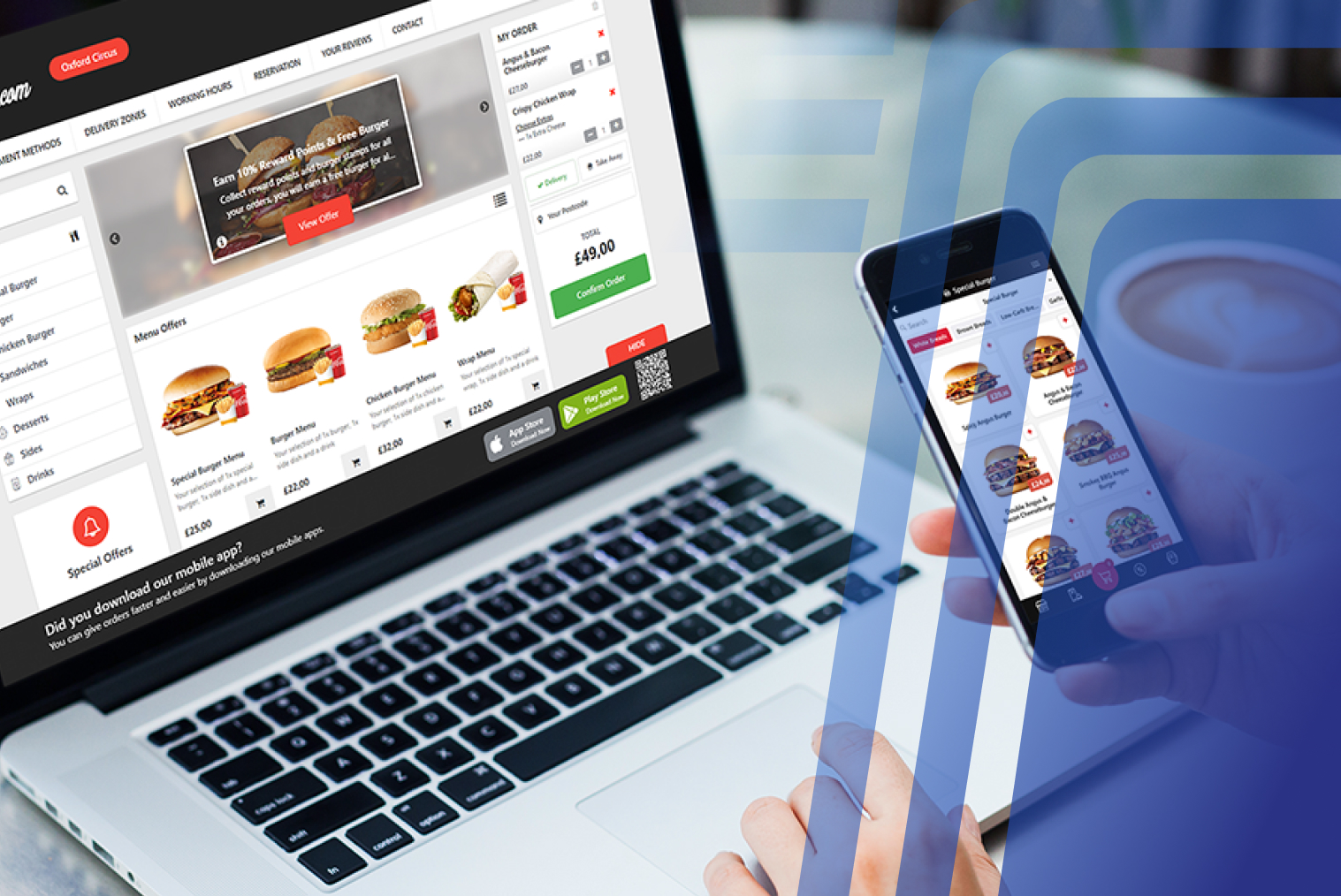
For food trucks that also accept pre-orders or pickup orders, integrations with delivery and ordering platforms can further help spread demand beyond the service window.
Managing Offline Trading at Events
Connectivity can be unpredictable at outdoor events.
A food truck operator should therefore test the POS's offline functionality before relying on it at a major event.
A useful offline test includes:
- Disconnect the POS from the internet.
- Process test orders.
- Test the payment workflow.
- Confirm how transactions are stored.
- Reconnect to the internet.
- Confirm that data synchronises correctly.
Not every POS handles offline payments in the same way, so operators should understand exactly which functions remain
available without connectivity.
Emerging Food Truck POS Trends
Food truck POS technology is becoming increasingly connected and data-driven.
Modern systems are moving beyond basic payment processing toward integrated platforms that combine:
- POS
- EFTPOS
- Inventory
- Kitchen displays
- Online ordering
- Customer data
- Reporting
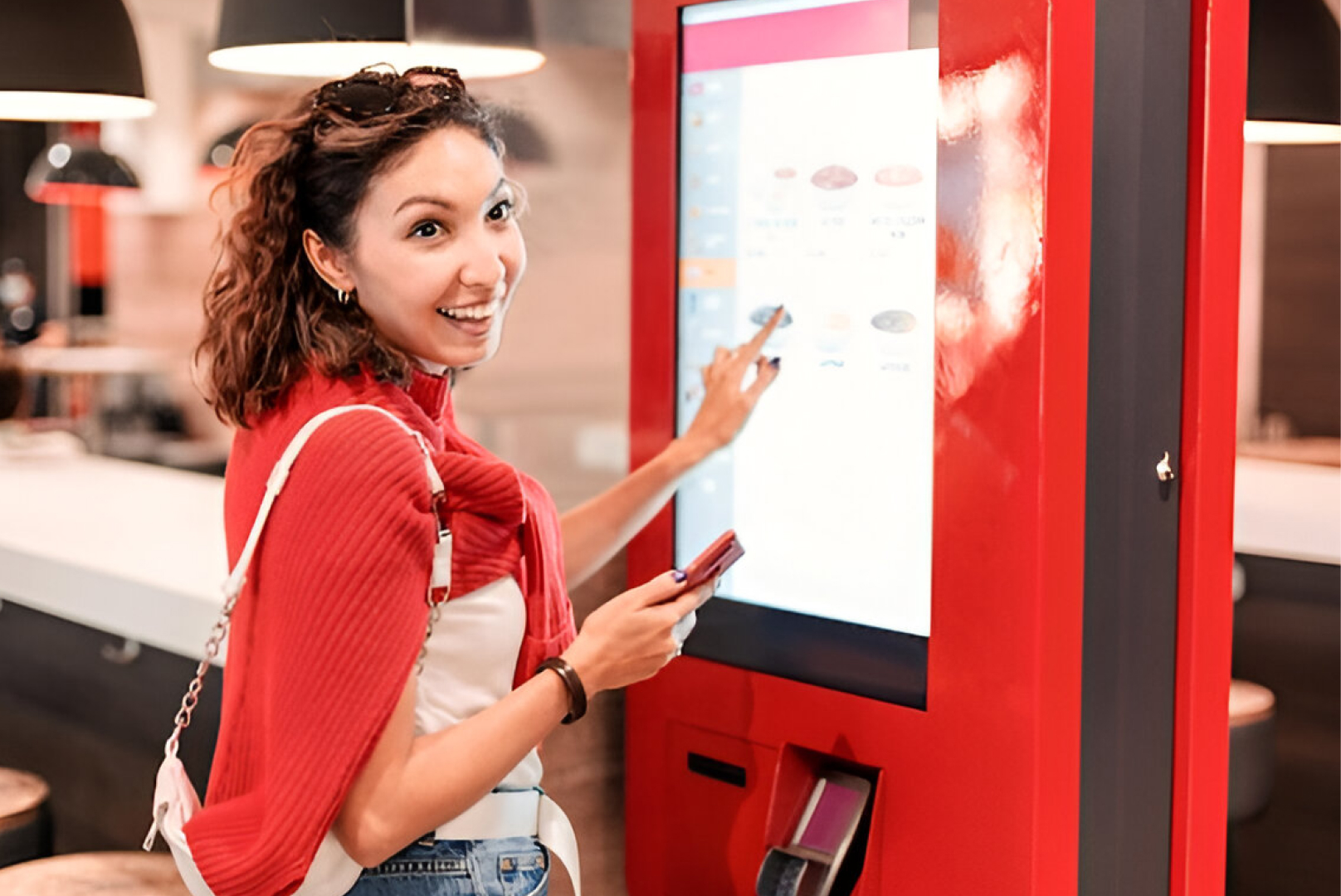
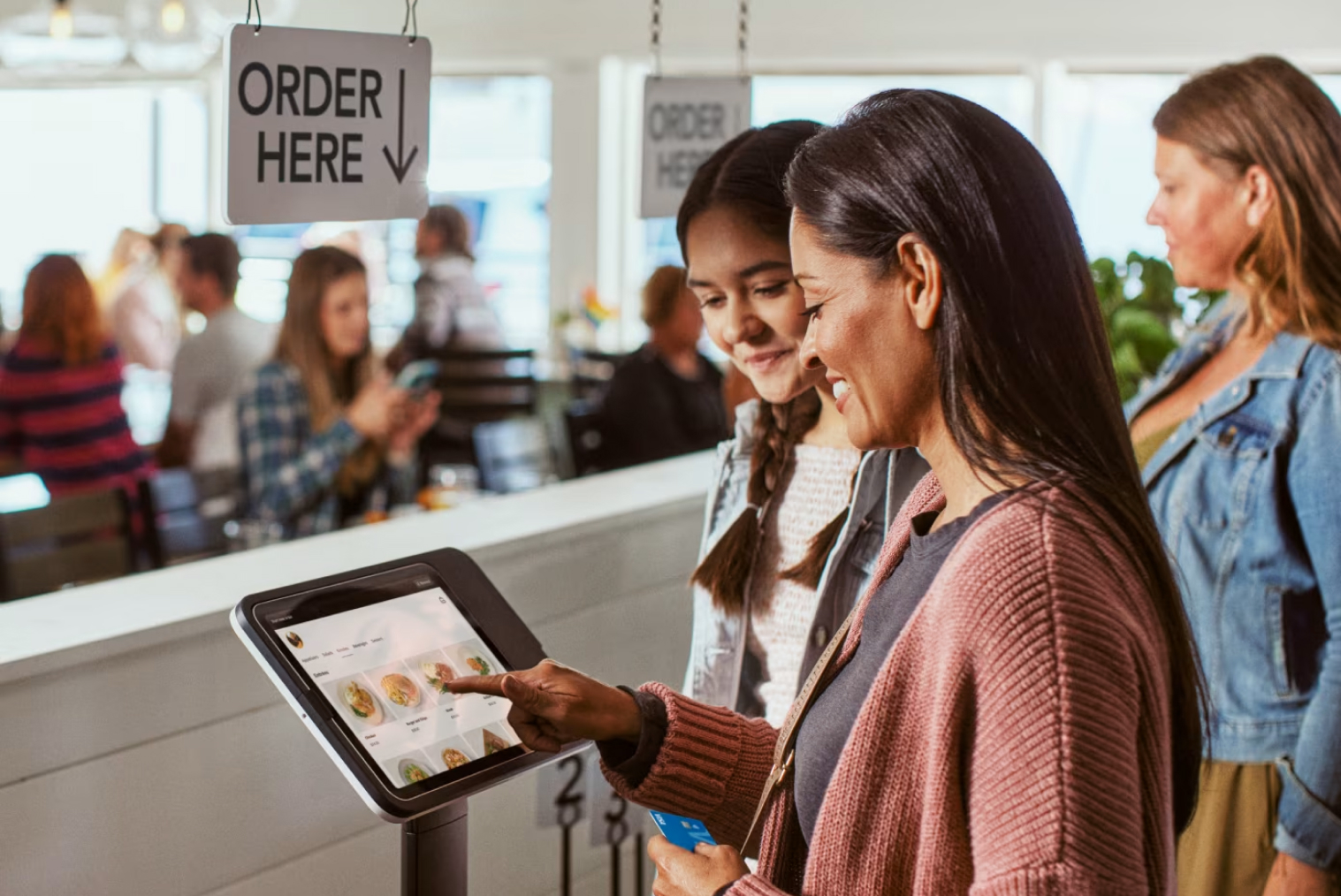
- Self-service ordering
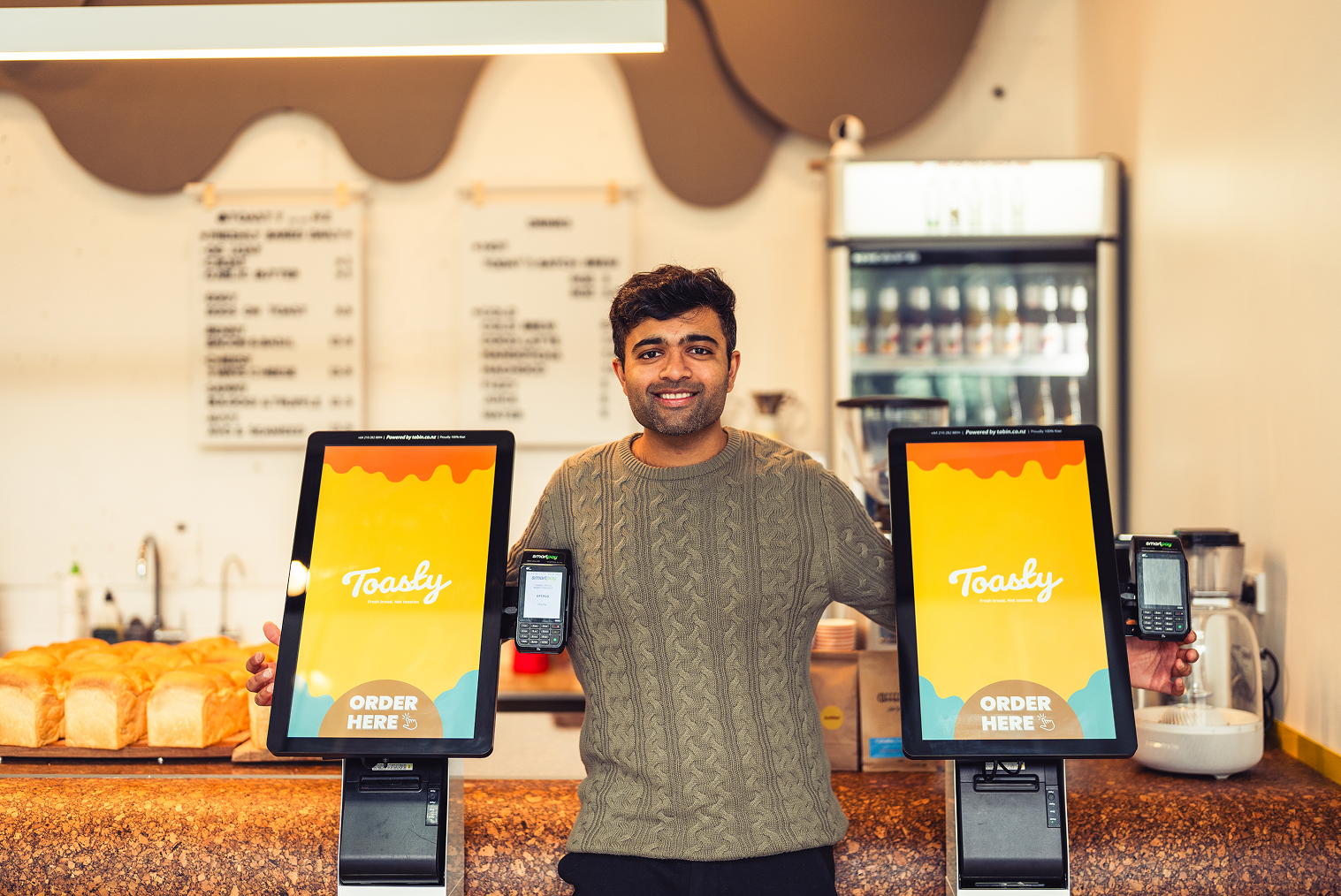
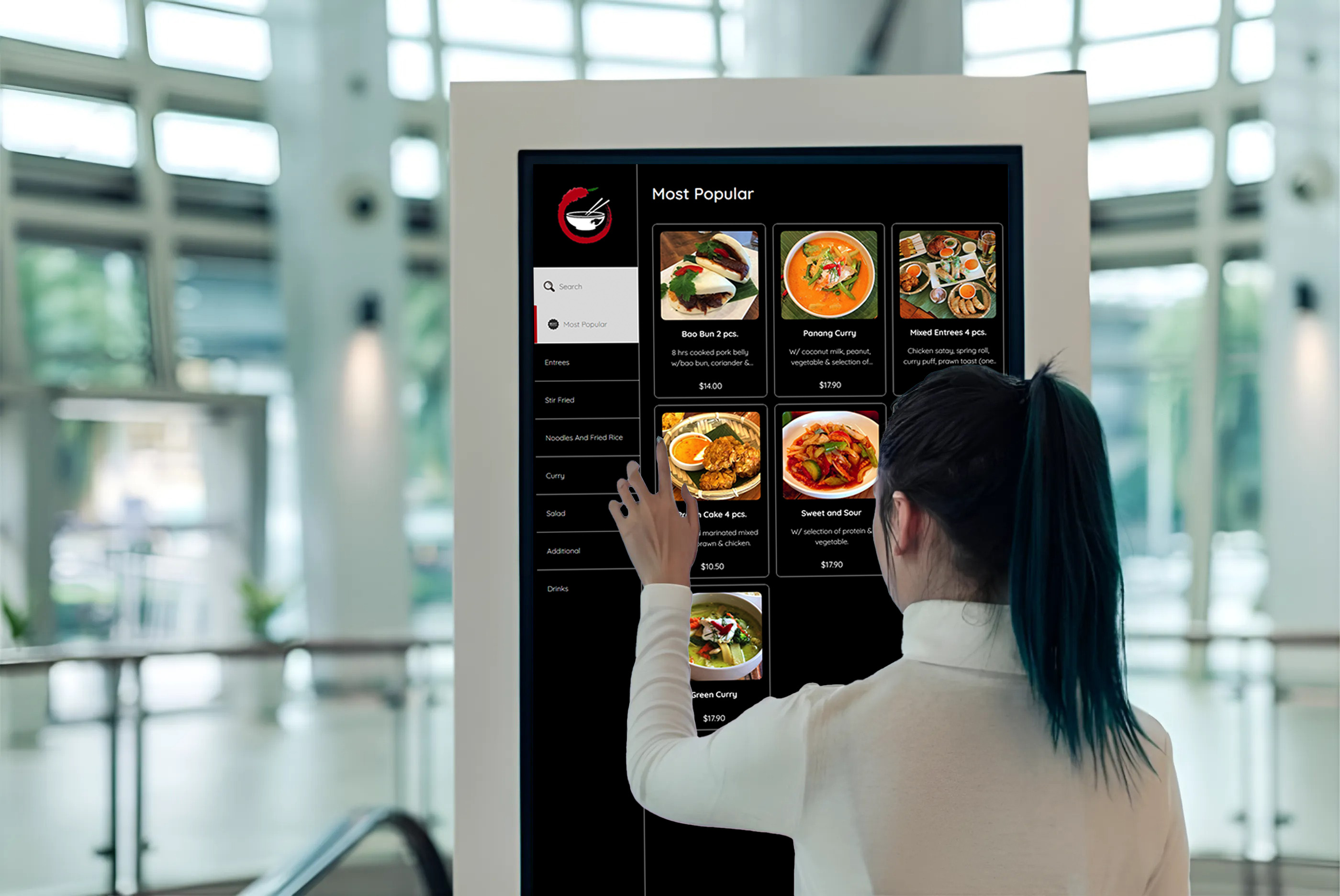
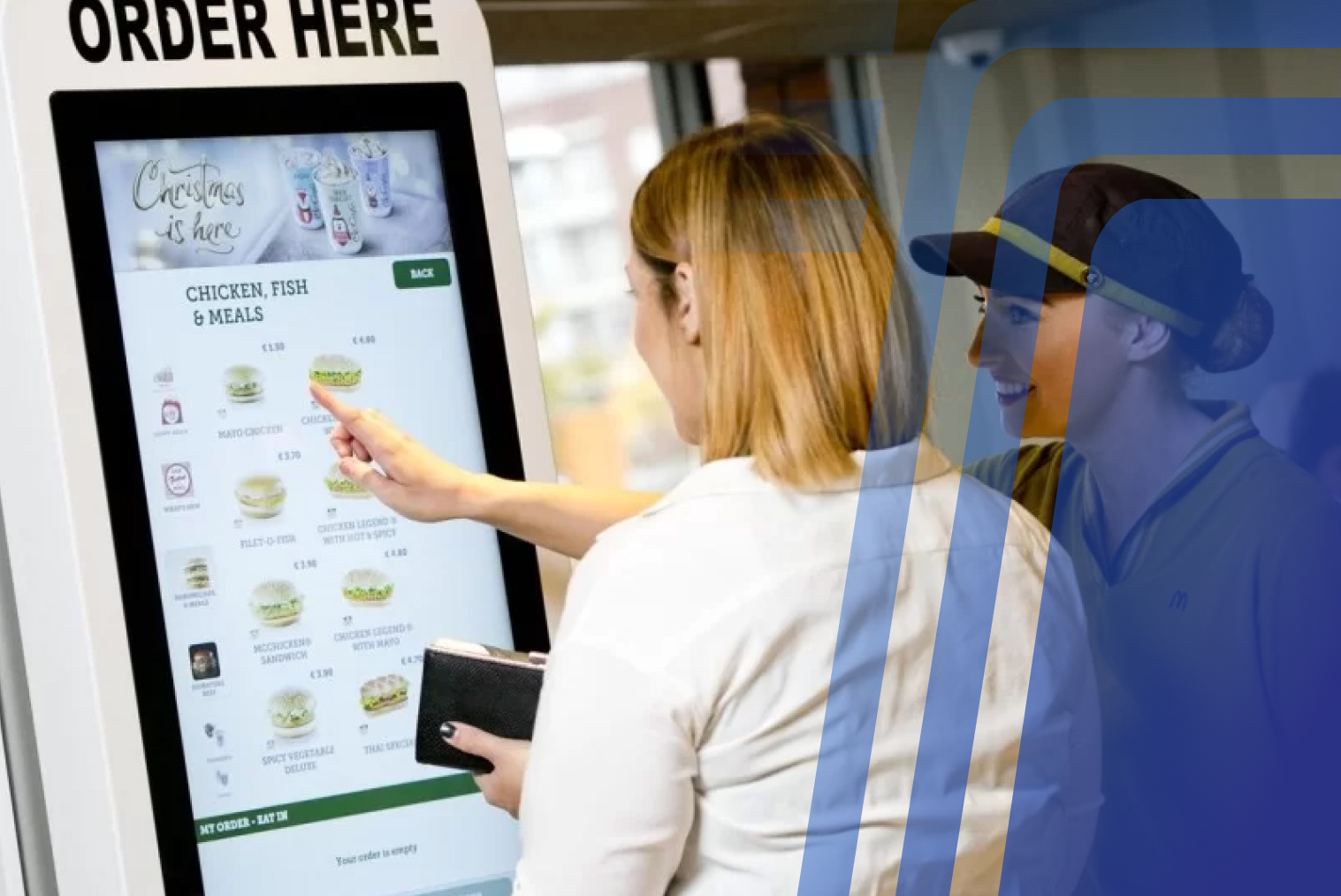
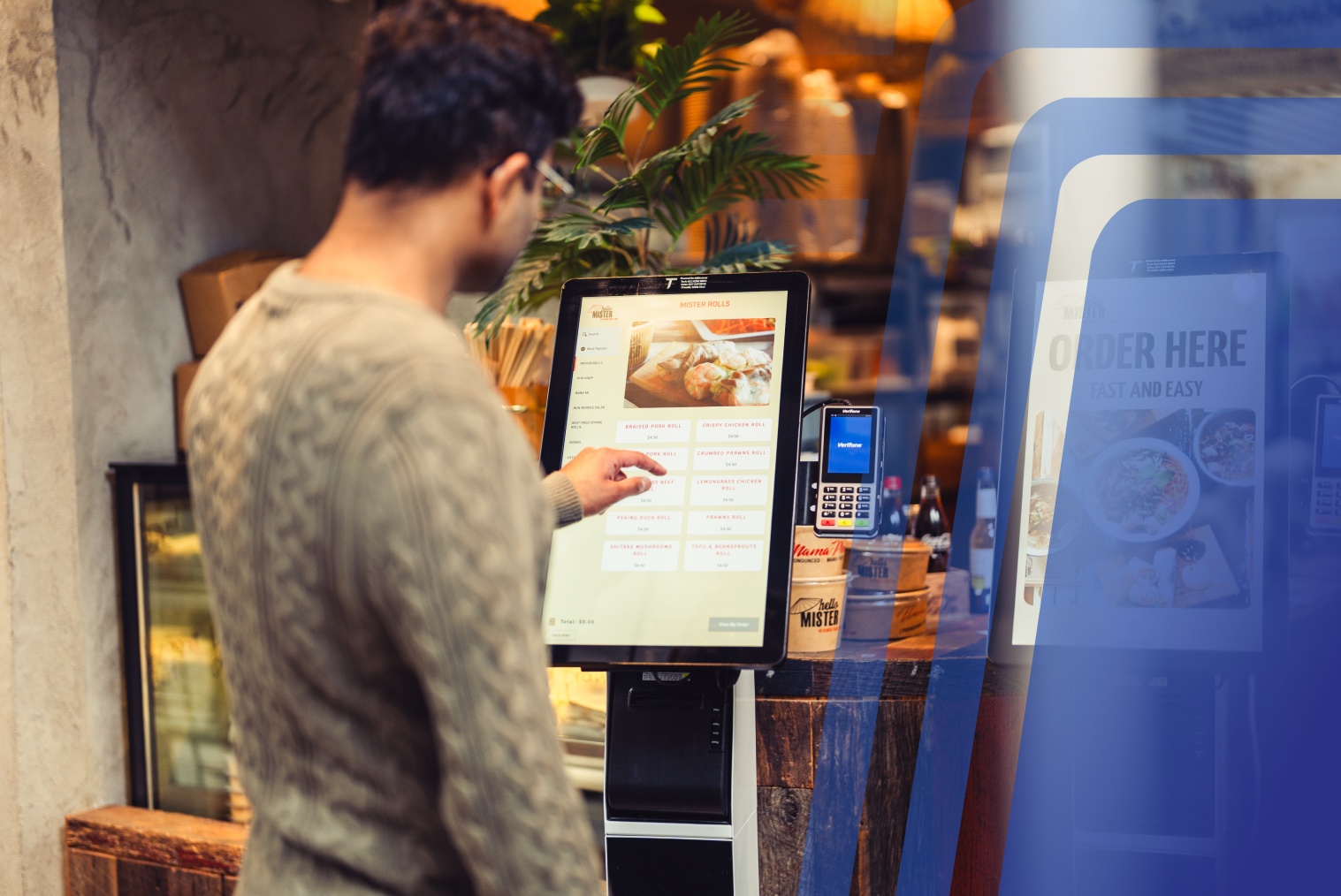
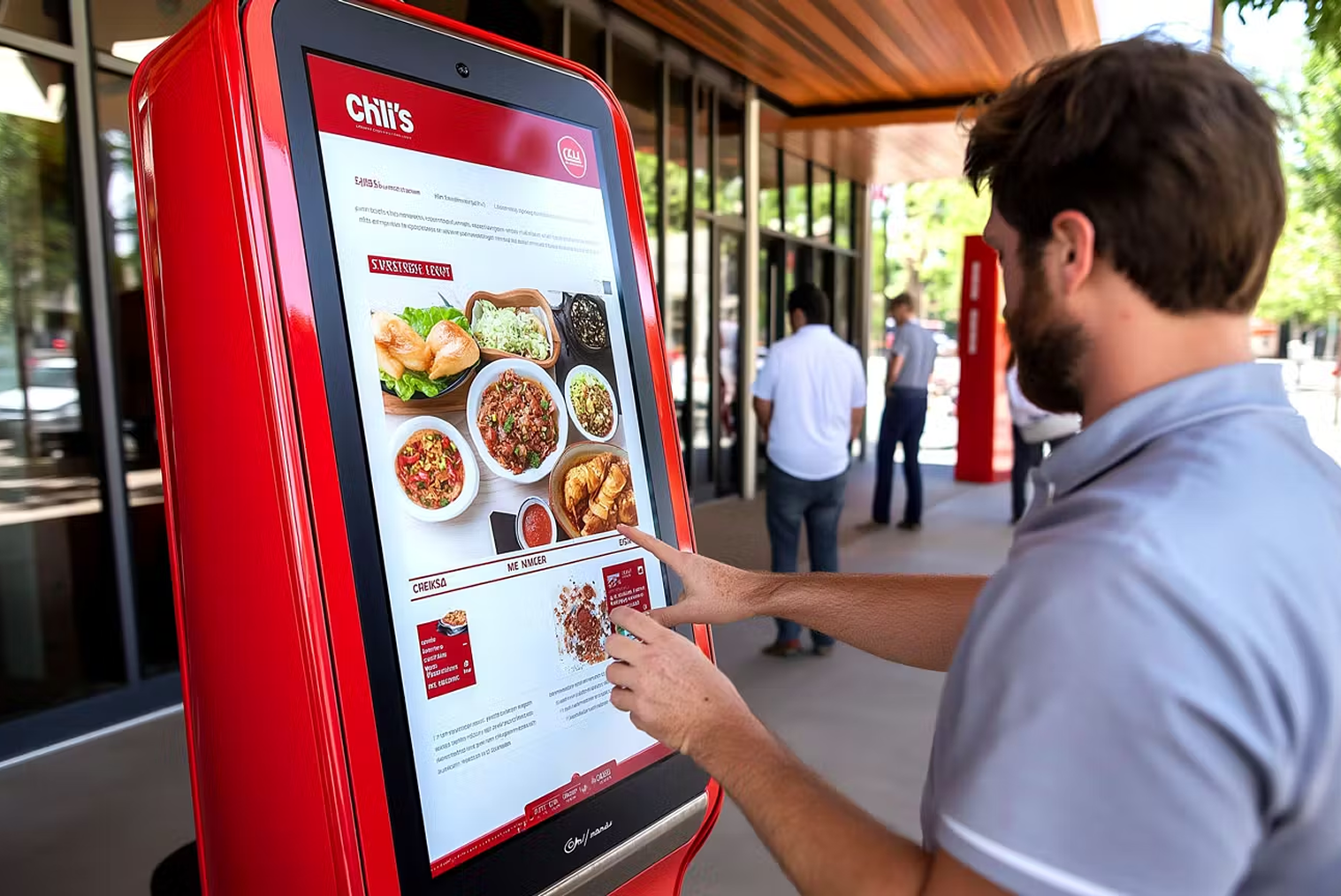
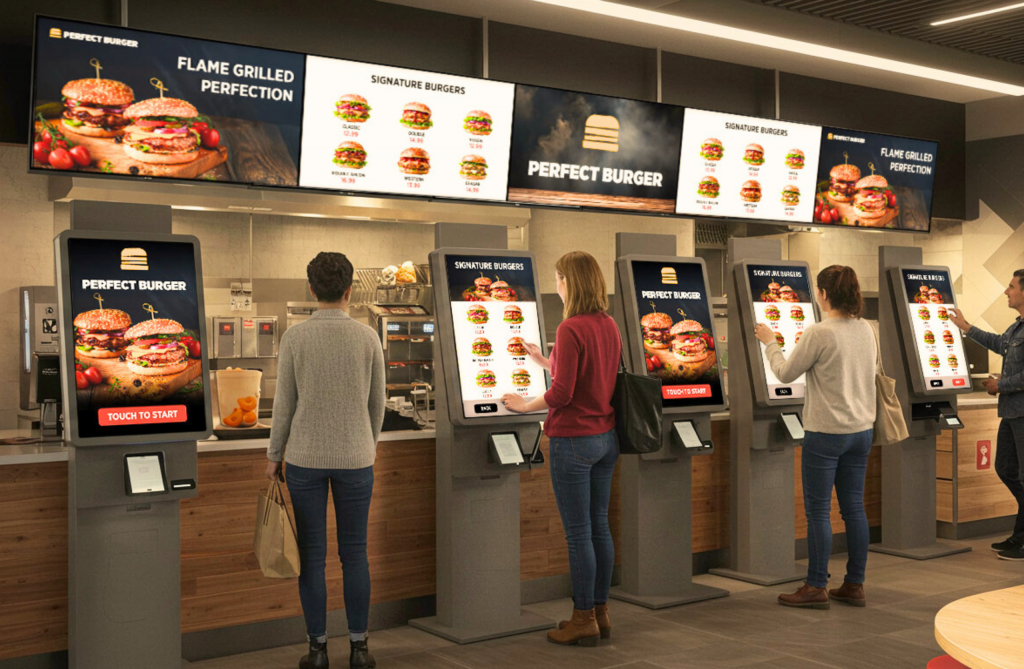
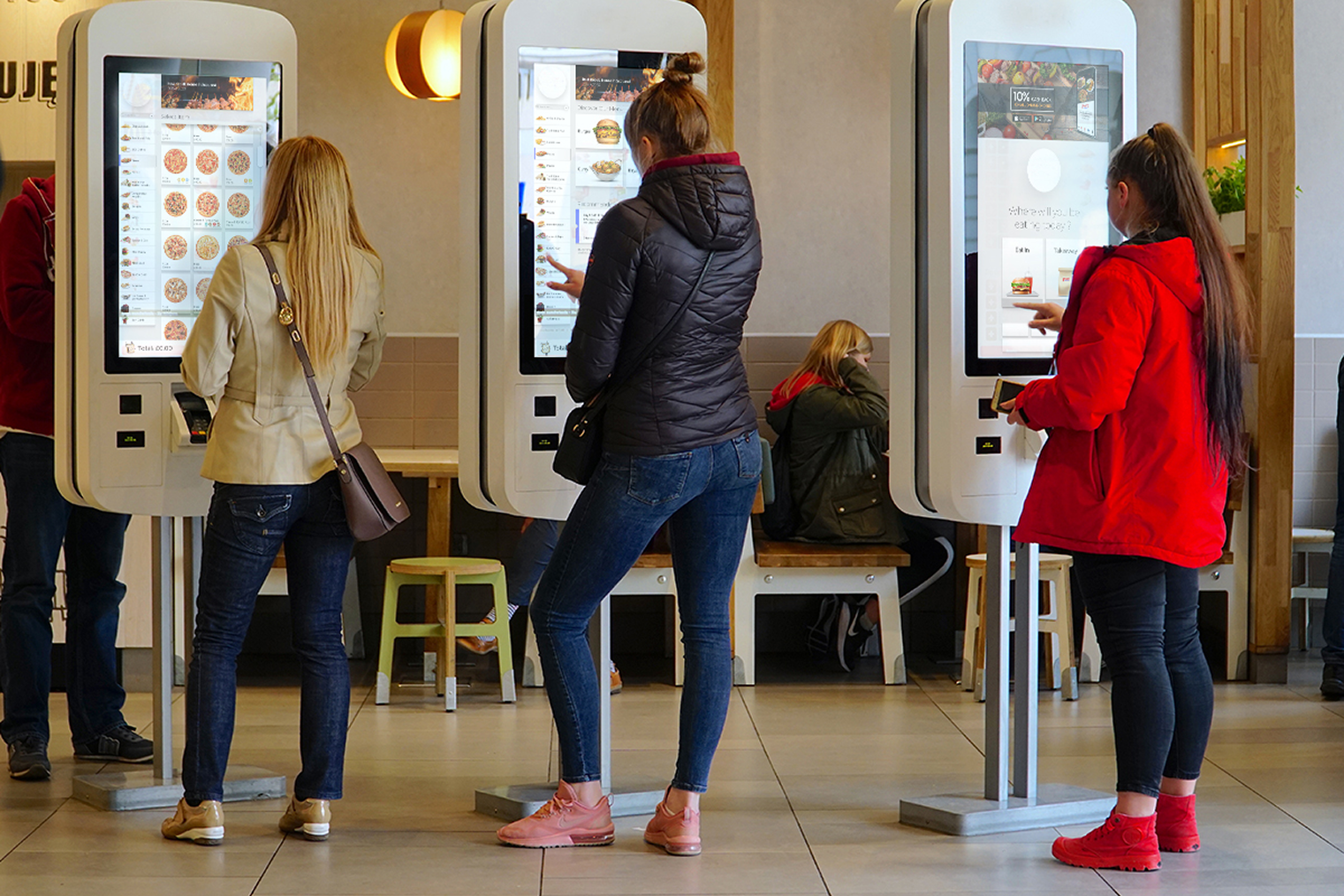
Compact restaurant kiosk POS systems can also be useful for larger food truck setups or related food-service environments where operators want customers to place their own orders.
Advanced POS systems can also provide more detailed reporting and operational insights, while integrated EFTPOS solutions can make payment management easier across different service environments.
Why NZ Food Truck Operators Should Focus on Operational Efficiency
The New Zealand hospitality market highlights why operational efficiency matters.
The Restaurant Association's 2025 data shows that hospitality businesses are dealing with rising labour costs alongside changing customer demand. Its 2025 remuneration survey reported average hospitality wages of NZ$27.84 per hour, while the Association's 2025 Hospitality Report reported that takeaway food recorded 3.2% annual sales growth for the year ending June 2025.
For food trucks, this makes efficient use of every staff member particularly important.
A mobile POS won't solve every operational challenge, but it can remove repetitive administrative tasks and provide better visibility into what is happening during service.
Tabin's Mobile POS for NZ Food Trucks
Running a food truck means your POS needs to work around your operation — not the other way around.
TABIN's mobile POS is designed to support mobile food businesses with ordering, payments, reporting, and inventory management in one connected platform.
It can help food truck operators:
- Take orders quickly
- Accept digital and contactless payments
- Manage menus
- Monitor sales
- Track inventory
- Operate across different locations
- Connect ordering with kitchen workflows
- Access business information through cloud-based reporting
Tabin's Mobile POS Is Built for NZ Food Trucks
If you're looking for a POS designed around the realities of mobile food service, explore TABIN's dedicated Food Truck POS system.
Conclusion
Running a food truck successfully depends on how well the operation performs during the busiest moments — not just how good the menu looks.
A mobile POS can help operators manage queues, process payments, track inventory, analyse sales, and maintain a consistent workflow across markets, festivals, events, and everyday trading.
For NZ food truck operators facing rising operating costs and changing customer demand, better visibility and efficient use of staff time can make a meaningful operational difference.
If you're already running a food truck and want to improve the way you handle orders, payments, inventory, and reporting, explore TABIN's Food Truck POS system and see how it can fit into your day-to-day operation.
Why Food Trucks Require a Mobile POS
1. Speed and Efficiency
With minimal staff and heavy traffic, time is of the essence. A mobile POS lets you take orders quickly, send them directly to the kitchen display, and make collections without hassle.
Example: One coffee truck using Tabin's mobile POS reduced consumer wait times by 30%, enabling it to complete more orders during high-demand times.
2. Accept All Types of Payment
Customers today want convenience; many won't even have cash. A mobile POS lets you accept card, QR code, and even wallet payments on the go, which raises the likelihood of making a sale. In fact, 82% of food truck owners report that cards and mobile payments now make up the majority of their transactions, signaling a massive shift away from cash.
3. Tracking of Inventory and Sales
No more trying to guess how much is left of the patties or coffee cups. A mobile POS records your inventory in real time as you make sales, allowing you to plan restocks intelligently.
4. Meet Your Customers Where They Are
Food trucks love festivals, events, corporate campuses, and college grounds. With a cloud-hosted mobile POS, you can sell anywhere, with no need for a physical network setup.
5. Data-Driven Insights
Your mobile POS gathers strong data such as:
-Which menu items sell best
-Best-selling days and times
-Average order value
-Frequency of repeat customers
With many food trucks generating around US$346,000 per year on average, according to recent industry surveys, the insights from analytics can directly help maximize sales and reduce waste.
These reports enable you to map out menu revamps, staff scheduling, and marketing campaigns with certainty.
Features to Find in a Food Truck POS Mobile Solution
When selecting a mobile POS system for your food truck, find these key features:
- Offline mode for areas that have poor or no internet access
- Speedy payment processing so lines don't form
- Space-saving hardware that does not consume your counter space
- Cloud-based access to run operations remotely
- Reporting and inventory integration for better decision-making
How to Choose the Right Mobile POS for Your Food Truck
Choosing the right system depends on size, sales volume, and whether you need integrations. Features to look for include:
- Compatible with Android Mobile POS and iPhone Mobile POS systems, so you can choose tablets or phones that fit your budget and preferred platform.
- A solution that supports popular payment gateways and restaurant EFTPOS solutions for reliable card acceptance.
- Integration with delivery platforms if you also offer pick-up/delivery: see integration of delivery platforms into POS
- Compact printers and card readers can be found under mobile pos devices.
Pro tip: If you sell at many events, use a system that offers strong offline caching and fast reconnection behaviour.
Step-by-Step: How to Set Up a Mobile POS in a Food Truck
- Choose the hardware: Tablet/phone, Android or iPhone, plus compact receipt printer and card reader.
- Software installation: Select a POS that supports menu flexibility and offline mode.
- Payment setup: Enable contactless cards, wallets, and local payment rails with eftpos solutions for restaurants.
- Connect peripherals: Pair the printer and card reader, set receipt templates, and tax rules.
- Sync inventory: Map ingredients to menu items so every sale adjusts stock levels.
- Offline flow test: Simulate a stall without internet, then make sales, reconnect to ensure everything syncs properly.
- Train staff: One-minute drills for new hires — take order, take payment, print ticket
- Go live: Start with low-traffic days and ramp up.
How Mobile POS Cuts Wait Times for Food Trucks
The best mobile POS system for food trucks helps to speed up the service, enabling orders and payments to be made fast in one place. Instead of written orders or slow manual processing, your staff can take orders directly on mobile POS devices, send them instantly to the kitchen, and accept contactless or wallet payments on the spot.
This reduces queues, prevents order mistakes, and helps handle rush hours more smoothly. When the POS includes restaurant POS analytics, food truck owners can also identify peak service times and adjust prep or staffing accordingly. Integrations like the integration of delivery platforms into POS further allow pre-orders and pickups, reducing crowding at the truck window. As food trucks continue to scale with the broader market (projected to reach USD 4.37 billion by 2034 according to market research), modern mobile POS solutions become even more critical for managing volume and reducing friction.
Emerging Trends in Food Truck POS Systems (2026 and Beyond)
Food trucks are becoming more flexible, faster, and smarter with their POS systems. More modern restaurant mobile POS solutions will boast better offline support, stronger wireless hardware, and faster syncing to support on-the-go operations. Some vendors are also embracing compact restaurant kiosk POS systems so customers can place their own orders, further decreasing wait times.
Other cool future features for advanced POS systems include smarter inventory forecasting, automated menu adjustments based on demand, and even better EFTPOS solutions for restaurants to make it easier to take payments anywhere. These add to the efficiency that food trucks require, reduce waste, and match customer expectations with ease.
How Tabin Assists Food Trucks
Tabin's mobile POS is designed specifically for small-format food establishments. It is light on hardware, supports both online and offline operations, and offers one-platform access to order management, payment, and real-time reporting. With Tabin, you can monetize every parking spot.


.webp)










.png)


















.webp)


