Eating out is a popular pastime enjoyed by millions of people in today’s fast-paced society, and it’s more than simply a convenience. However, dining at restaurants can be difficult and stressful for people with food allergies. Eating out can be more enjoyable when customers don’t have to worry about hidden allergens or cross-contamination.
Fortunately, technological developments are revolutionising the way restaurants manage food allergy awareness and safety. One such development is the incorporation of self-service kiosks. This blog explores how self-service kiosks are improving food allergy awareness, reducing ordering errors, and creating a safer, more inclusive dining experience for everyone.
The Rising Prevalence of Food Allergies
In the last few decades, food allergies have been on the rise. According to New Zealand government health information, up to 10% of children under 5 years old may have a food allergy, with milk, eggs, peanuts, and tree nuts among the most common triggers.
Because food allergies are such a serious issue, restaurants need to make allergy management and awareness a priority. This is where kiosk food allergy awareness systems come in and offer a contemporary solution to a long-standing problem.
Why Food Allergy Awareness Matters in Modern Restaurants
Food allergy awareness is no longer optional—it is essential for customer safety, regulatory compliance, and brand trust. Even a single ordering mistake can lead to severe health consequences and long-term reputational damage.
Modern diners actively choose restaurants that demonstrate transparency and responsibility. Implementing restaurant self-ordering technology allows restaurants to standardise allergen communication, reduce human error, and consistently protect customers with dietary restrictions.
The Role of Self-Service Kiosks in Preventing Food Allergy Risks in Restaurants
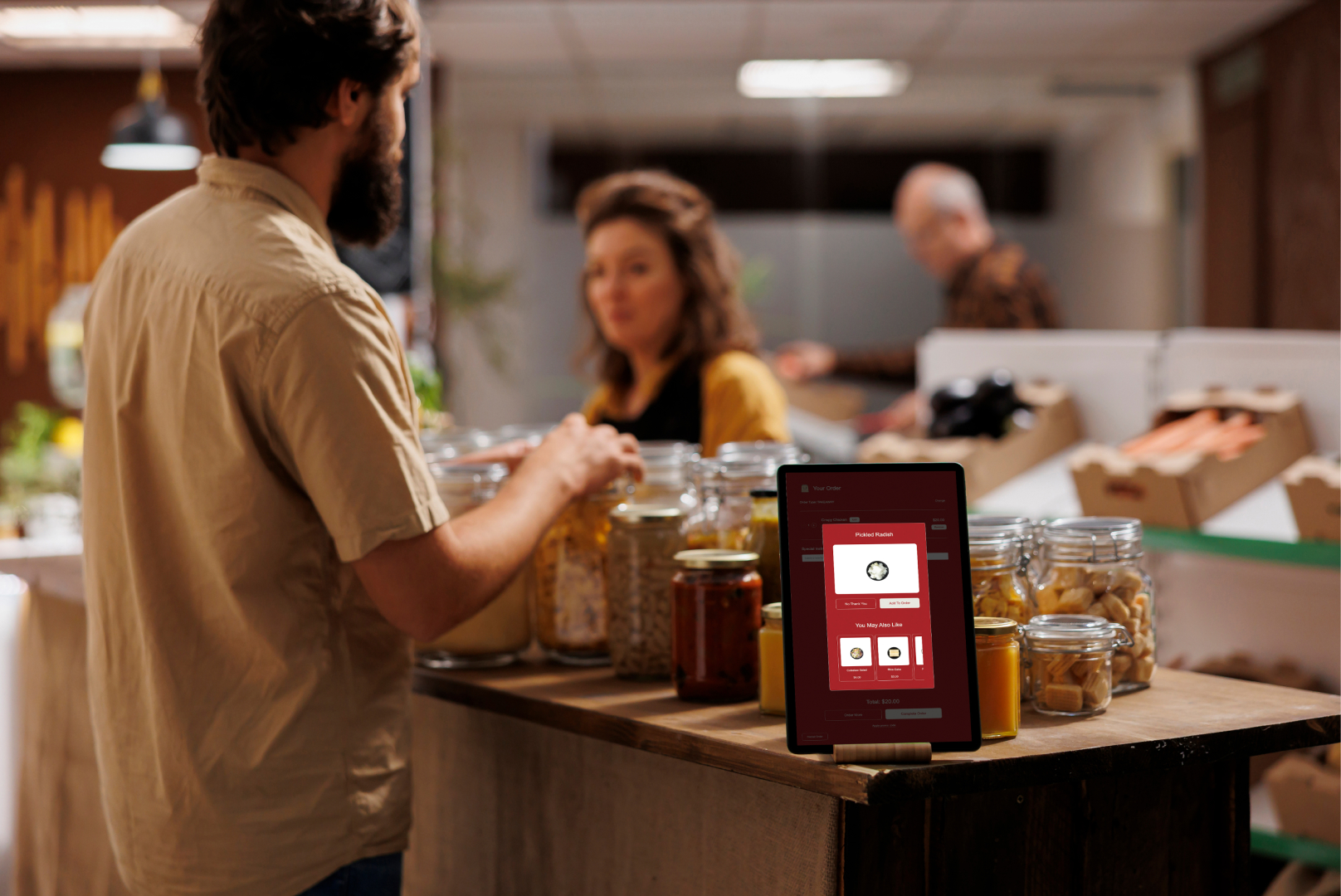
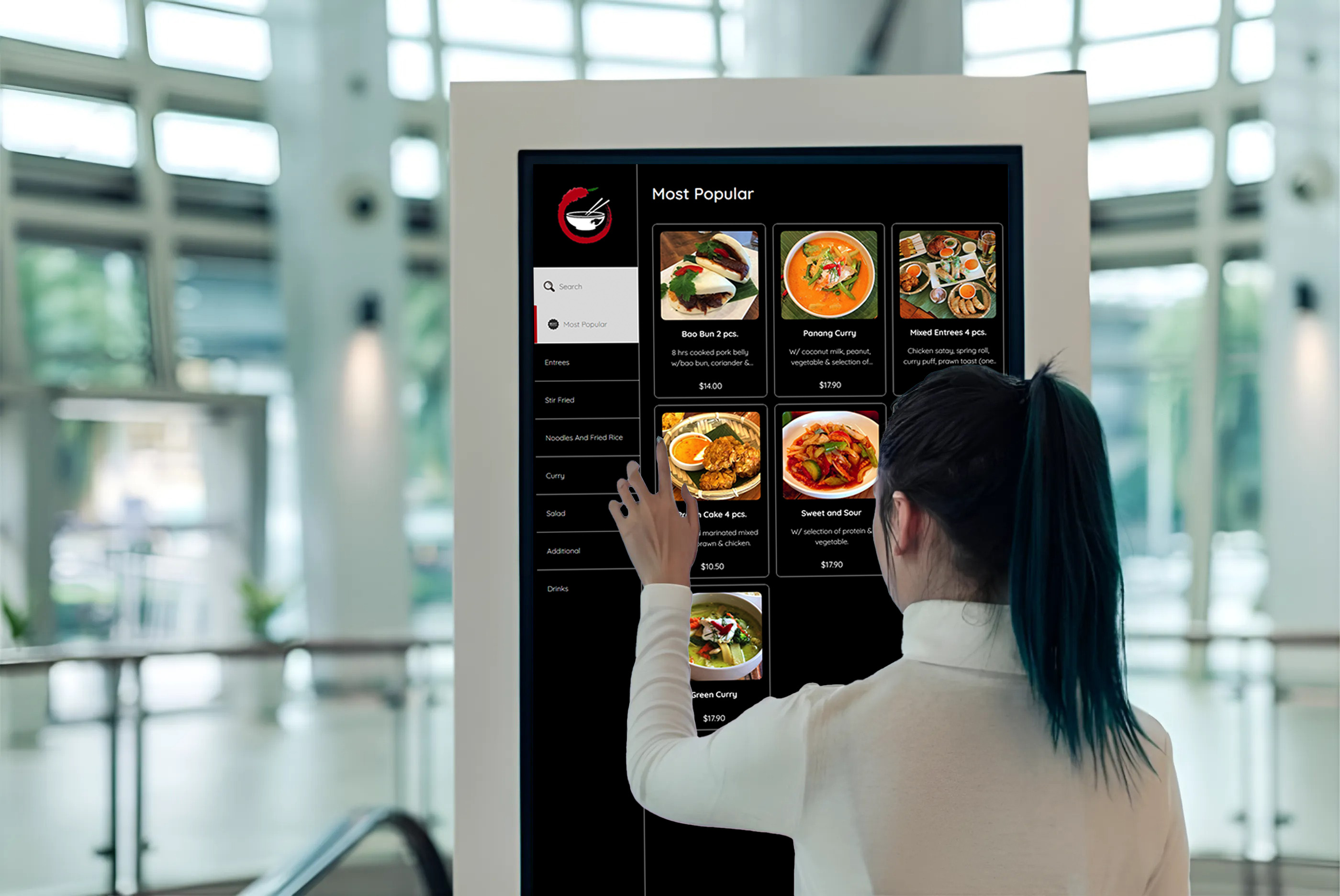
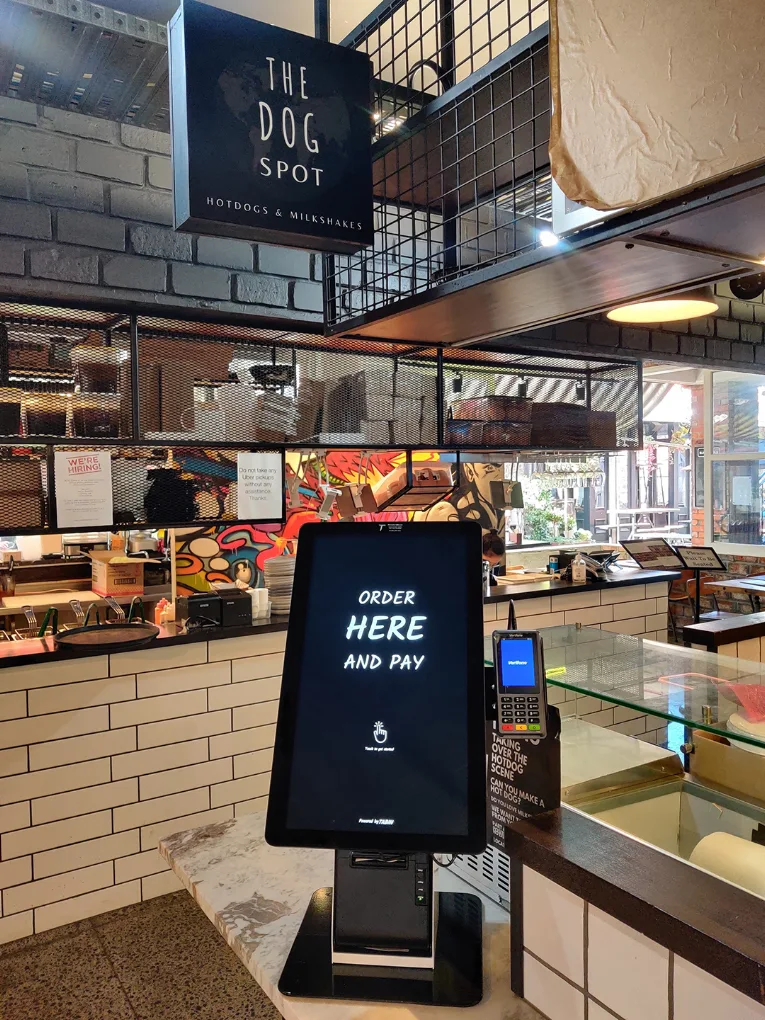
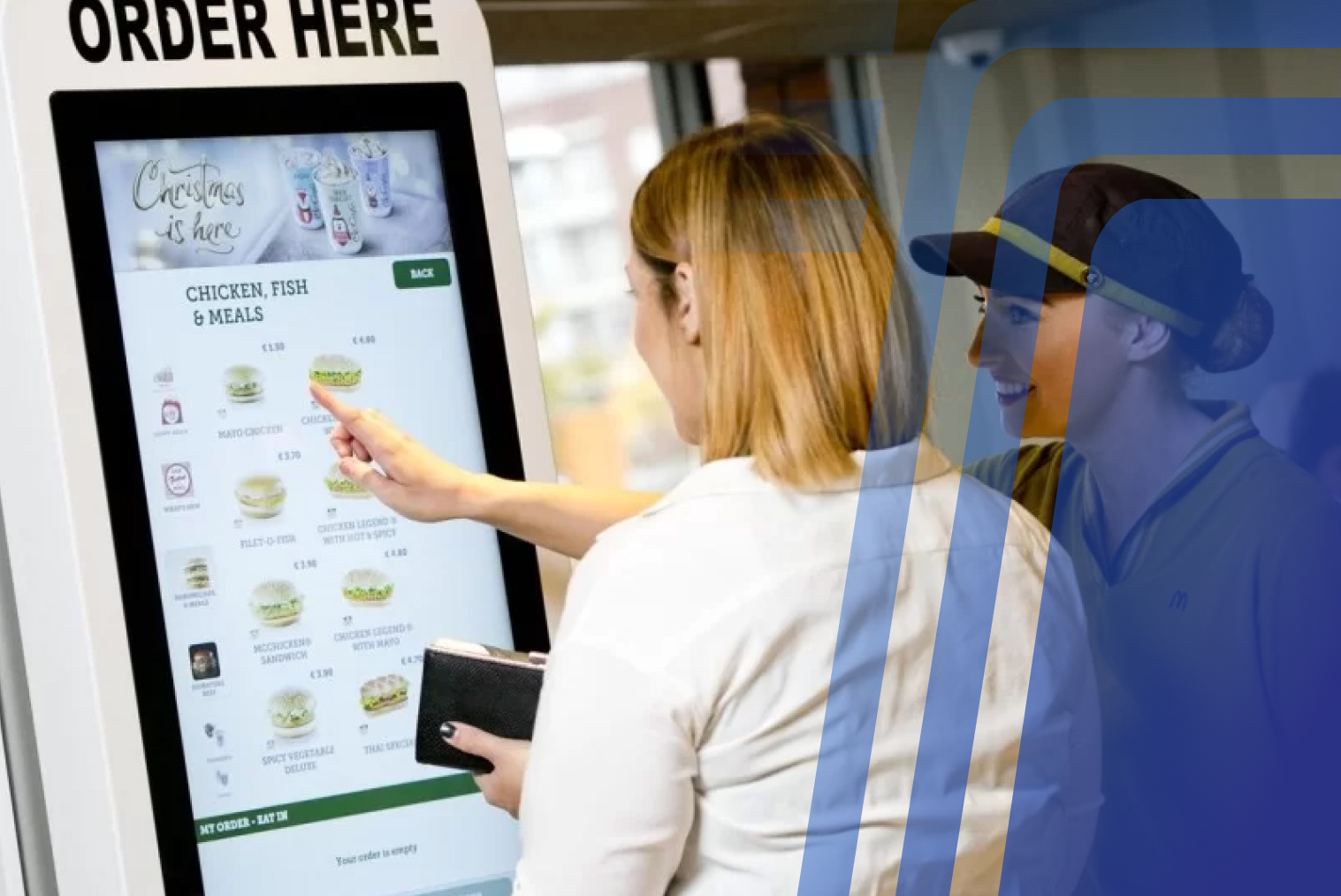
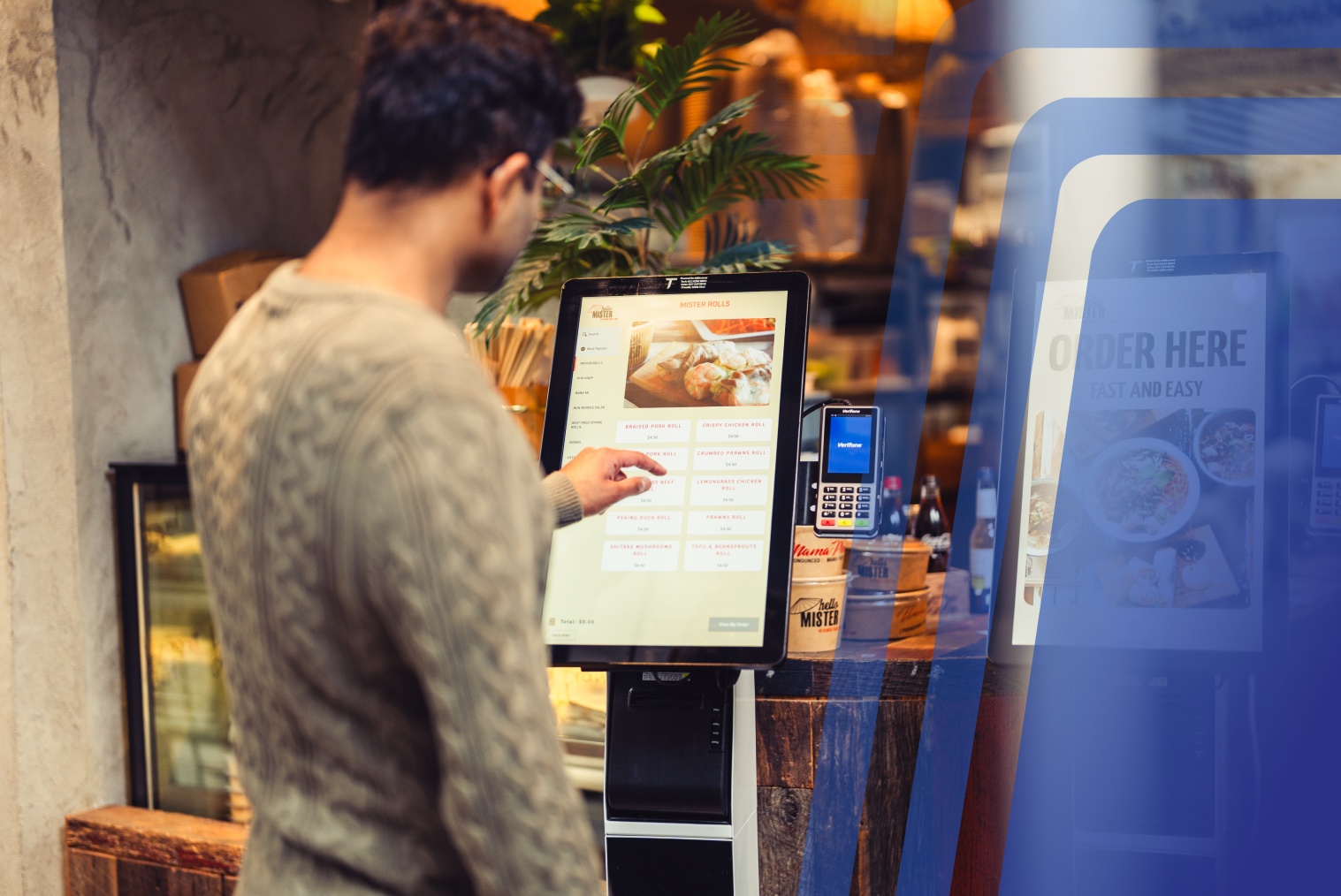
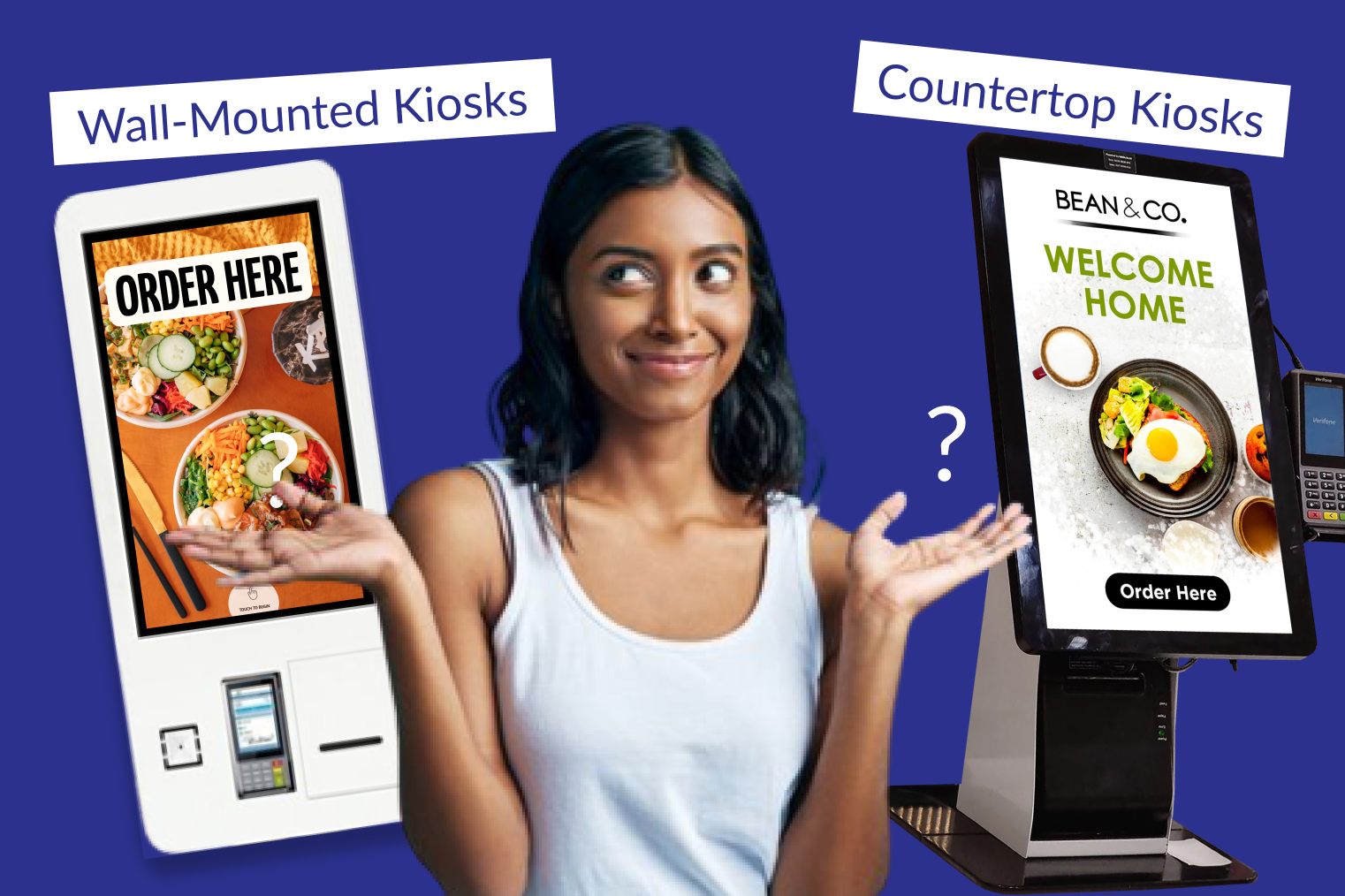
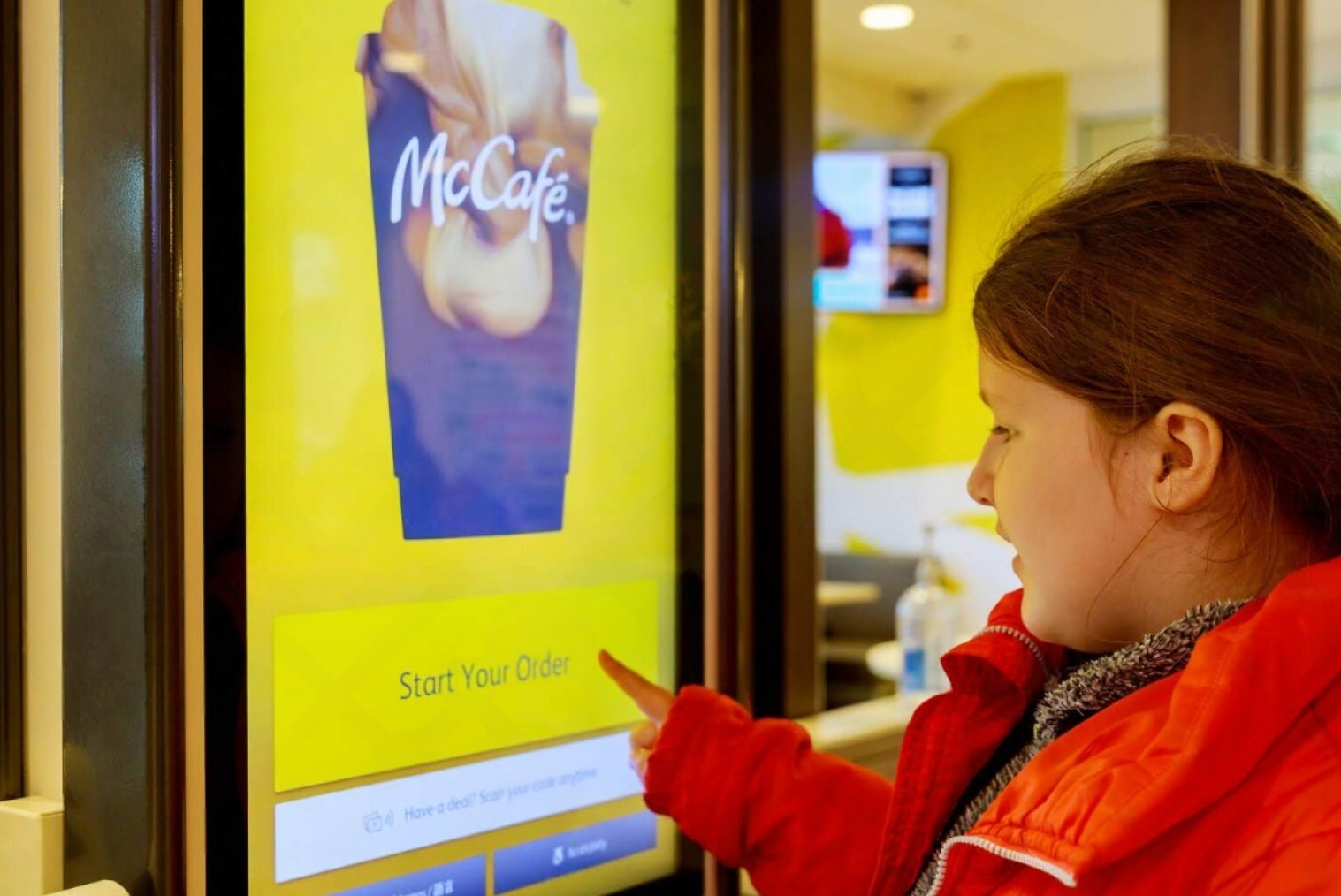
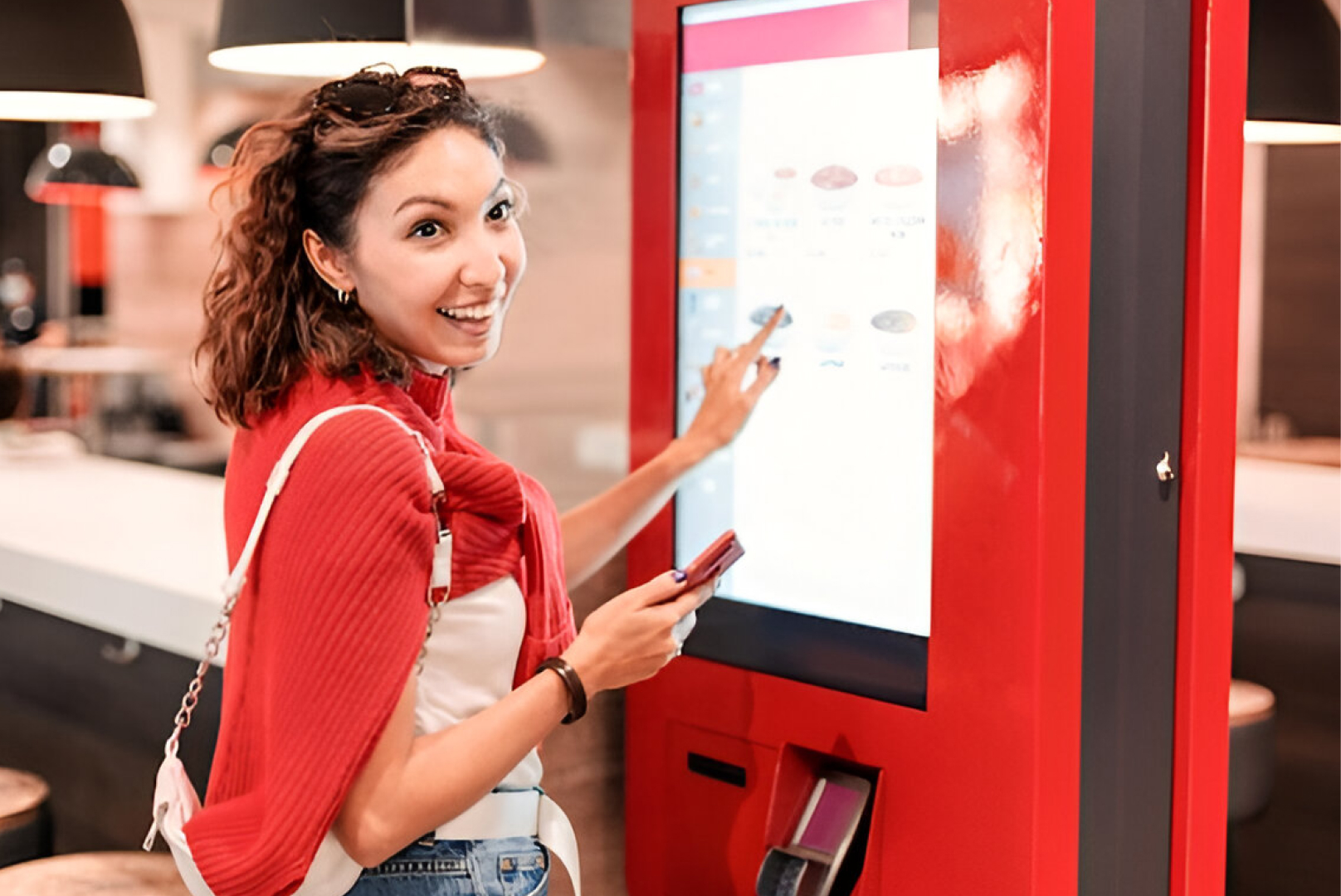
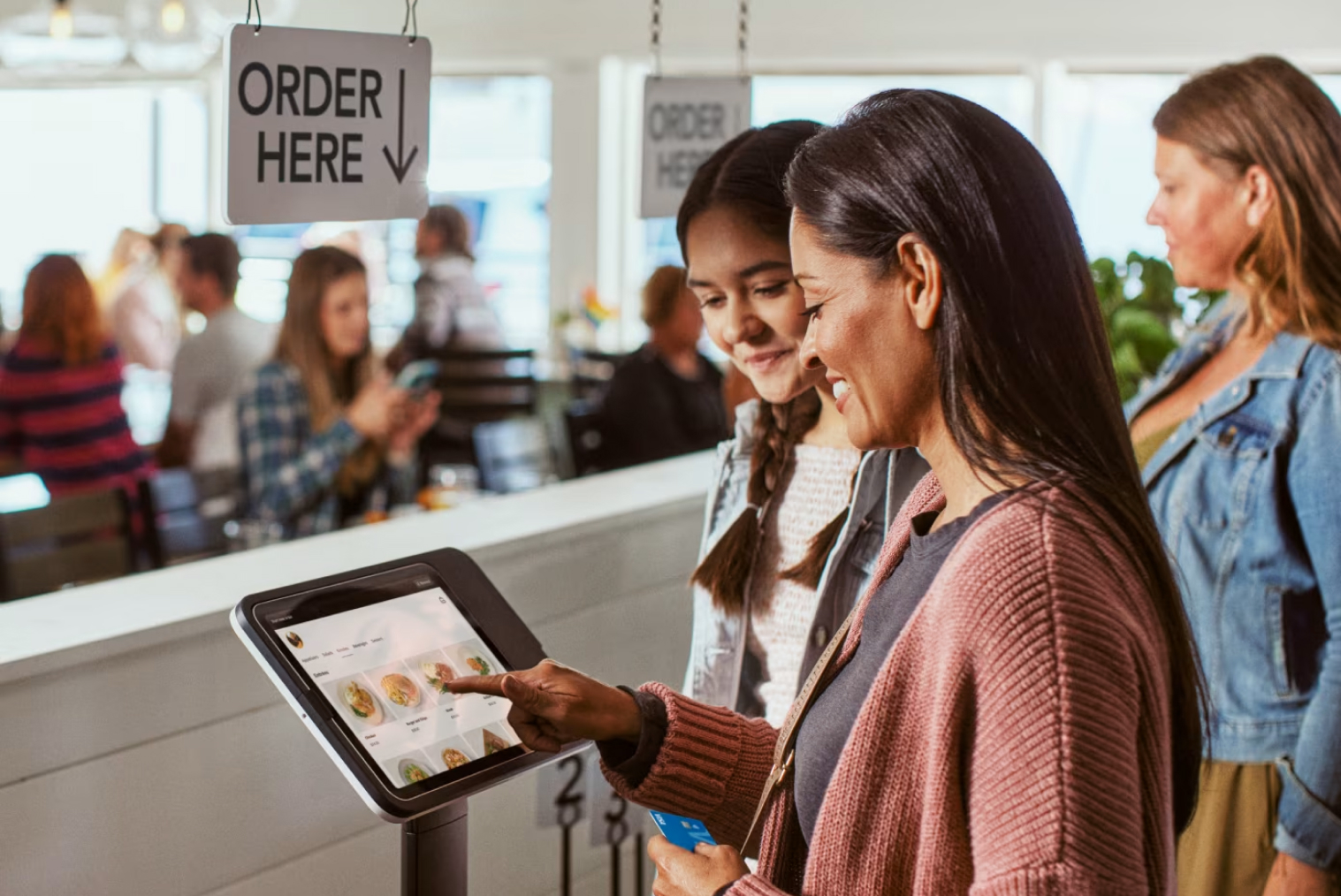
Restaurant self-service kiosks are interactive terminals where customers can place orders without having to directly interact with restaurant staff. These kiosks are powered by intuitive interfaces and intelligent software that enhance food allergy awareness and ordering accuracy.
Here’s how they make a difference:
Comprehensive Ingredient Listings
One of the biggest advantages of self-service kiosks is their ability to display detailed ingredient information for every menu item. Customers can access nutritional values, full ingredient lists, and clearly marked allergens.
Transparency and Trust
By offering complete ingredient visibility, restaurants build trust—especially with customers who have food allergies or dietary restrictions. Knowing exactly what’s in each dish allows guests to order with confidence.
Customisable Options
Kiosks allow customers to remove or substitute ingredients easily. This is especially valuable for allergy-sensitive diners, as allergens can be eliminated directly at the ordering stage.
Alerts and Warnings for Allergies
Self-service kiosks can be configured with kiosk allergy alert features that notify customers of potential allergen risks before an order is placed.
Automatic Alerts
If a customer selects a dish containing common allergens, the kiosk instantly displays a warning and may suggest safer alternatives.
Cross-Contamination Warnings
Kiosks can also highlight potential cross-contamination risks, which is critical for customers with severe allergies who must avoid even trace exposure.
Customised Profiles and Loyalty Programs
Many kiosks allow customers to create profiles and join loyalty programs that store dietary preferences and allergy information.
Saved Preferences
Customers can save allergy details in their profile, enabling faster and safer ordering during future visits.
Personalised Recommendations
Based on stored preferences, kiosks can suggest menu items that align with dietary needs, such as highlighting gluten-free or nut-free options.
Streamlining Communication Between Customers and Kitchens
Clear communication is critical for customers with food allergies. Self-service kiosks improve this process by delivering structured, consistent information directly to the kitchen.
Direct Input
Allergy instructions entered at the kiosk are transmitted directly to kitchen systems, ensuring safety measures are followed accurately.
Language Barriers
Many kiosks support multiple languages, making it easier for non-native speakers to communicate dietary requirements clearly—an important advantage in diverse and multicultural locations.
How Kiosks Help Reduce Allergy-Related Ordering Errors
Customers Enter Allergy Preferences Directly
With allergy-friendly kiosk ordering, customers can input their allergy preferences themselves. This eliminates misunderstandings that often occur during verbal communication.
Built-In Allergen Filters Prevent Mistakes
Once an allergy is selected, unsafe menu items can be automatically filtered out or clearly flagged, preventing accidental selection.
Visual Allergy Icons Improve Communication
Clear visual icons for allergens such as nuts, dairy, gluten, or shellfish help customers identify risks instantly—especially useful in busy restaurant environments.
Real-Time Ingredient Information Reduces Risk
Kiosks are synced with live menu data, ensuring that any ingredient or recipe updates are reflected immediately, reducing the risk of outdated allergen information.
Kiosks vs Manual Ordering: Allergy Safety Comparison
| Feature |
Self-Service Kiosks |
Traditional Ordering |
| Allergen Visibility |
Always visible on-screen |
Depends on staff knowledge |
| Order Accuracy |
System-driven and consistent |
Prone to verbal errors |
| Customisation Control |
Structured and precise |
Can be misunderstood |
| Language Support |
Multi-language interfaces |
Limited |
| Order Audit Trail |
Digital record available |
Often unavailable |
An automated self-service kiosk system ensures that allergy-related instructions are captured accurately and consistently—something manual ordering struggles to guarantee during peak hours.
Bonus: Real-Time Feedback Collection
Self-service kiosks enable restaurants to collect real-time feedback related to allergy safety and order accuracy. This data helps operators identify gaps, improve kitchen protocols, and continuously strengthen food safety practices.
The Future of Food Allergy Awareness: Collaborative Technology and Personalised Solutions
AI-Powered Ingredient Recognition
Future kiosks may use AI to analyse ingredients in real time and instantly alert customers based on their personal allergy profiles.
Smarter Personalised Profiles
As loyalty programs evolve, kiosks will further customise the ordering experience—automatically prioritising safe menu items and simplifying decision-making for allergy-sensitive diners.
Conclusion: A Safer and More Inclusive Dining Experience for All
Self-service kiosks are a significant leap forward in terms of food allergy awareness and restaurant safety. With the ability to empower customers with information, alerts, and control, self-service kiosks are a great way for customers with food allergies to order food safely.
At the end of the day, it is all about trust, transparency, and inclusivity. As technology advances, self-service kiosks will be an integral part of ensuring that eating out is a stress-free and enjoyable experience for everyone, regardless of their dietary needs.
Frequently Asked Questions (FAQs)
Q1. Can kiosks prevent allergy order mistakes better than staff?
Yes. Kiosks reduce reliance on verbal communication by allowing customers to enter allergy preferences directly, significantly lowering the risk of human error.
Q2. What allergy features should a self-service kiosk have?
Essential features include allergen filters, real-time ingredient updates, allergy alerts, visual icons, and POS integration.
Q3. Can kiosk technology integrate allergen alerts with POS systems?
Yes. Modern kiosks integrate seamlessly with POS systems, ensuring allergy alerts reach kitchen staff instantly.
Q4. Do kiosks contribute to overall restaurant food safety and accuracy?
Absolutely. By standardising ordering, maintaining digital records, and reducing miscommunication, kiosks improve both food safety and operational accuracy.
Q5. How do self-service kiosks help customers with food allergies?
Self-service kiosks provide detailed ingredient lists, allergy alerts, and cross-contamination warnings, helping customers make safe and informed food choices.
Q6. How do self-service kiosks help customers with food allergies?
Self-service kiosks provide detailed ingredient lists, allergy alerts, and cross-contamination warnings, helping customers make safe and informed food choices.
Q7. Can kiosks display allergy warnings automatically?
Yes. When a customer selects a dish containing allergens like peanuts, dairy, or gluten, kiosks can display automatic alerts with safer alternatives.
Q8. Do kiosks reduce miscommunication between staff and allergy-sensitive customers?
Absolutely. Customers can input their allergy requirements directly into the kiosk, ensuring accurate communication with the kitchen and reducing the risk of mistakes.
Q8. Can self-service kiosks personalise orders for allergy-sensitive diners?
Yes. Kiosks can store customer profiles and loyalty data, remembering allergy preferences and suggesting safe, customized menu options during future visits.


.webp)
















.png)



















.webp)


