Technology is transforming how restaurants operate, and self-ordering kiosks are becoming one of the most impactful tools in modern food service. From reducing queues to increasing average order value, these systems help restaurants improve efficiency and enhance customer experience.
However, many restaurant owners still struggle with one key question: when is the right time to invest in a self-ordering kiosk?
Installing kiosks too early might feel like a large upfront investment, while waiting too long could mean missing out on operational improvements and revenue opportunities. Knowing the right time to invest in a self-ordering kiosk can help restaurant owners make smarter technology decisions.
In this guide, we’ll explore the signs your restaurant needs a self-ordering kiosk, industry trends, and how to evaluate the self-ordering kiosk investment decision for your business.
Why Self-Ordering Kiosks Are Becoming Essential in Modern Restaurants
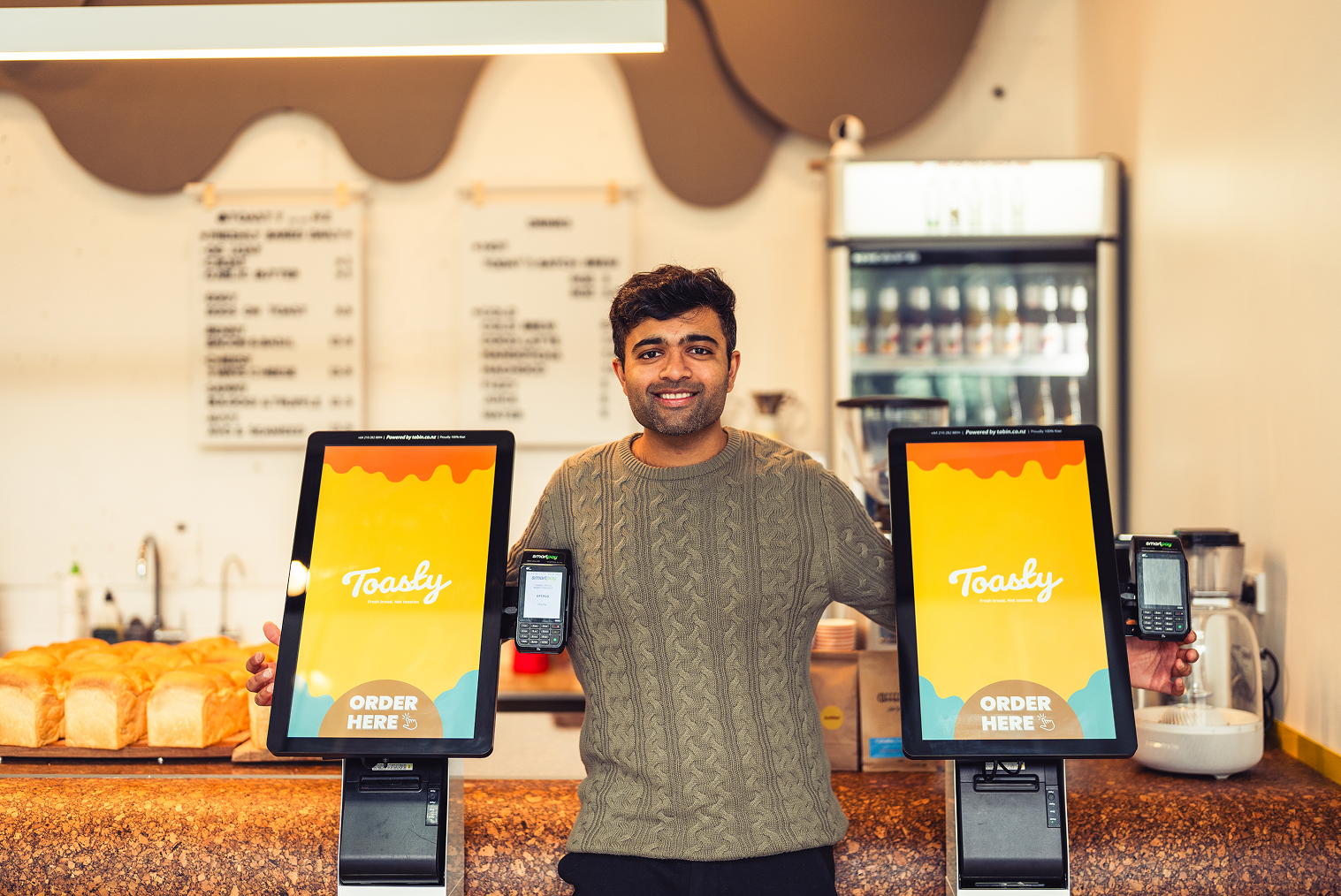
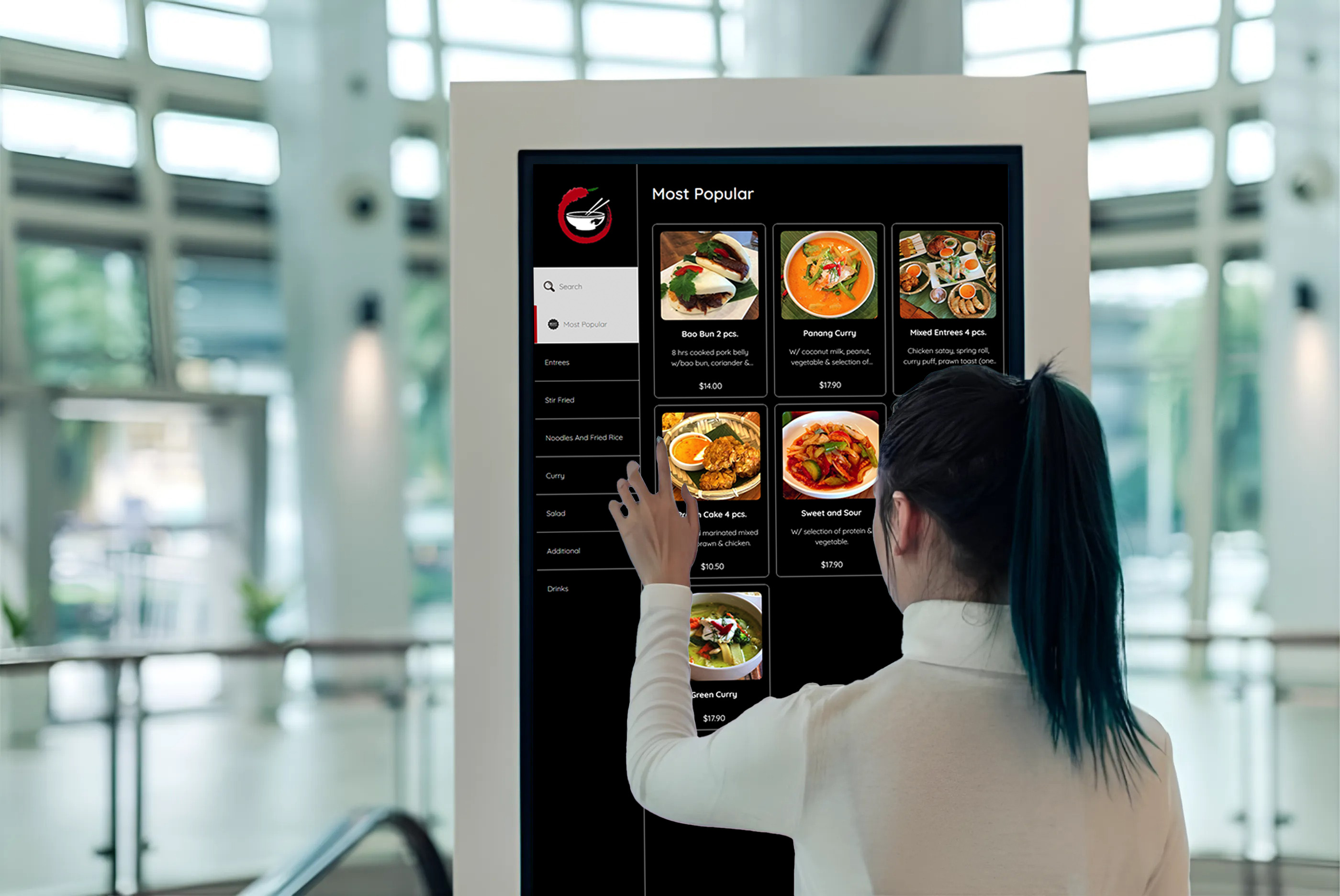
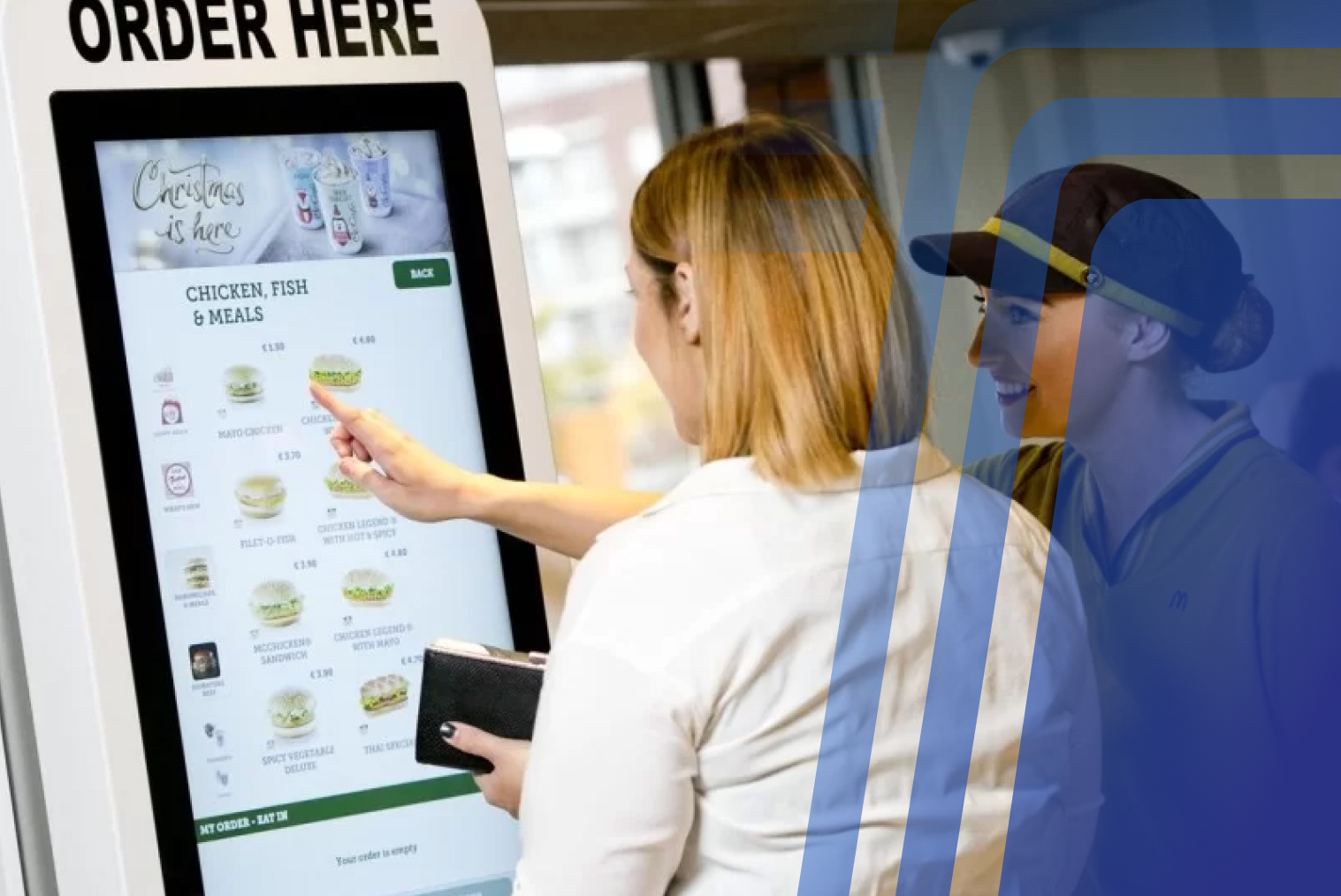
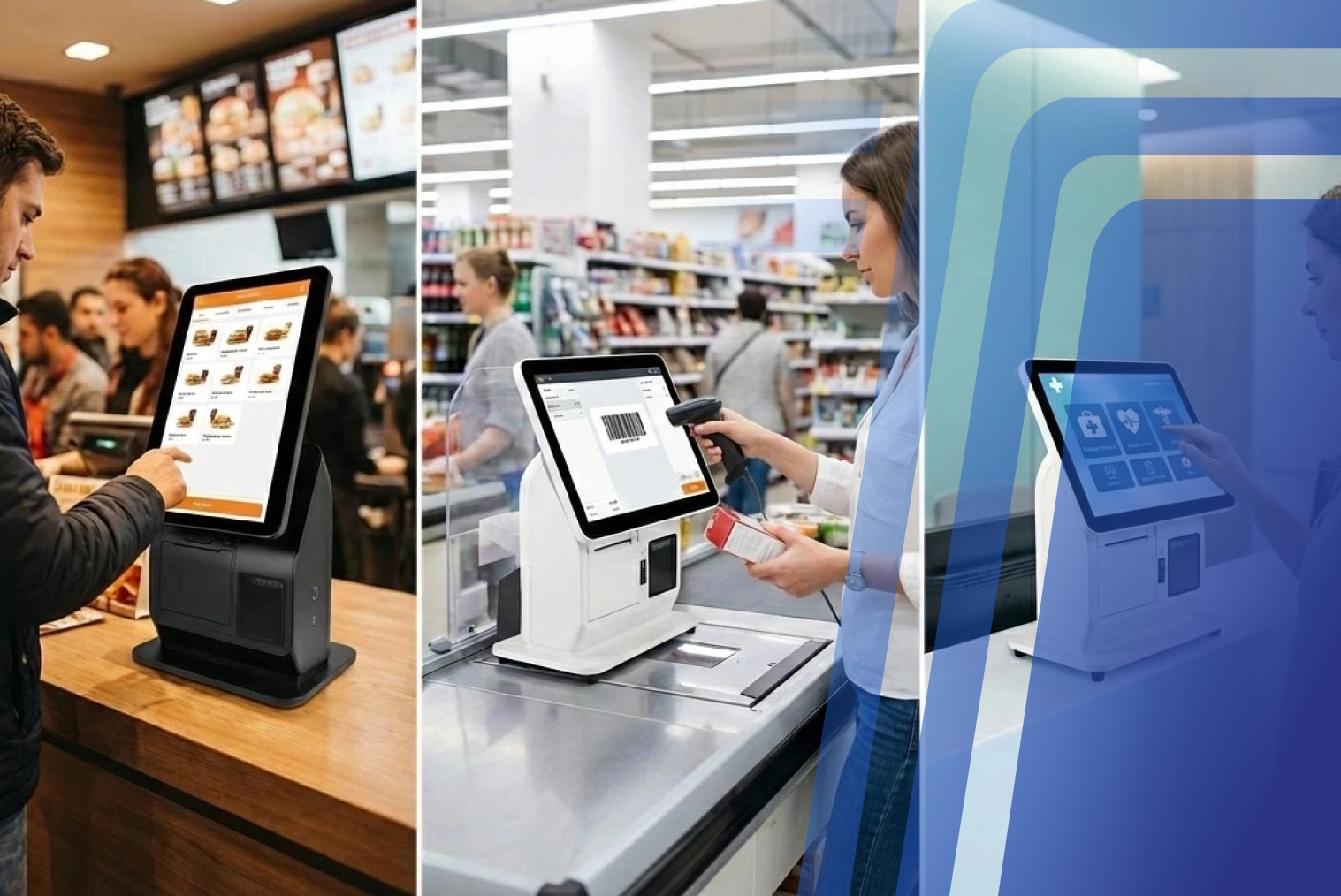
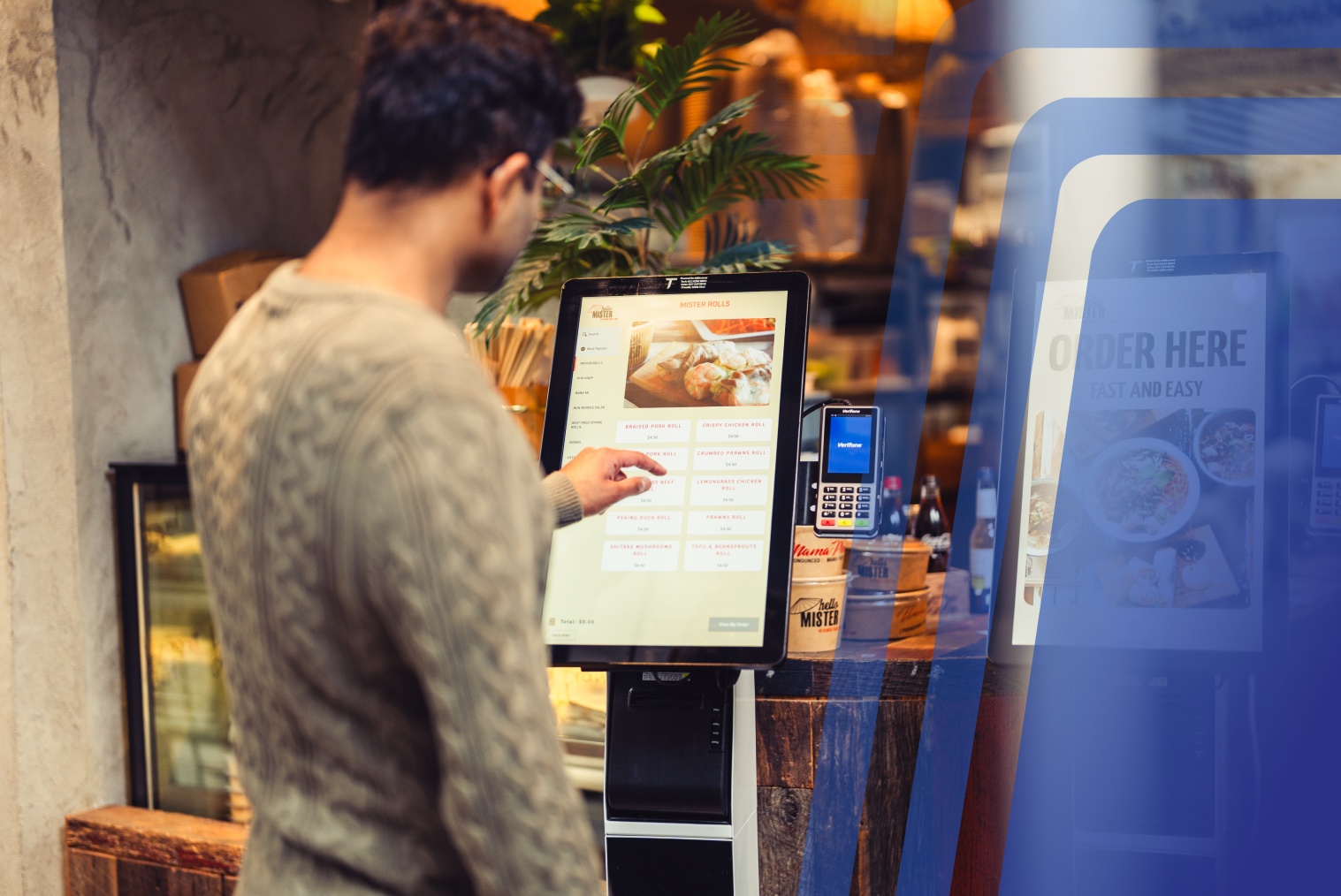
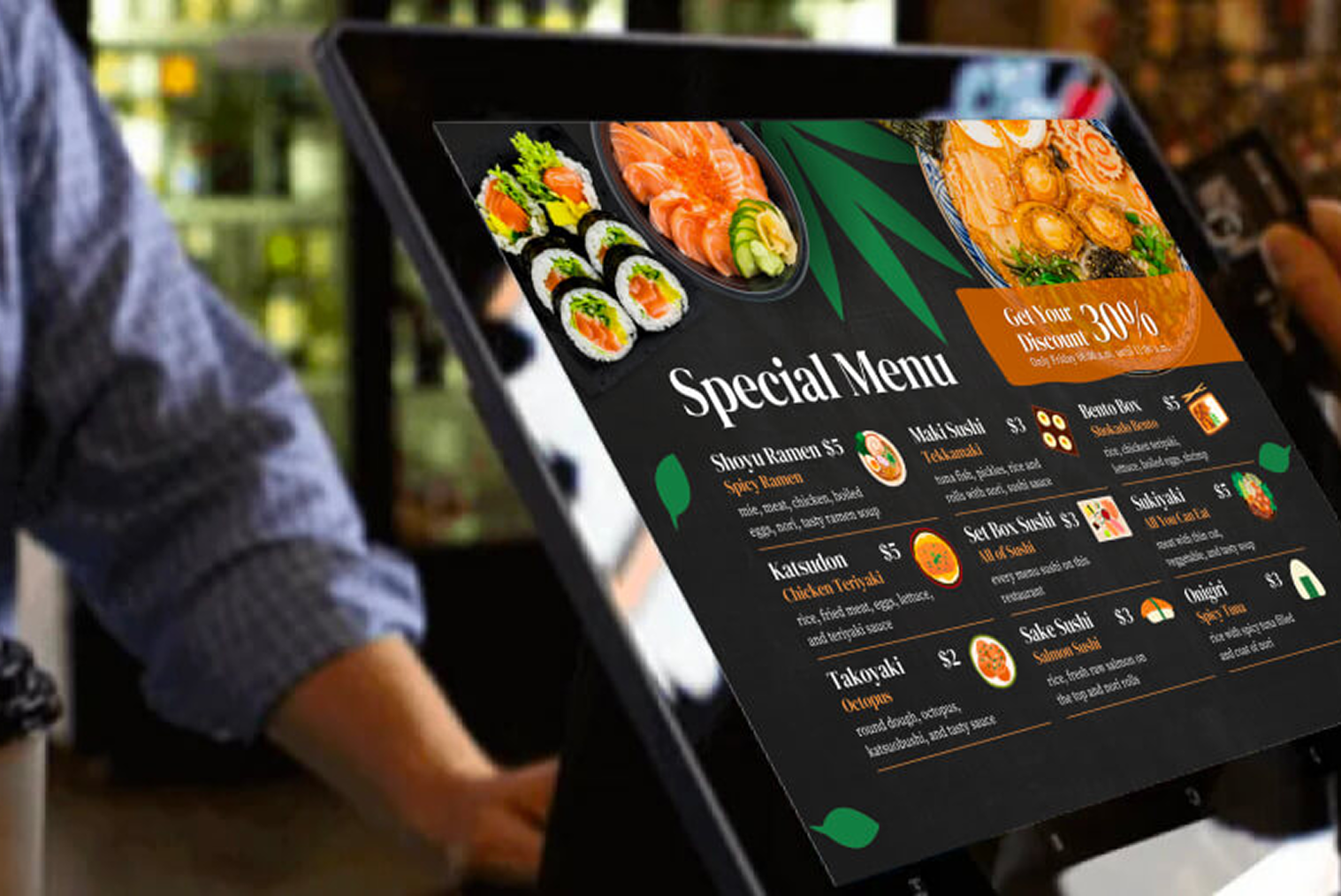
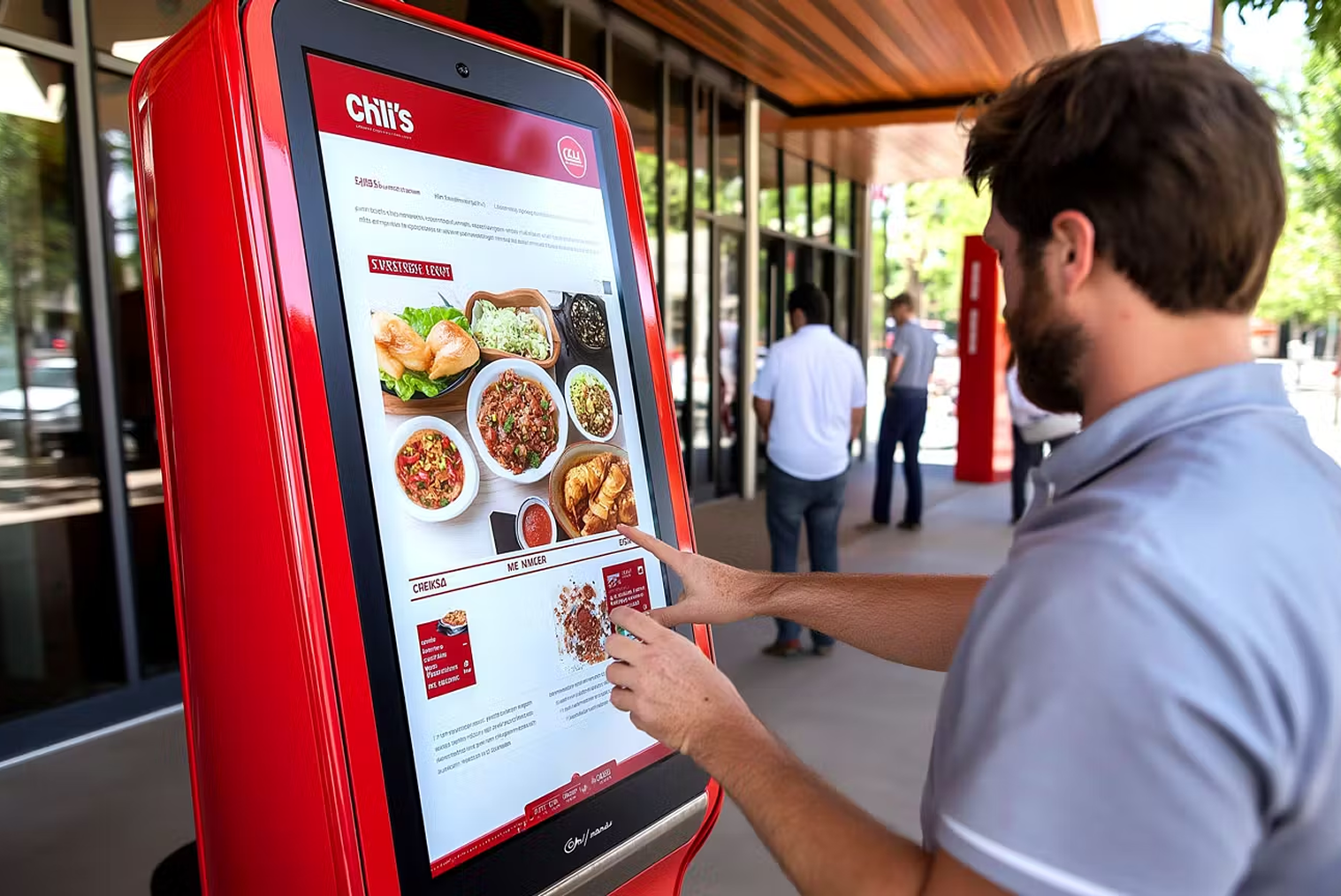
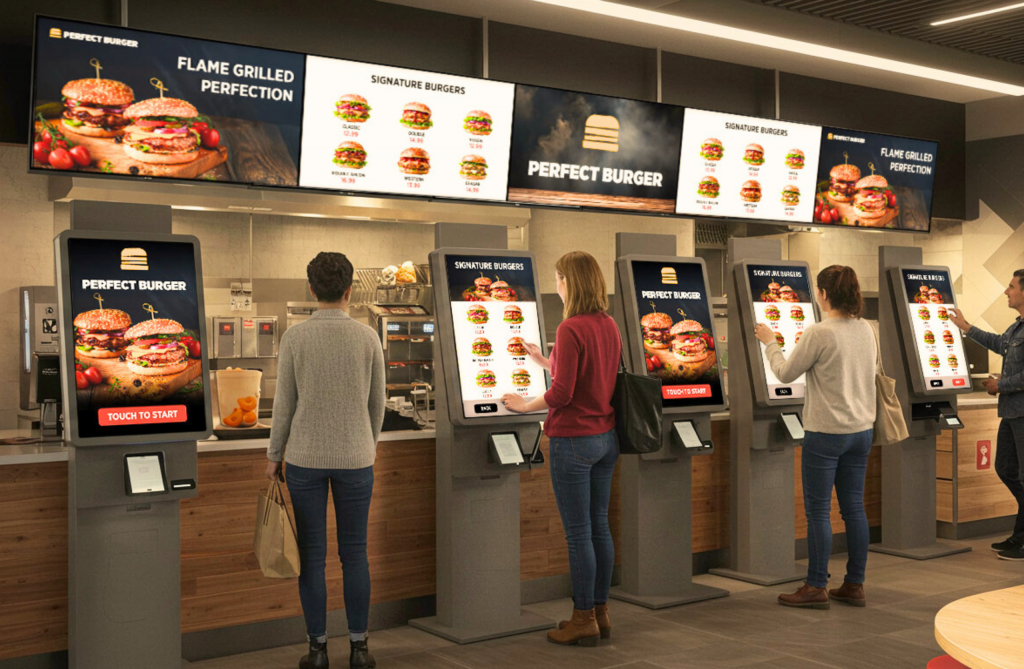
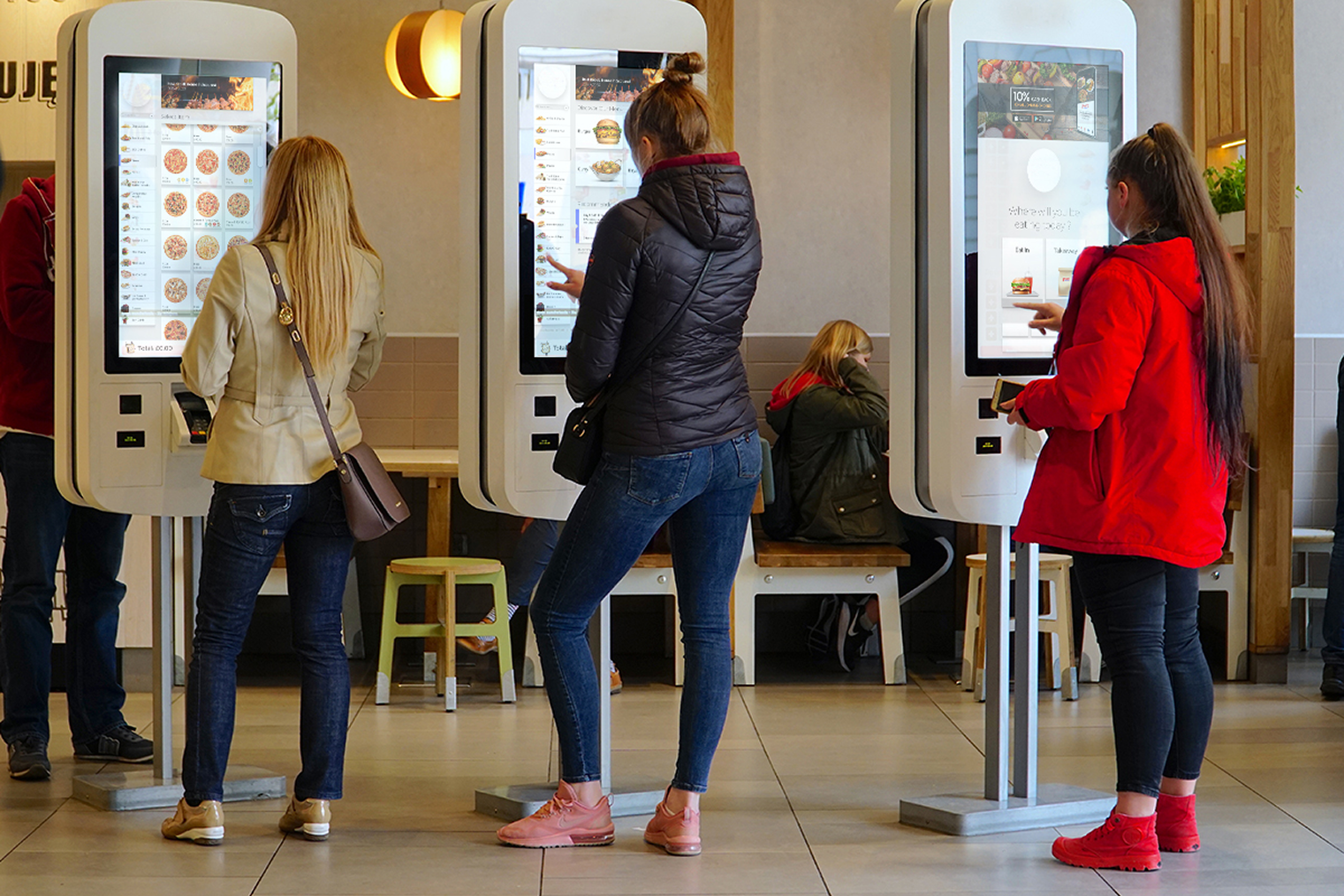
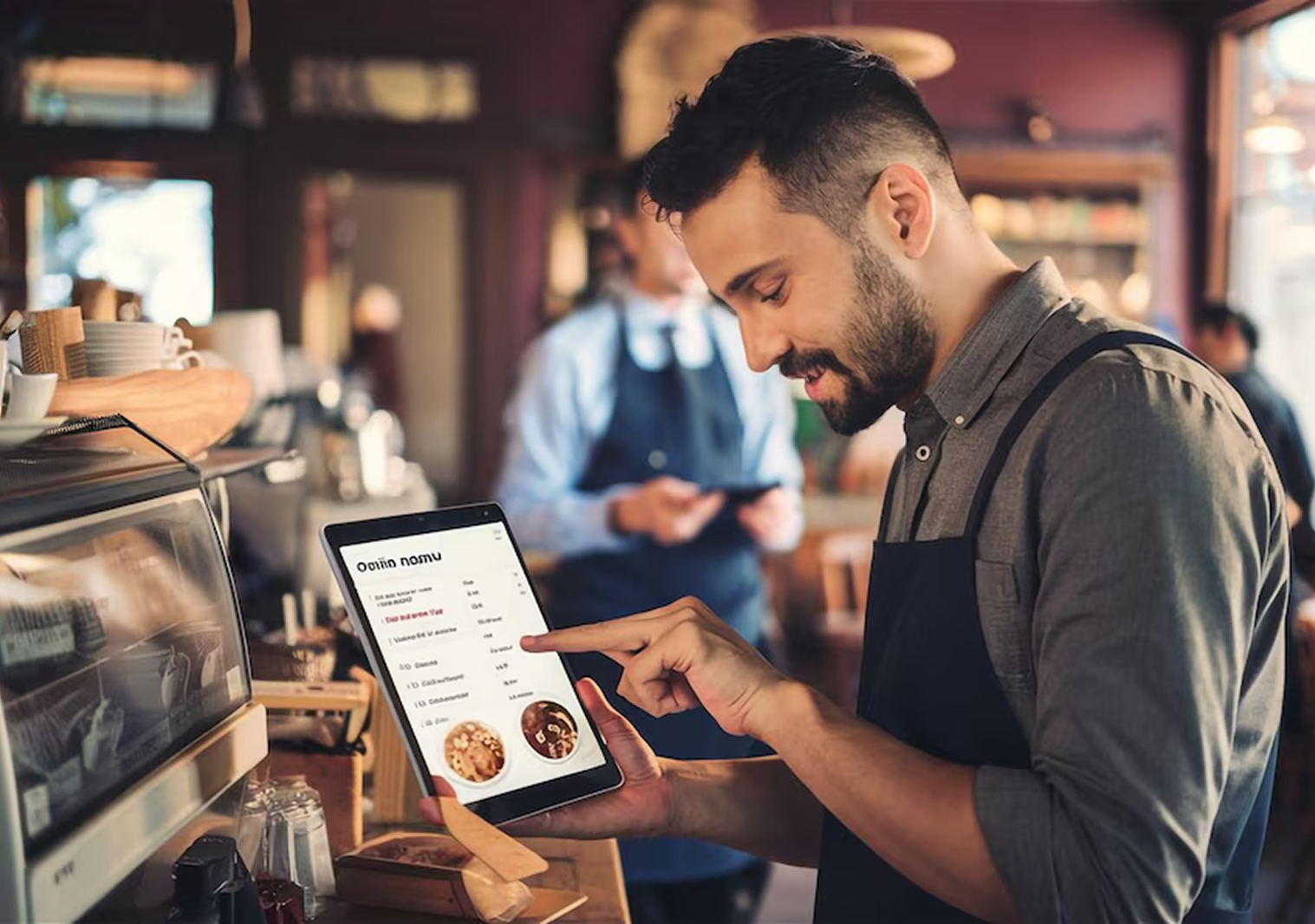
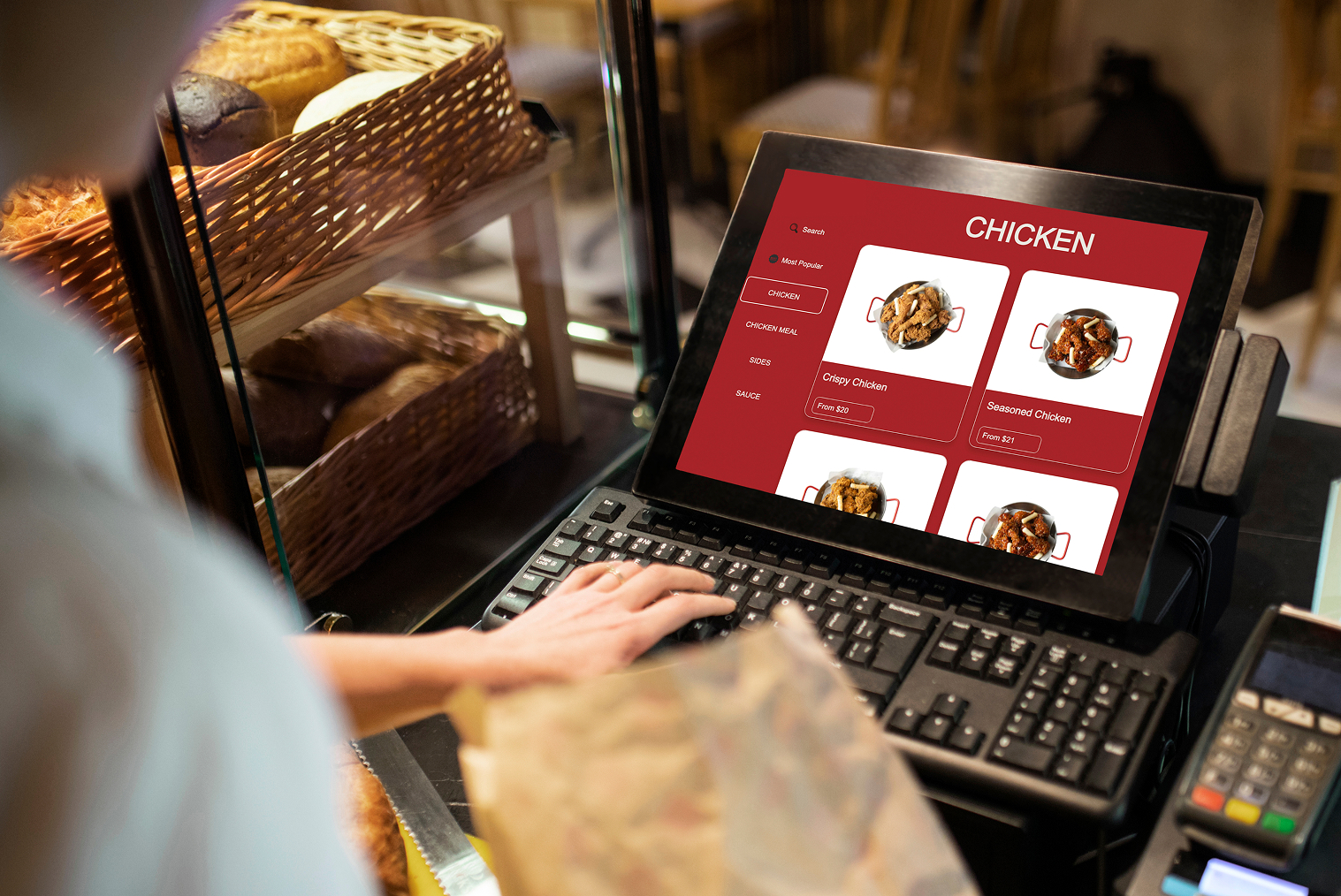
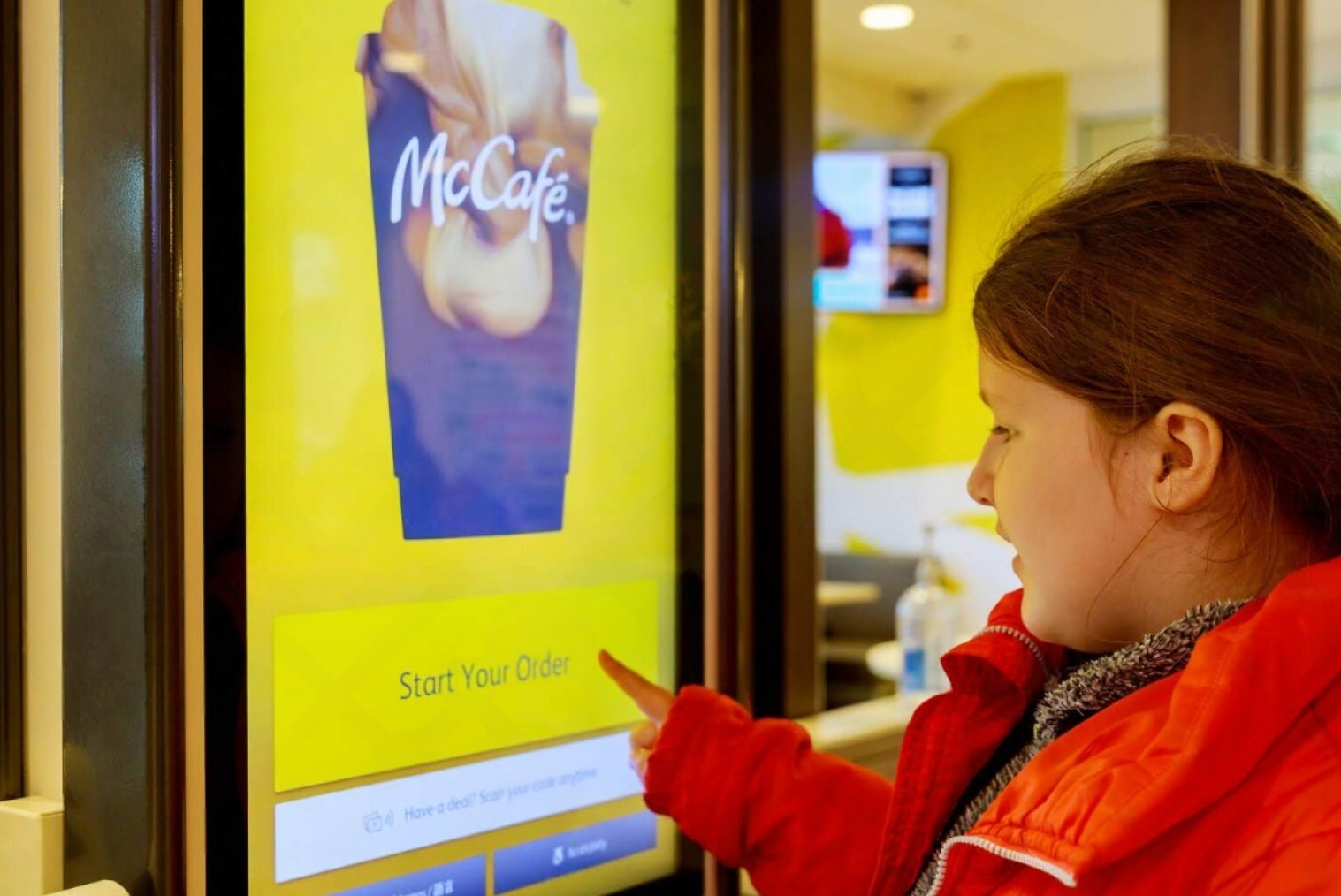
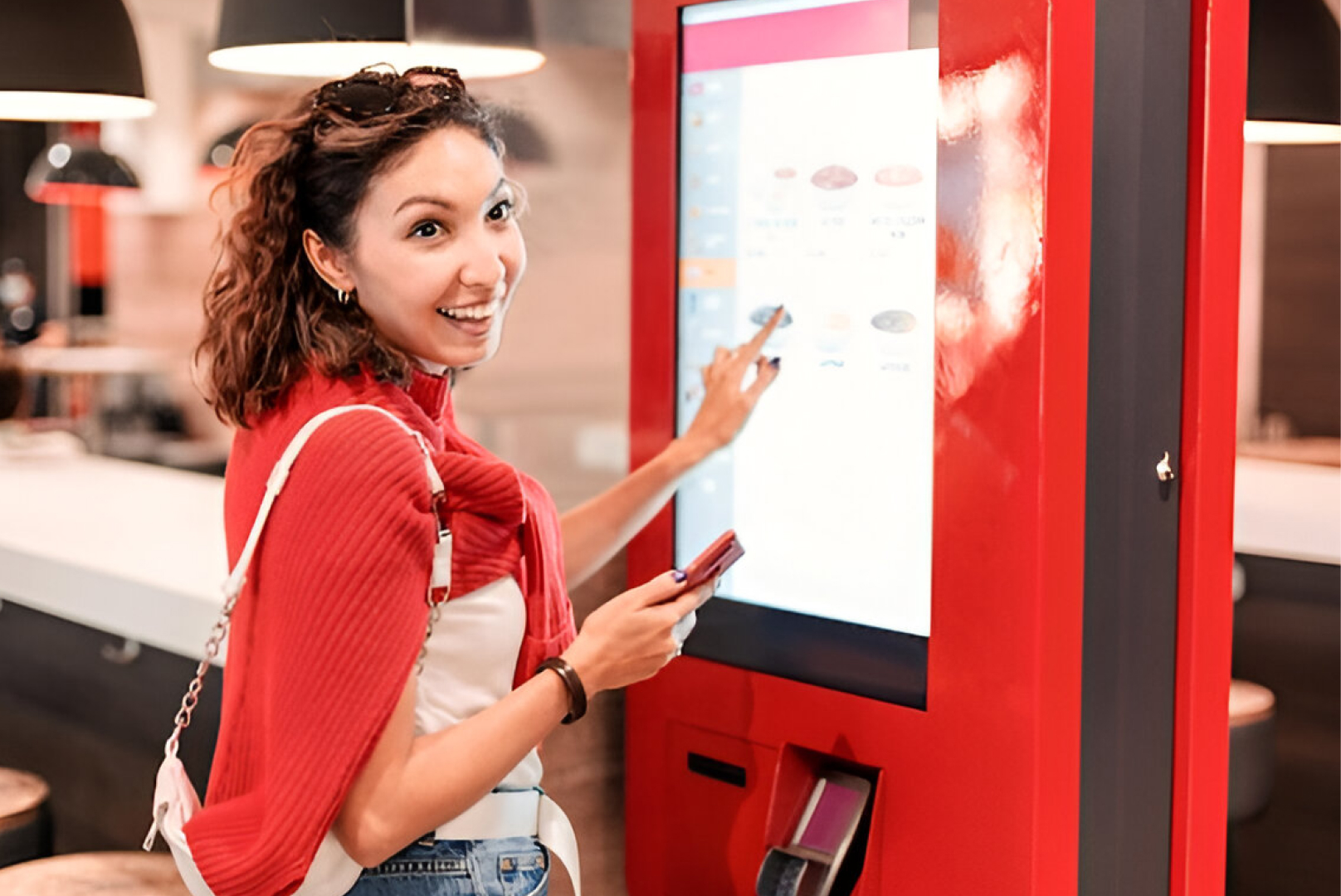
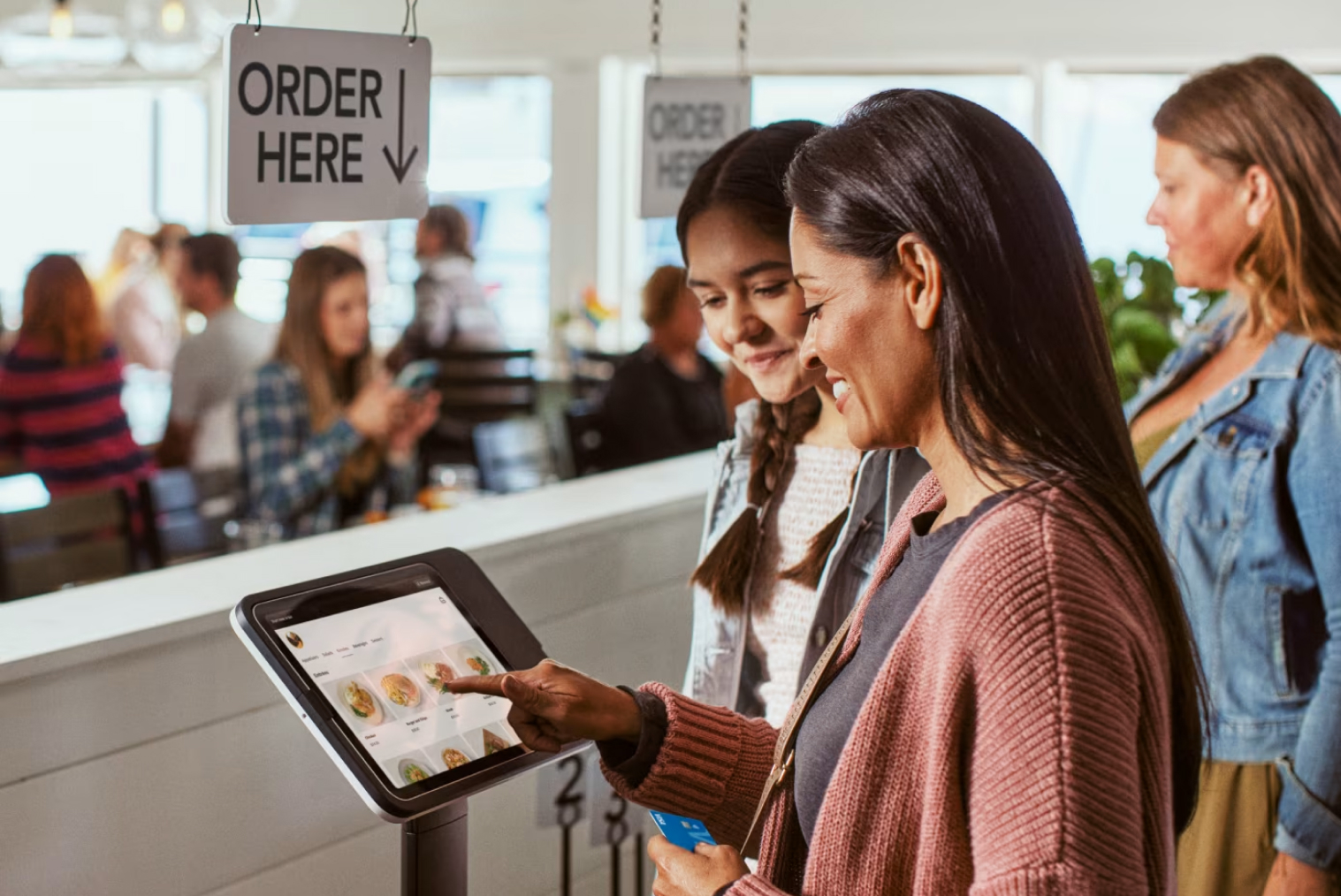
Self-ordering kiosks allow customers to browse the menu, customize orders, and complete payments without needing staff assistance. These systems have become increasingly popular across both quick-service and casual dining restaurants.
According to research from Tillster, restaurants that use self-ordering kiosks can see up to a 30% increase in average order value because customers spend more time exploring menu options and adding upgrades.
In addition, a report by Hospitality Technology found that over 58% of restaurant operators plan to invest in automation technologies such as kiosks and digital ordering systems to improve efficiency.
These trends show that kiosk technology is quickly becoming a standard tool in modern restaurant operations.
Signs Your Restaurant Needs a Self-Ordering Kiosk
Not every restaurant needs kiosks immediately, but certain operational challenges clearly indicate when the technology can make a big difference. Recognizing the signs your restaurant needs a self-ordering kiosk can help you determine the right moment to adopt this solution.
Long Queues During Peak Hours
If customers regularly wait in long lines to place orders, kiosks can significantly reduce congestion.
Self-ordering kiosks allow multiple customers to place orders simultaneously, improving ordering speed and reducing wait times.
Major chains like McDonald’s introduced kiosks specifically to reduce queues and improve service efficiency across thousands of locations.
Increasing Labor Costs
Labor shortages remain one of the biggest challenges in the restaurant industry. Self-ordering kiosks help restaurants operate more efficiently by allowing staff to focus on food preparation and customer support rather than order-taking.
Frequent Order Mistakes
Miscommunication between customers and staff can lead to incorrect orders, refunds, and customer dissatisfaction.
With kiosks, customers input their own selections, reducing the chances of errors and improving order accuracy.
This improvement in accuracy is one of the key operational benefits restaurants see after implementing kiosks.
Growing Customer Demand for Digital Ordering
Modern consumers increasingly expect digital convenience when ordering food.
Research from Statista shows that online and digital food ordering has grown rapidly, with millions of customers preferring self-service options and mobile ordering systems.
Self-ordering kiosks meet these expectations by providing a fast and interactive ordering experience.
When Should a Restaurant Install Self-Ordering Kiosks?
Deciding When Should a Restaurant Install Self-Ordering Kiosks depends on several factors related to business growth and operational challenges.
When Your Customer Volume Starts Increasing
If your restaurant is serving more customers than your counter staff can efficiently handle, kiosks can help manage the increased demand.
Restaurants with high daily customer traffic benefit the most from kiosk technology.
When You Want to Increase Average Order Value
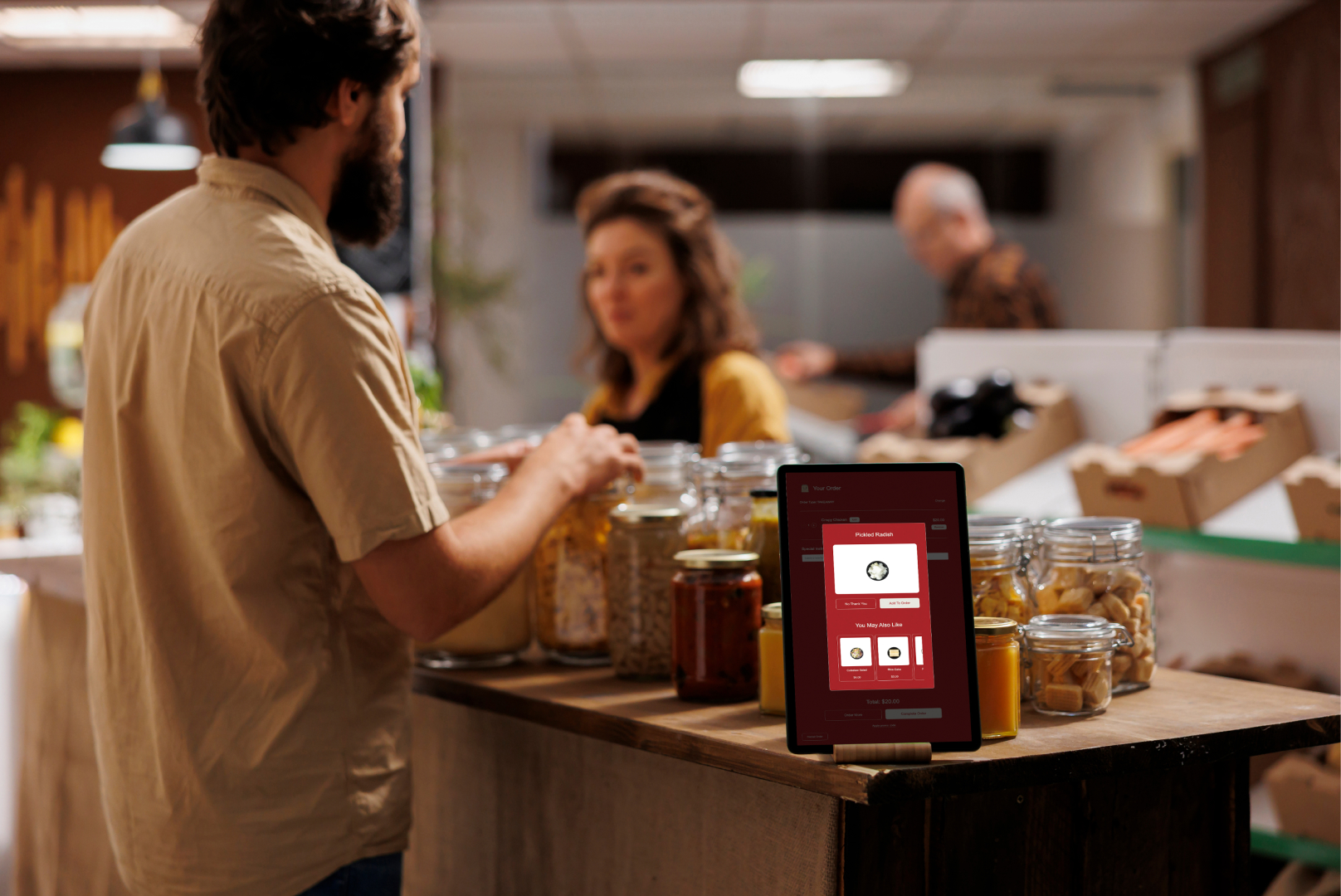
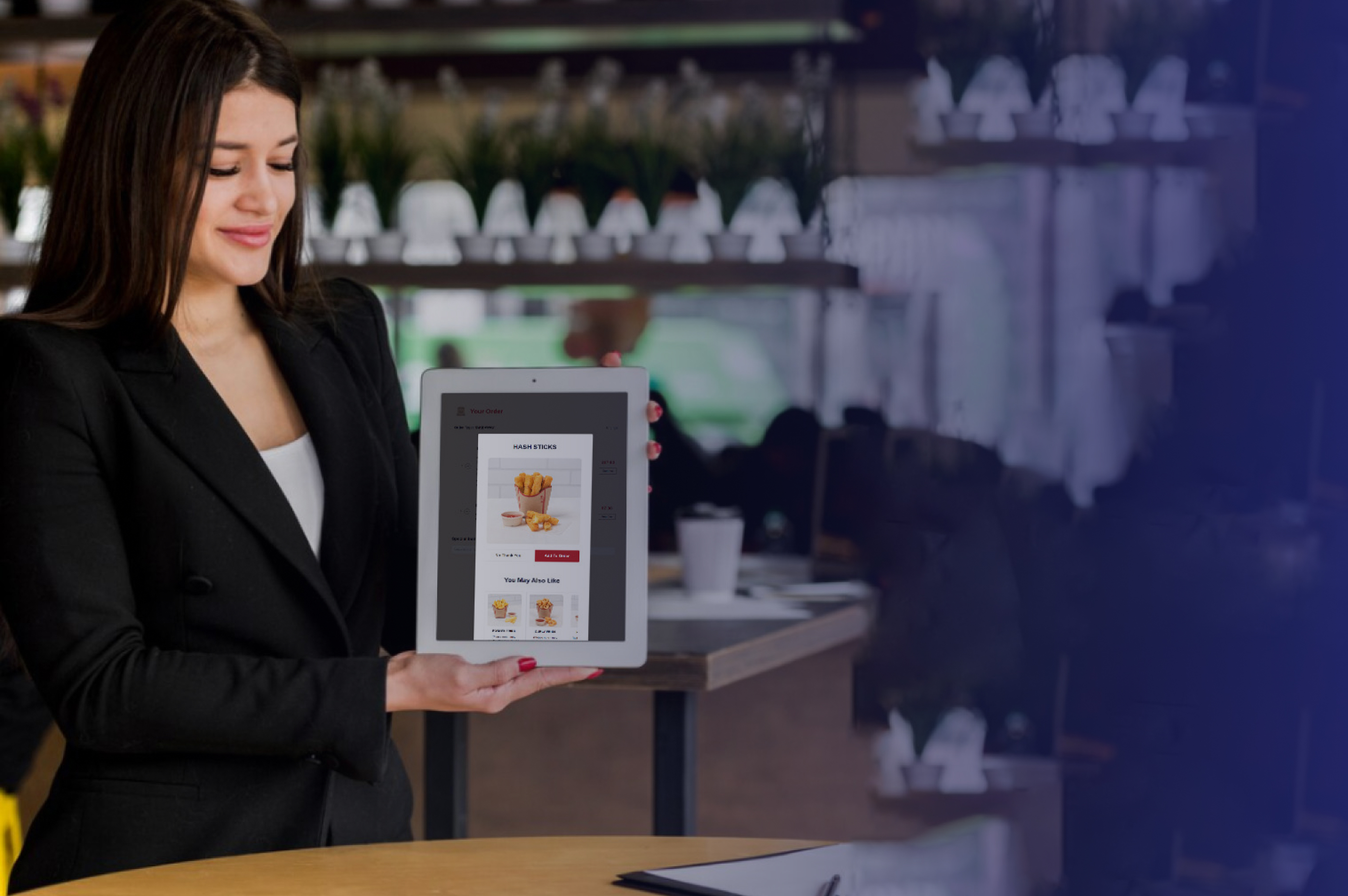
Self-ordering kiosks consistently encourage upselling through automated prompts for meal upgrades, drinks, and add-ons.
Studies show that digital ordering systems can significantly increase order value because customers feel less pressured compared to ordering with staff.
When You Are Expanding Your Business
Many restaurants install kiosks when preparing to scale operations or open additional locations.
By standardizing the ordering process through technology, businesses can maintain consistent service quality across multiple branches.
Self-Ordering Kiosk Investment Decision Guide
Making the self-ordering kiosk investment decision requires evaluating both costs and long-term benefits.
Here are key factors to consider before investing:
Initial Investment vs Long-Term Savings
While kiosks require an upfront investment, they can reduce labor costs and increase order value over time.
Many restaurants report recovering their kiosk investment within 12 to 18 months depending on customer volume and menu pricing.
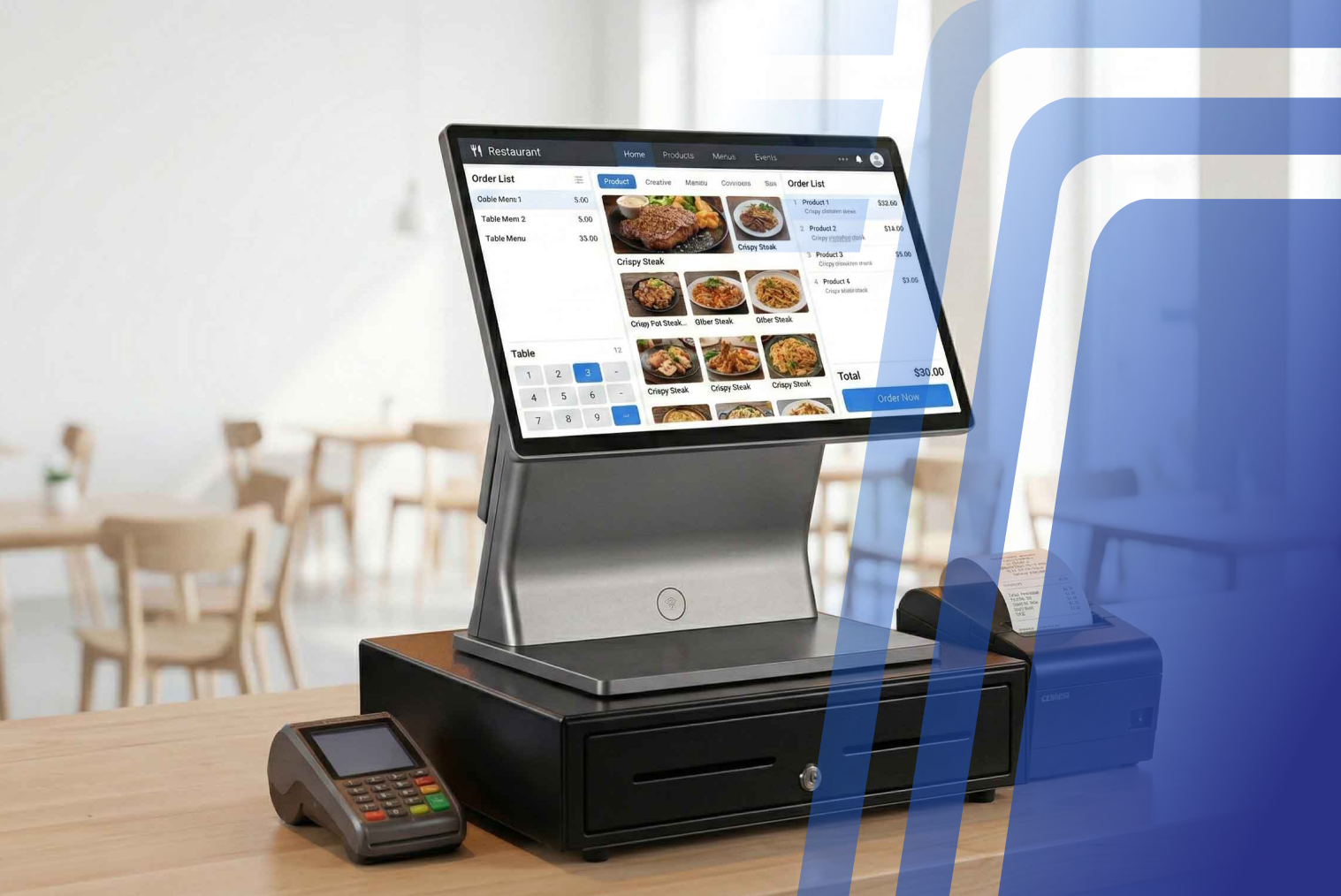
Integration with Existing POS Systems
Kiosks should integrate seamlessly with your POS system, kitchen display system, and payment platform.
This ensures that orders are automatically sent to the kitchen without disrupting operations.
Customer Experience
Kiosks should enhance the customer experience rather than complicate it.
A well-designed kiosk interface should be simple, fast, and easy to navigate.
Real-World Examples of Restaurants Using Self-Ordering Kiosks
Several global restaurant brands have successfully implemented kiosks to improve operations.
McDonald’s installed thousands of self-ordering kiosks across its restaurants worldwide. The company reported improved operational efficiency and increased order value after introducing the technology.
Shake Shack also introduced digital ordering kiosks in many locations to streamline the ordering process and reduce lines.
These examples show how kiosks can help restaurants improve both efficiency and customer experience.
Final Thoughts: Is It the Right Time for Your Restaurant?
Investing in kiosk technology is no longer just an option for large restaurant chains. Today, restaurants of all sizes are adopting digital ordering tools to stay competitive.
If your restaurant is experiencing long queues, rising labor costs, or increasing demand for digital ordering, it may be the right time to invest in a self-ordering kiosk.
By recognizing the signs your restaurant needs a self-ordering kiosk, you can make a strategic technology investment that improves operations, enhances customer experience, and drives revenue growth.
Frequently Asked Questions (FAQs)
Q1: What is the ideal time to install a self-ordering kiosk?
The ideal time to install a self-ordering kiosk is when your restaurant begins experiencing high customer volume, long queues, or operational inefficiencies. At this stage, kiosks can improve service speed and increase order value.
Q2: Are self-ordering kiosks worth it for small restaurants?
Yes, kiosks can still benefit small restaurants. They help reduce staff workload, improve order accuracy, and encourage upselling through automated suggestions.
Q3: Should I invest in kiosks before expanding to multiple locations?
In many cases, installing kiosks before expansion can be beneficial. Standardizing the ordering process with technology helps maintain consistent service quality across multiple restaurant locations.


.webp)











.png)













.webp)


