Ten things to check before signing a POS contract in NZ: the minimum term and notice period, who owns the hardware, whether your EFTPOS terminal is on a separate contract, payment processing fees, what support is committed in writing, and your data export rights when you leave. The monthly price rarely shows any of them.
You have quotes in hand and you're about to sign. The monthly price looks fine, the demo went well, and the salesperson says the paperwork is standard. Before you put pen to paper, it's worth knowing exactly what that paperwork commits you to.
This is where the headline number hides the terms that cost money later: a minimum term you didn't notice, hardware you don't own, a terminal rental that outlasts the software, or a price clause that lets fees rise mid-term. None of that shows in a demo. It's in the contract.
This POS contract checklist walks through what to look for in a POS contract in NZ: ten clauses, a comparison of buying, leasing and bundling hardware, and the questions to ask before you sign. For the cost side, see what a restaurant POS costs in NZ. If you're leaving a provider, see switching POS providers. This is general information, not legal advice.
Why Does the Contract Matter More Than the Monthly Price?
The monthly price tells you what you pay while everything goes to plan. The contract sets what happens when you want to leave, when hardware fails, when fees change or when you need your data back. Those POS contract terms are where the real costs sit.
In New Zealand, standard-form contracts between businesses, on a take-it-or-leave-it basis, must not contain unfair terms where the contract forms part of a trading relationship worth up to $250,000 in any 12-month period, according to the Commerce Commission. Whether a particular POS agreement is covered depends on its details, so treat that as a reason to read closely, not as a guarantee.
The Commission's guidance on unfair contract terms explains how small trade contracts are assessed. Reading the terms before you sign is far easier than negotiating once you're locked in. General information only, not legal advice.
The POS Contract Checklist: 10 Clauses to Check
Check ten clauses before signing: minimum term, notice period and auto-renewal, hardware ownership, hardware replacement, EFTPOS terminal rental, payment processing fees, support hours and channels, setup and training, data export on exit, and price changes during the term.
| Clause |
What to look for |
Red flag |
| Minimum term |
How long you're committed, and whether it's stated in the main agreement |
Term buried in a schedule or website terms; no shorter option offered |
| Notice period and auto-renewal |
How and when you must give notice, and what happens if you miss it |
Auto-renewal into a full new term; a notice window that's easy to miss |
| Hardware ownership |
Whether you own, lease or return the hardware, and when ownership passes |
Hardware 'provided' with no statement of who owns it or what happens on exit |
| Hardware replacement |
Who supplies and pays for replacements, and what happens while you wait |
Replacement billed at full price; no timeframe or process stated |
| EFTPOS terminal rental |
Whether the terminal is part of this contract or a separate EFTPOS terminal rental contract with your bank or provider, and its own term and exit |
A terminal agreement that outlasts the POS contract with no way out |
| Payment processing fees |
The exact rates, who sets them, and whether they can change during the term |
'Competitive rates' with no figure; fees can change without your agreement |
| Support hours and channels |
Hours, channels and location written into the contract, not only the website |
Support described only in marketing material and changeable without notice |
| Setup and training |
Whether installation, configuration, menu design and staff training are included and scheduled |
'Setup included' with no detail; training quoted as an extra after signing |
| Data export on exit |
Whether you can export sales history, customer and loyalty data and menus, in what format and at what cost |
Export at the provider's discretion, or only for a fee that isn't stated |
| Price changes during the term |
Whether fees can rise mid-term, how much notice you get and whether you can leave if they do |
Unilateral increases on short notice with no right to exit |
Should You Buy, Lease or Bundle POS Hardware?
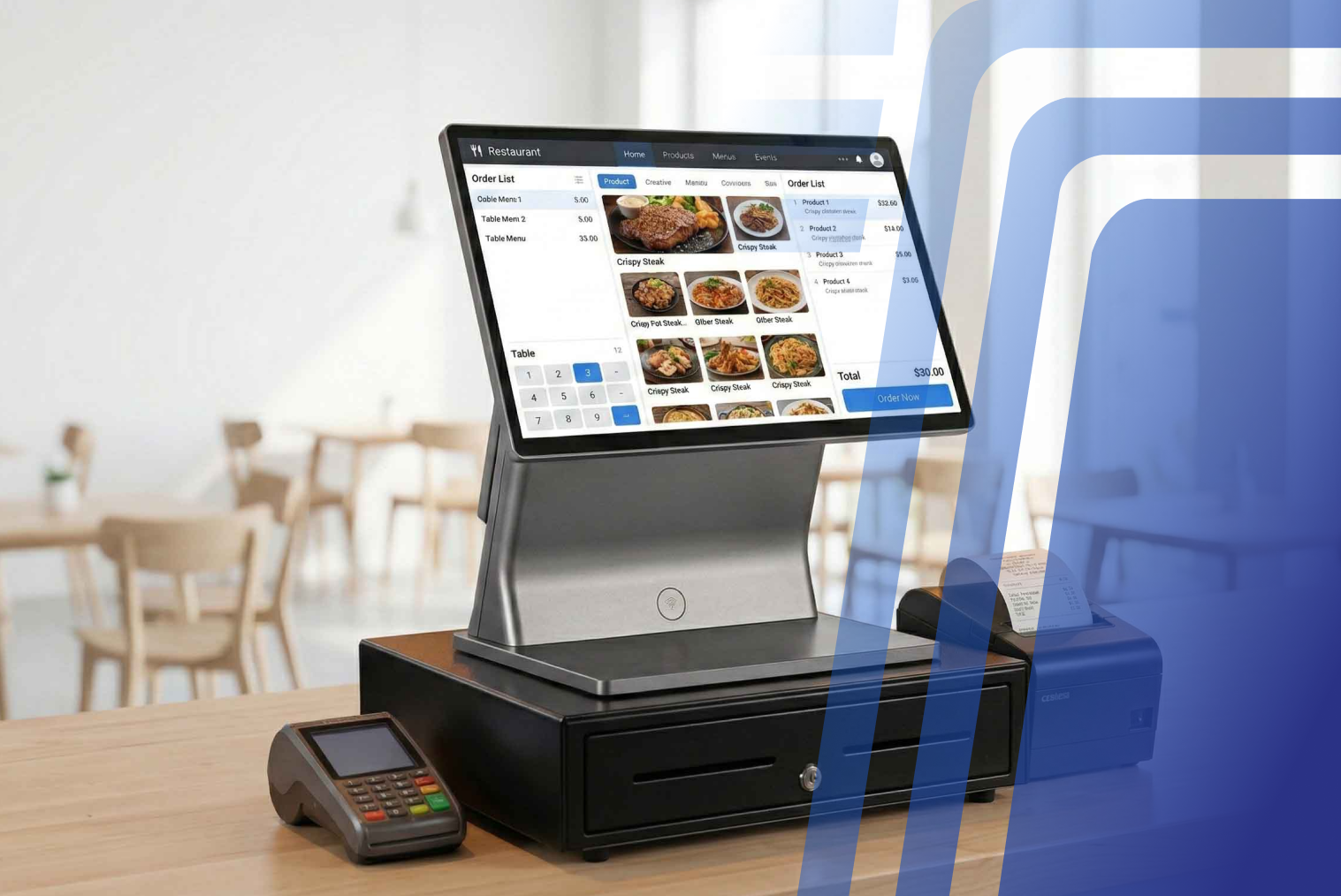
You can buy POS hardware outright, lease it, or have it bundled into a package. Each changes who owns the equipment, what happens when it fails and what leaving costs. This POS hardware lease vs buy comparison shows the trade-offs without dollar figures.
| Option |
How it works |
Advantage |
Watch for |
| Buy outright |
You pay for the hardware and own it from the start |
Freedom to change software without returning equipment; no ongoing hardware charge |
You carry the cost of faults and replacement once any warranty ends |
| Lease |
The hardware is rented over a set term and returned or bought out at the end |
Spreads the cost; repairs may be handled by the lessor, depending on the terms |
You may not own it; ending early can cost; the lease term may not match the POS contract term |
| Bundle with the package |
Hardware is included with software, setup and support in one package |
One quote and one point of contact |
Check who owns the hardware, what happens on exit, and whether bundling hides what each part costs |
Any POS system lease NZ providers offer should be read as its own agreement. It may be arranged through the POS provider or a separate finance company, so check who the lease is actually with and what happens if you change software.
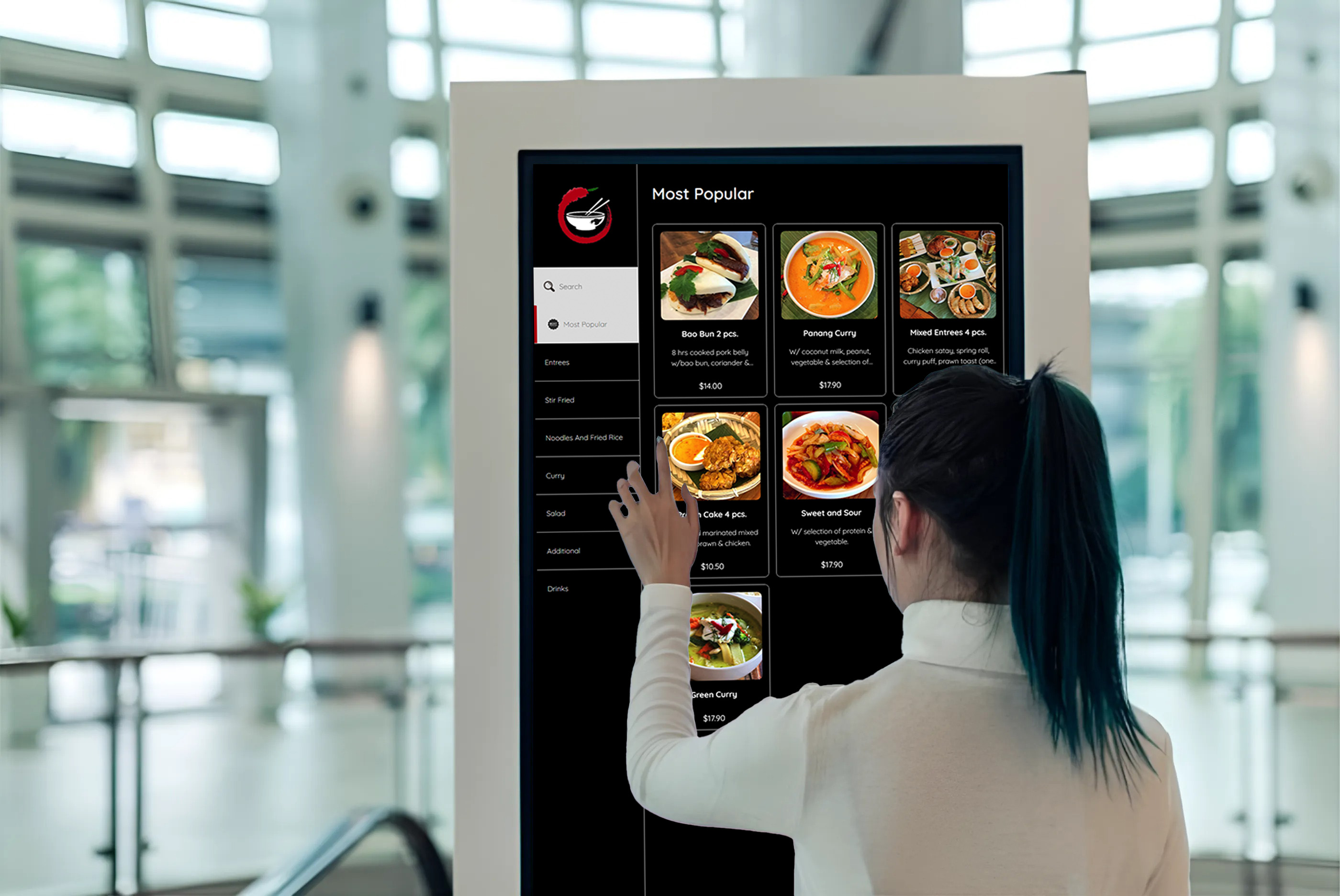
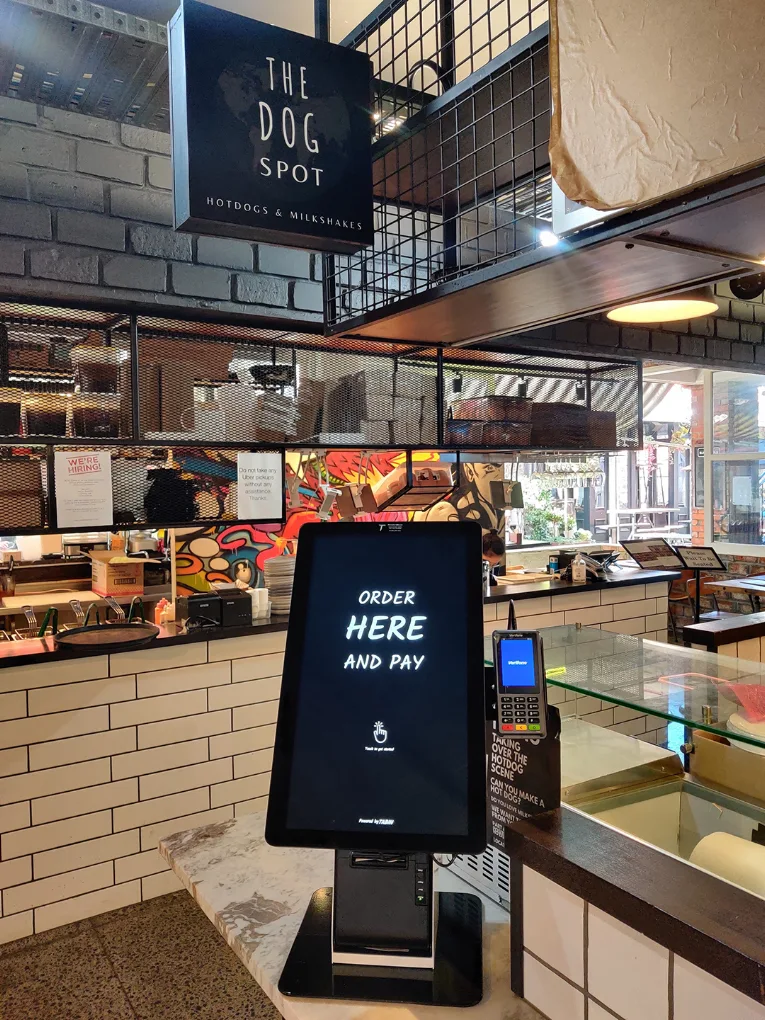
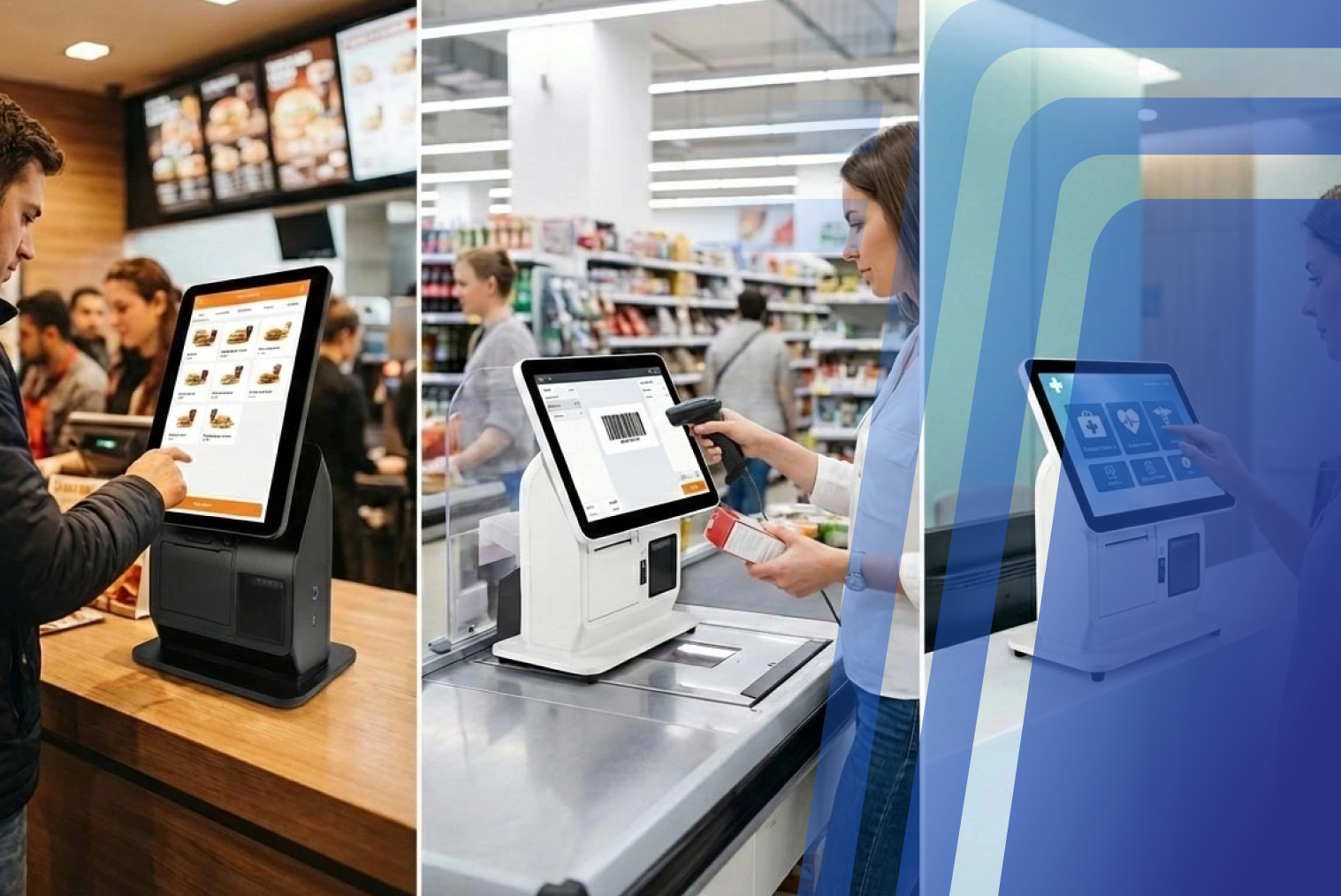
If you're adding a self-service kiosk, check whether it sits under the same hardware terms as your tills or under a separate agreement.
Is Your EFTPOS Terminal on a Separate Contract?
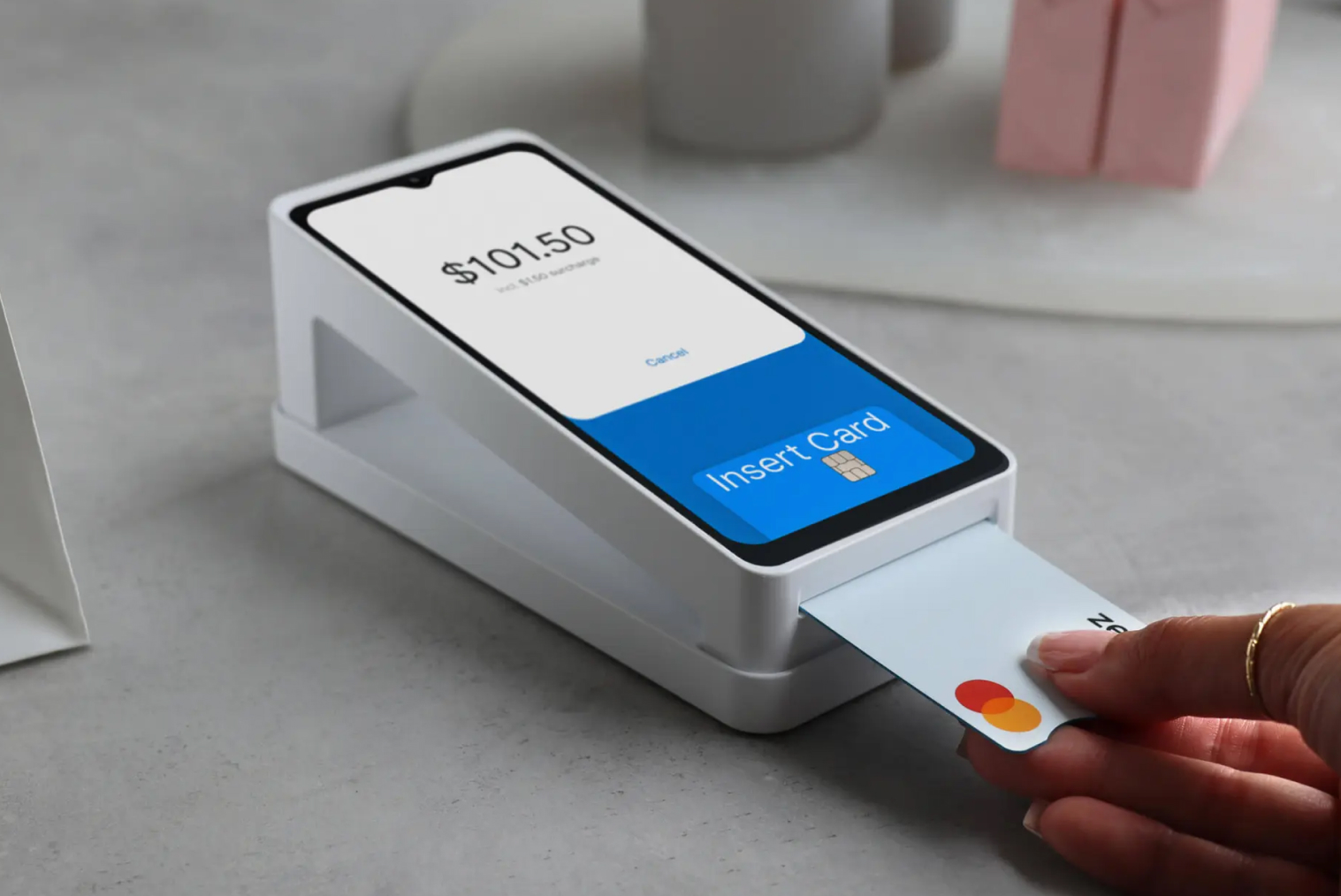
Often, yes. In many setups the EFTPOS terminal is rented under a separate agreement with a bank or payment provider, with its own minimum term and notice period. You can end the POS contract and still be tied to the terminal, so check both.
Ask who pays for the terminal rental, how long the term runs, and what happens to the terminal if you change POS provider. Also ask whether your terminal will work with the new system, because that affects how easily you can switch.
How the terminal connects to the POS also affects day-to-day work and contract complexity. See integrated EFTPOS and POS for how that works.
Red Flags in a POS Quote
Some of the clearest warning signs appear in the quote, before you've even seen the contract. If you spot any of these, slow down and ask for more detail in writing.
• A monthly price only, with no line items for hardware, setup or EFTPOS.
• 'Setup included' with no detail on what setup covers.
• 'Support included' with no hours, channels or location.
• 'Competitive rates' for payment processing with no figures.
• A free trial that rolls into a long contract automatically.
• Pressure to sign before you've seen the full terms.
Questions to Ask Before You Sign
Get the answers to these in writing, either in the contract or in a signed addendum.
1. What is the minimum term, and what is the notice period for leaving?
2. Do I own the hardware, lease it or return it on exit?
3. Who pays when hardware fails, and what happens while I wait?
4. Is the EFTPOS terminal on this contract or a separate agreement, and what are the exit terms for each?
5. What are the payment processing rates, and can they change during the term?
6. Are support hours and channels written into the contract?
7. What can I export if I leave, in what format and at what cost?
8. Can fees rise during the term, and can I leave if they do?
How Tabin Packages Its Contract
Tabin quotes software, hardware, setup and support as one package, so you see the whole picture in a single quote. Phone and on-site support are included. Setup covers installation, configuration, menu design and staff training.
To see what the package looks like for your venue, ask about Tabin POS and put the questions above to us in the same way you would to any other provider.
Conclusion
The monthly price is only one line of a POS agreement. The clauses that decide what it really costs are the minimum term, notice period, hardware ownership, terminal rental, fees, support commitments and data export, and they're all worth checking before you sign.
Use the checklist, watch for the red flags, and get answers in writing. When you're ready to see a quote for your venue, book a demo with Tabin. For more on unfair contract terms, see the Commerce Commission's guidance for small trade contracts. General information only, not legal advice.
Frequently Asked Questions
Q1: What should I check before signing a POS contract in NZ?
Work through a POS contract checklist: minimum term, notice period and auto-renewal, hardware ownership, hardware replacement, EFTPOS terminal rental, payment processing fees, support hours and channels, setup and training, data export on exit, and price changes during the term. What to look for in a POS contract also includes whether the agreement is a standard-form contract, which may be covered by the Commerce Commission's rules on unfair terms. This is general information, not legal advice.
Q2: Is it better to lease or buy POS hardware in NZ?
It depends on your cash flow and how much flexibility you want. On POS hardware lease vs buy, buying gives you ownership and the freedom to change software, while a POS system lease NZ providers arrange can spread the cost but means you may not own the equipment. Whichever you choose, confirm ownership, replacement terms and what happens on exit in writing.
Q3: Can I cancel a POS contract early in NZ?
It depends on the minimum term, notice period and exit clauses in your signed POS contract terms. Many agreements have early-exit costs, so check them before signing. If you think a term in a standard-form small trade contract is unfair, see the Commerce Commission's guidance and consider legal advice. This is general information, not legal advice.
Q4: Who pays for EFTPOS terminal rental with a POS system?
It depends on how the terminal is arranged. Some packages include it, while others have a separate EFTPOS terminal rental contract with a bank or payment provider. If it's separate, check its minimum term, notice period and exit terms on their own, because they may not match your POS agreement.
Q5: What happens to my data if I leave my POS provider?
It depends on the data export wording in your contract. Before signing, confirm whether you can export sales history, customer and loyalty data and menus, in what format and at what cost. If that wording isn't clear, ask for it in writing before you commit.
Q6: Does TABIN include hardware and support in one package?
TABIN quotes software, hardware, setup and support as one package, and phone and on-site support are included. Setup covers installation, configuration, menu design and staff training. For contract term and exit wording, ask for them in writing when you book a demo.