Restaurant security threats are no longer limited to cash in the till. Payment fraud, employee theft, outdated systems, and multiple digital ordering channels all create vulnerabilities that can cost thousands before you notice anything is wrong. A modern restaurant POS system is your first and most effective line of defence — not just a tool for processing payments, but a platform for controlling access, monitoring transactions, and protecting your operation from both inside and outside threats.
Why Restaurant Security Risks Are Increasing
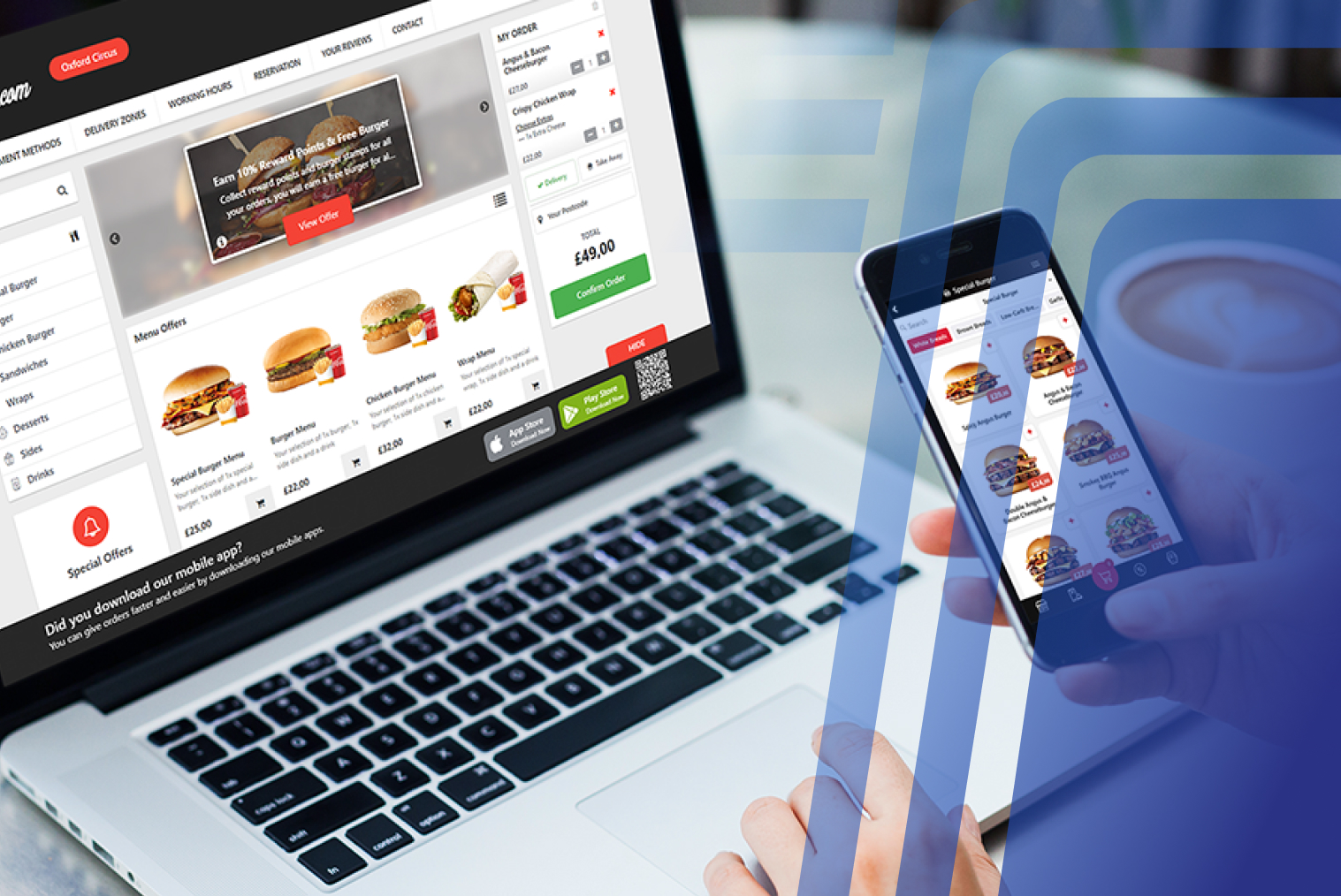
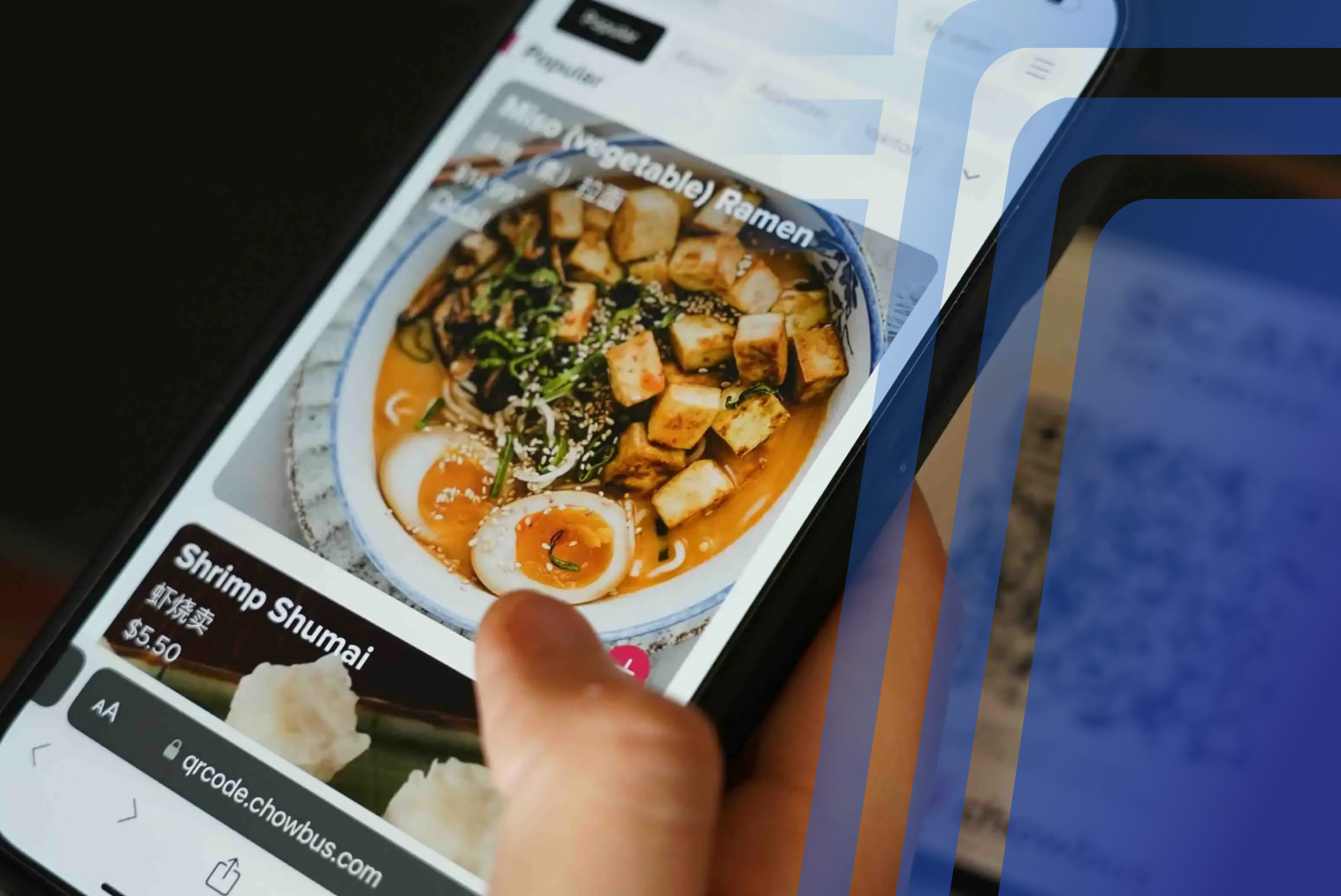
Modern restaurants run on connected technology. In-store payments, QR ordering, kiosk self-service, online takeaway orders, and delivery platform integrations all flow through the same digital infrastructure. Every channel that makes ordering easier for customers also creates a potential entry point for fraud, data theft, or system compromise.
The scale of the threat is significant. According to Bank of America research, the average cost of a data breach in the hospitality industry reached $3.82 million between March 2023 and February 2024 — up from $3.36 million the previous year. For smaller independents, the proportional impact is far more severe.
Staff turnover compounds the problem. High churn means shared login credentials, inconsistent access controls, and employees who never receive proper security training. IBM research highlights that restaurants face increasing phishing, ransomware, and credential-harvesting attacks — and that smaller operators are more vulnerable because they're more likely to be running consumer-grade security tools.
More ordering channels meanx₹ more exposure. A restaurant managing counter service, app ordering, QR table ordering, and third-party delivery is operating multiple digital surfaces simultaneously — each one requiring its own set of security controls.
What Security Risks Do Restaurants Commonly Face?
Understanding the threat landscape is the first step toward addressing it. Restaurants face security risks from both external attackers and internal staff — and the internal threats are often more costly precisely because they're harder to detect.
External threats include POS malware — software that infiltrates your system to extract payment card data — as well as phishing attacks targeting staff credentials and man-in-the-middle attacks that intercept communication between your system and payment processors. The 2024 Verizon DBIR found that 94% of accommodation and food service incidents involved POS or payment system intrusions.
Internal threats are equally serious. Industry studies put employees at the source of around 48% of all retail shrinkage, through cash misappropriation, unauthorised discounts, voided transactions, and gift card abuse. These are rarely dramatic events — they're small, repeated actions that compound over months before they appear on a report.
Online ordering has opened a separate category of risk. Around 76% of all credit card fraud originates from card-not-present transactions — the kind processed through online ordering platforms where stolen card details only need a number, name, and address to go through.
How Modern POS Systems Improve Restaurant Security
A modern restaurant POS system addresses security at multiple levels simultaneously — from the payment terminal to staff access to transaction monitoring. The difference between a modern secure POS system and an outdated one isn't just technical — it changes how much visibility and control you have over every action taken in your operation.
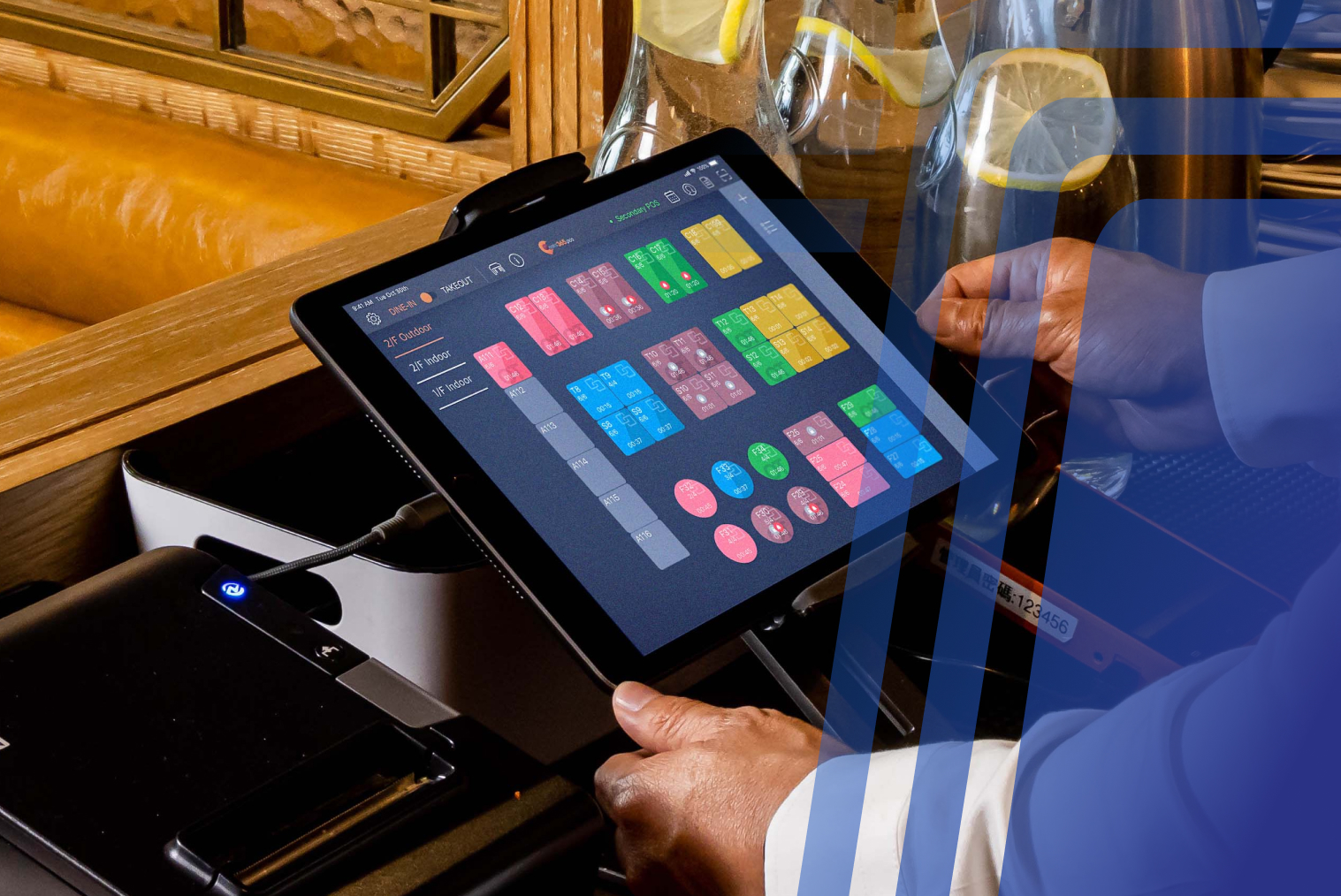
Role-based access control is one of the most effective security features a POS system can provide. When each staff member logs in with a unique credential, every action is tied to a specific individual. Managers can see exactly who processed a refund, who applied a discount, and when. That transparency alone acts as a significant deterrent to internal theft.
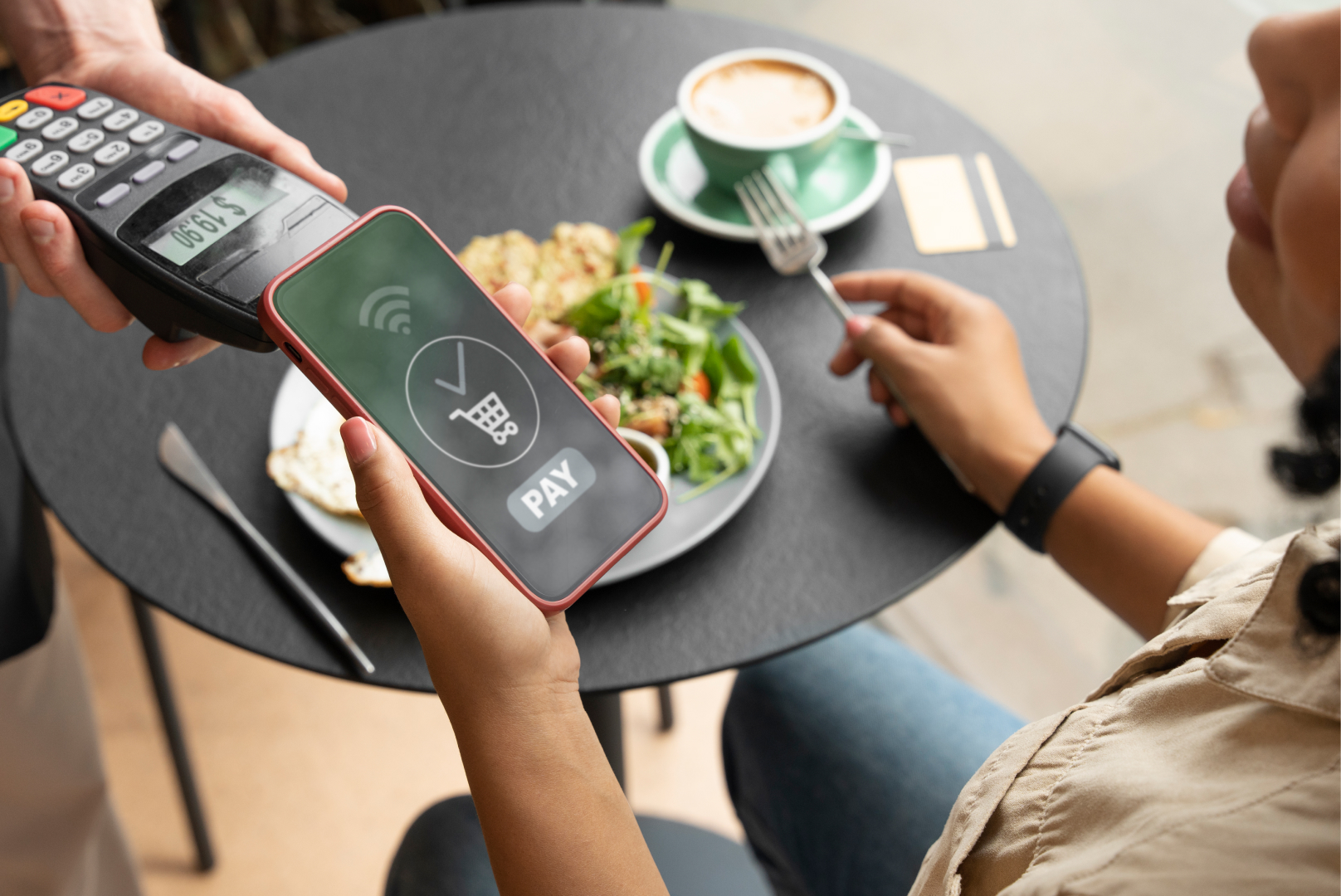
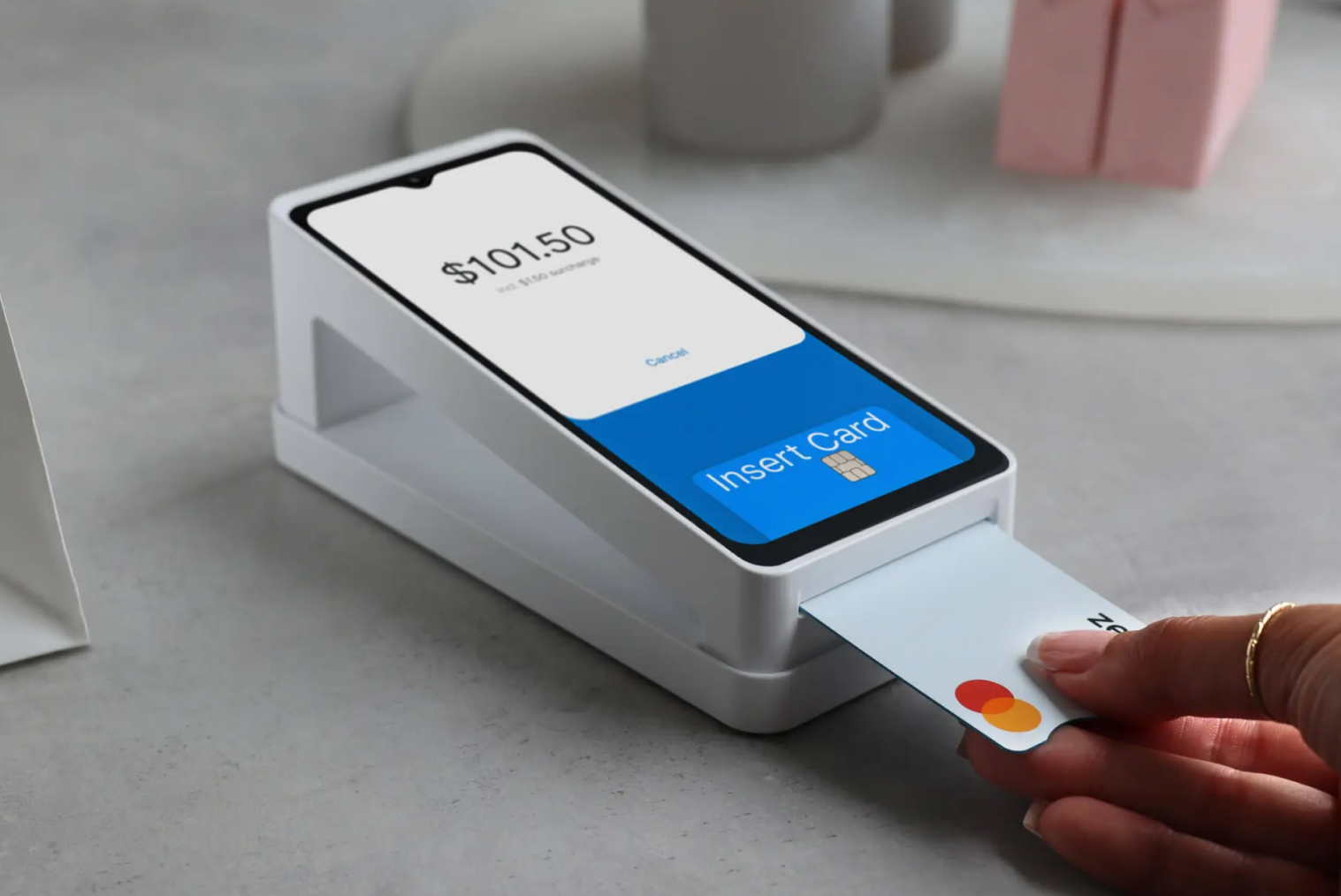
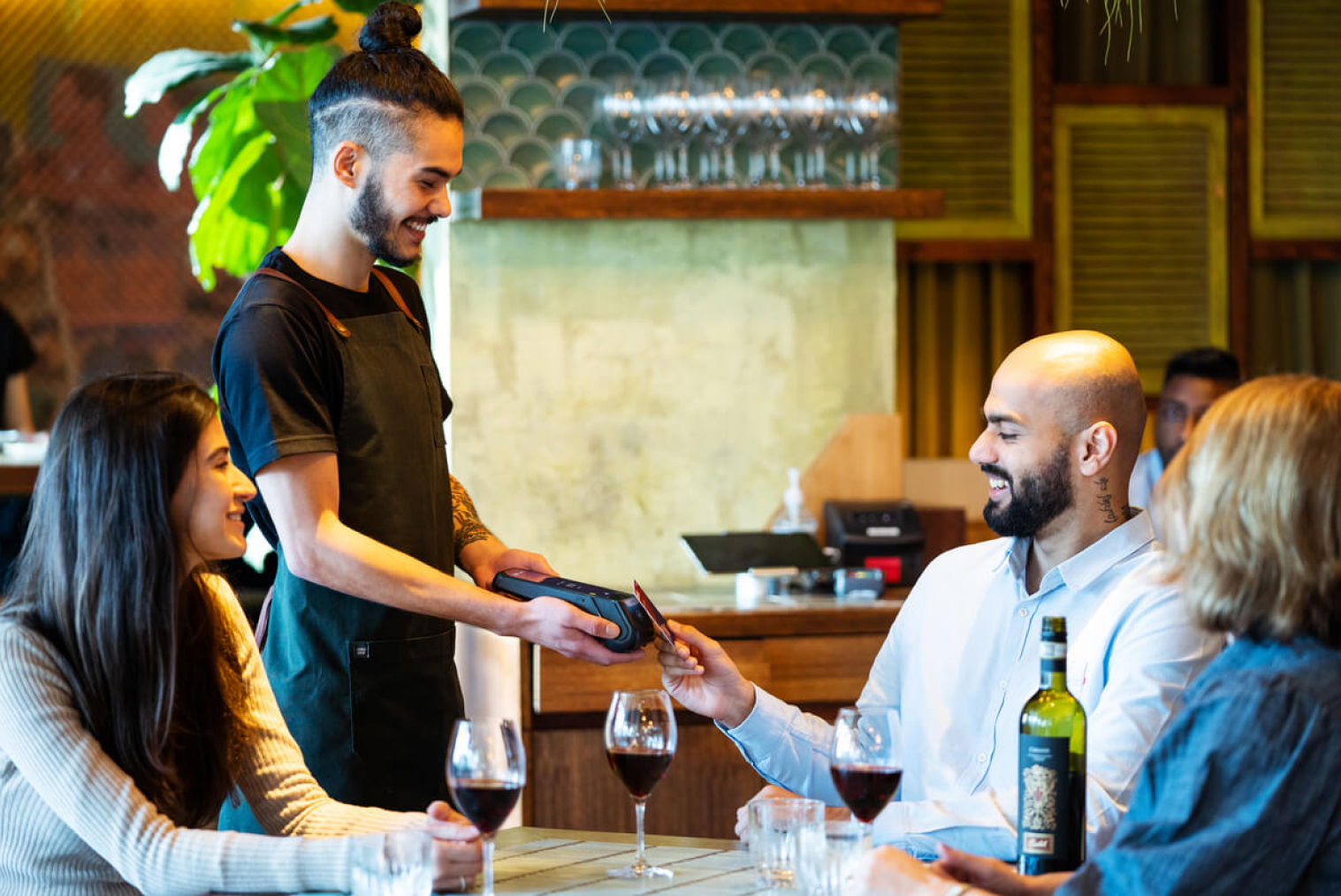
Encryption and tokenisation protect customer payment data from the moment a card is used. When customers pay with an EMV chip card or contactless wallet, the transaction is stored as a unique token — never as raw card data. This means even if your system were compromised, the data extracted would be useless to attackers. EMV adoption has measurably reduced counterfeit card fraud across payment networks, dropping counterfeit fraud rates significantly in the years following rollout.
Real-time transaction monitoring gives managers visibility over suspicious patterns as they happen — multiple voids in a shift, unusual discount frequencies, or transactions outside normal operating hours. 31% of retail and hospitality businesses have experienced a security or data breach, and 89% of those reported multiple attacks per year. Monitoring tools help you catch anomalies before they become losses.
Why Outdated POS Systems Create Security Problems
An outdated POS system isn't a neutral choice — it's an active liability. Legacy systems often run on software that no longer receives security patches, making them permanently vulnerable to exploits that have been publicly documented for years.
They also lack the integration architecture that modern systems provide. Without direct POS integration, online orders require manual re-entry — creating gaps where errors and manipulation are harder to detect. Shared login credentials (a common workaround in older systems) make it impossible to attribute specific transactions to specific staff members.
PCI DSS compliance — the payment card industry's security standard — now requires components like multi-factor authentication and employee awareness training under its v4.0.1 framework. Older POS systems often cannot meet these requirements without significant retrofitting, leaving restaurants exposed to both regulatory risk and the underlying vulnerabilities the standards are designed to address.
Security Features Restaurants Should Prioritise in a POS System
When evaluating a secure POS system for your restaurant, these are the features that matter most for reducing real security risk:
- Role-based access control — unique logins per staff member, with permissions matched to job function
- End-to-end encryption (P2PE) — card data encrypted from the point of entry through to the payment processor
- EMV and NFC support — chip and contactless payment processing to reduce counterfeit and card-present fraud
- Real-time audit logs — a timestamped record of every transaction, void, refund, and discount, searchable by staff member
- Suspicious transaction alerts — automated flags for patterns like multiple voids, after-hours access, or unusually high discounts
- PCI DSS compliance — confirmation that the system meets current payment card industry security standards
- Network segmentation support — ability to run the POS on a separate, secured network from guest Wi-Fi
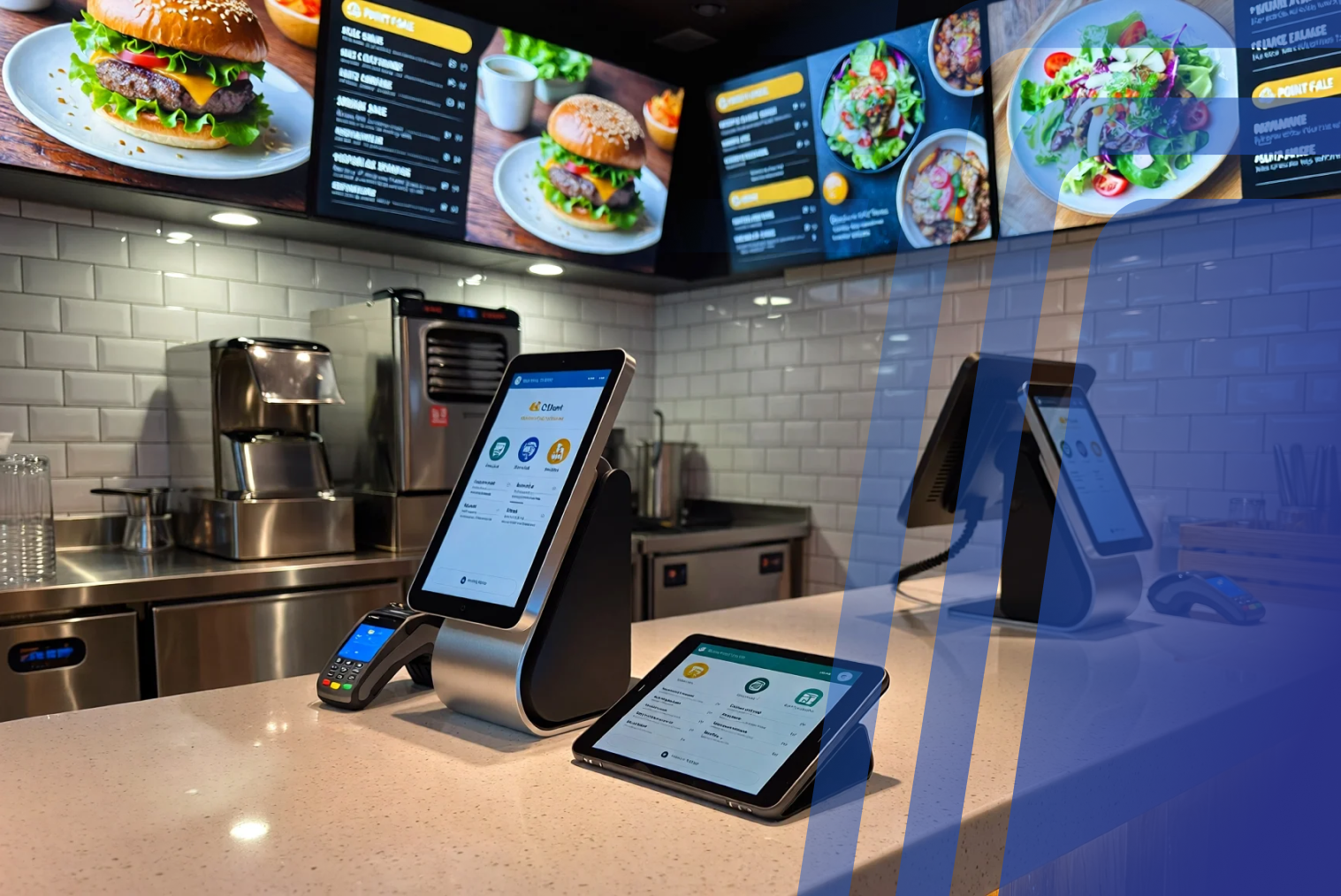
Explore POS technology for restaurants that combines these security features with a clean, fast interface built for hospitality environments.
How Integrated Restaurant Systems Improve Security
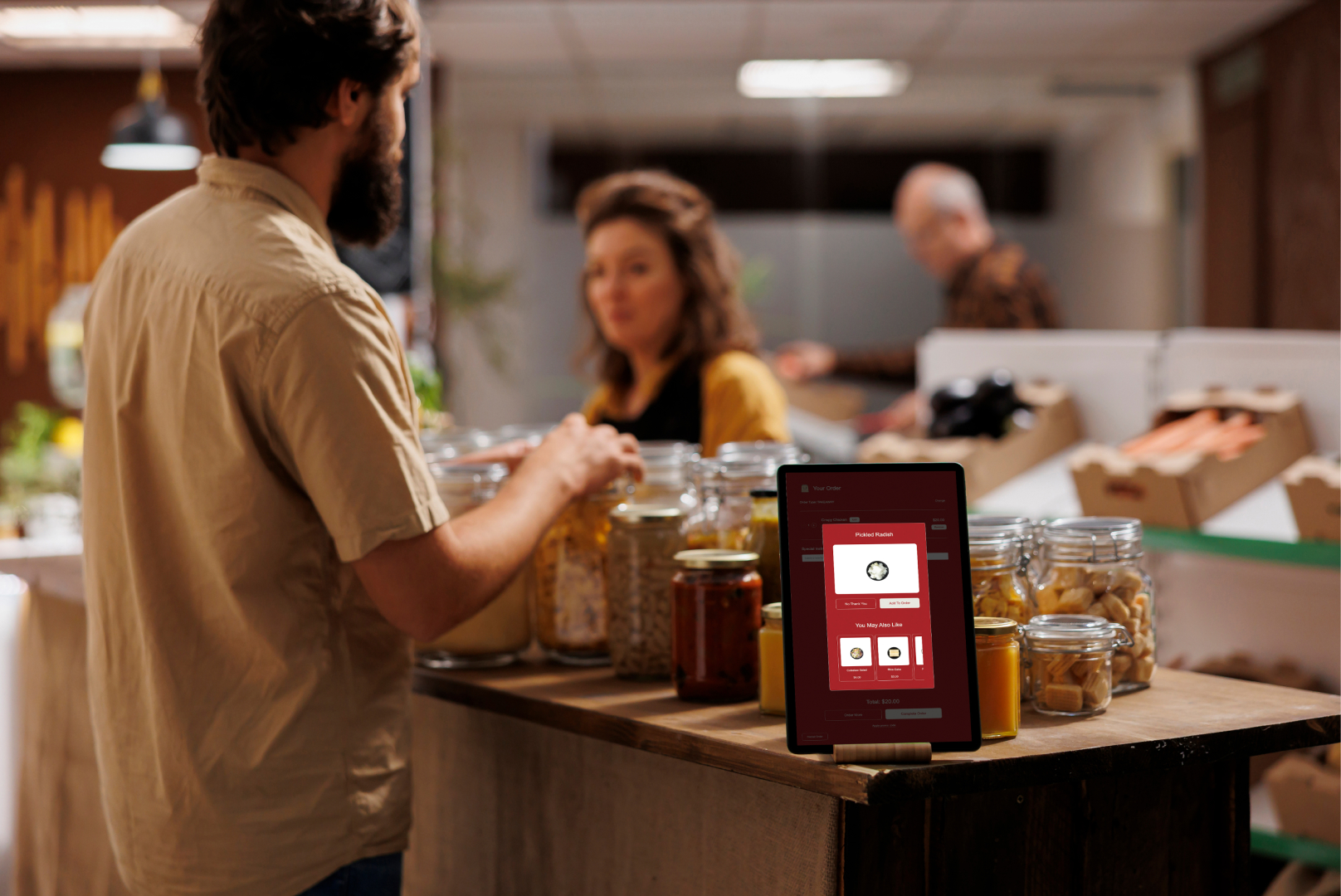
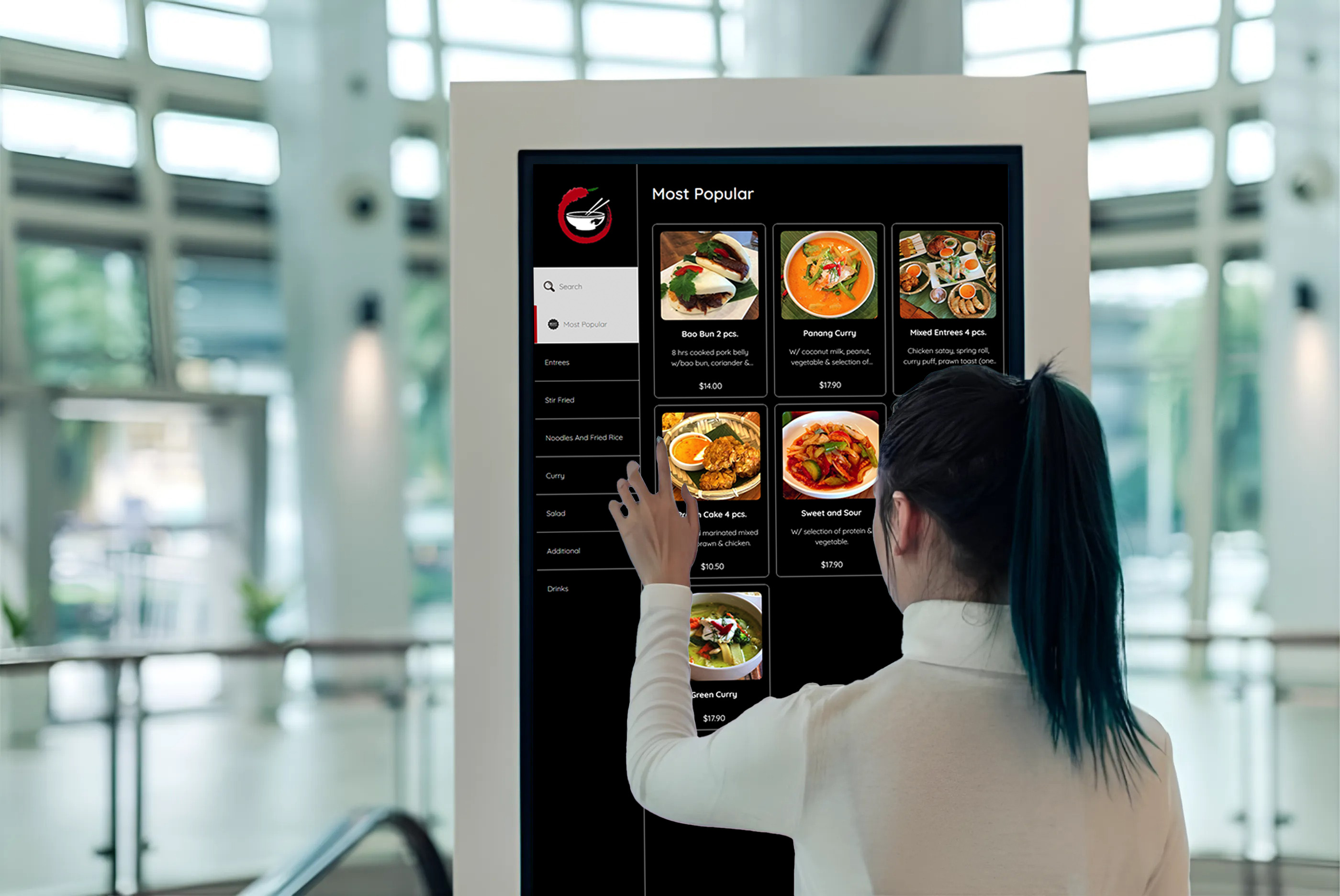
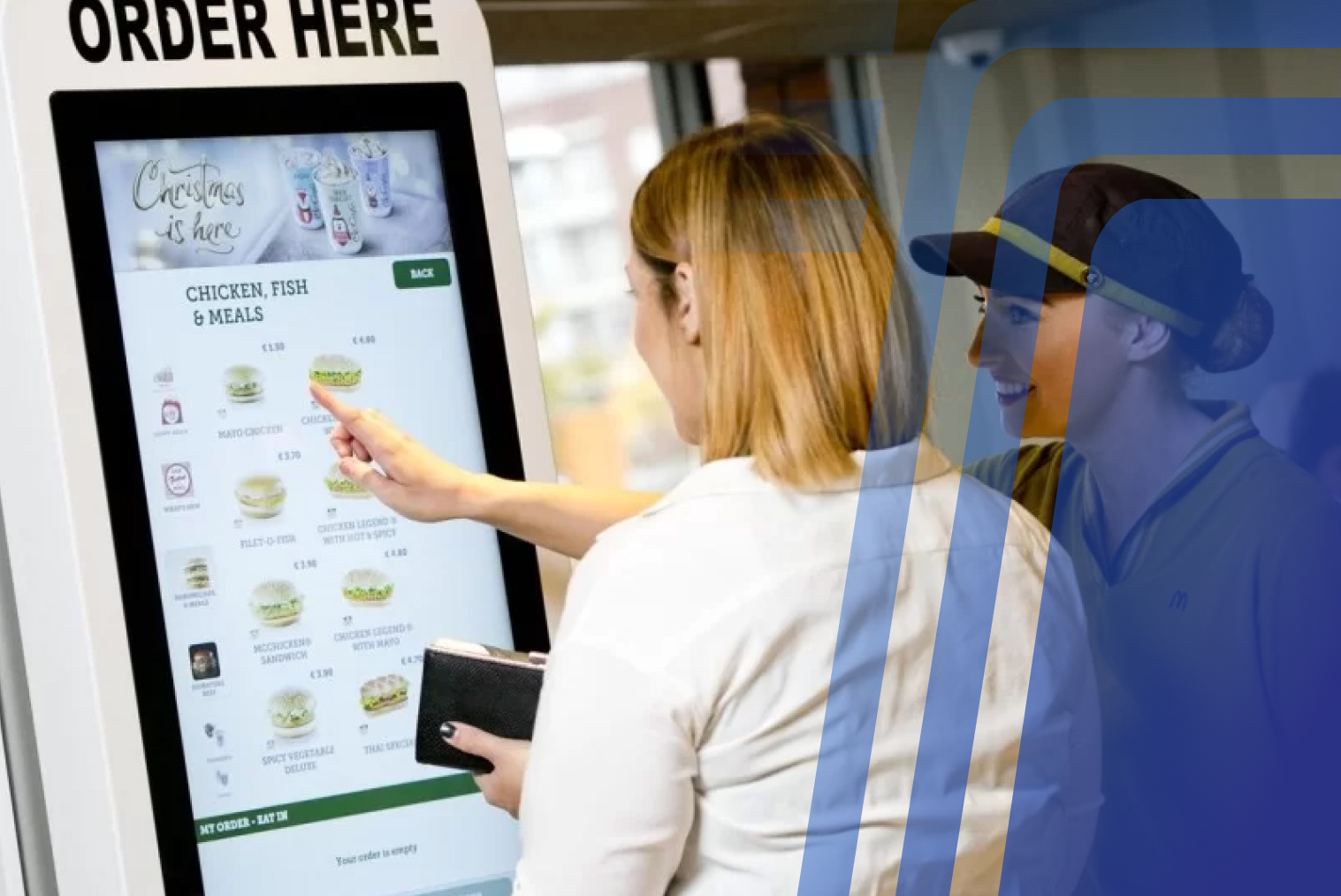
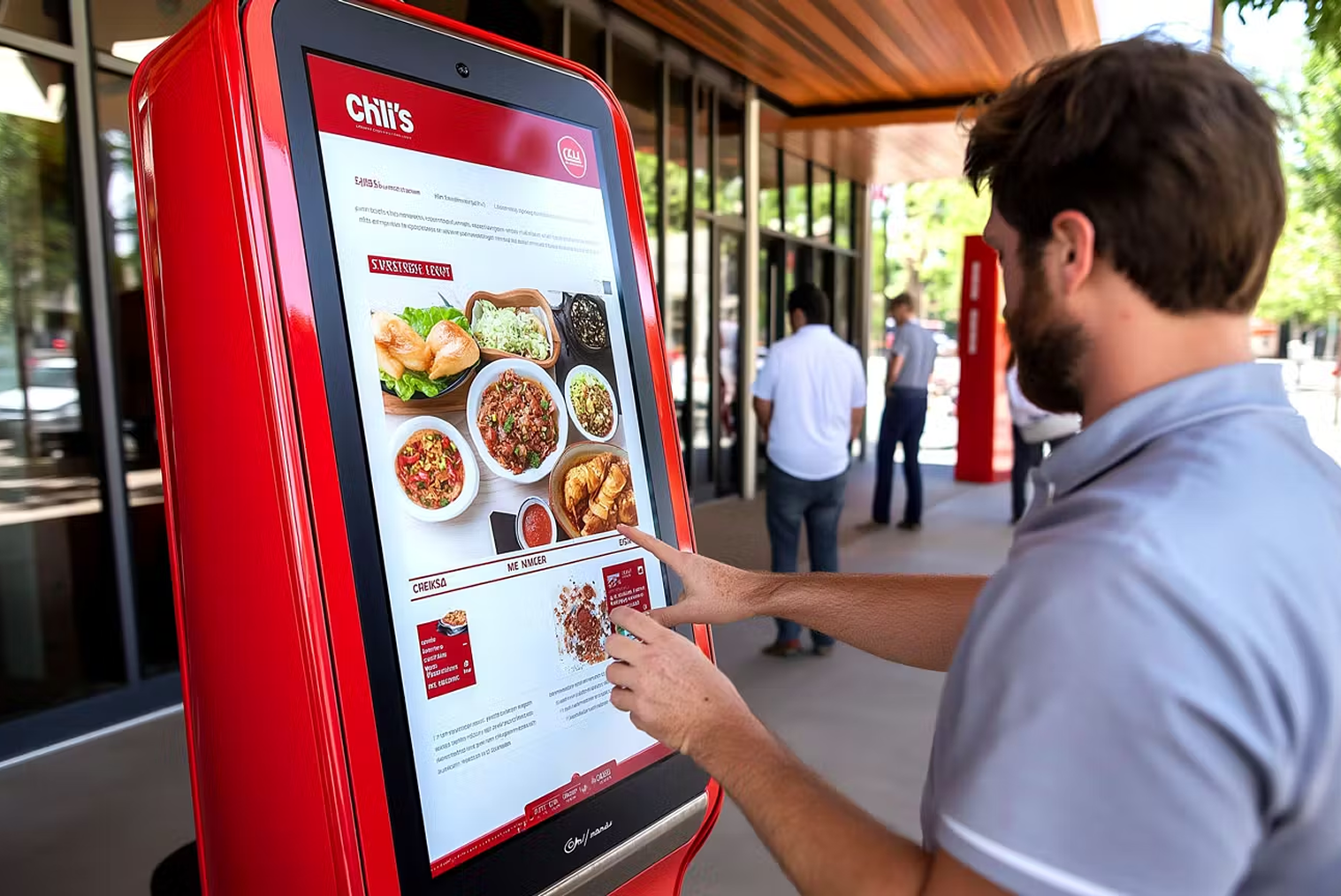
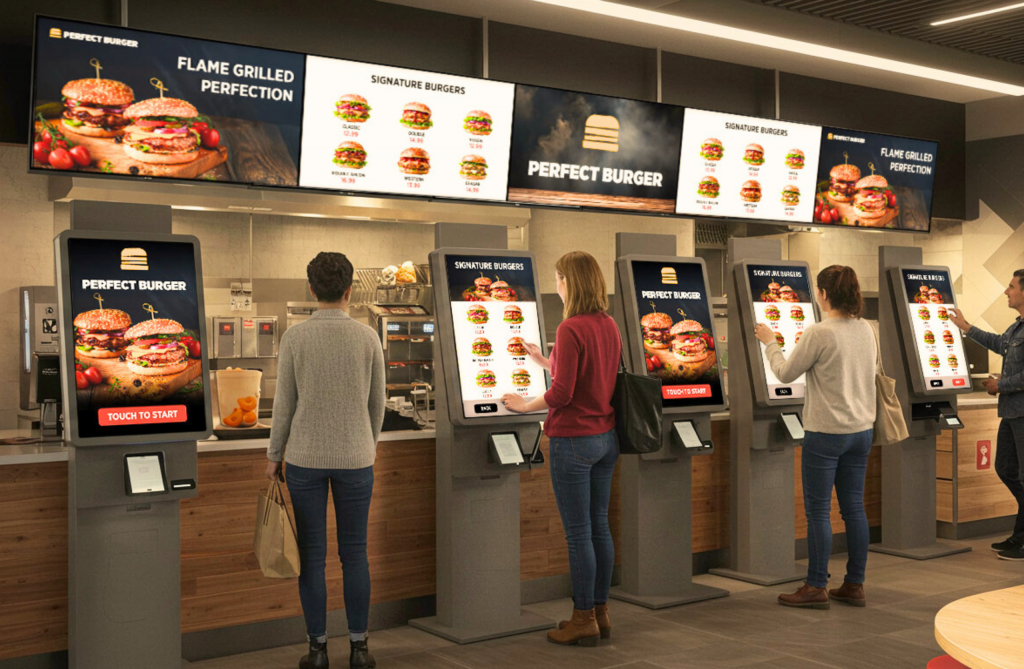
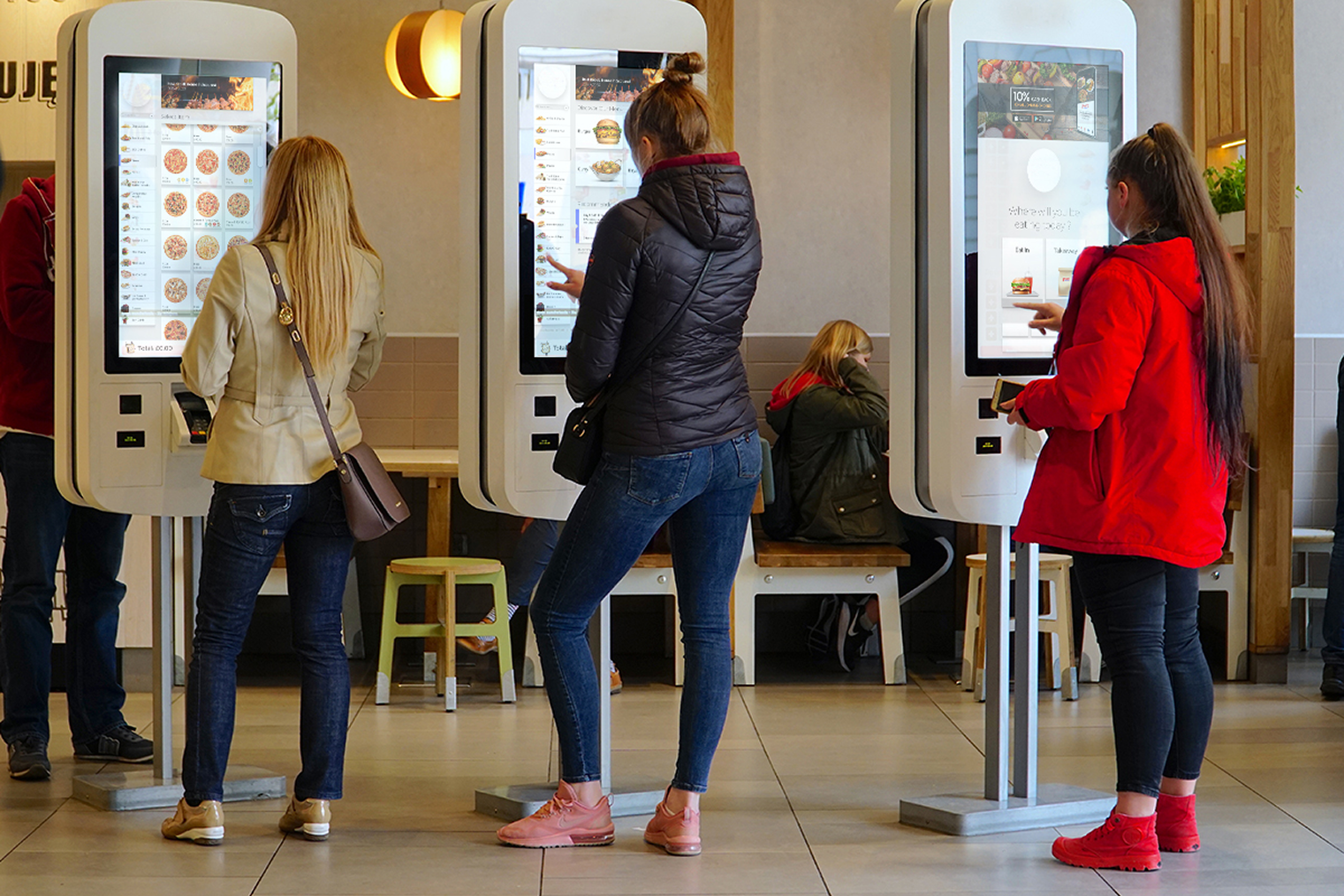
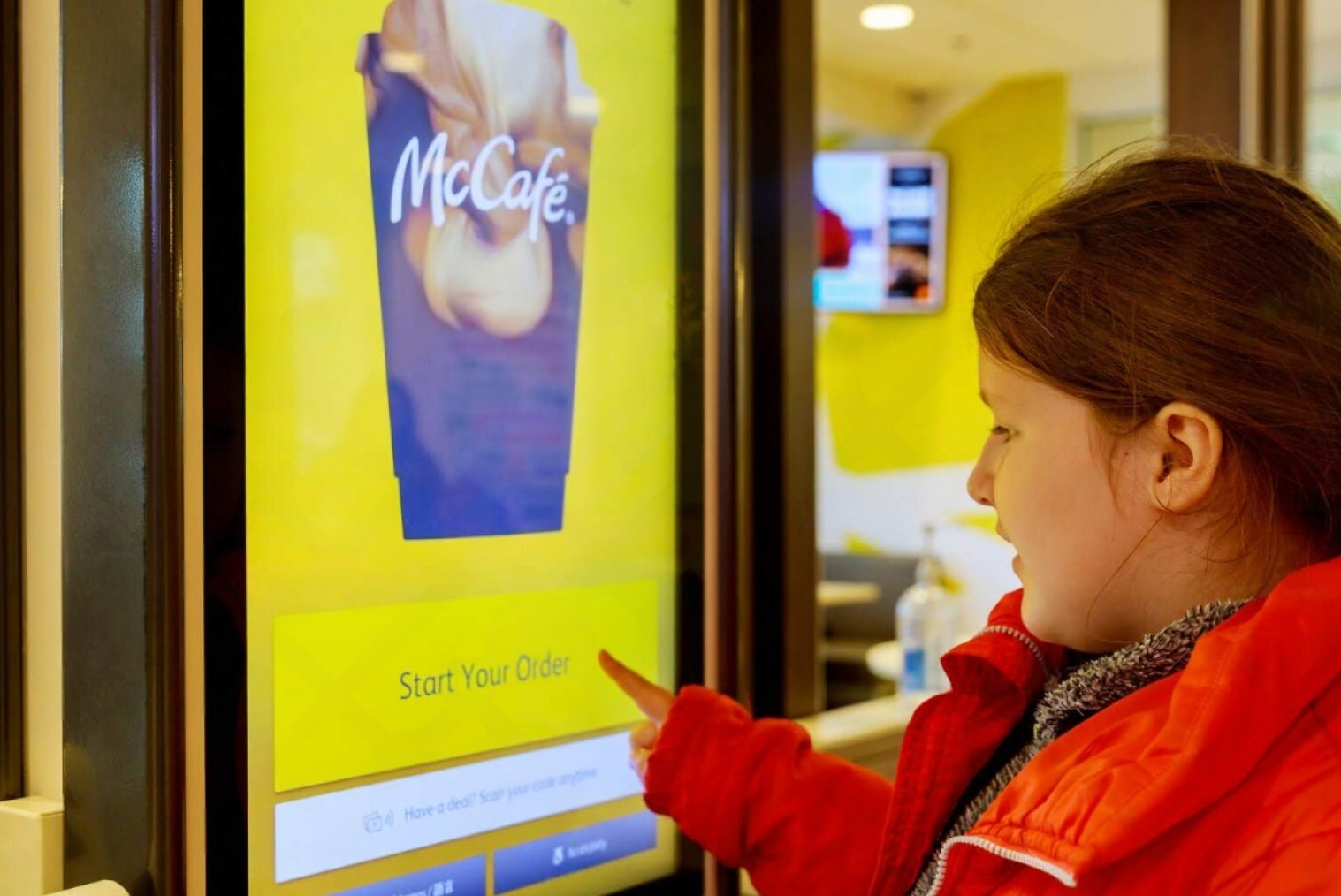
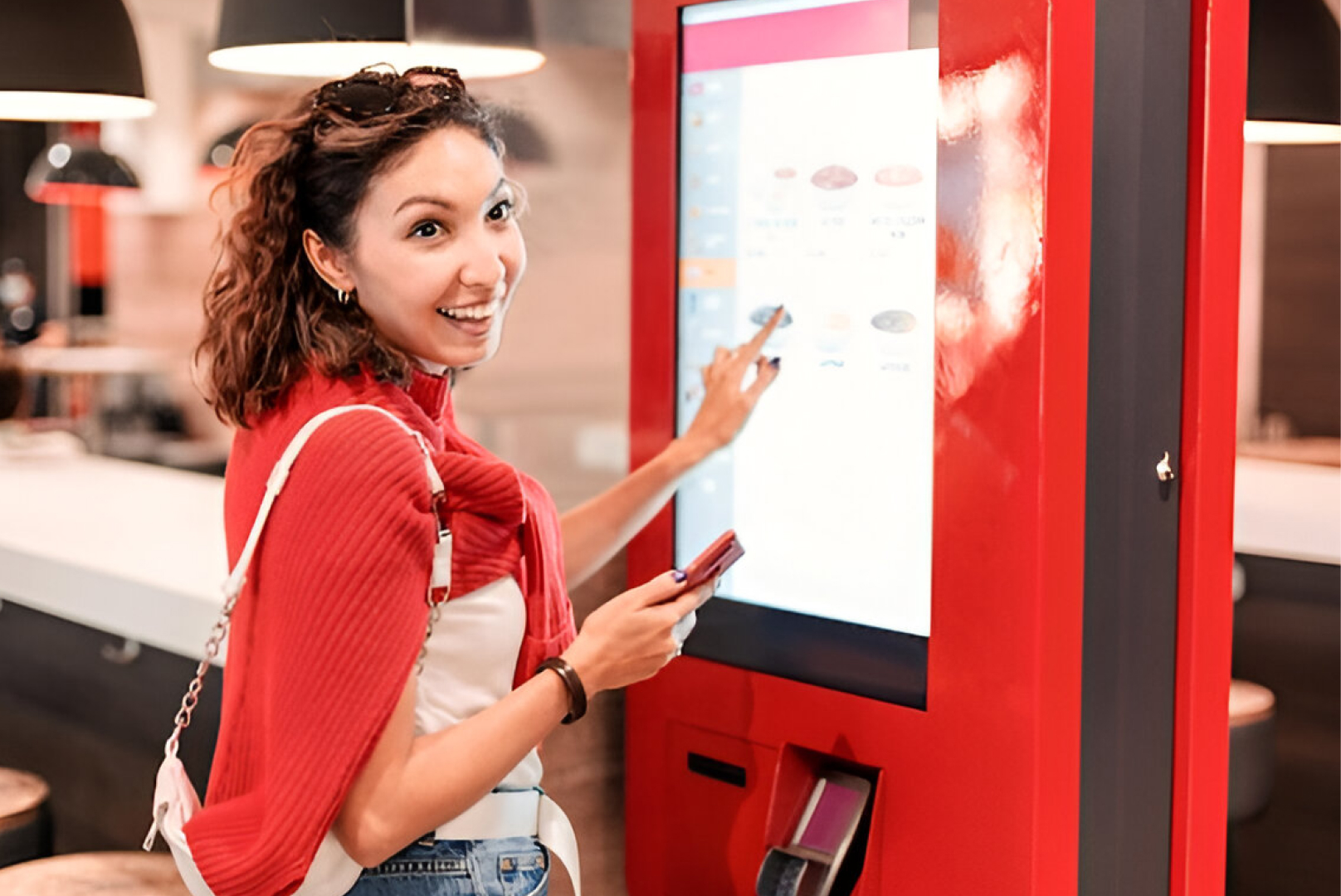
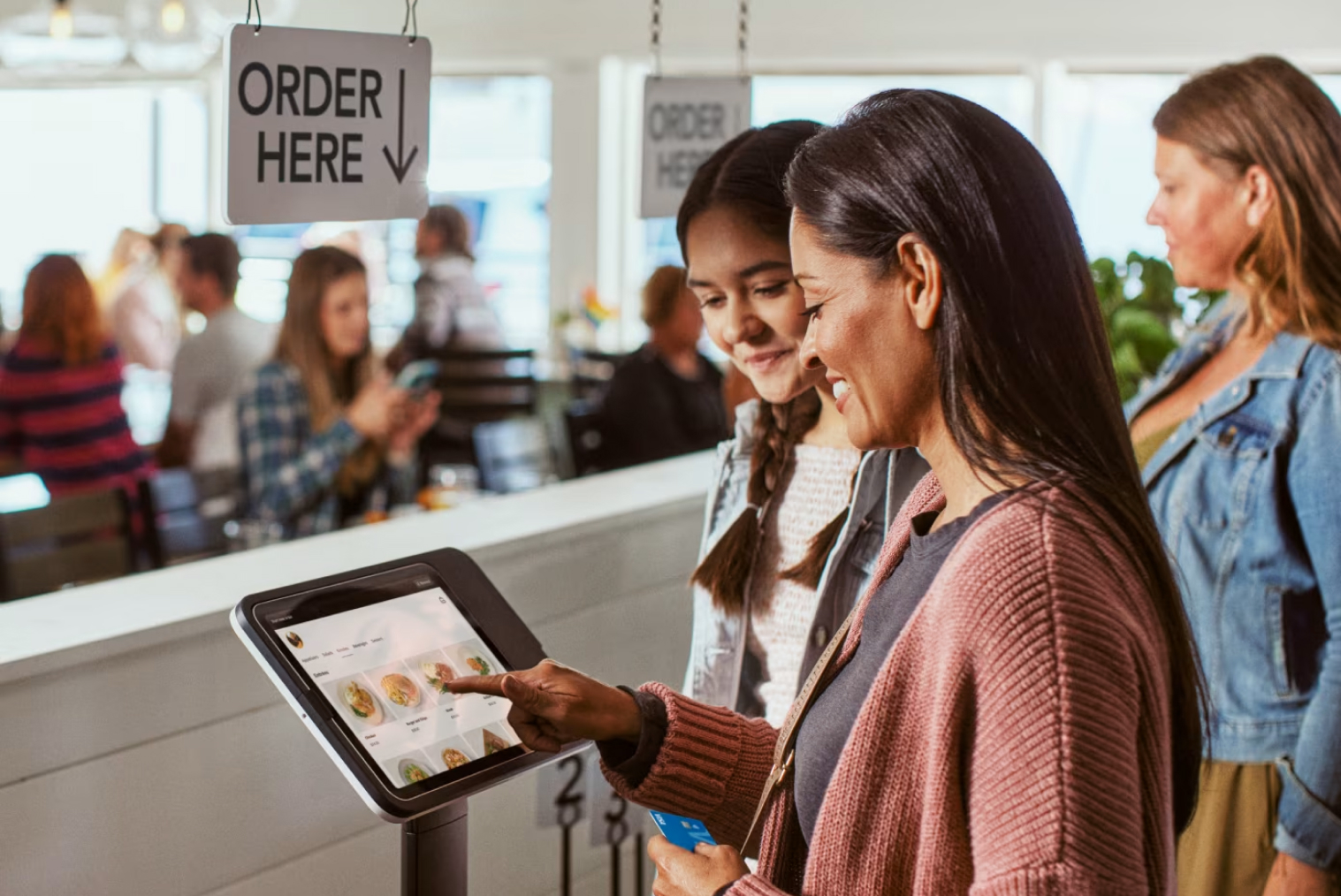
One of the most overlooked security improvements available to restaurants is tighter integration between ordering channels and the POS. When kiosks, online ordering, and counter service all feed into the same system — rather than operating as parallel, disconnected processes — you get a single source of truth for every transaction.
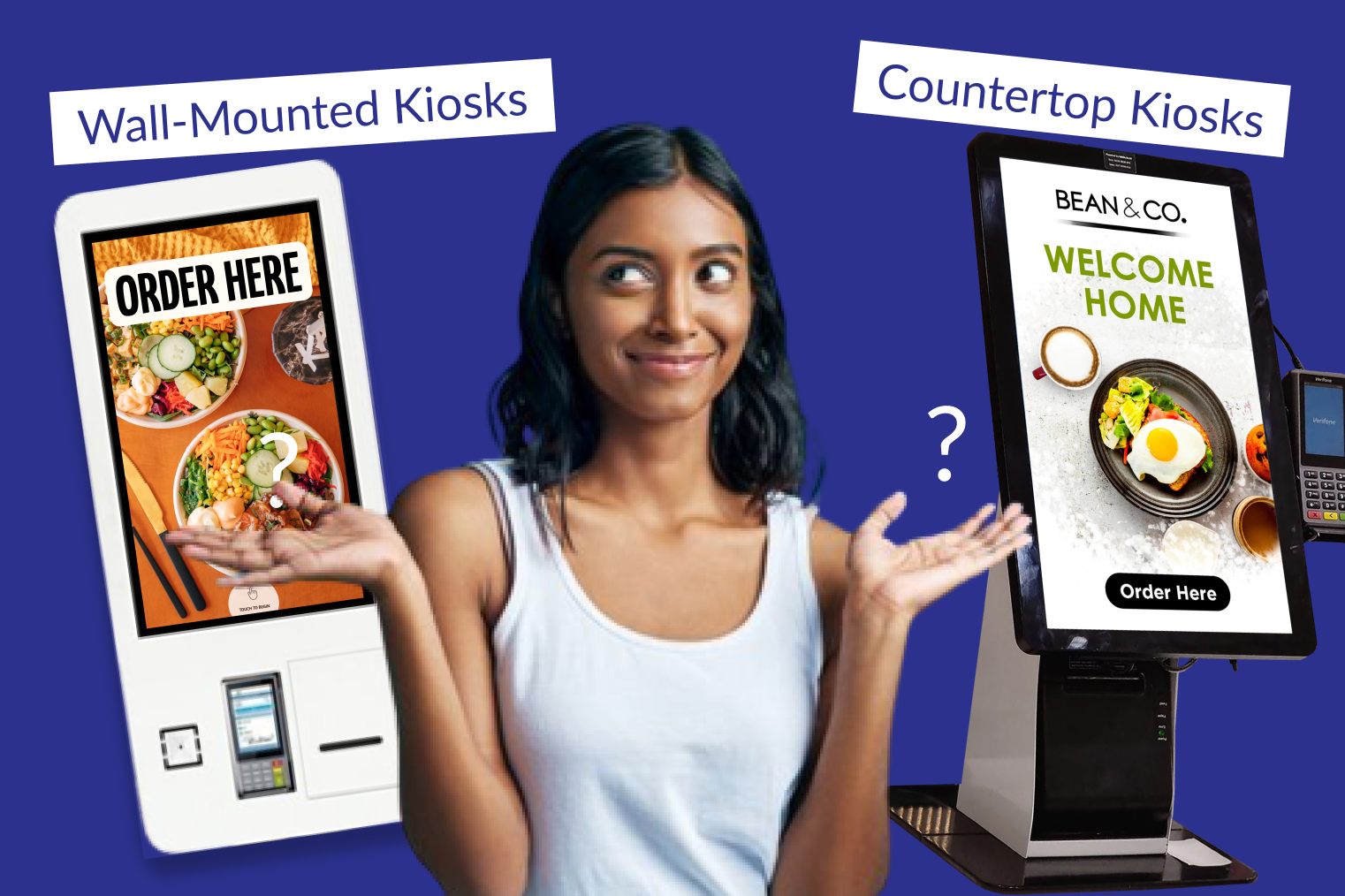
This matters for security because fragmented systems create gaps. An order that starts on a kiosk and is manually transferred to a POS introduces an opportunity for manipulation at the point of transfer. A properly integrated setup eliminates those manual steps — and the vulnerabilities that come with them. See how kiosk and POS integration can close those gaps in a restaurant operation.
Integrated systems also mean consistent access controls across channels. When every order point uses the same staff login and permission structure, there's no way for a staff member to bypass controls by switching channels.
Common Restaurant POS Security Mistakes
Even restaurants with modern systems make avoidable security mistakes. The most common ones:
- Shared staff logins — one credential for all staff makes transaction attribution impossible and eliminates the deterrent effect of individual accountability
- No network segmentation — running POS on the same network as guest Wi-Fi gives anyone on that network a potential path into your payment systems
- Skipping software updates — outdated firmware and POS software leaves known vulnerabilities unpatched; attackers actively scan for them
- No transaction review routine — without regular review of voids, discounts, and refunds, internal theft can continue undetected for months
- Weak password policies — default or simple passwords on POS terminals are a documented attack vector and among the easiest vulnerabilities to close
How to Choose a Secure POS System for Your Restaurant
A secure POS system for restaurants needs to address both technical security requirements and the practical realities of a busy hospitality environment. A system that's theoretically secure but too complex for staff to use correctly will create workarounds — which create vulnerabilities.
Ask vendors these questions before committing:
- Is the system PCI DSS v4.0 compliant, and what does that compliance cover specifically?
- How are software and security updates delivered and how quickly are patches applied after a vulnerability is identified?
- What access controls and audit logging does the system provide, and how granular are the permissions?
- How does the system handle integration with kiosks and online ordering — does it use direct integration or manual re-entry?
- What encryption and tokenisation standards are used for payment processing?
The answers to these questions will tell you whether a system is genuinely built with security in mind or whether security has been retrofitted as an afterthought.
Why Security Matters More for Fast Food and High-Volume Restaurants
High-volume restaurants face a compounded version of every security risk. More transactions mean more exposure. Higher staff turnover means more credential management challenges. Multiple ordering channels — counter, kiosk, drive-through, delivery — mean more integration points to secure.
A fast food operation processing thousands of transactions per day cannot manually review every entry for anomalies. That's where automated monitoring becomes essential — flagging outliers in real time rather than relying on end-of-day reconciliation that might miss patterns spread across multiple staff members or shifts.
For QSR operators, the combination of a modern POS system, integrated ordering channels, and role-based access controls isn't just a security choice — it's an operational one. The same infrastructure that protects against fraud also produces the real-time data you need to run a more efficient, better-managed restaurant.
Conclusion
Restaurant security risks are increasing alongside digital payment adoption and online ordering growth. A modern POS system is no longer just a payment tool — it's the operational control layer that lets you manage access, monitor transactions, protect customer data, and detect suspicious behaviour before it compounds into significant losses.
Getting this right starts with the right system. Explore TABIN's POS technology for restaurants — built for the realities of hospitality operations, with the security architecture modern restaurants need. Or contact the TABIN team for a demo and discuss your restaurant's specific setup.
Frequently Asked Questions (FAQs)
Q1. What security features should restaurants look for in a POS system?
The most important features are role-based access control (unique logins with matched permissions), end-to-end payment encryption (P2PE), EMV and contactless payment support, real-time audit logging, automated alerts for suspicious transaction patterns, and PCI DSS compliance. 94% of food service security incidents involve POS or payment systems — so these features aren't optional additions; they're baseline requirements.
Q2. How do POS systems help prevent employee theft in restaurants?
Modern POS systems prevent employee theft primarily through individual accountability. When every staff member logs in with unique credentials, every transaction, void, refund, and discount is tied to a specific person. Combined with manager approval requirements for high-risk actions and end-of-shift reconciliation, this makes it significantly harder to steal undetected. Employees account for around 48% of all retail shrinkage — individual login tracking is the most direct countermeasure.
Q3. Can restaurant POS systems detect suspicious transactions?
Yes. Modern secure POS systems include transaction monitoring tools that flag anomalies in real time — patterns like multiple voids in a short period, discount rates significantly above average, refunds processed without a corresponding sale, or access outside normal operating hours. Reviewing transaction reports regularly reveals patterns such as declined transactions, unusual order sizes, or timing irregularities that point to fraud or internal theft.
Q4. Can POS systems reduce cash handling risks in restaurants?
A modern POS system reduces cash handling risk by tracking every cash transaction from opening to close, requiring manager verification for drawer access or cash adjustments, and generating reconciliation reports that make discrepancies immediately visible. Shift-based cash tracking means any unexplained variance can be traced to a specific staff member and time period. Reducing reliance on cash — through contactless and digital payment promotion — also directly reduces the opportunity for cash theft.


.webp)











.png)



















.webp)


