Businesses across retail, restaurants, and service industries are increasingly comparing self checkout vs cashier systems to improve efficiency and reduce operational costs. Traditional cashier-based checkout relies on staff to process transactions, while self-checkout systems allow customers to scan items and pay independently. As labour costs rise and customer expectations shift toward faster service, many businesses are evaluating the self checkout vs traditional cashier model to determine which offers better ROI.
This guide explores the differences, cost comparison, and self checkout vs cashier pros and cons to help businesses choose the right solution.
What Is a Self Checkout System?
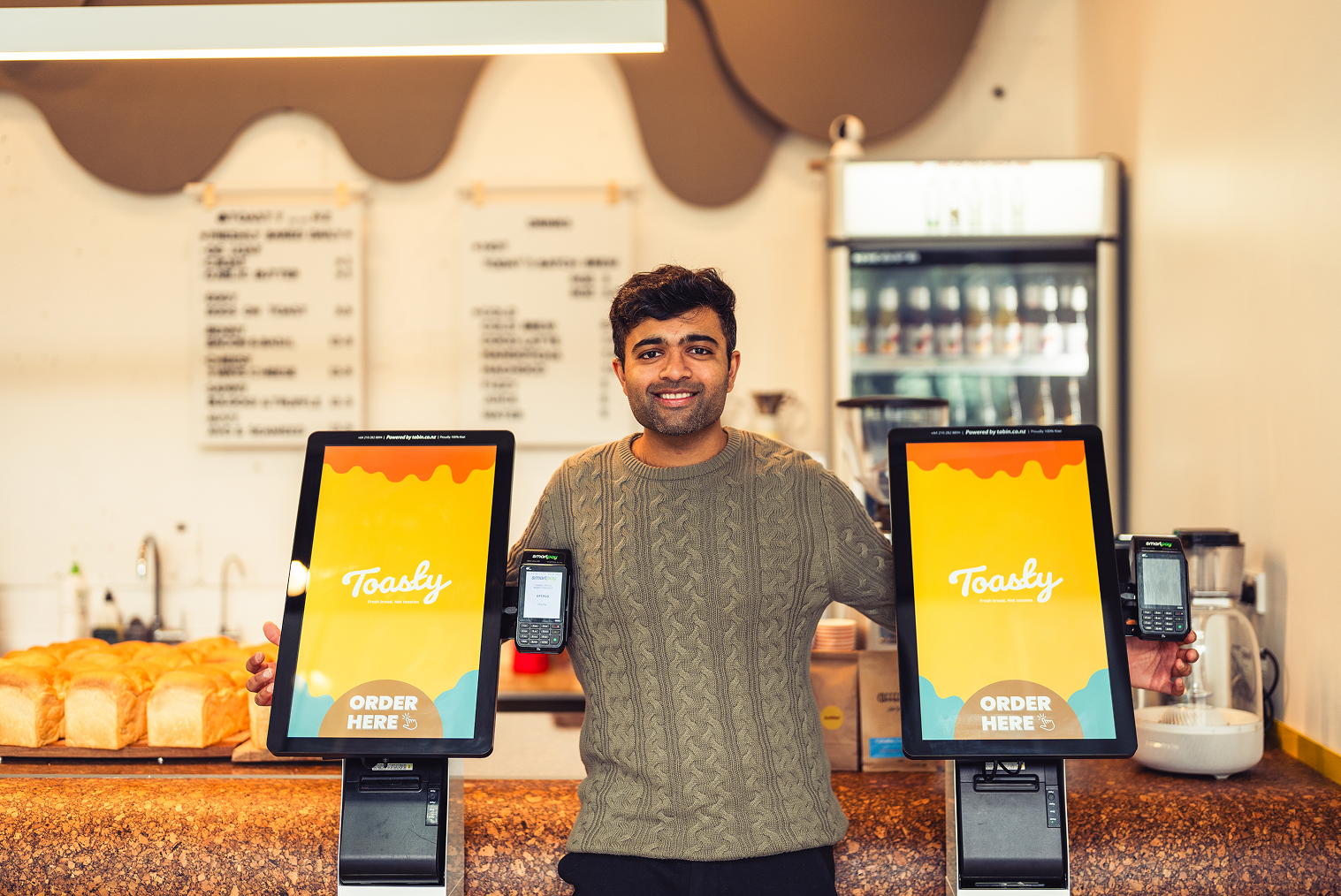
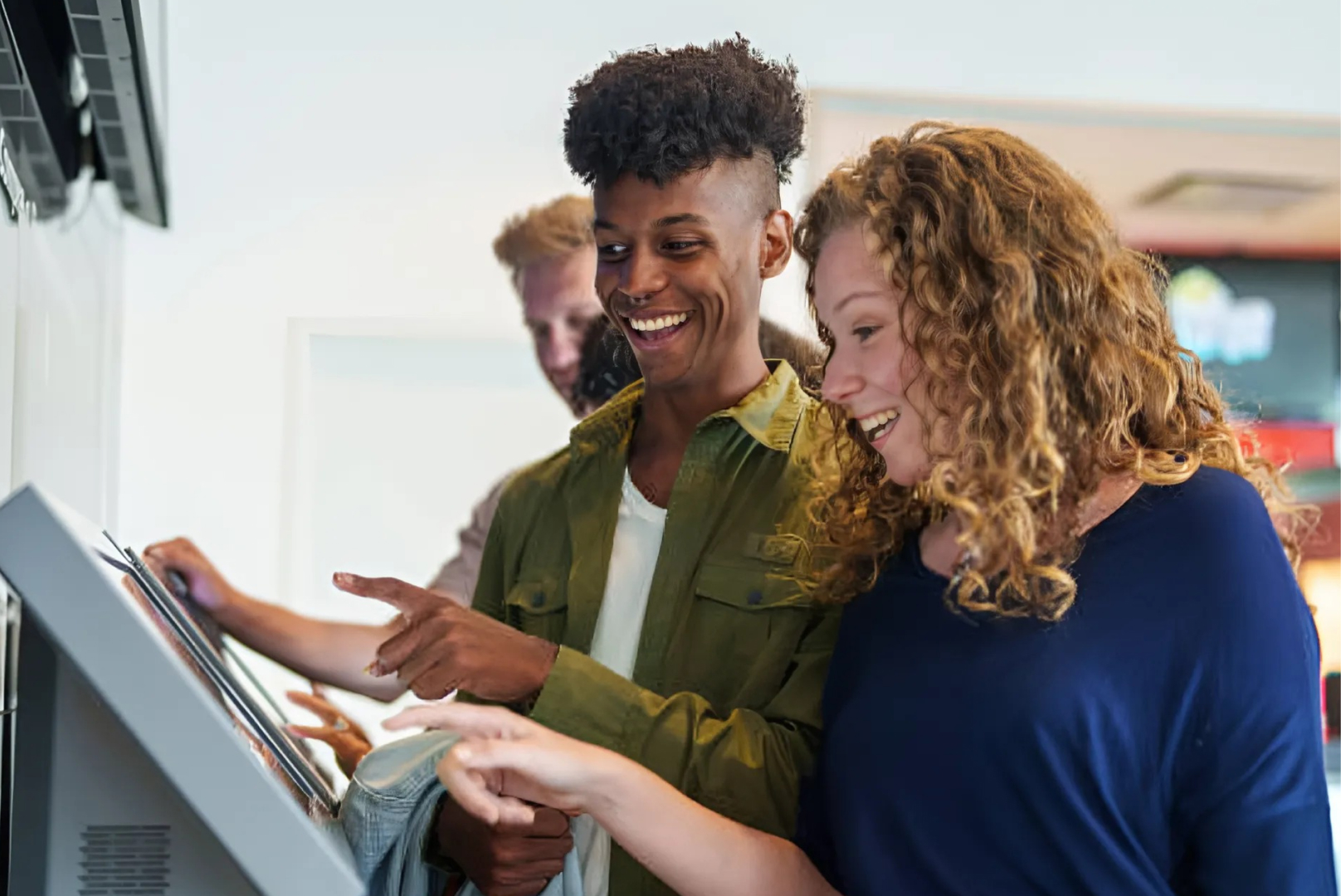
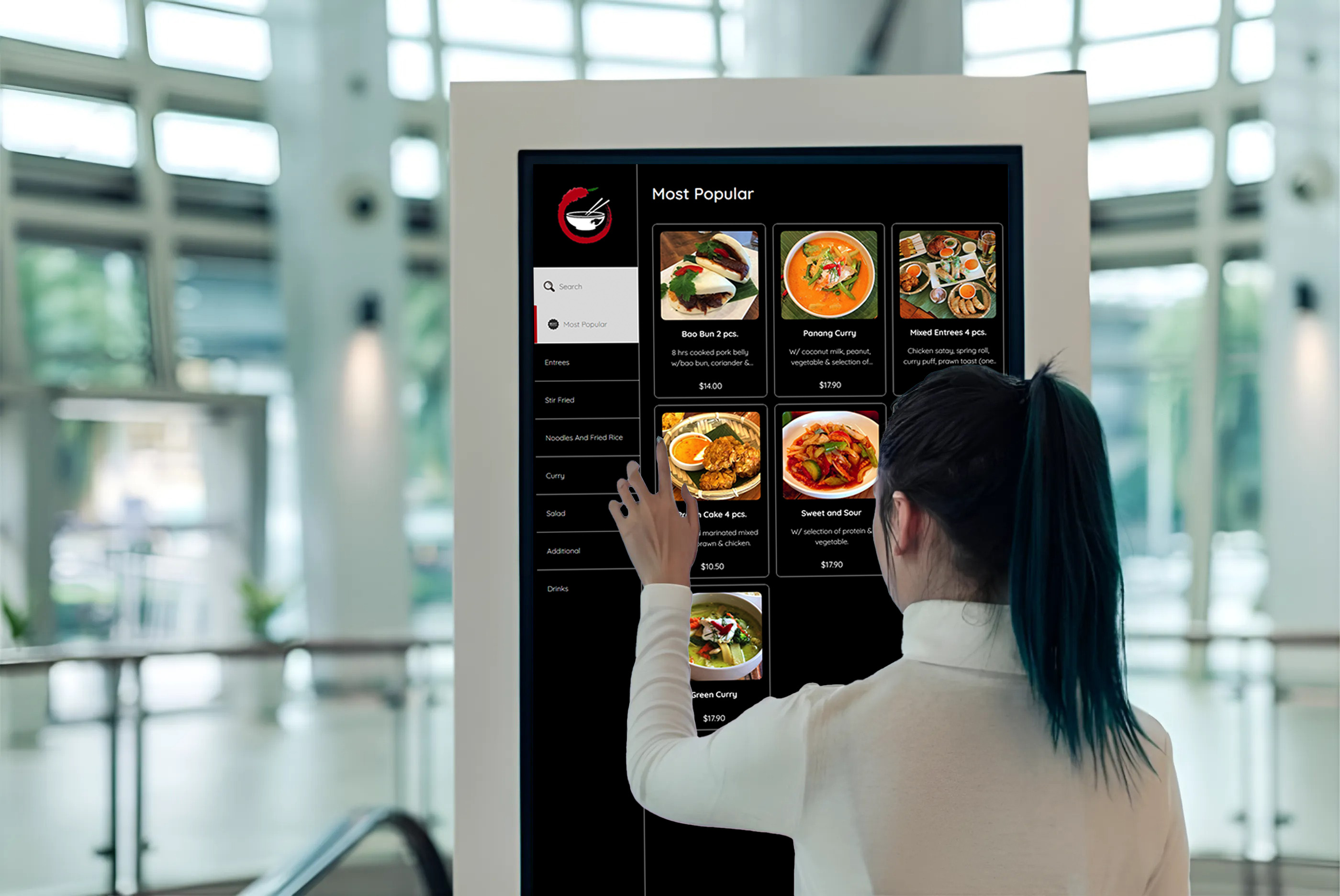
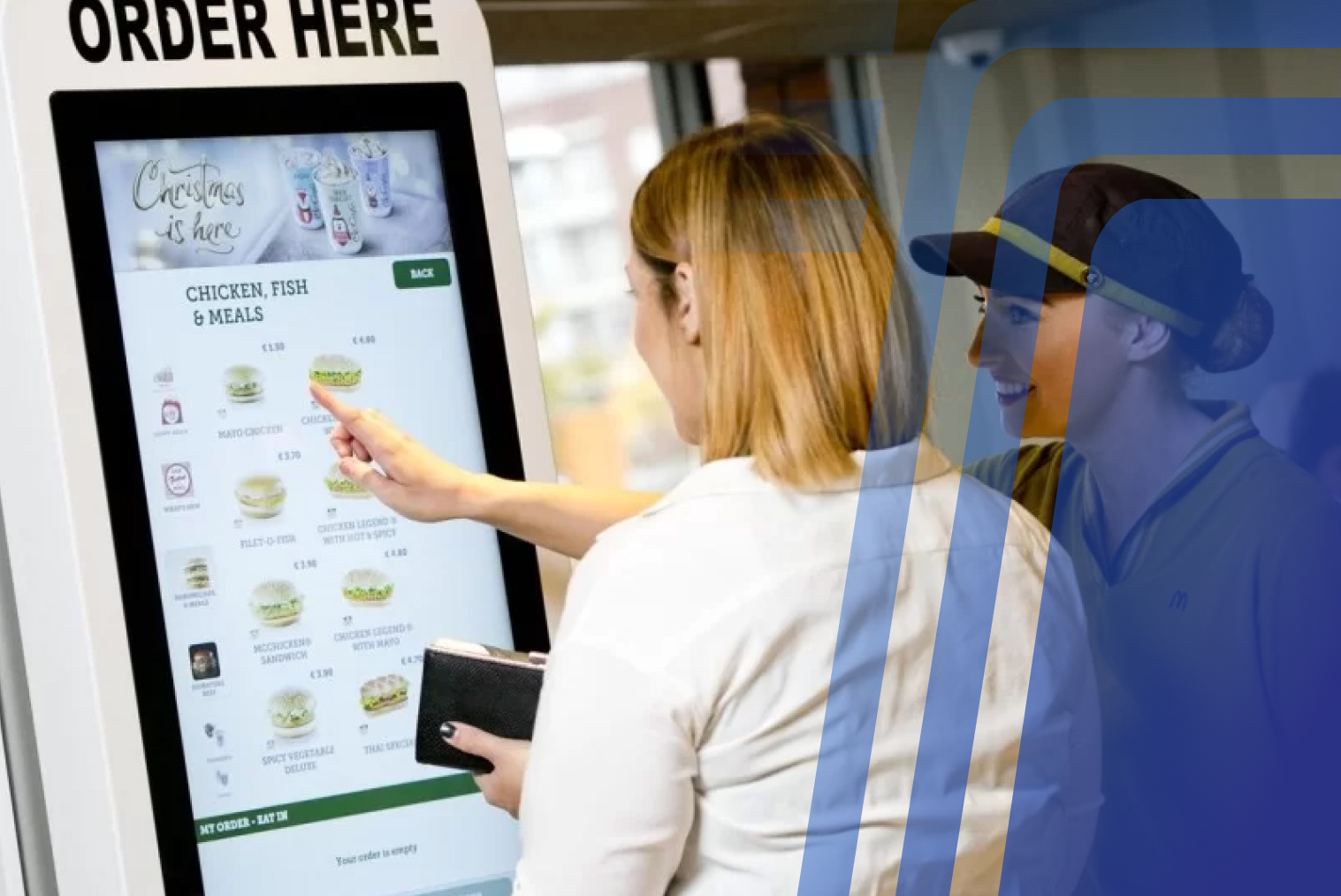
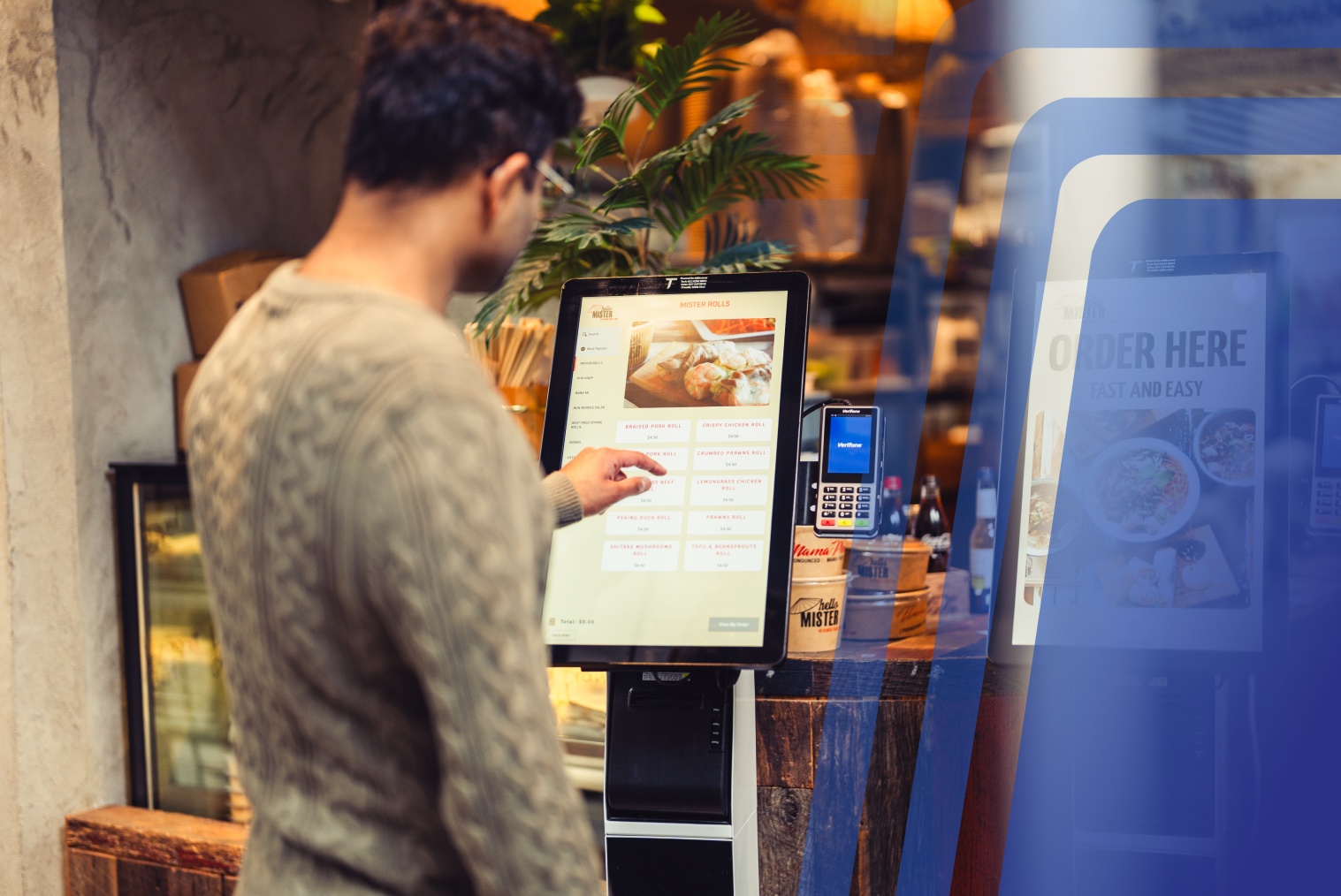
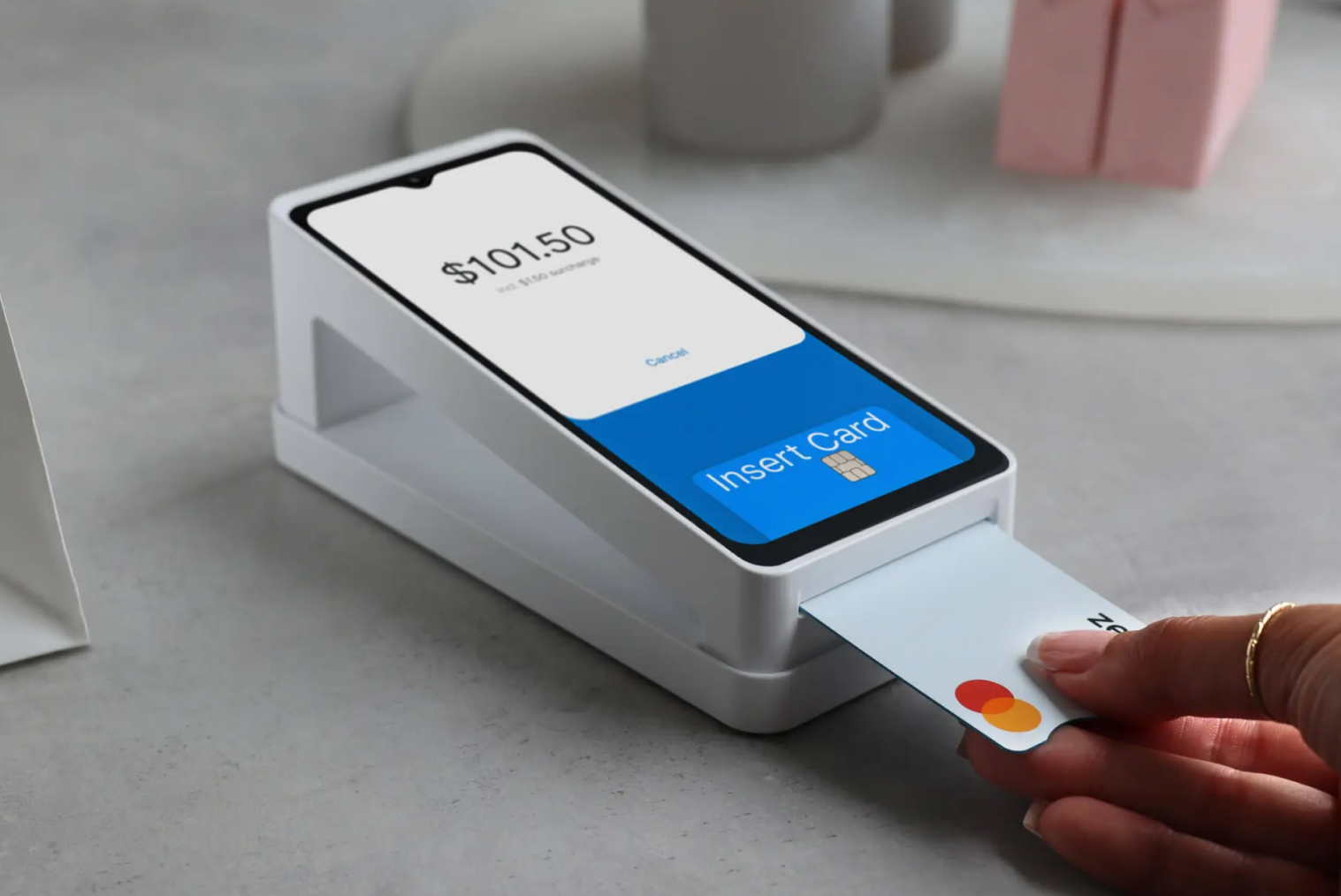
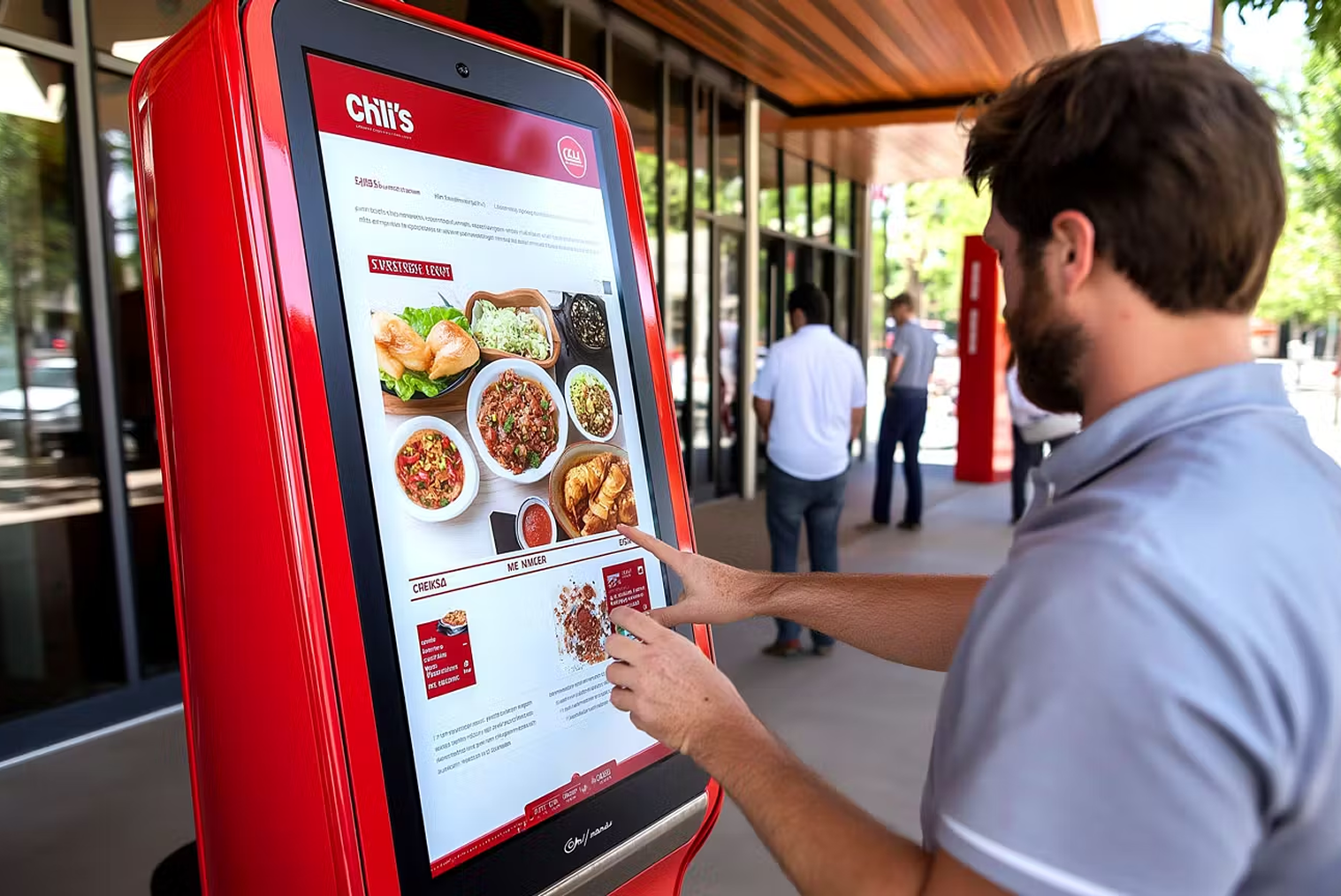
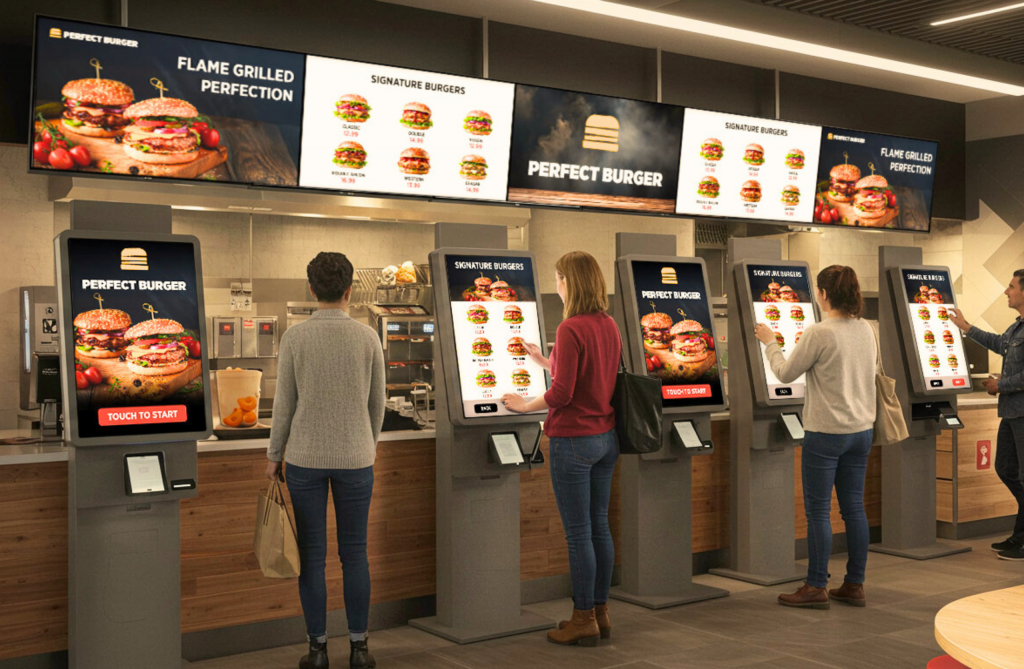
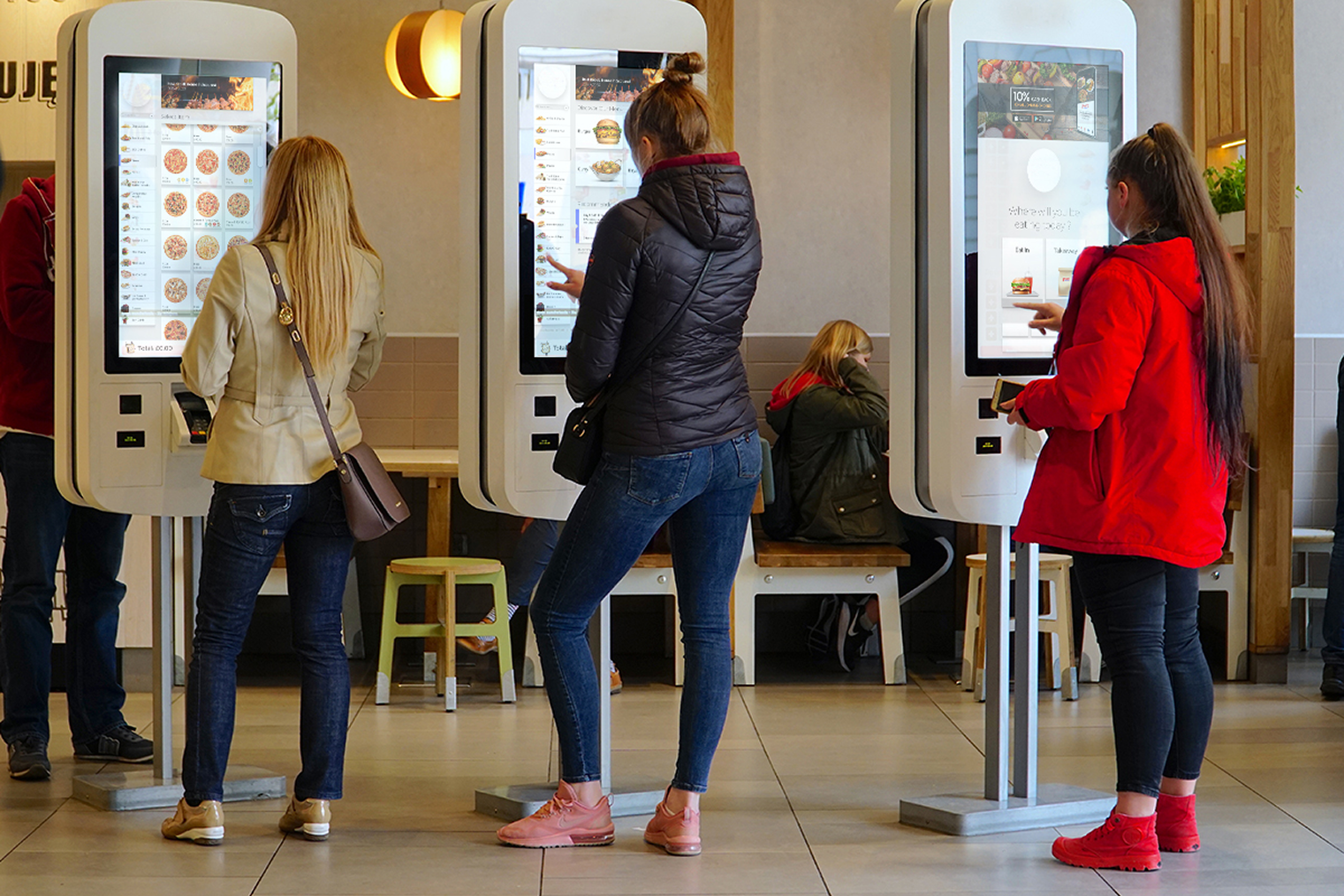
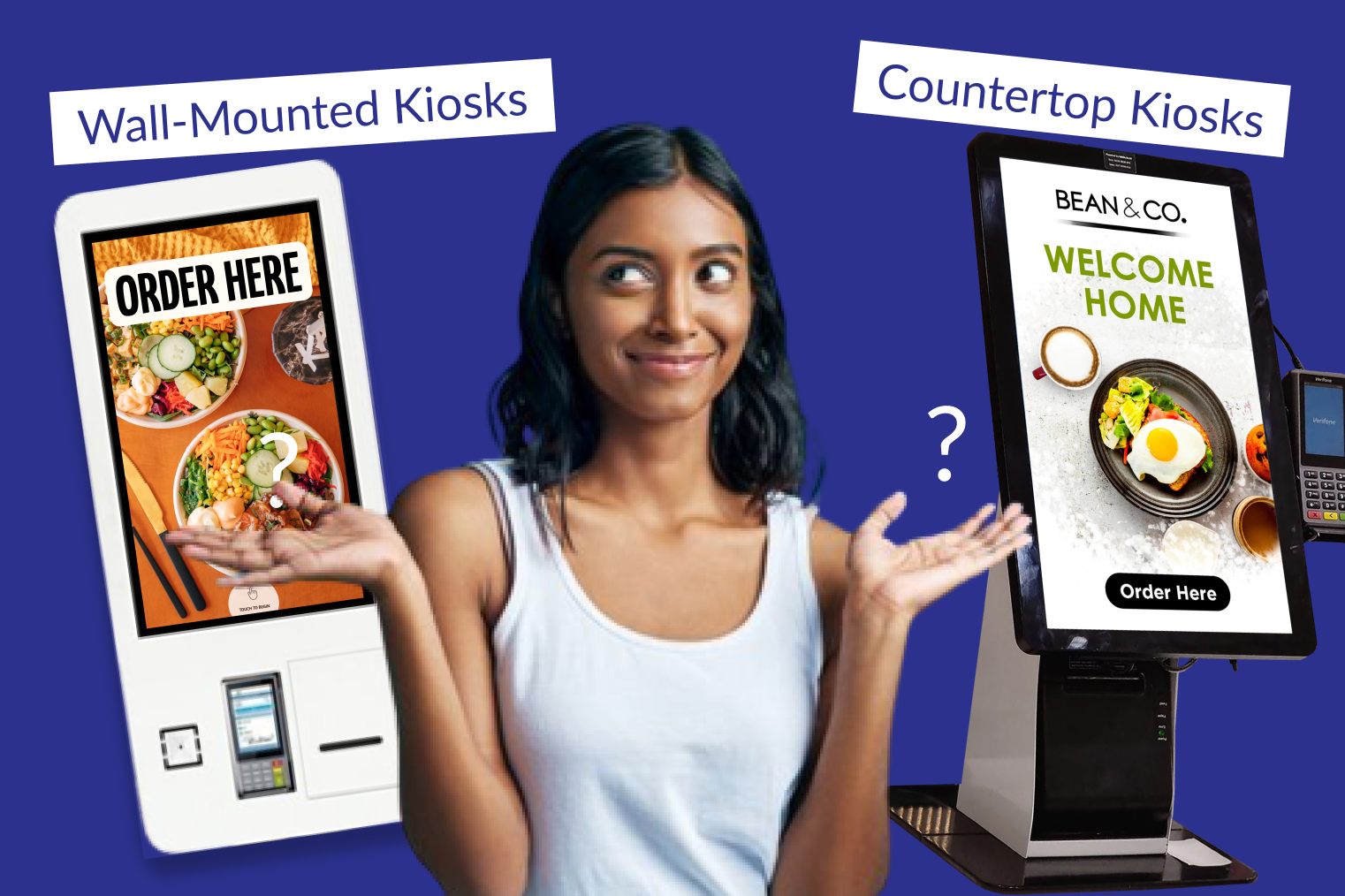
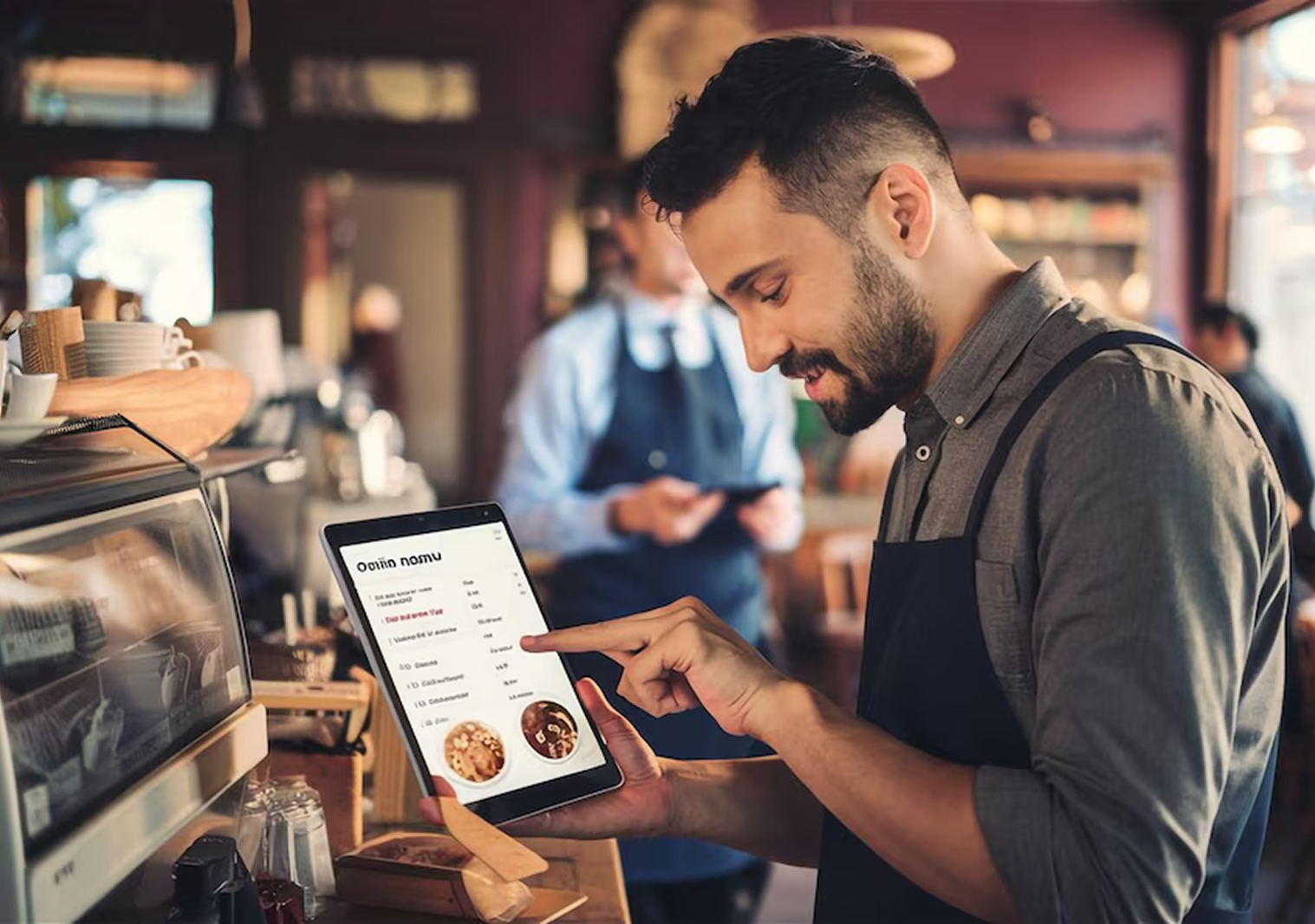
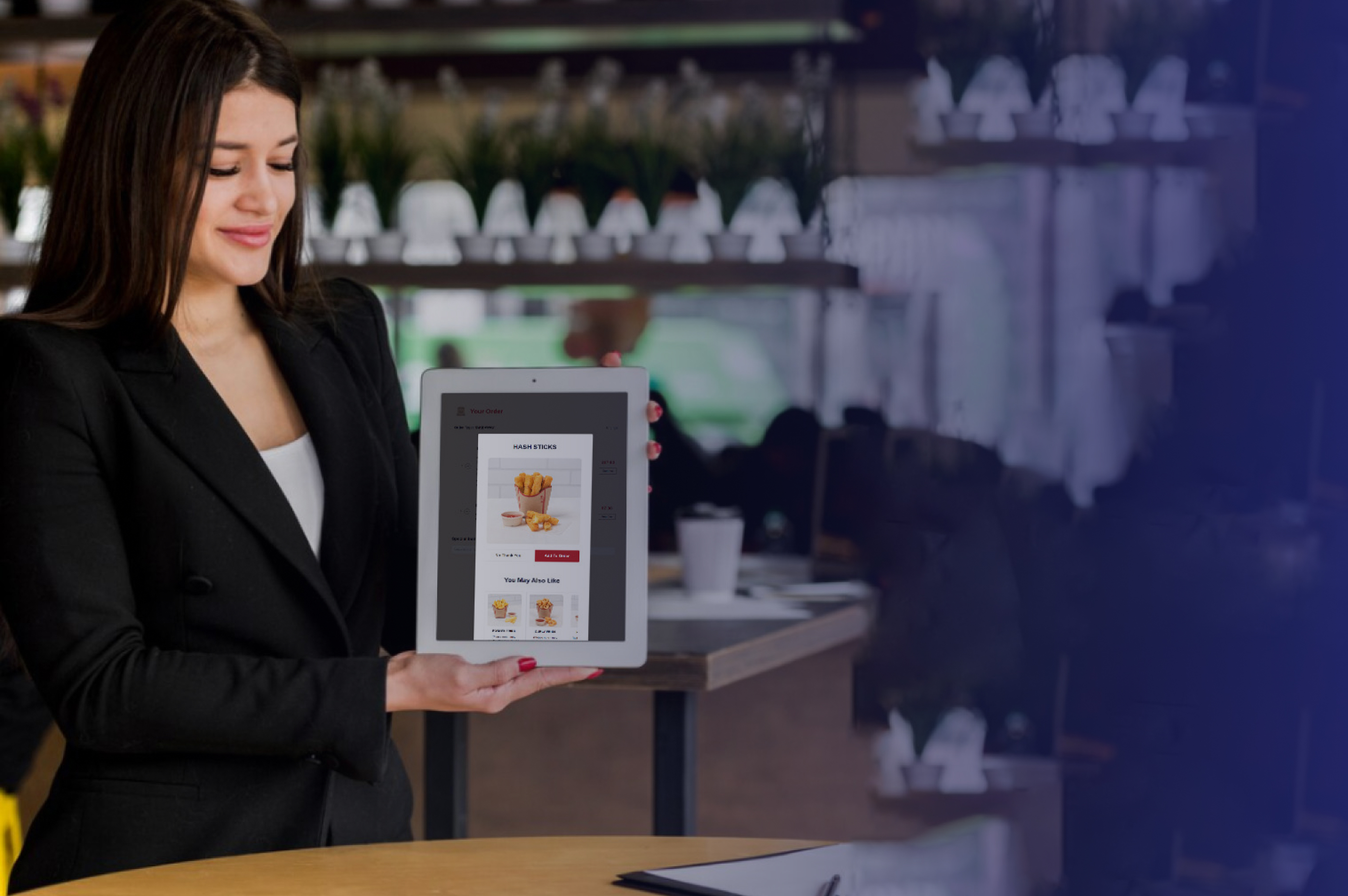
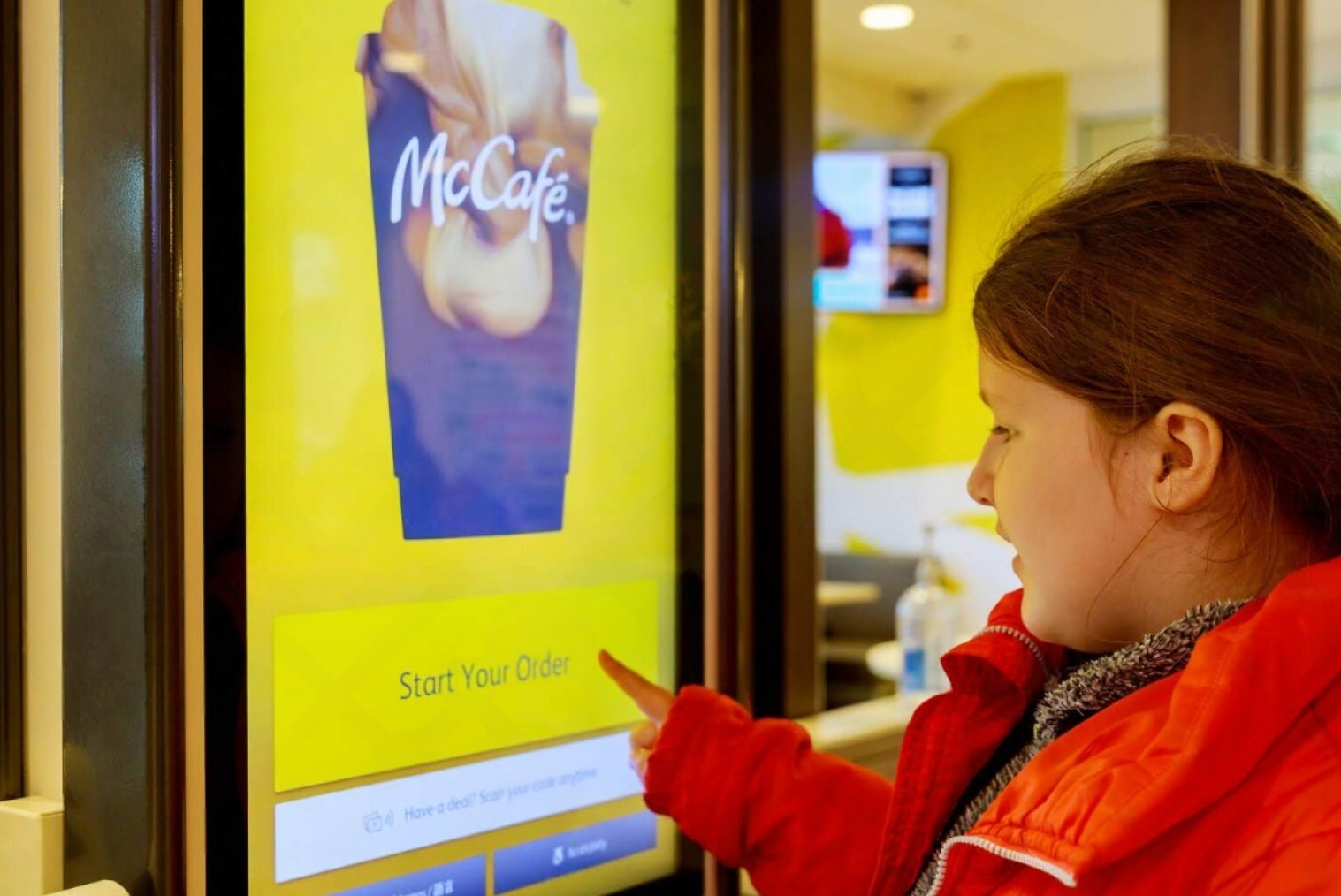
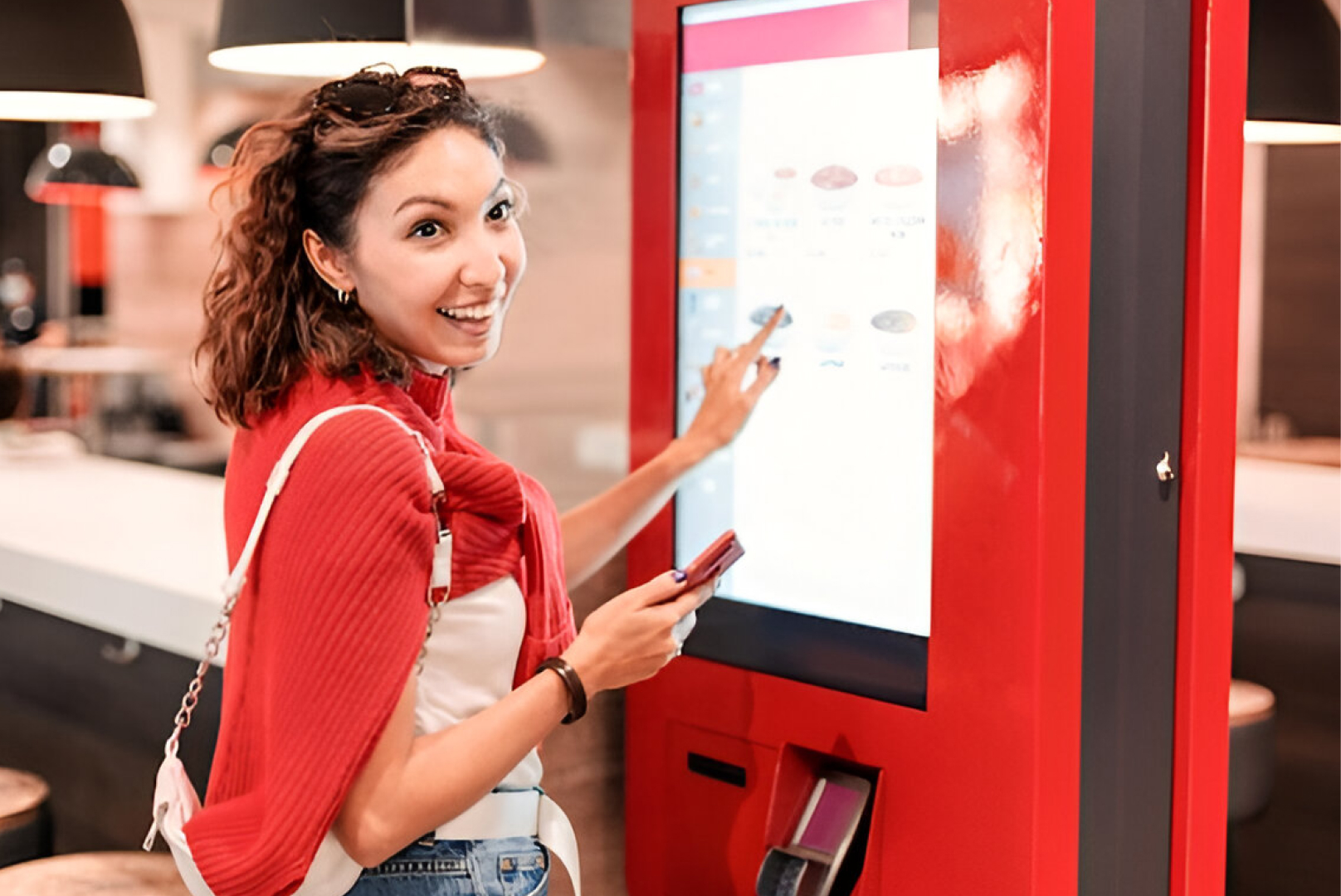
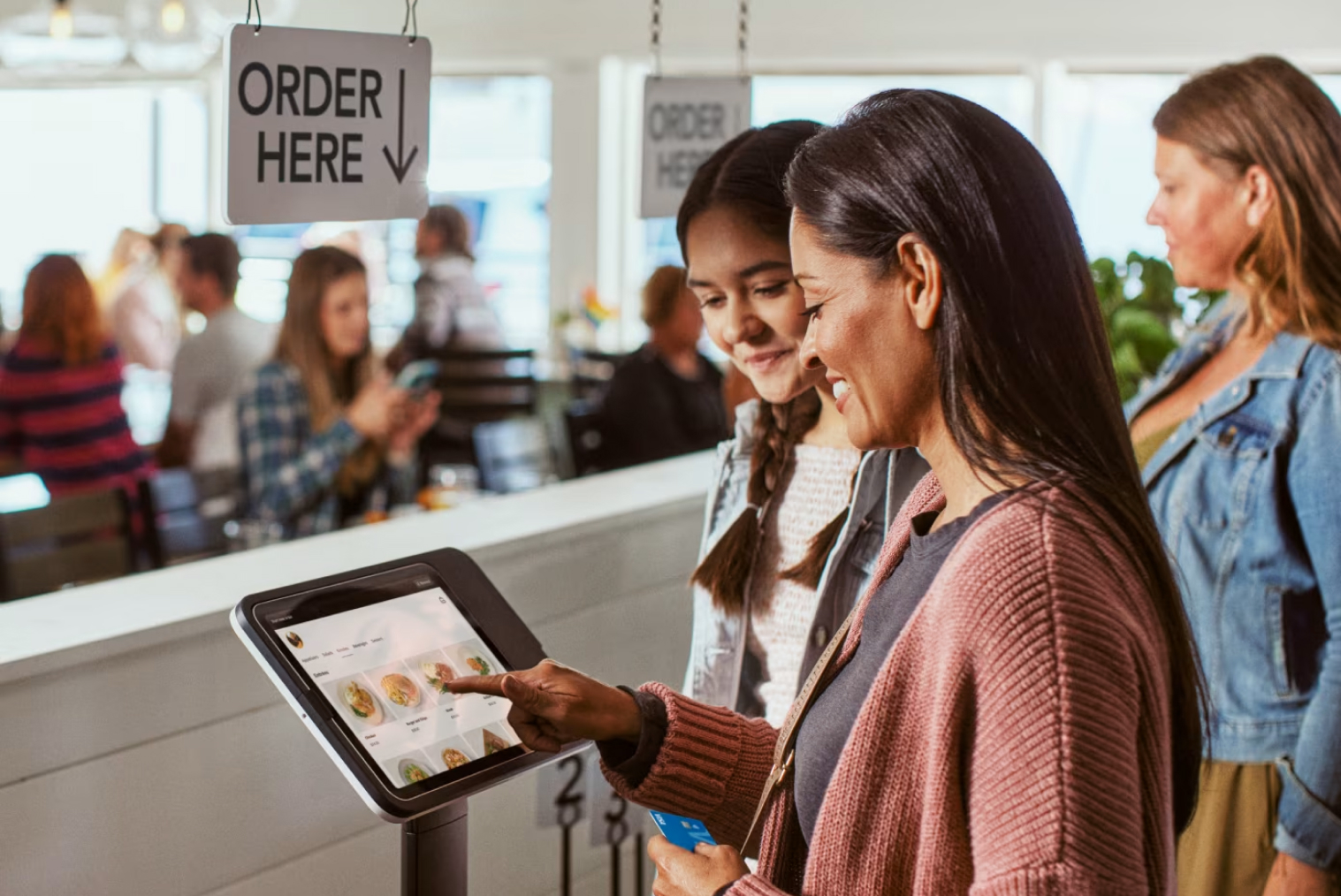
Self-checkout machines enable customers to conduct their transactions without any help from employees. This kind of system usually comprises a touch screen, a barcode reader, a payment terminal, and a receipt printer.
Businesses often implement self-checkout using a self service kiosk that handles:
- Item scanning
- Order selection
- Payment processing
- Digital receipts
- Loyalty integration
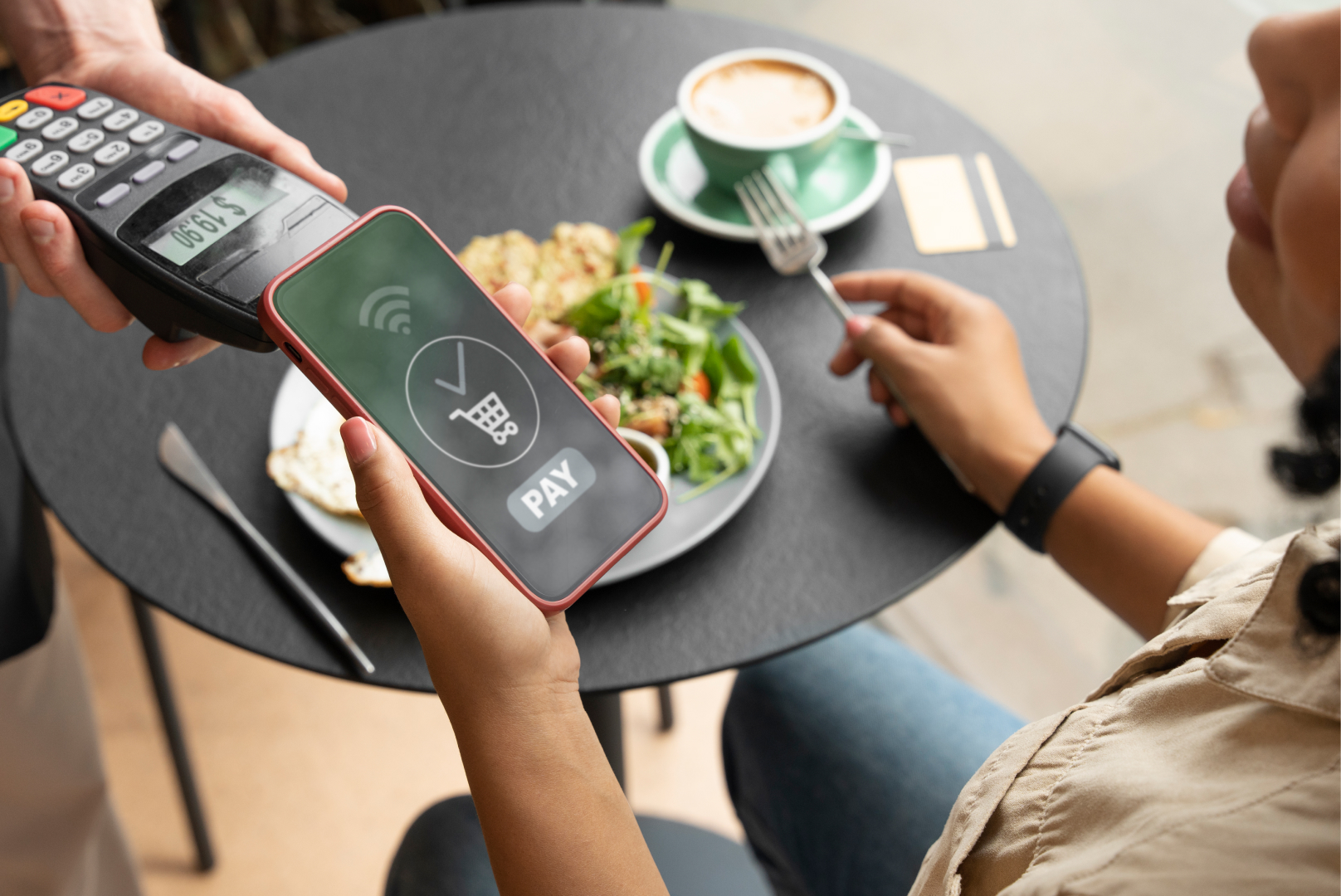
- Contactless payments
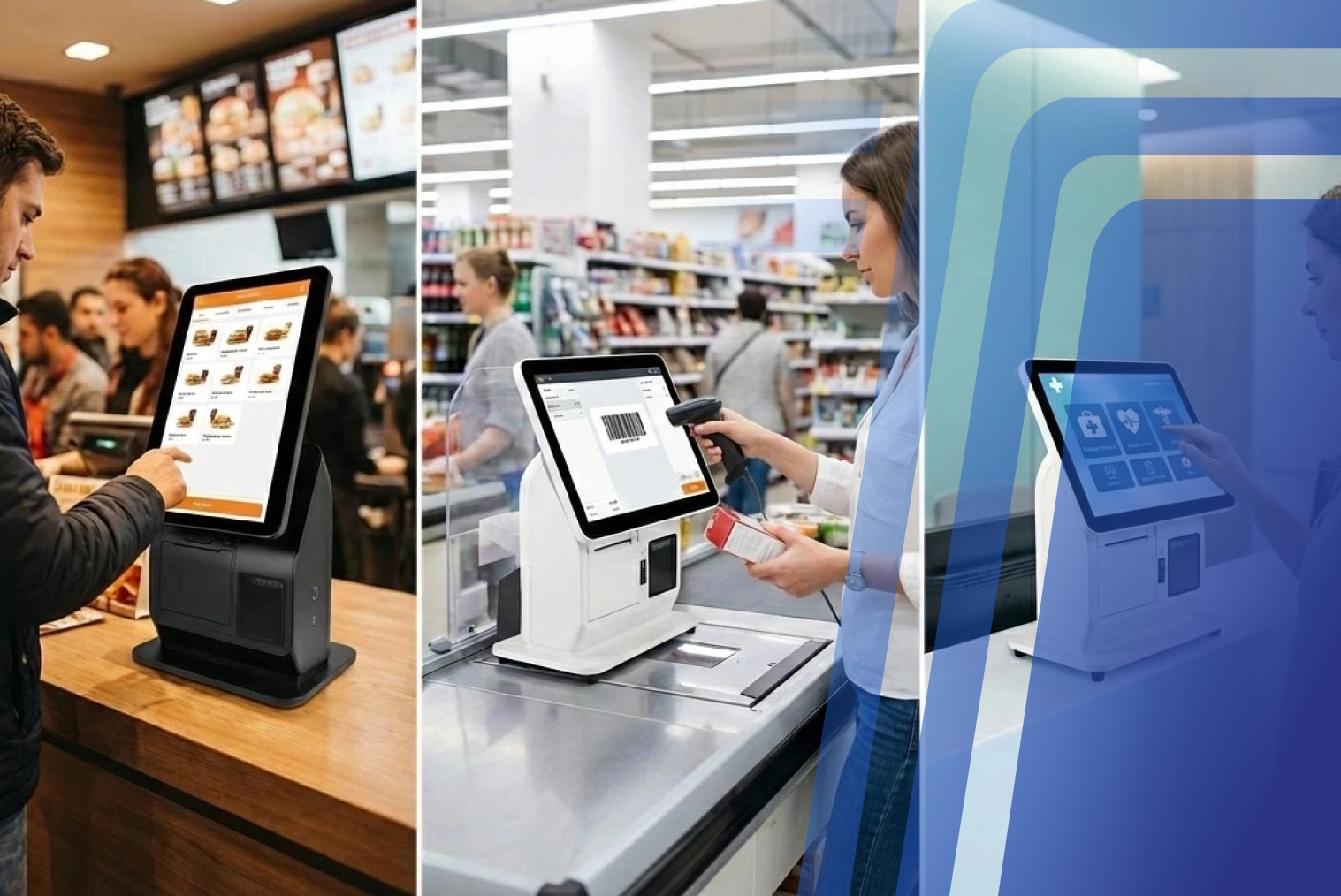
Self-checkout systems are commonly used in:
- Retail stores
- Supermarkets
- Quick-service restaurants
- Cafés
- Convenience stores
According to research from NCR, self-checkout systems can reduce checkout time and improve customer throughput, allowing businesses to handle more transactions during peak hours.
What Is a Cashier-Based Checkout System?
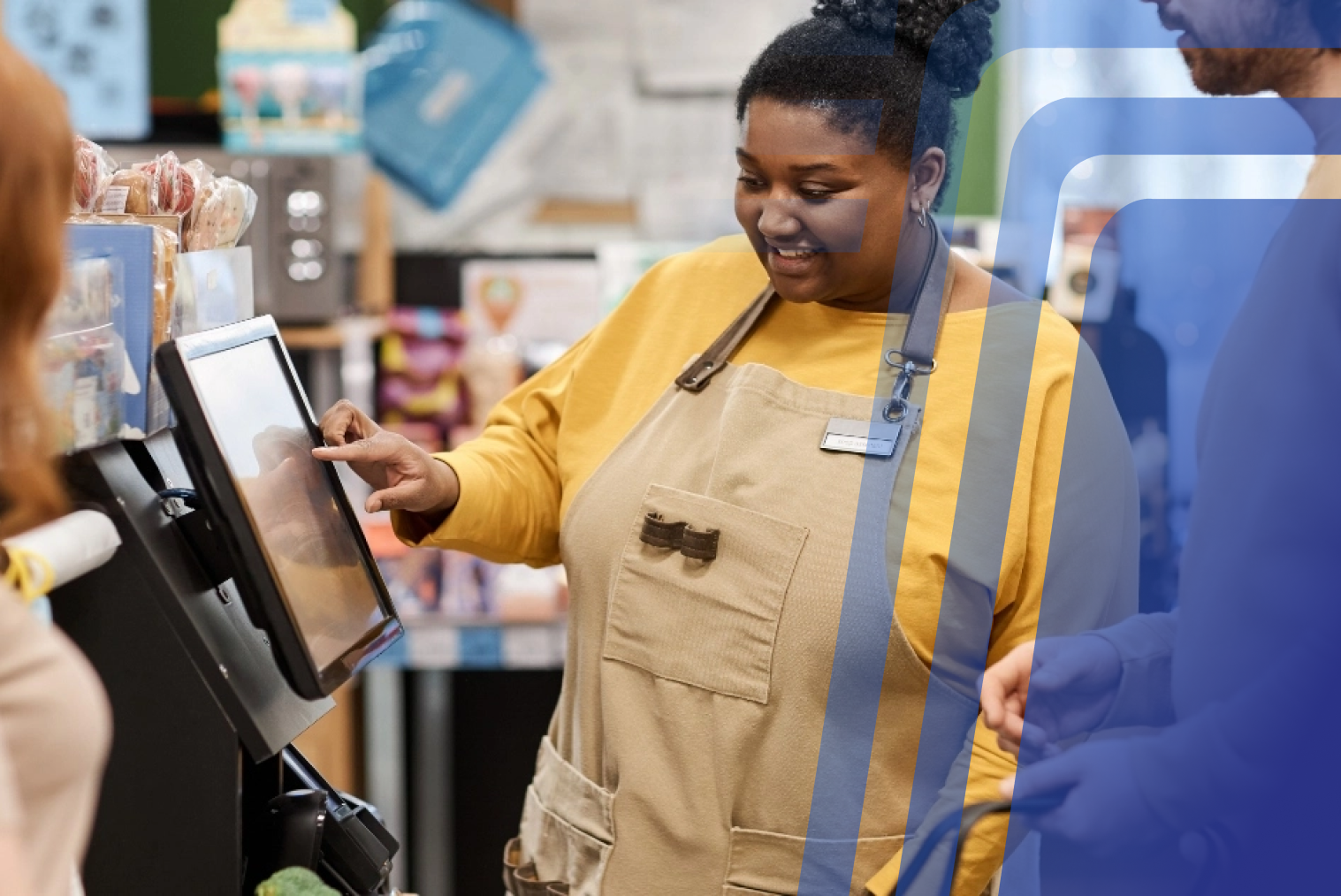
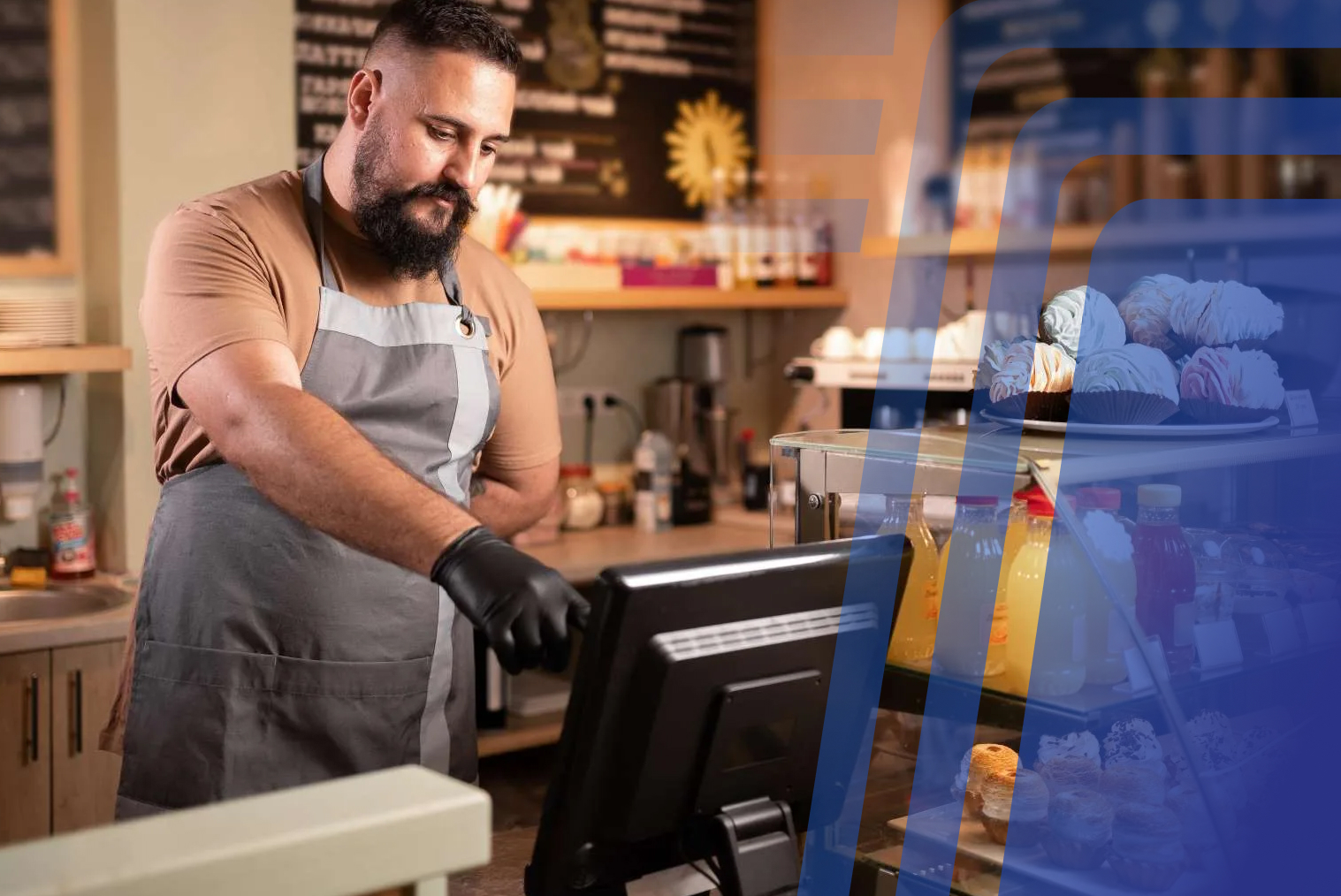
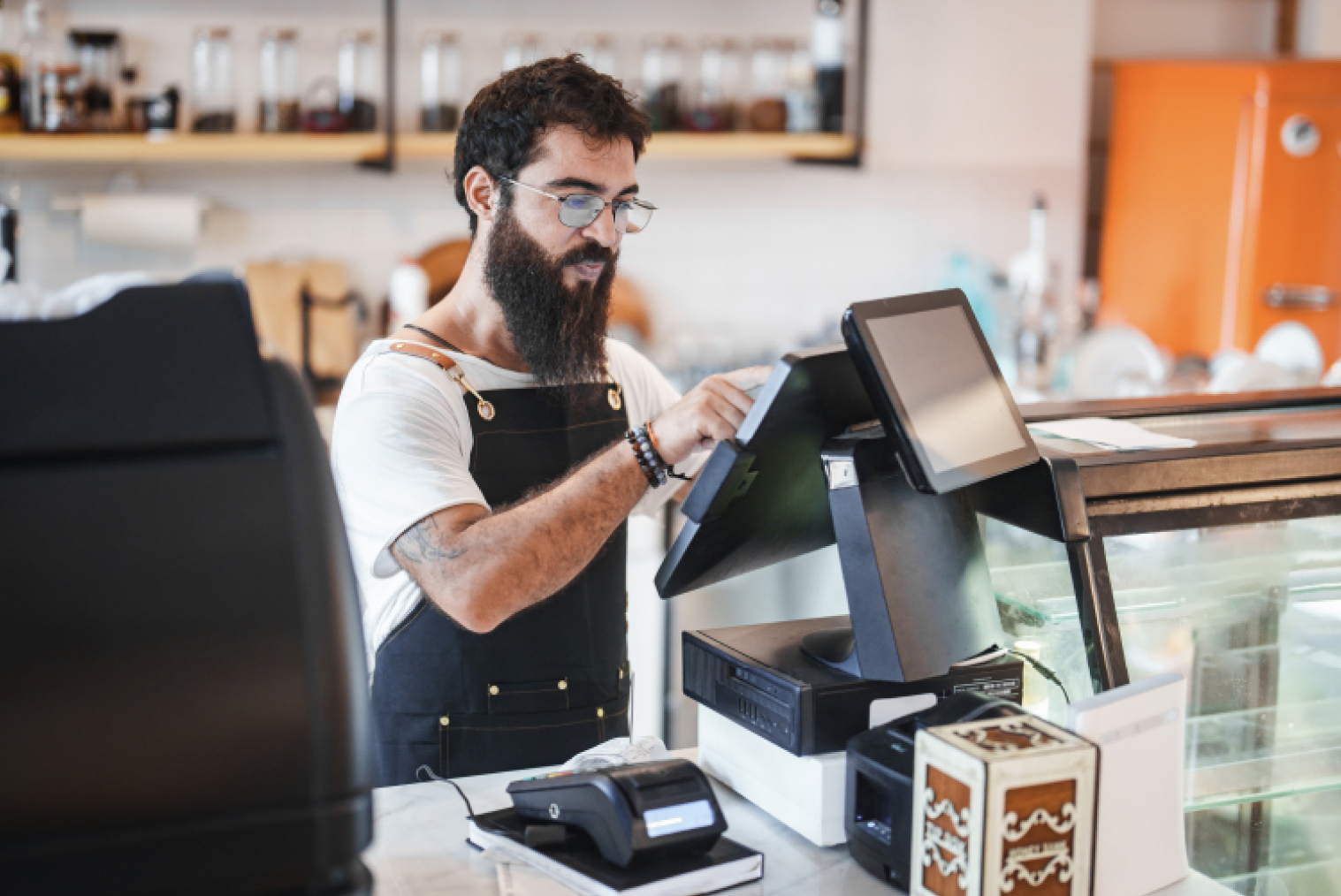
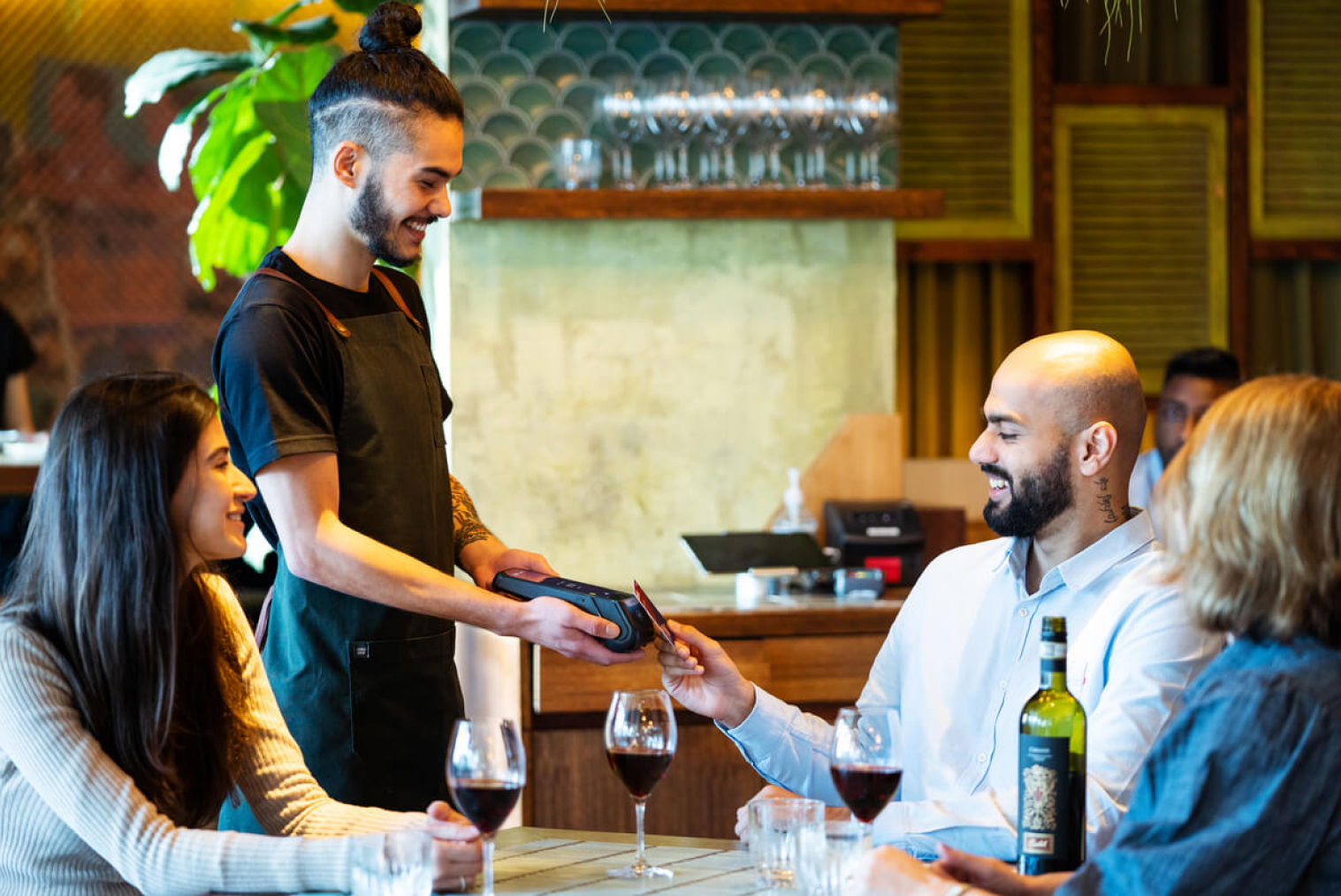
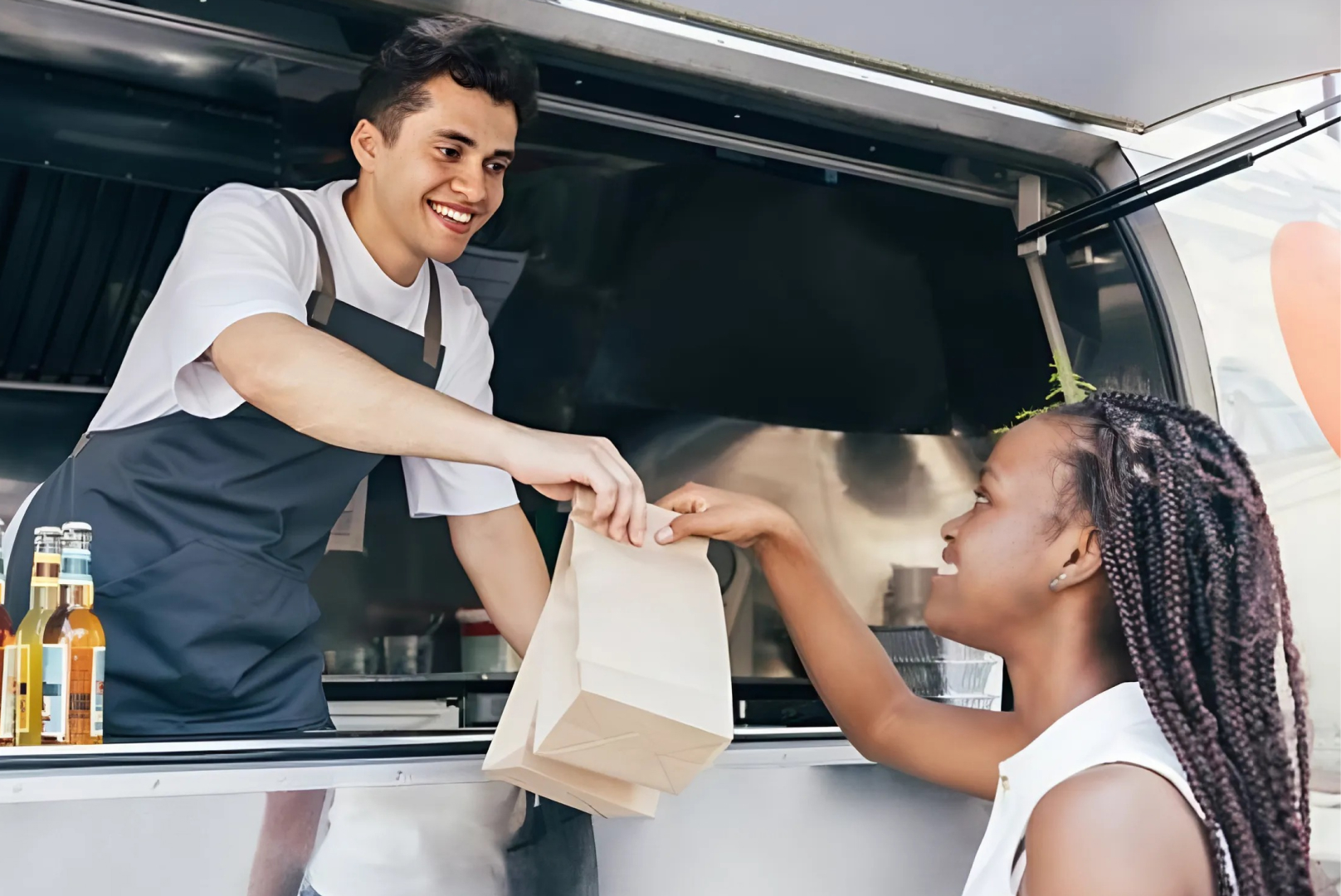
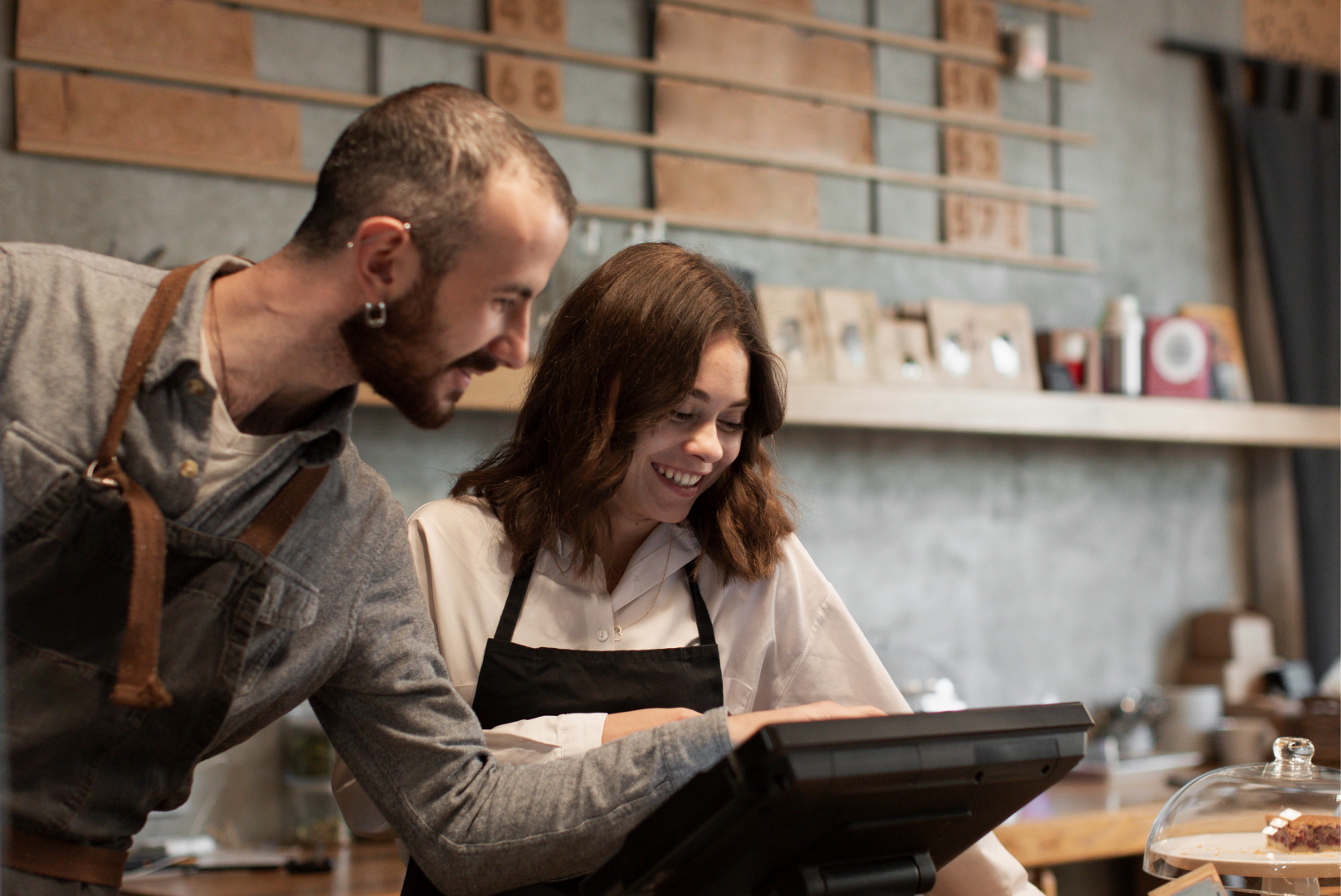
A cashier-based checkout system relies on staff to process customer purchases. A cashier scans items, handles payments, and completes the transaction.
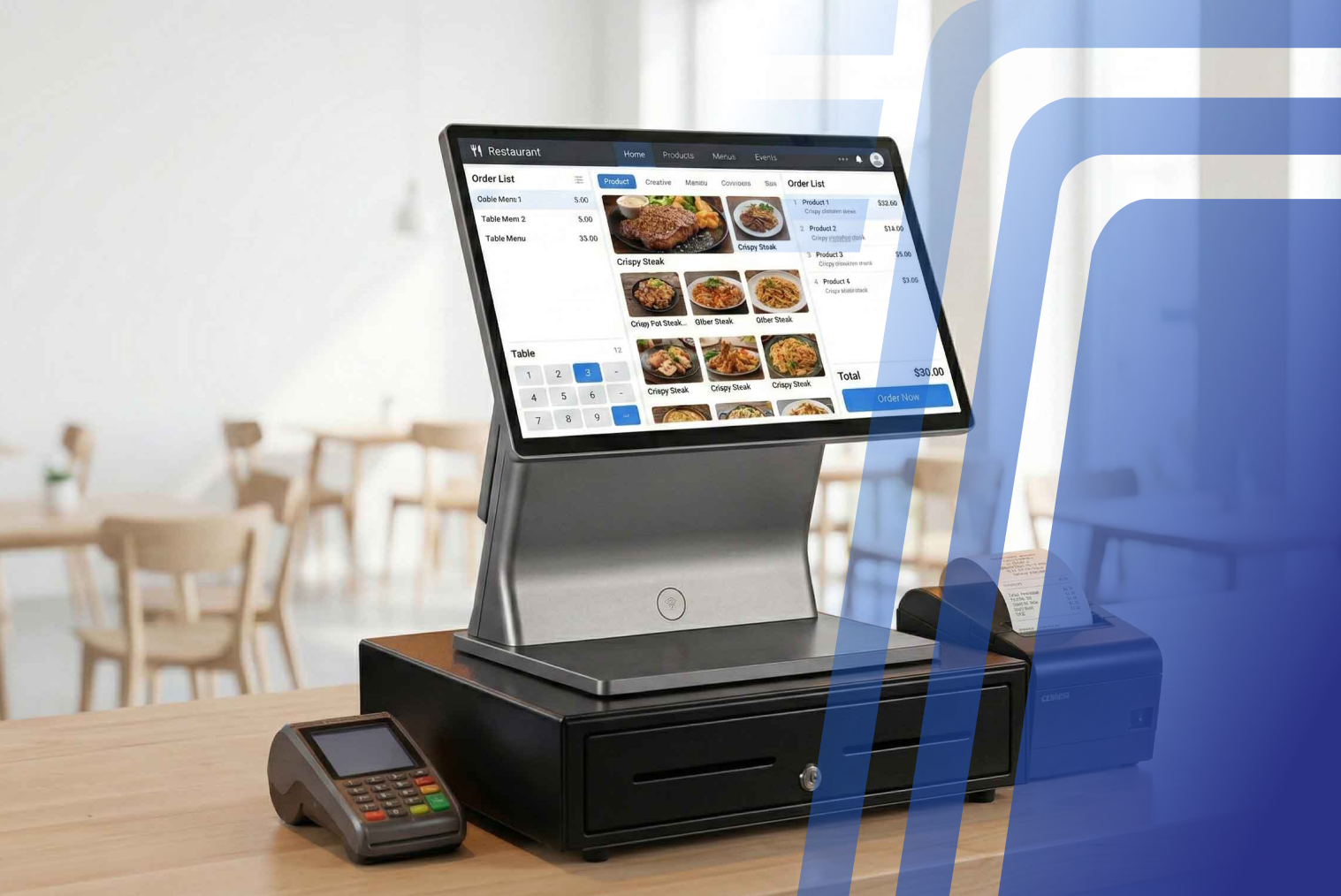
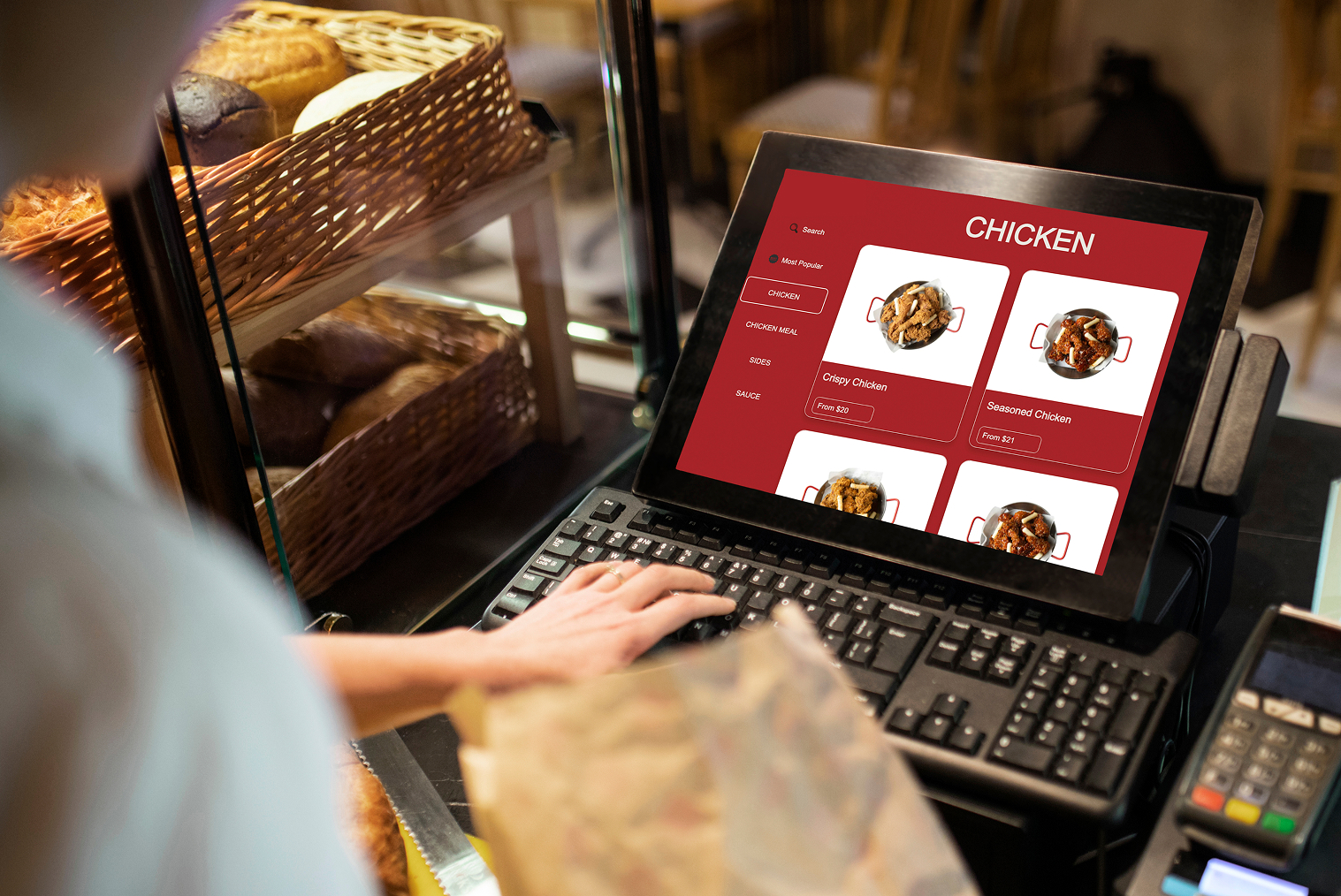
Traditional cashier systems typically include:
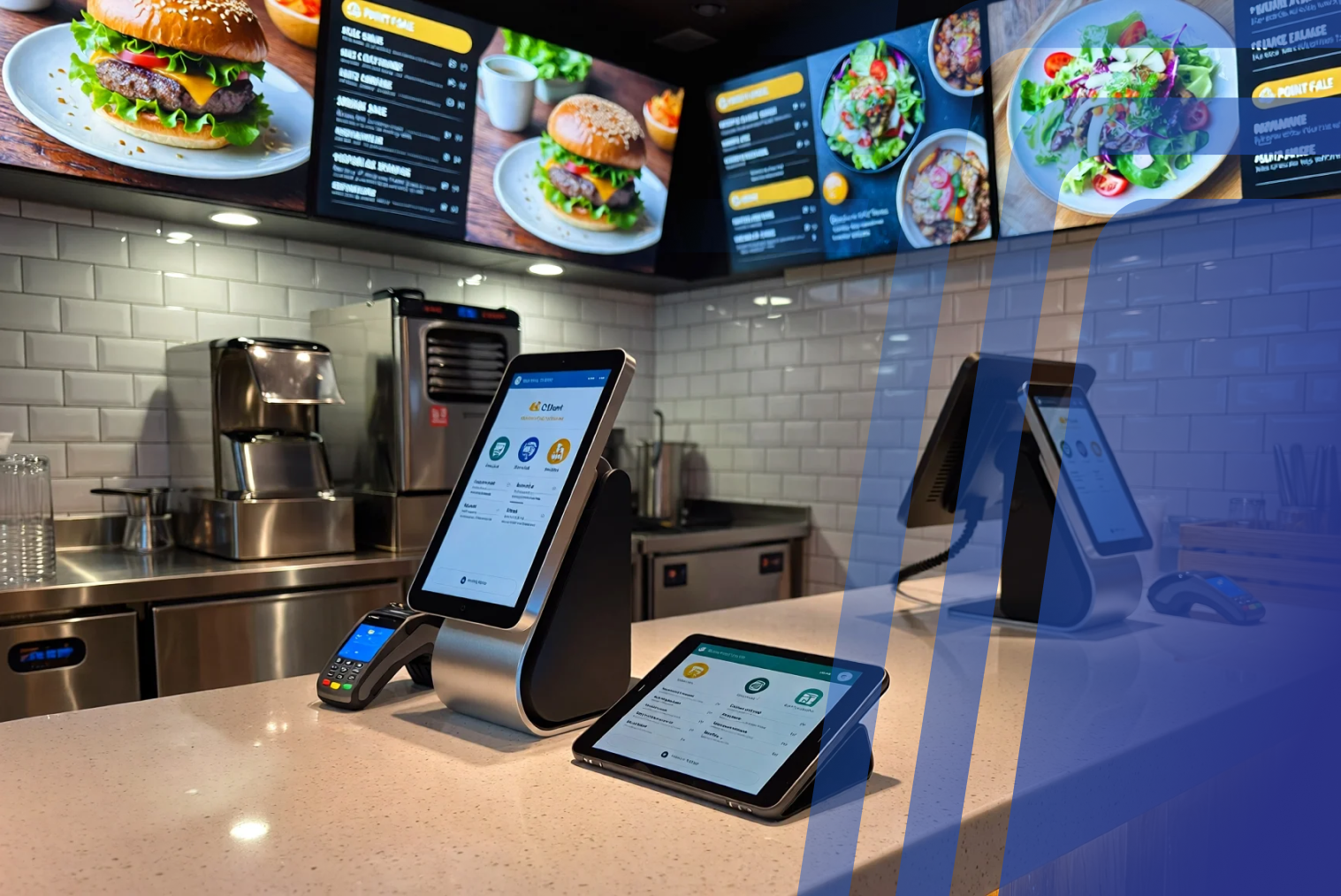
- POS terminal
- Cash drawer
- Barcode scanner
- Receipt printer
- Card payment terminal
While this model offers personalized service, it requires ongoing staffing costs and may slow down service during busy periods.
According to the U.S. Bureau of Labor Statistics, labour costs represent one of the largest operational expenses for retail and hospitality businesses, making automation an attractive alternative.
Self Checkout vs Cashier: Key Differences
Businesses comparing self checkout vs traditional cashier systems should consider operational differences.
| Feature |
Self Checkout |
Traditional Cashier |
| Staffing Requirement |
Minimal staff required |
Dedicated cashier needed |
| Transaction Speed |
Multiple customers at once |
One customer per cashier |
| Labor Costs |
Lower long-term cost |
Higher ongoing wages |
| Customer Control |
Customers scan and pay |
Staff handle transactions |
| Queue Management |
Reduces long lines |
Queues build during peak hours |
| Upselling |
Digital prompts available |
Depends on cashier |
| Order Accuracy |
Customers input directly |
Human errors possible |
| Scalability |
Easy to add more kiosks |
Requires hiring more staff |
| Operating Hours |
Can run with minimal staff |
Requires staffed checkout |
This comparison highlights how self checkout vs traditional cashier systems differ in operational efficiency.
Cost Comparison: Self Checkout vs Cashier Model
One of the biggest factors when evaluating self checkout vs cashier systems is the difference between upfront investment and ongoing expenses.
Self Checkout Costs
Self-checkout systems typically involve:
- Hardware investment
- Software licensing
- Installation
- Payment integration
Although there is an initial cost, businesses often save on labour expenses over time.
Research from wavetec reports that self-checkout systems can replace multiple cashier roles, helping businesses reduce labour costs significantly.
Additionally, self-checkout systems allow one staff member to supervise multiple kiosks, improving operational efficiency.
Cashier System Costs
Cashier-based systems have lower upfront costs but higher long-term expenses, including:
- Staff wages
- Training costs
- Break coverage
- Scheduling management
- Overtime pay
Over time, these recurring expenses can exceed the cost of implementing self-checkout systems.
According to industry reports, labour costs in retail and hospitality continue to rise, pushing businesses to adopt automation technologies.
Self Checkout vs Cashier: Pros and Cons
Understanding the self checkout vs cashier pros and cons helps businesses make informed decisions.
Self Checkout Pros
- Reduced labour costs
- Faster checkout during peak hours
- Improved customer throughput
- Scalable for business growth
- Contactless payment support
- Consistent user experience
- Reduced queue times
Self Checkout Cons
- Initial investment required
- Some customers prefer human interaction
- Requires occasional staff assistance
- Space required for kiosk placement
Cashier Pros
- Personalized customer interaction
- Helpful for complex purchases
- Easier for non-tech-savvy customers
- No major upfront investment
Cashier Cons
- High labour costs
- Slower checkout speed
- Limited scalability
- Staff availability challenges
- Long queues during busy hours
These pros and cons highlight why many businesses are shifting toward self-service checkout solutions.
Which Businesses Benefit Most from Self Checkout?
Self-checkout systems work best for businesses with:
- High customer volume
- Fast transactions
- Limited staffing
- Standardized pricing
- Peak hour congestion
Examples include:
- Retail stores
- Supermarkets
- Convenience stores
- Quick-service restaurants
- Cafés
- Food courts
These businesses benefit most from self checkout vs cashier automation.
Conclusion: Self Checkout vs Cashier — Which One Is Better?
Choosing between self checkout vs traditional cashier depends on your business type, customer volume, and operational goals.
Manual cashier systems give personalized services but involve recurring costs and low scalability. However, automated self-checkout systems have an initial cost but save money in the long run.
As labour costs continue to rise and customers demand faster service, many businesses are adopting self checkout as an alternative to traditional cashier models to stay competitive.
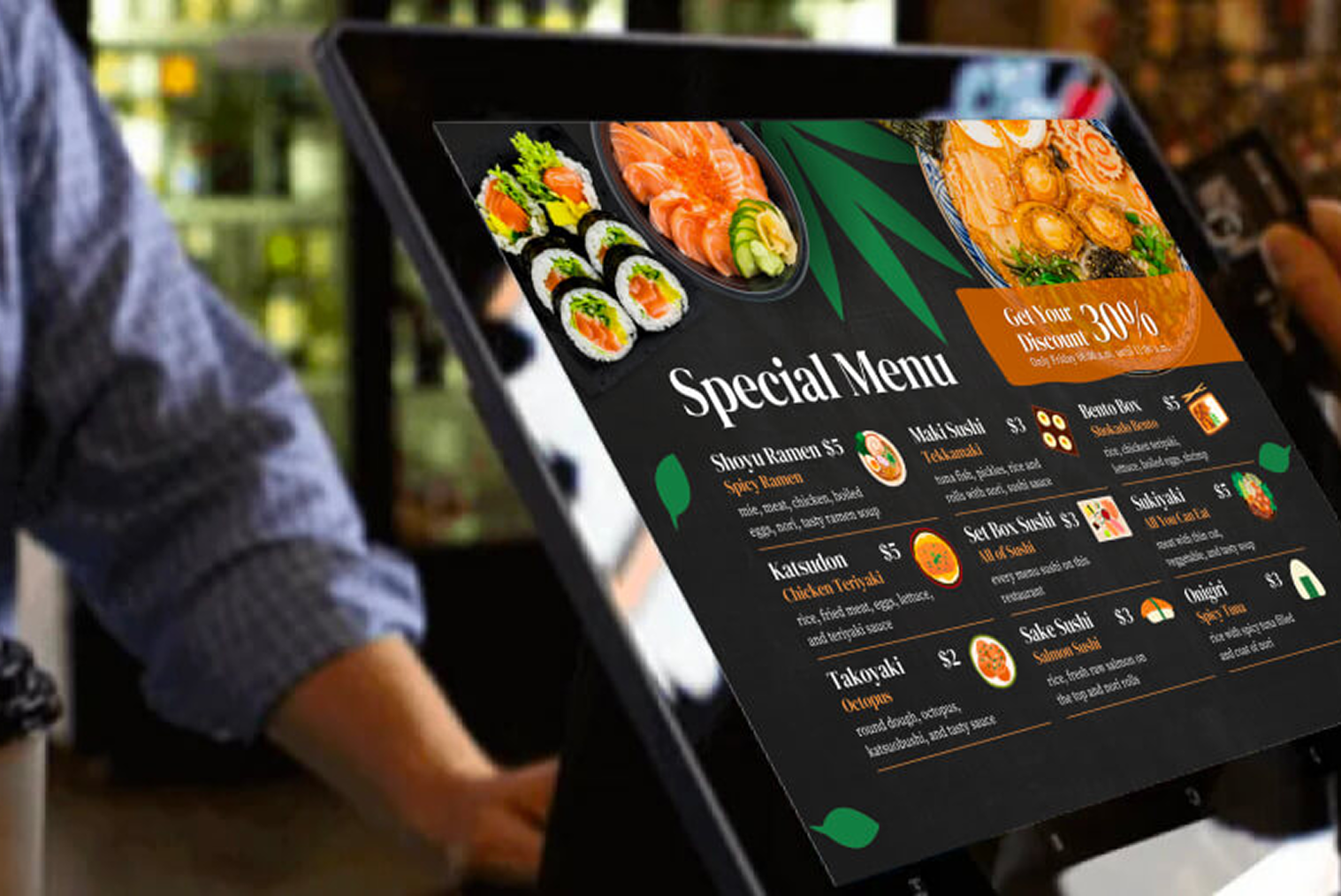
Implementing a self service kiosk can help businesses reduce queues, lower operational costs, and improve customer experience—making self-checkout an increasingly popular choice.
Frequently Asked Questions (FAQs)
Q1. Is self checkout cheaper than a traditional cashier system?
Yes, in many cases. While self-checkout systems require upfront investment, they reduce long-term labour costs and allow businesses to handle more customers with fewer staff.
Q2. Which types of businesses benefit most from self checkout systems?
Retail stores, supermarkets, convenience stores, quick-service restaurants, and cafés benefit the most because they handle high transaction volumes.
Q3. Are customers comfortable using self checkout compared to cashiers?
Yes. Customer adoption continues to grow. Studies show that many customers prefer faster, contactless checkout experiences, especially in high-traffic environments.


.webp)









.png)













.webp)


