The restaurant industry has rapidly adopted digital ordering technologies in recent years. Two of the most popular solutions are self-service kiosks and online ordering systems. Both tools help restaurants streamline operations, reduce wait times, and improve the customer experience.
However, many restaurant owners struggle to decide between the two. Should they invest in kiosks inside the restaurant, or focus on building a strong online ordering platform?
The truth is that the most effective strategy isn’t choosing one over the other. Instead, restaurants benefit most from implementing an integrated kiosk and online ordering system that allows customers to order through multiple channels while the restaurant manages everything from a single platform.
In this article, we’ll compare kiosk vs online ordering for restaurants, explore their strengths and limitations, and explain why combining both technologies creates the most efficient digital ordering ecosystem.
Understanding Kiosk and Online Ordering Systems
Before comparing them, it's important to understand how each system works.
A self ordering kiosk and online ordering platform both allow customers to place orders digitally, but they serve different ordering environments.
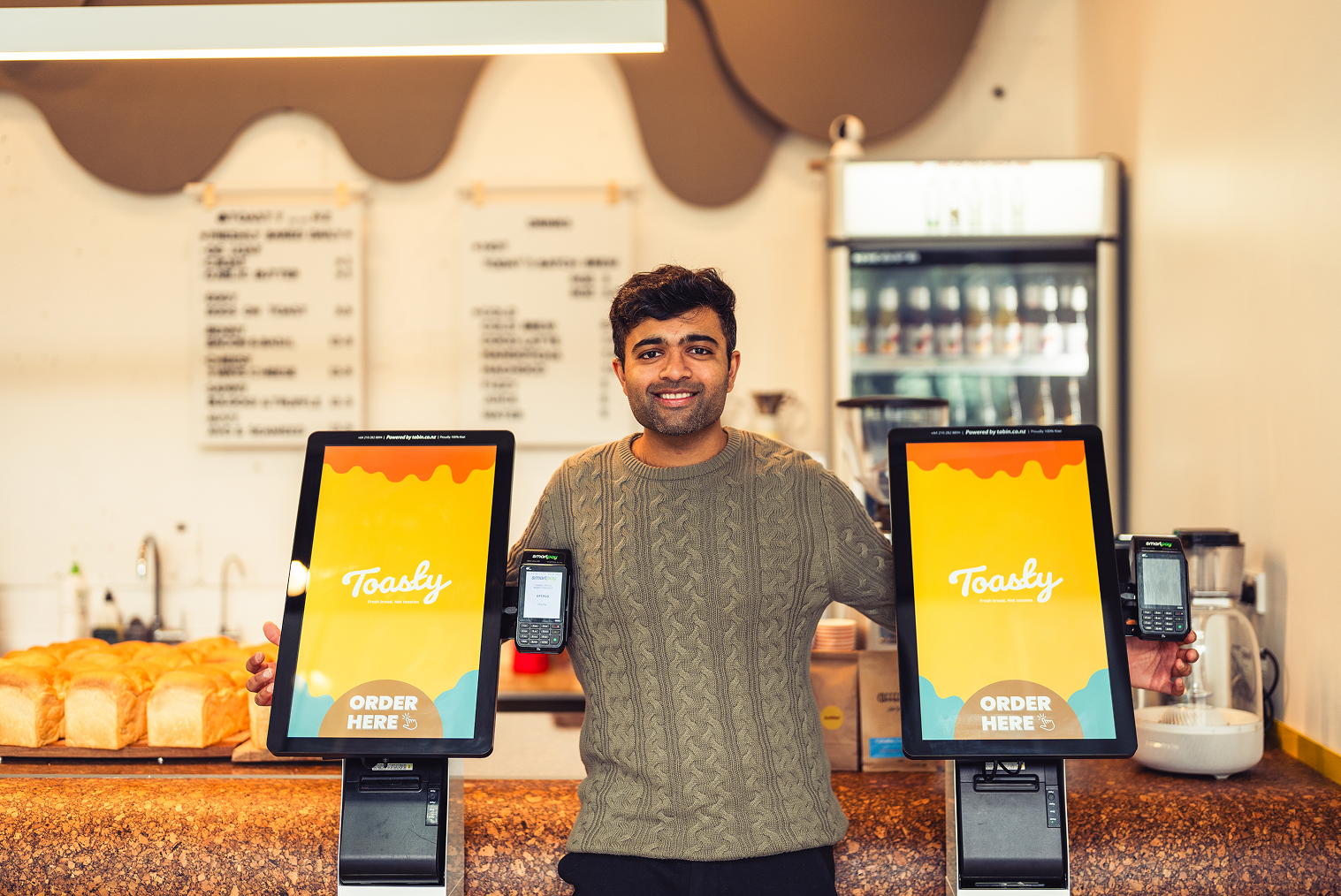
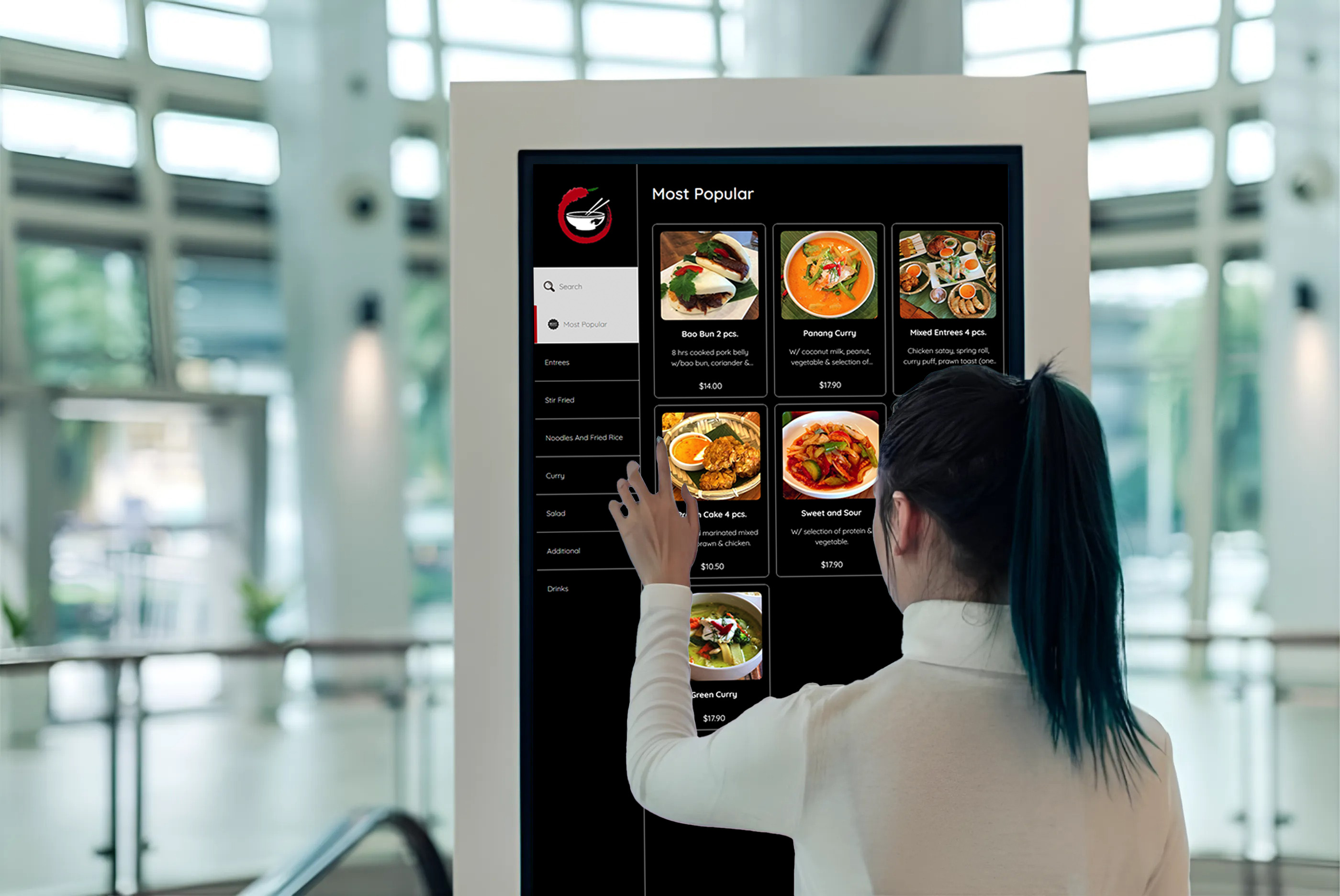
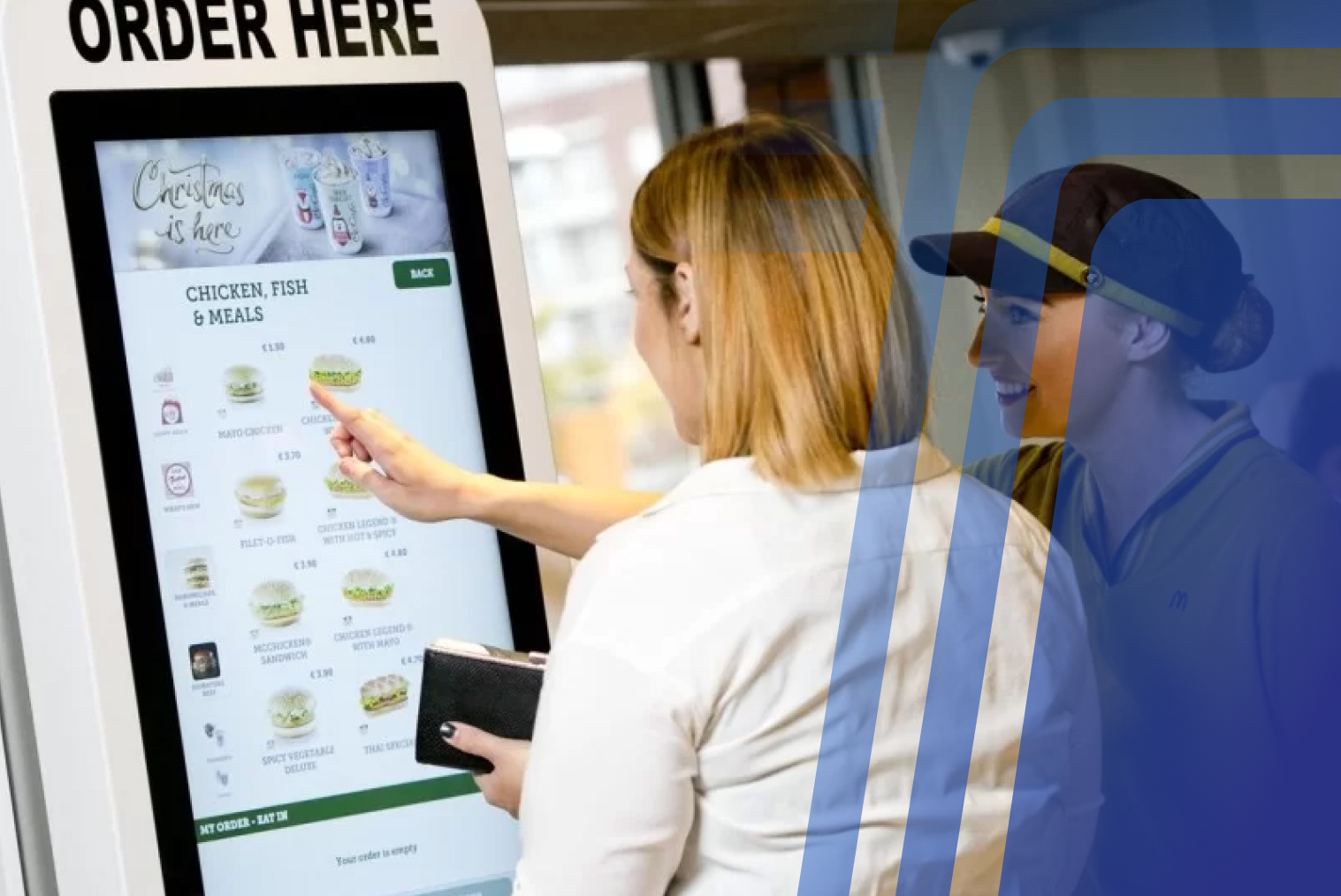
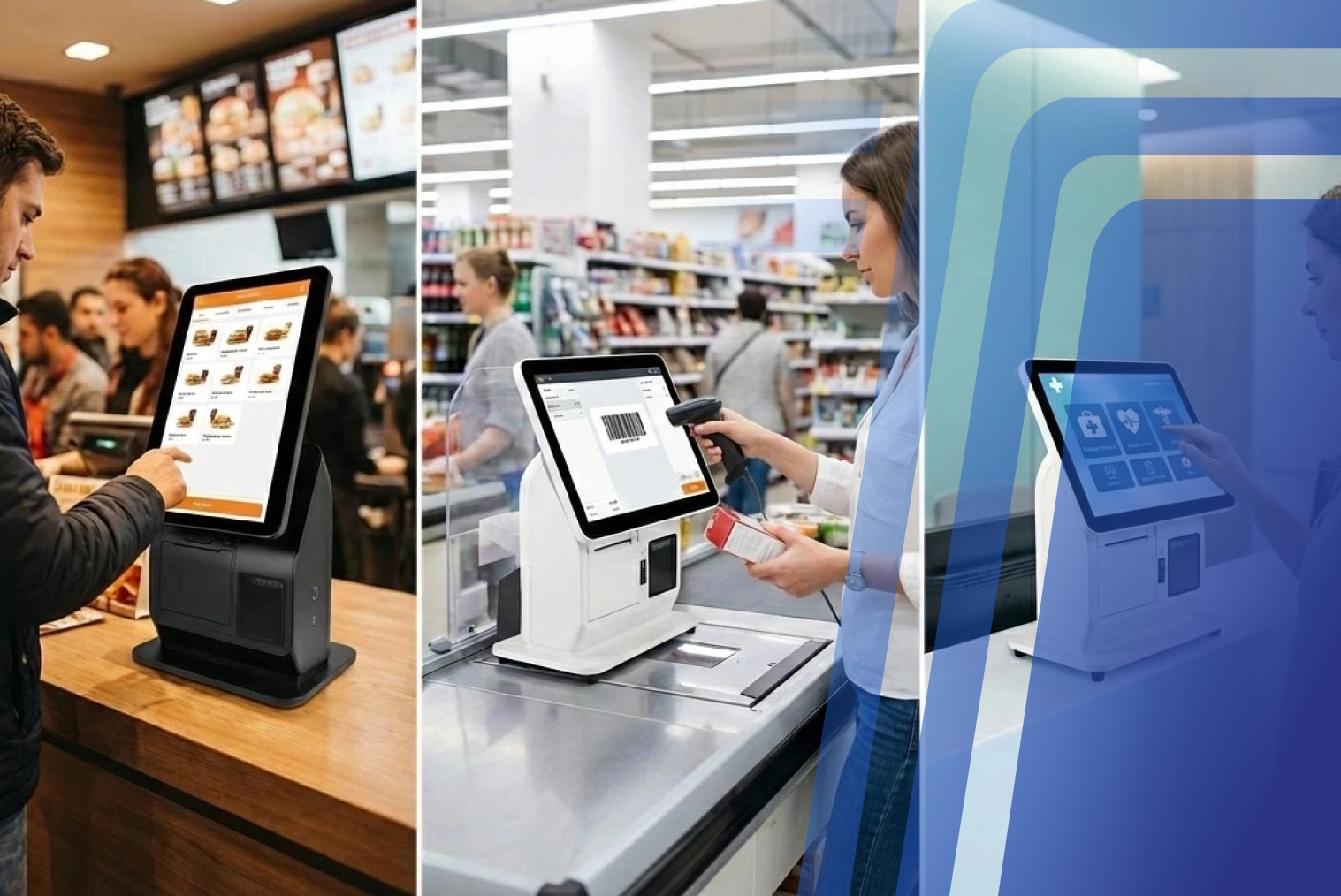
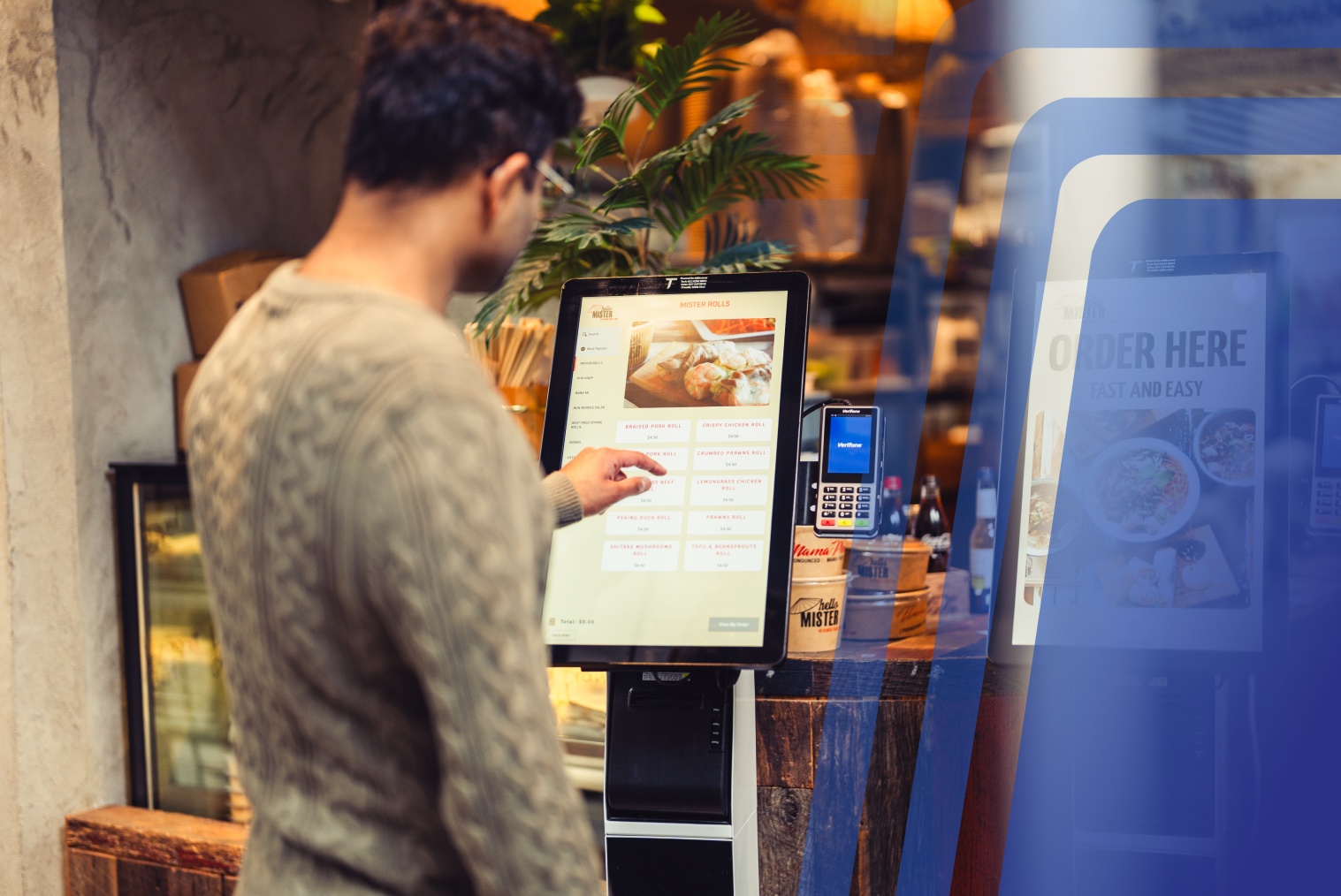
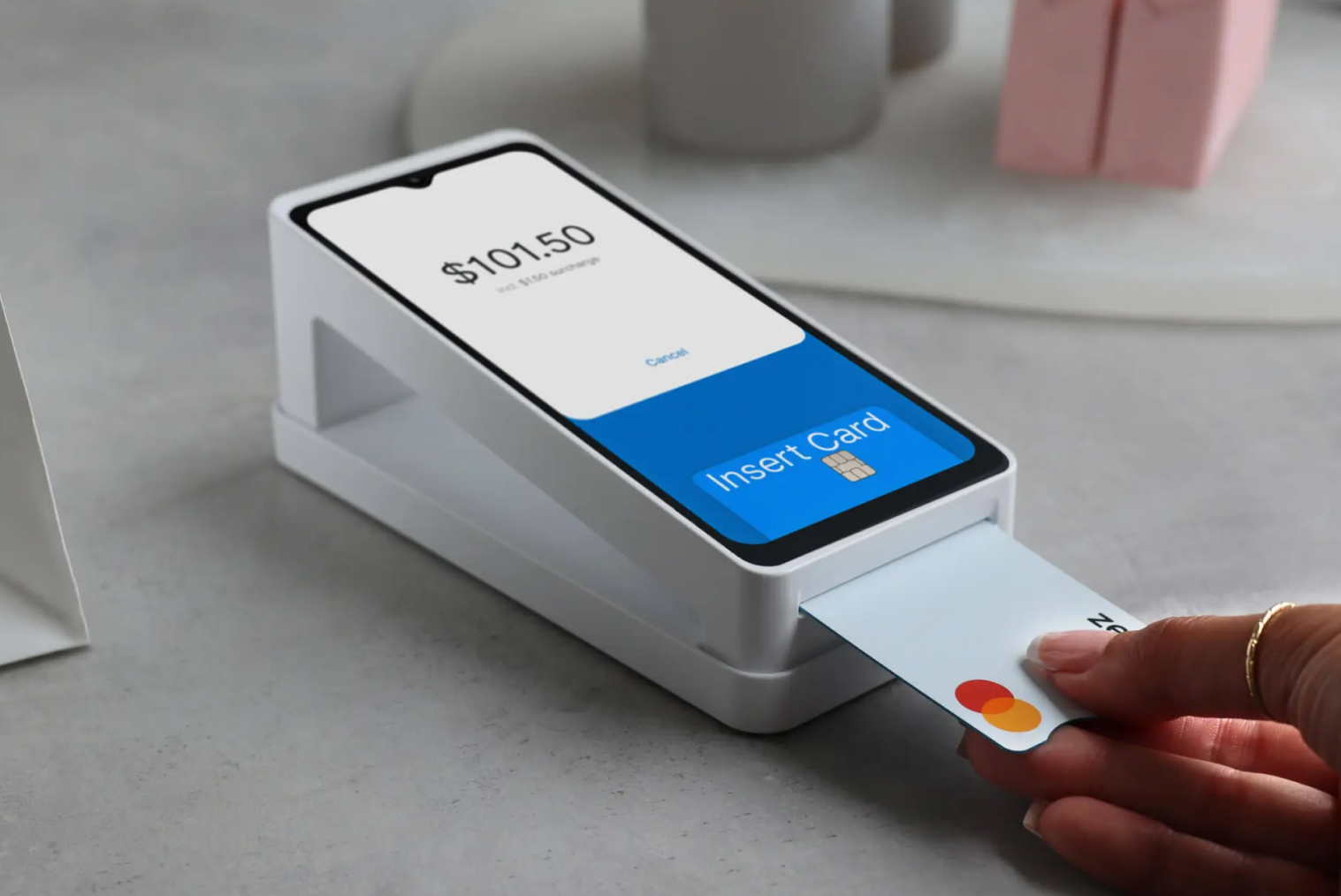
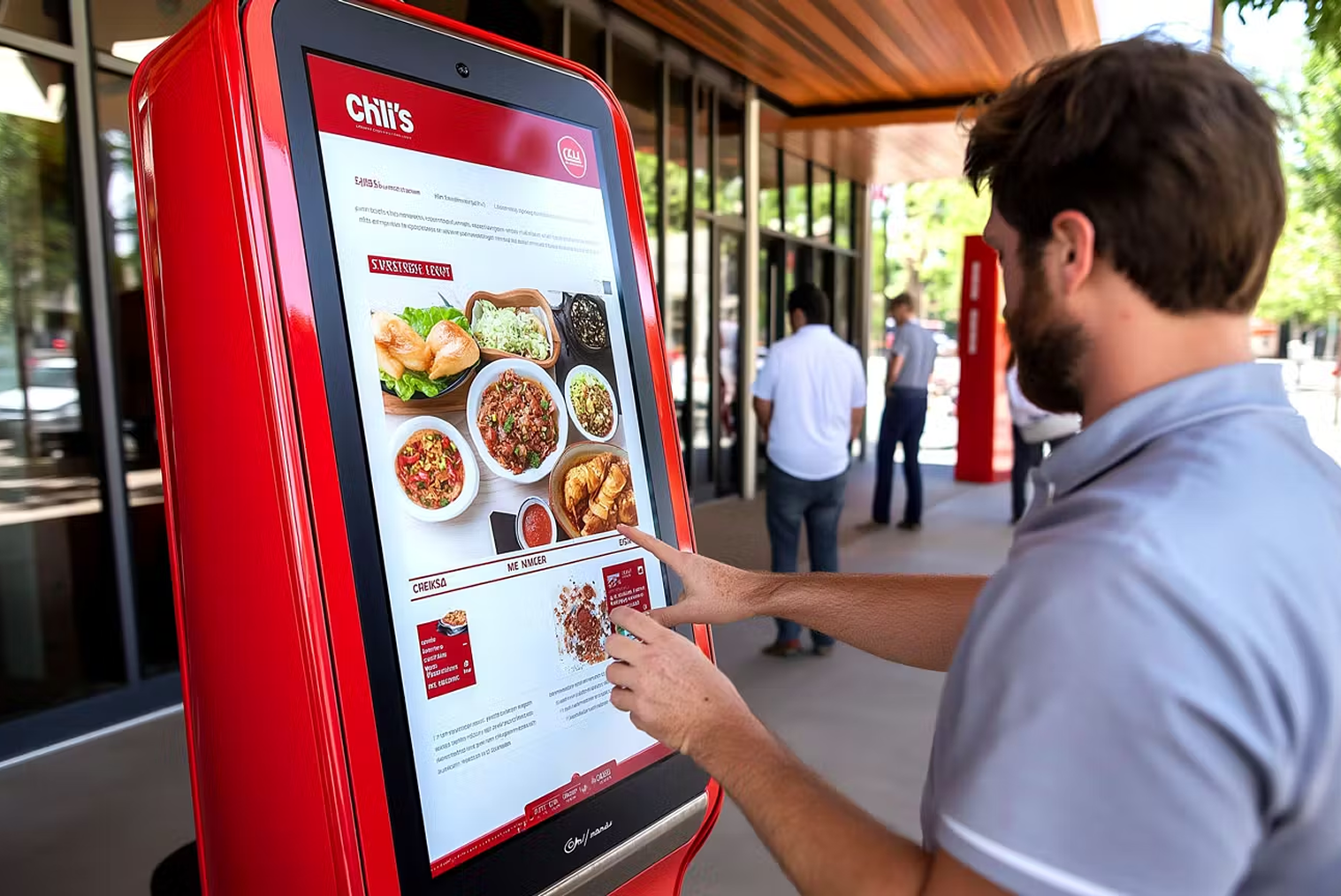
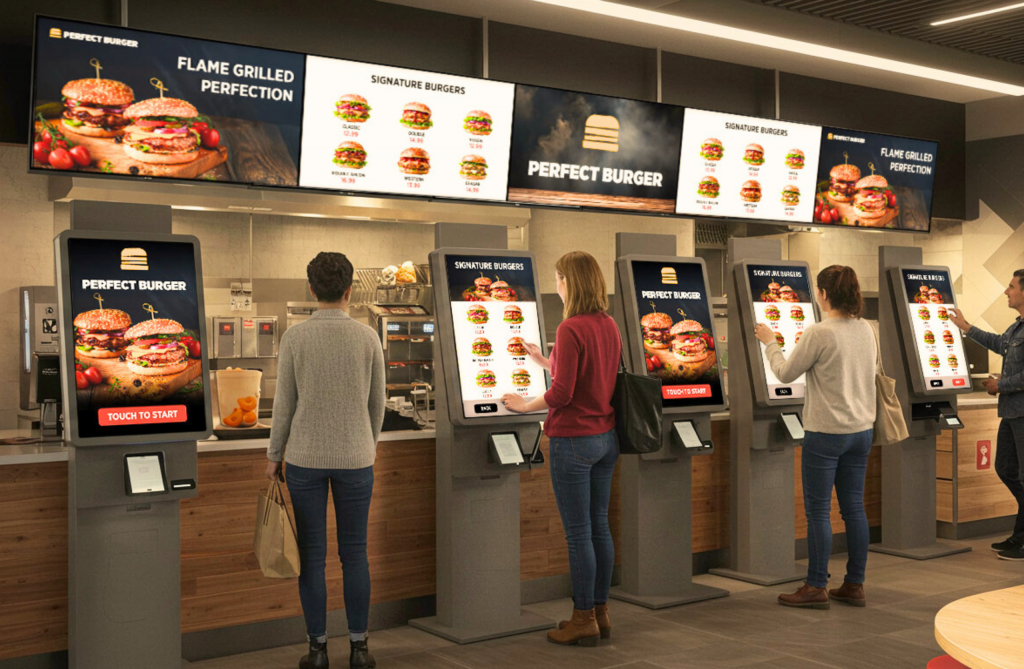
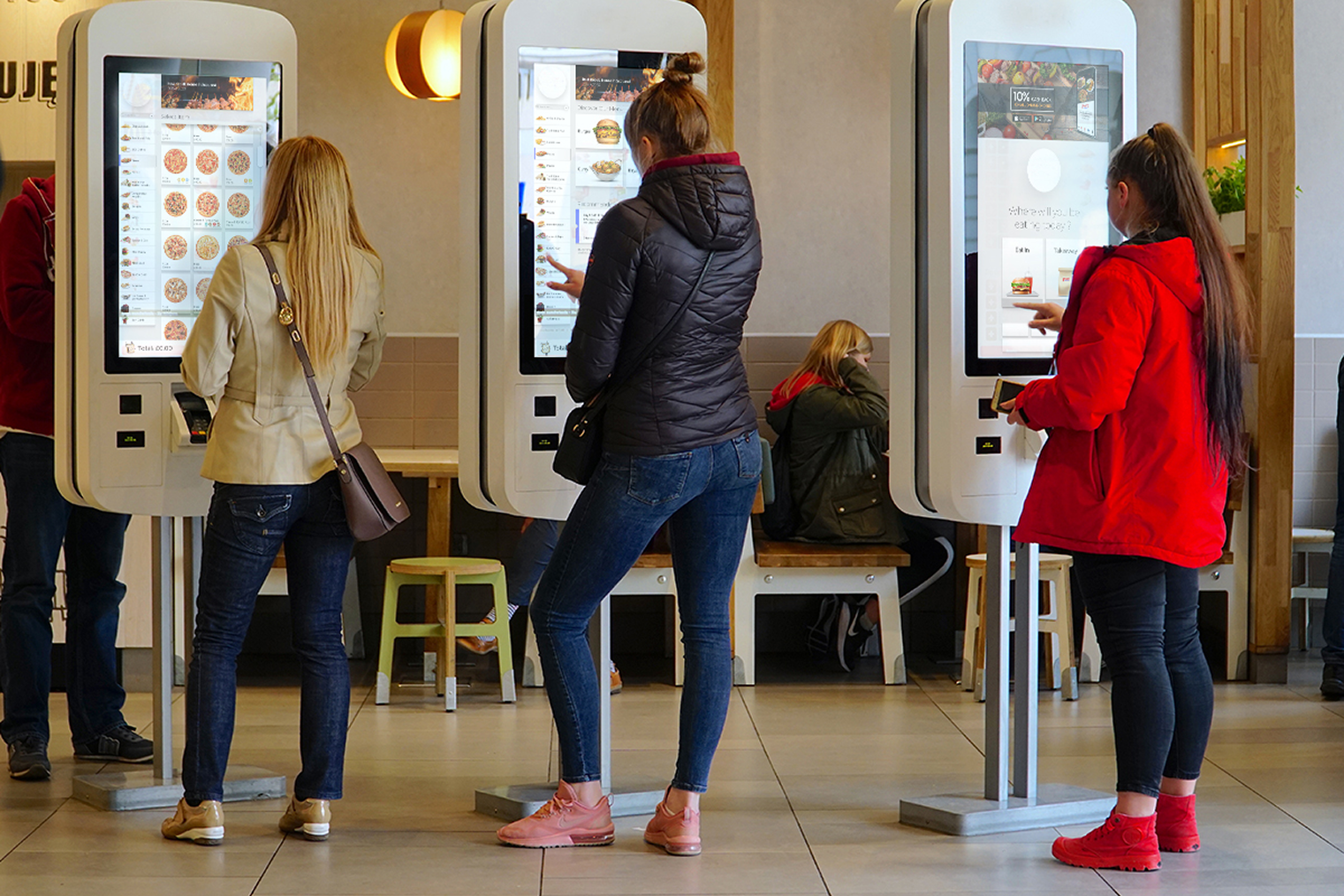
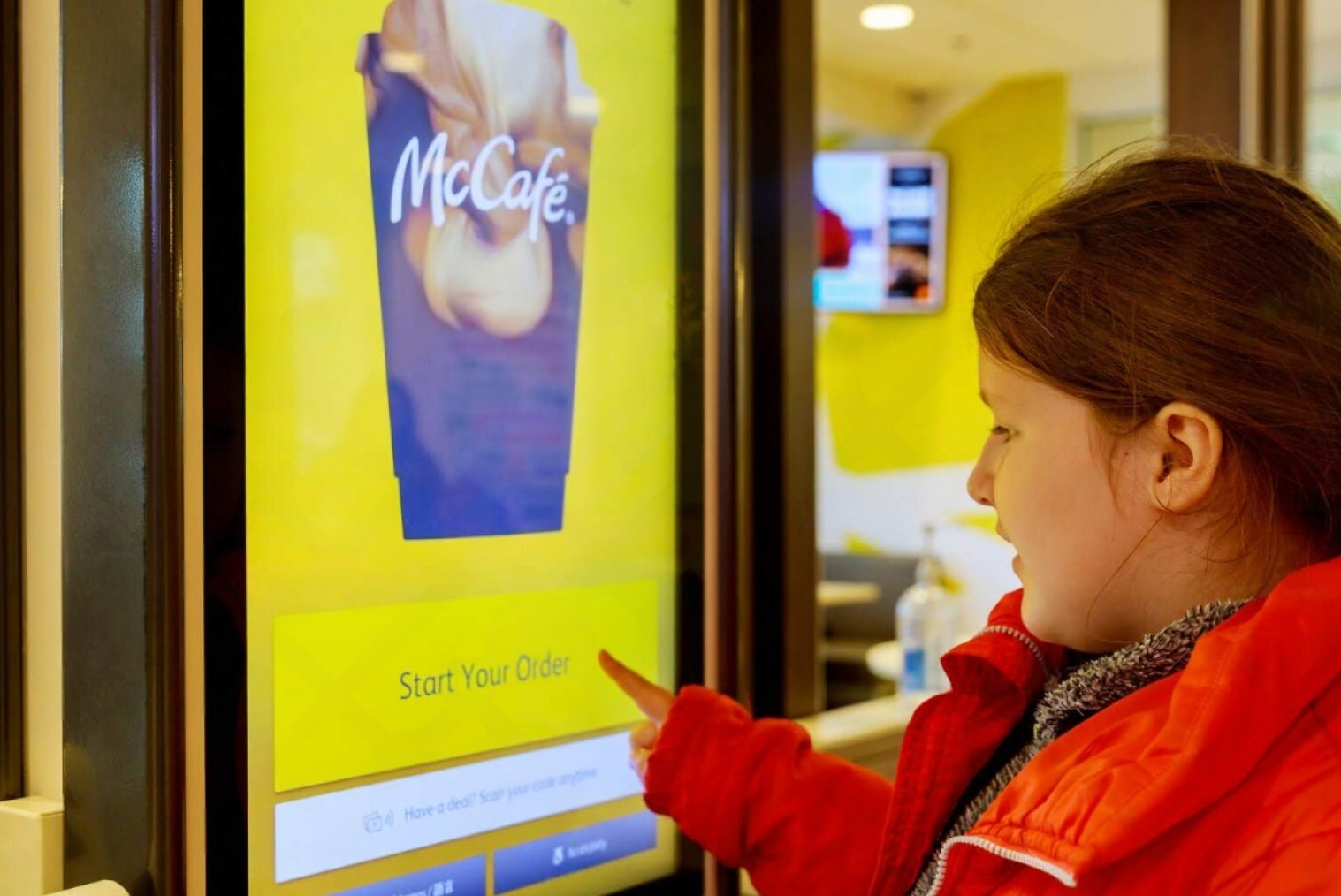
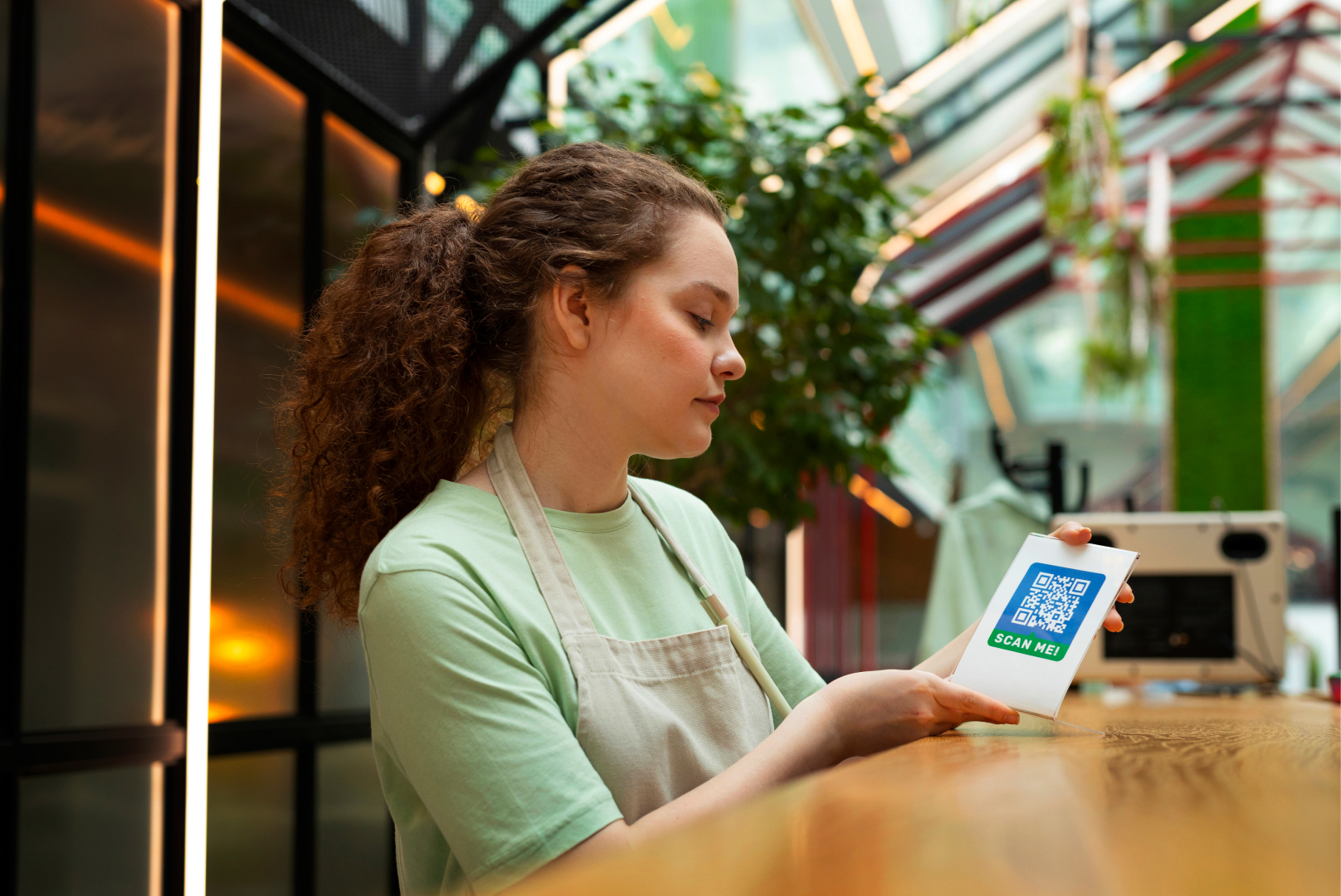
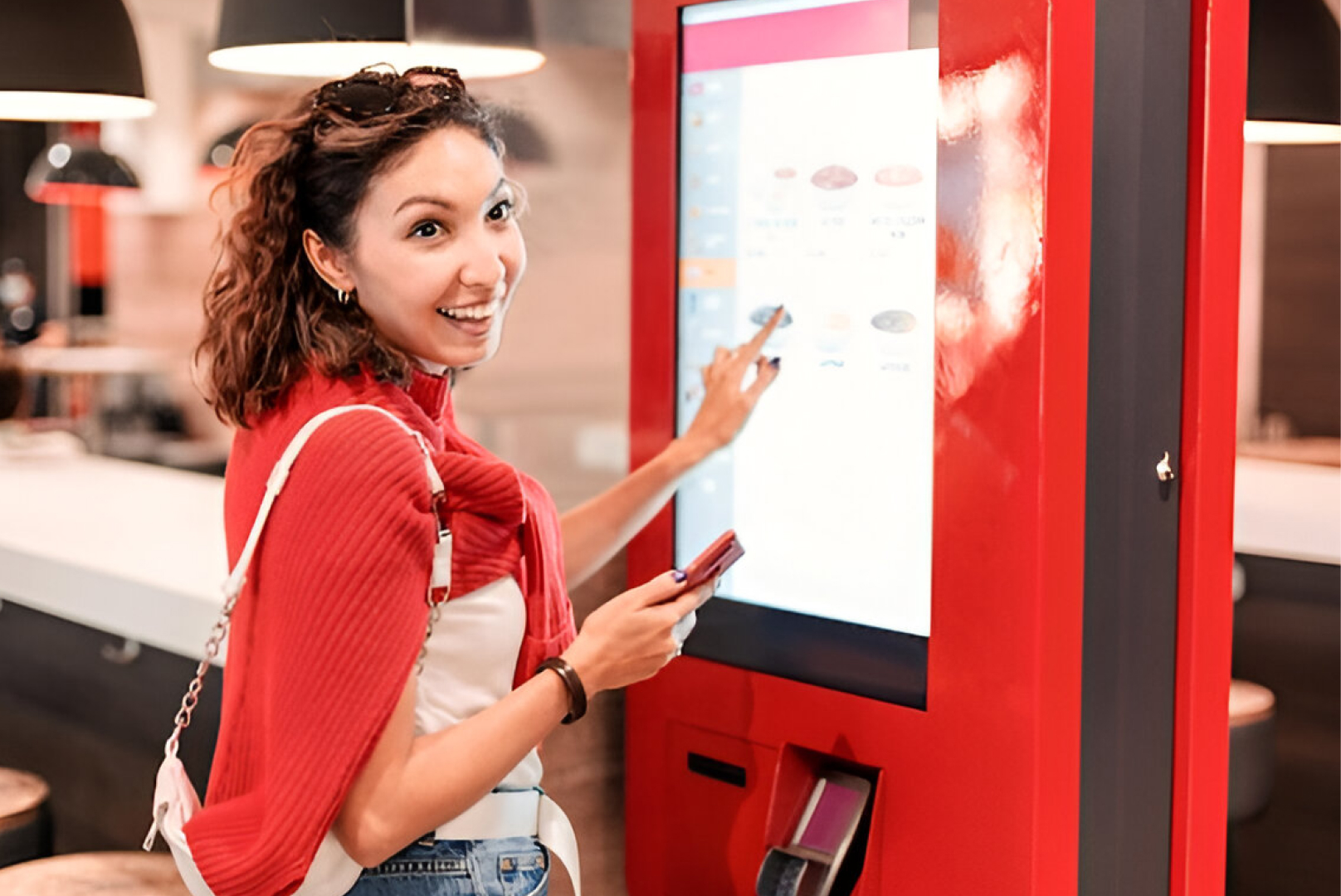
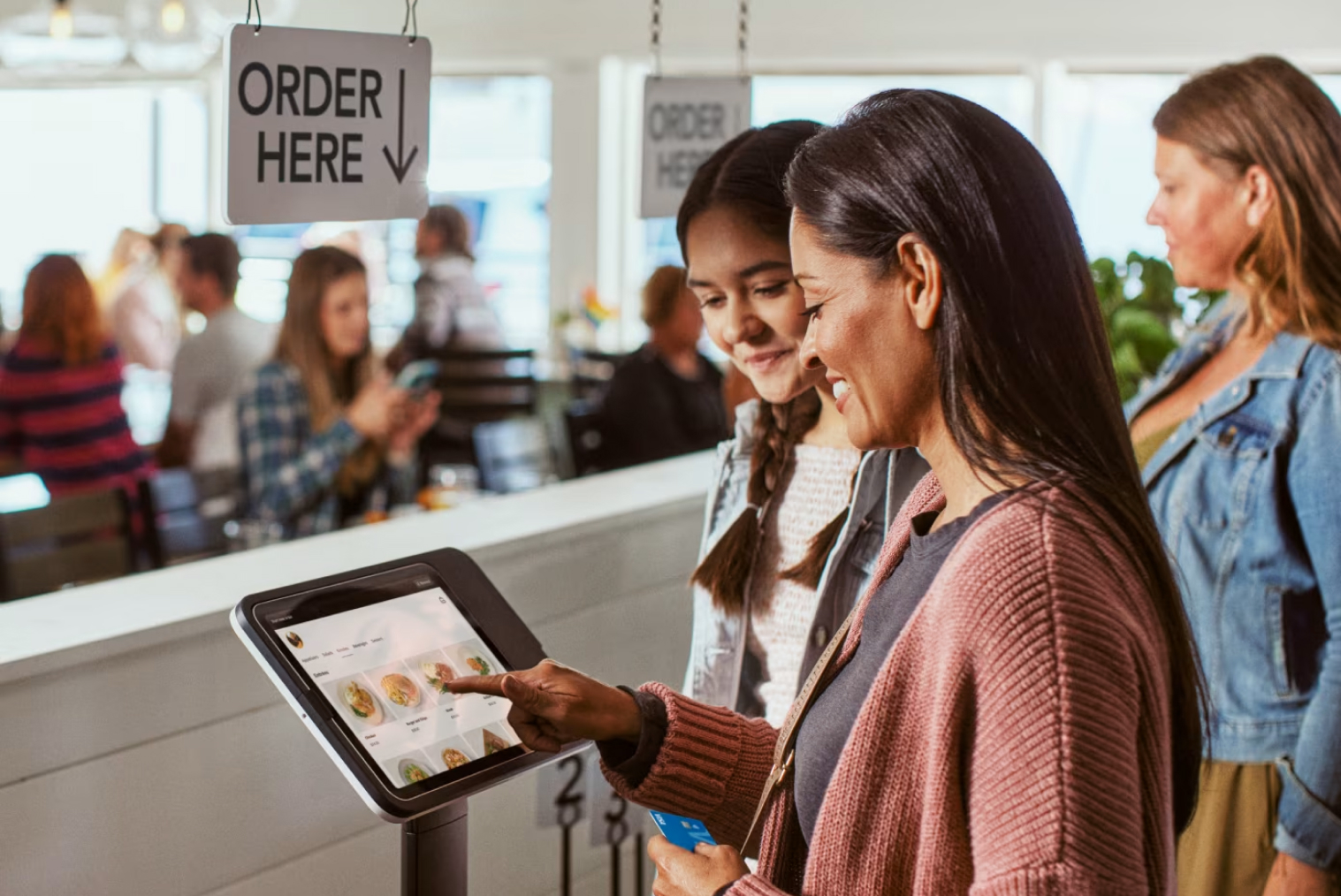
Self-service kiosks are located inside the restaurant and allow customers to browse the menu, customize their orders, and complete payments directly at a touchscreen terminal.
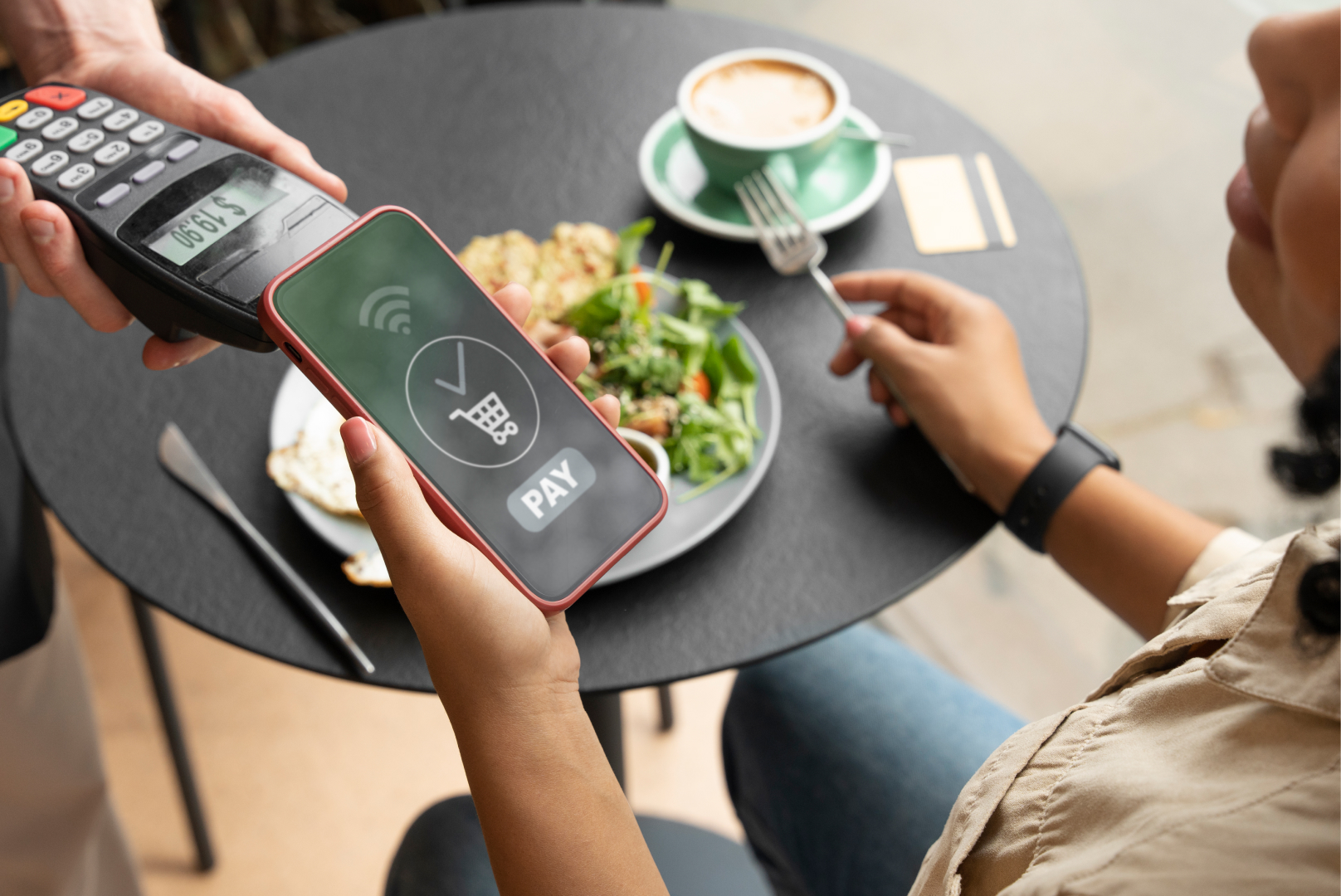
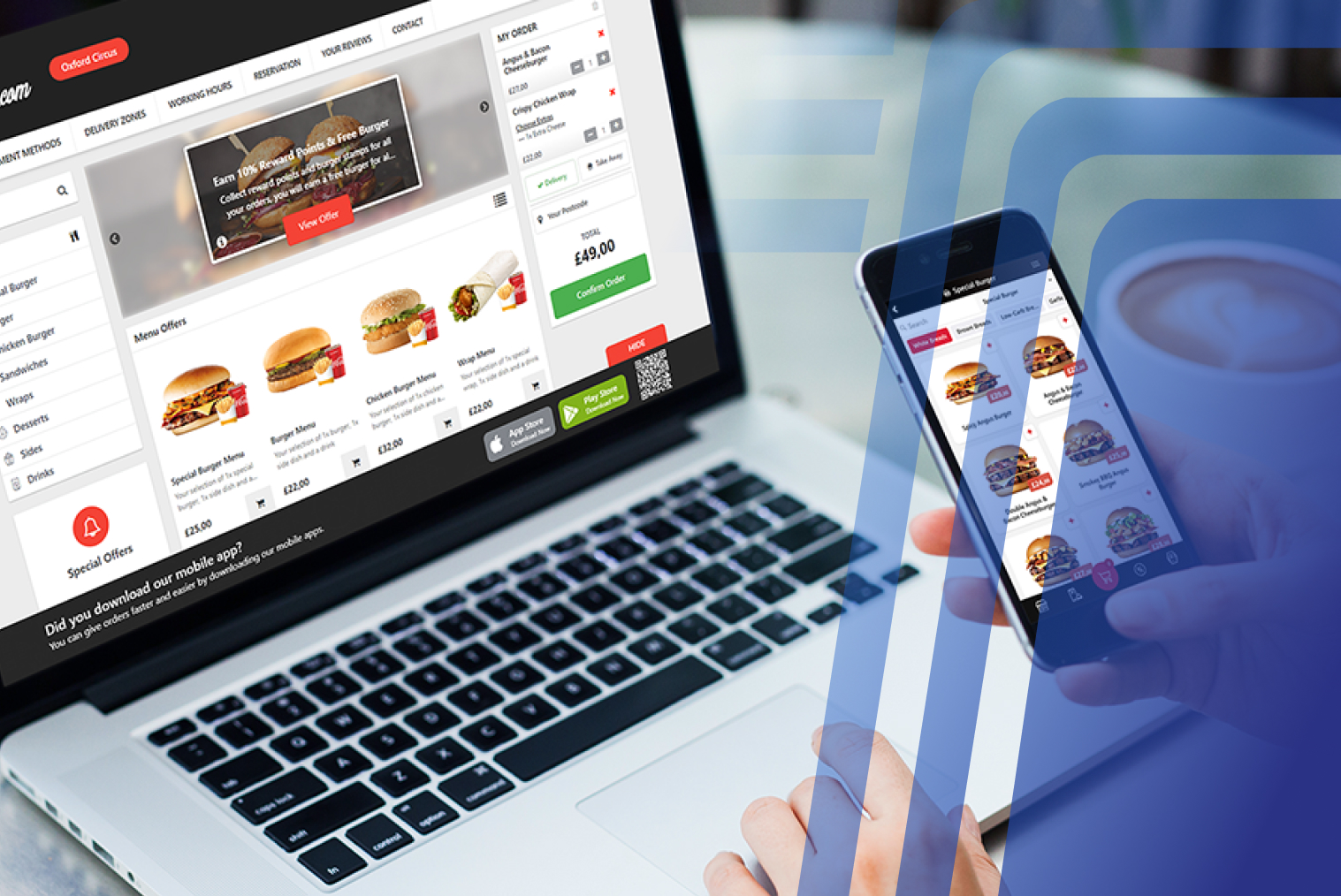
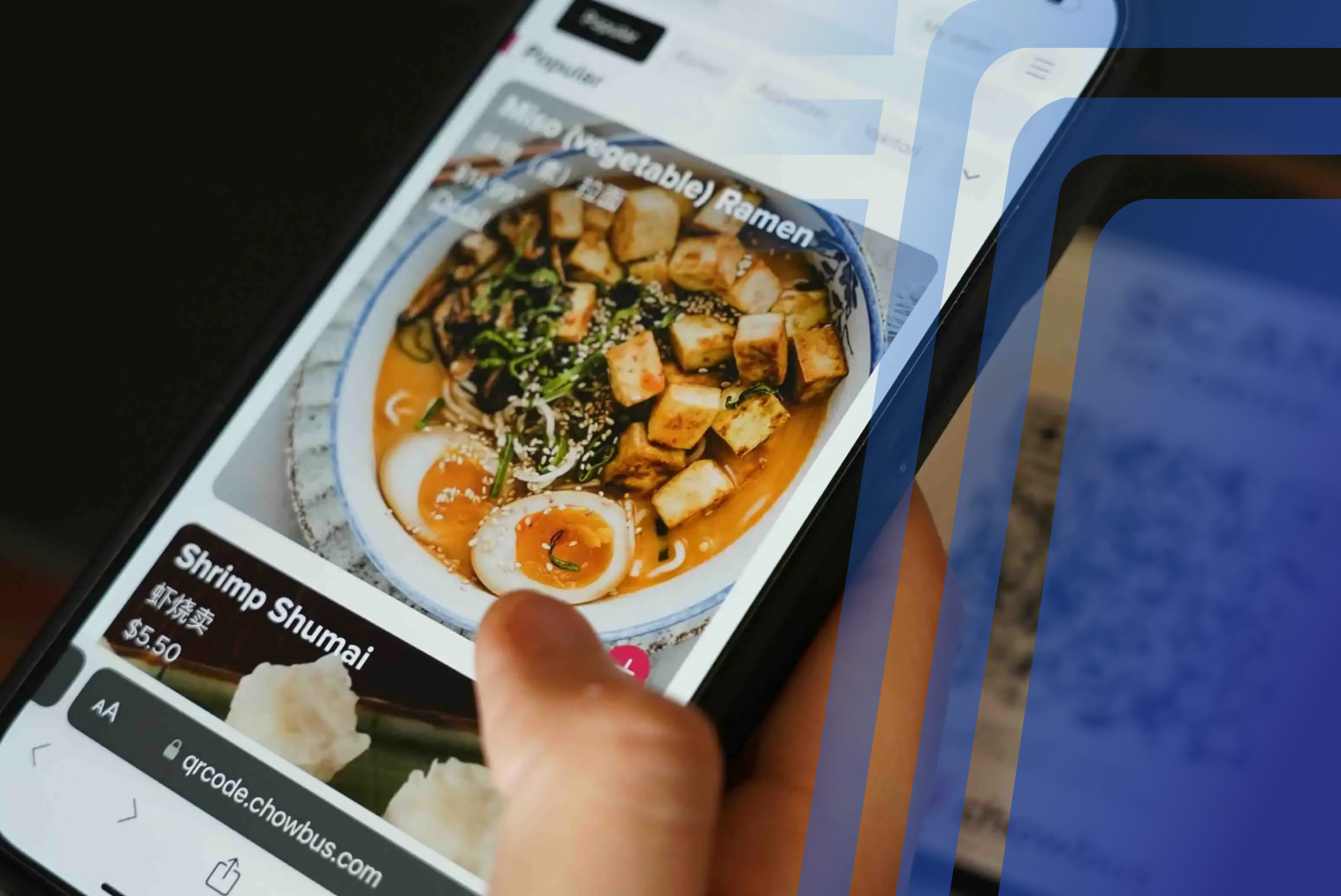
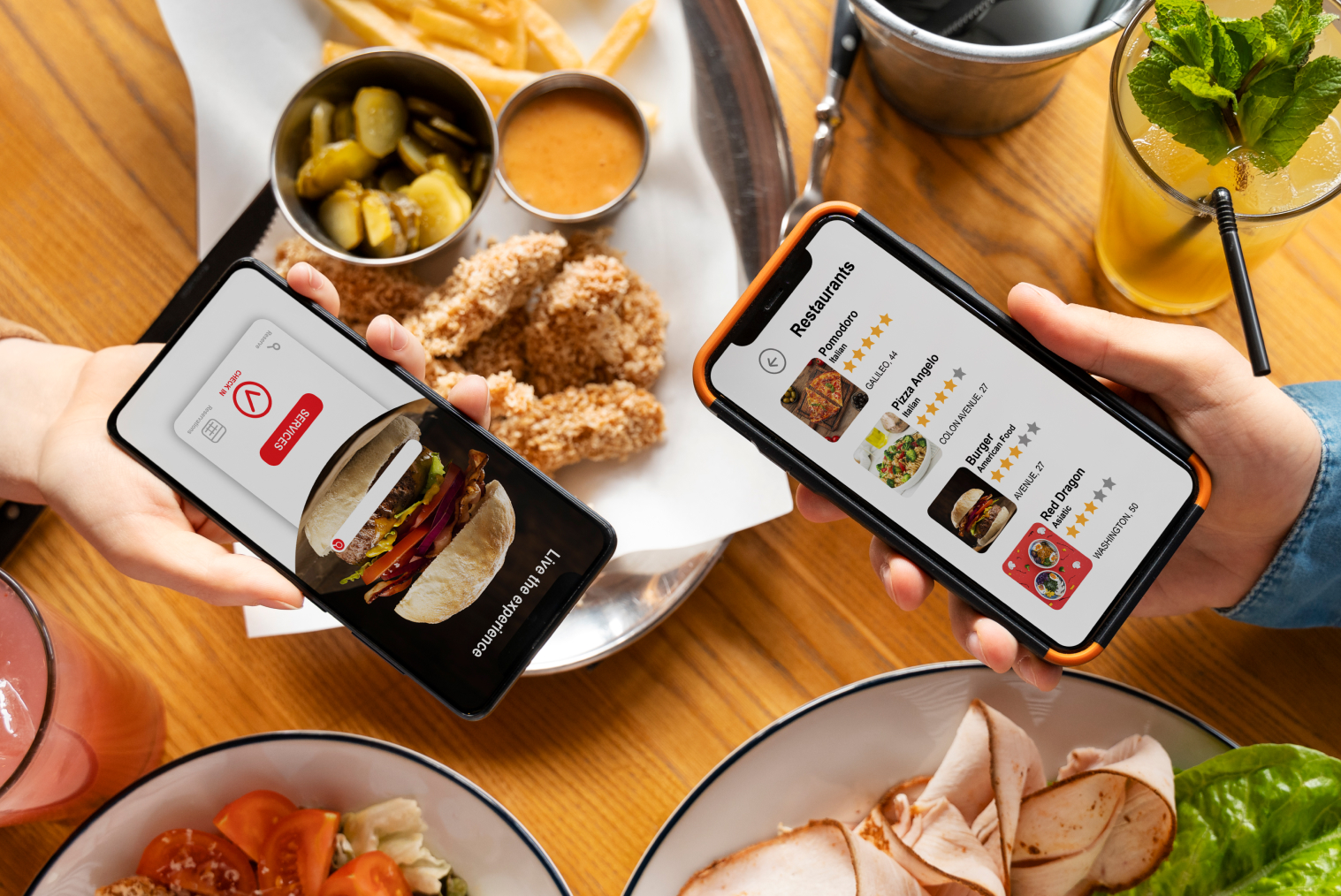
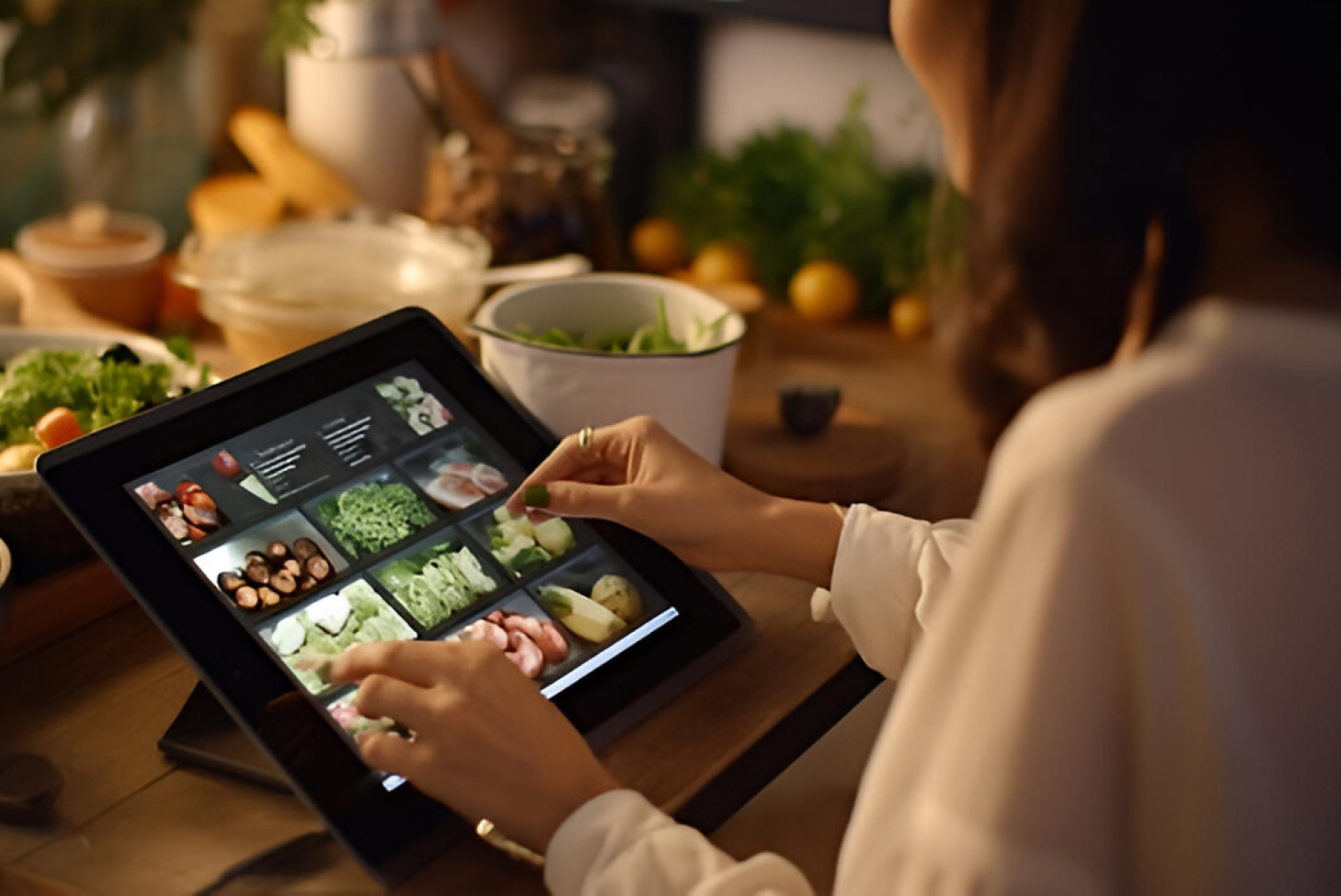
Online ordering systems, on the other hand, allow customers to place orders through a website or mobile device for pickup or delivery.
Digital ordering is growing rapidly worldwide. According to research from Statista, the global online food delivery market is expected to exceed $500 billion by 2030, reflecting the increasing demand for digital ordering solutions.
This growth highlights why restaurants are investing heavily in both kiosks and online ordering technologies.
Kiosk vs Online Ordering for Restaurants
While both systems offer digital ordering, they solve different operational challenges.
Self-Service Kiosks
Self-service kiosks are ideal for improving in-store ordering efficiency.
Restaurants that implement kiosks often experience shorter queues and higher order values. According to research from Tillster, orders placed through kiosks can be up to 30% higher in value compared to orders taken by staff.
Key advantages of kiosks include:
- Faster ordering during peak hours
- Reduced pressure on front-counter staff
- Automated upselling suggestions
- Improved order accuracy
Restaurants searching for reliable kiosk nz solutions often use kiosks to improve customer flow and operational efficiency.
Online Ordering Systems
Online ordering systems allow customers to place orders remotely using their smartphones or computers.
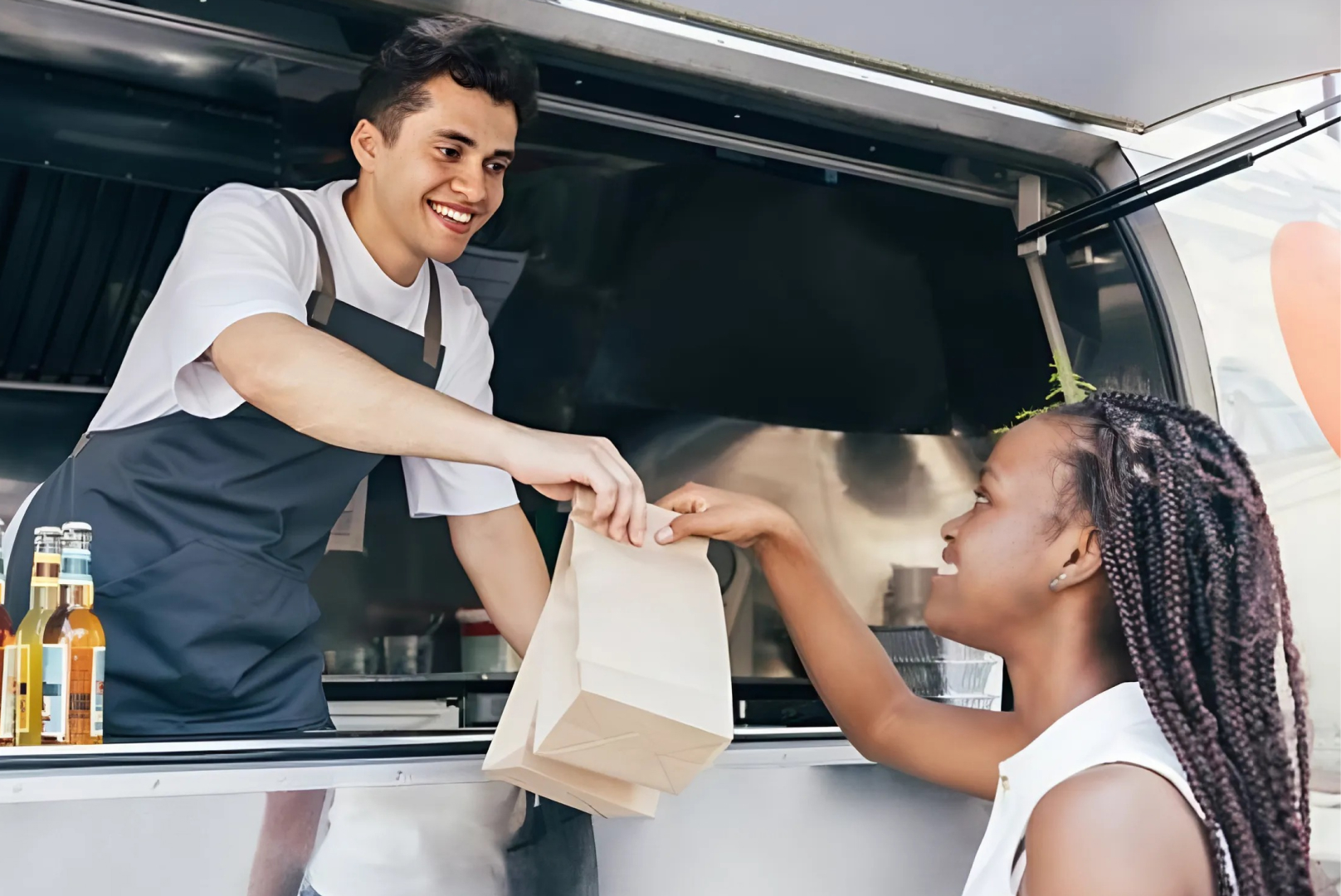
These platforms are particularly useful for takeaway and delivery services.
According to the National Restaurant Association, more than 60% of restaurant consumers order delivery or takeout at least once per week, highlighting the growing importance of digital ordering channels.
Key advantages of online ordering include:
- Convenience for customers
- Increased off-premise sales
- Ability to accept orders outside restaurant hours
- Access to a broader customer base
Many restaurants rely on online ordering for restaurants to capture demand from customers who prefer ordering from home or work.
The Limitations of Using Only One System
While kiosks and online ordering systems both provide significant benefits, relying on only one of them can limit a restaurant’s growth potential.
Kiosks Alone
Kiosks work well for in-store customers but cannot capture orders from customers who want to order remotely.
Without online ordering, restaurants may miss out on delivery and pickup opportunities.
Online Ordering Alone
Online ordering systems cannot solve issues related to long queues inside the restaurant.
If customers still need to wait in line to place orders in-store, operational inefficiencies may remain.
This is why many restaurants are now combining both solutions.
Why an Integrated Kiosk and Online Ordering System Works Best
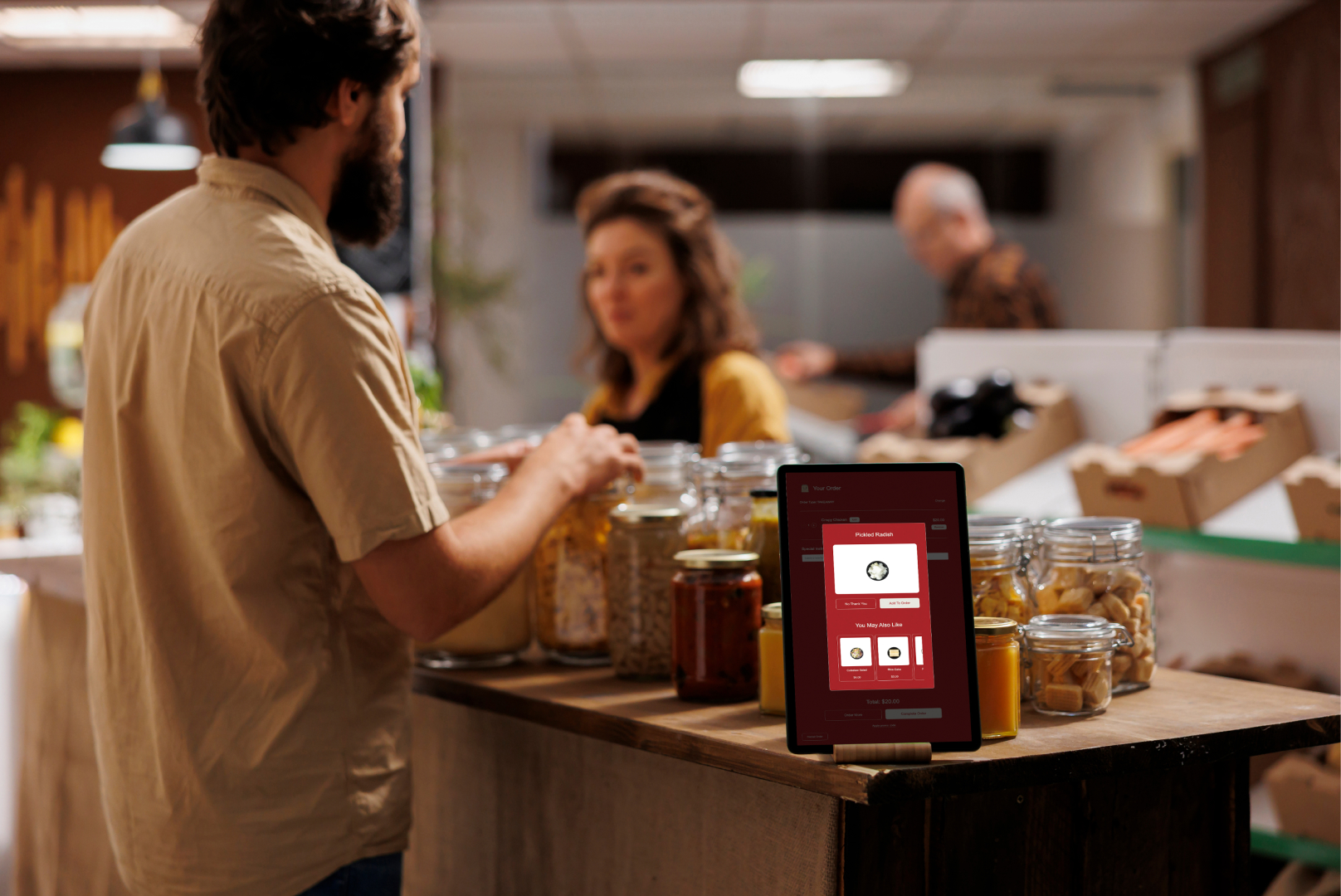
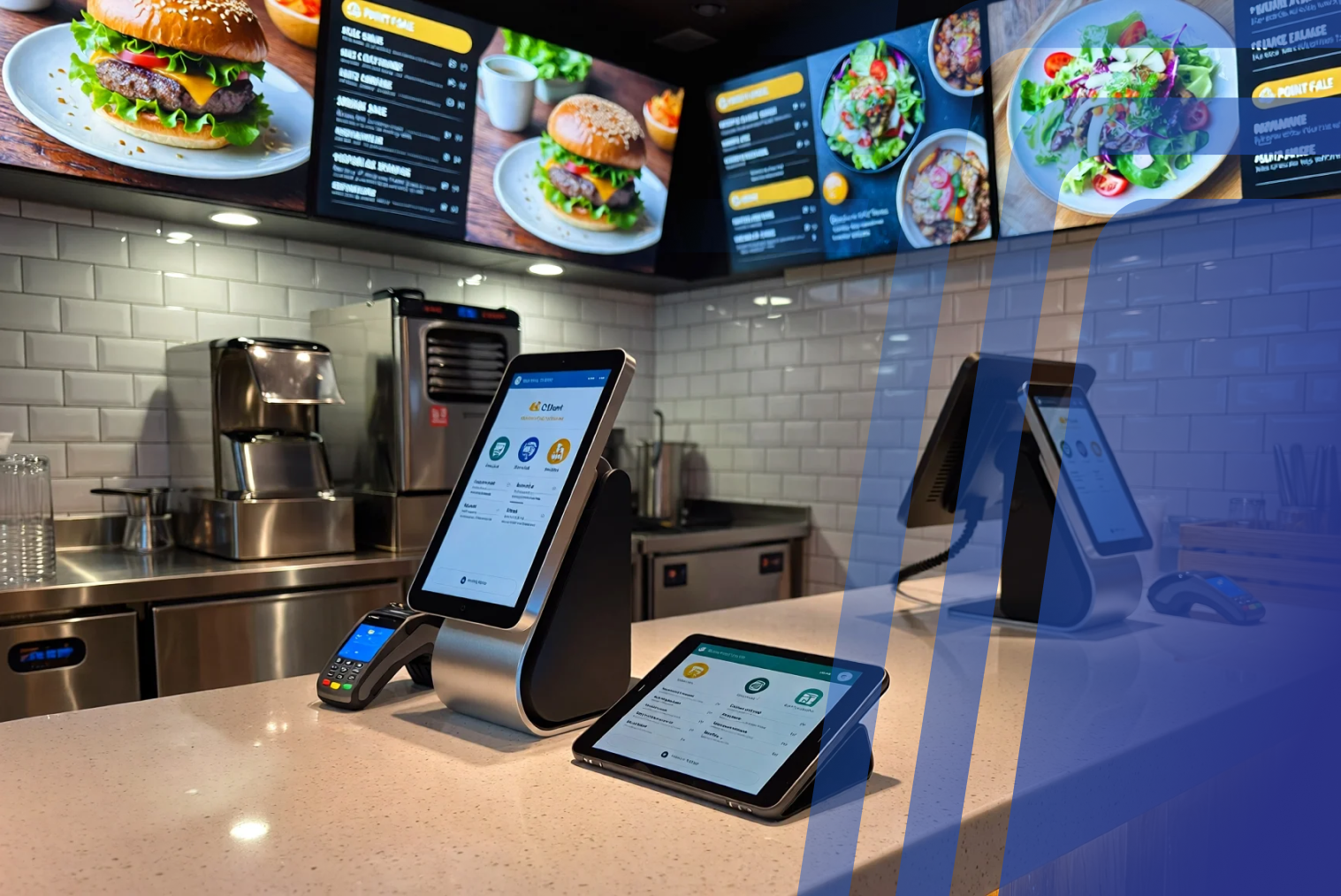
An integrated kiosk and online ordering system connects all ordering channels into one centralized platform.
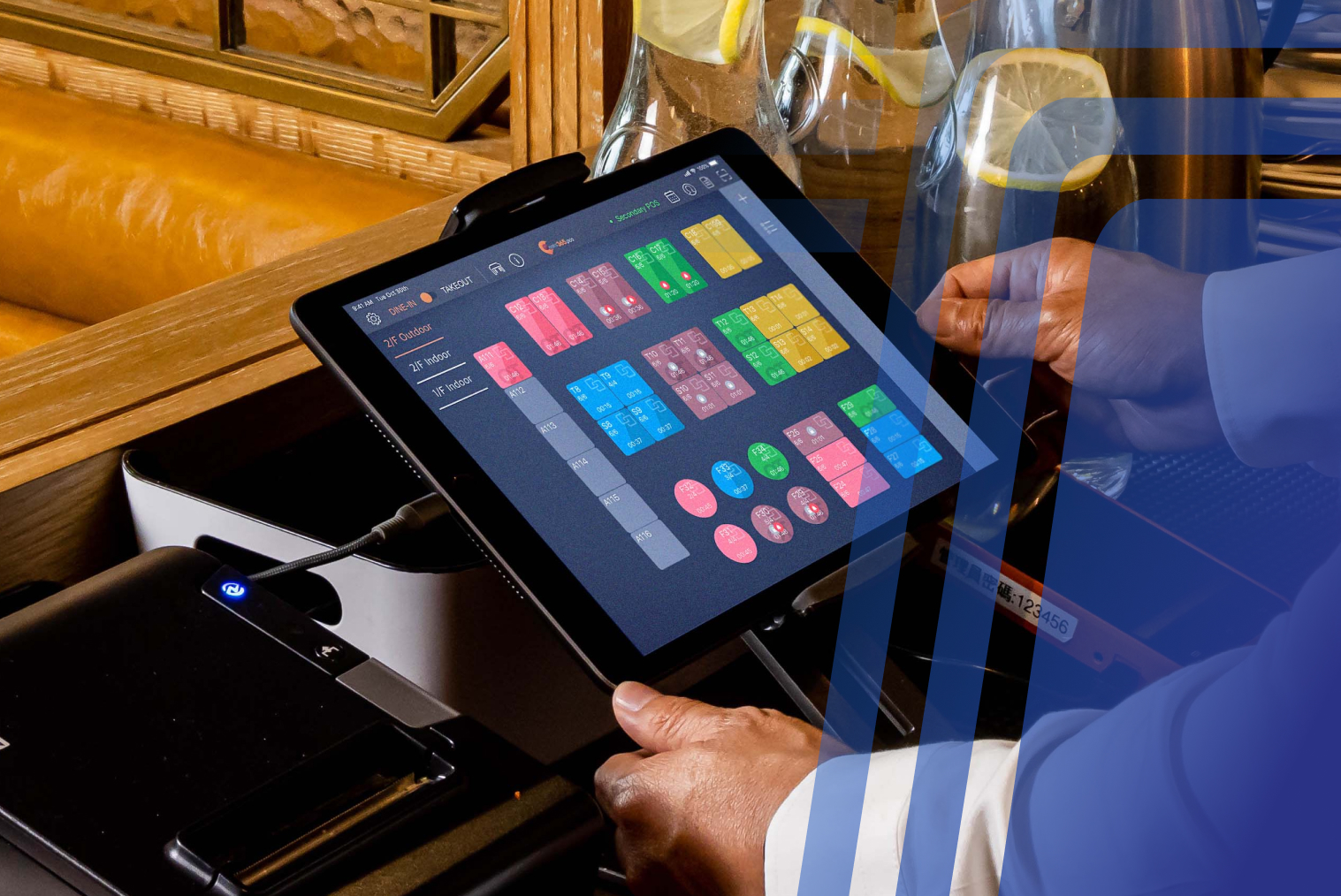
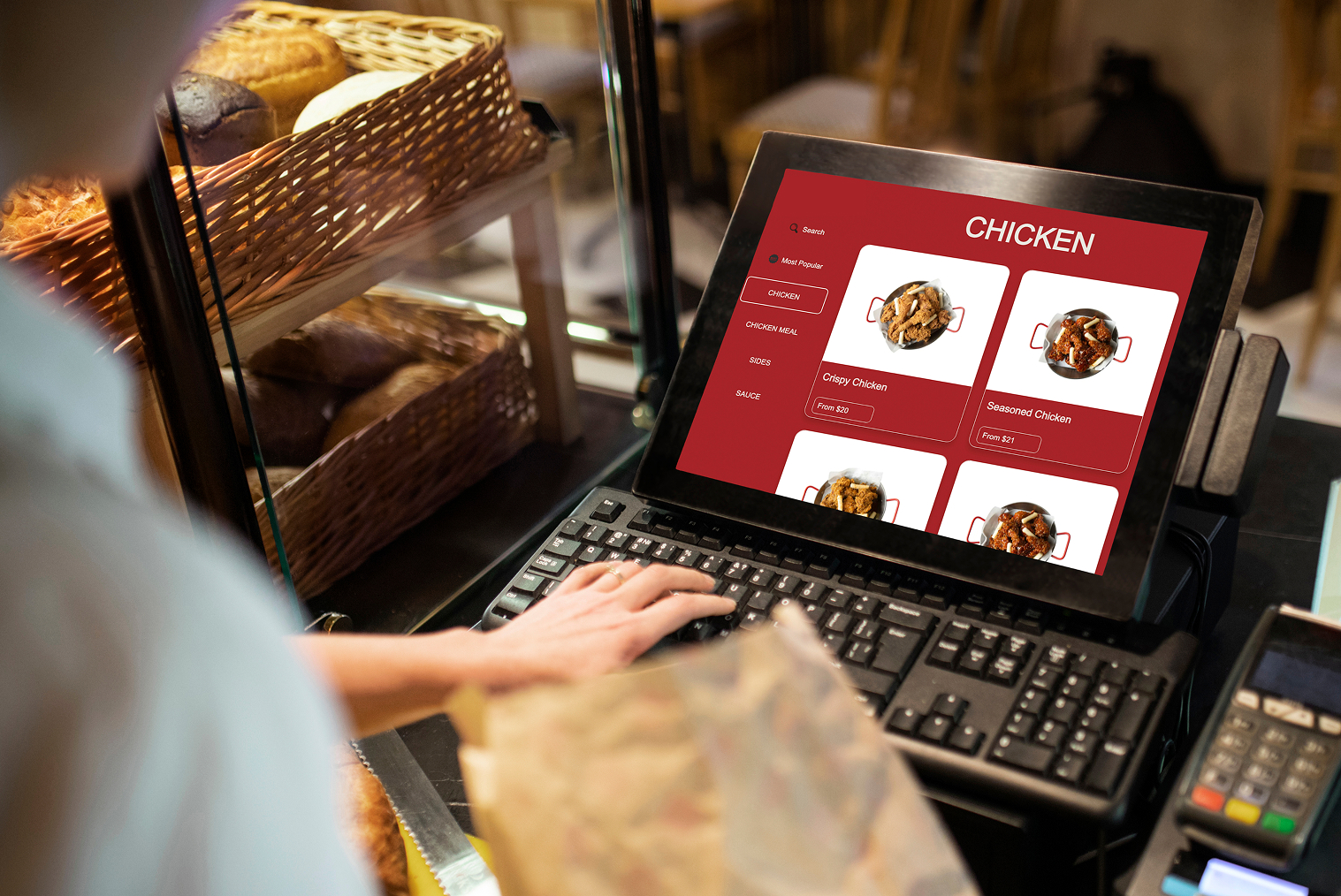
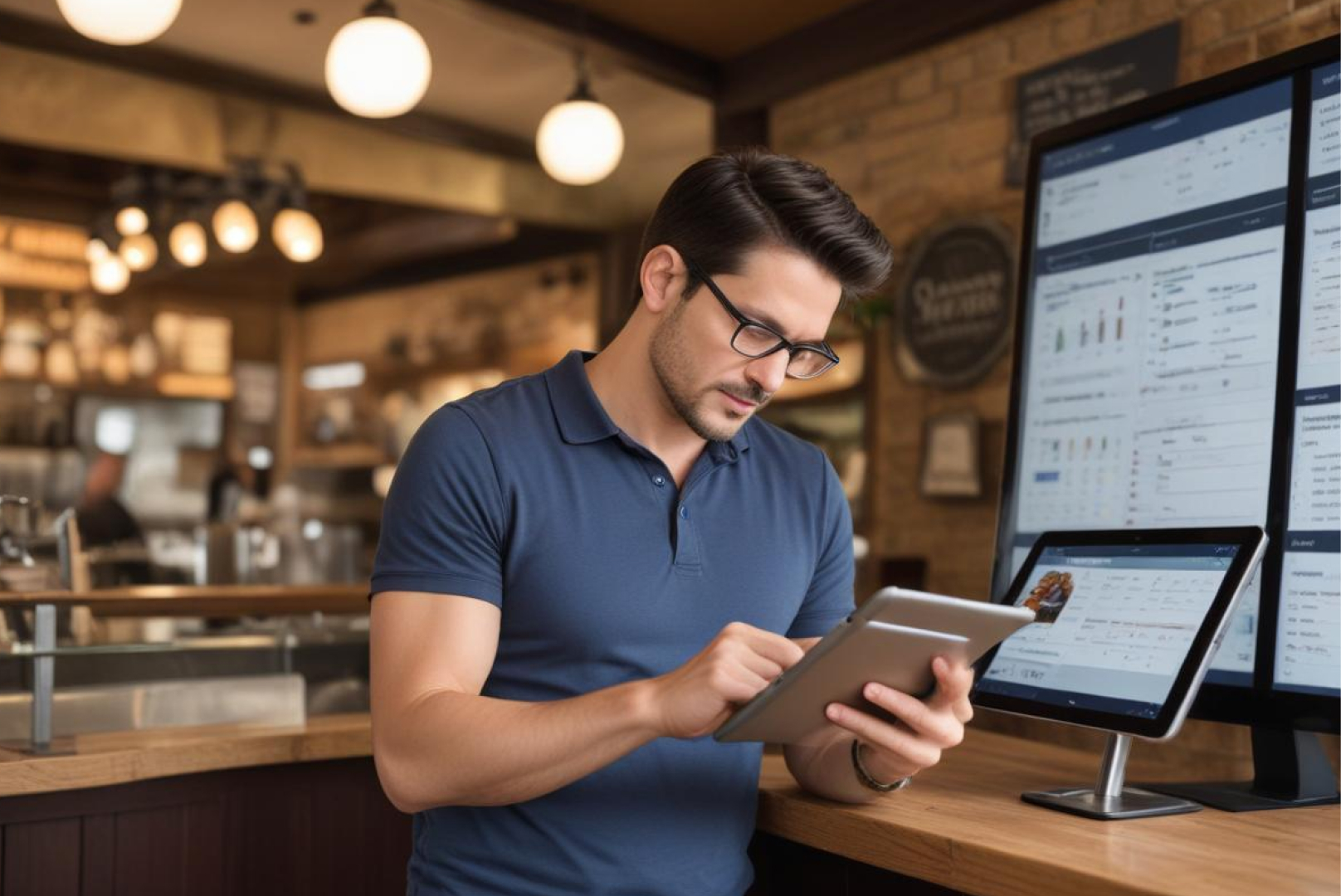
Instead of operating separate systems, restaurants manage kiosks, online orders, and POS systems through a unified dashboard.
This approach offers several key advantages.
Unified Menu Management
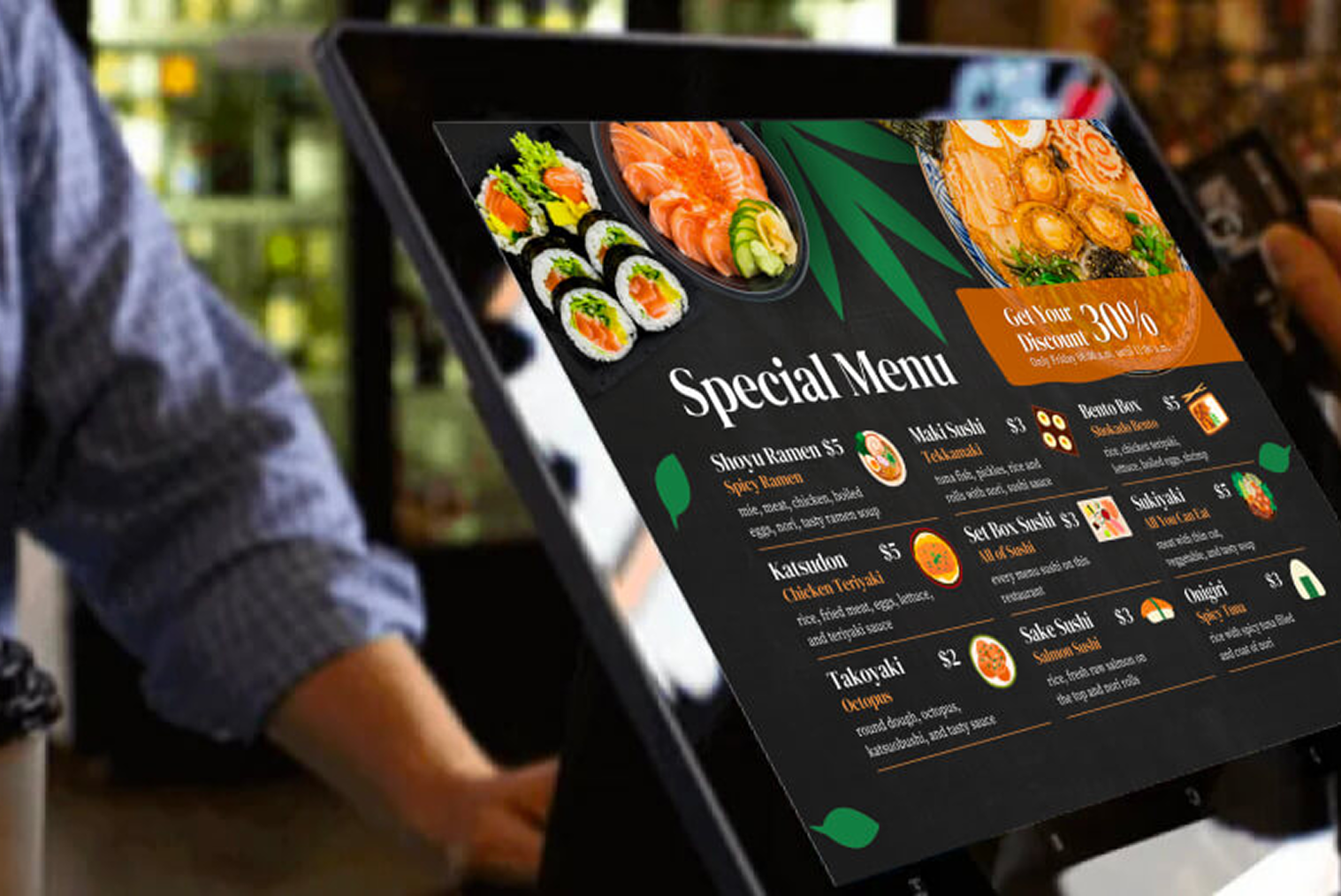
Menus, pricing, and promotions can be updated once and automatically synced across kiosks and online ordering platforms.
This ensures consistency across all customer touchpoints.
Centralised Order Management
Orders from kiosks, online platforms, and POS systems are processed through one system.
This simplifies operations and reduces the chances of missed orders.
Better Customer Experience
Customers can choose how they prefer to order:
- In-store through kiosks
- Online for pickup
- Online for delivery
Providing multiple ordering options improves customer satisfaction.
Reduced Order Errors
When all orders flow through a single system, restaurants reduce manual input and communication errors.
This improves order accuracy and kitchen efficiency.
Real-World Example of Integrated Ordering
Many global restaurant brands have already adopted integrated ordering ecosystems.
For example, McDonald’s combines self-service kiosks, mobile ordering apps, and digital drive-thru systems to create a seamless ordering experience for customers.
This multi-channel ordering strategy helps the brand manage large customer volumes while maintaining efficient operations.
This example highlights how combining digital ordering tools can significantly improve restaurant performance.
Choosing the Right System for Your Restaurant
When selecting a kiosk and online ordering system, restaurant owners should consider several factors.
Integration with POS
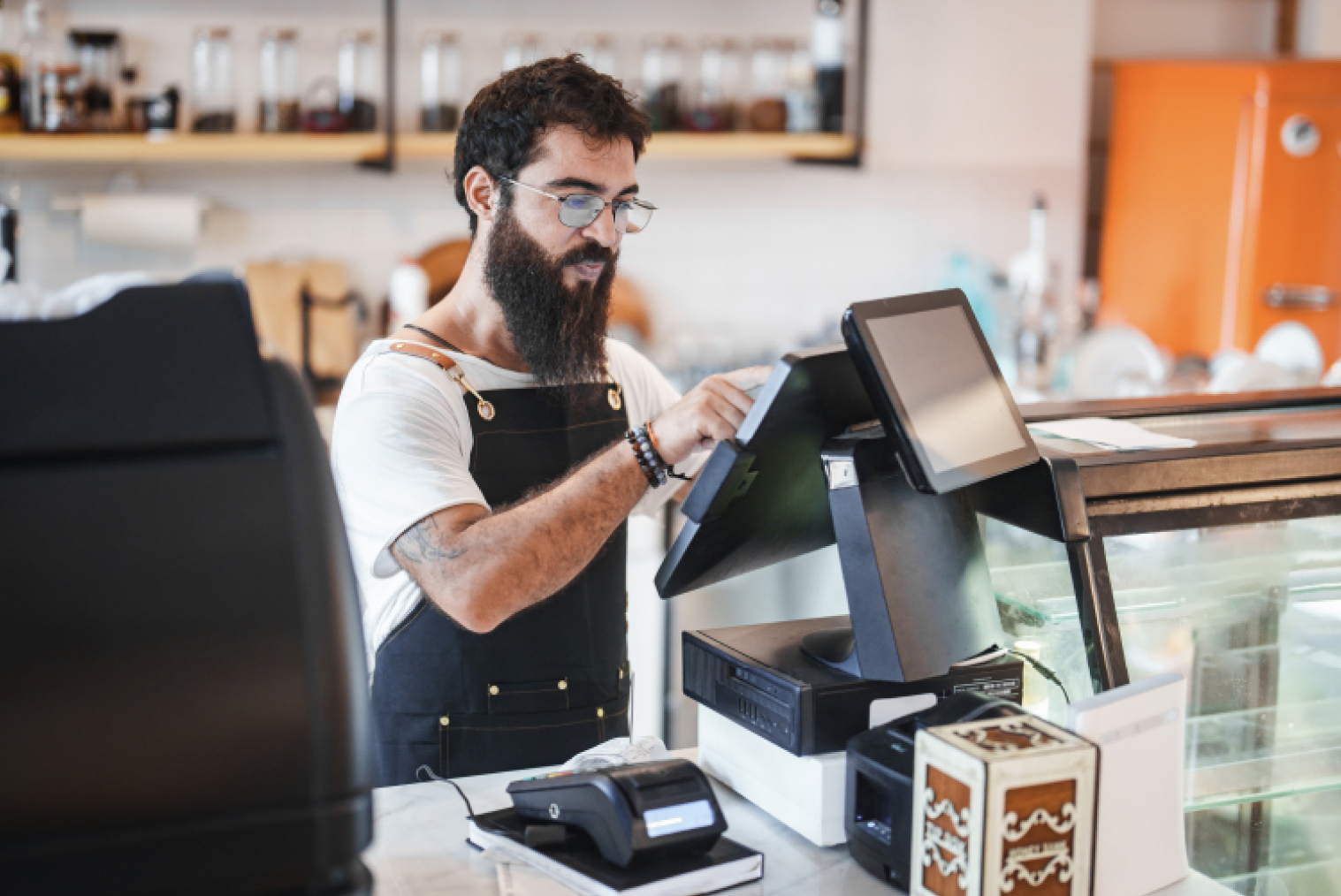
A strong system should integrate seamlessly with your POS system so that all orders flow directly to the kitchen.
Ease of Use
The interface should be simple for customers to navigate, whether they are ordering from a kiosk or online.
Scalability
Restaurants planning to expand should choose a system that can easily support additional locations and higher order volumes.
Centralized Reporting
An integrated platform should provide analytics and reporting for all ordering channels in one place.
These insights help restaurant owners track sales trends and optimize their operations.
Conclusion: The Future of Restaurant Ordering Is Integrated
The debate between kiosk vs online ordering for restaurants often overlooks the fact that these technologies serve different purposes.
Kiosks improve the in-store ordering experience, while online ordering systems capture remote orders and expand a restaurant’s customer reach.
Instead of choosing one over the other, restaurants achieve the best results when they implement an integrated kiosk and online ordering system.
By combining self ordering kiosk and online ordering technologies into a unified platform, restaurants can streamline operations, increase revenue, and provide customers with the flexibility they expect in today’s digital dining environment.
Frequently Asked Questions (FAQs)
Q1: Can a restaurant operate successfully with only online ordering or only kiosks?
Yes, but it may limit growth. Online ordering helps capture remote orders, while kiosks improve in-store efficiency. Restaurants that combine both systems typically achieve better operational performance.
Q2: Is an integrated kiosk and online ordering system expensive?
While there is an upfront investment, integrated systems often reduce operational costs by improving efficiency, increasing order value, and minimizing staffing pressure.
Q3: Does integrating kiosk and online ordering reduce order errors?
Yes. When orders from all channels are processed through a centralized system, manual entry is reduced, which significantly lowers the chances of order mistakes.
Q4: Do I need separate systems for kiosk and online ordering?
Not necessarily. Many modern restaurant technology providers offer integrated kiosk and online ordering systems that manage both channels through a single platform.


.webp)











.png)















.webp)


