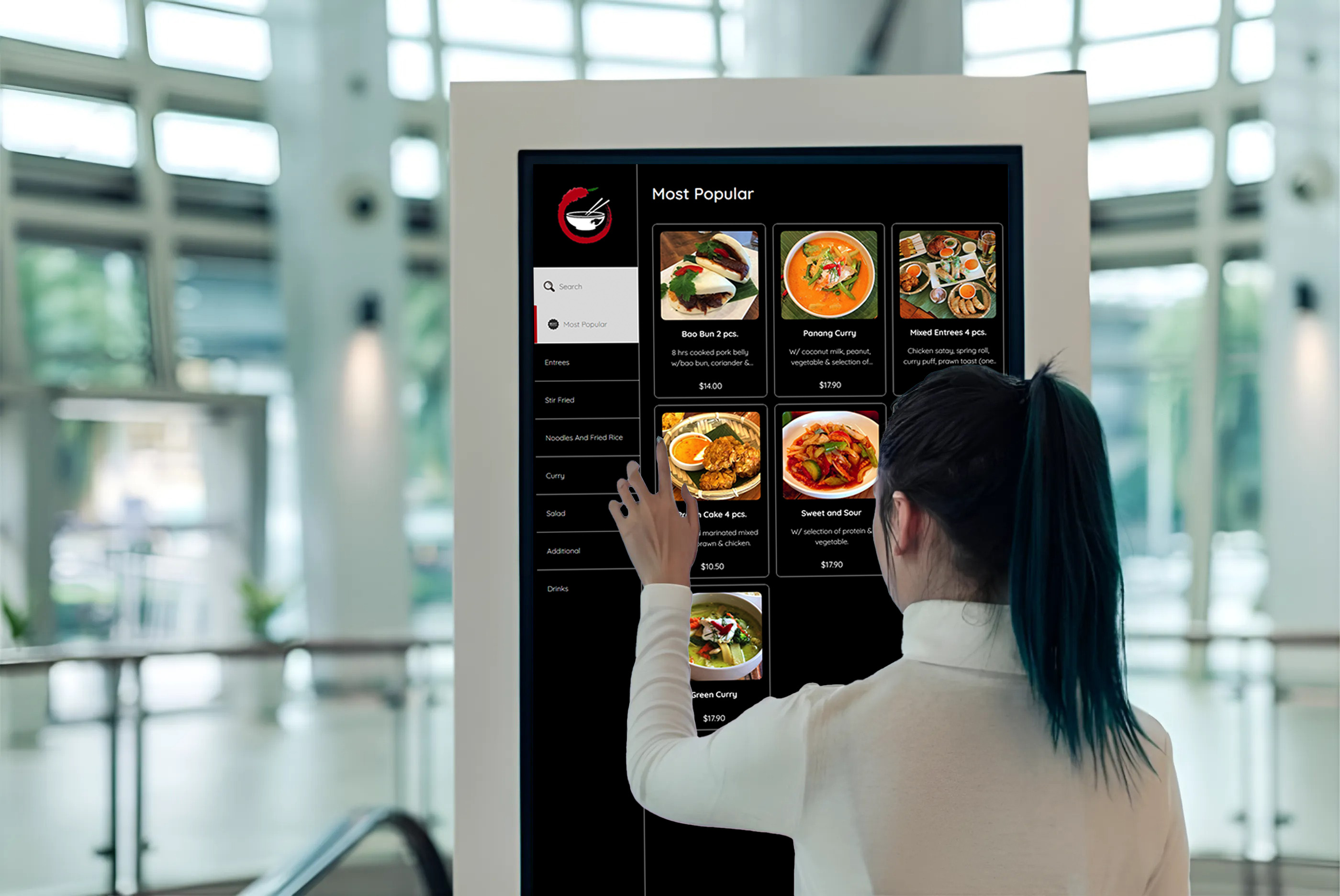
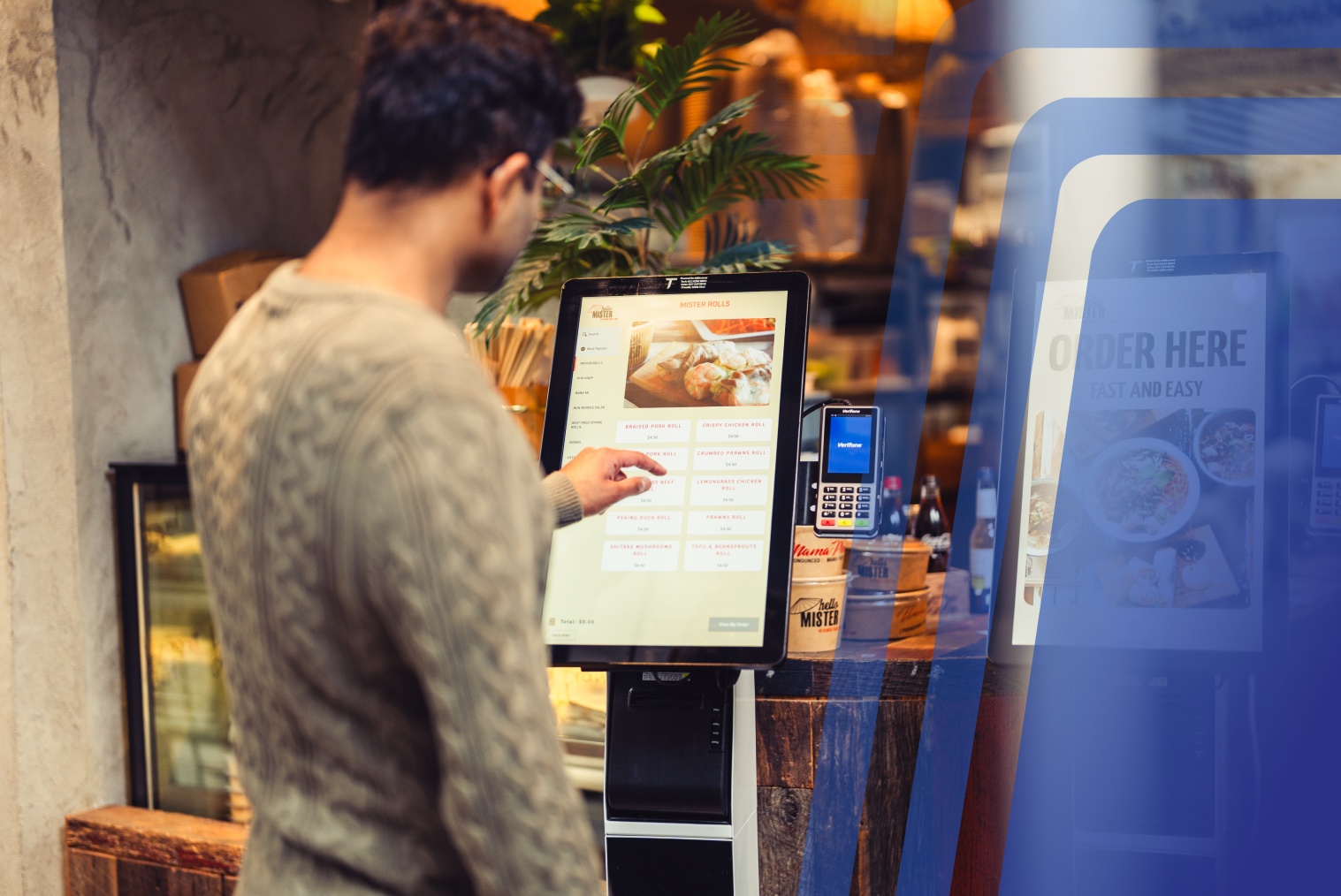
Every time we go to a restaurant, all we look forward to is a table full of meals to happily dig into. Waiting for the food to arrive is probably the part we want to skip quickly. However, with the recent introduction of self-service kiosks in a large number of restaurants, ordering woes are practically over. A self-service kiosk machine is a technological boon for the eatery business. With these machines, customers can independently browse the menu, decide on their order, and make contactless payments in just a few clicks. This helps to create a seamless and independent dining experience, boosting the reputation of the eatery.
What Is a Self-Service Kiosk Machine in Restaurants?
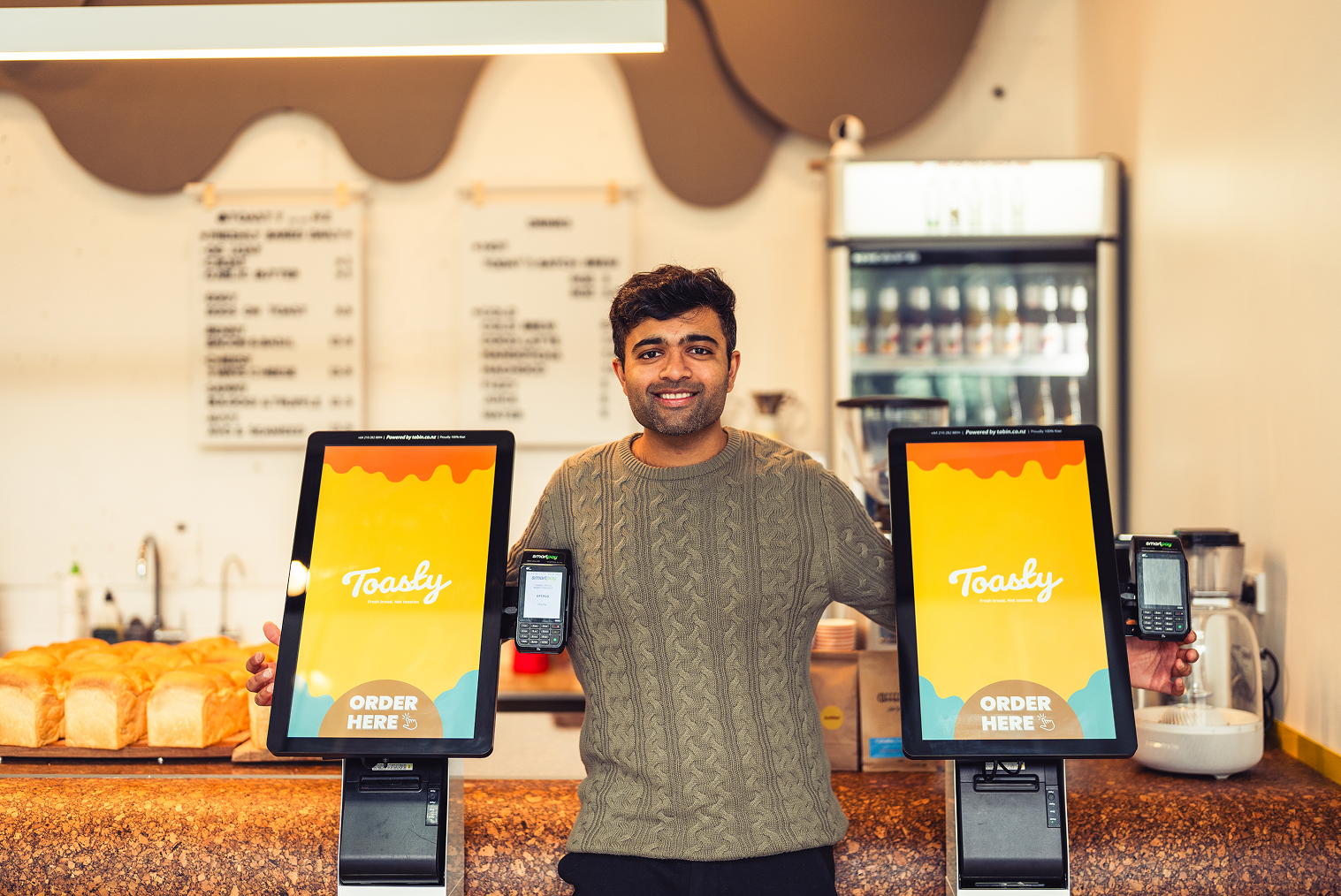
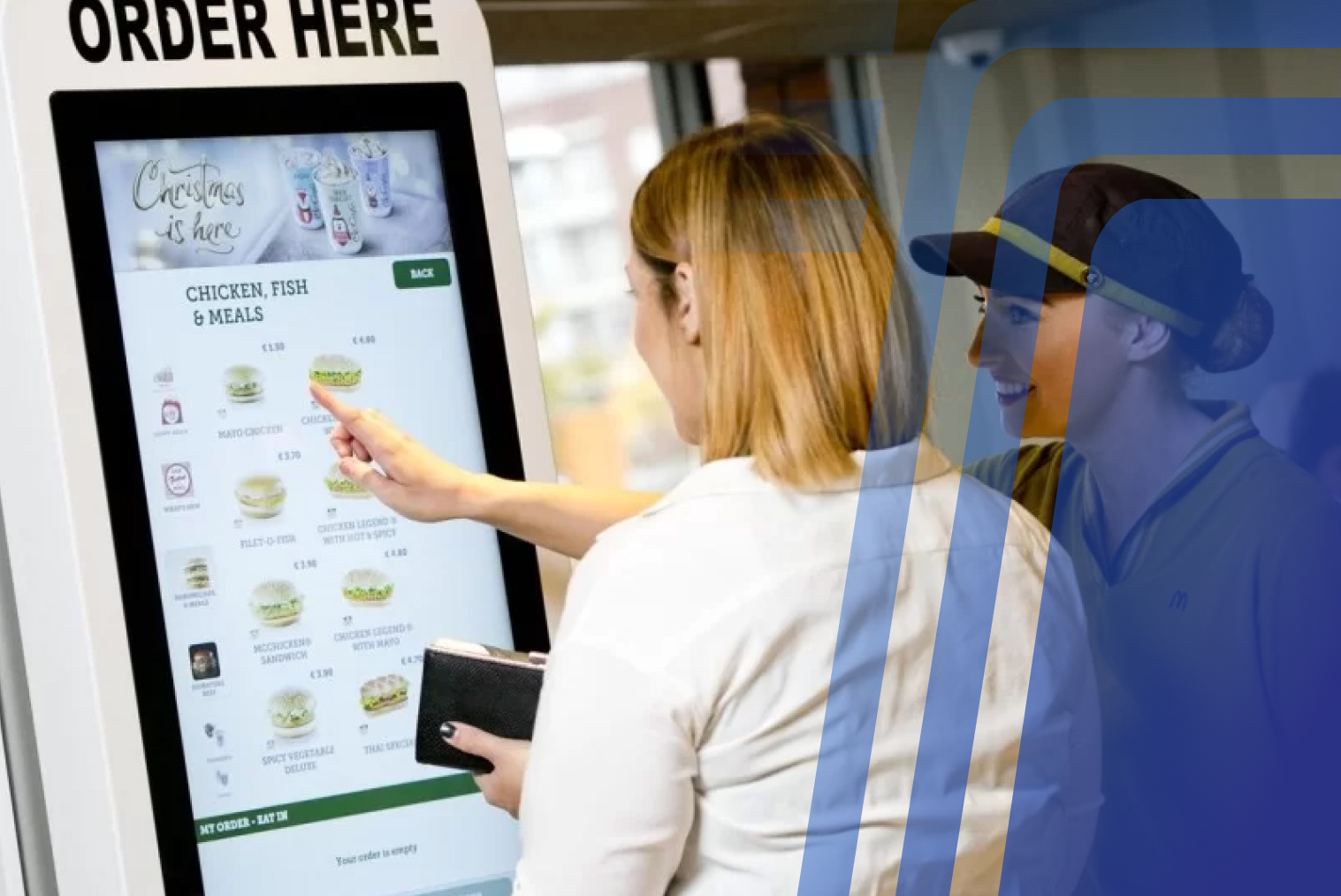
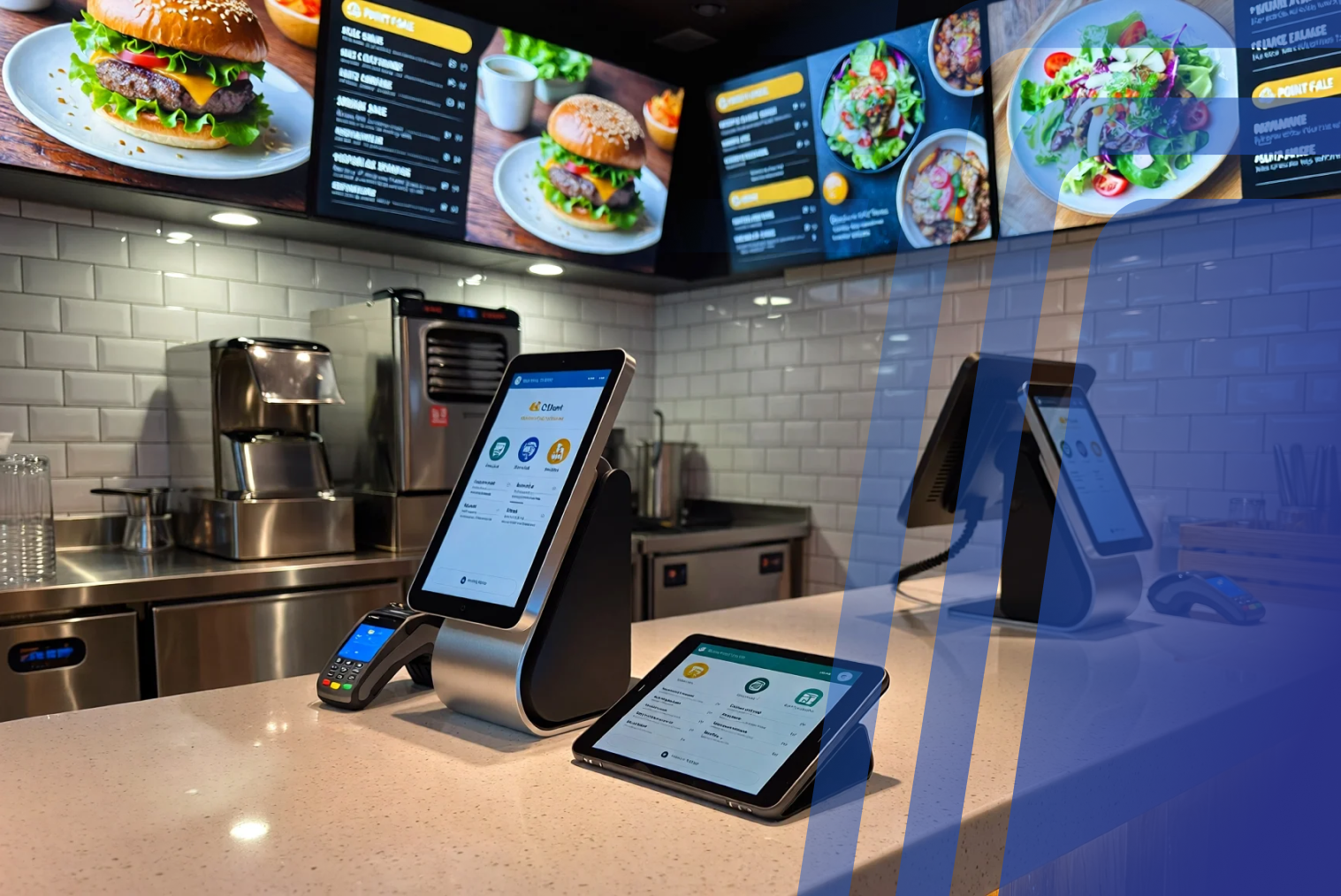
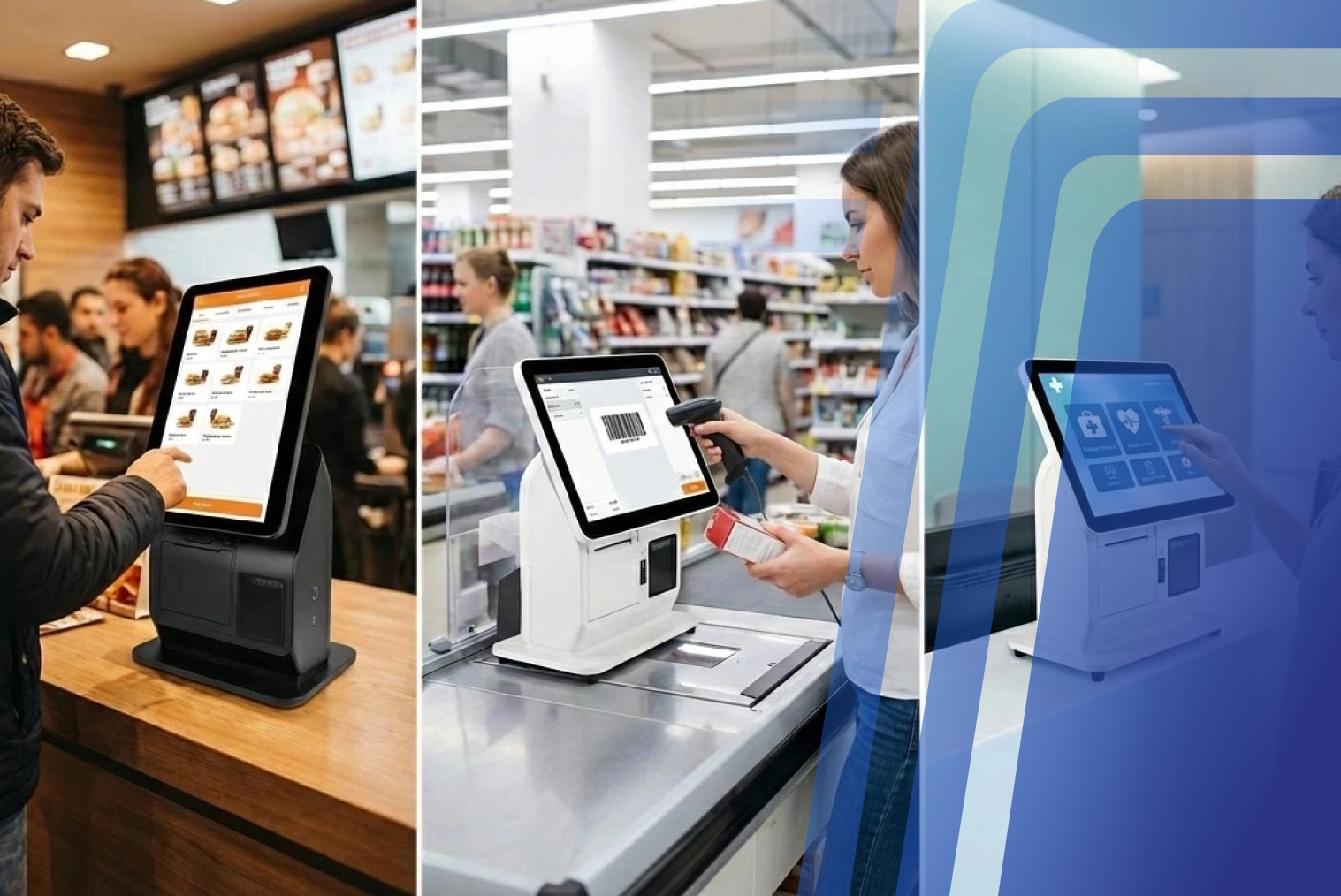
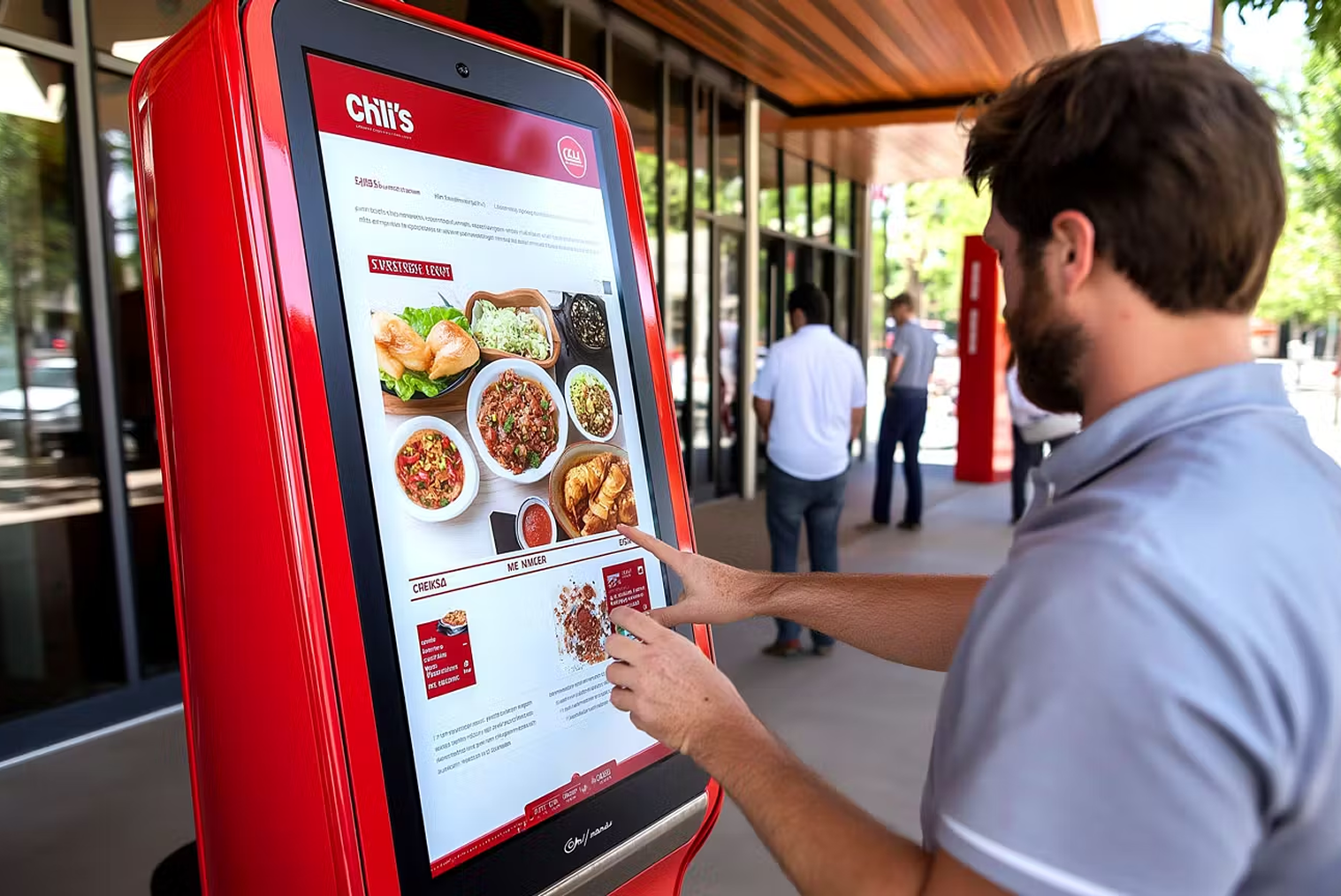
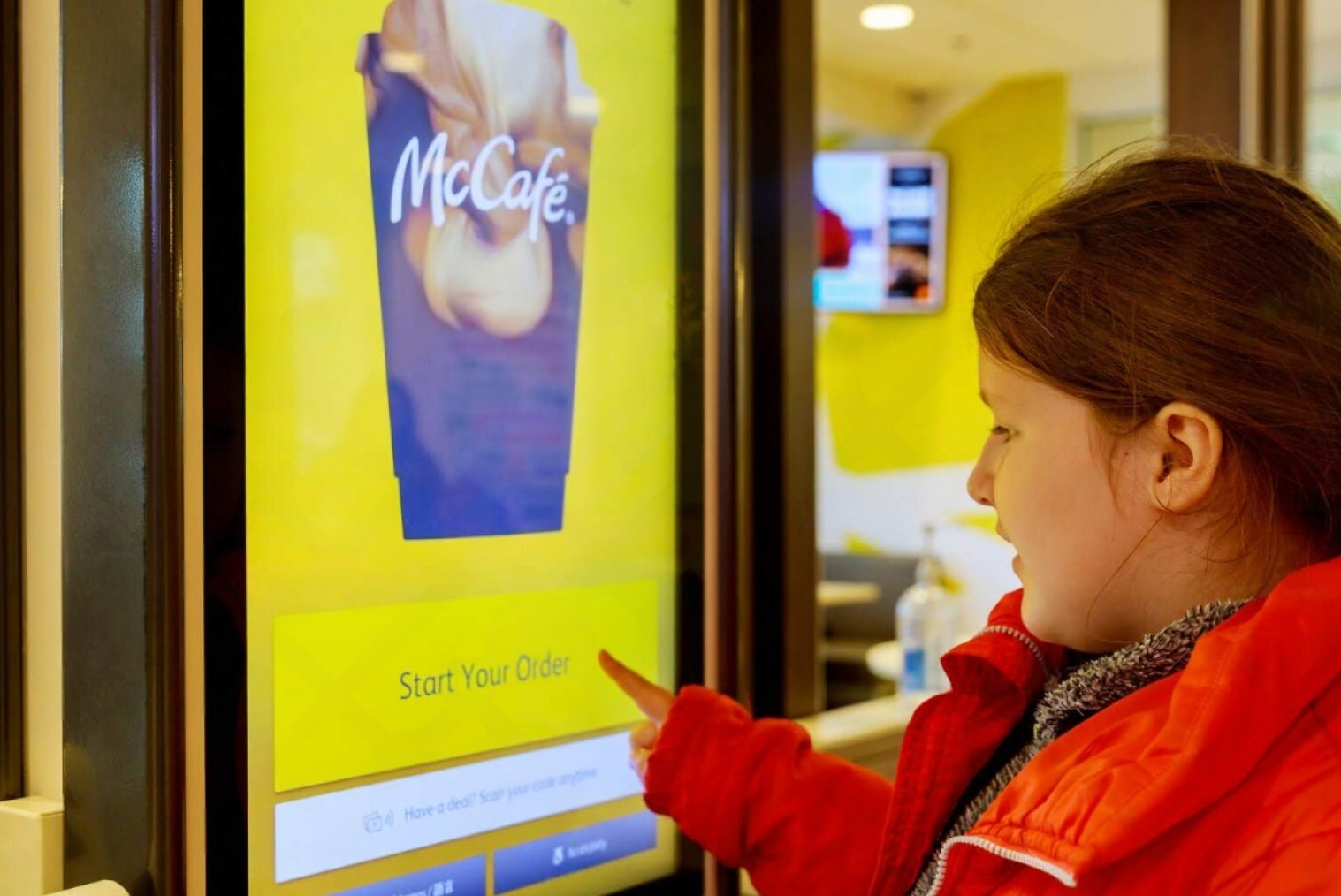
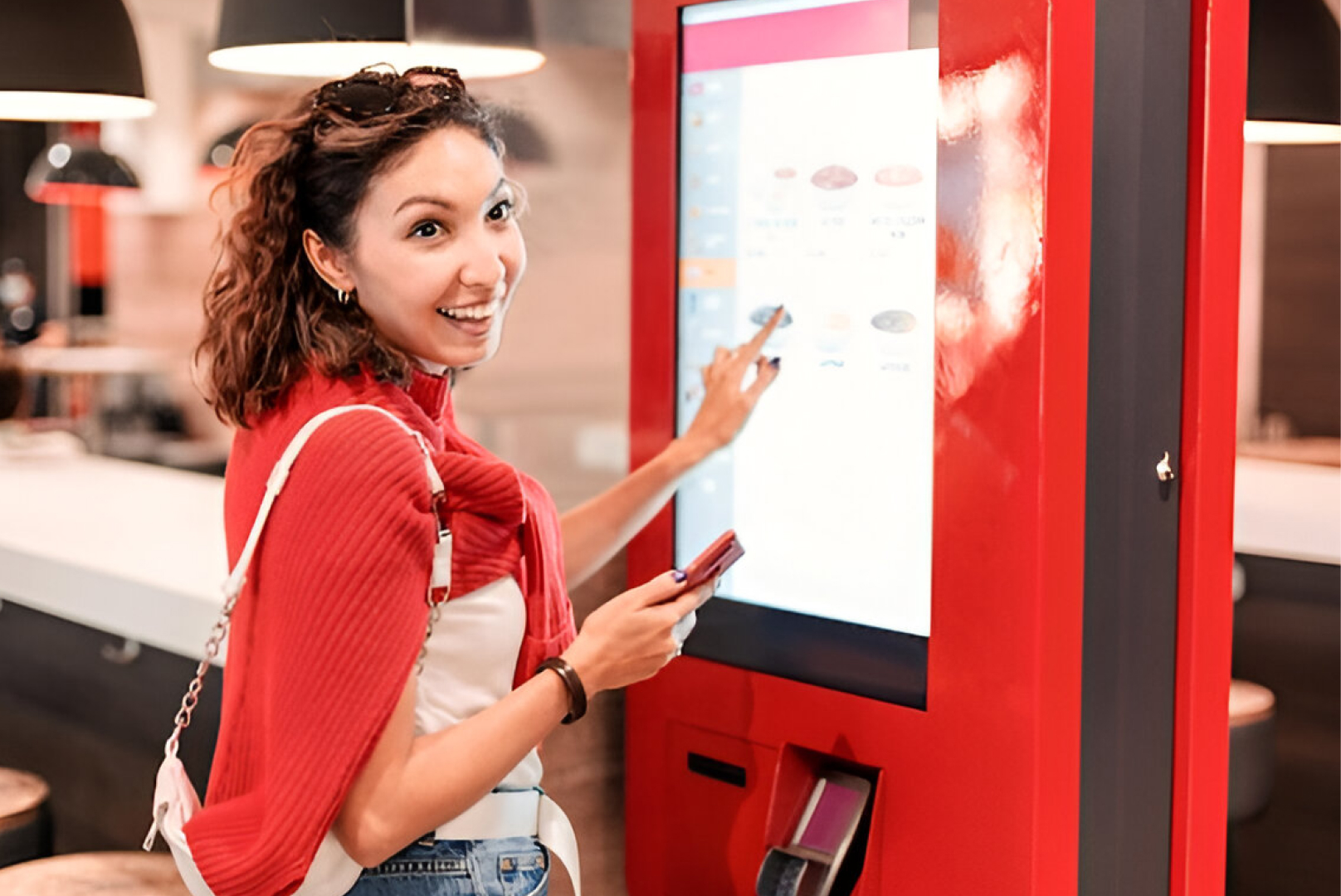
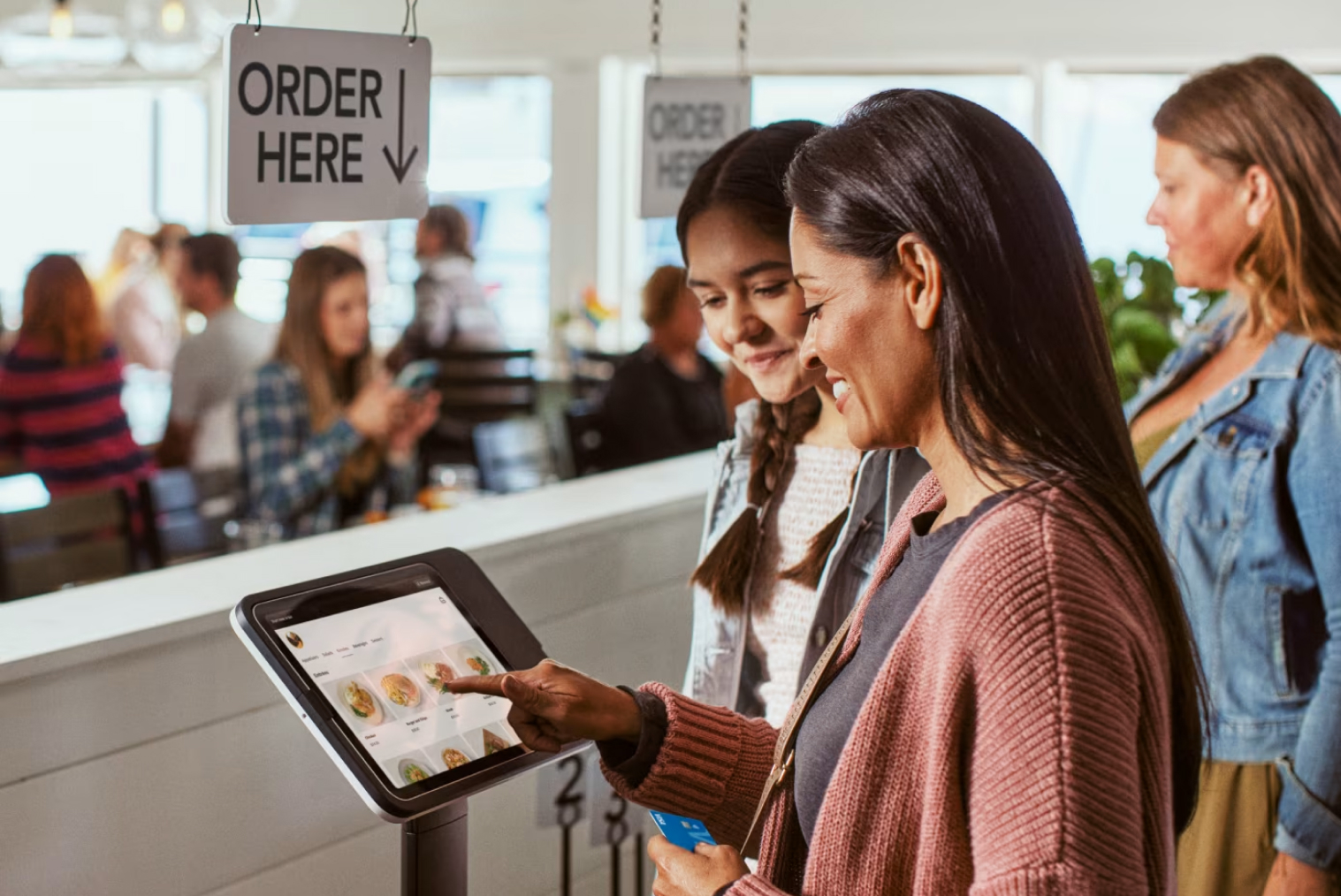
A self-service kiosk machine, often used as a kiosk machine for restaurants, allows customers to place orders and make payments without staff assistance. Similar to a self-service checkout machine, it enables faster, more accurate, and independent ordering while integrating directly with POS systems.
Why Self-Service Kiosk Machines Are Crucial for Modern Restaurants
There are many reasons why self-service kiosk machines are a welcome alternative to traditional ordering methods. Traditionally, a customer would either walk into a restaurant and get in line, having to wait for minutes on end as orders are taken manually, one after the other. Again, in other restaurants, a customer would have to walk in, sit and wait for a menu card and after deciding on the order, again wait for a waiter to note it down.
With a self-service kiosk, all of these processes can be sped up and the customer can have full control over his order and transactions. These are some reasons why every restaurant should invest in a self-service kiosk machine to enhance customer satisfaction.
Reduced Waiting Time Improves Customer Flow
Self-service kiosks have been proven to shorten queues and even eliminate them. Reduced time for waiting ensures that customers can get their meals served as quickly as possible. This increases their satisfaction manifold with a seamless dining experience.
Faster Ordering Reduces Customer Frustration
Many customers can get frustrated at long queues, waiting at a stretch to place their order. Moreover, there may be human errors at such times as staff members can get overwhelmed with such a huge number of orders. Self-service kiosks alleviate frustration for customers with technological accuracy, as they can place orders automatically. Customers can also focus more on what they want to order instead of worrying about holding up the queue.
Self-Service Ordering Reduces Inaccuracies and Inconsistencies
When customers enter their orders directly into the kiosk system, there will be fewer chances of human errors. The cashier can thus also be entirely removed as an intermediary in the ordering process. As a result, the order can go directly from the customer to the kitchen. This will also reduce the chances of miscommunication. Self-service kiosks are capable of providing an in-sync way of maintaining customers, orders, and payments in one place with their automation technology, improving overall kiosk order accuracy.
Upselling Features Increase Average Order Value
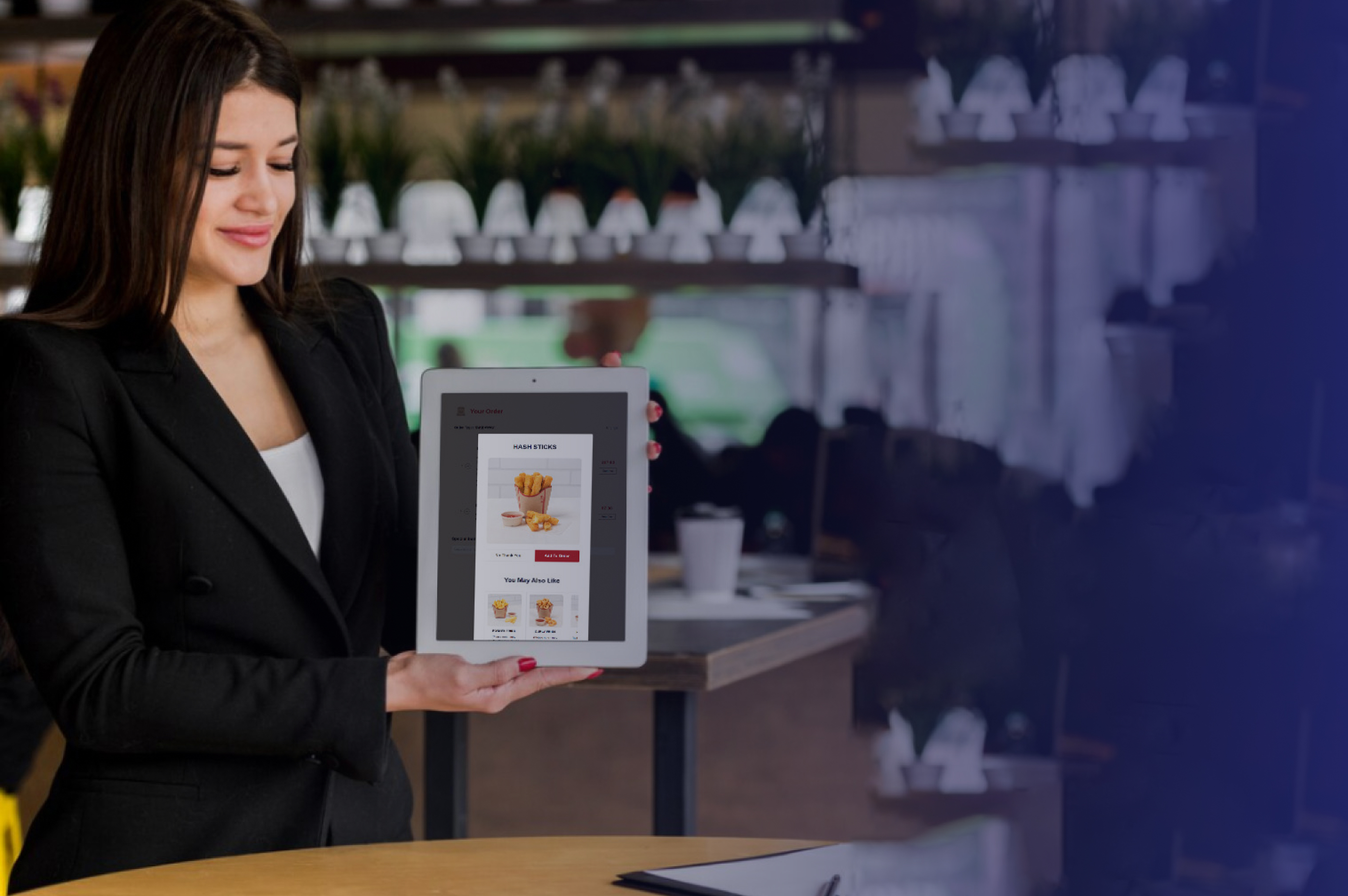
The freedom that comes with self-ordering through service kiosks is complemented by increased revenue. This is because automated ordering helps customers navigate much more quickly through the systems and browse a large number of items they may want to order. This also gives them the final push to order more than they might have done with traditional service.
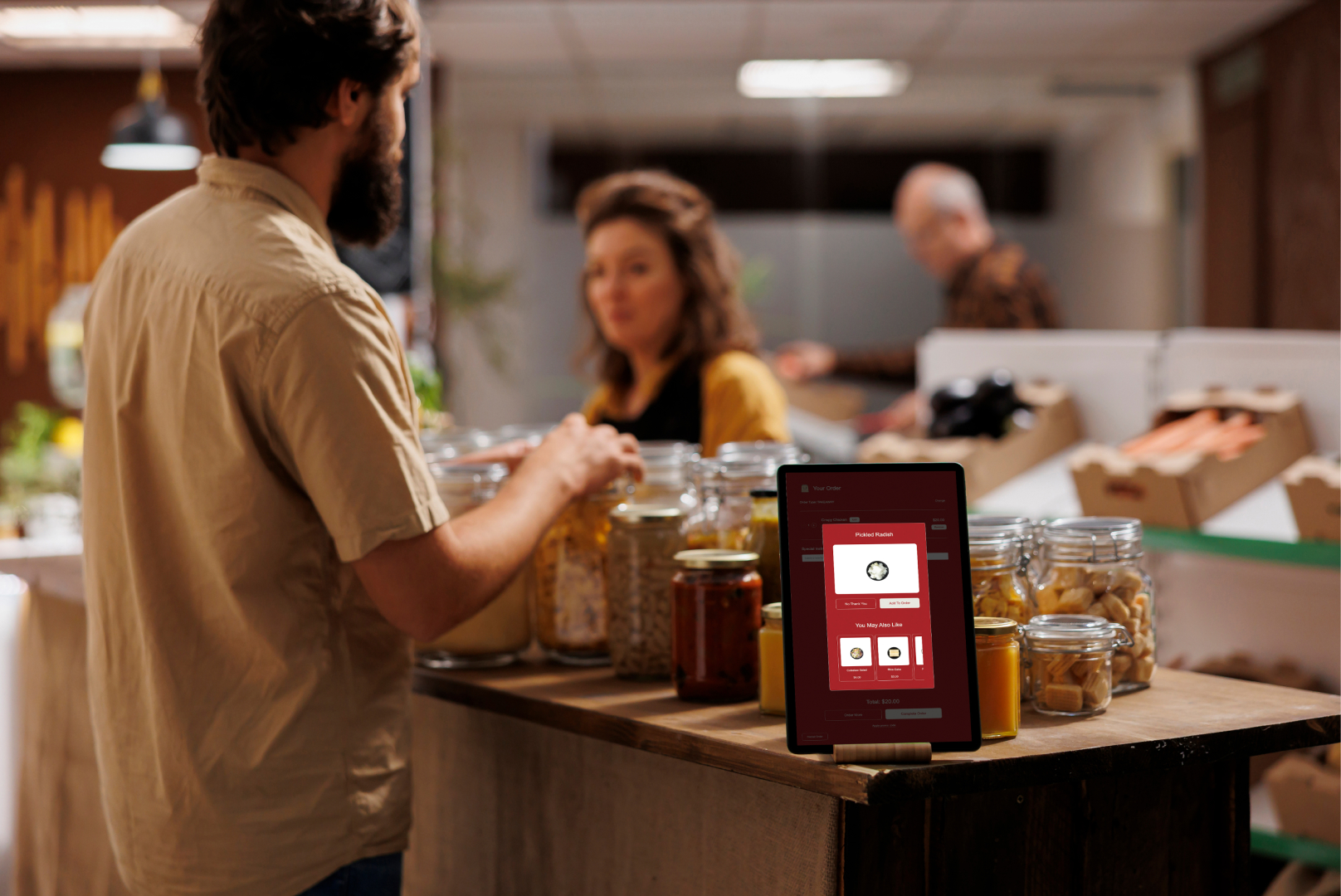
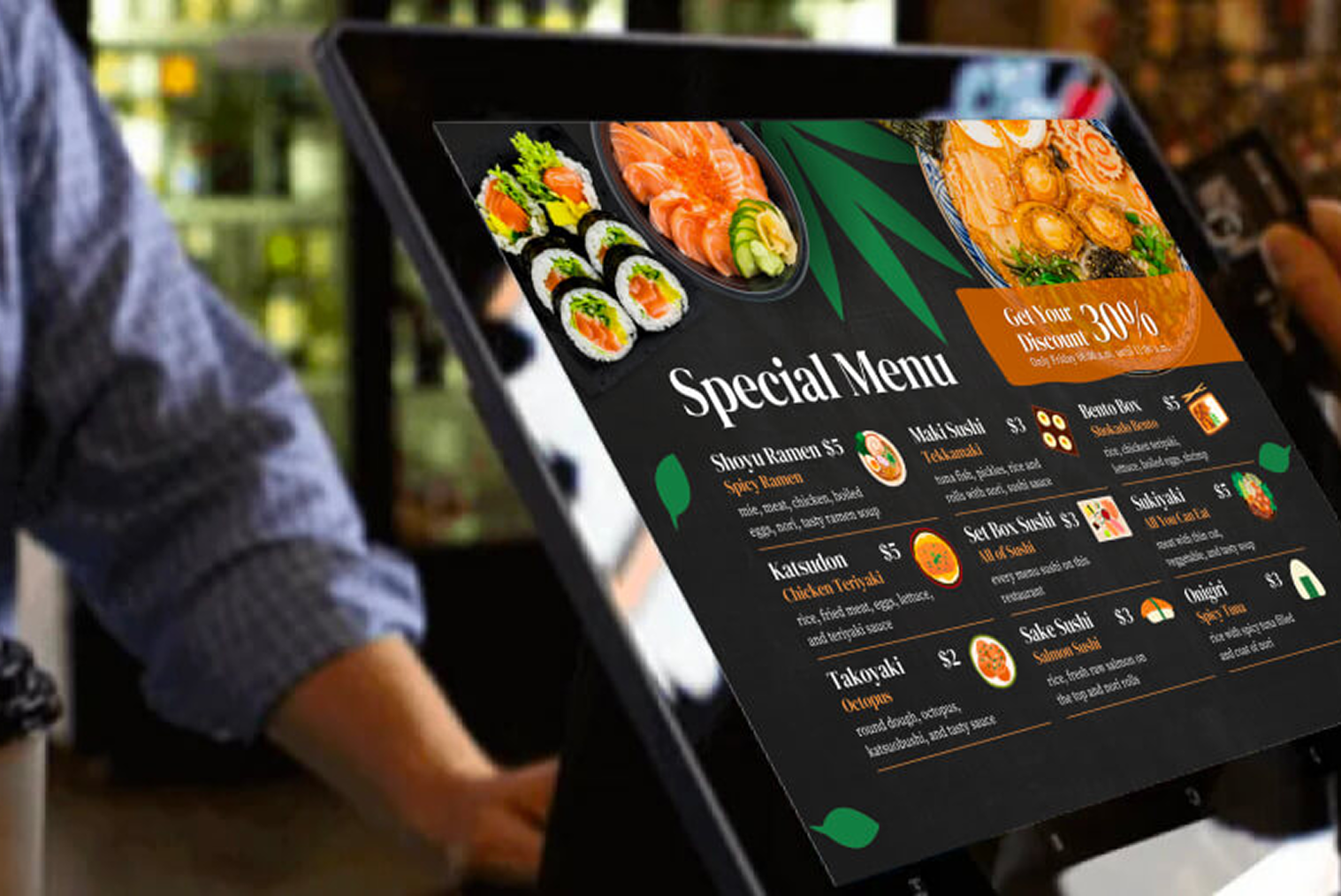
The more comfort and ease of access, the greater loyalty will be shown by customers towards the eatery. This increases the number of orders and loyal customers, generating increased revenues through upselling. Self-service kiosks could also be used to display special menus and promote specific products. This helps to get the message across to all customers at the same time, pushing them to order more using advanced kiosk features.
Automated Ordering Streamlines Restaurant Operations
A restaurant kiosk will let guests place their orders independently, freeing up staff members to focus on value-added tasks. These may include crafting special food and beverages. Since the front-of-house tasks like placing orders and payments will not need that much attention with kiosks, restaurants can focus on hospitality and management using modern self-service ordering systems.
Data and Order Insights Improve Business Decisions
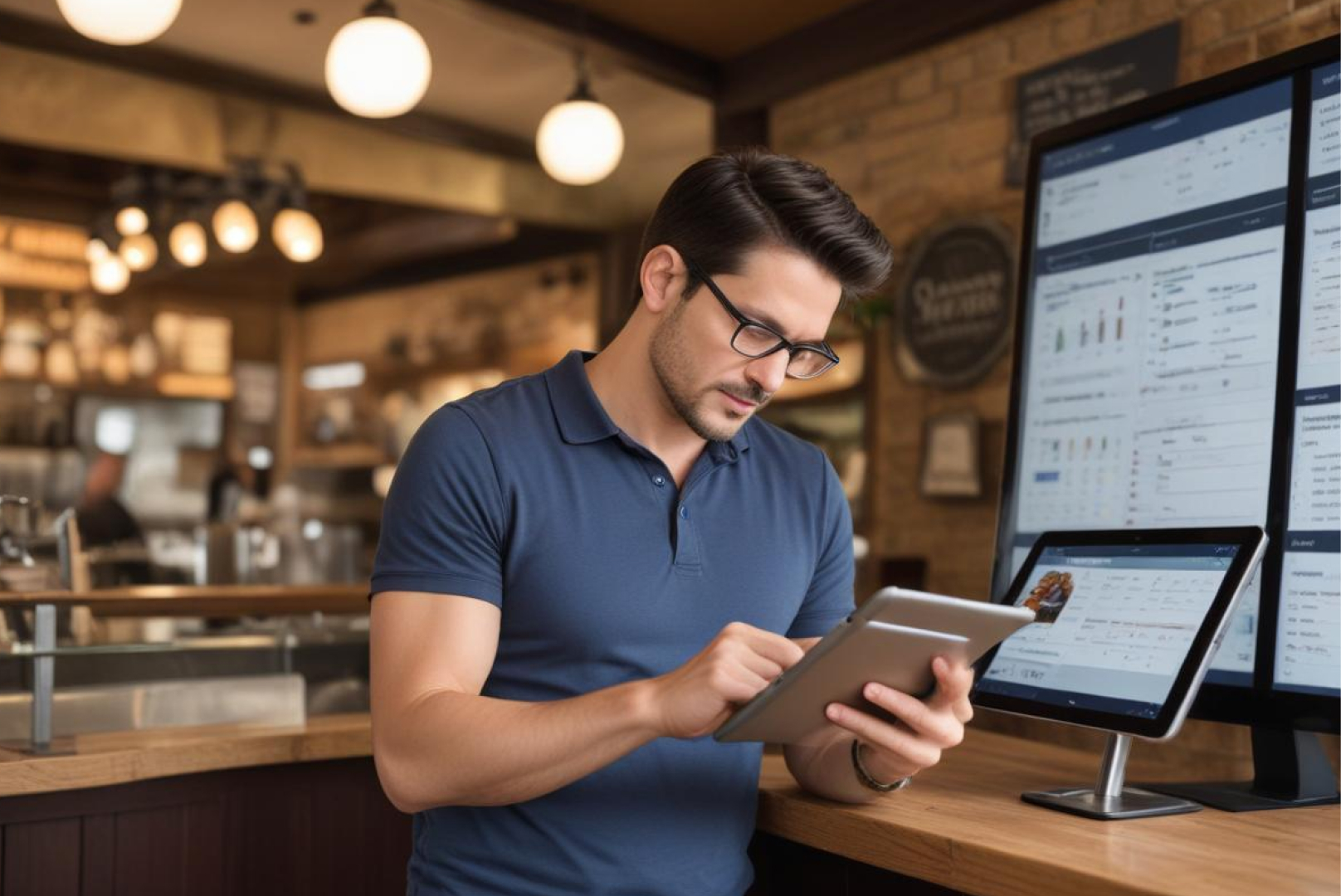
Self-service kiosks also help restaurants access invaluable data about customer interactions through POS systems. They can show statistics on popular menu items, peak order times and much more. This helps authorities to make more informed decisions about menu, customer service, staff allocation, and business, especially when evaluating long-term self-checkout machine cost and ROI for restaurant kiosk solutions.
How Self-Service Kiosk Machines Improve Restaurant Efficiency
Self-service kiosk machines do more than just speed up ordering — they fundamentally improve how restaurants operate every day. By automating repetitive front-of-house tasks, kiosks create a smoother connection between customers, staff, and the kitchen.
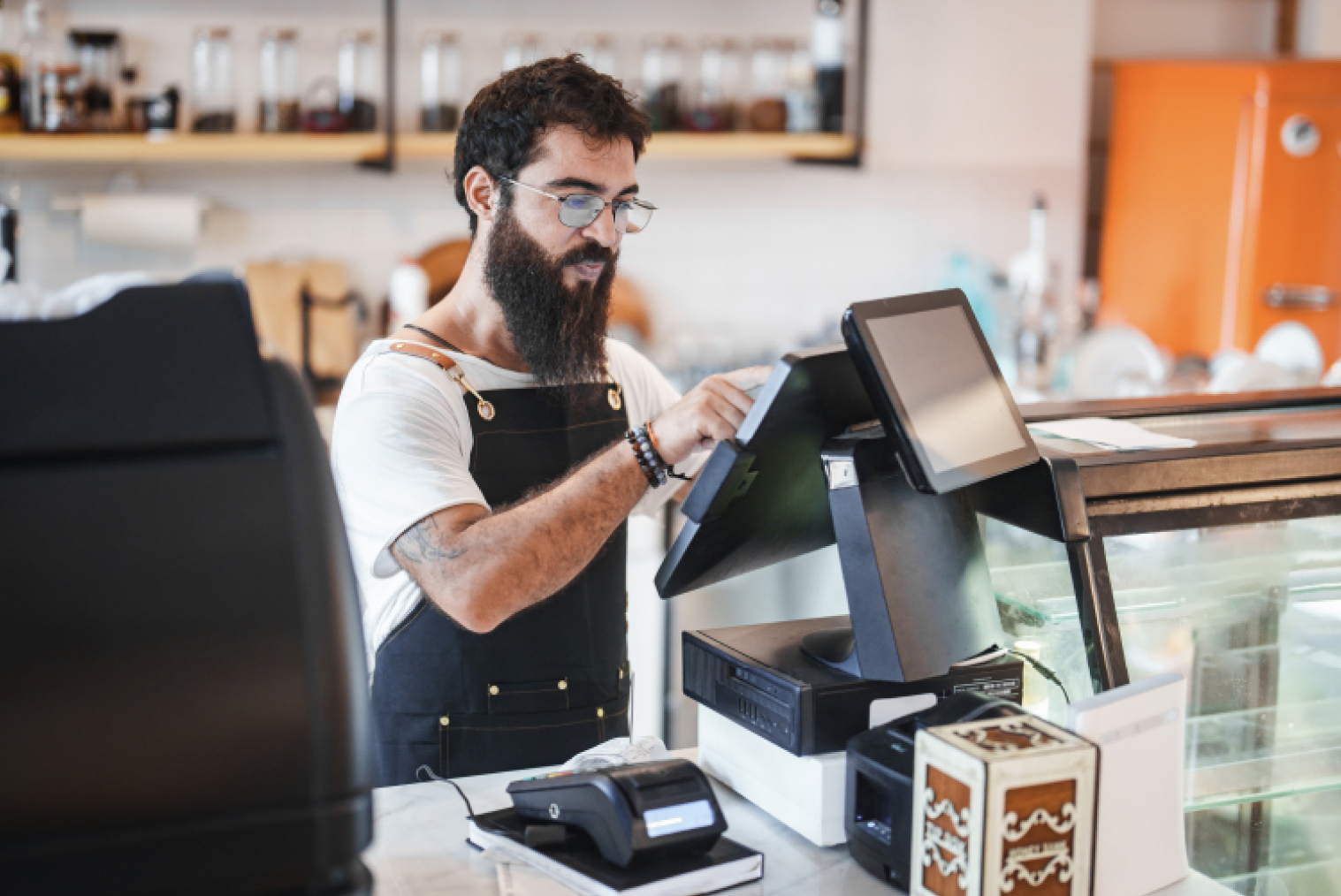
In a traditional setup, staff members juggle multiple responsibilities at once — greeting guests, taking orders, handling payments, coordinating with the kitchen, and answering menu questions. During peak hours, this often leads to bottlenecks, delays, and communication errors.
Self-service kiosks reduce these operational pressures by digitising key processes and streamlining workflow.
Here’s how they improve restaurant efficiency:
Eliminate Manual Order Taking
Customers enter their orders directly into the system, reducing dependency on staff for repetitive tasks and minimising order-taking errors.
Enable Simultaneous Ordering
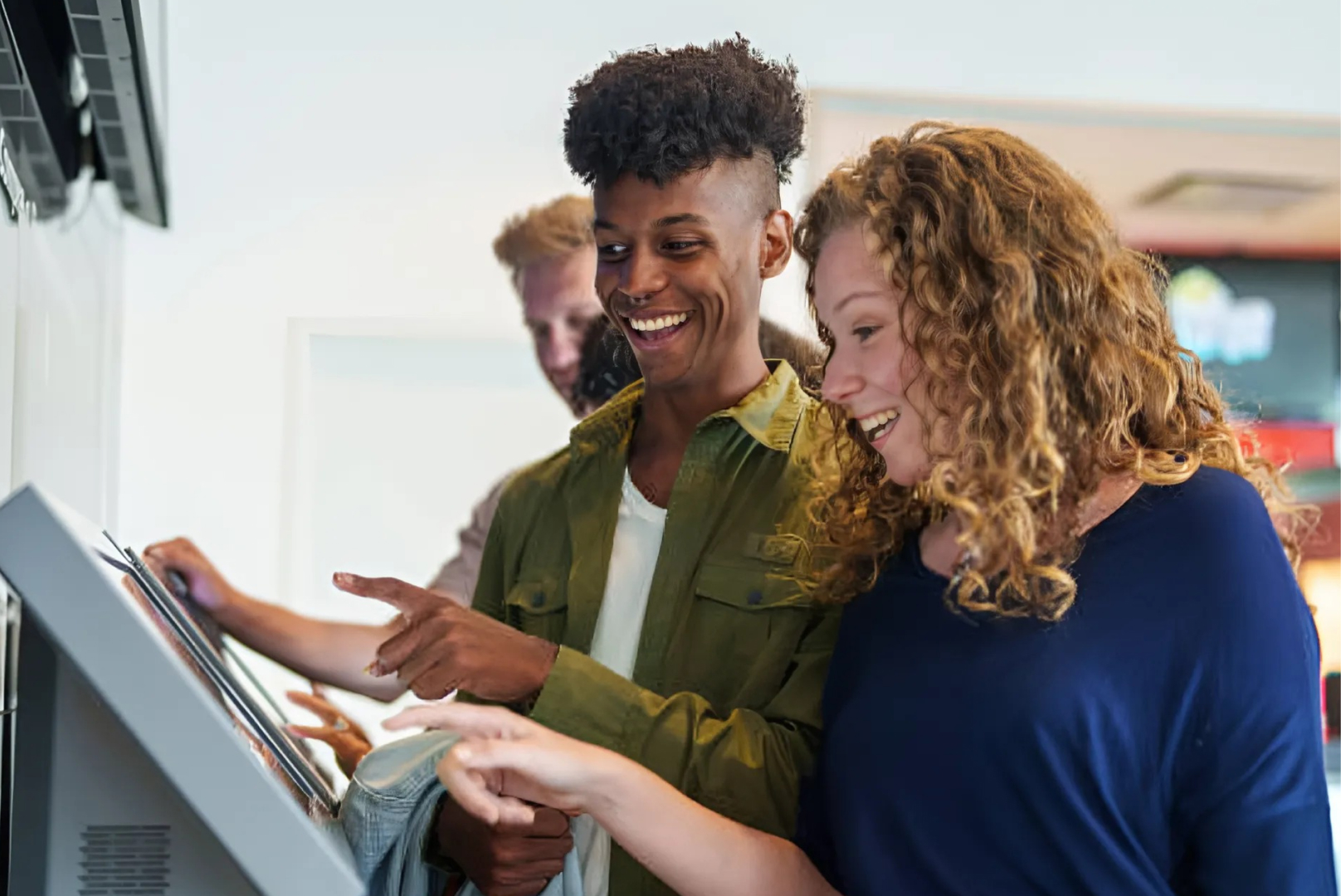
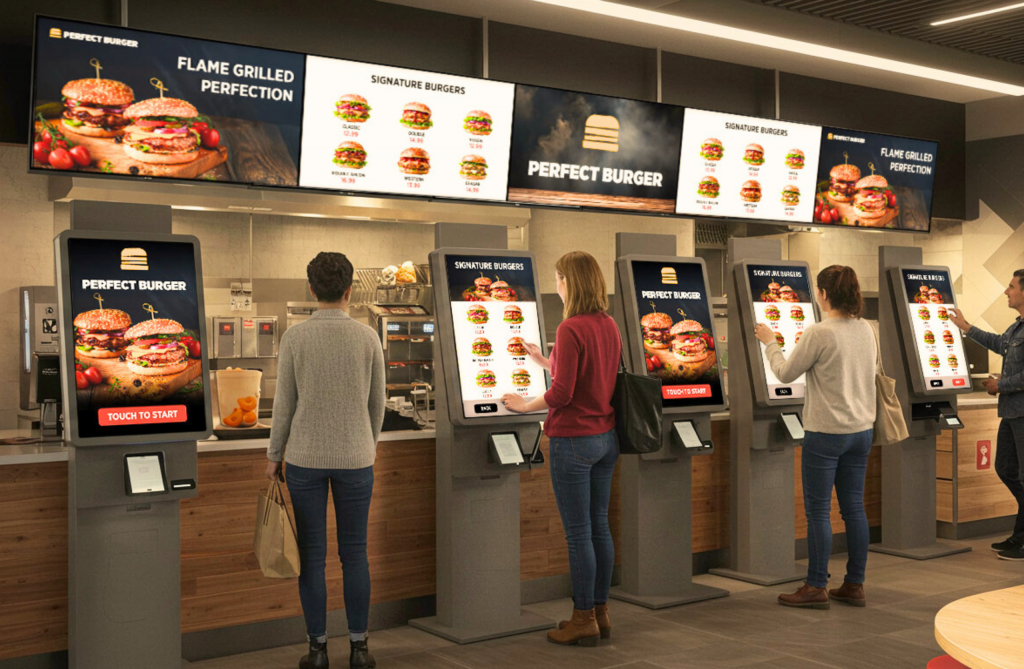
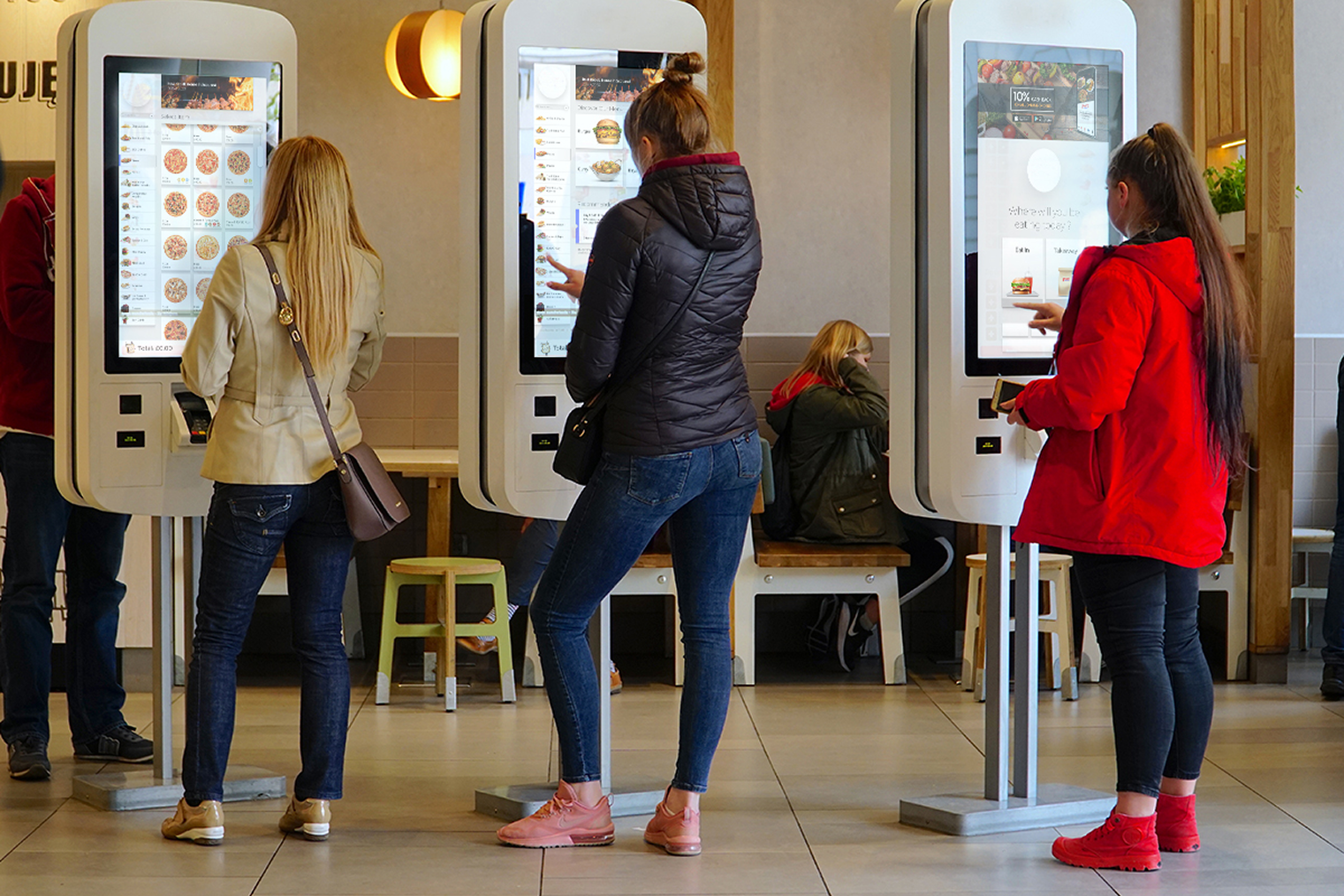
Instead of a single queue at the counter, multiple customers can place orders simultaneously using different kiosks. This significantly improves customer flow and reduces congestion.
Automate Payment Processing
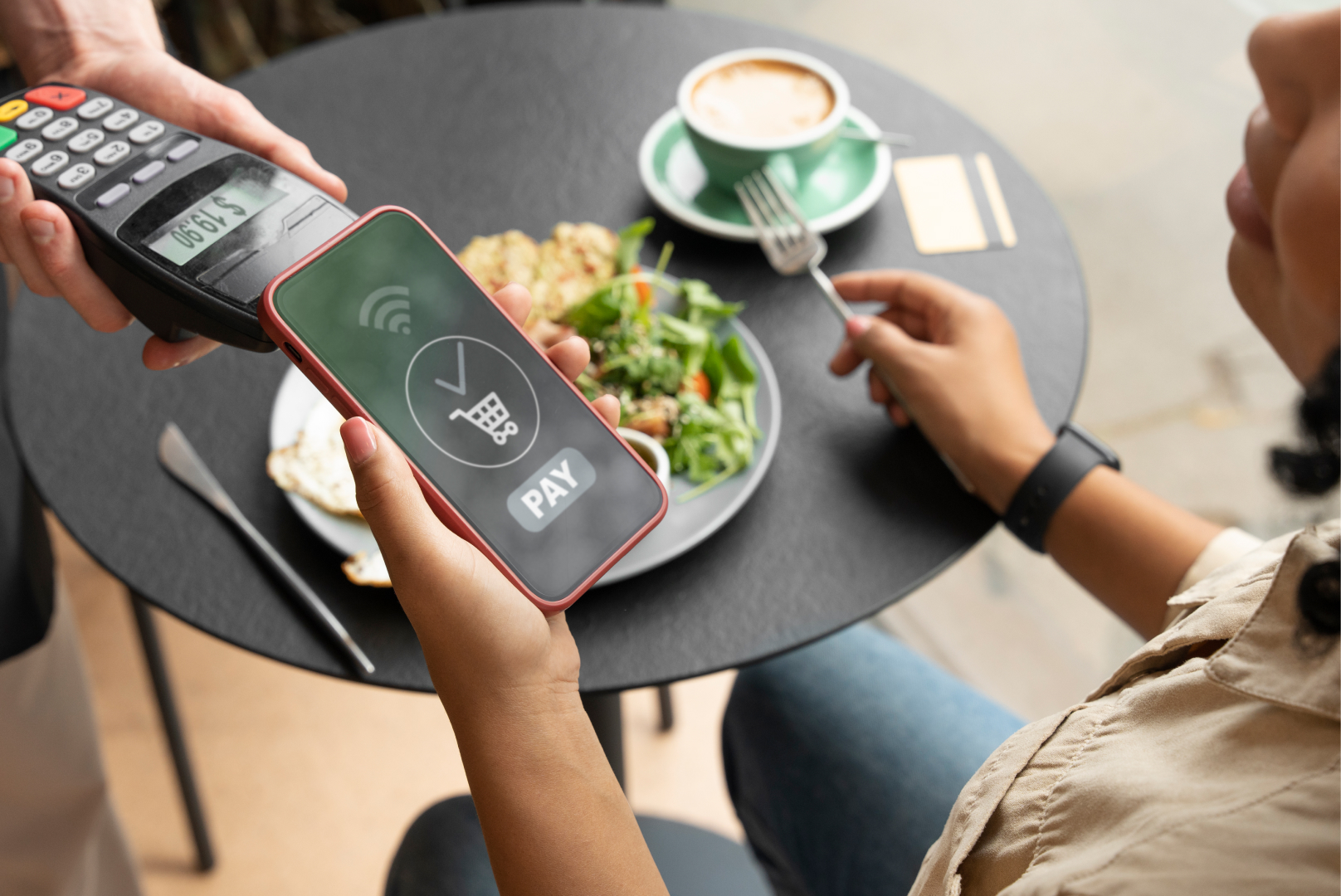
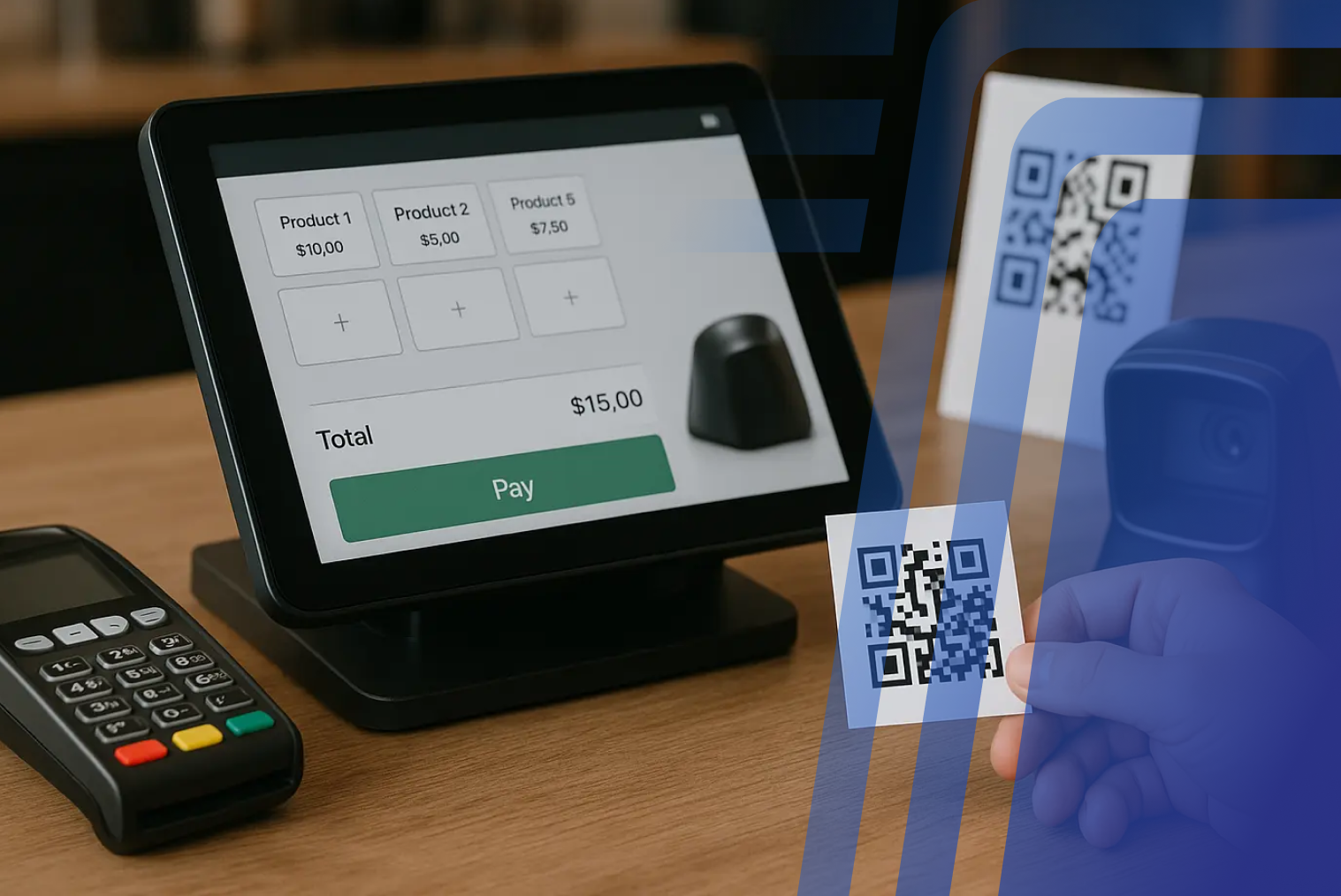
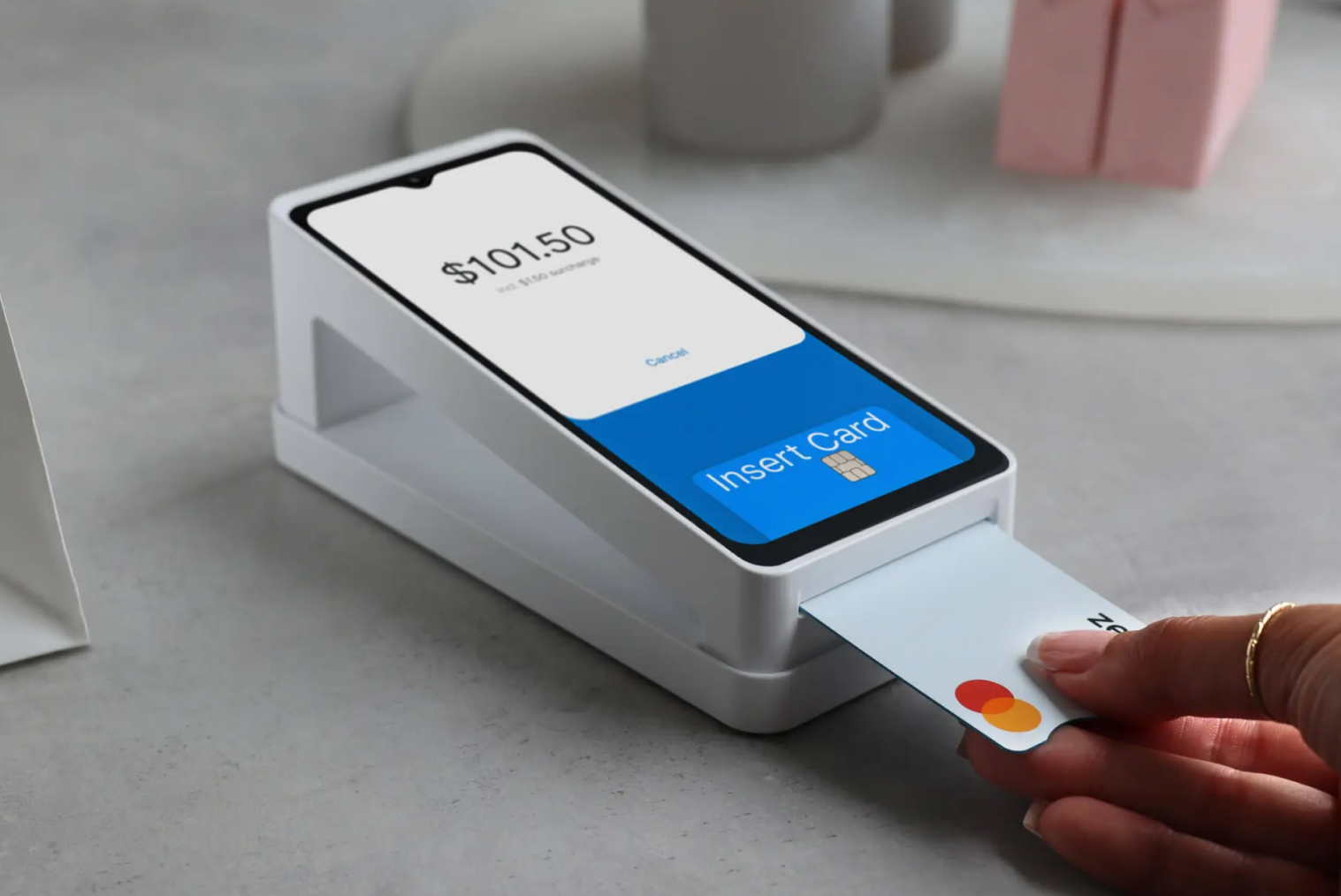
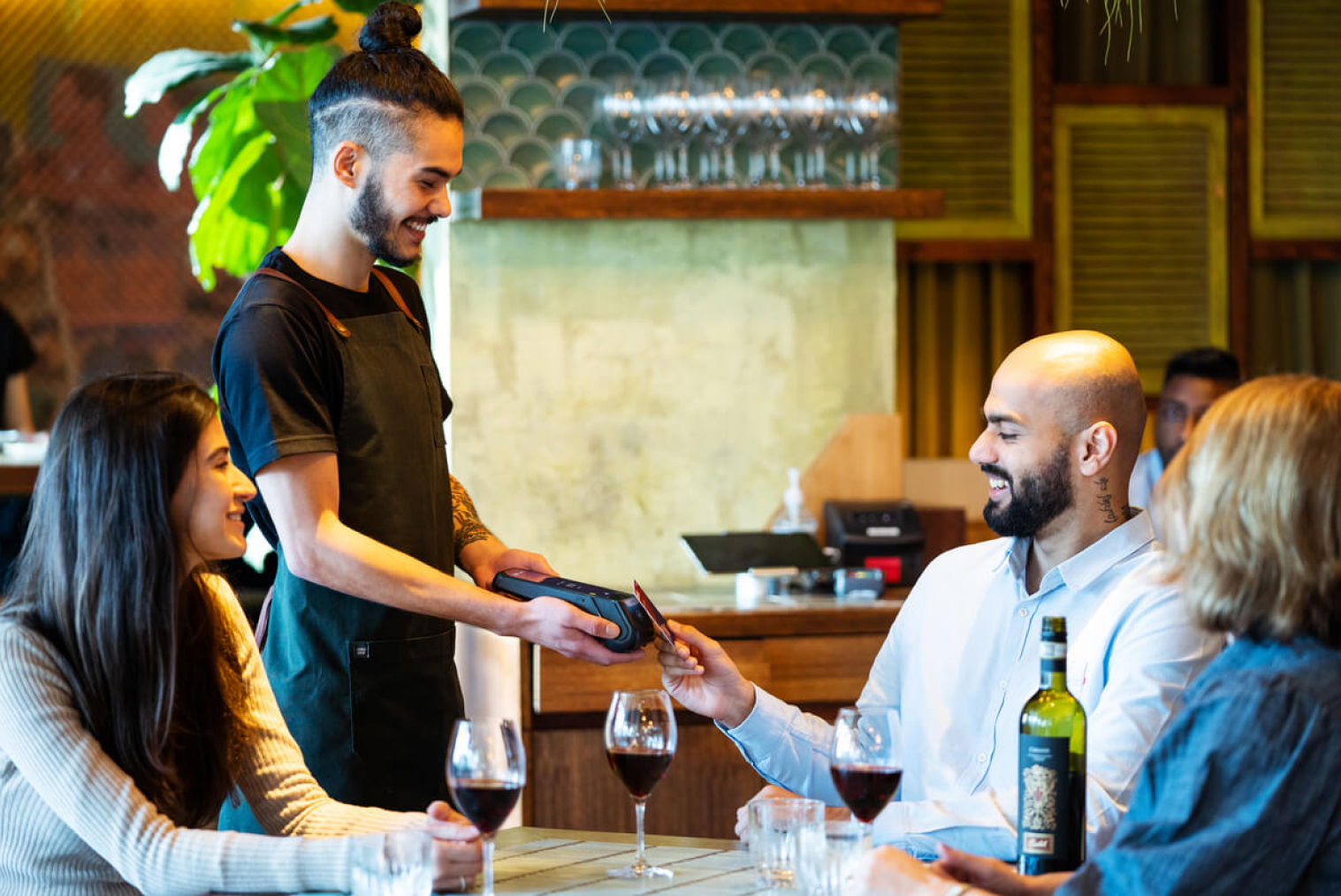
Payments are processed instantly through integrated systems, eliminating manual billing and reducing checkout delays.
Improve Kitchen Coordination
Orders are sent directly to the POS and kitchen display system in real time. This eliminates miscommunication and ensures food preparation begins immediately.
Optimize Staff Allocation
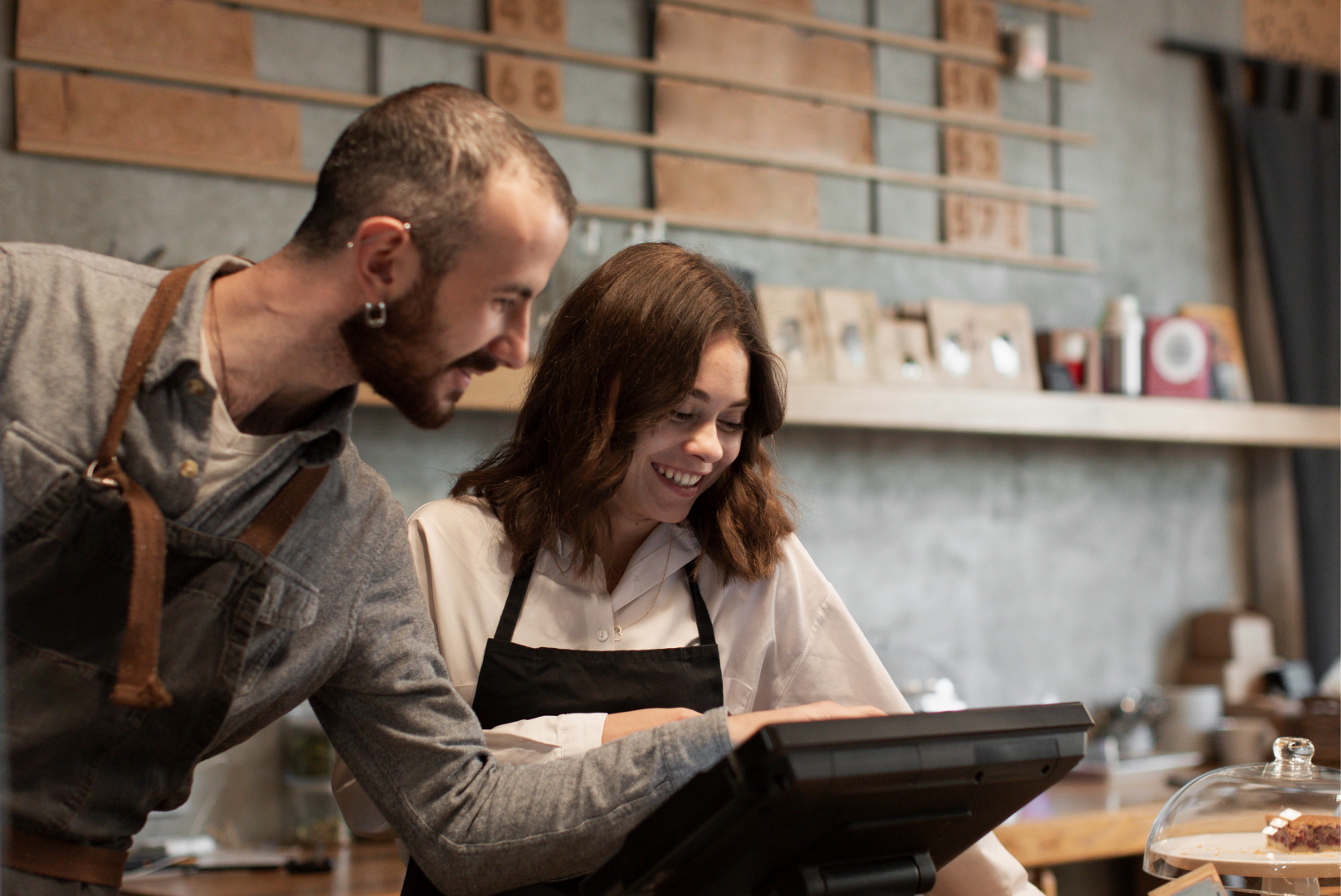
With kiosks managing routine transactions, staff can focus on food preparation, customer assistance, and service quality rather than administrative tasks.
Provide Real-Time Operational Insights
Managers can monitor peak hours, popular items, and order patterns through system reports. This allows smarter staffing decisions and better workflow management.
By combining automation, accuracy, and data visibility, self-service kiosk machines create a more structured and predictable service environment. The result is faster operations, reduced errors, improved staff productivity, and a better overall dining experience.
Orders Go Directly From Kiosk to POS and Kitchen
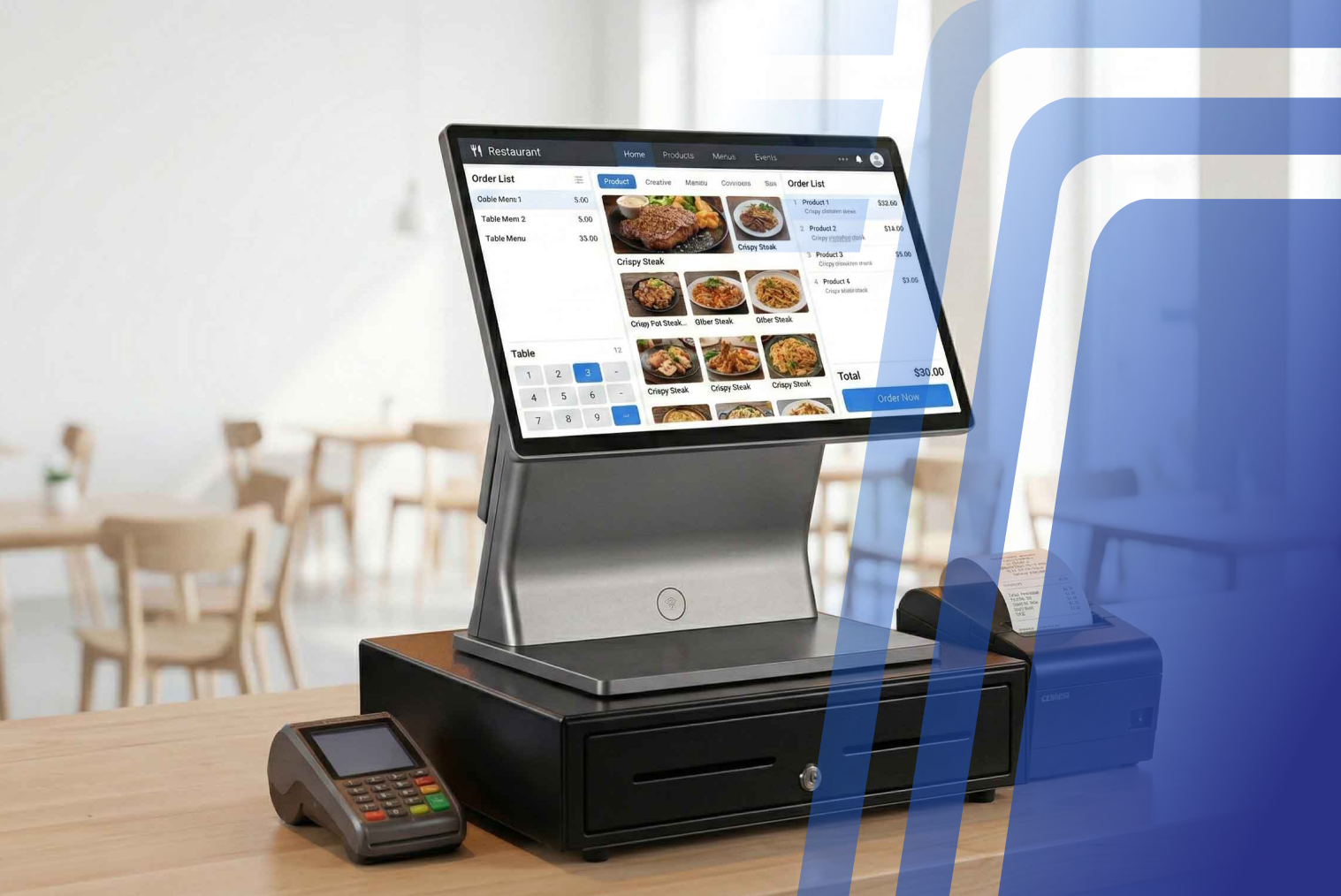
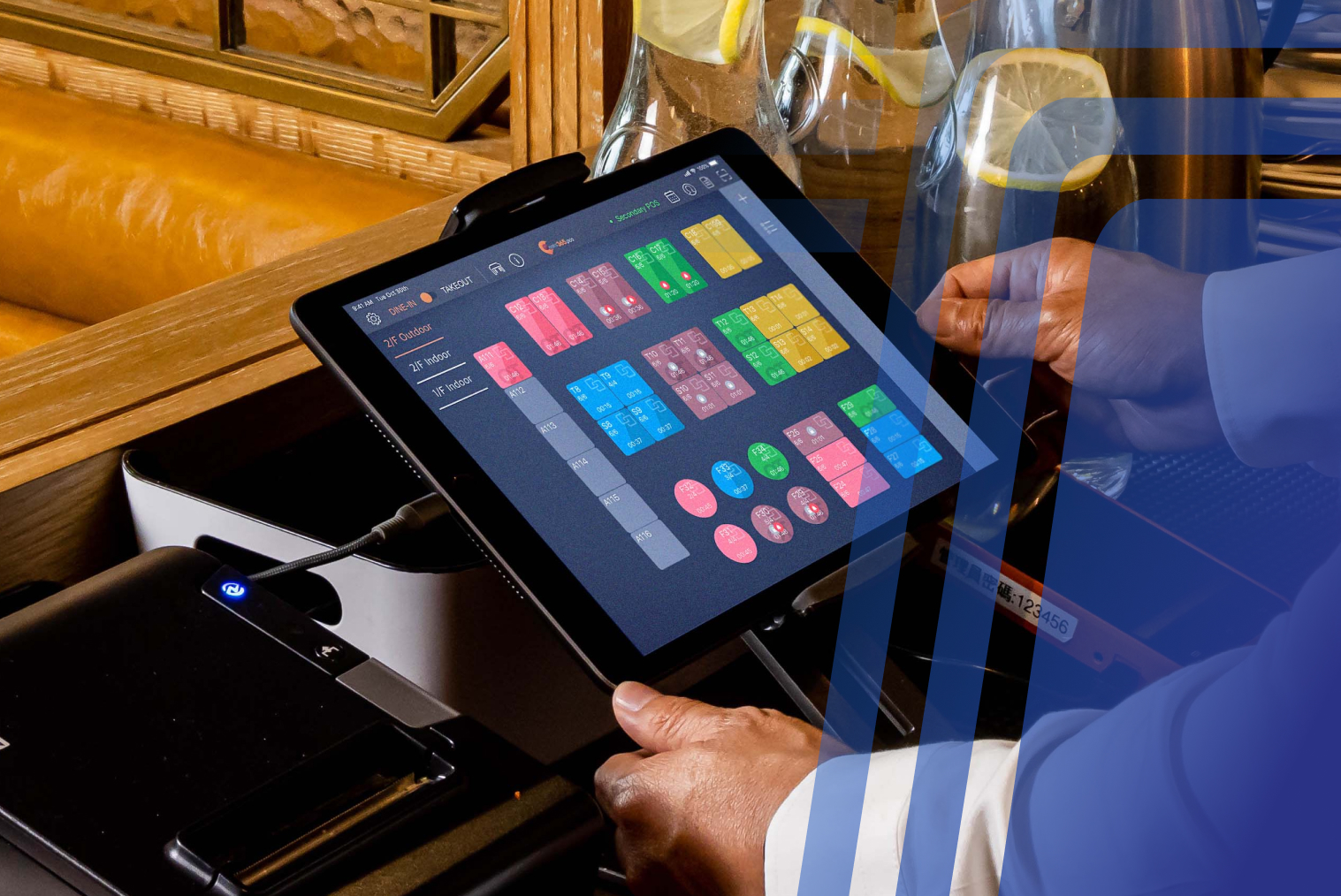
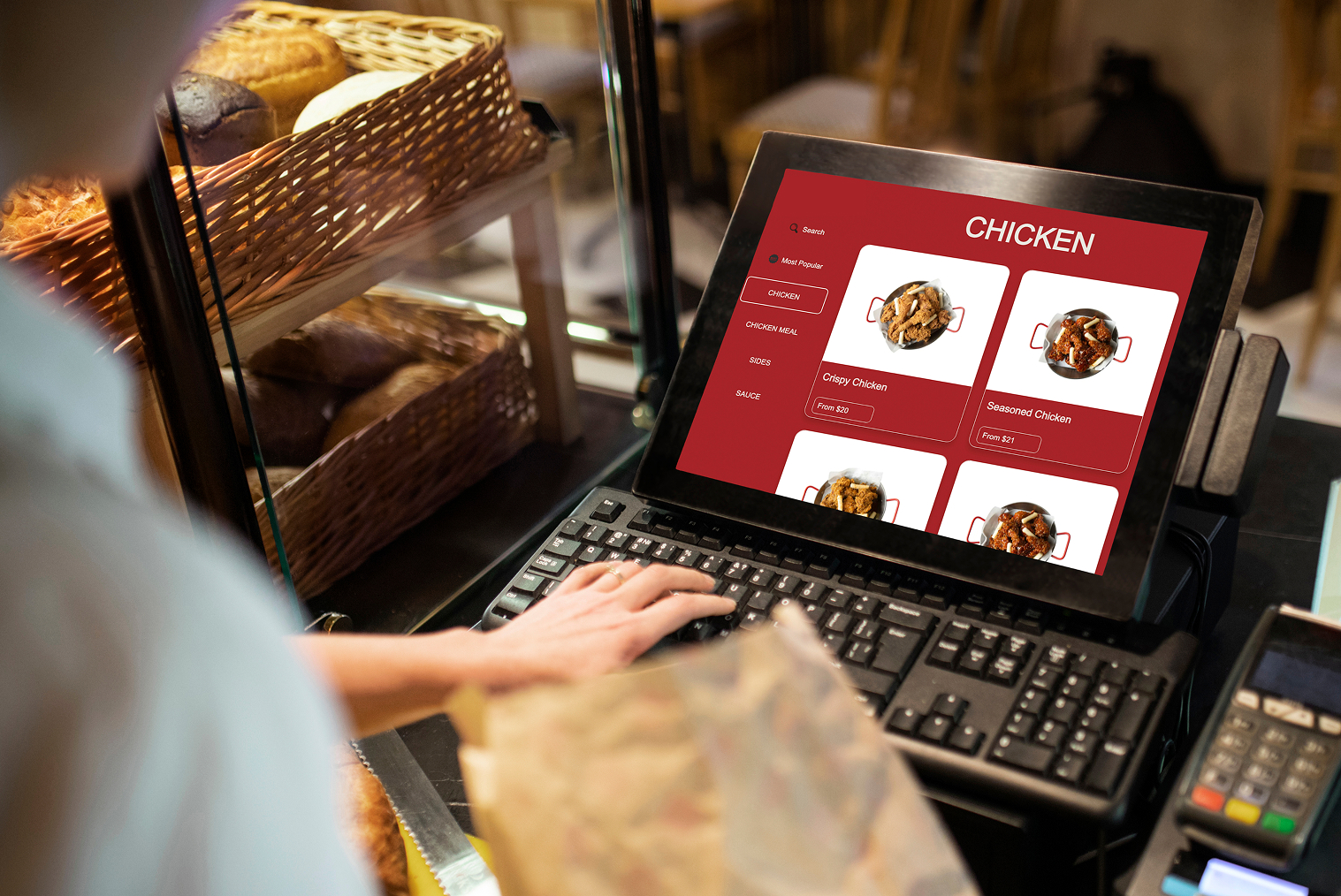
One of the biggest efficiency advantages of a self-service kiosk is direct integration with the restaurant’s POS system. Once a customer places an order through the kiosk, it is instantly sent to the POS and kitchen display system without manual intervention.
This direct flow eliminates delays caused by handwritten notes or verbal communication and ensures that kitchen staff receive accurate orders in real time. As a result, food preparation begins faster, order accuracy improves, and overall service speed increases.
Reduced Staff Workload During Peak Hours
During busy hours, restaurants often struggle with staff shortages and high customer volumes. Self-service kiosks help reduce pressure on staff by handling ordering and payments automatically.
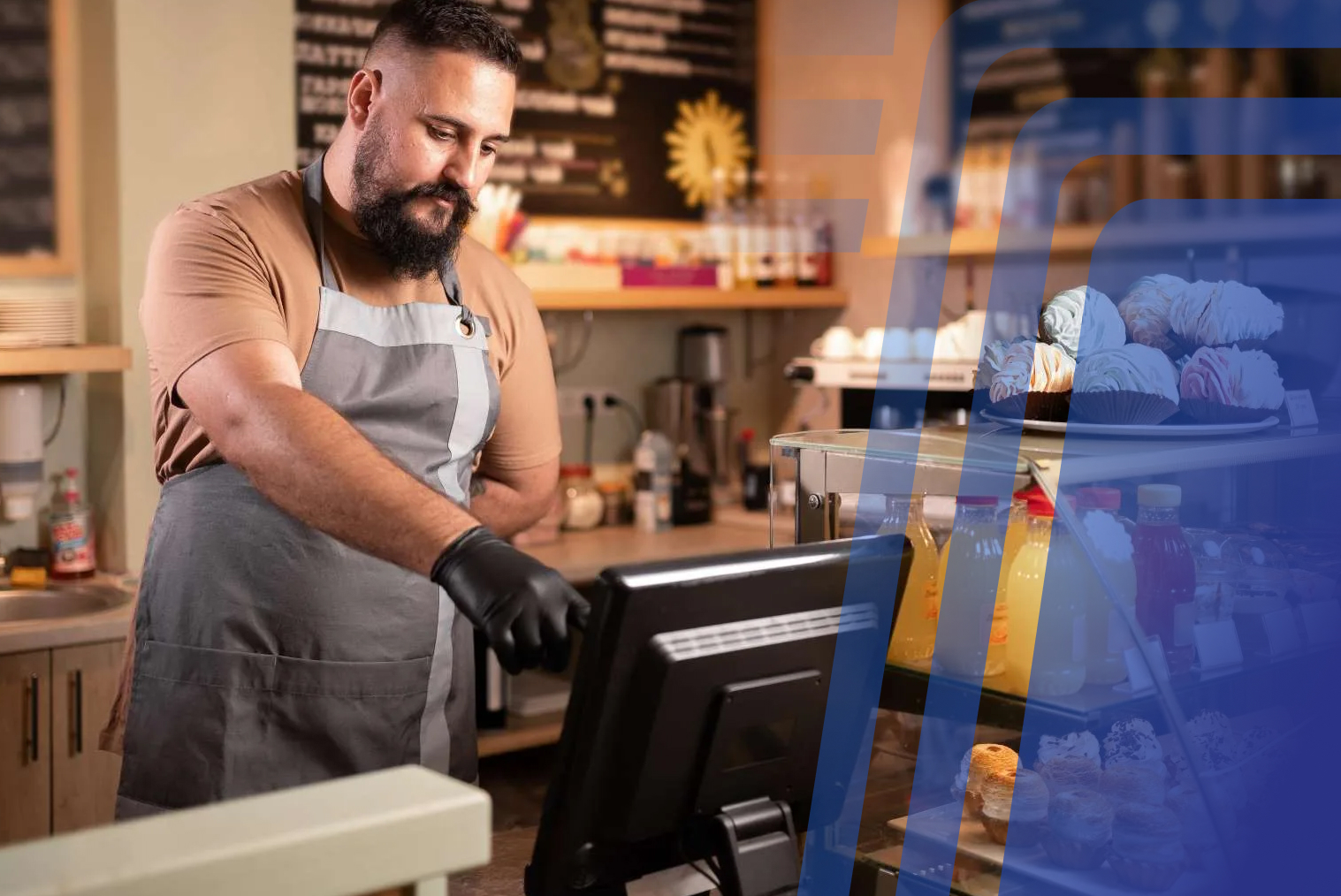
With kiosks managing repetitive front-desk tasks, employees can focus on food preparation, customer assistance, and maintaining service quality. This leads to better staff productivity, reduced burnout, and a more balanced workflow during peak periods.
Conclusion
With the demand for eateries increasing by the day, traditional ordering services with long queues and too much waiting may be frustrating for customers. Leveraging technological advancements with self-service kiosks can be a welcome alternative for restaurants. This will allow customers to easily navigate menus, order independently, and make payments with just a few clicks. This enhances their overall dining experience, boosts efficiency, and helps to improve business with valuable customer insights.
Frequently Asked Questions (FAQs)
Q1: Are Self-Service Kiosk Machines Suitable for All Restaurant Types?
Yes, self-service kiosk machines can be used across different restaurant formats, including QSRs, cafés, food courts, and casual dining restaurants.
Q2: What Type of ROI Can Restaurants Expect From Self-Service Kiosk Machines?
ROI depends on factors such as order volume, staffing needs, and kiosk usage. Restaurants often see returns through improved efficiency, higher order accuracy, and increased upselling rather than immediate cost reduction.
Q3: Are Self-Service Kiosk Machines Suitable for Small Restaurants?
Yes, many modern kiosk machines for restaurant solutions are scalable and suitable for small restaurants looking to improve ordering efficiency without increasing staff workload.


.webp)










.png)













.webp)


