In 2026, restaurants worldwide, including those in New Zealand, are rapidly adopting ordering kiosks as part of their core restaurant self-ordering systems. With customers expecting faster service, higher accuracy, and digital convenience, kiosks have shifted from being optional upgrades to essential operational tools. As Gen Z and Millennials become dominant consumers, their preference for autonomy and technology-driven dining experiences has accelerated kiosk adoption across small cafés, QSRs, and full-service restaurants.
Companies continually seek innovative ways to enhance customer satisfaction and optimise operations in the rapidly evolving retail and hospitality industries. With sleek and intuitive interfaces that even non-techies can easily navigate, these interactive devices are redefining customer relations in multiple industries. This blog will explore why ordering kiosks is essential for contemporary firms, emphasizing their uses, advantages, and prospects.
The Customer Experience's Evolution
There has been a notable shift in customer expectations in recent times. Today's customers want smooth, fast, and customized interactions. Conventional service approaches must frequently catch up to these standards, resulting in protracted wait times, inaccurate orders, and a shortage of individualized attention. Ordering kiosks provide a self-service option that not only addresses these difficulties but also empowers clients, giving them control over their entire experience. A 2025 Tillster report shows that 61% of diners now prefer using self-service kiosks, highlighting the growing demand for autonomous ordering experiences.
What Is Self-Ordering Kiosk
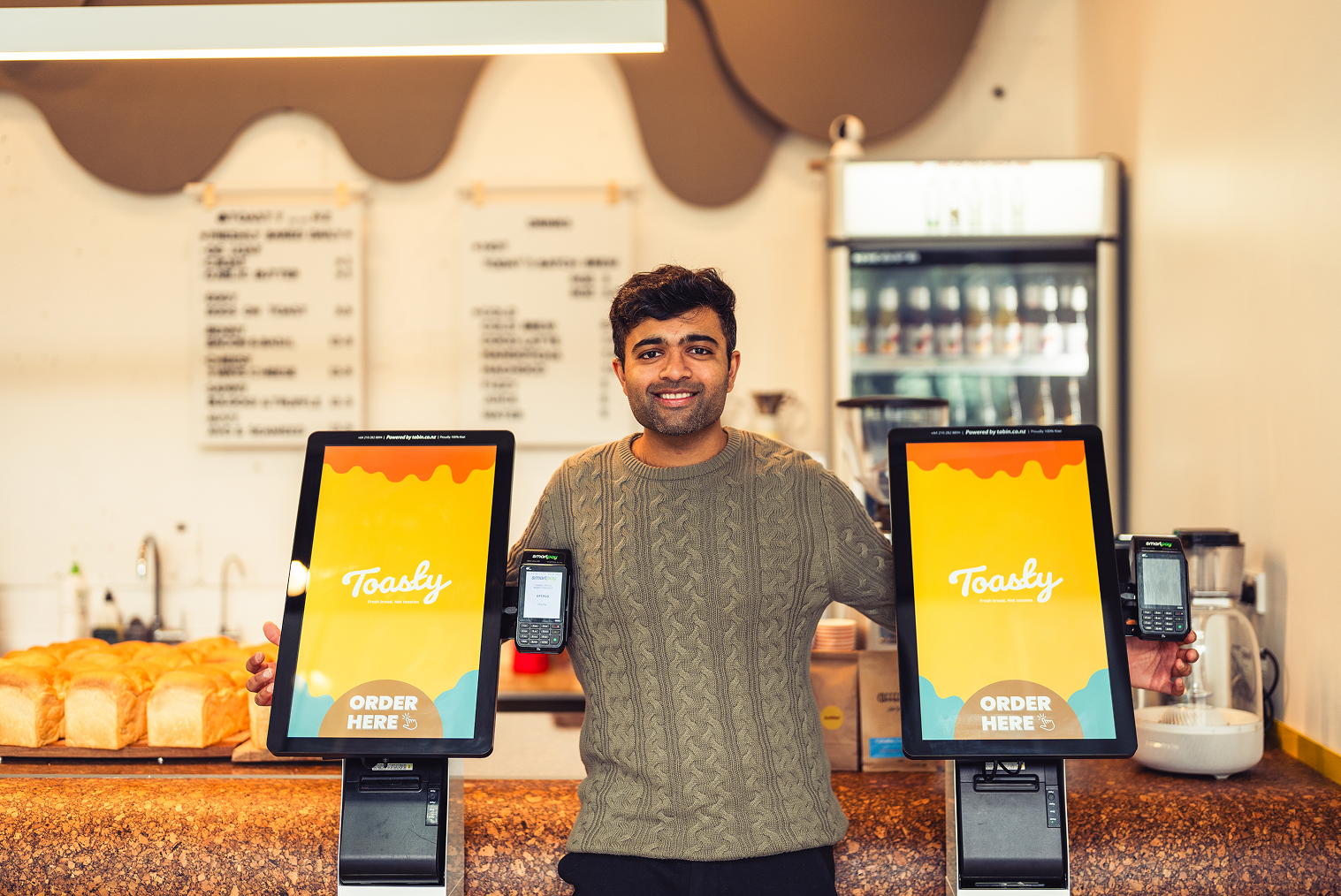
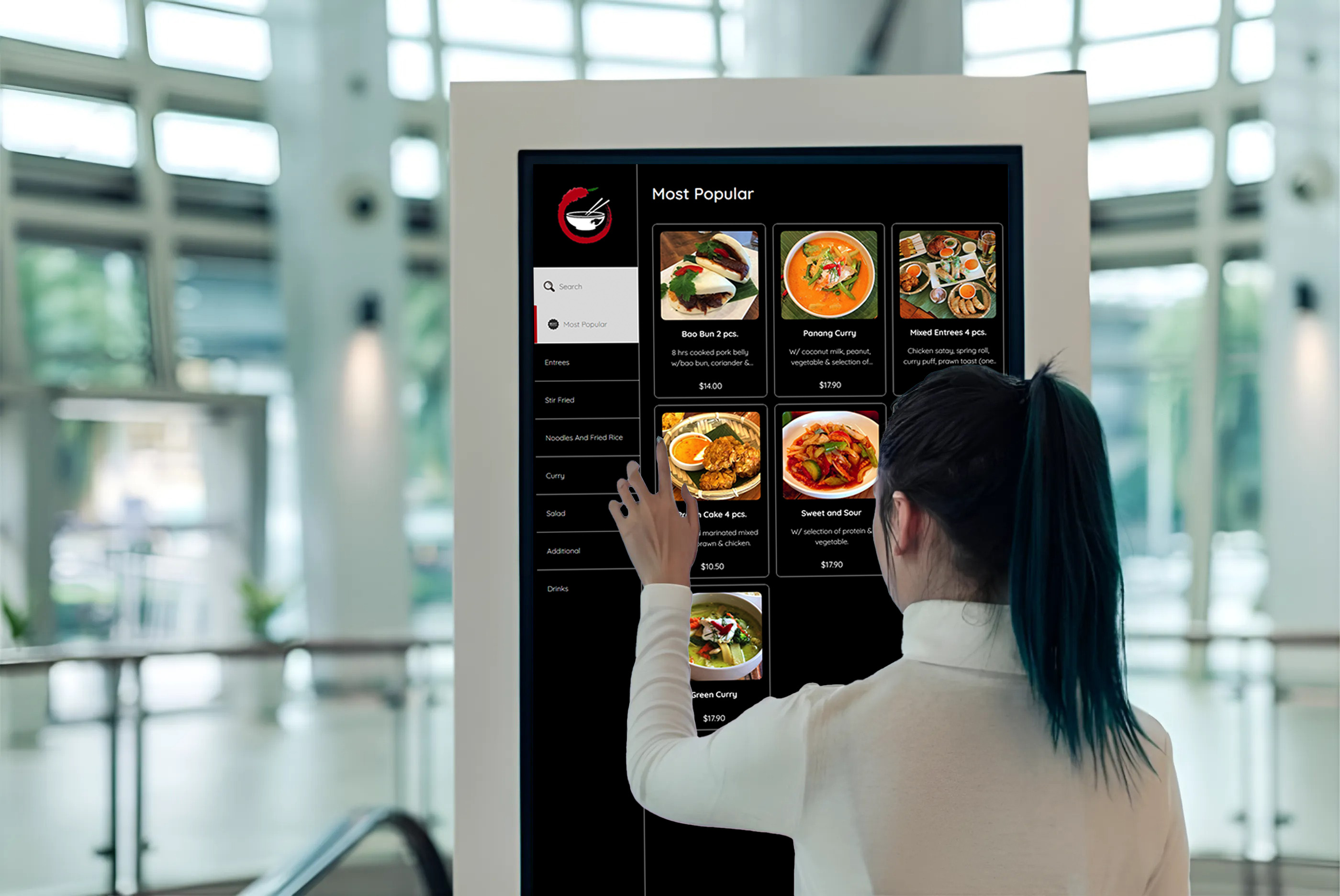
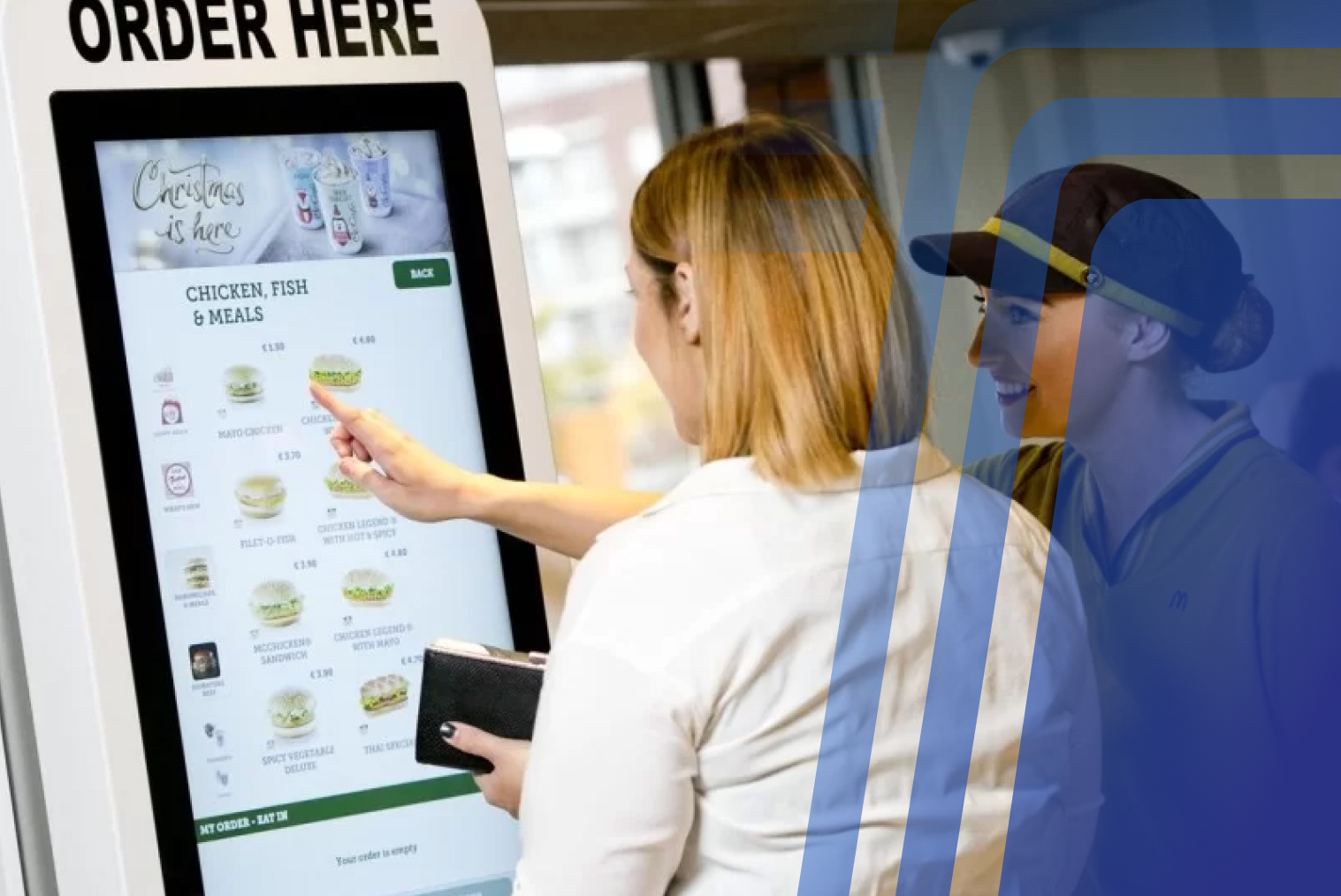
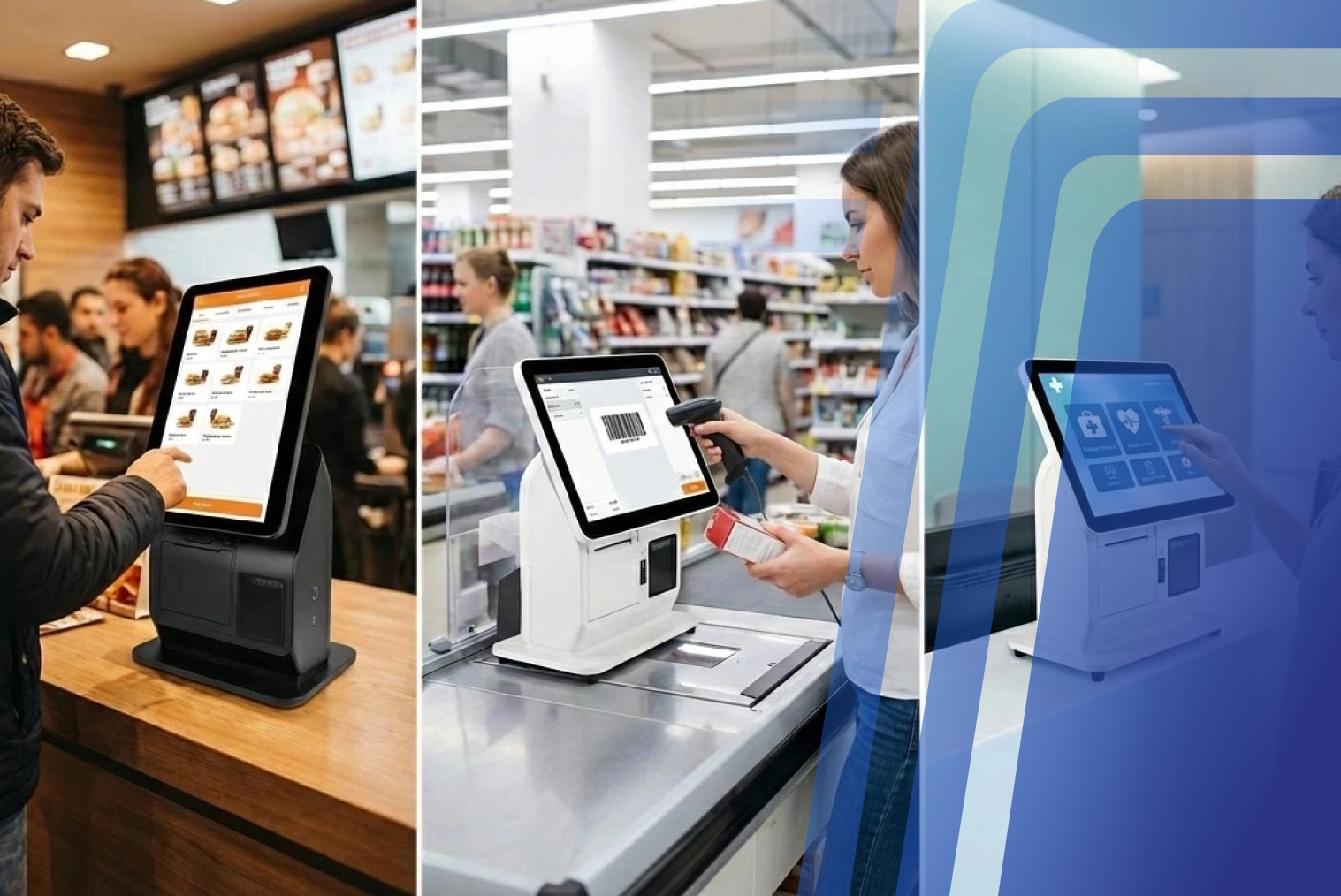
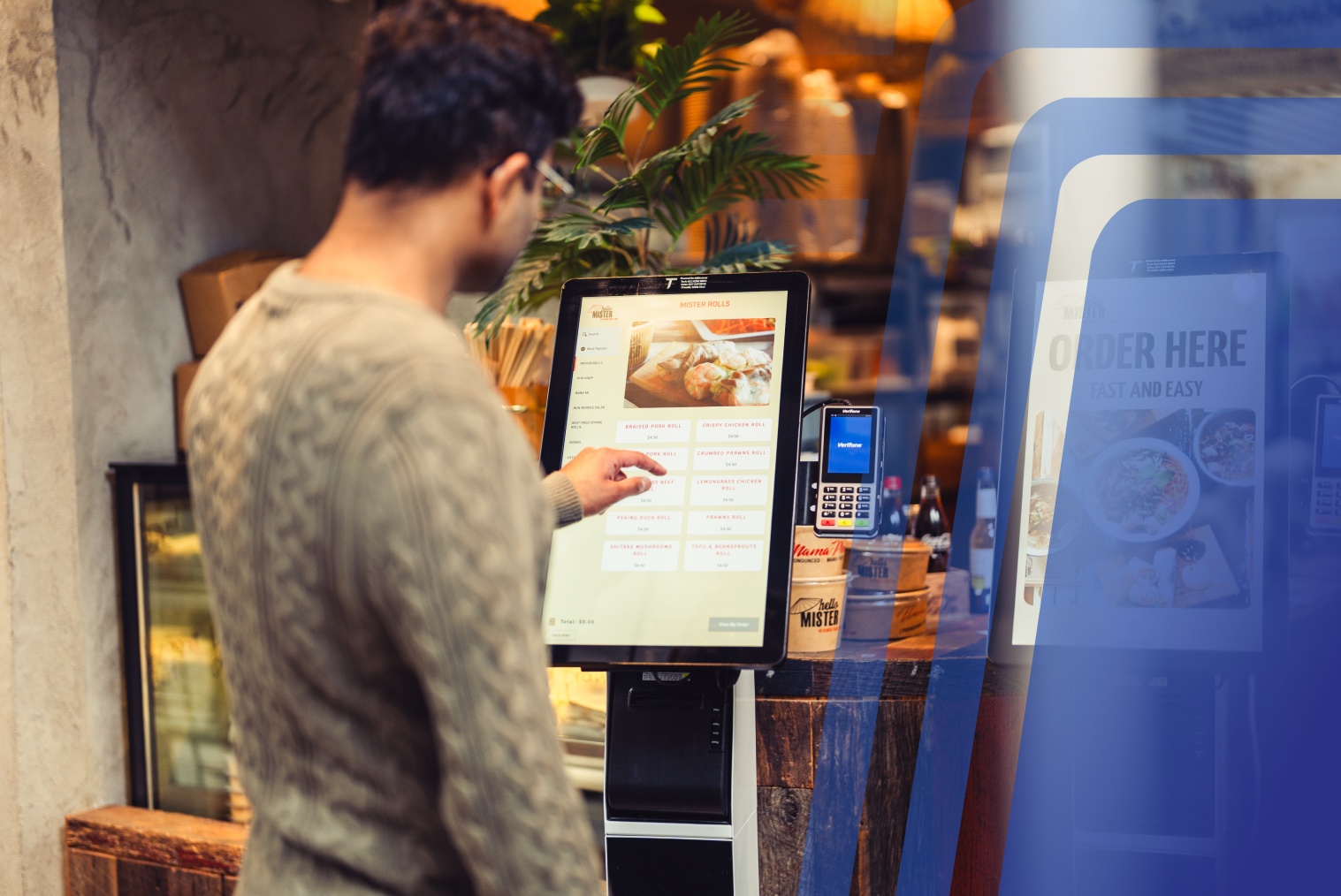
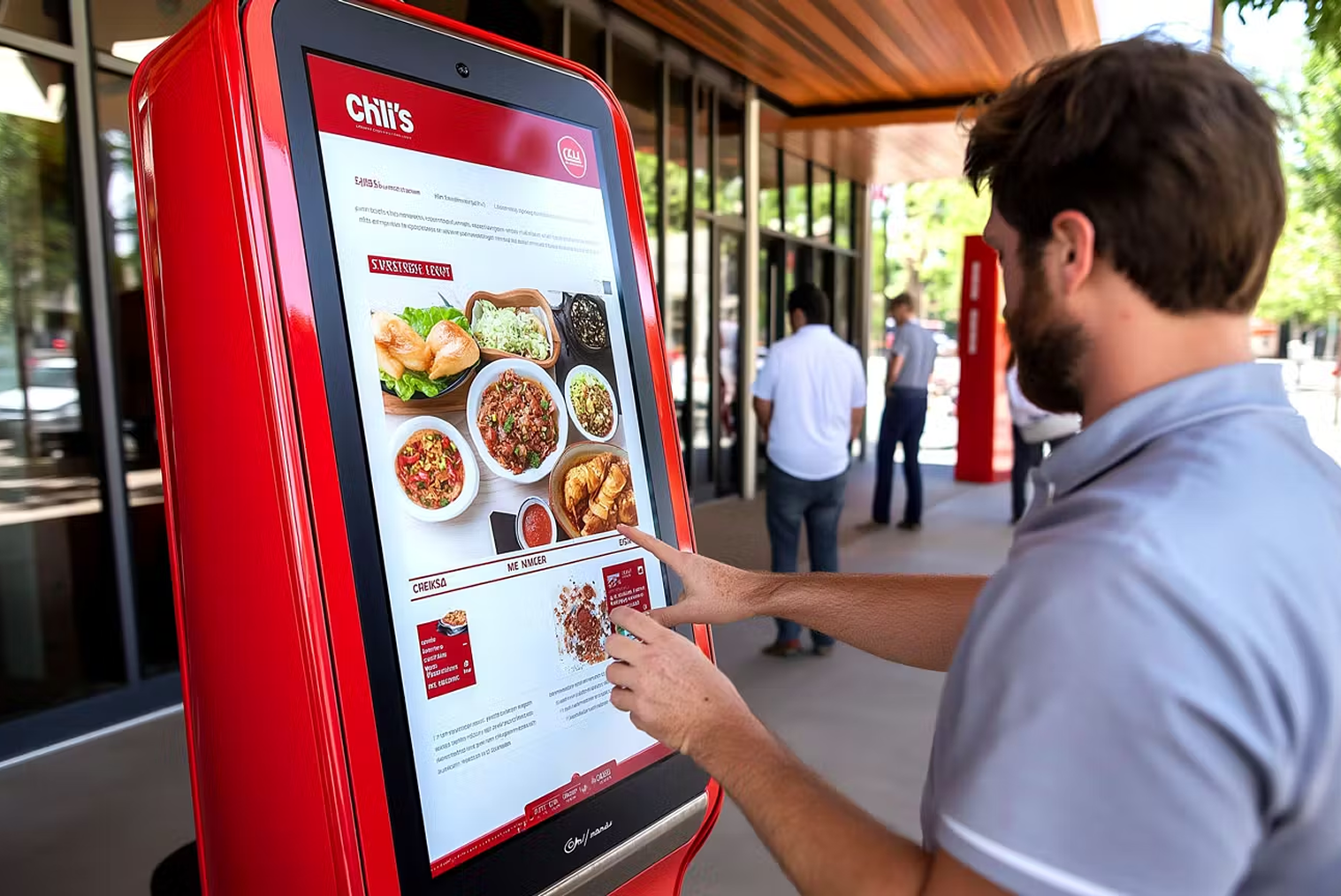
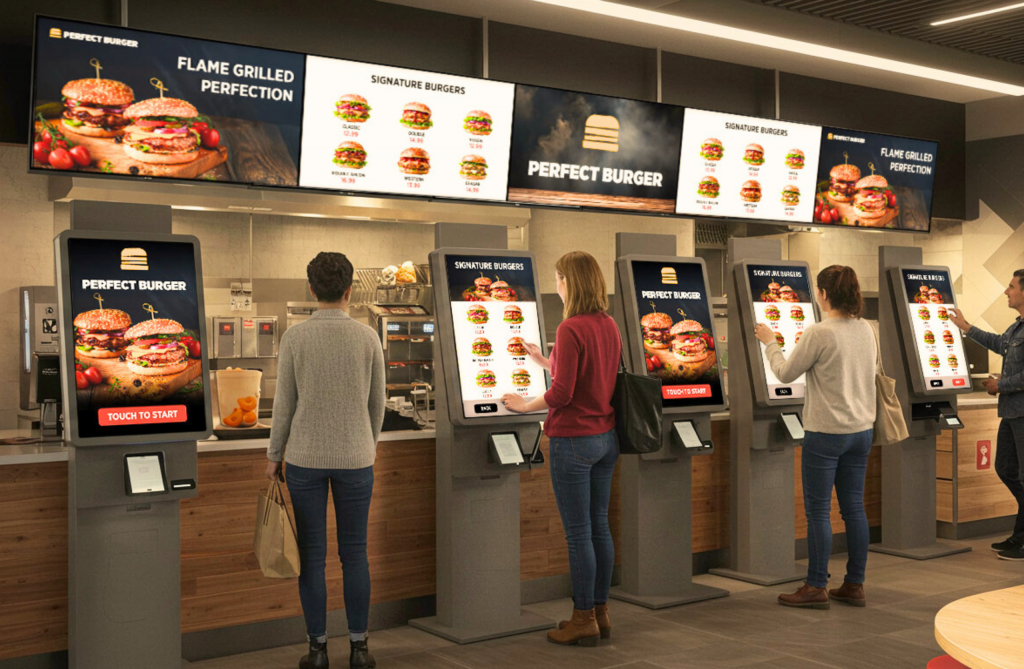
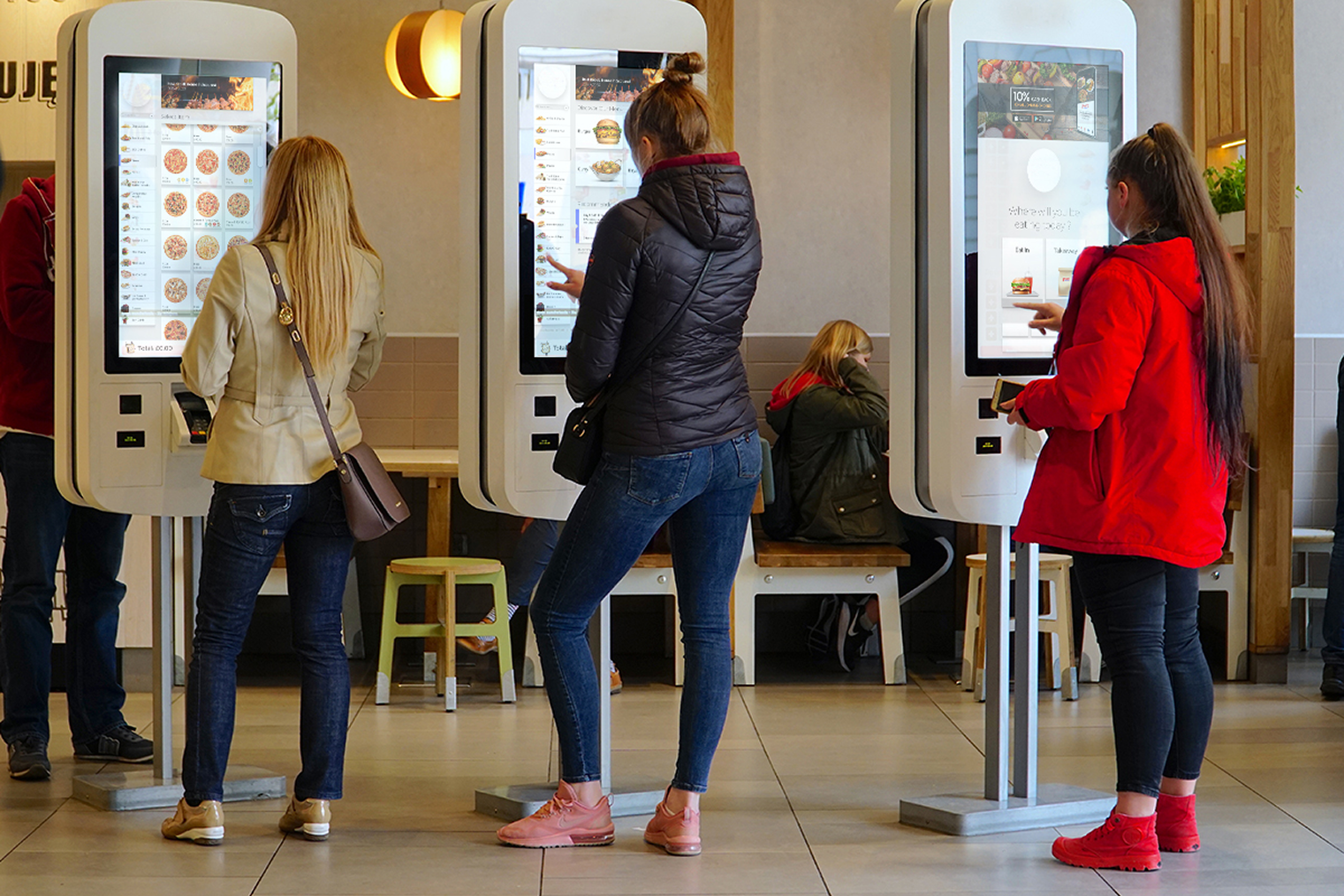
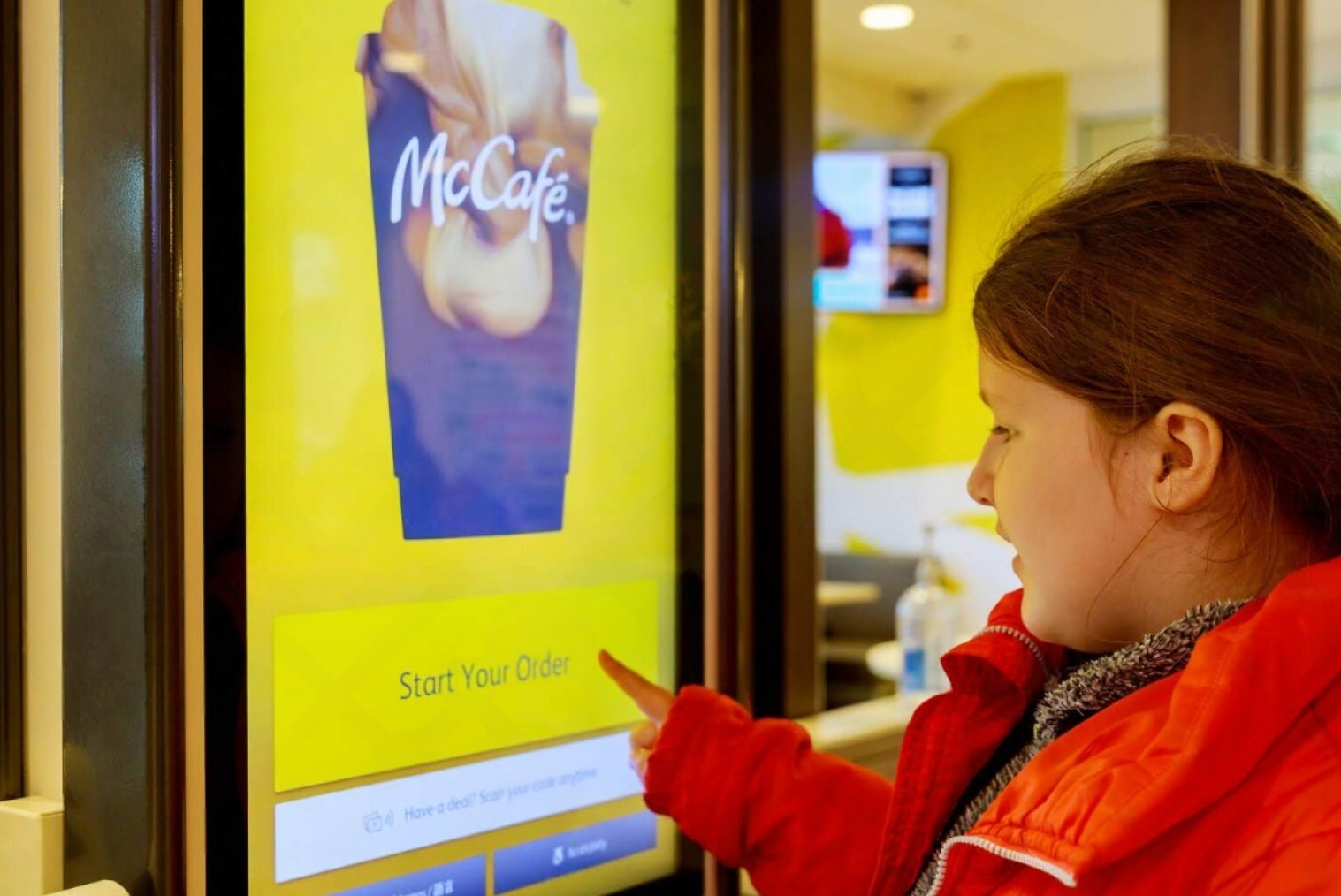
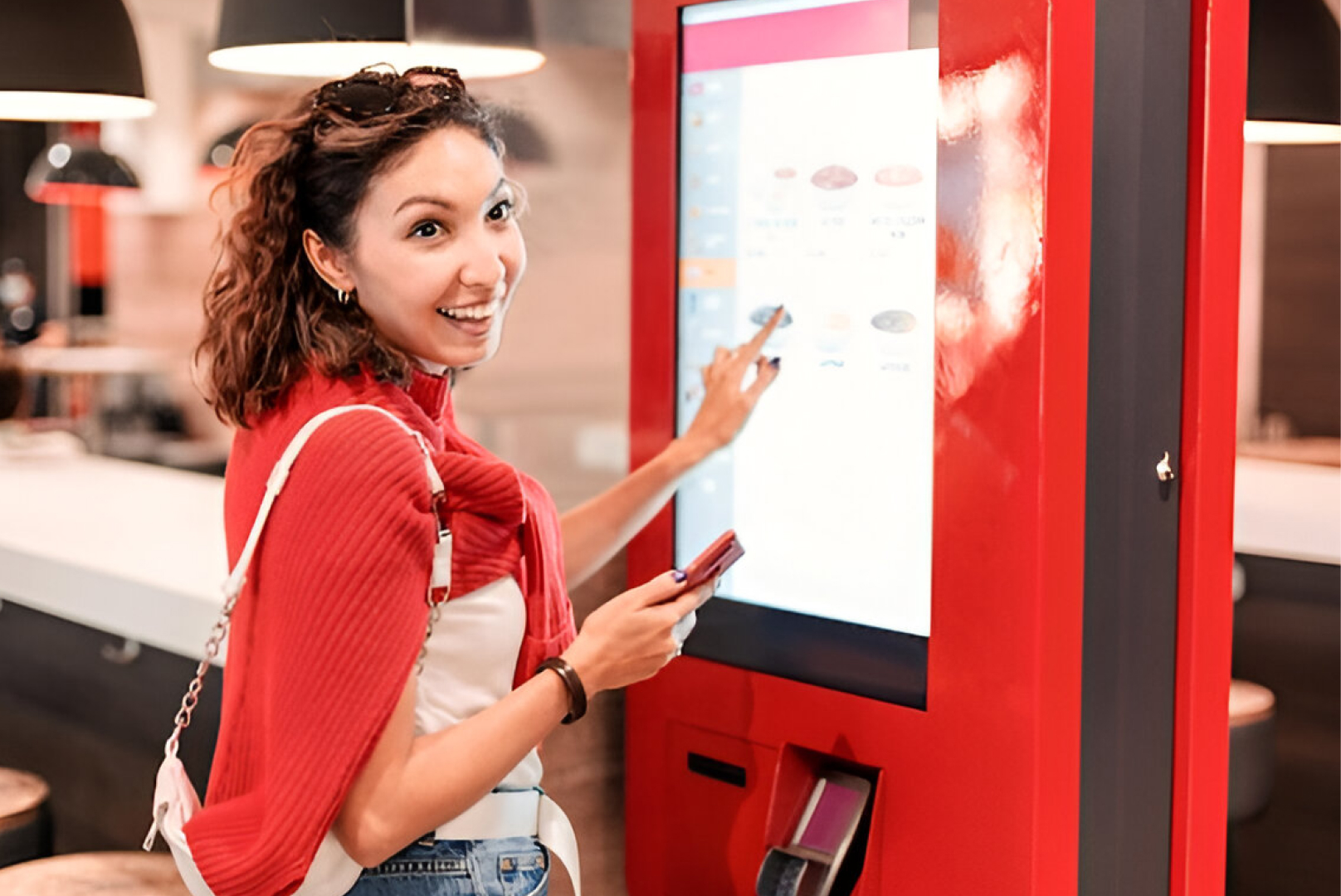
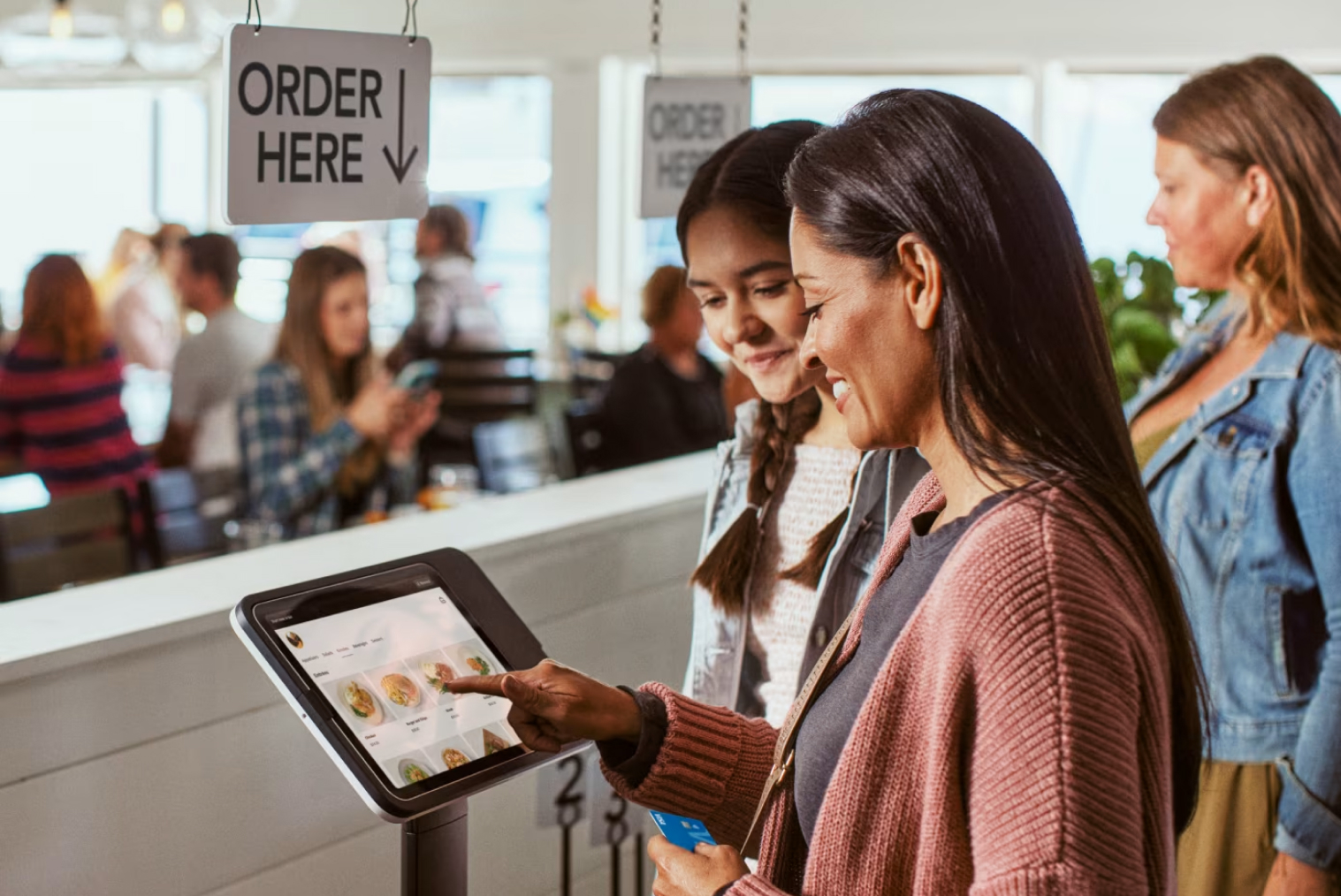
A self-ordering kiosk is a digital, touch-screen system that allows customers to place and pay for their orders without interacting with staff. Commonly used in restaurants, cafés, and QSRs, it lets customers browse the menu, customise items, apply offers or loyalty rewards, and complete payment directly at the kiosk.
By automating the ordering process, self-ordering kiosks reduce queues, minimise order errors, speed up service, and improve overall customer experience—while helping businesses increase efficiency and average order value.
Benefits of Self-Ordering Kiosks
1. Sleek and User-Friendly Interface
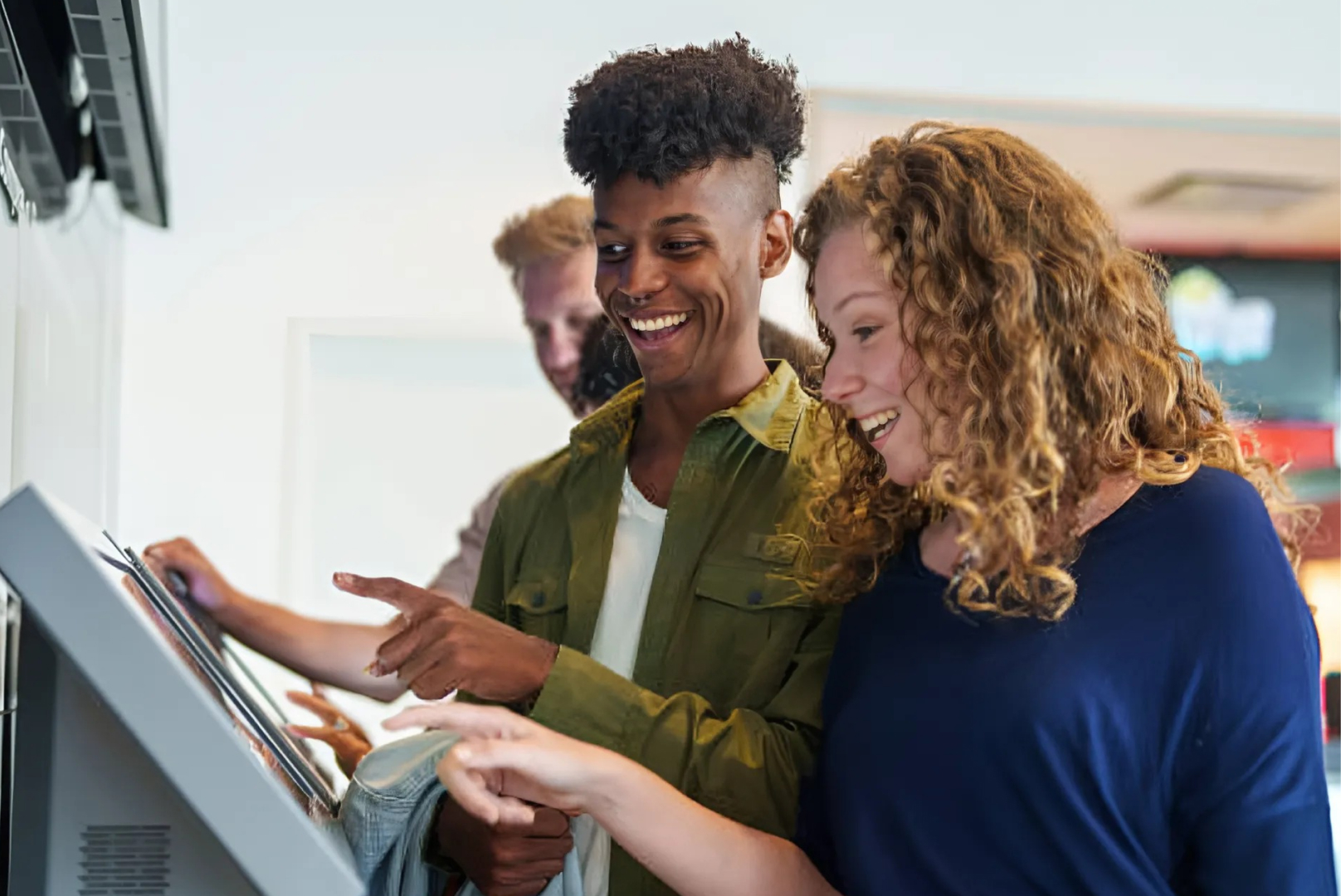
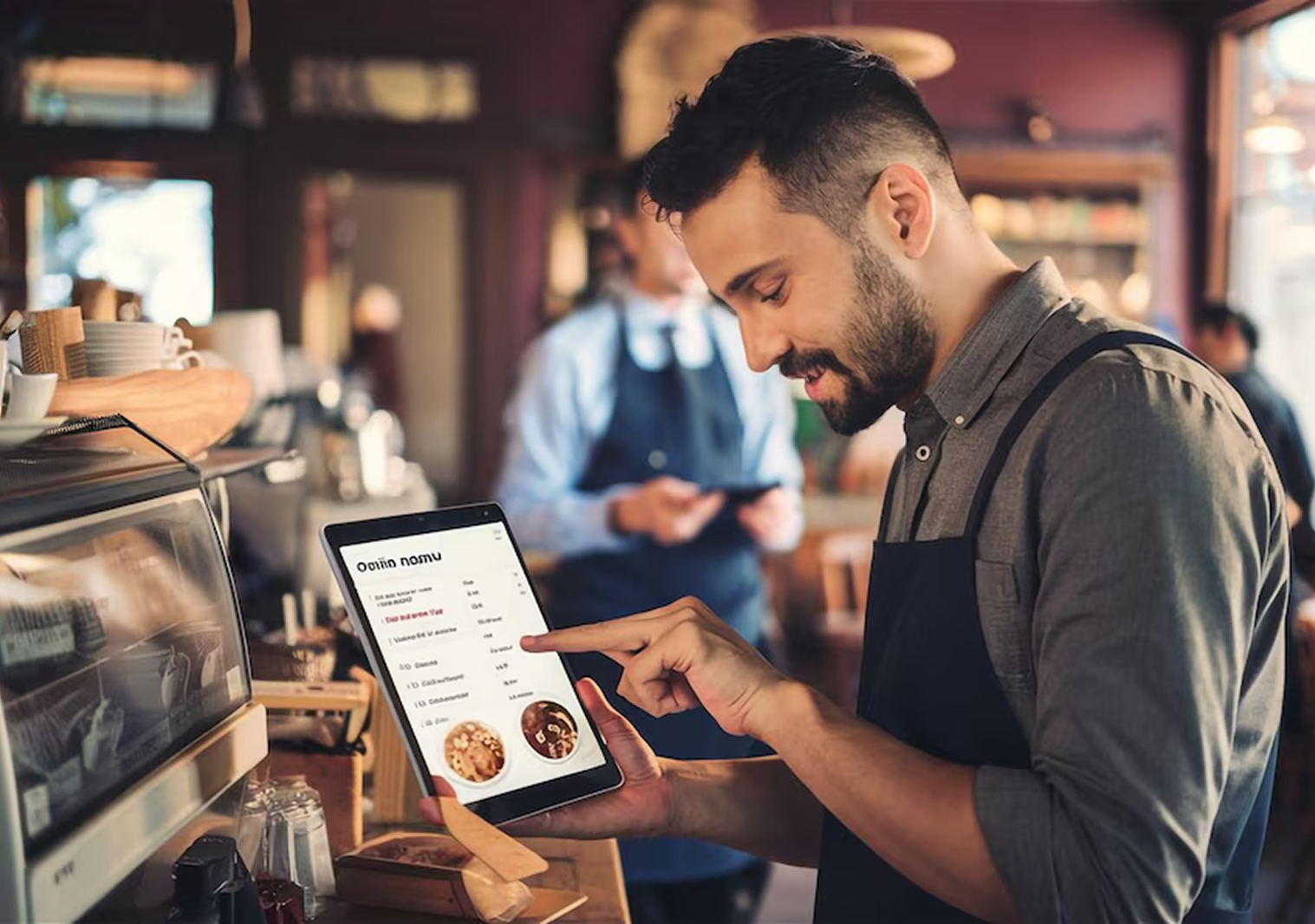
One of the standout features of cutting-edge ordering kiosks is their glossy and intuitive interface. Designed with the consumer in mind, those kiosks ensure that even the least tech-savvy clients can navigate the gadget effortlessly.
Simple Language and Clear Illustrations:
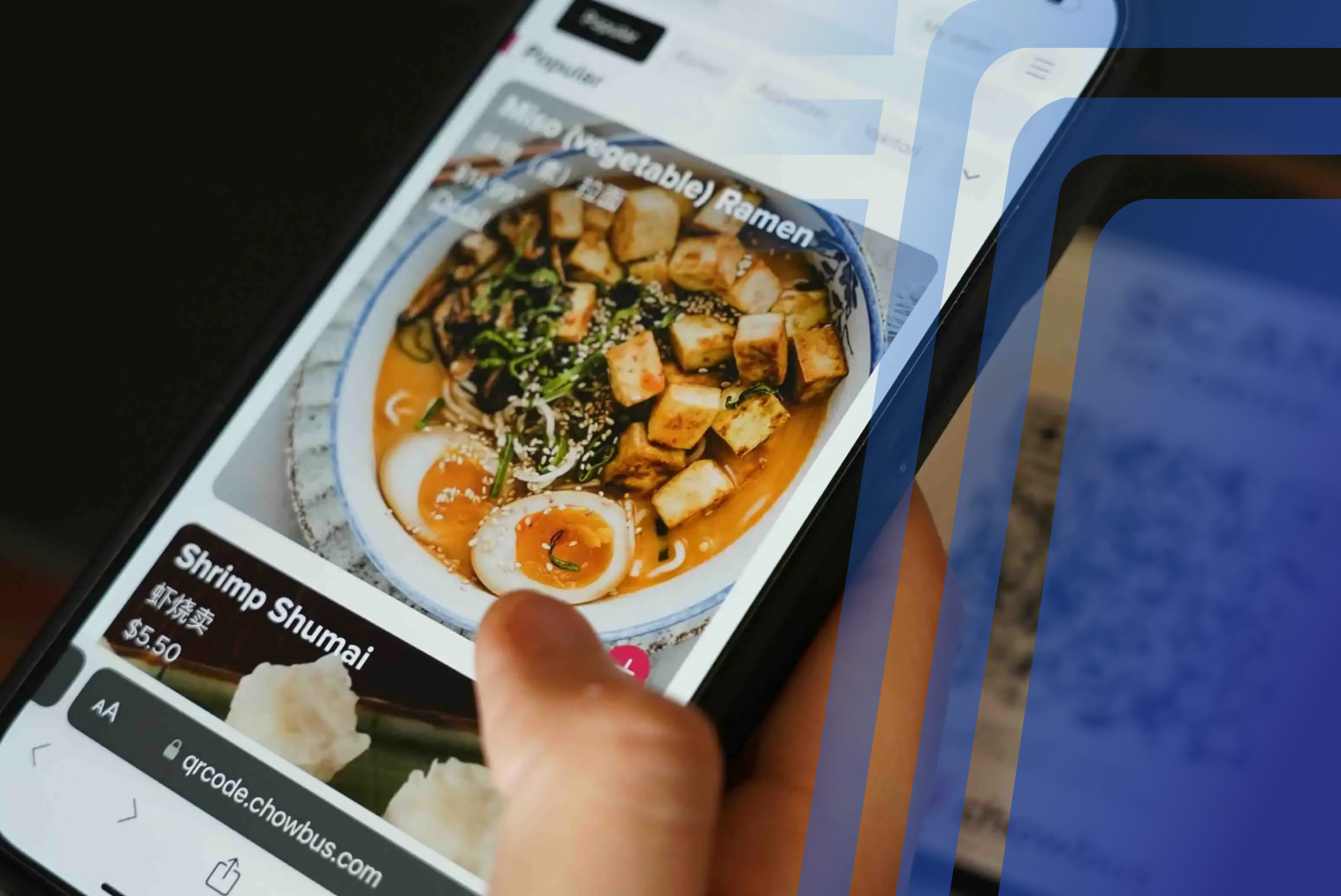
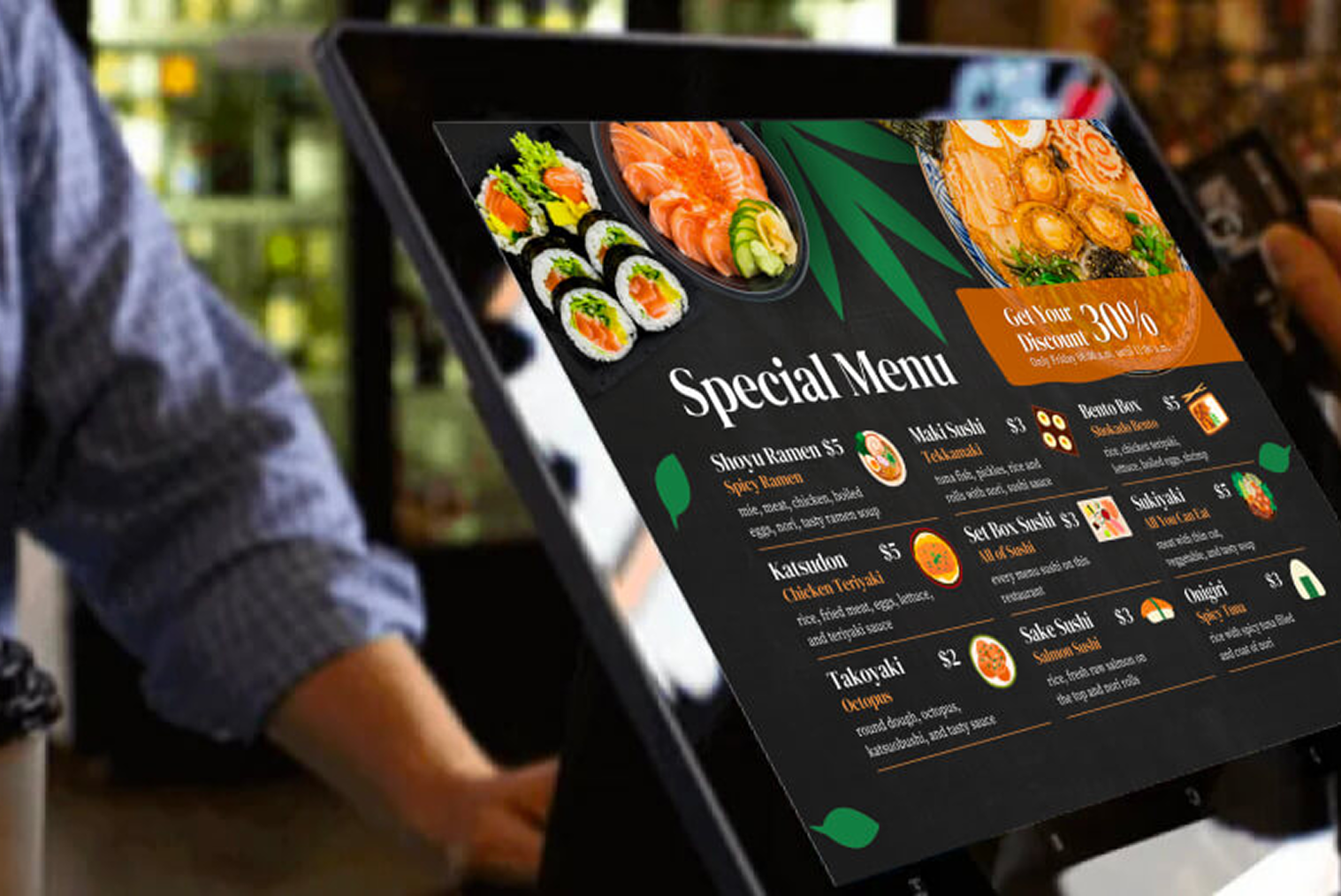
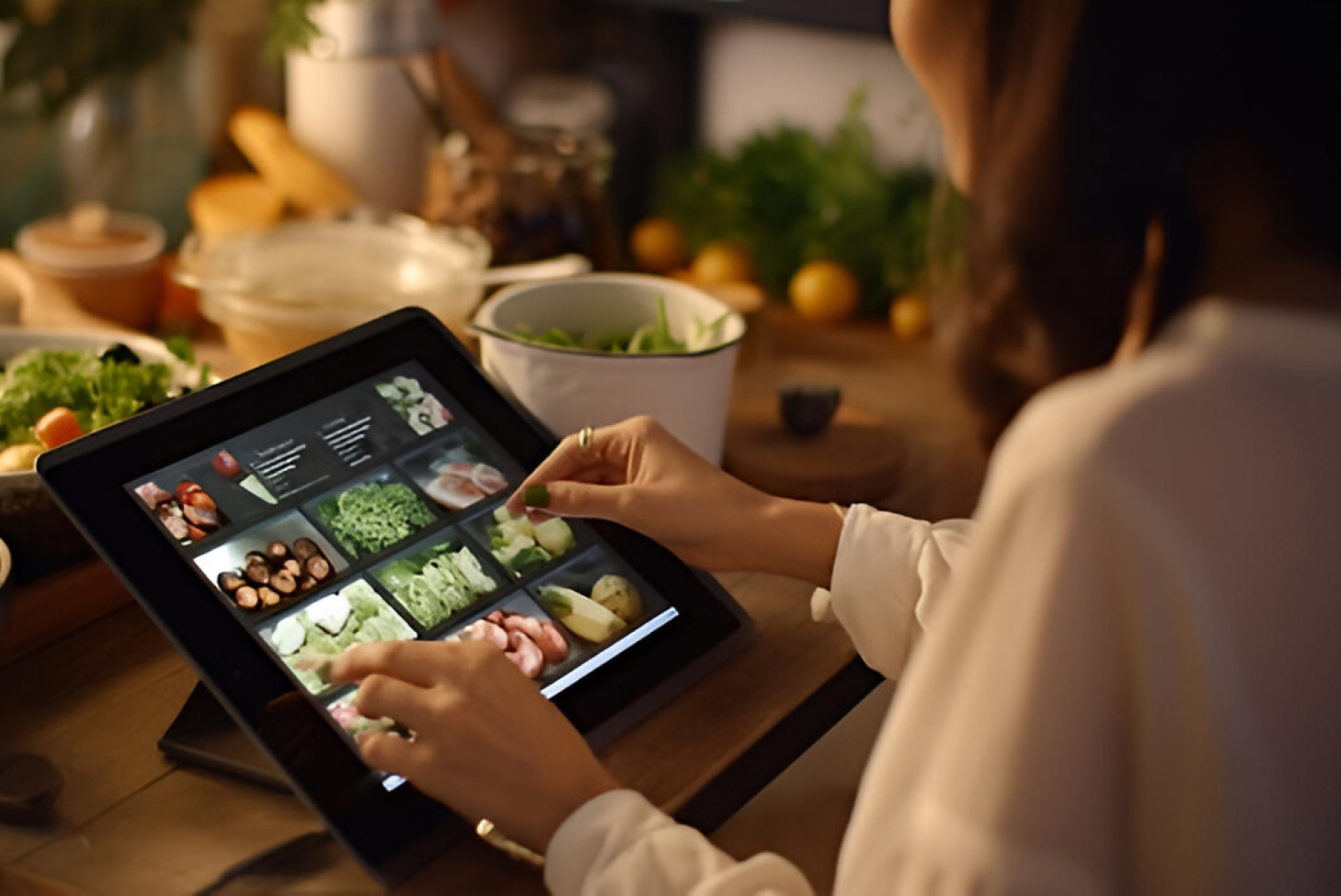
Ordering kiosks use straightforward language with clean illustrations to guide customers. This makes it easy for anybody to place an order, no matter their familiarity with technology. For instance, pictorial representations of the menu can assist customers in quickly deciding what they wish to order.
Multi-Language Support:
Ordering kiosks frequently support multiple languages, making them accessible to numerous customers. This function eliminates language limitations and ensures that non-local speakers can easily place their orders without asking for help from anybody.
2. Seamless Integration and Configuration
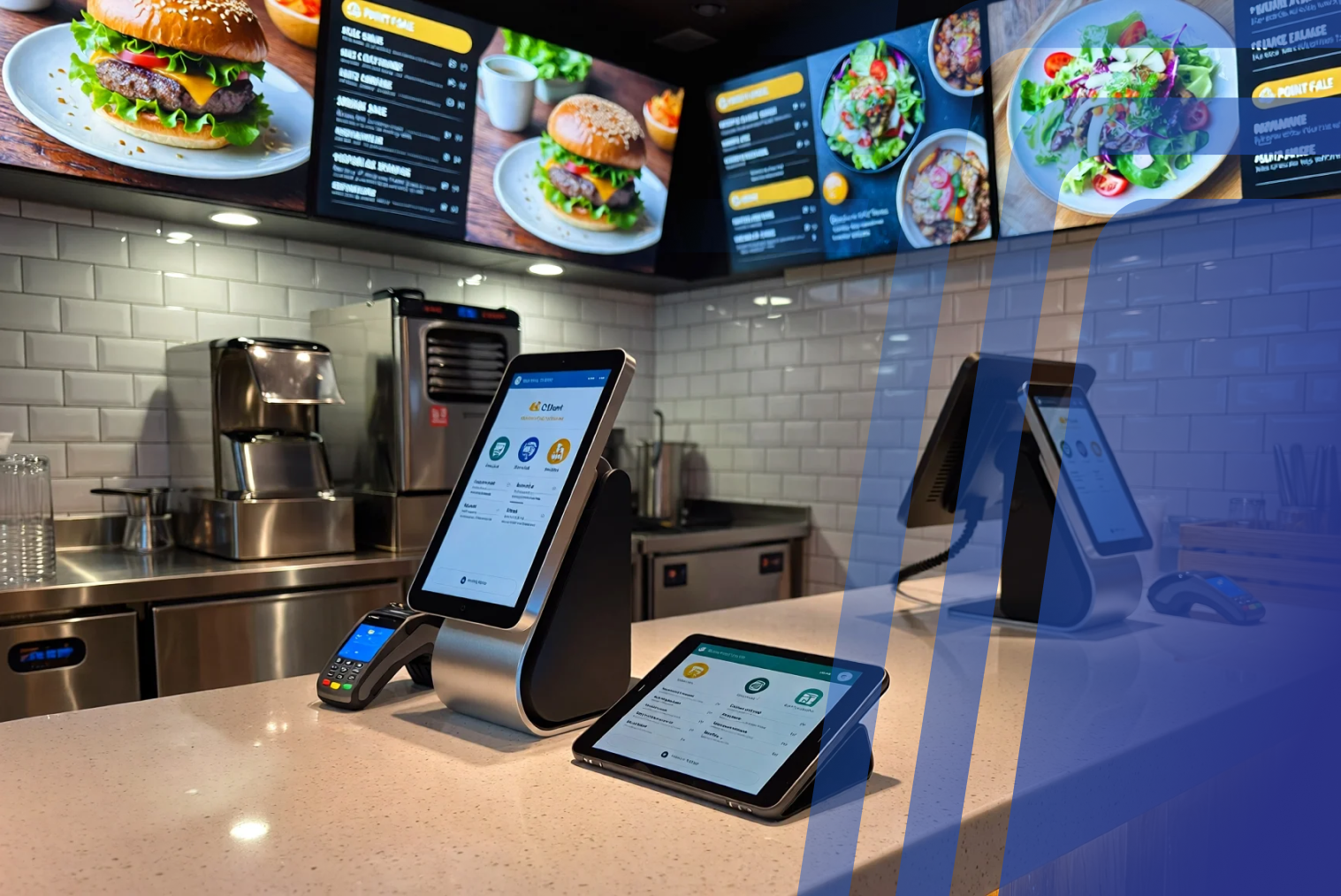
Ordering kiosks are designed to integrate seamlessly with various business structures, improving operational performance.
Integration of Printer and Payment Processor:
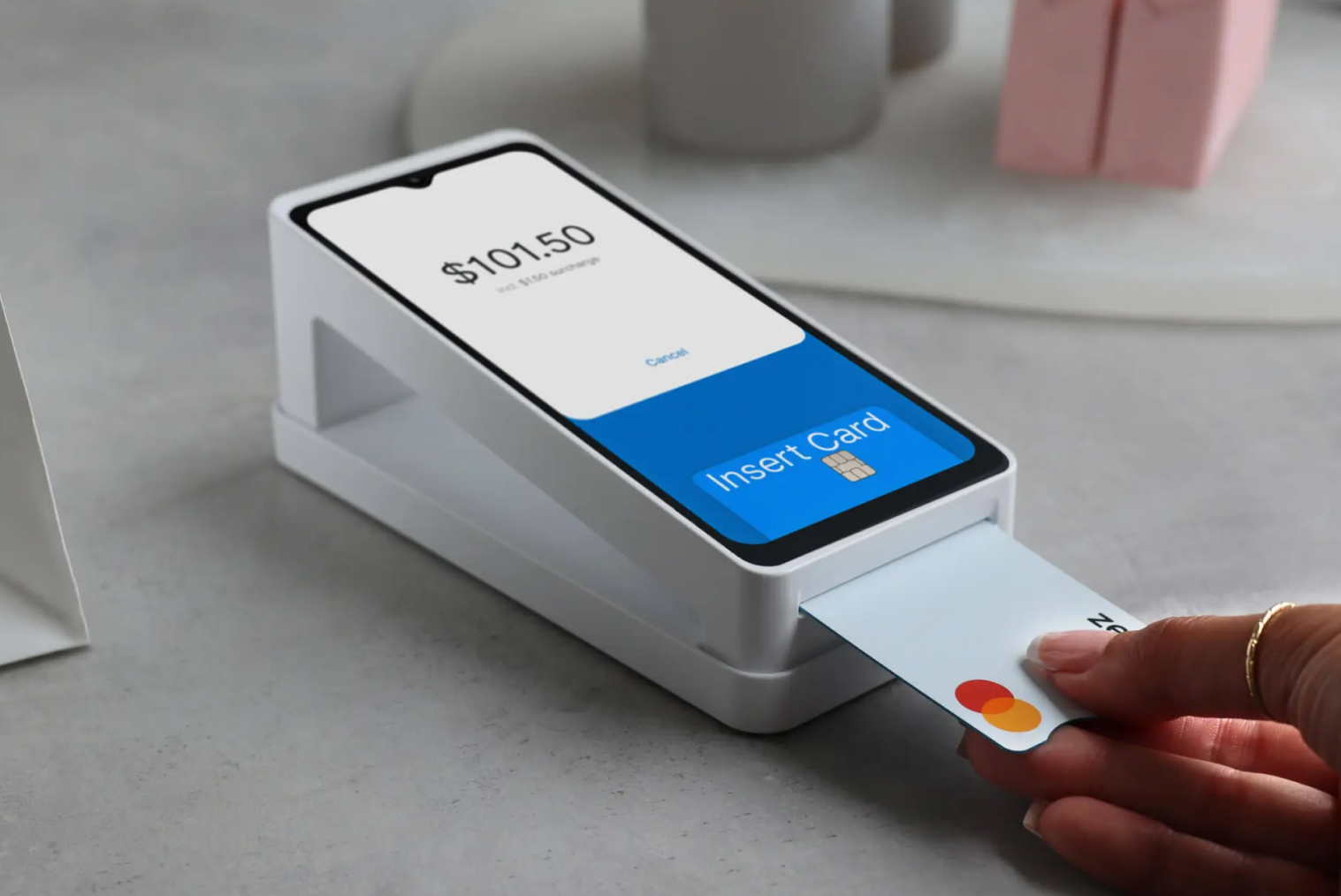
These kiosks can be set up to operate with your choice's printers and payment processors. This connection guarantees a flawless client experience by quickly processing orders and printing receipts immediately.
Ordering kiosks and Smart POS systems:
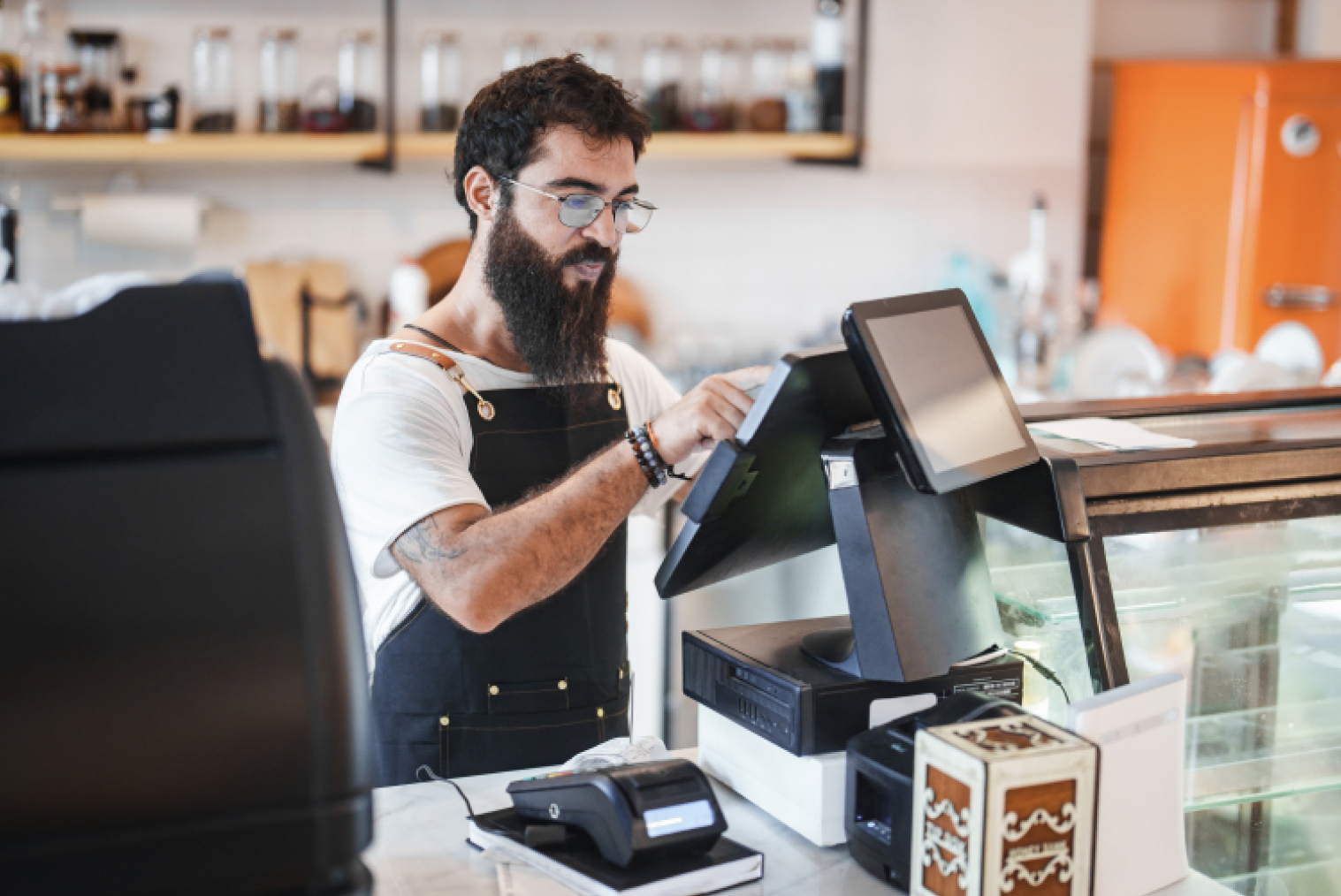
May be easily integrated, giving firms effective order management and receipt capabilities. By ensuring that orders are sent straight to the kitchen or other appropriate department, this connectivity lowers the possibility of mistakes and speeds up service.
3. Higher Profits with Cross-Selling and Upselling
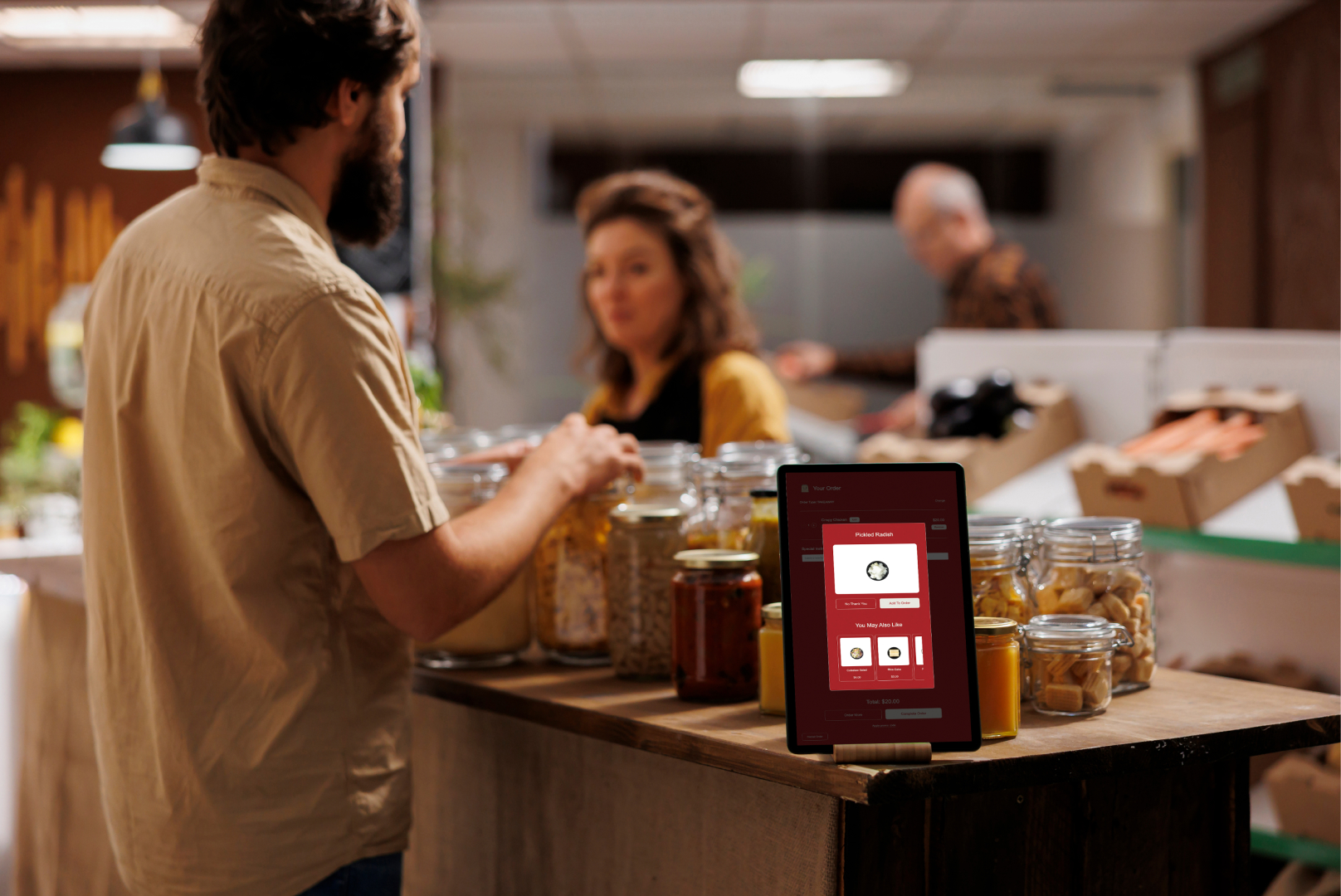
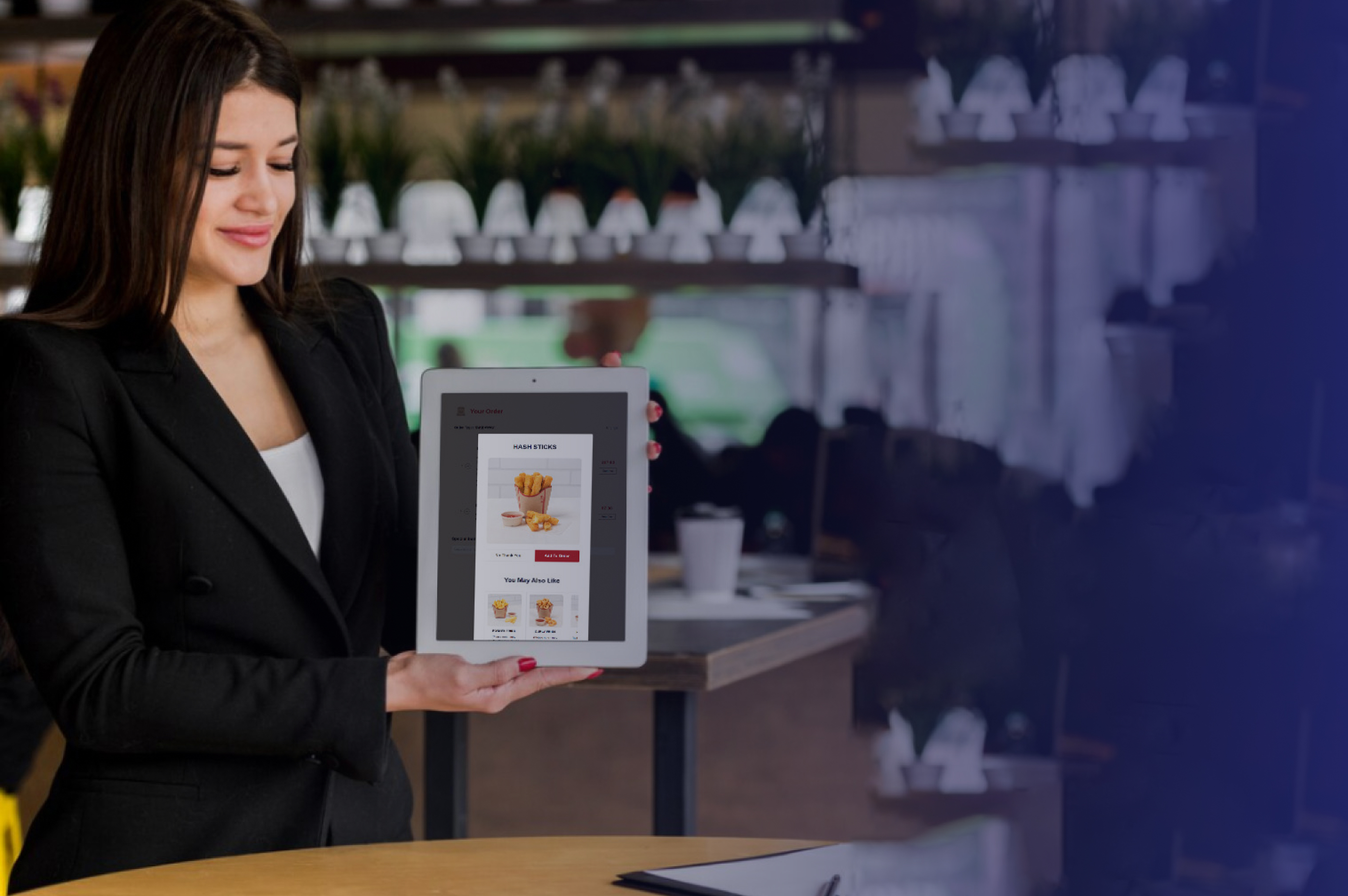
Ordering kiosks are an effective way to boost sales. During the ordering process, they can be programmed to recommend upgrades or other things, which will entice clients to spend more money.
Effective Upselling:
Kiosks can non-intrusively draw attention to popular extras, larger sizes, or premium selections. This continuous, automated upselling, which is frequently more successful than human personnel, results in higher average order values.
Customized Orders and Add-Ons:
When users personalize their orders, kiosks may suggest additional add-ons, which could increase the average check amount. Many establishments have observed a 15–30% increase in average check size, as kiosks effectively upsell items like add-ons, sides, or premium options. For instance, you can considerably boost the overall sale by recommending a dessert or a side dish to a customer who has ordered a main course.
4. Better Personalization and Customer Satisfaction
Today's Customers need individualised service, and ordering kiosks deliver that by creating experiences tailored to each customer's interests.
Customization Options:
Kiosks allow customers to personalise their orders according to their tastes and nutritional requirements. Whether adding extra toppings to a pizza or selecting a favorite dressing for a salad, clients recognize the ability to personalize their meals.
Loyalty Integration:
Ordering kiosks can be seamlessly integrated with existing or new loyalty programs, allowing customers to earn and redeem points with every order. This integration not only promotes repeat sales but also enhances customer satisfaction, as it provides a tangible benefit for their continued patronage.
5. Operational Efficiency and Labor Optimization
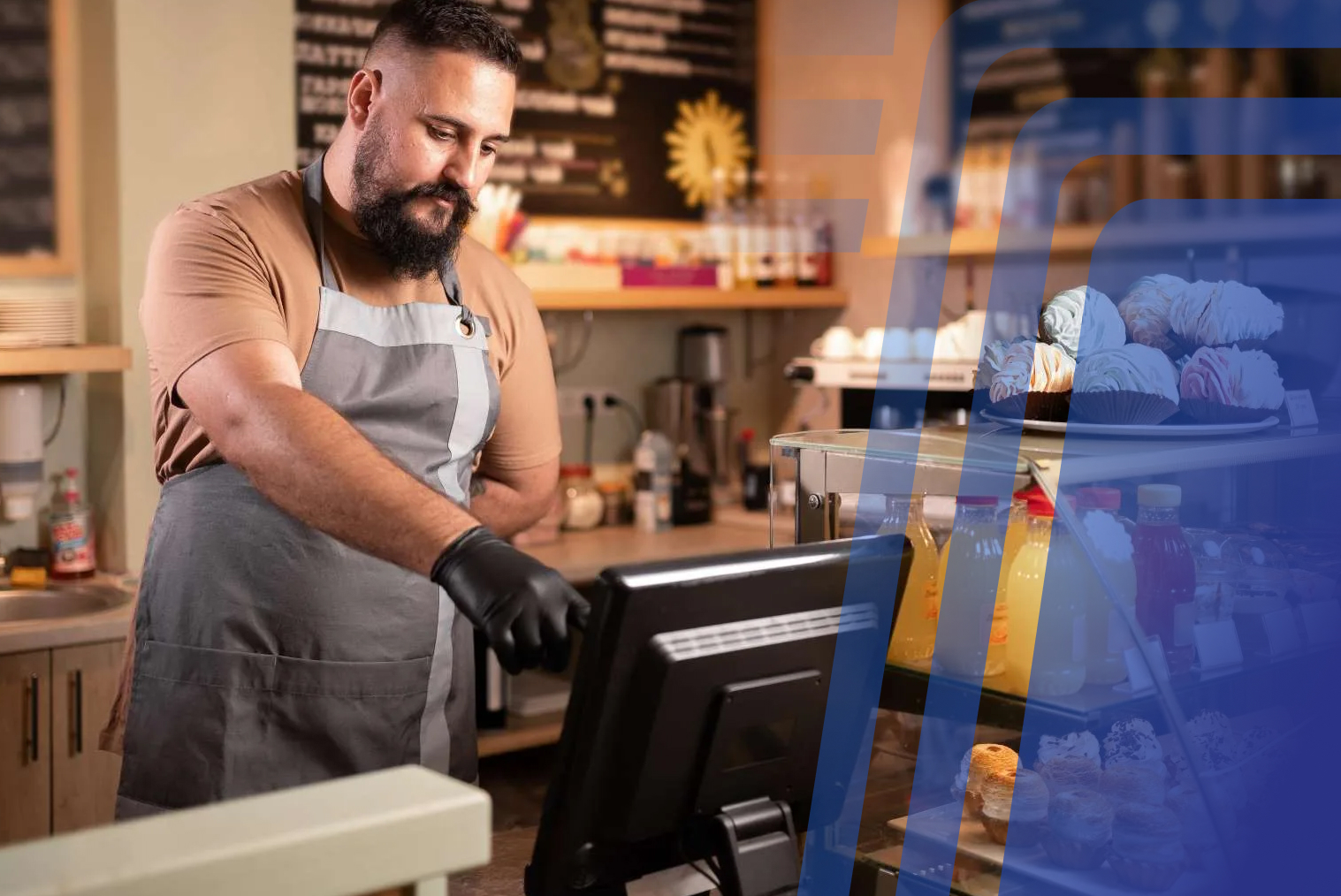
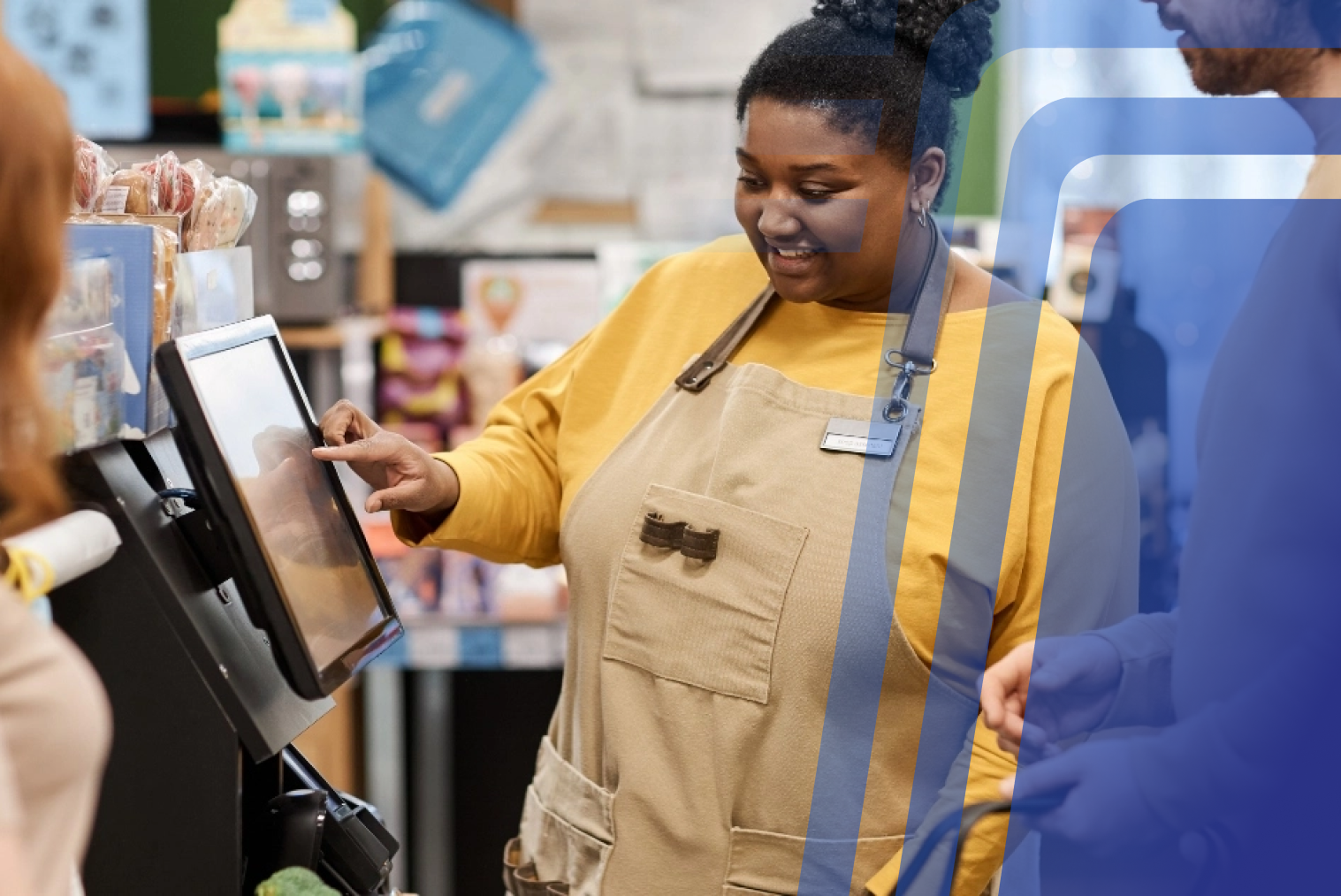
By automating the ordering system, kiosks free up the workforce to focus on other vital responsibilities, such as meal education and customer support. Studies indicate that implementing kiosks can cut order and wait times by up to 40%, enabling staff to focus on food prep and customer engagement.
Labor Cost Savings:
With kiosks managing the bulk of the ordering process, companies can function with fewer front-of-residence personnel. This discount in exertion fees allows for higher asset allocation and can result in substantial financial savings over time.
Consistency and Reliability:
Unlike staff employees, kiosks provide steady service without any scope of fatigue or error. This reliability ensures that customers acquire the same kind of service every time they visit, instilling a sense of security and confidence in the system.
6. Business optimization and Data-Driven Insights
Ordering kiosks gather important information on customers' tastes, habits, and behaviors. Analyzing this data can yield new perspectives and improve company processes, empowering businesses with valuable insights for strategic decision-making.
Customer insights:
Businesses may better manage their inventories and customize their products by knowing which items are the most popular, when peak times occur, and what add-ons are frequently chosen.
Targeted Marketing:
Kiosk data can be used to create marketing campaigns. Businesses may increase engagement and sales by sending tailored offers and incentives based on their understanding of client preferences.
How Ordering Kiosks Integrate with Modern POS Systems
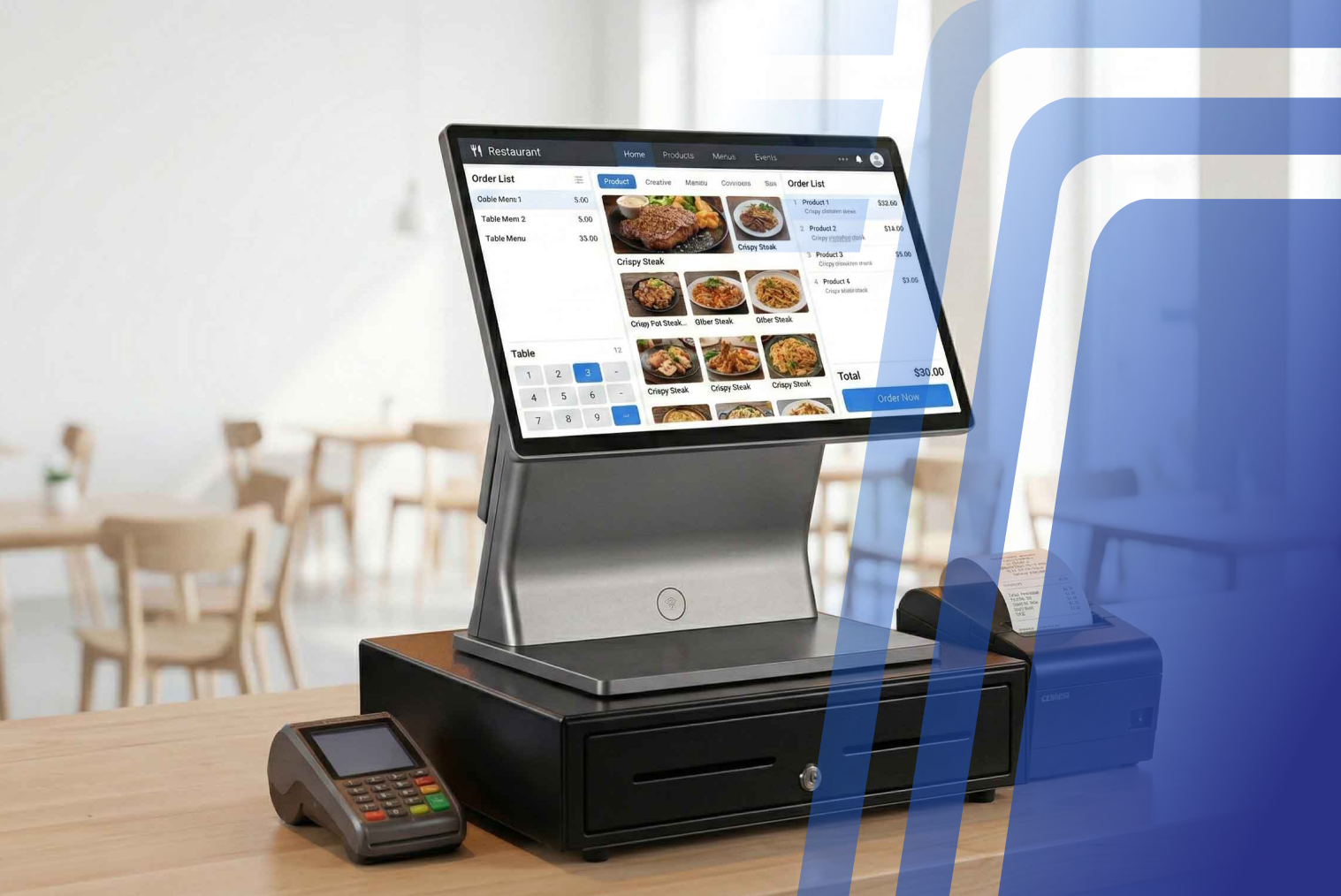
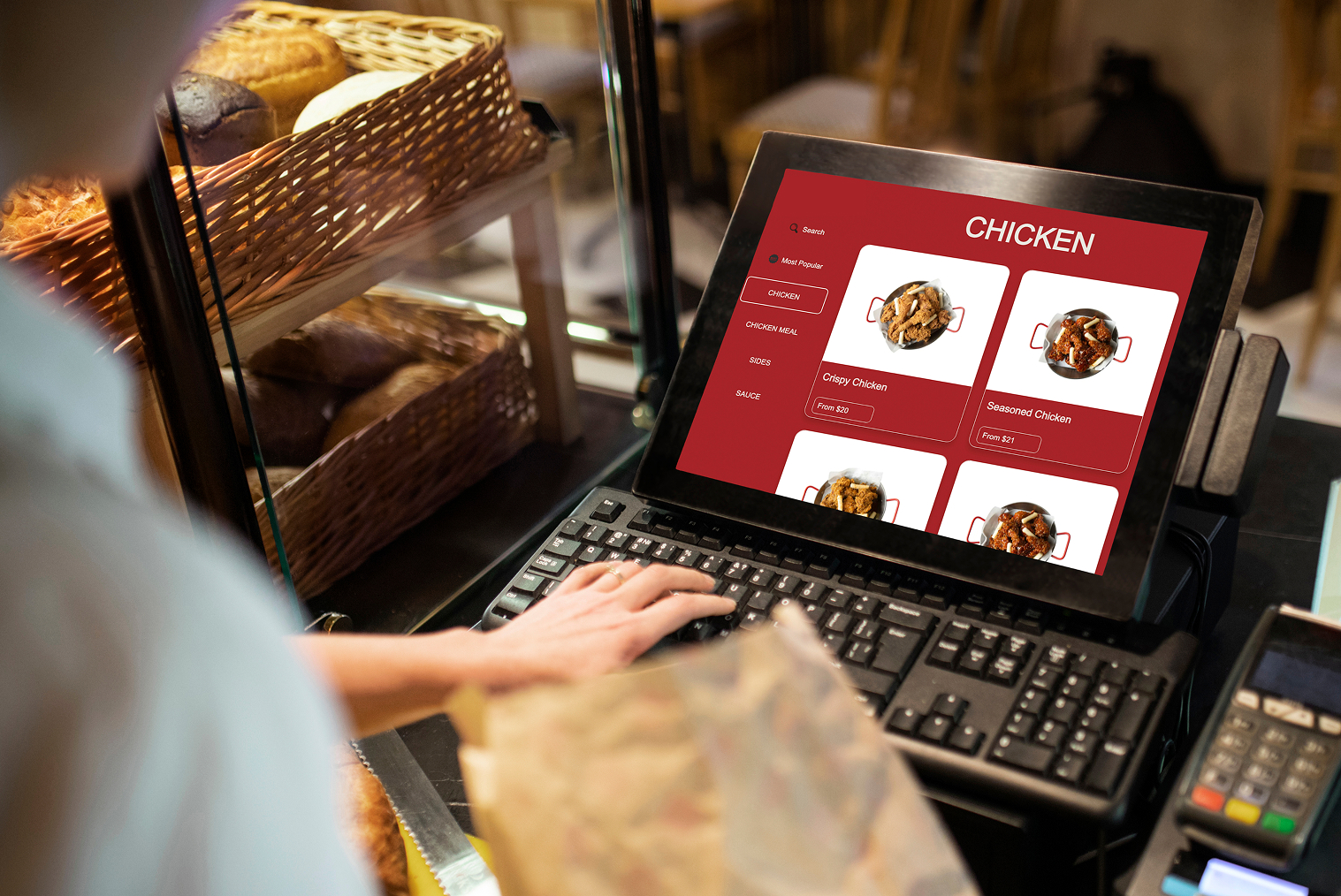
Modern ordering kiosks integrate seamlessly with POS platforms, ensuring real-time sync of menu items, pricing, and stock levels. By connecting directly to both the POS and kitchen display system, kiosks reduce communication errors and improve operational efficiency. This improves service speed while strengthening the overall flow of the restaurant's self-ordering system.
The Role of Self-Service Payment Kiosks
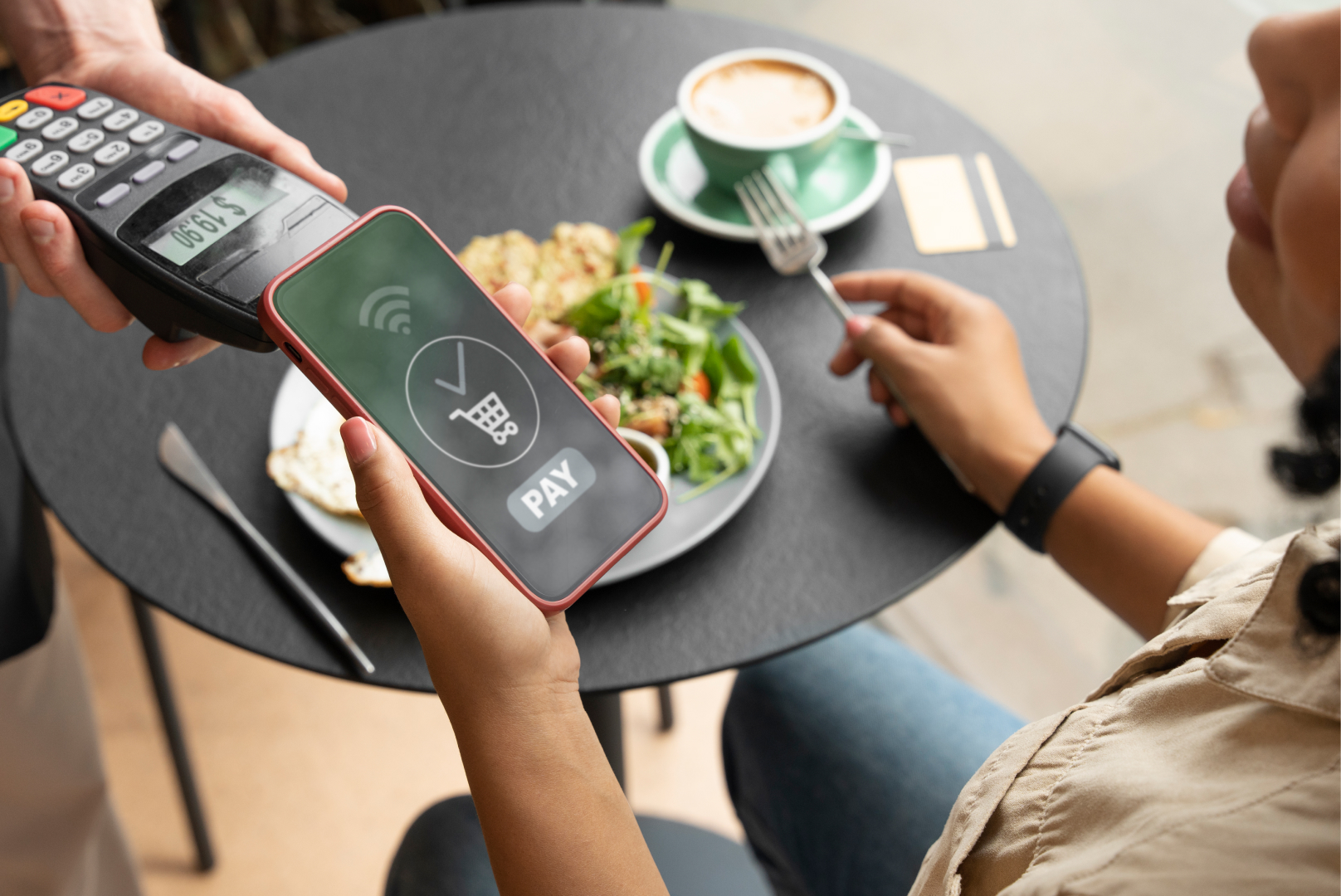
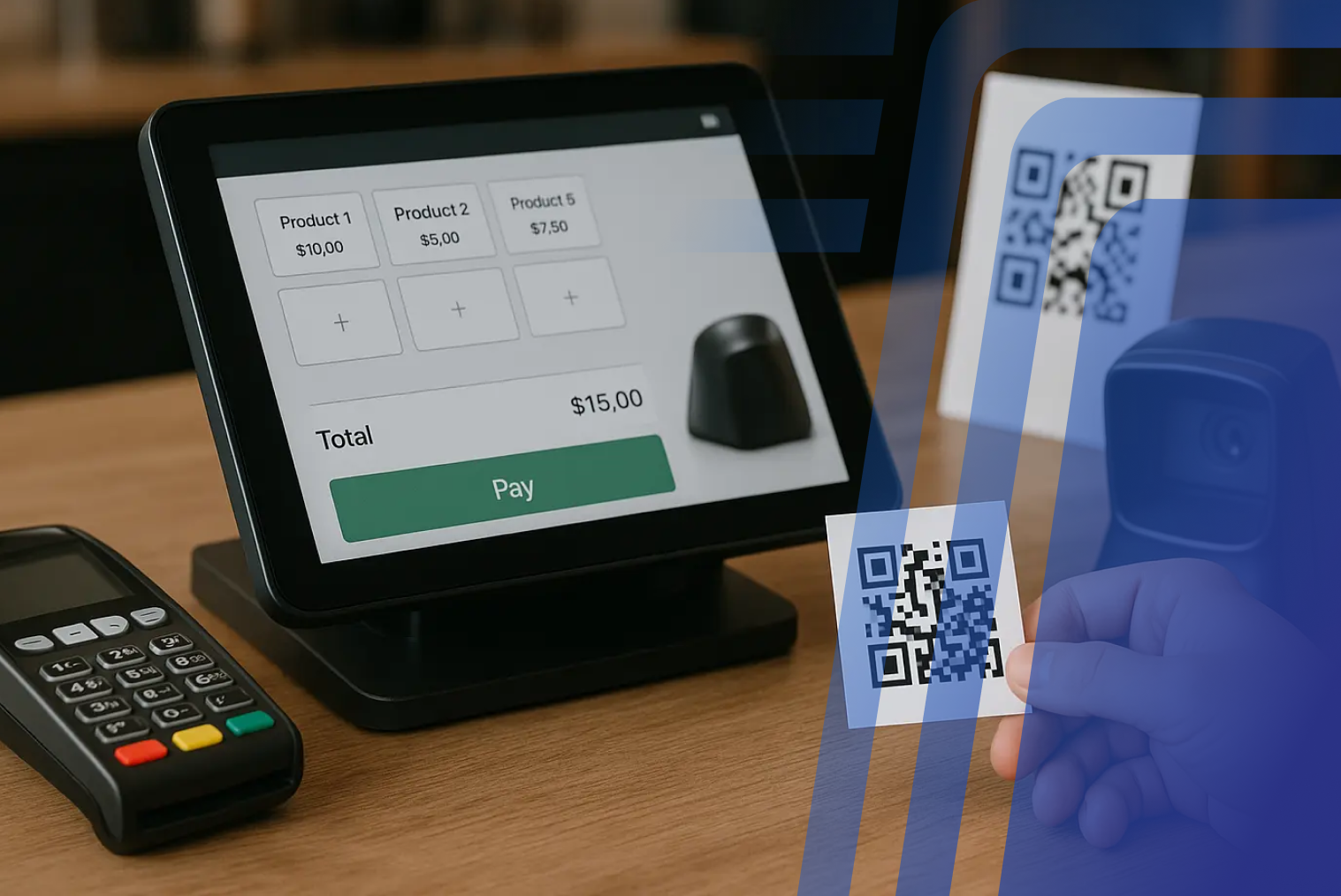
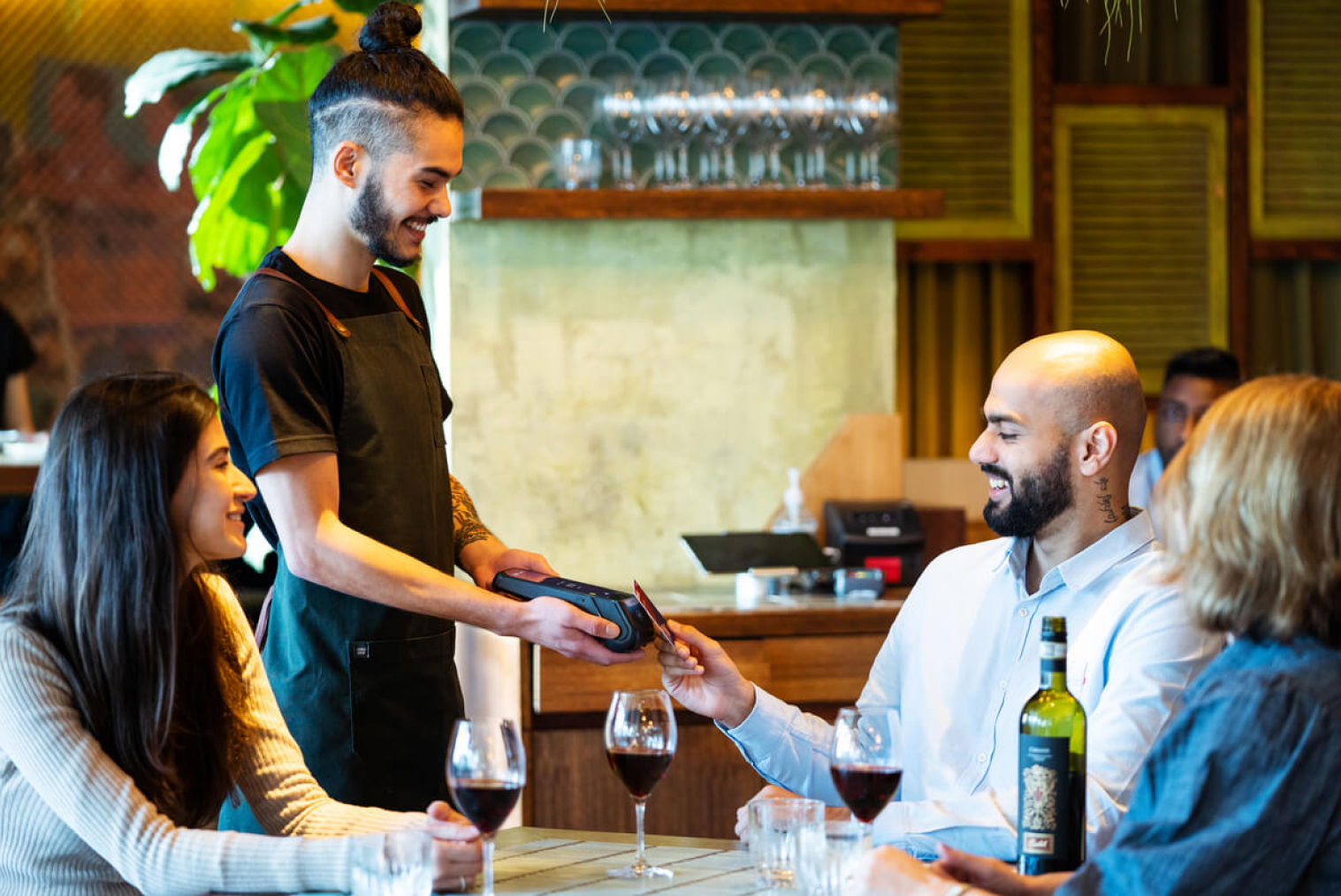
The latest self-service payment kiosk solutions help restaurants speed up checkout, accept multiple payment modes, and reduce counter congestion. These kiosks offer tap-to-pay convenience, QR payment options, and complete payment security without requiring additional staff input.
Future Innovations: Voice Assistants, AI, and AR/VR
Ordering kiosks are evolving rapidly with built-in voice ordering, personalised AI recommendations, dietary recognition, and upcoming AR/VR menu previews. These innovations aim to create immersive and frictionless dining experiences that align with the expectations of tomorrow’s customers.
Conclusion: A Win-Win for the Future of Dining
Ordering kiosks represent a win-win scenario for both restaurants and customers. They empower guests to take control of their dining experience, personalize their meals, and enjoy increased convenience. For restaurants, kiosks streamline operations, boost efficiency, and offer valuable customer data for strategic decision-making. As technology evolves and customer expectations shift, ordering kiosks are poised to become indispensable for restaurants seeking to stay ahead of the curve and deliver an exceptional dining experience. So, are you ready to level up your customer experience? Consider investing in ordering kiosks and embracing the exciting future of dining.
Frequently Asked Questions (FAQs)
Q1. How do ordering kiosks improve customer satisfaction?
They provide faster service, reduce errors, and allow customers to customize their meals easily.
Q2. Can ordering kiosks increase restaurant profits?
Yes. Kiosks boost profits through upselling, cross-selling, and loyalty program integration.
Q3. Do kiosks help reduce operational costs?
Absolutely. By automating order-taking, kiosks reduce the need for large front-of-house staff, lowering labor costs.
Q4. Are ordering kiosks user-friendly for all customers?
Yes. With simple visuals, multi-language support, and intuitive design, they are accessible even to non-tech-savvy customers.
Q5. What kind of data insights can kiosks provide to restaurants?
They track popular menu items, peak dining hours, and customer preferences, helping businesses make informed decisions
Q6. How much does it cost to install an ordering kiosk system in a mid-sized restaurant in New Zealand?
The cost varies depending on hardware, software, and integration requirements, but most mid-sized restaurants can expect pricing between entry-level units and premium AI-enabled kiosks. Costs typically include hardware, installation, software licensing, and optional support plans.
Q7. Are ordering kiosks suitable for small cafés or only large QSR chains?
Ordering kiosks are now widely used by small cafés as well. Compact and budget-friendly kiosk options allow small businesses to benefit from reduced queues, increased accuracy, and improved upselling just like larger chains.
Q8. Can ordering kiosks integrate with online/mobile ordering channels?
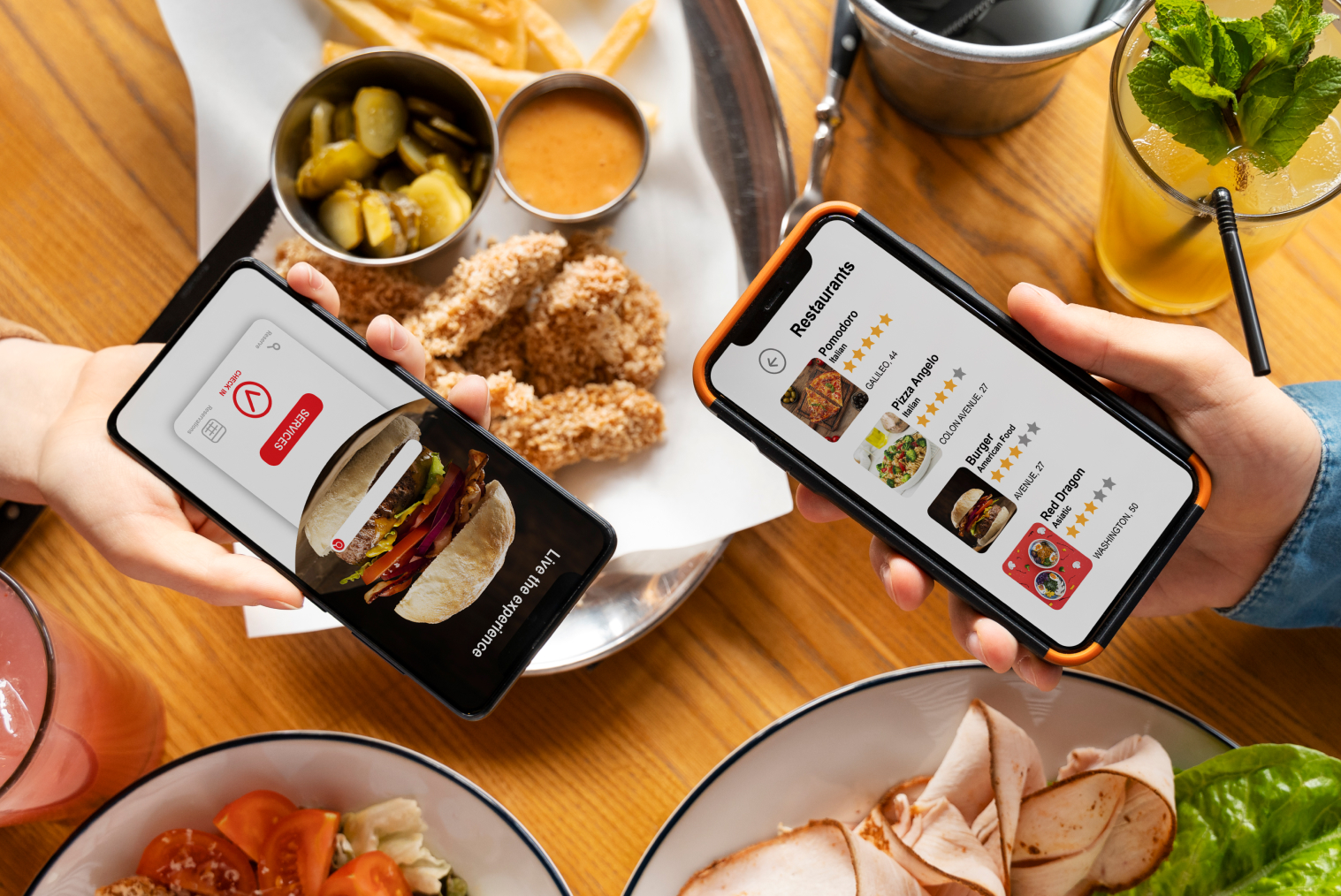
Yes. Most modern kiosks seamlessly integrate with online ordering, mobile apps, and POS systems, allowing unified menu management, pricing sync, and shared loyalty programs across platforms.
Q9. How will ordering kiosks evolve with voice assistants or AR/VR in the future?
Future kiosks are expected to include AI-driven voice ordering, AR-based product visualisation, personalised recommendations, and advanced customer recognition to deliver fully personalised, interactive dining experiences.


.webp)










.png)













.webp)


