The restaurant industry is experiencing a seismic shift in restaurant business operations powered by AI. From elevating the customer experience to reducing costs, artificial intelligence is revolutionizing modern restaurants. Therefore, restaurant AI order systems, as an emerging aspect of AI in restaurant business operations, are no longer a mere phenomenon; they are a necessity in the industry.
In the blog, we shall discuss why AI ordering systems are changing the restaurant industry and why they have the potential to define the future of food.
What Is an AI Ordering System?
An AI Ordering System refers to a system that utilizes artificial intelligence tools like machine learning, natural language processing, and predictive analysis to optimize the order processing system for customers. However, an AI restaurant Ordering System can interact with customers through various channels, including voice, chat, kiosks, and mobile applications, to take orders, provide personalized product offerings, and convey orders to the order system with minimal human intervention.
AI, for instance, will enable restaurants to provide faster service with higher accuracy while at the same time gaining valuable insights.
How AI Ordering Systems Work (Step-by-Step)
AI ordering systems combine software intelligence, automation, and data analysis to streamline the restaurant ordering process from start to finish. Here’s how they typically work:
Step 1: Customer Interaction
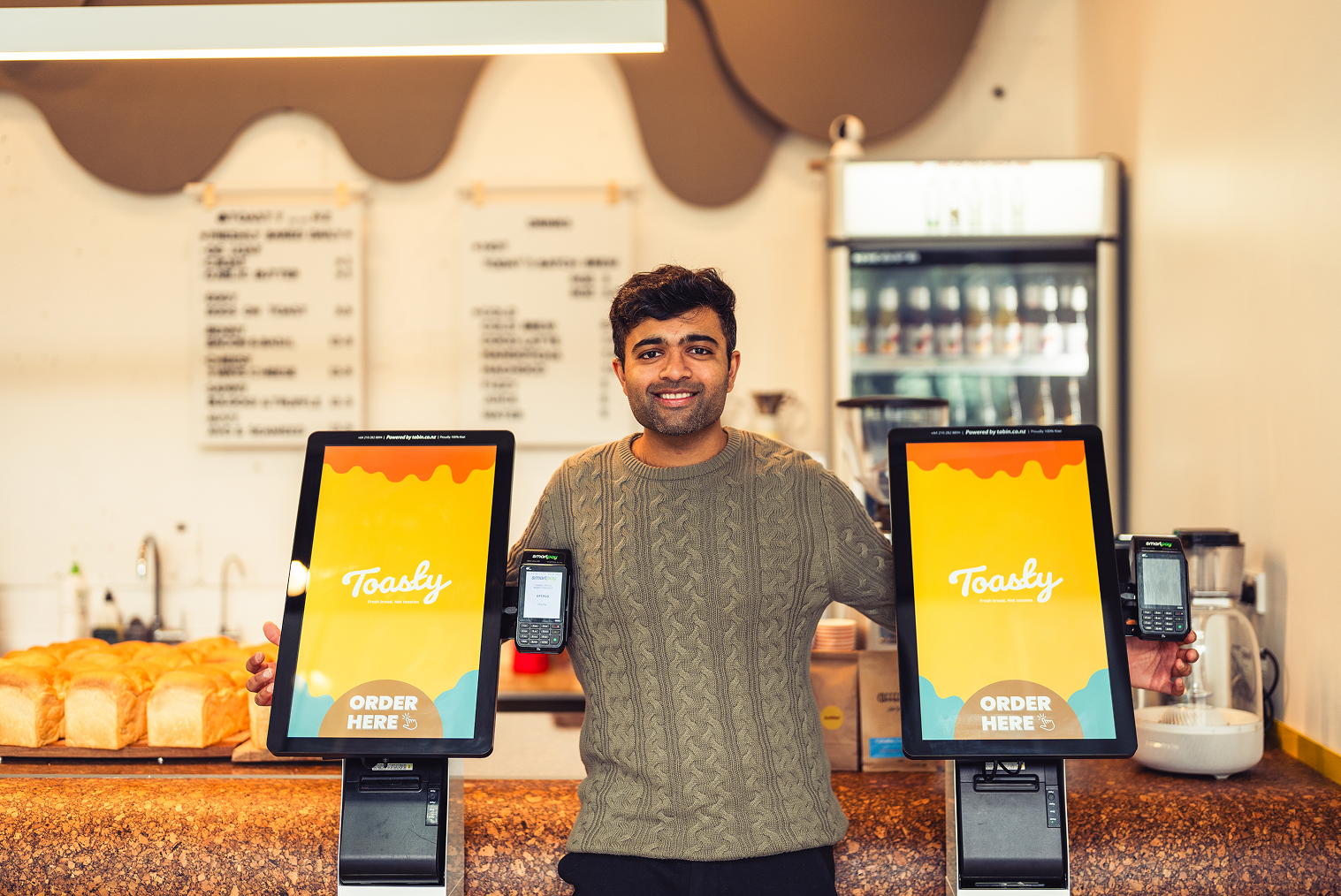
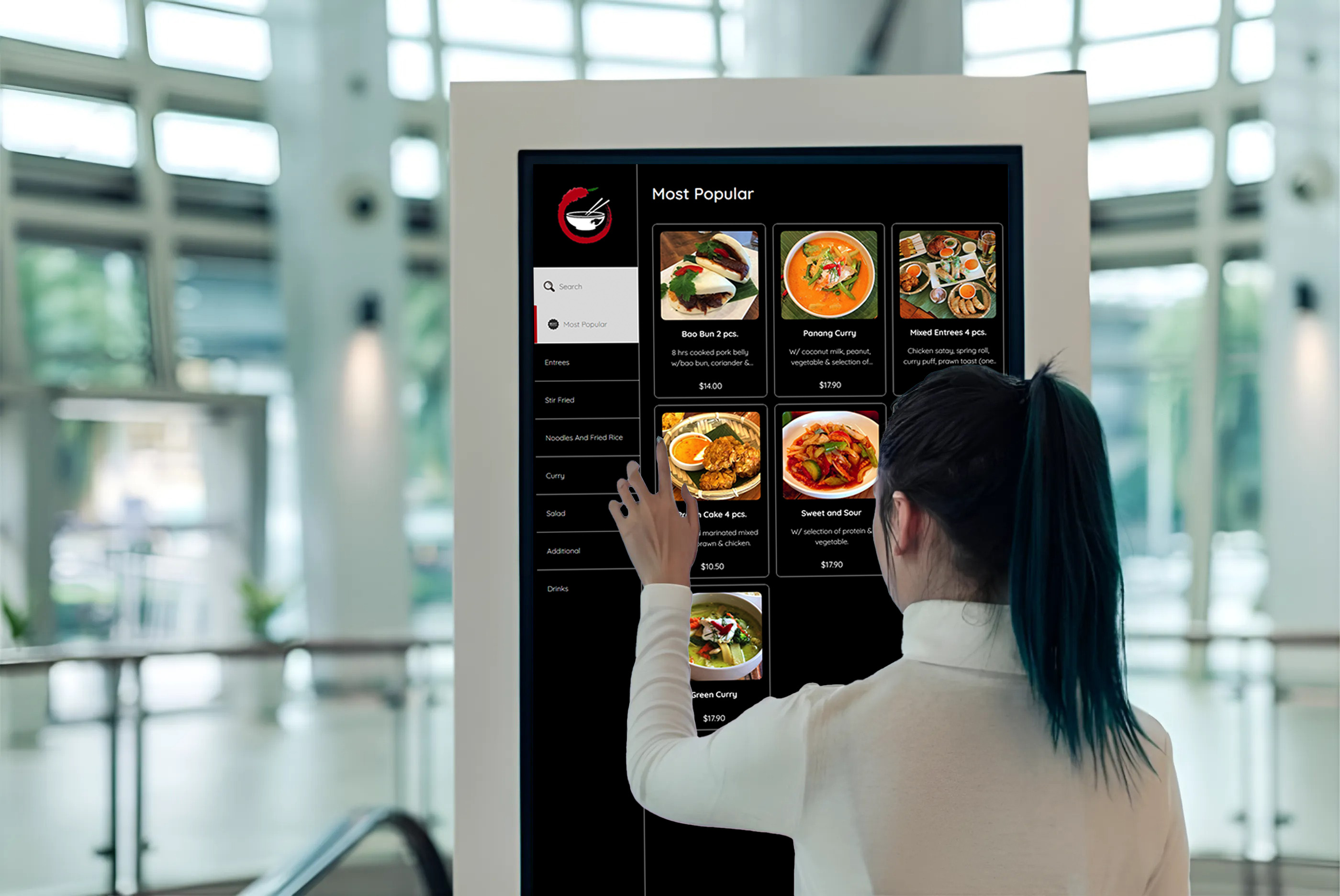
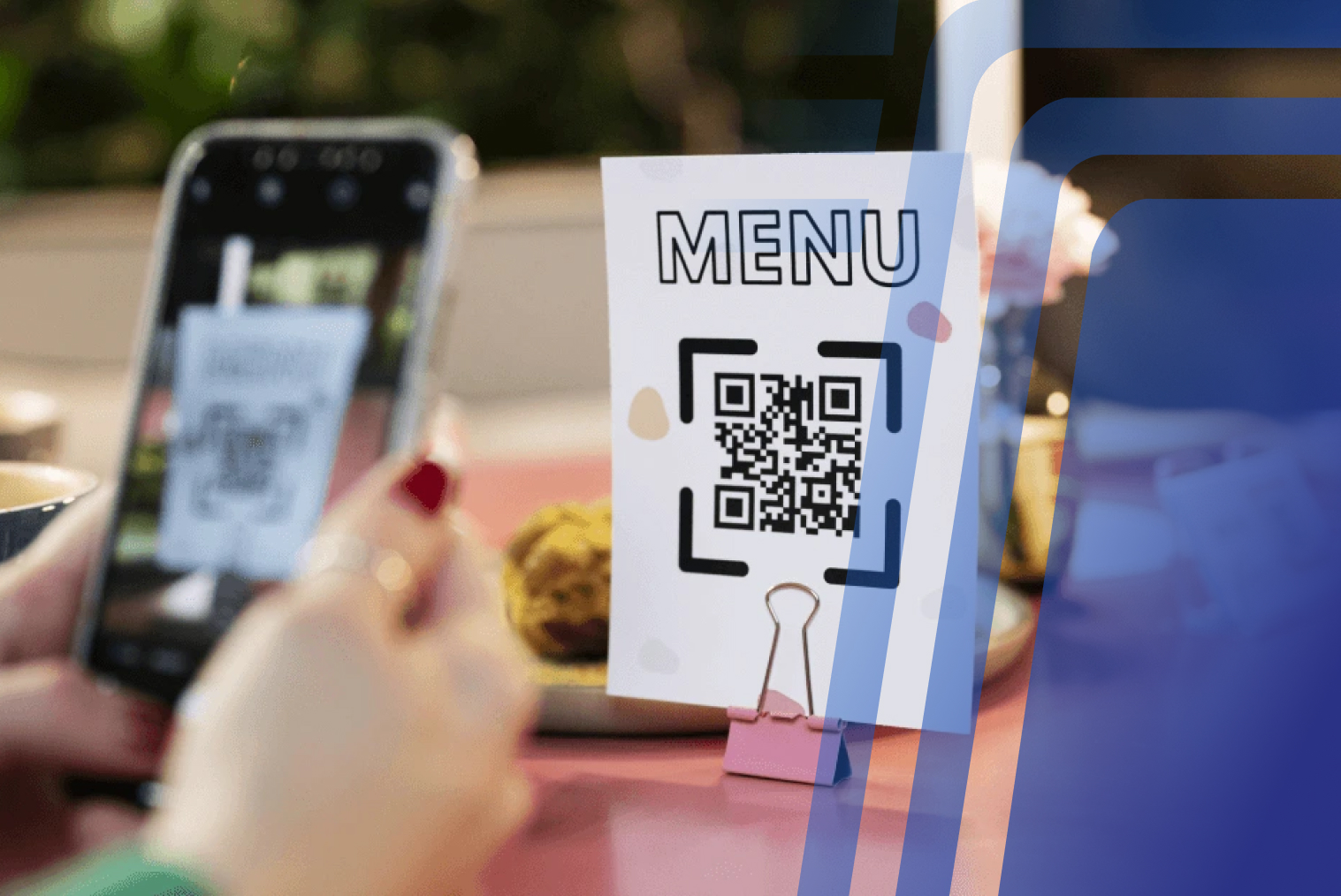
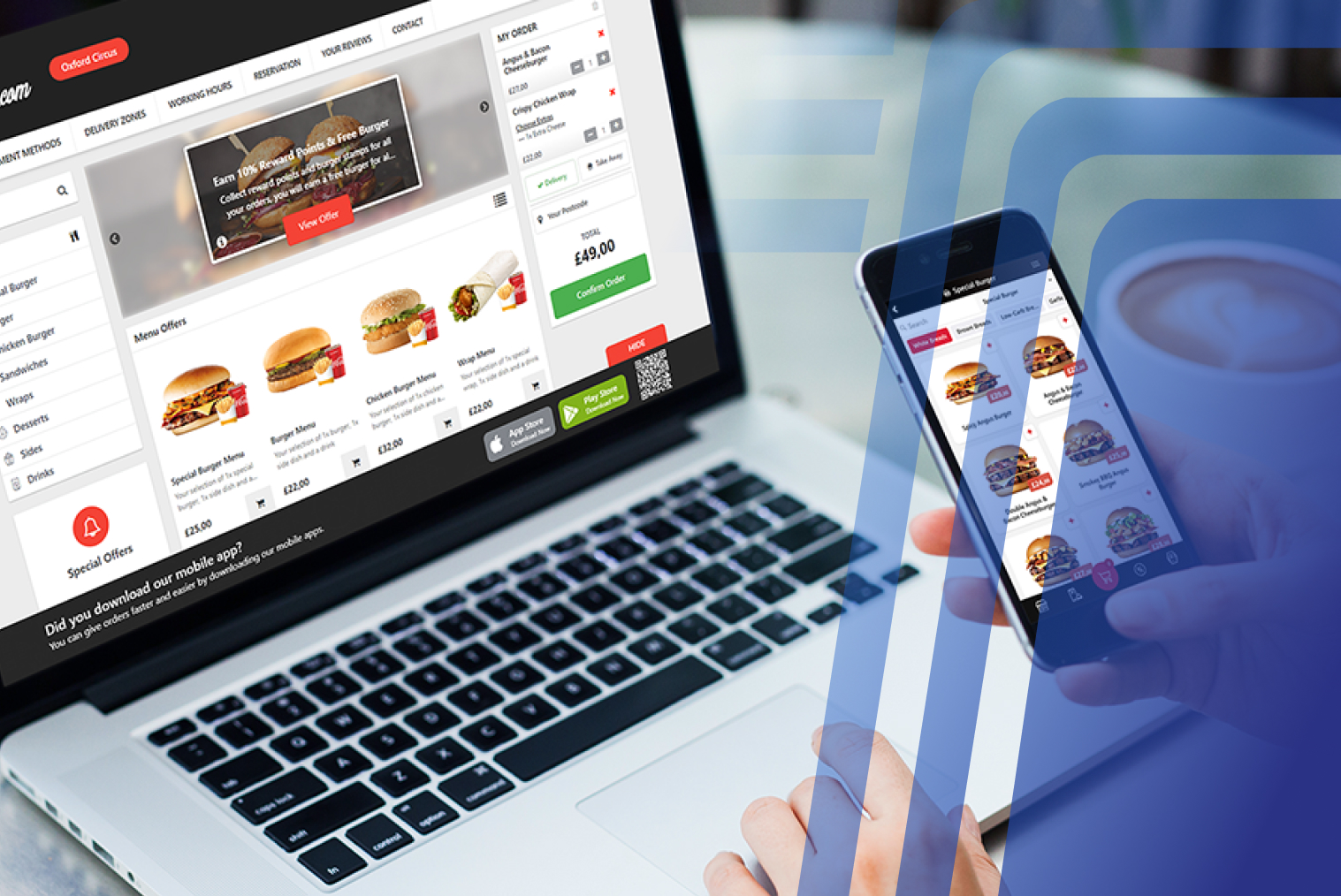
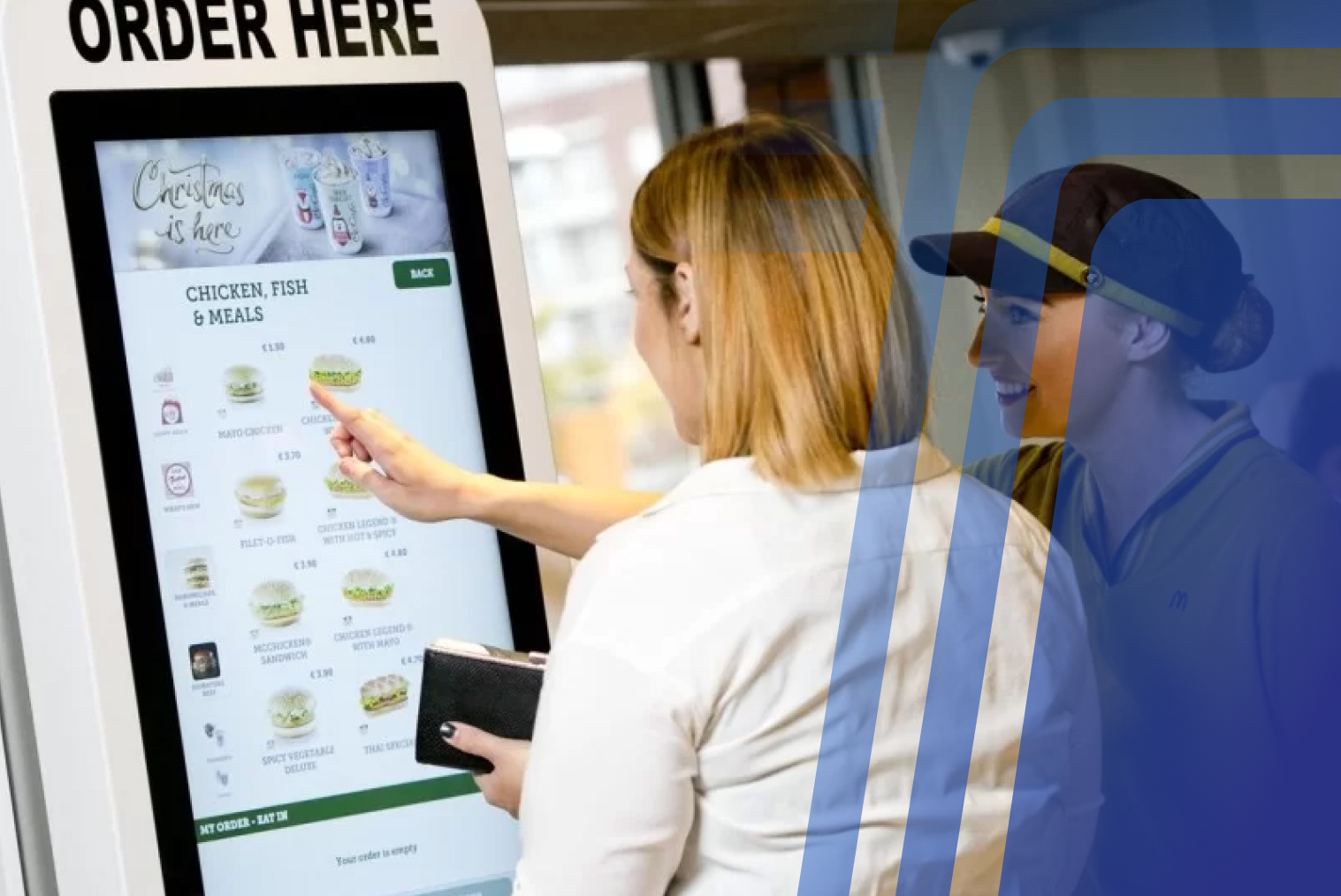
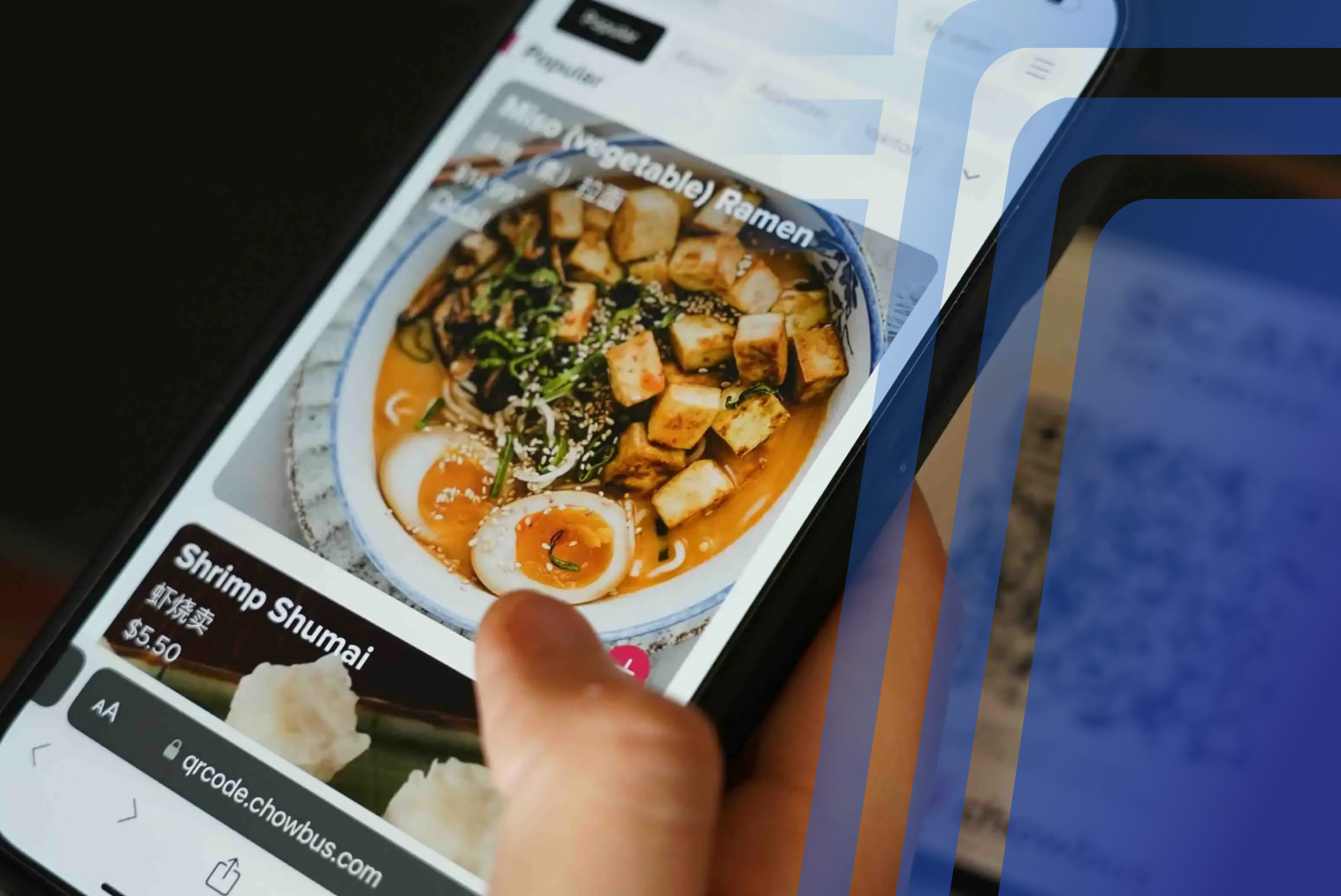
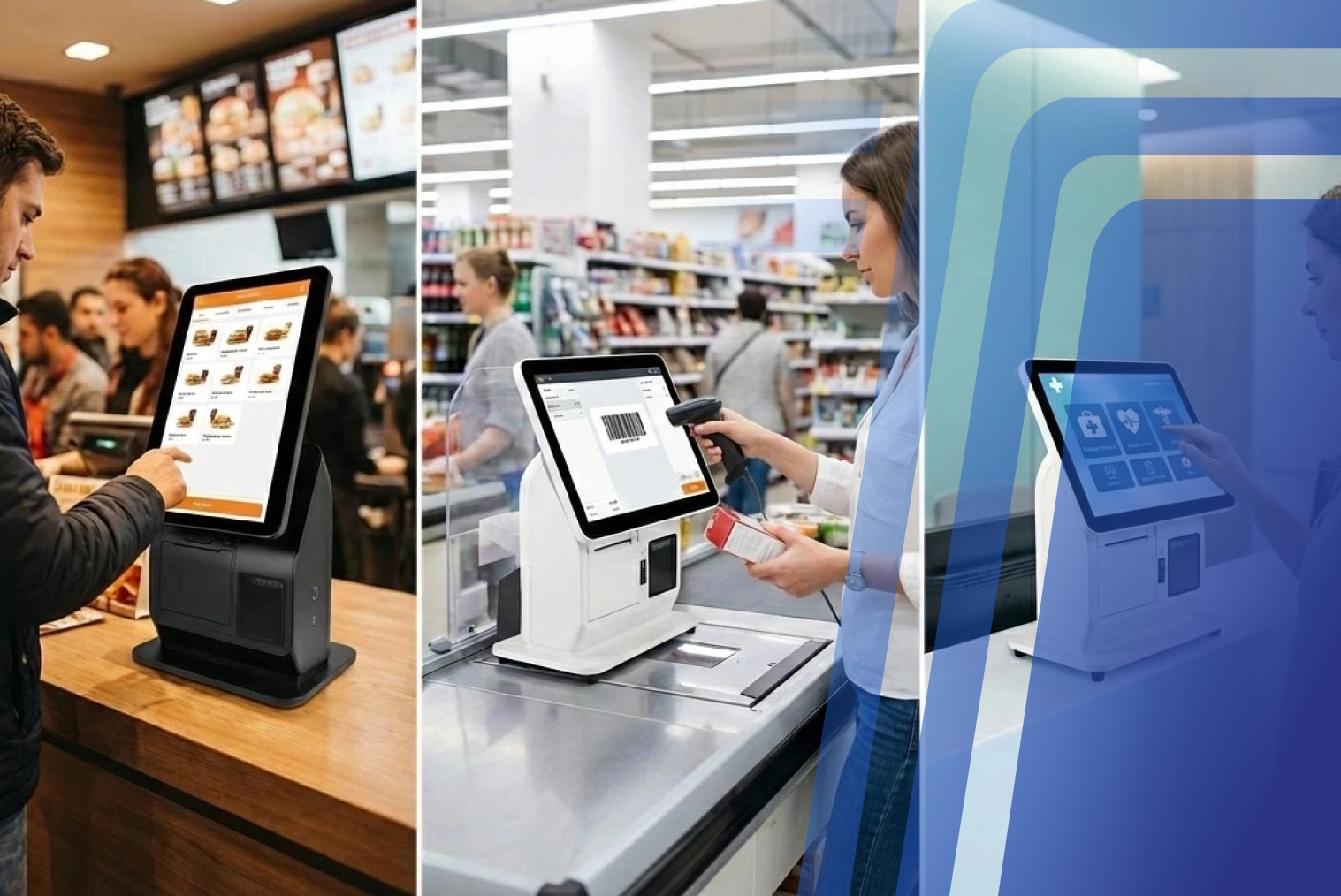
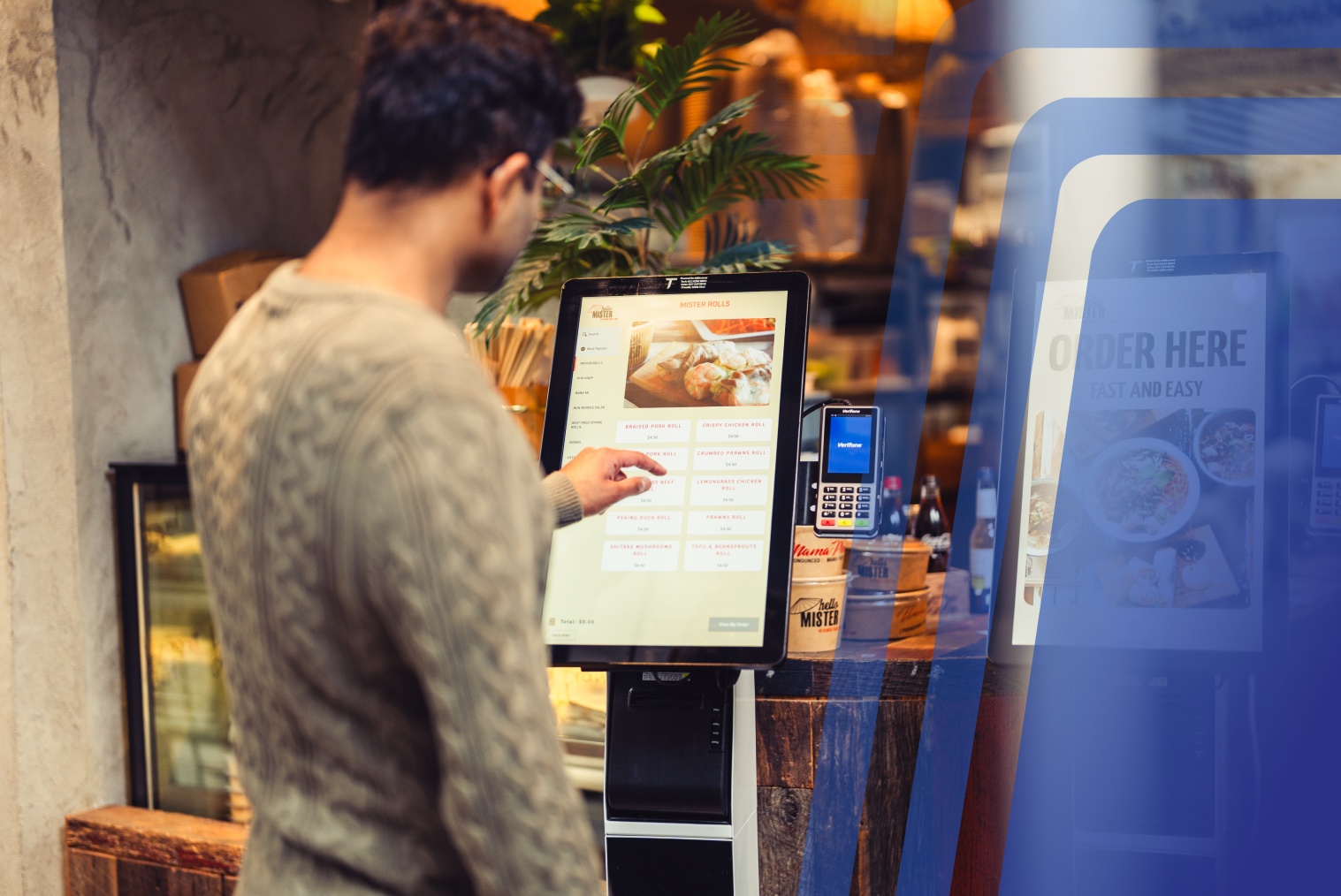
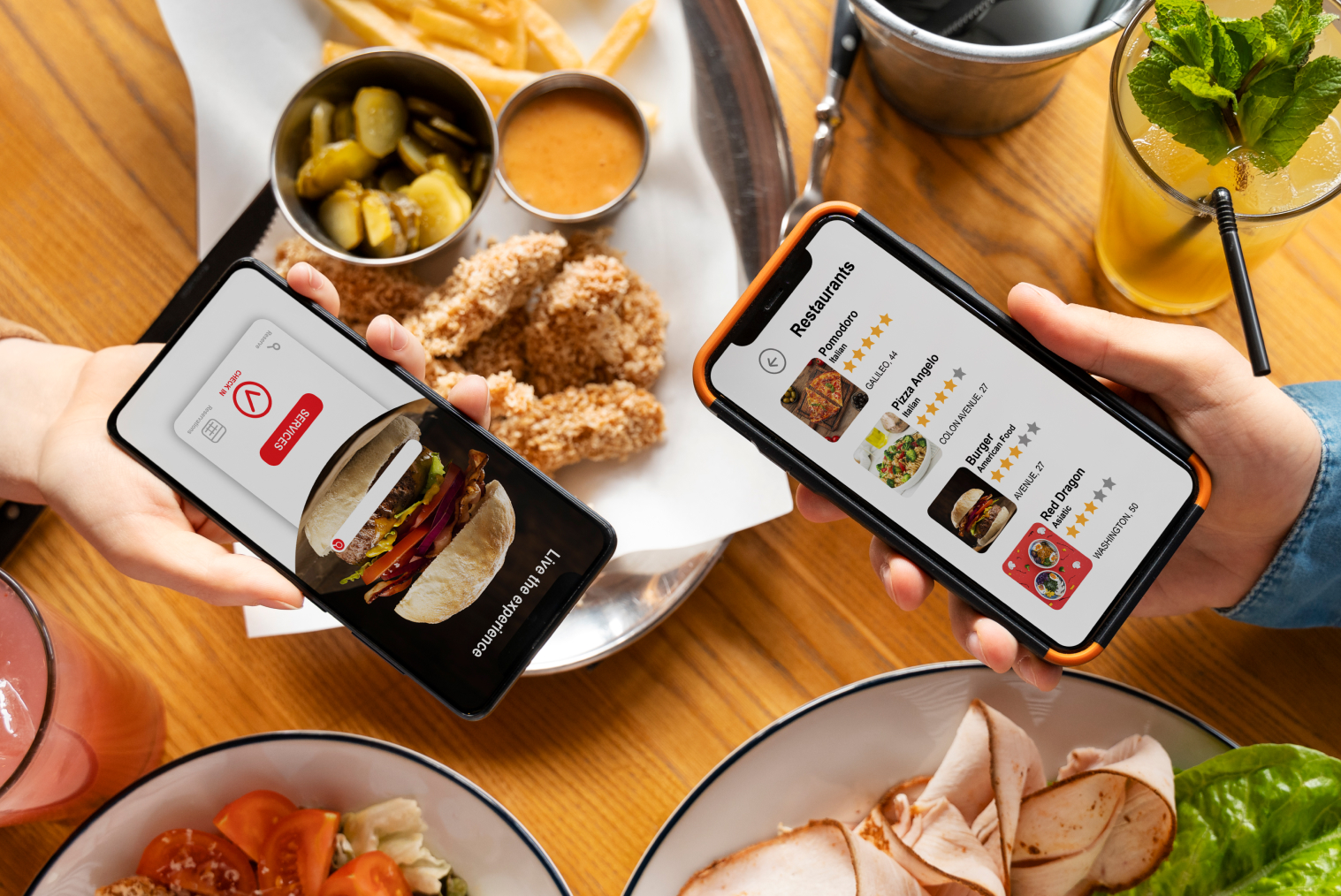
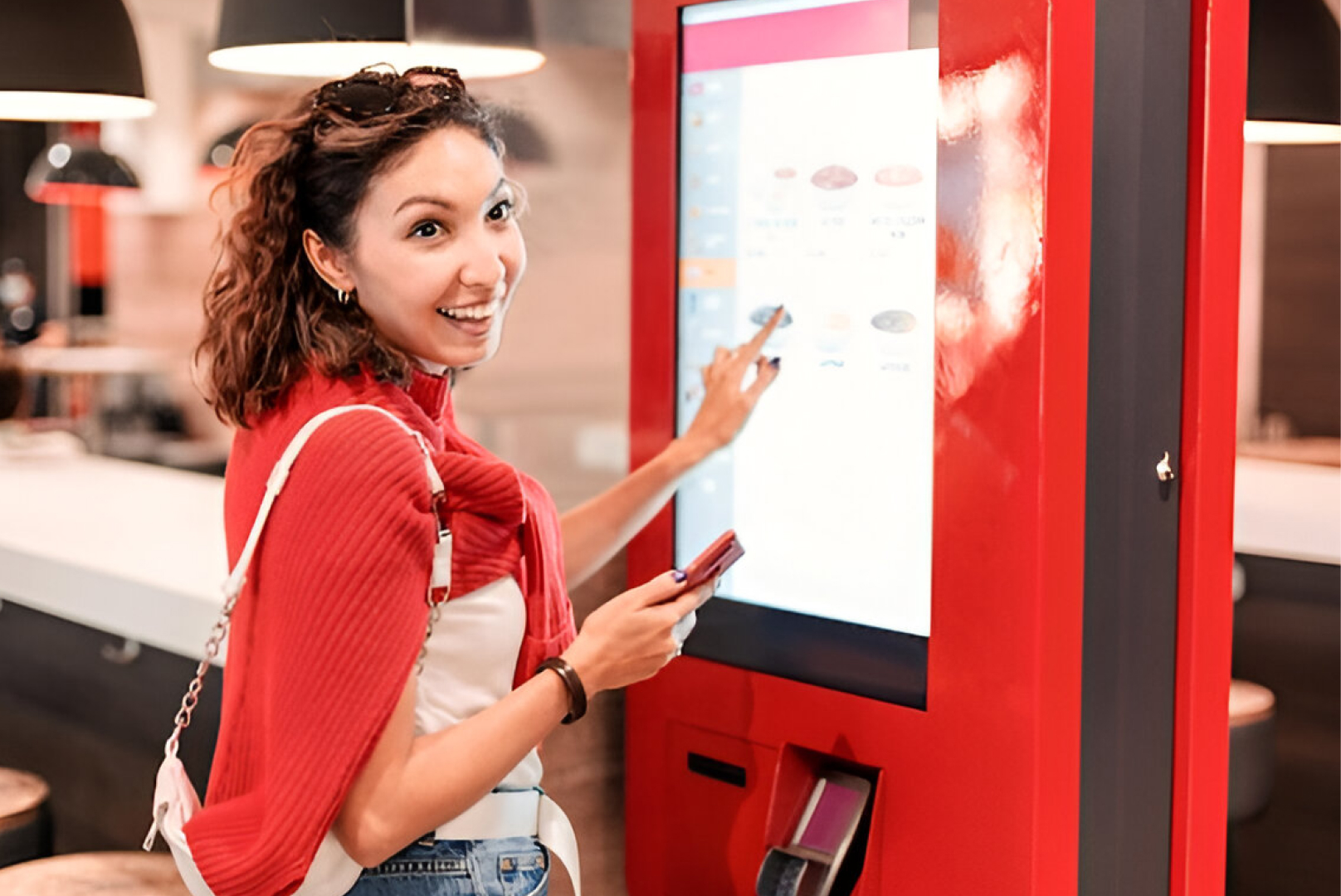
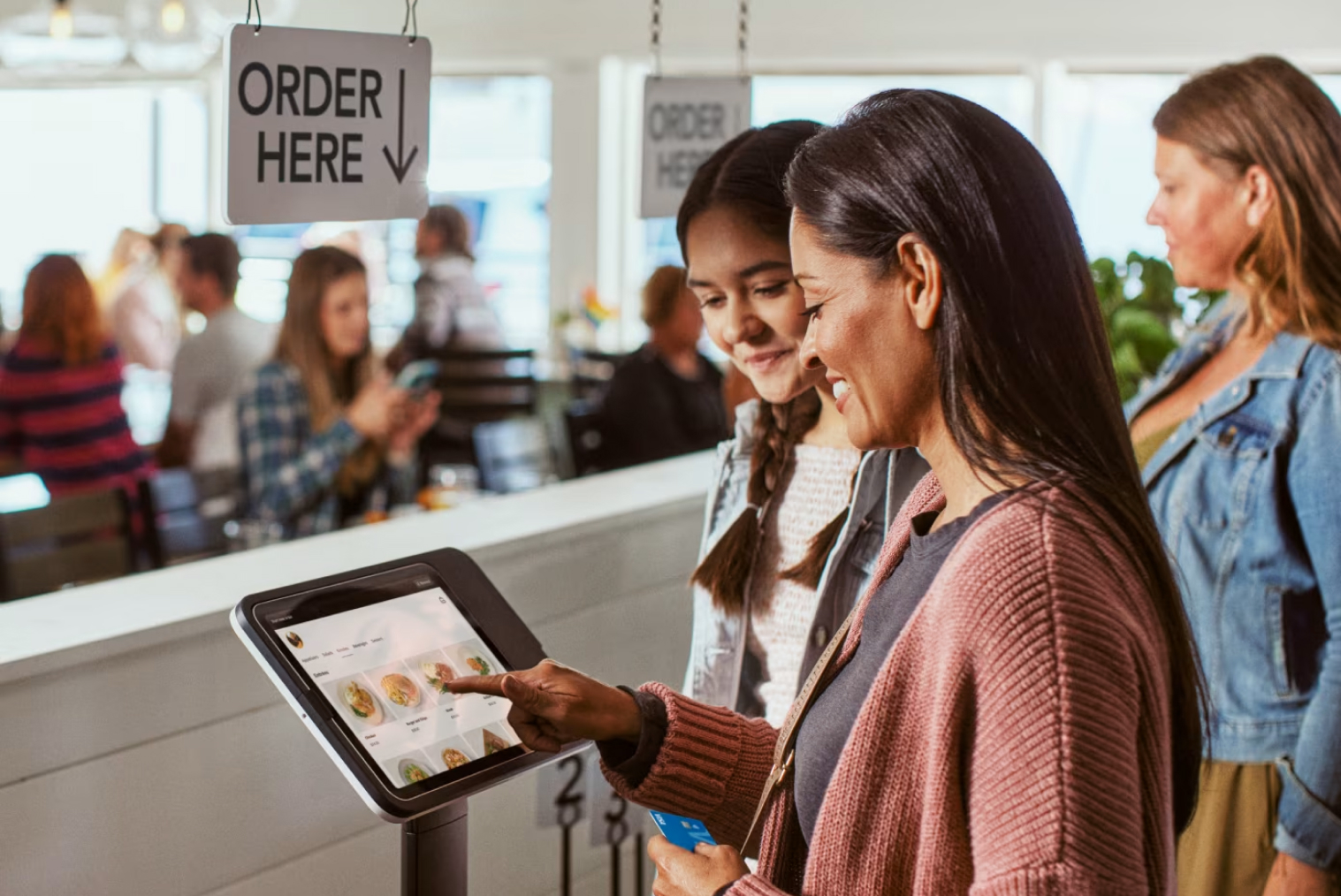
Customers place orders through digital touchpoints such as self-service kiosks, QR menus, mobile apps, or voice-based assistants. The AI system recognises user inputs, preferences, and order patterns in real time.
Step 2: AI-Powered Menu Recommendations
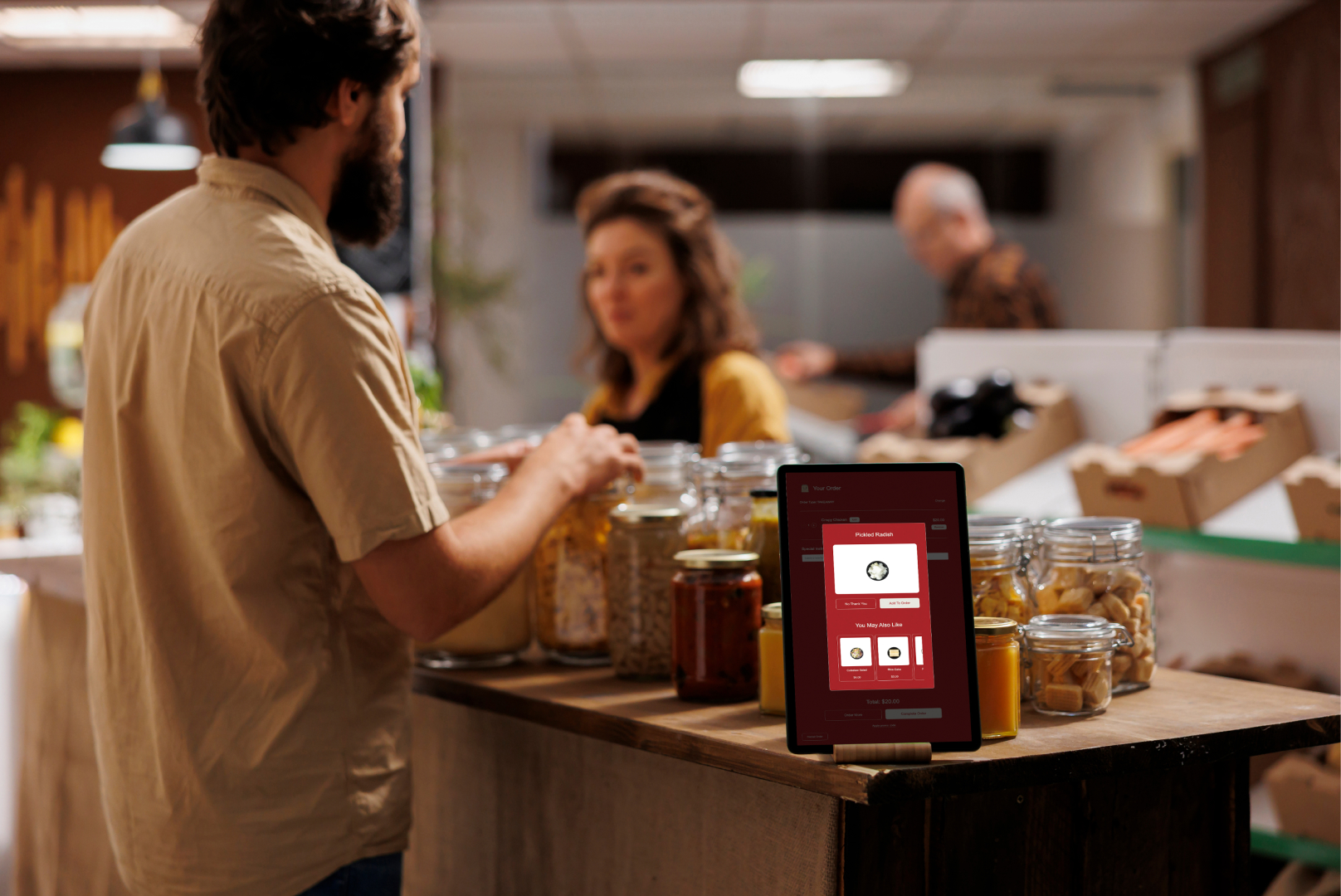
Using historical order data and behavioural patterns, the AI ordering system suggests relevant add-ons, upgrades, or popular items. This personalisation helps improve customer experience while increasing average order value.
Step 3: Order Processing and Validation
Once the order is confirmed, AI algorithms validate selections, customisations, and availability. This reduces common errors such as missing modifiers or incompatible item combinations.
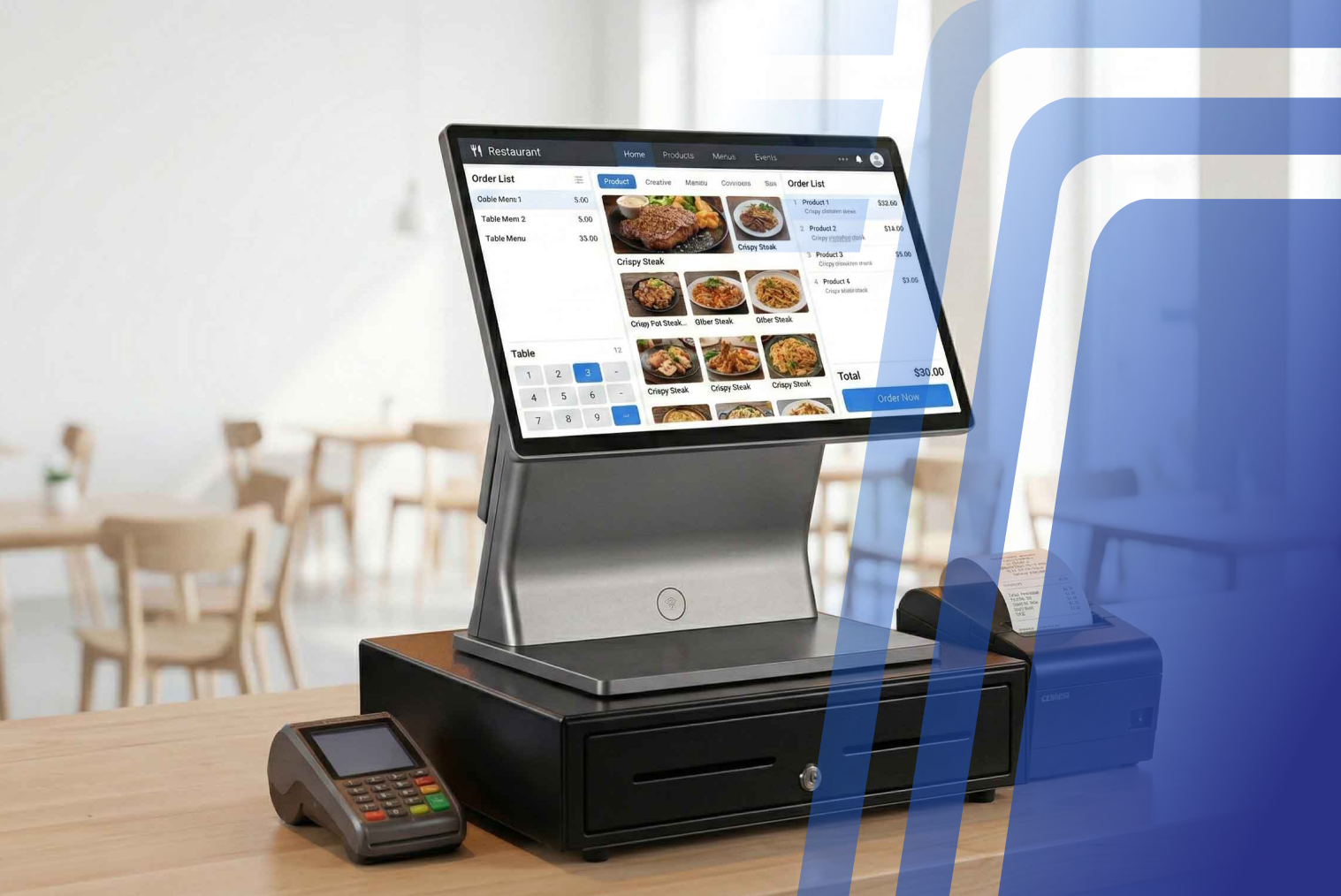
Step 4: Integration with POS and Kitchen Systems
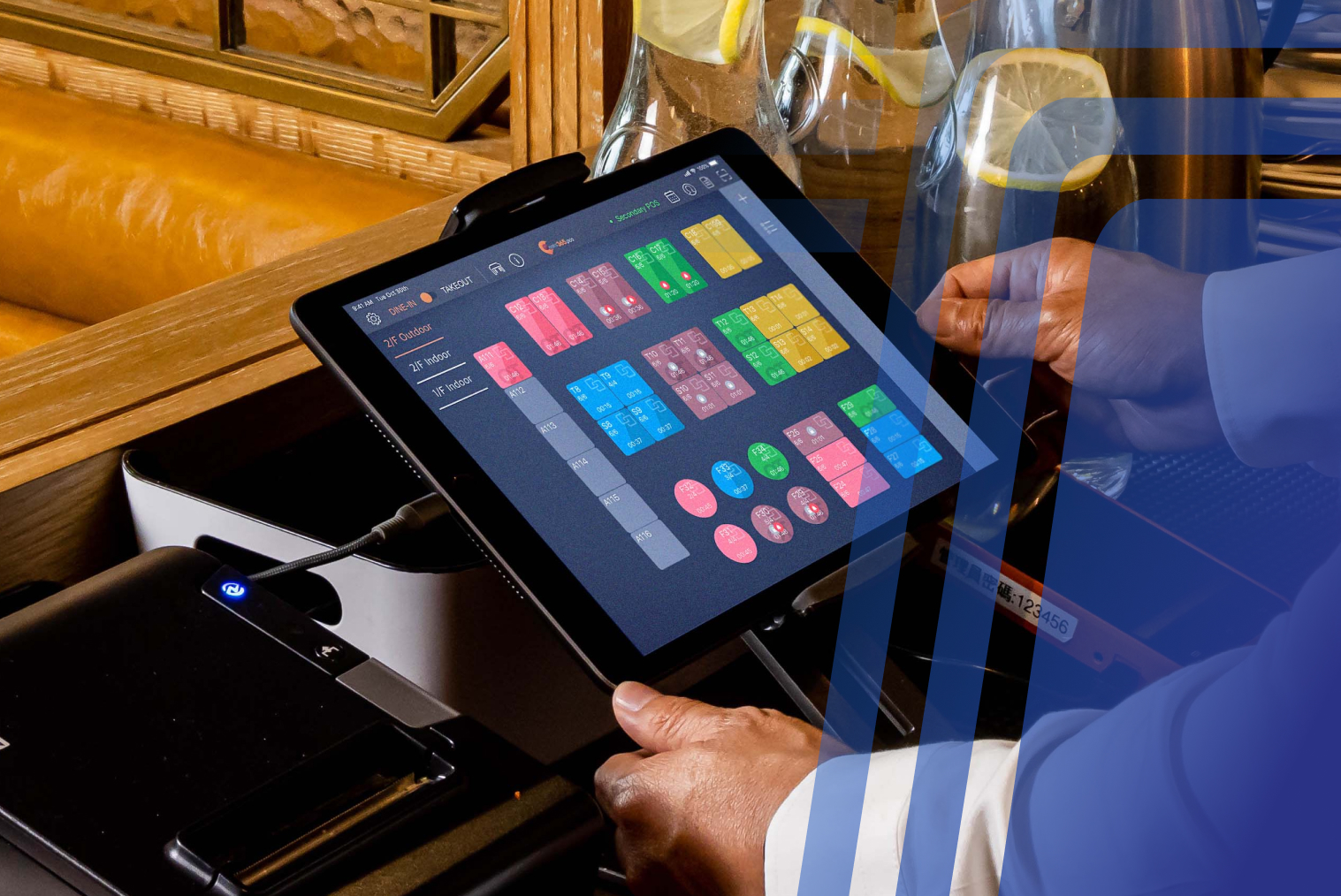
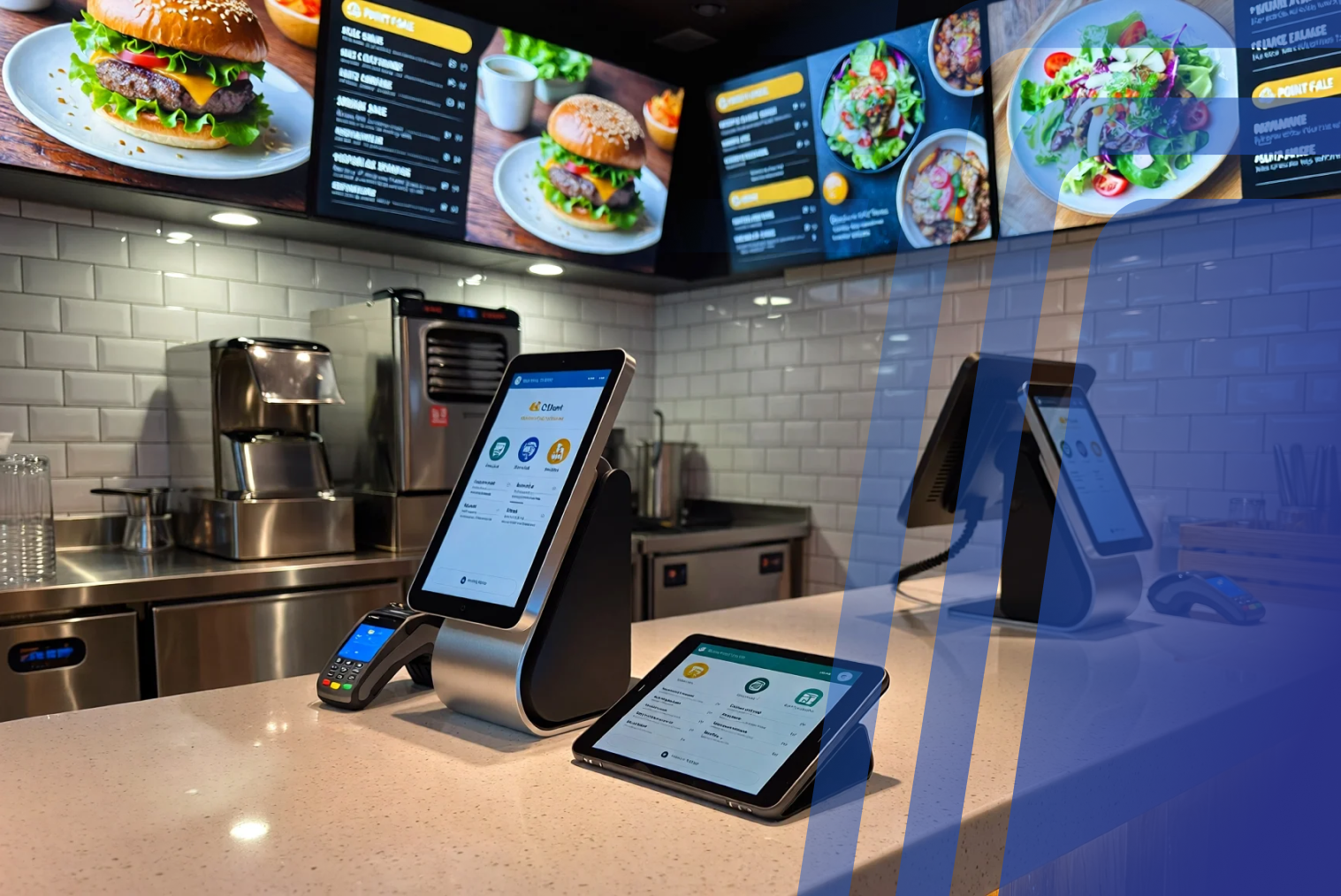
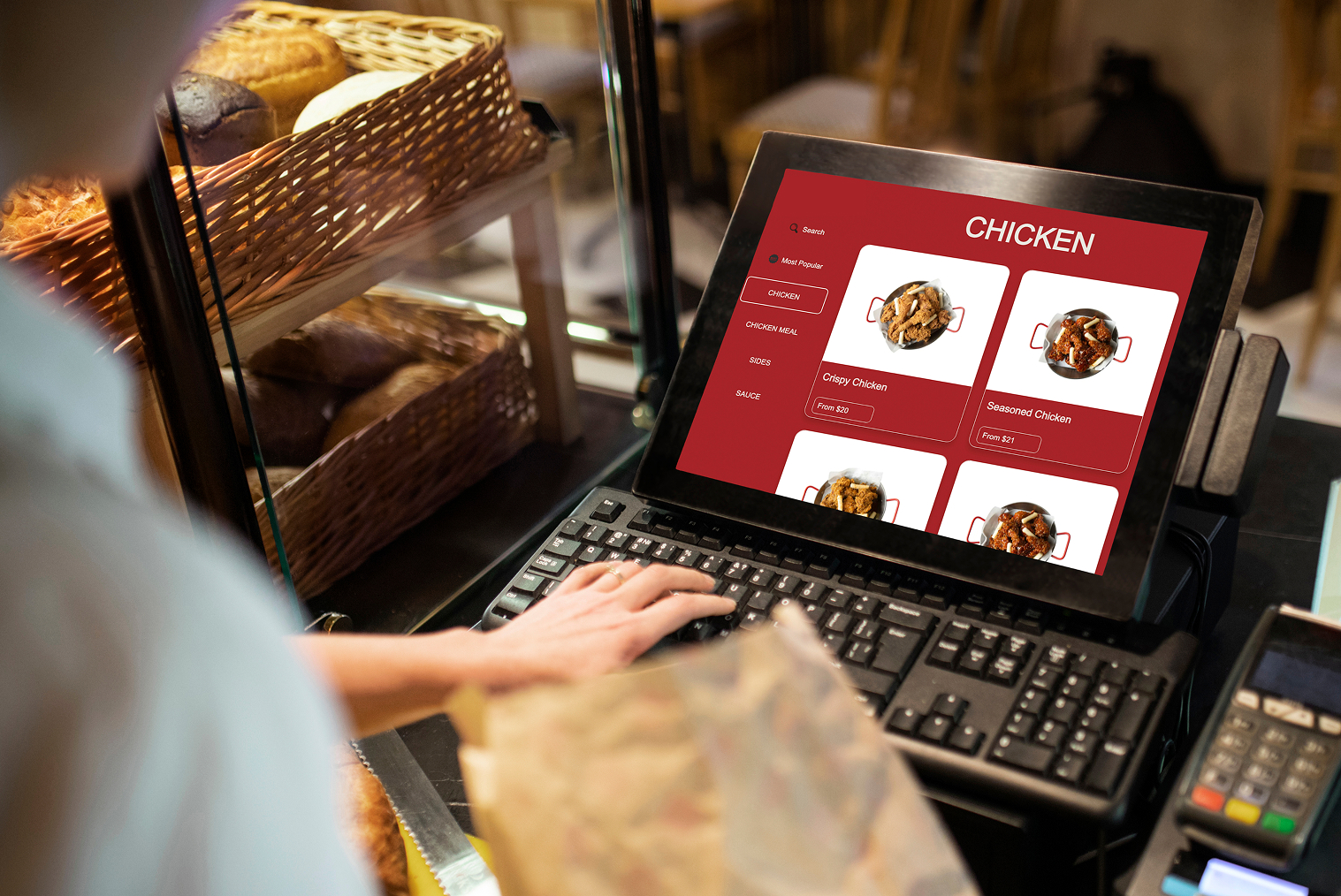
The order is automatically sent to the POS system and kitchen display without manual intervention. This ensures faster preparation times and seamless coordination between front-of-house and back-of-house operations.
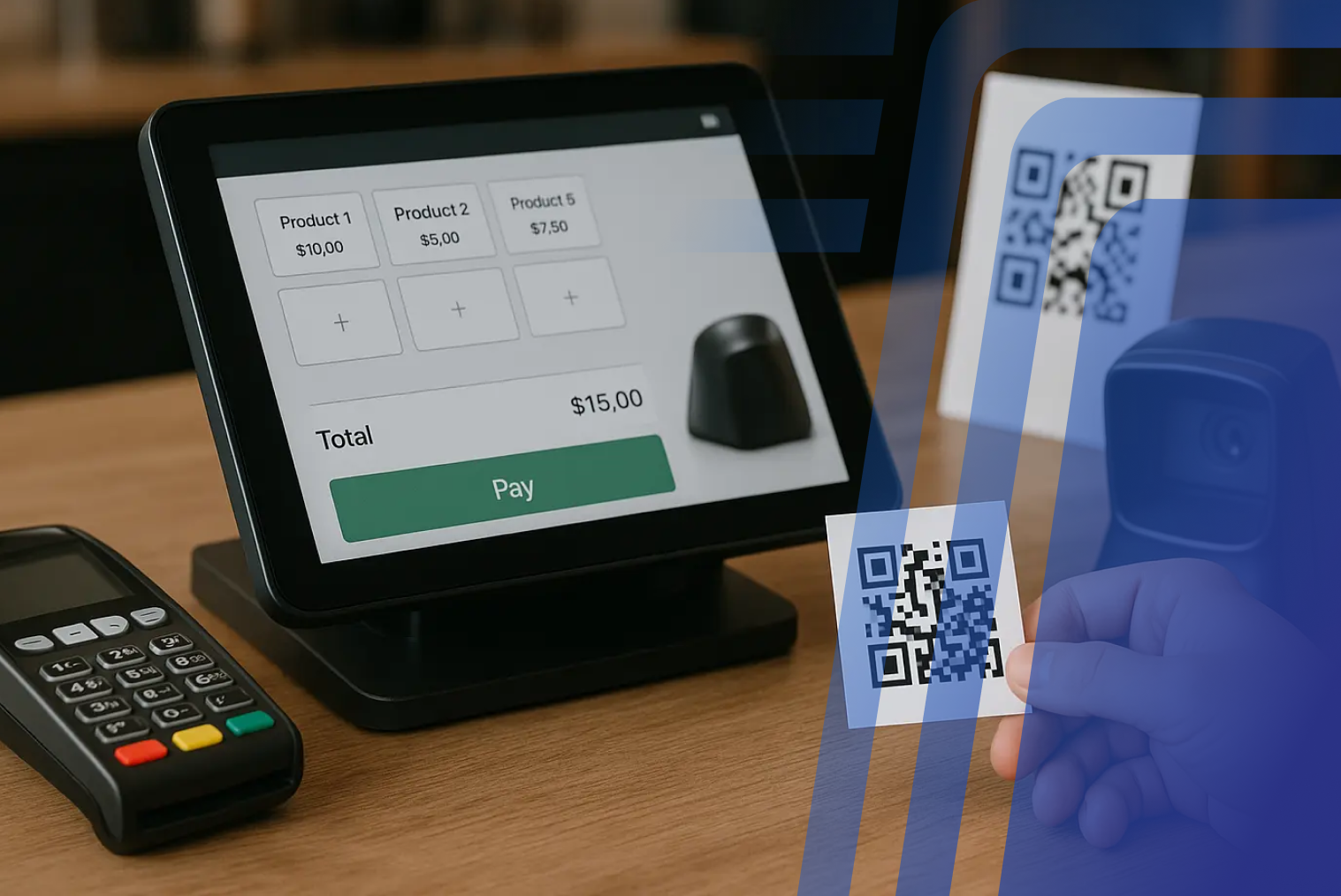
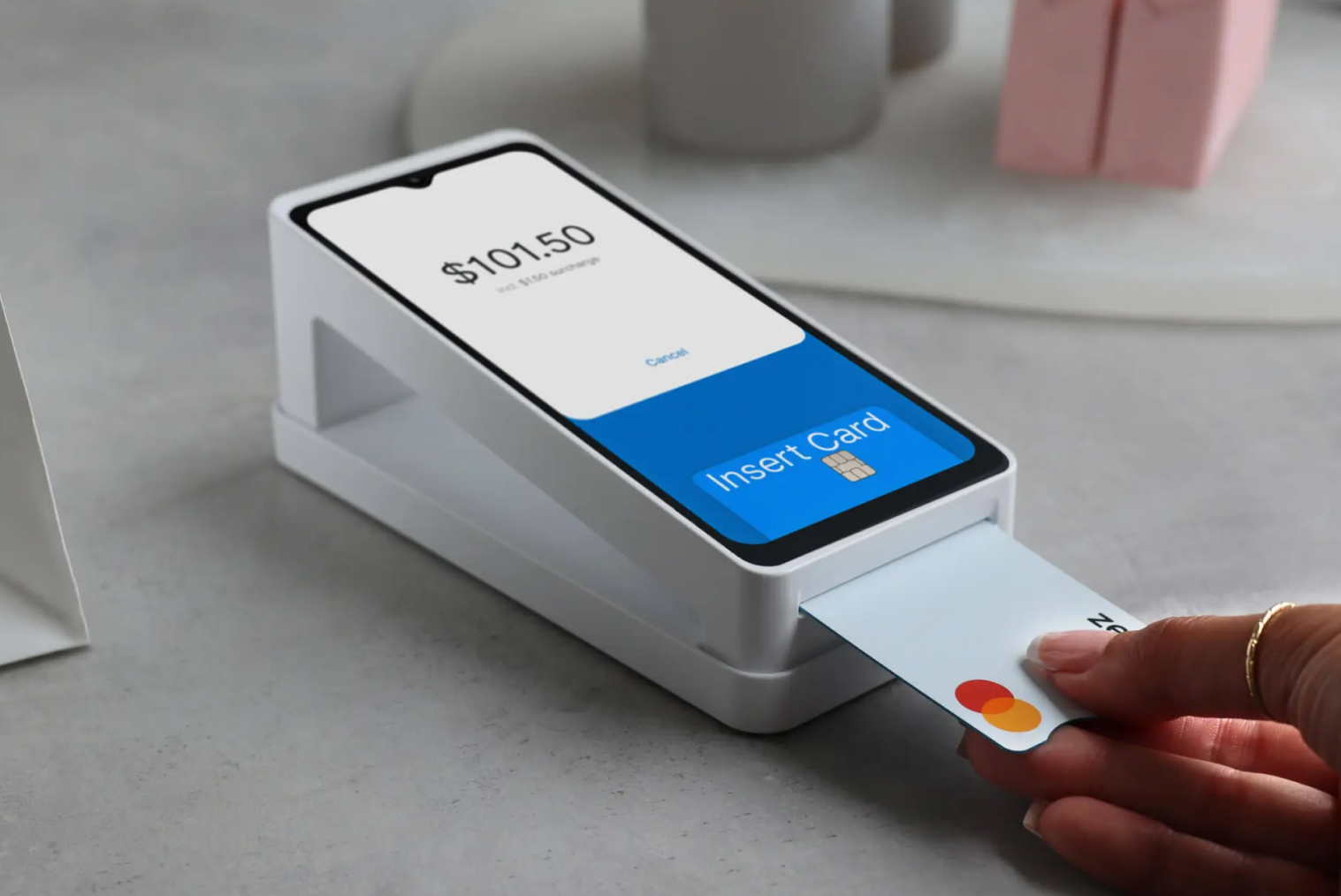
Step 5: Payment and Transaction Handling
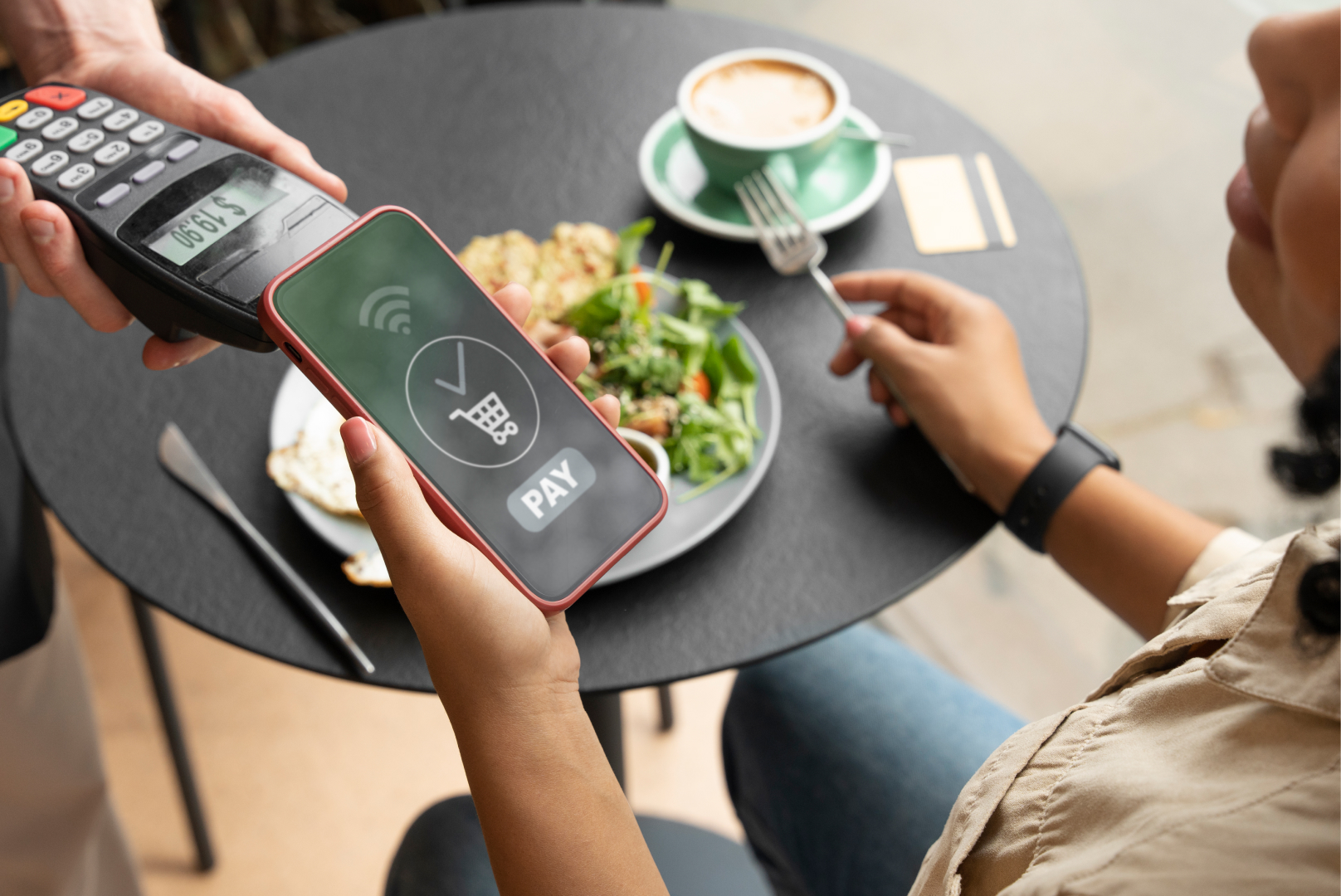
AI ordering systems support multiple payment options, including card, mobile wallets, and contactless payments. Transactions are securely processed and recorded, ensuring accuracy and compliance.
Step 6: Data Analysis and Continuous Learning
The system continuously analyses order data, peak hours, customer preferences, and performance metrics. Over time, the AI learns and optimises menu layout, recommendations, and operational workflows to improve efficiency and profitability.
The Benefits of AI Ordering Systems in Restaurants
1. Enhanced Order Accuracy
One of the strongest benefits of AI is its ability to reduce human errors during order processing. AI-driven ordering solutions help by capturing orders precisely — whether spoken, typed, or selected on a screen.
Some AI systems can increase order accuracy to up to 98% by minimizing manual entry errors and automating order formatting.
2. Faster, More Efficient Service
AI systems streamline order workflows and reduce wait times significantly:
- AI can help reduce average wait times by up to 40%, leading to faster table turnover and higher customer throughput.
- Integrating predictive analytics enables restaurants to pre-prepare items based on forecasted demand, cutting prep time during peak hours.
These improvements not only increase customer satisfaction but also boost revenue potential.
3. AI Boosts Revenue Through Upselling and Personalization
AI isn’t just about efficiency — it also drives revenue:
- AI systems can deliver customized suggestions based on customer preferences, leading to larger average orders.
- Restaurants leveraging AI for predictive recommendations can see increases in average check sizes.
This form of personalized selling improves customer satisfaction and loyalty.
4. Lower Operational Costs
AI systems can also optimize backend operations:
- Automated ordering reduces staff workload freeing team members to focus on quality interactions and food preparation.
- AI-driven demand forecasting helps reduce food waste by aligning stock purchases with actual demand, avoiding overstocking.
- Some restaurants report up to a 20–30% reduction in food waste through AI-based inventory optimization.
These improvements compound over time, significantly improving profitability.
Real World Examples of AI in Restaurant Ordering
Taco Bell and KFC Drive-Thru AI Initiative
In 2025, Yum Brands operator of Taco Bell, KFC, and Pizza Hut — partnered with Nvidia to introduce AI at drive-thru ordering lanes, aiming to enhance speed and accuracy and provide data-driven insights into customer orders.
This industry-leading partnership reflects how major chains are pushing the envelope on AI ordering and operations.
Red Lobster’s AI Phone Ordering Rollout
Red Lobster is rolling out an AI phone ordering system capable of handling multiple simultaneous calls — improving responsiveness and reducing wait times for takeout orders at over 500 locations.
These real-world examples show how AI ordering systems are no longer experimental — they’re practical tools for improved productivity and customer service.
AI Ordering Systems and the Customer Experience
AI ordering isn’t about automation replacing humans — it’s about enhancing experiences:
- Personalized menu recommendations
- Voice or chat-powered order interactions
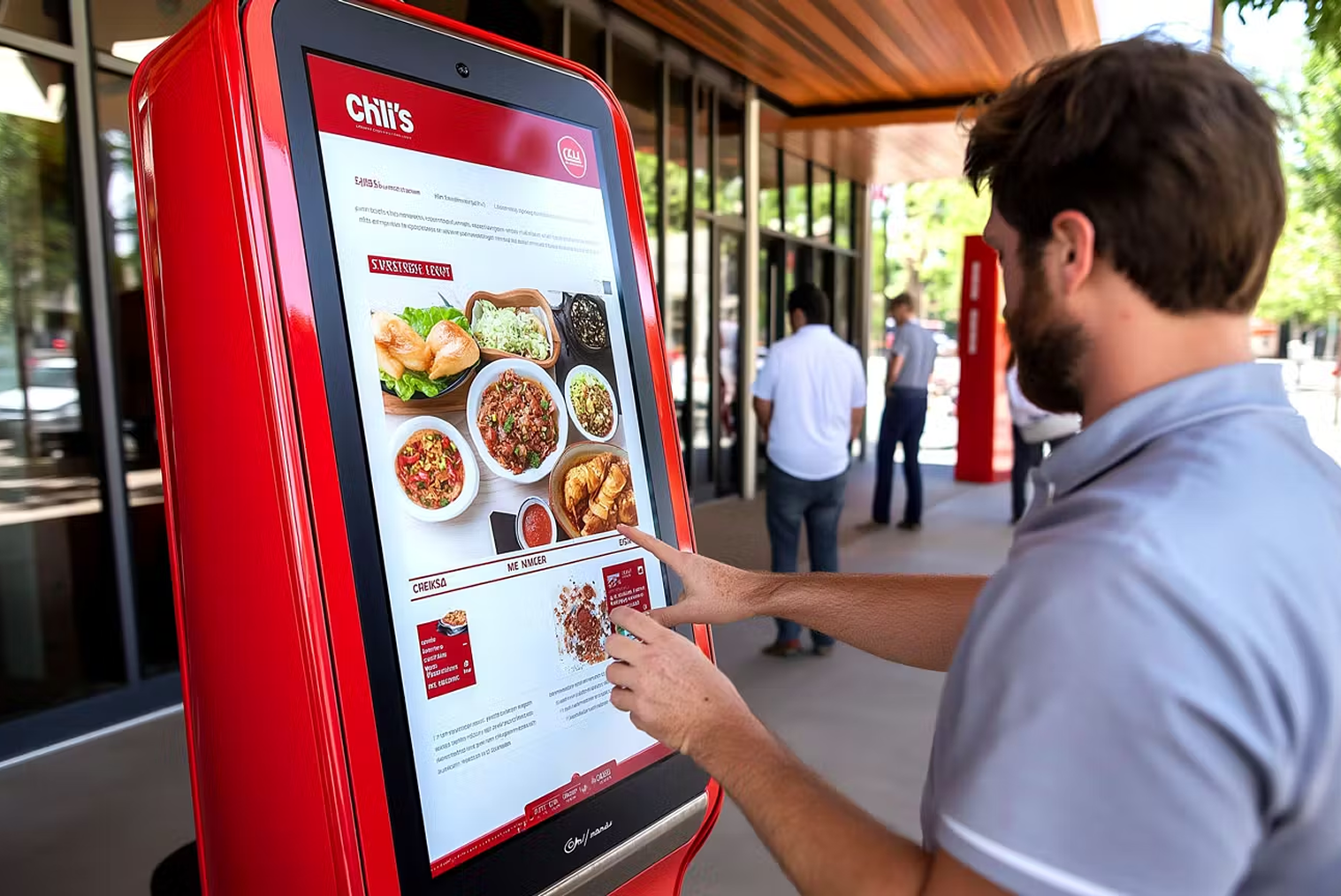
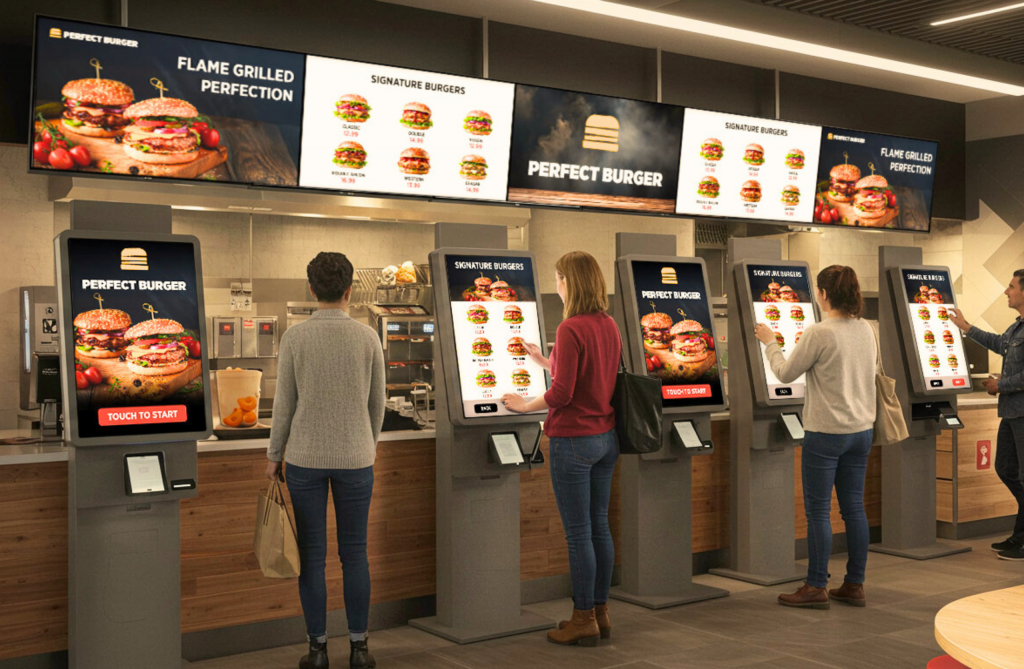
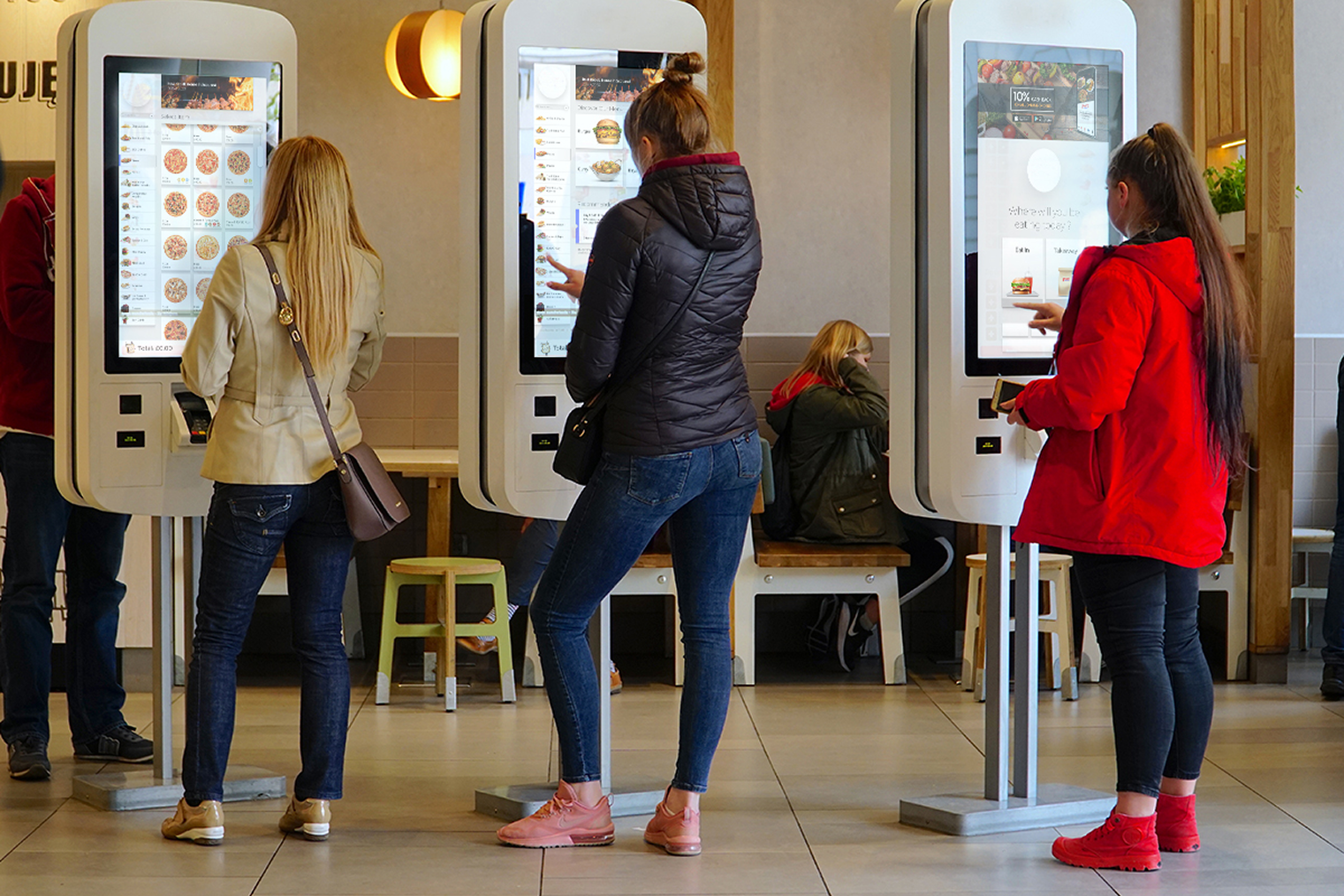
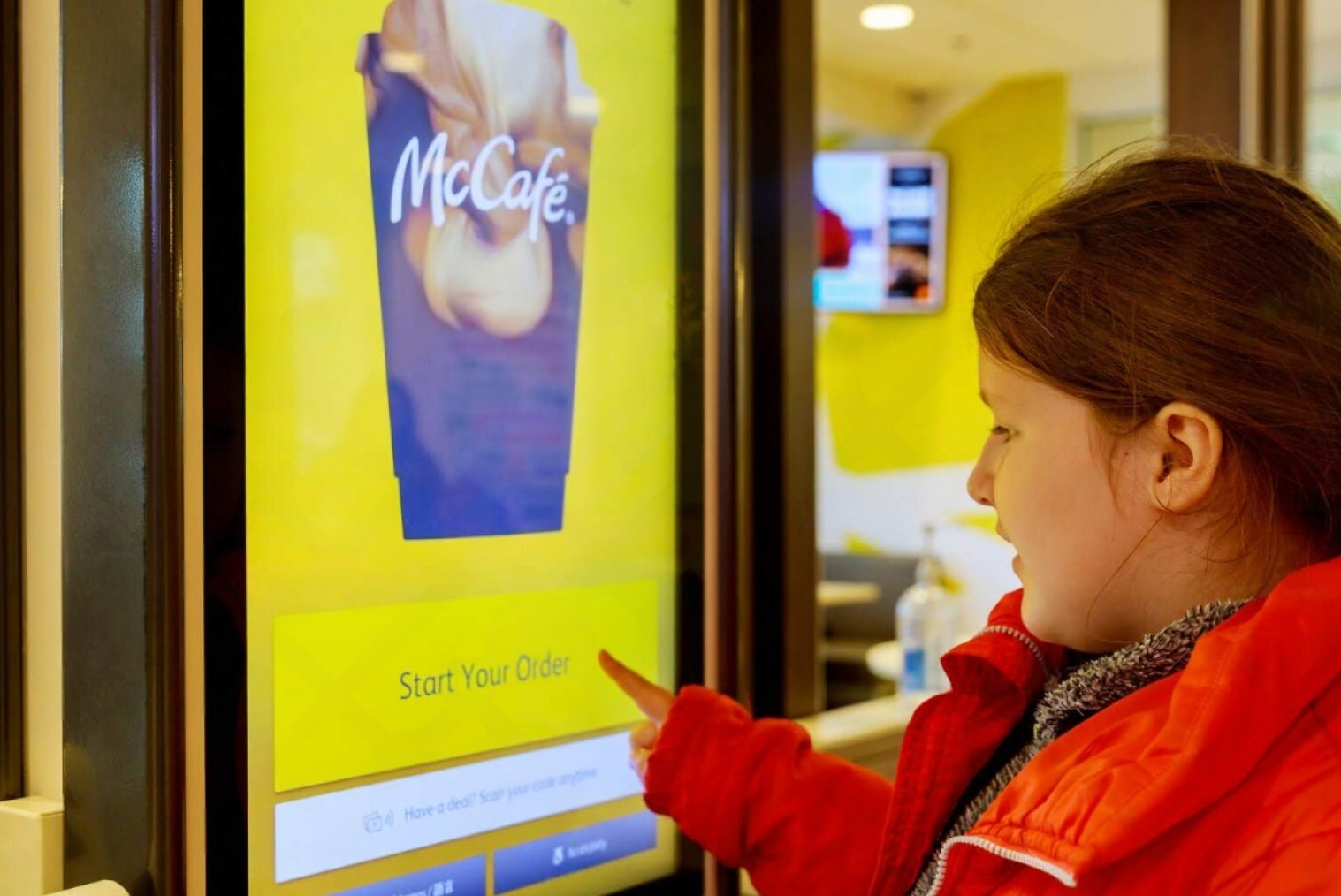
- Faster checkout through restaurant kiosk solutions or mobile AI interfaces
- Reduced customer wait times and confusion
All of this leads to happier customers and stronger brand loyalty.
Importantly, AI ordering systems integrate seamlessly with broader tech stacks — including POS, kitchen display systems, and mobile ordering apps — making them essential components of comprehensive digital ordering solutions.
How AI Ordering Supports Operational Excellence
AI systems can also support:
- Recommendations for dynamic staffing based on predictive demand
- Using actual data on orders placed in real time
- Table and seat optimization by predictive traffic analysis
- Analysis of feedback for continuous improvement
- Committing to embedding this intelligence within day-to-day restaurant operations makes them smarter, speedier, and more profitable.
By embedding intelligence into everyday operations, restaurants become smarter, more agile, and more profitable.
Challenges and Considerations of AI Ordering Systems
While AI ordering systems offer clear advantages for modern restaurants, it is important to understand the challenges and considerations involved before implementation. Addressing these factors early helps ensure a smoother transition and long-term success.
Initial Setup and Integration Costs
At times, there may be a need to set up the AI ordering systems, and therefore, money may be required for that purpose. For small-scale restaurants, such expenses may appear costly, but in reality, such expenses are always compensated in terms of easier operations, reduced human dependencies, and greater precision in orders.
Staff Training and Change Management
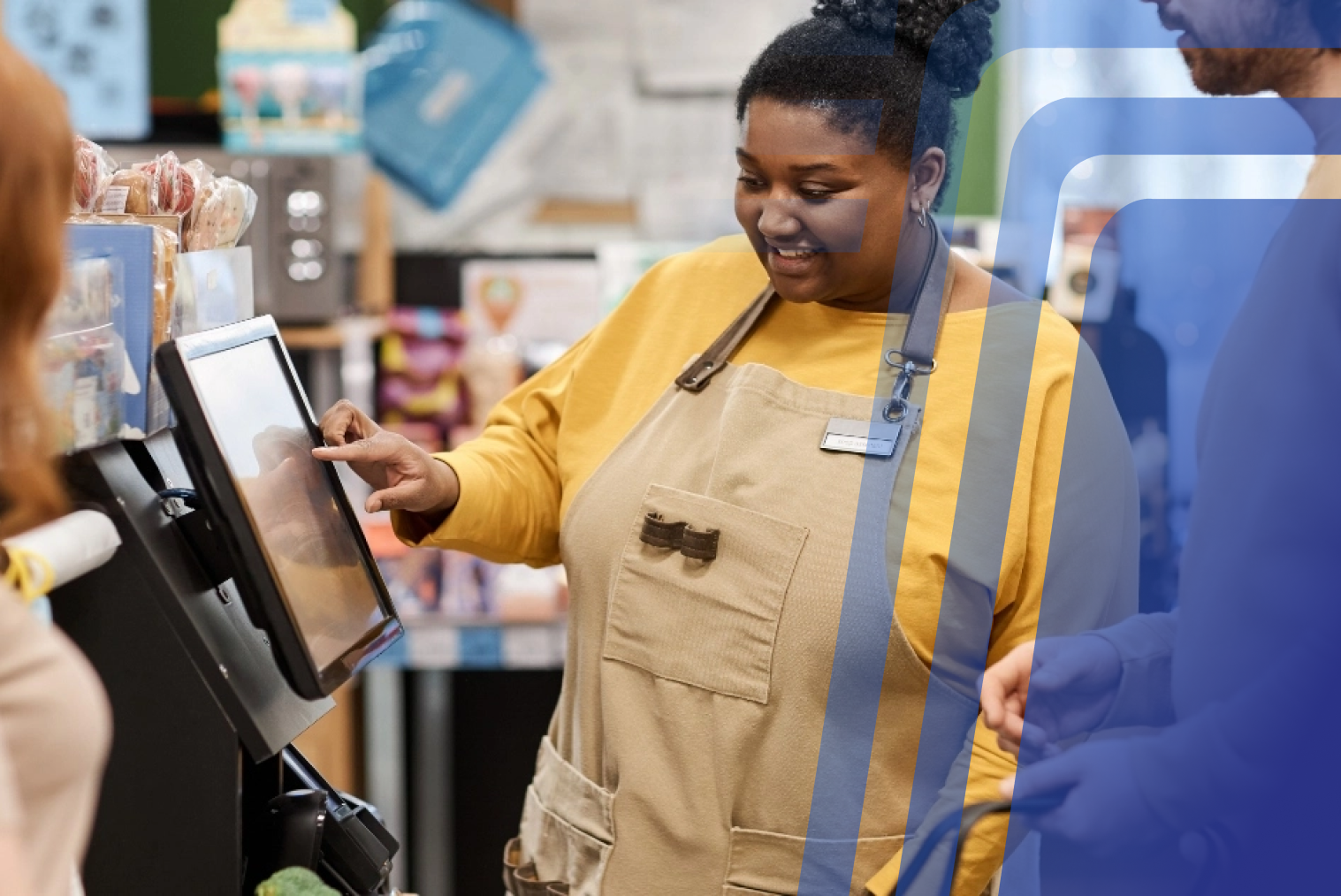
Familiarity with the system is necessary even when it is automated. The employees must be educated on how to deal with the system, and sometimes even the clients need to be assisted. Resistance to such new technologies is also a factor.
Dependence on Stable Internet and System Reliability
Most artificial intelligence ordering systems depend on cloud technology. A consistent internet connection and good support from the backend are essential to avoid downtime, delays, or interruptions of payment processes, especially at critical service hours.
Data Privacy and Security Concerns
AI systems collect and analyse customer data to improve recommendations and performance. Restaurants must ensure compliance with data protection regulations and implement secure payment and data-handling practices to maintain customer trust.
Customer Adoption and User Comfort
Not all customers are equally comfortable with AI-driven ordering. While many appreciate speed and convenience, others may still prefer human interaction. Offering a hybrid approach—AI ordering alongside staff support—helps cater to diverse customer preferences.
Ongoing Optimisation and Maintenance
AI ordering systems are most effective when continuously monitored and optimised. Menu updates, recommendation logic, and system performance need regular review to ensure the technology evolves alongside customer expectations and business goals.
Conclusion: AI Ordering Systems — Not the Future, But the Present
The proof is in the pudding, so to speak. The notion of incorporating AI in business operations in restaurants isn’t a futuristic concept; it’s already a reality with real-world impacts. Not only does AI bring great benefits to restaurants of all sizes, but it can, in fact, transform their operations.
With more dining establishments continually looking for intelligent ways of serving customers and enhancing their efficiency, artificial intelligence ordering will surely continue to spread, marking it as one of the main technologies characterizing food service today.
Frequently Asked Questions (FAQs)
Q1: Are AI ordering systems expensive for small restaurants?
AI systems vary in cost depending on features and scale. Cloud-based AI ordering platforms often offer subscription models that make them affordable for small restaurants by eliminating heavy upfront hardware investments. Integrations with existing restaurant kiosk solutions or mobile systems can also reduce total implementation costs.
Q2: Can AI ordering systems reduce order errors?
Yes — multiple industry reports show that AI tools can lower order errors by up to 30%–70% by automating order capture and minimizing manual entry mistakes.
Q3: How accurate are AI drive-thru ordering systems?
Modern AI drive-thru systems can achieve accuracy rates of 90–98%, depending on training data quality and background noise conditions. Continuous machine learning allows these systems to improve over time.
Q4: Can AI ordering systems replace restaurant staff?
AI ordering systems are designed to assist staff rather than replace them. They automate repetitive tasks, allowing employees to focus on food preparation, hospitality, and customer service.
Q5: Is AI ordering secure for customer payments?
Yes, AI ordering systems integrated with secure POS platforms comply with payment security standards such as PCI DSS and encrypted transaction protocols.
Q6: How long does it take to implement an AI ordering system?
Implementation timelines vary but typically range from a few weeks to several months depending on system complexity, integration needs, and staff training requirements.


.webp)











.png)



















.webp)


