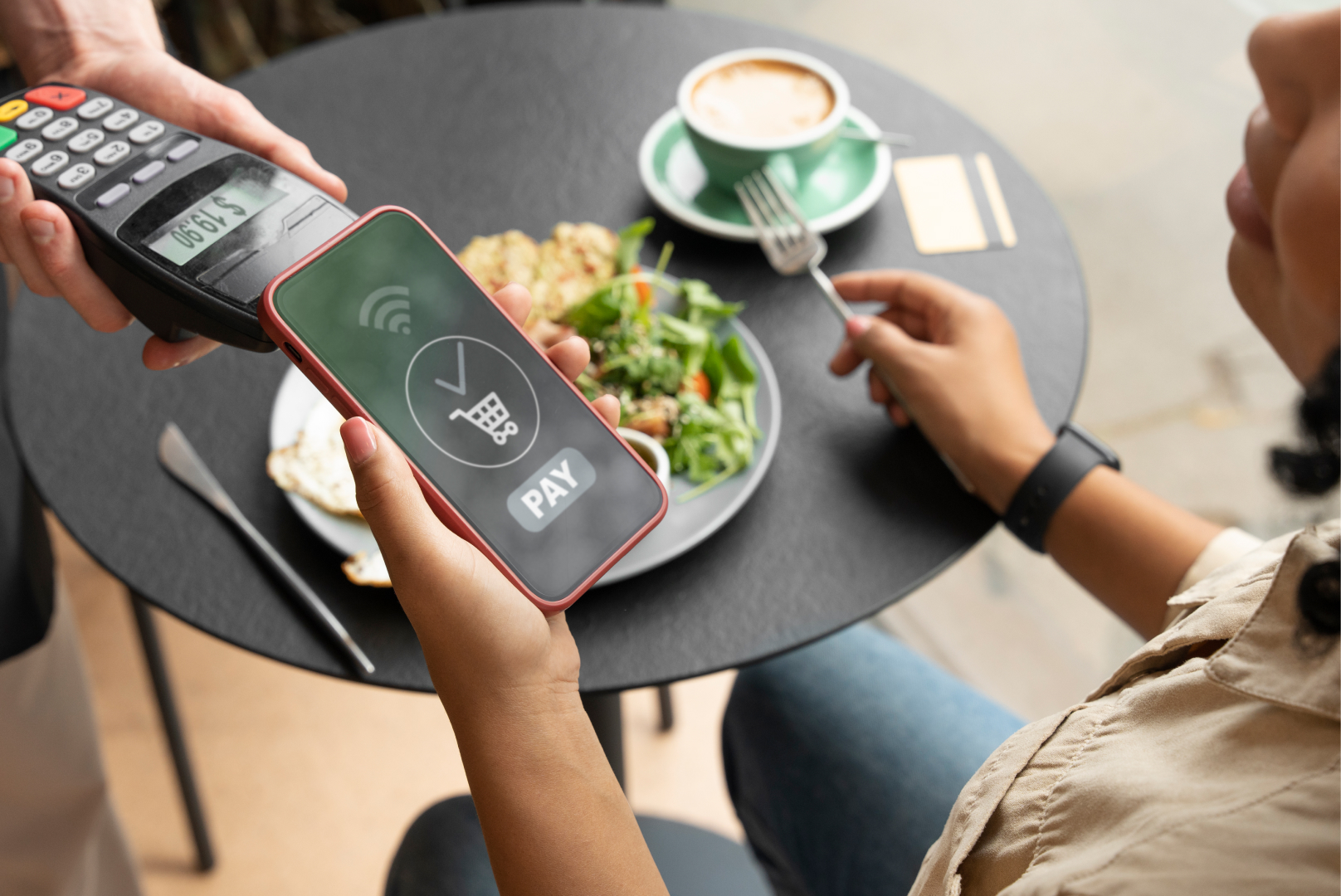
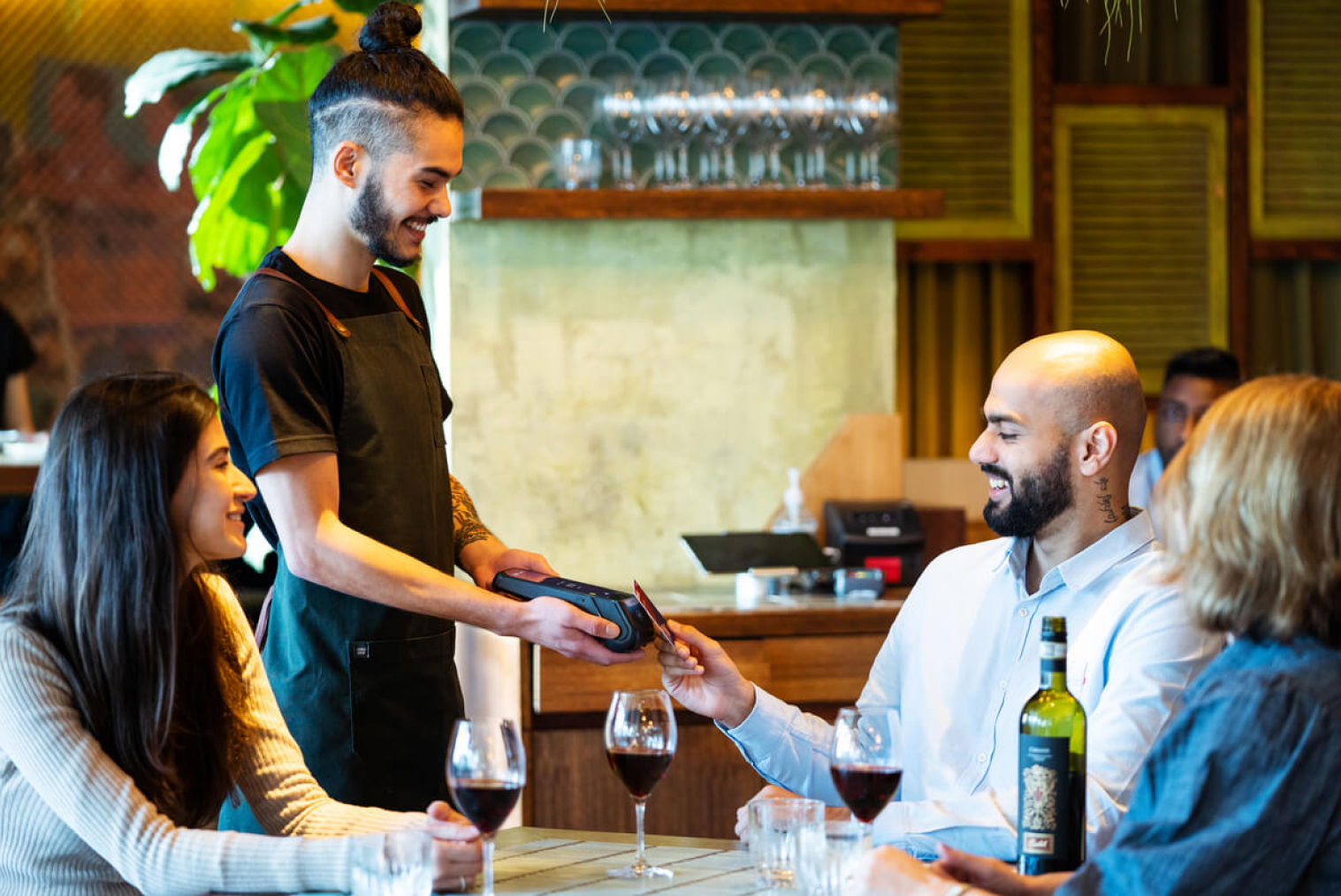
A popular restaurant or a food joint may be the best spot to cut back for the weekend and enjoy a great meal. However, the woes of standing in a long queue to place your order are always associated with busy eateries. It is even worse for a busy restaurant, as you have to wait till a staff member navigates through so many tables to come and note down your order. If you are used to trending contactless payment methods on digital devices, it can challenge your patience even more when traditional payment methods are the custom at an eatery.
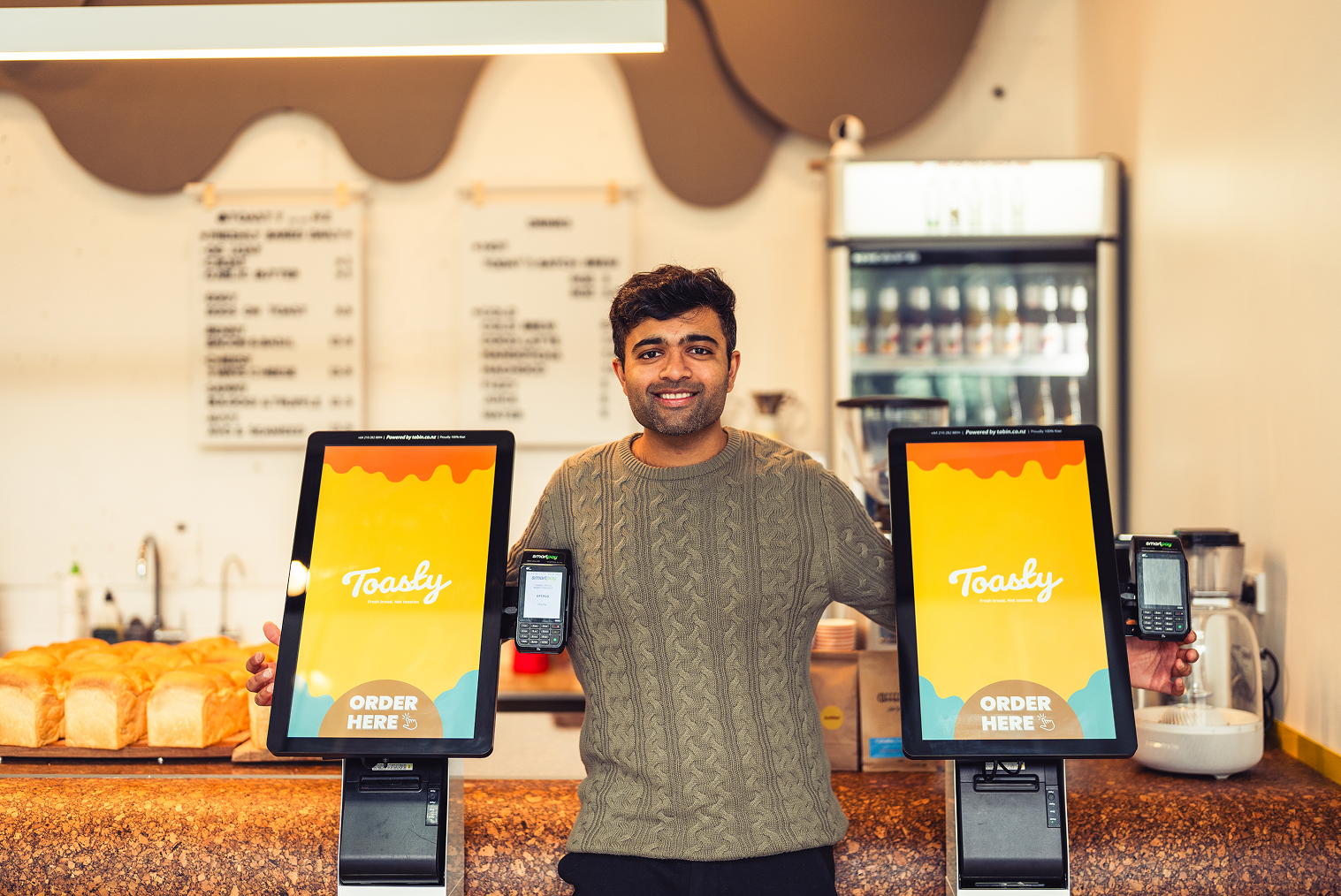
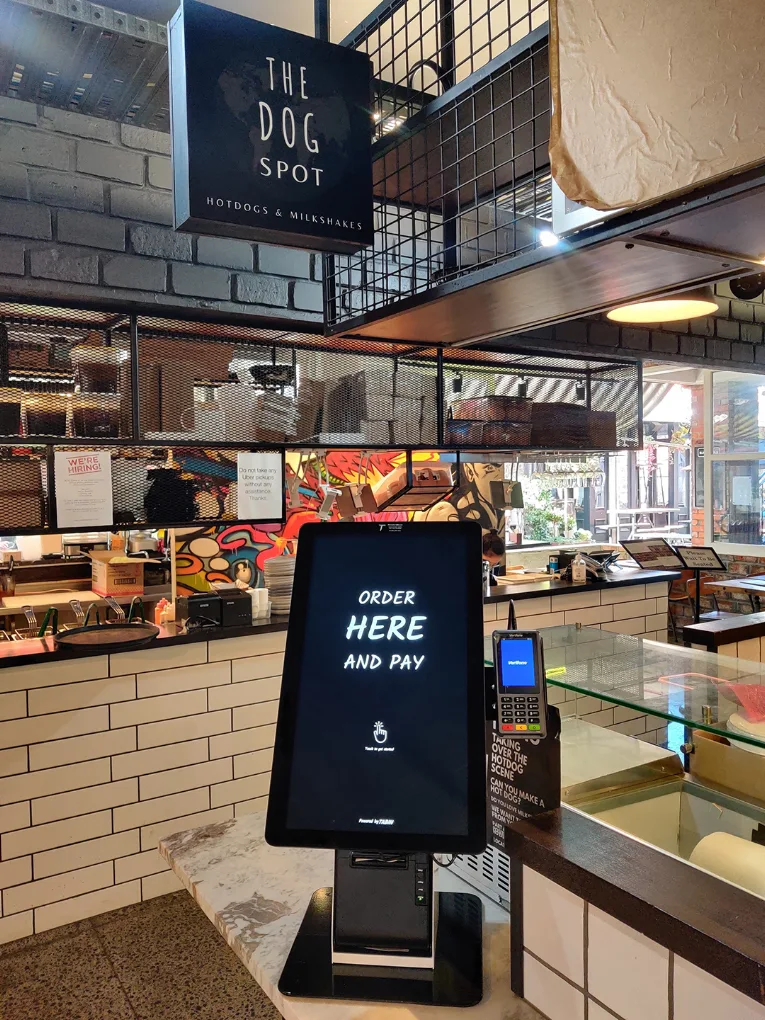
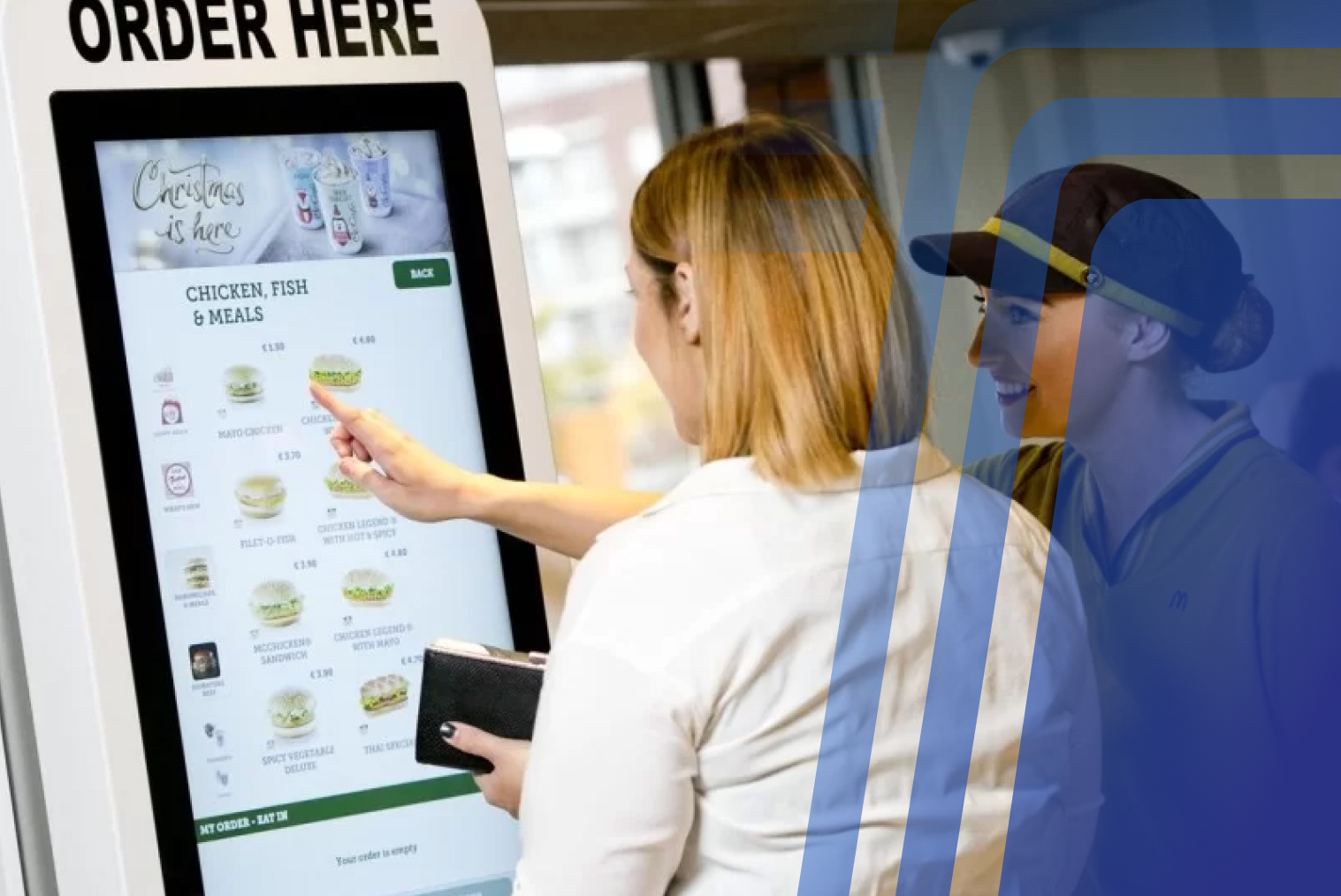
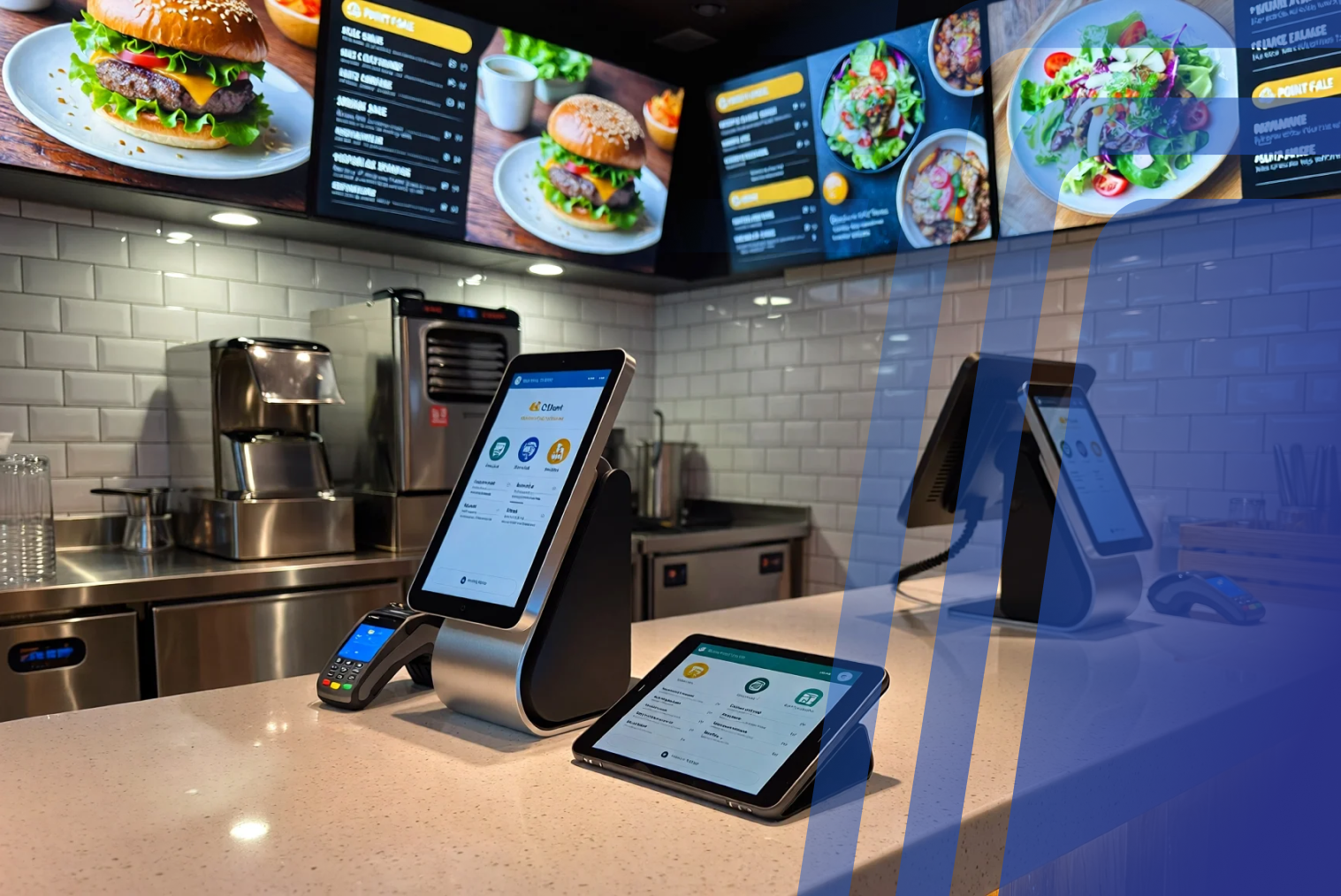
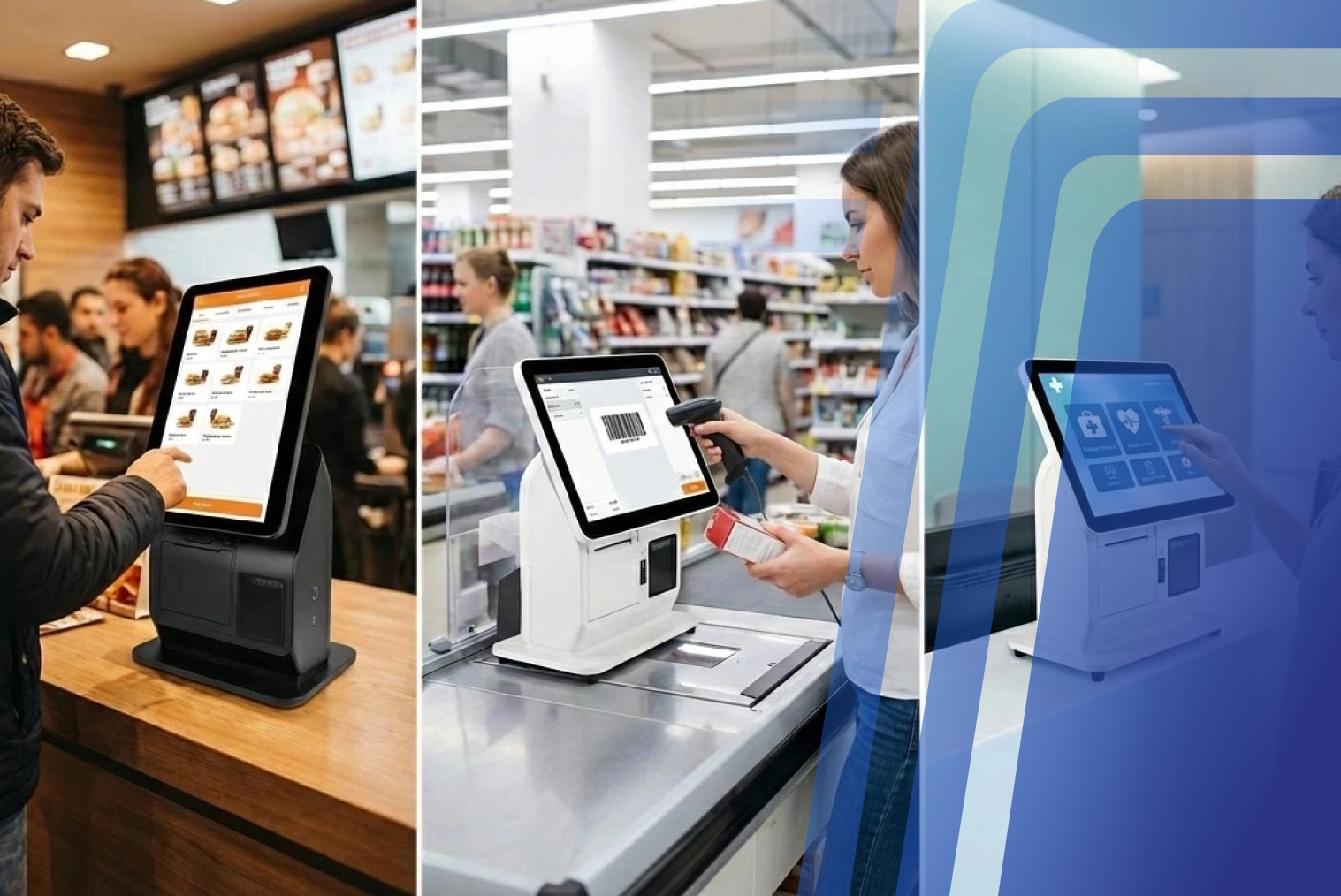
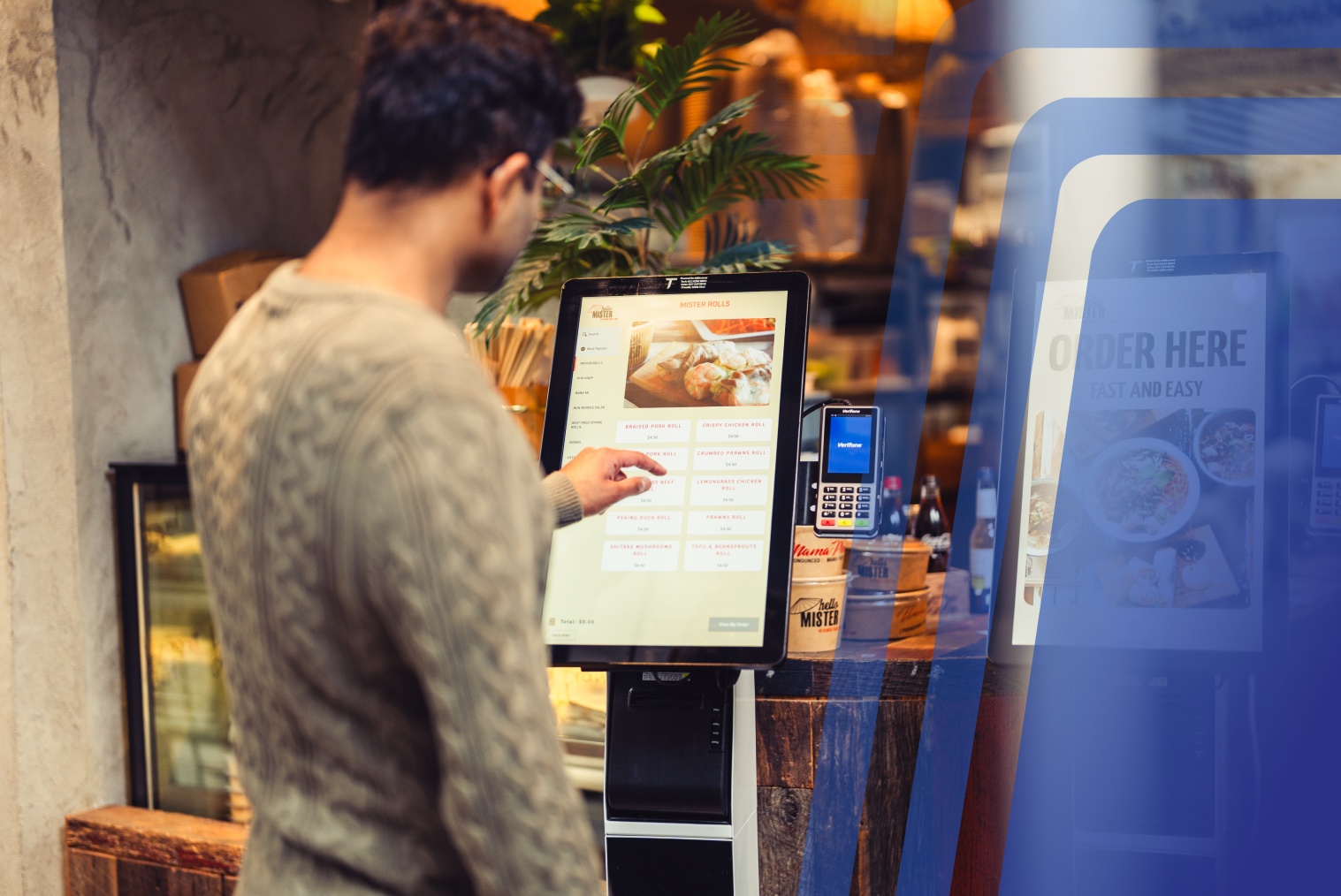
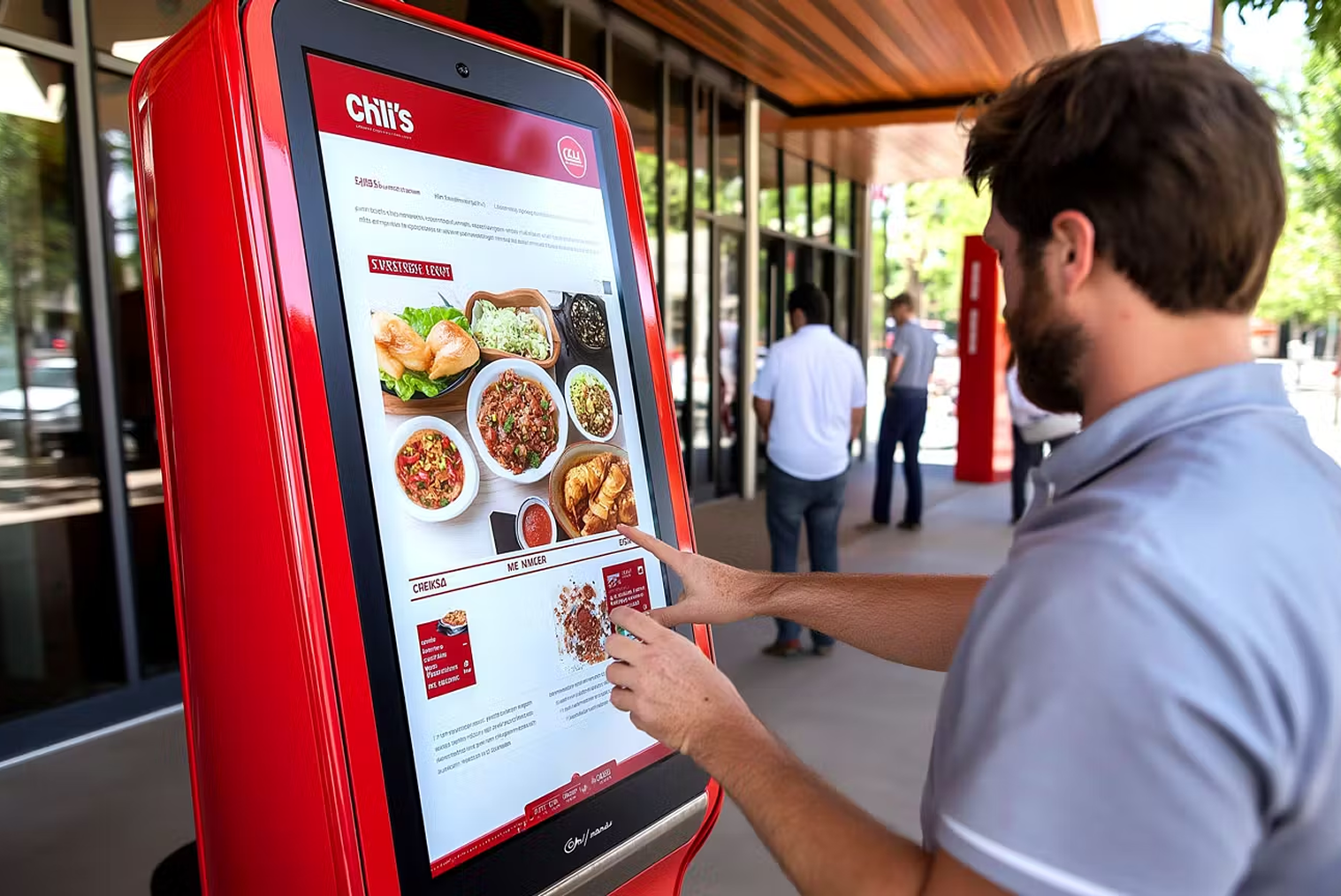
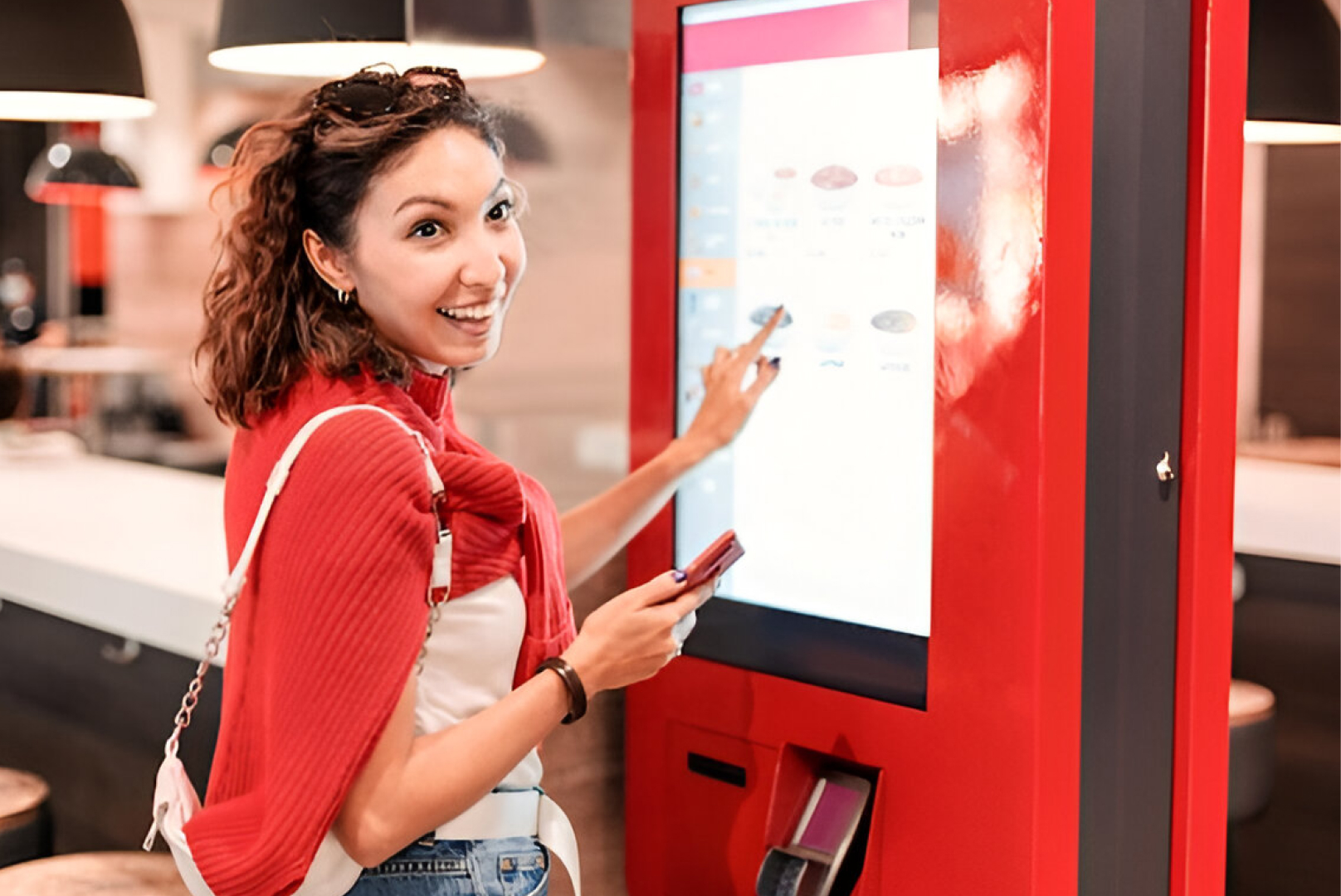
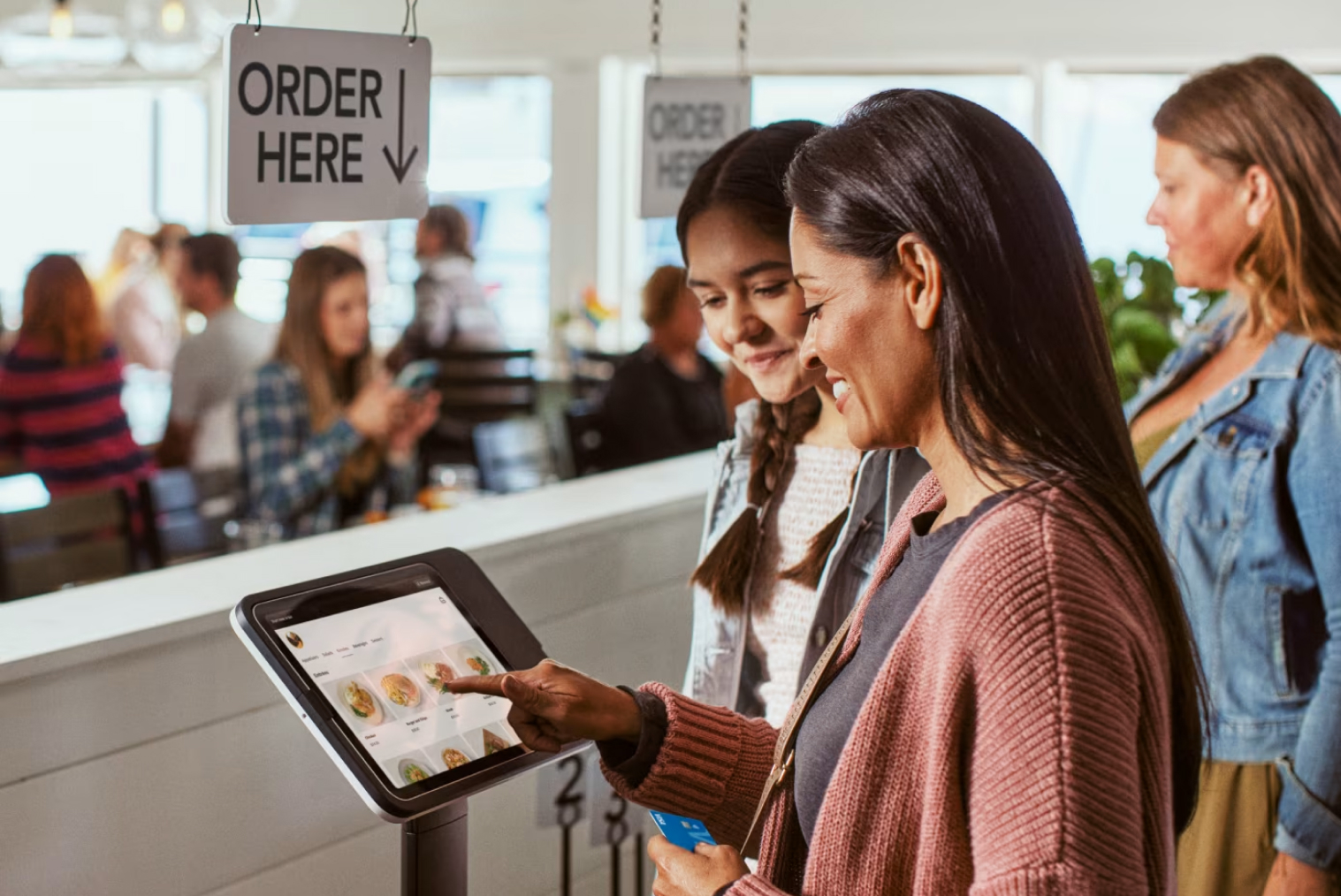
To get more efficiency when it comes to orders and payments, installing a self service food kiosk may be the solution to all these woes, driving customers away from an eatery. It allows customers to place quick orders with the latest technology in just a few clicks. This eliminates queues, frees up staff time, and leads to accurate and efficient service.
Why Are Self-Service Food Kiosks Important For Restaurants?
The significance of self-service food kiosks is that they assist restaurants in meeting the expectations of modern consumers in terms of speed, convenience, and control.
Running any business in this modern technological world requires a great pace and adaptability. The eatery industries are surely not immune to this phenomenon. Today’s consumers are always looking for speed and independence in their regular transactions. In this tech-savvy era, it is not a surprise that even placing orders at a restaurant is being done through digital means. There are several reasons why this method needs to be implemented to boost efficiency at a restaurant.
Faster, Tech-Driven Ordering for Modern Customers
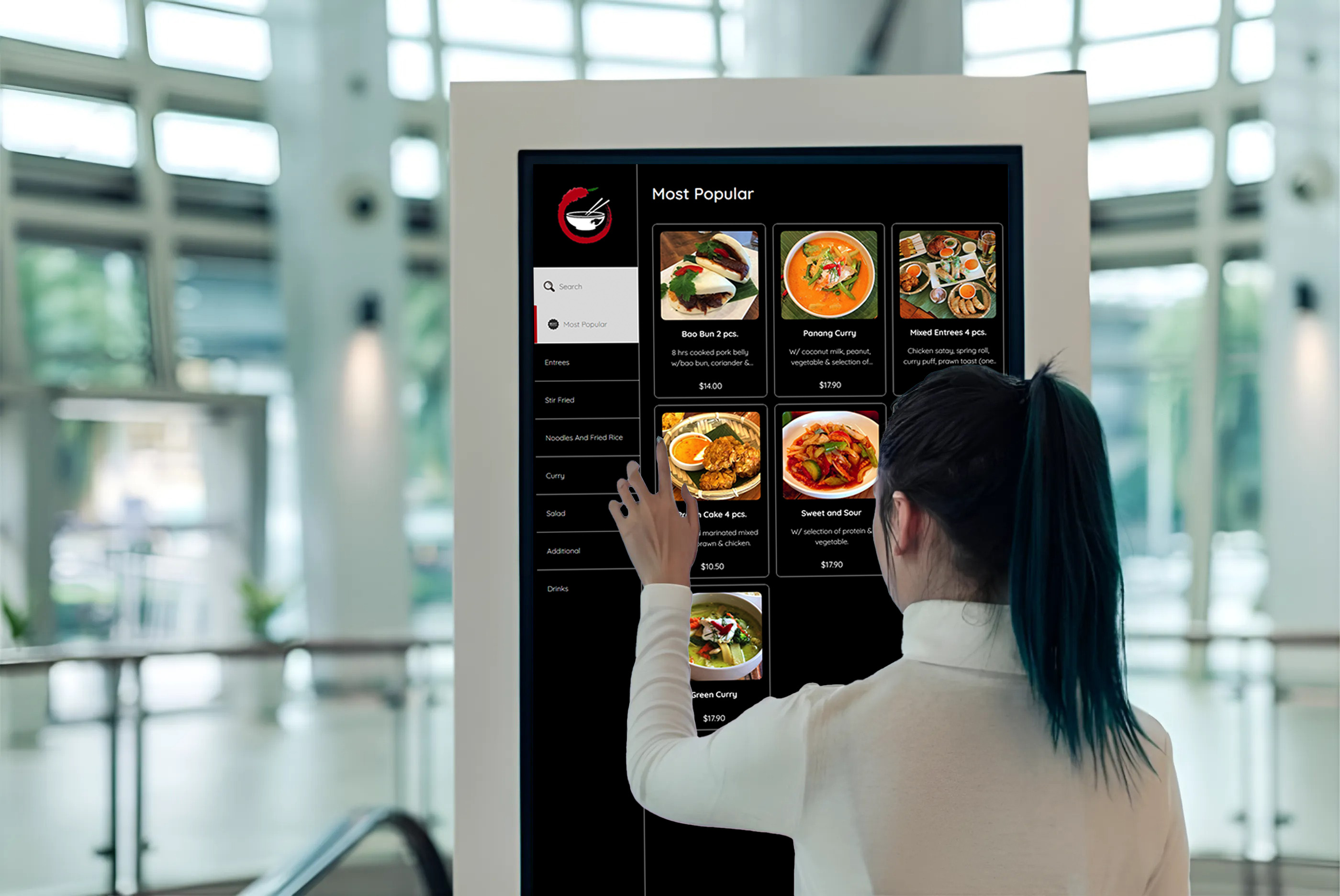
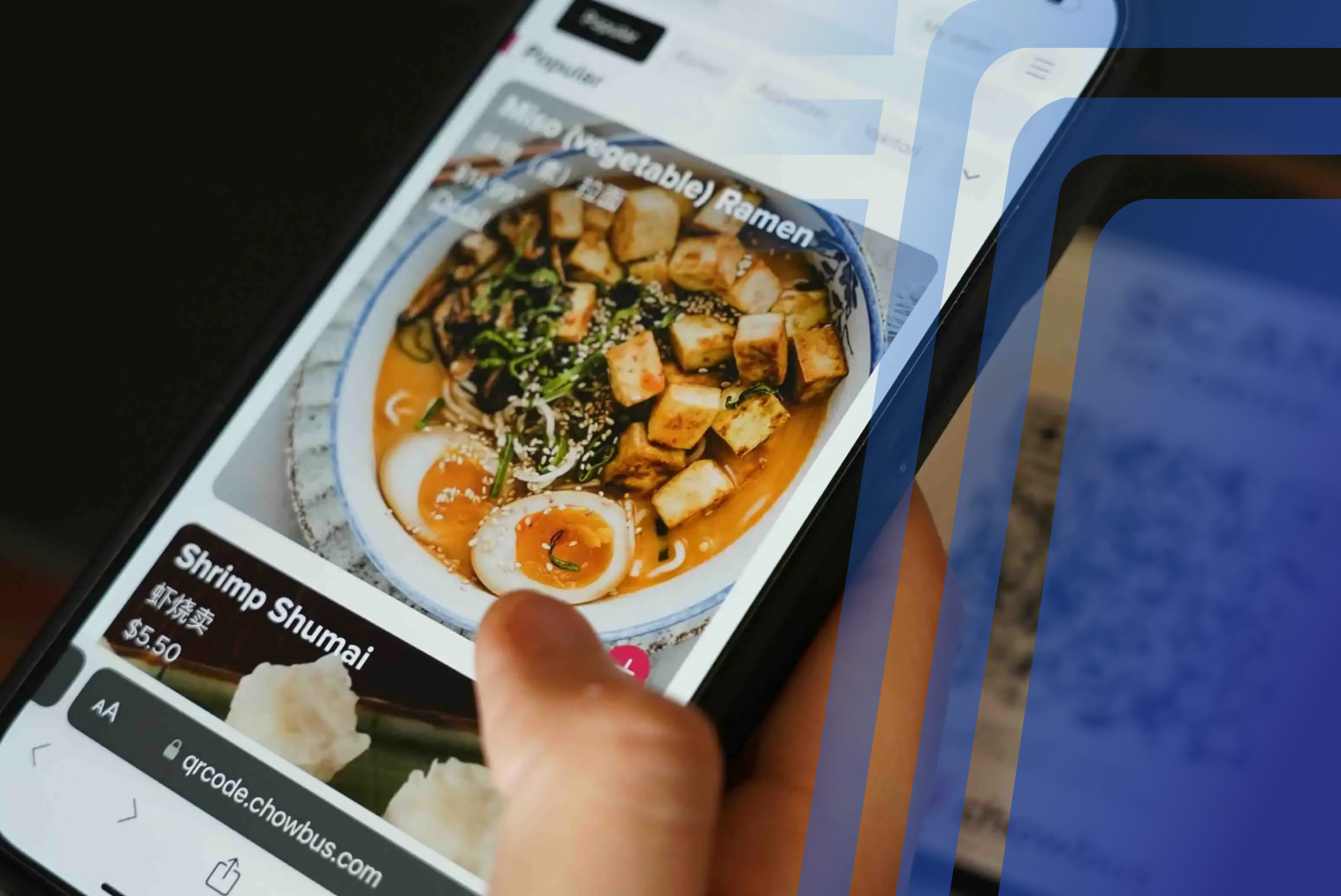
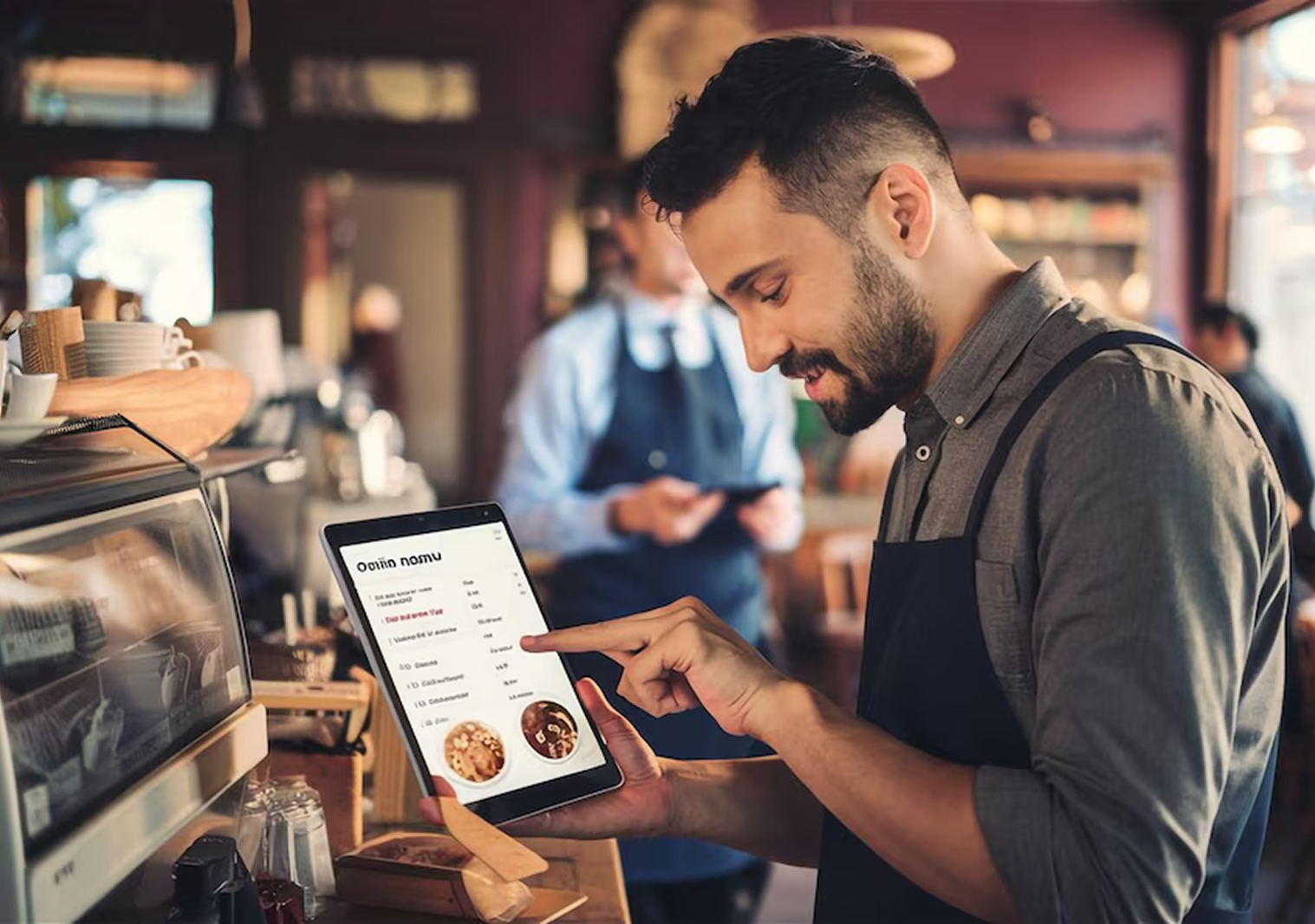
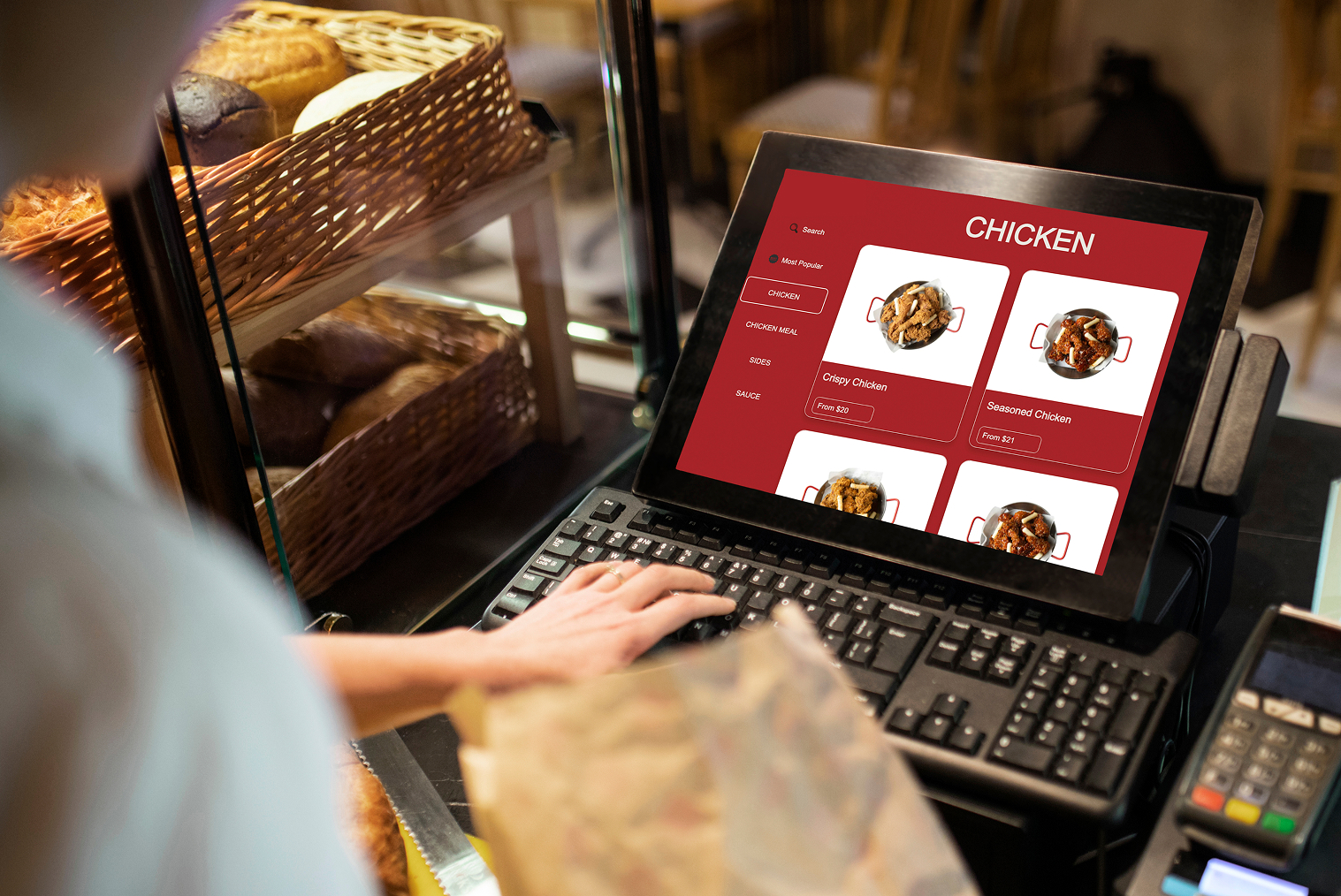
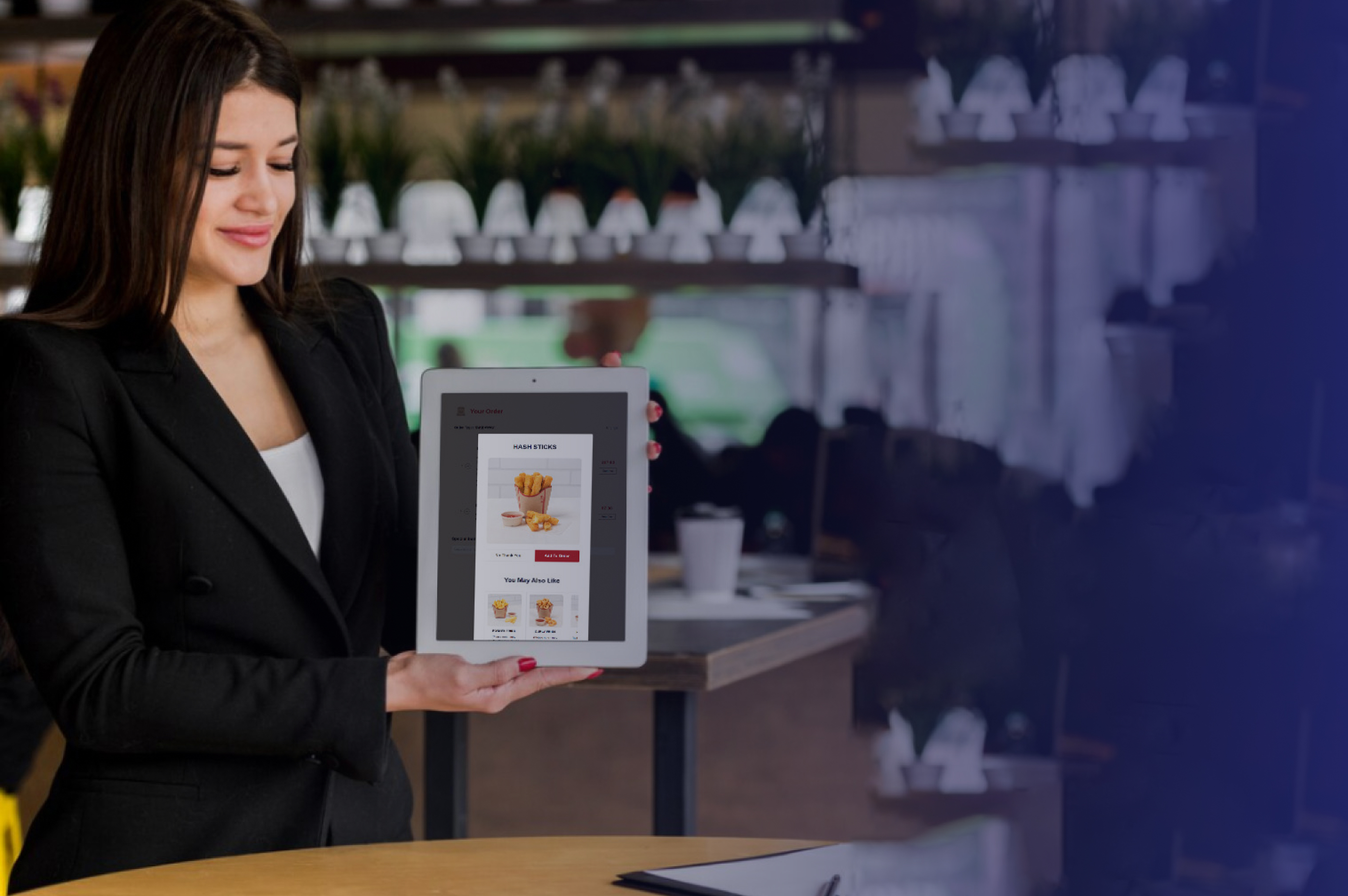
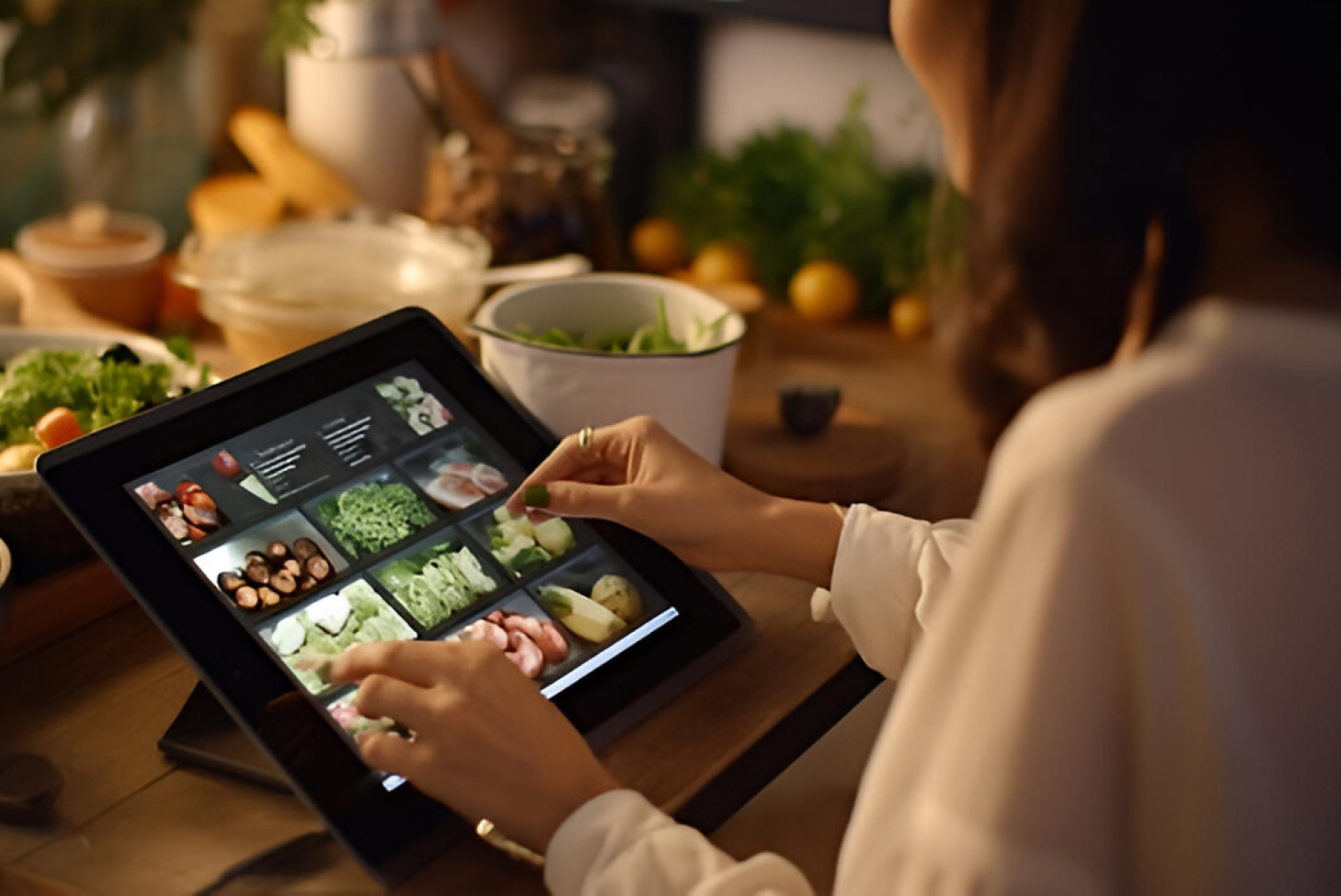
Modern consumers expect speed, accuracy, and digital convenience in their daily interactions. Instead of relying on traditional waiter-led ordering, a self-service food kiosk allows customers to browse the menu by categories, customise items, and review their selections before confirming. This ensures greater order accuracy and a smoother ordering experience.
Reduced Dependency on Staff During Peak Hours
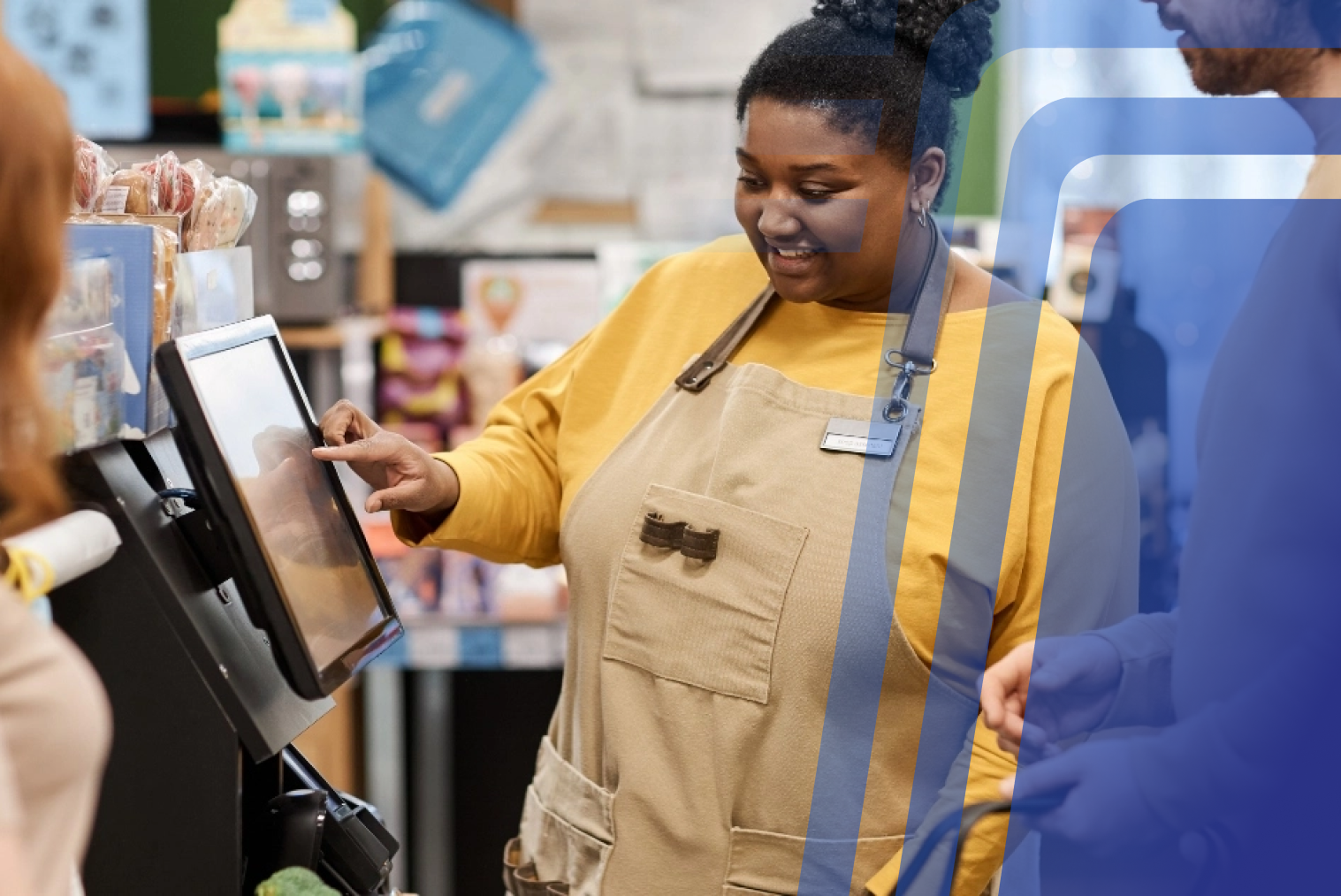
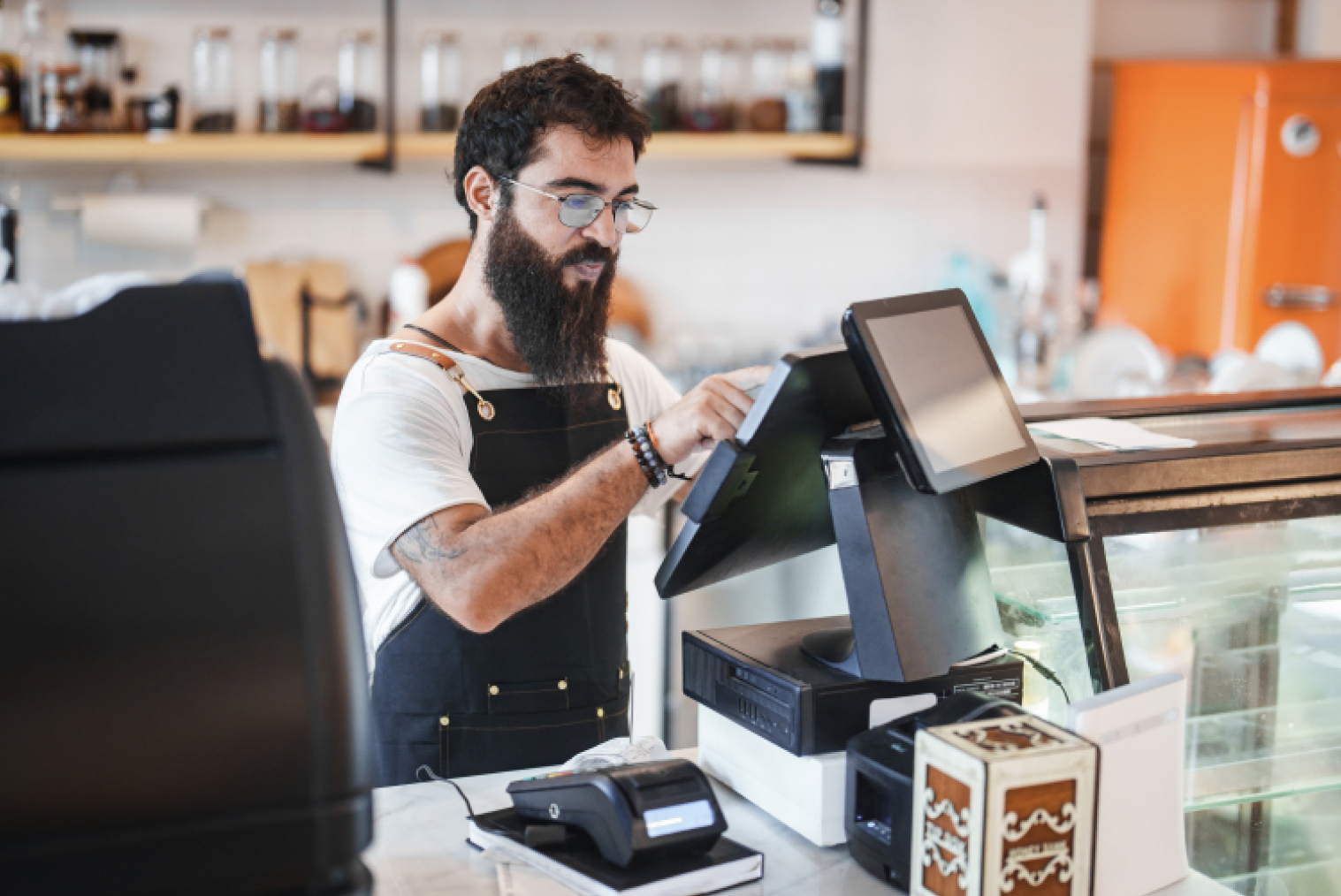
Many restaurants deliver excellent food and hospitality, but struggle with limited staffing. During busy hours, long queues can negatively impact customer perception. A food kiosk automates front-of-house tasks such as ordering and payments, reducing staff dependency while keeping service fast and consistent.
Minimised Human Errors in Ordering and Billing
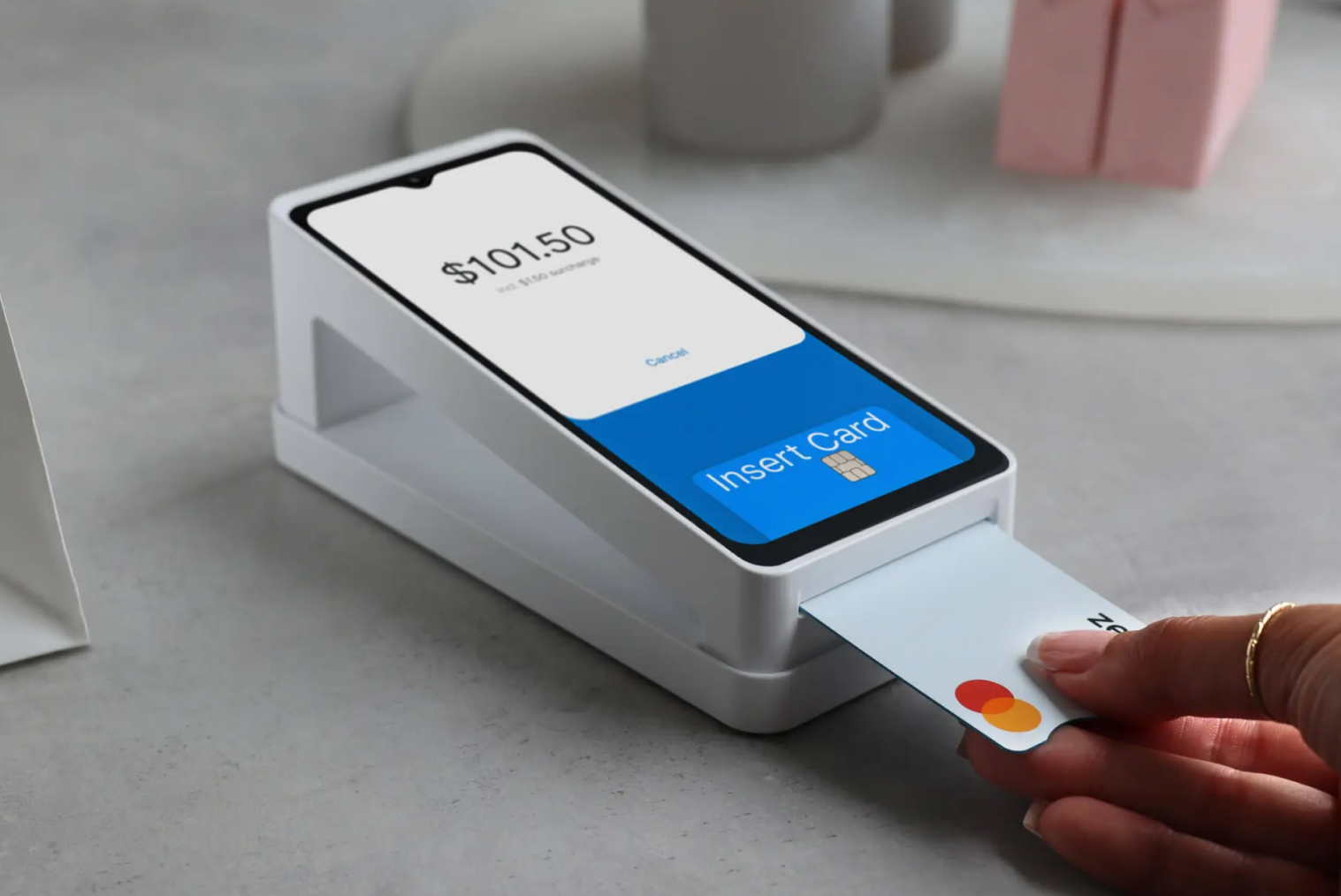
High footfall increases the risk of order and billing mistakes, which can lead to customer dissatisfaction and negative reviews. By automating the entire process from order placement to payment, self-service food kiosks significantly reduce human error and improve service reliability.
Higher Order Throughput and Revenue Retention
Slow service can cause restaurants to lose customers, especially during rush hours. Installing a food kiosk speeds up order processing, allowing restaurants to serve more customers in less time. This helps prevent revenue loss and increases overall order volume.
Restaurants increasingly adopt digital self-service kiosks not just to modernize ordering, but to streamline operations and serve customers faster, especially during peak periods.
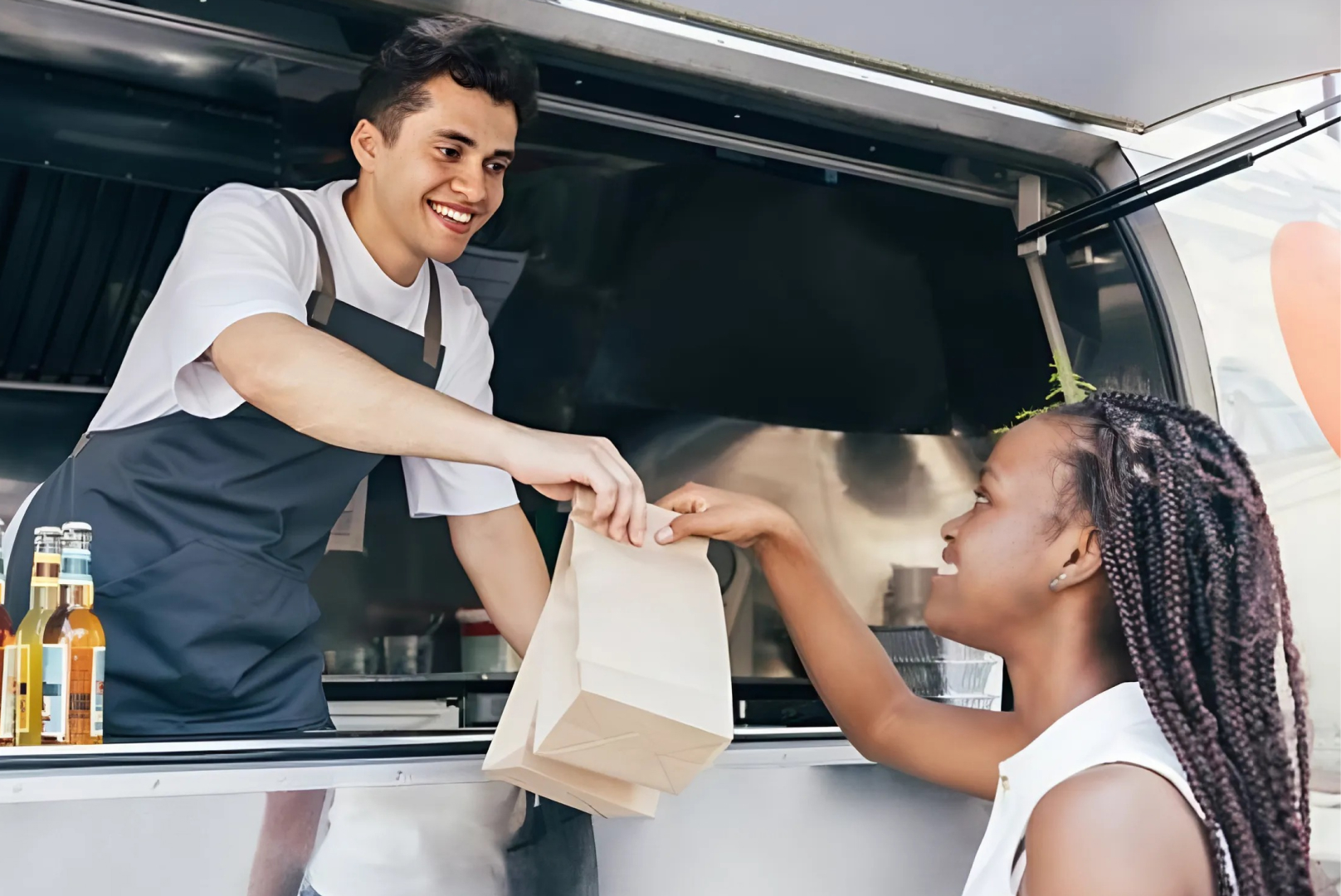
For food trucks or small QSR concepts with limited manpower, a self-ordering kiosk for food trucks can also reduce bottlenecks and make the ordering experience more efficient.
How Do Self-Service Food Kiosks Increase Efficiency?
There are many ways in which a self-service food kiosk can provide more efficient service in an eatery than traditional ordering methods. With a food kiosk, each customer is allowed to explore the menu in detail, checking for preferred items from a unified interface. It also ensures accuracy in processing payments, enhancing customer satisfaction. Some ways in which food kiosks can boost efficiency when it comes to service in a restaurant are:
Convenience
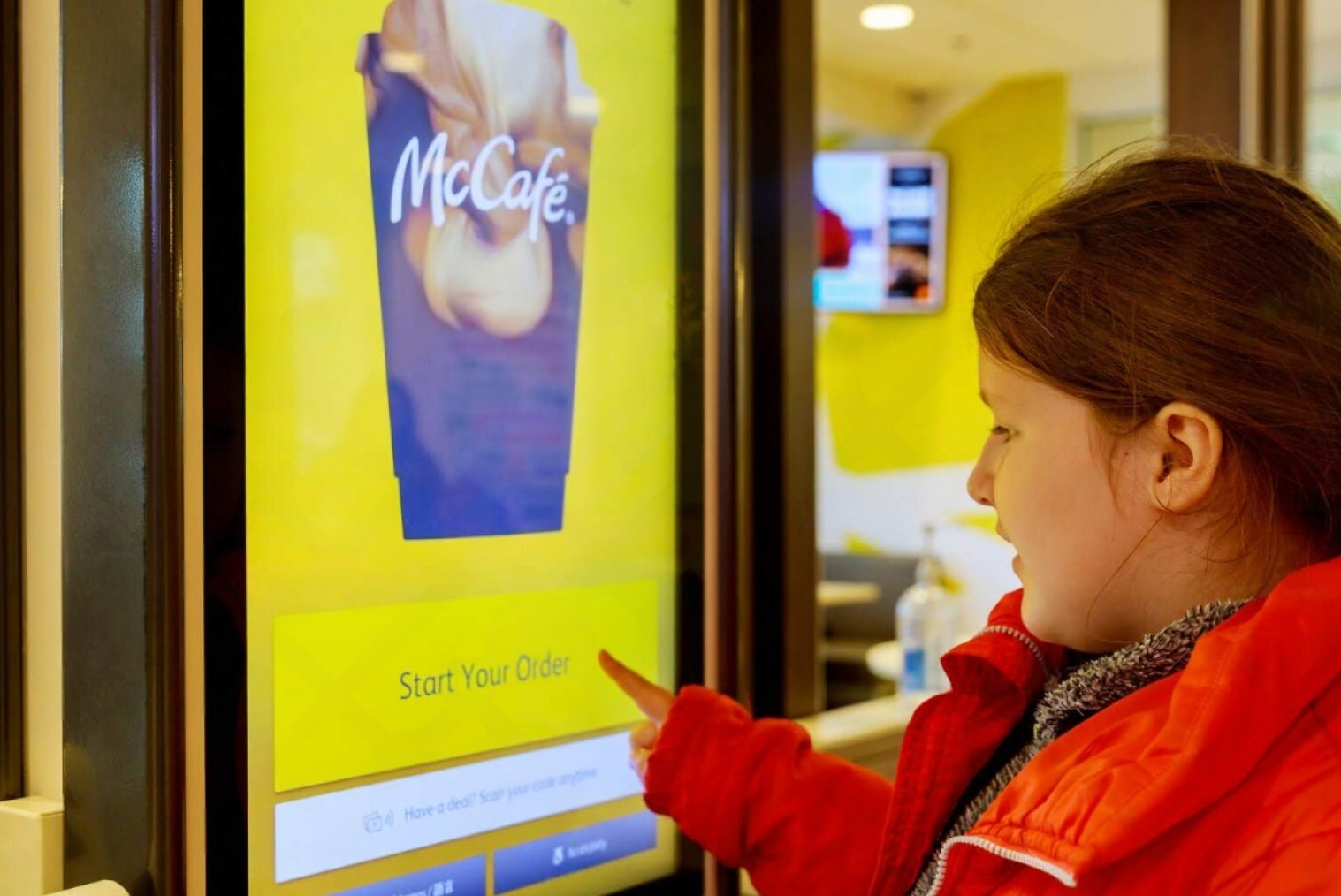
With a food kiosk, customers can complete the ordering process by themselves, at their own pace. Customers can access these machines without the need for human intervention, granting them a convenient ordering experience.
Streamlined workflow
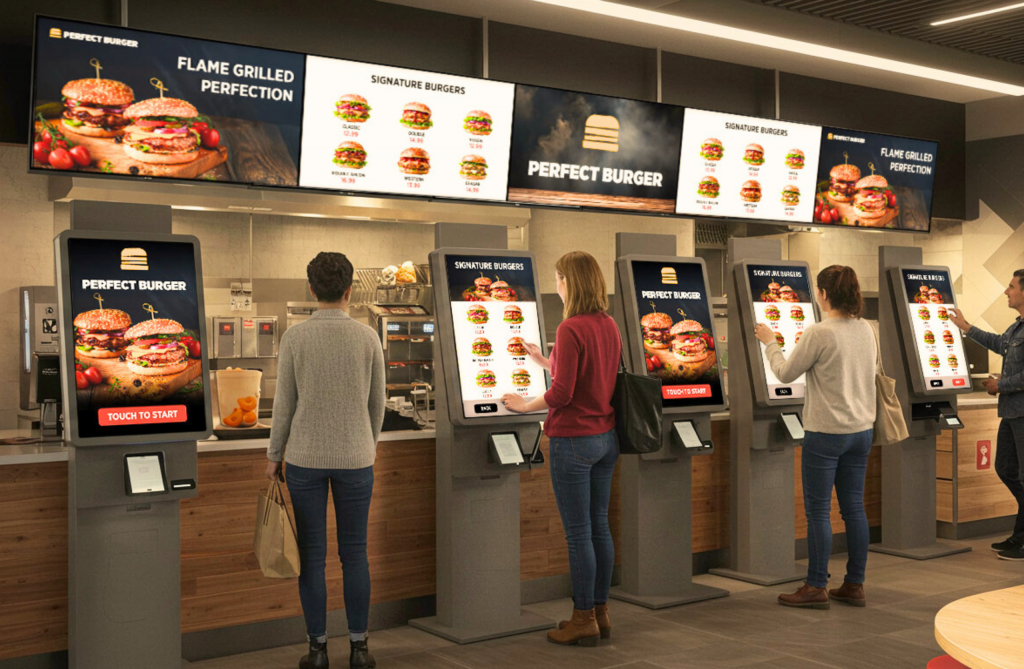
With a kiosk, greater efficiency is achieved by speeding up orders and reducing wait times. While customers get to skip the woes of the queue, staff can focus on more productive aspects of business food preparation and hospitality.
Accuracy
Food kiosks minimize human errors associated with traditional ordering methods. Customers input information directly into the system, preventing miscommunication and misplaced orders.
Increased customer engagement
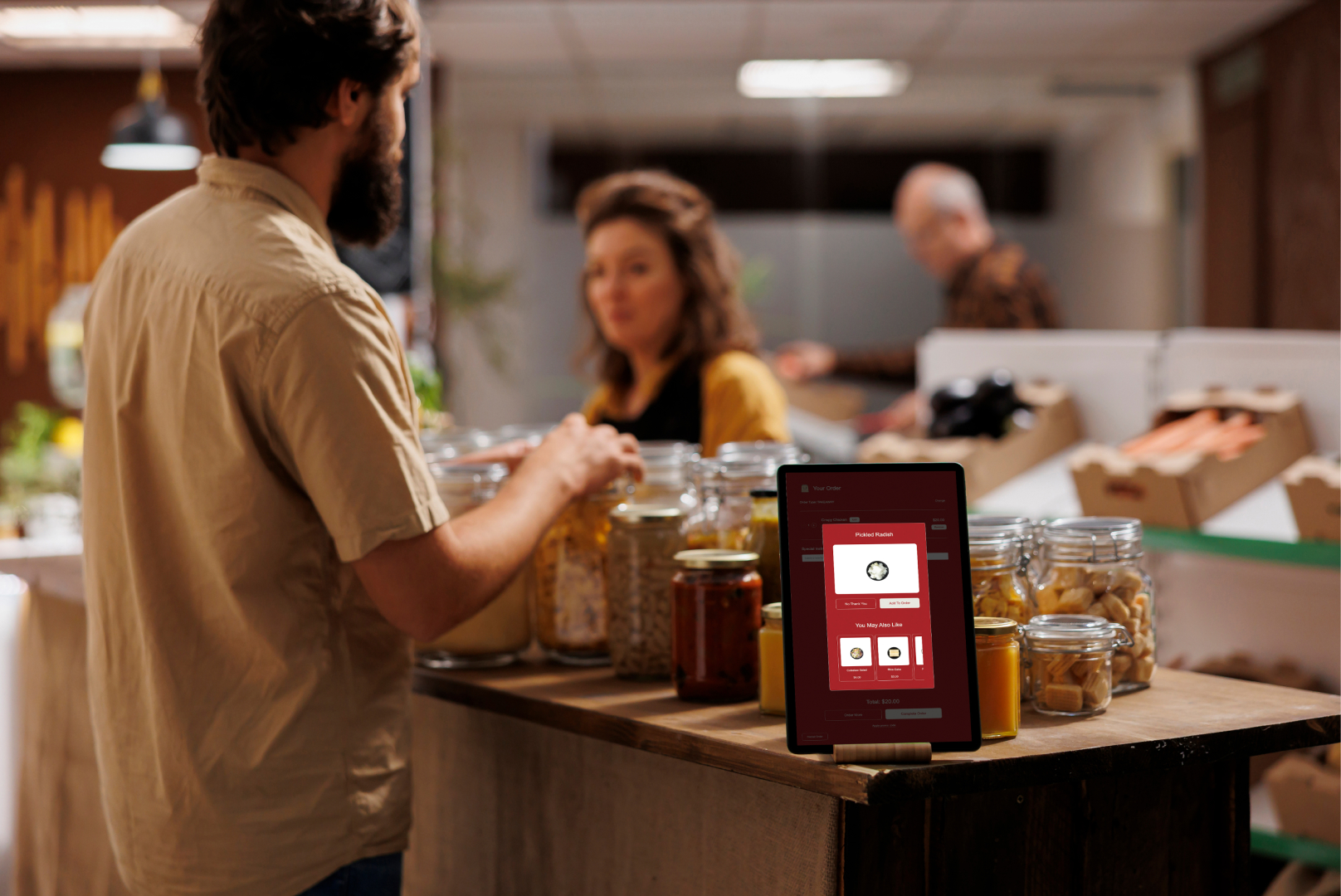
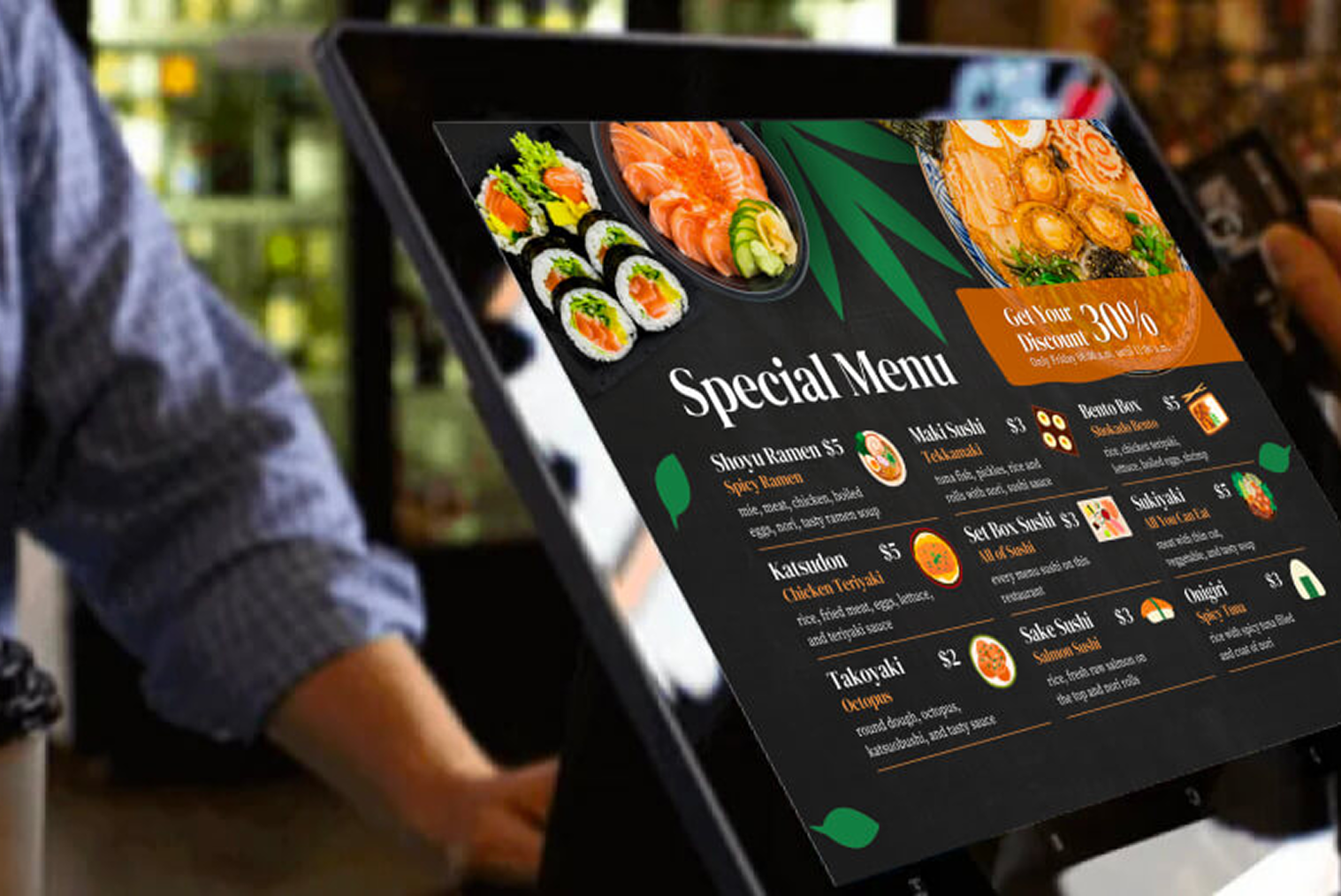
Food kiosks provide an engaging customer experience with customized preferences, multimedia content, and promotional content.
Saved costs
By reducing the need for additional staff, food kiosks can also save labour costs.
A restaurant also benefits from a self-service food ordering system that automates front-of-house workflows while improving consistency and boosting order throughput.
Conclusion
Self-service food kiosks are no longer just a convenience feature; they are a strategic solution for restaurants aiming to operate faster, reduce dependency on staff, and meet modern customer expectations. Restaurants with high footfall, limited manpower, or frequent peak-hour congestion can benefit the most from adopting a food kiosk system.
By enabling customers to place and pay for orders independently, self-service food kiosks help improve order accuracy, shorten wait times, and increase overall throughput. For QSRs, food courts, and food trucks looking to scale efficiently without compromising service quality, investing in a self-service food ordering system can deliver long-term operational and customer experience gains.
Frequently Asked Questions (FAQs)
Q1: Why should restaurants install self-service food kiosks?
Self-service food kiosks reduce queues, improve order accuracy, and give customers a faster, more convenient way to order and pay.
Q2: Are food kiosks cost-effective for restaurant owners?
Absolutely. By reducing labor needs and minimizing costly order mistakes, kiosks save money while boosting operational efficiency.
Q3: How does a self-service food kiosk improve restaurant efficiency?
It speeds up ordering, reduces wait times, increases order accuracy, and frees staff to focus on food preparation and hospitality tasks.
Q4: Are self-service kiosks easy for customers to use?
Yes, kiosks feature intuitive layouts that let customers browse menus, customise orders, and complete payments without technical expertise.
Q5: How do food kiosks improve efficiency during peak business hours?
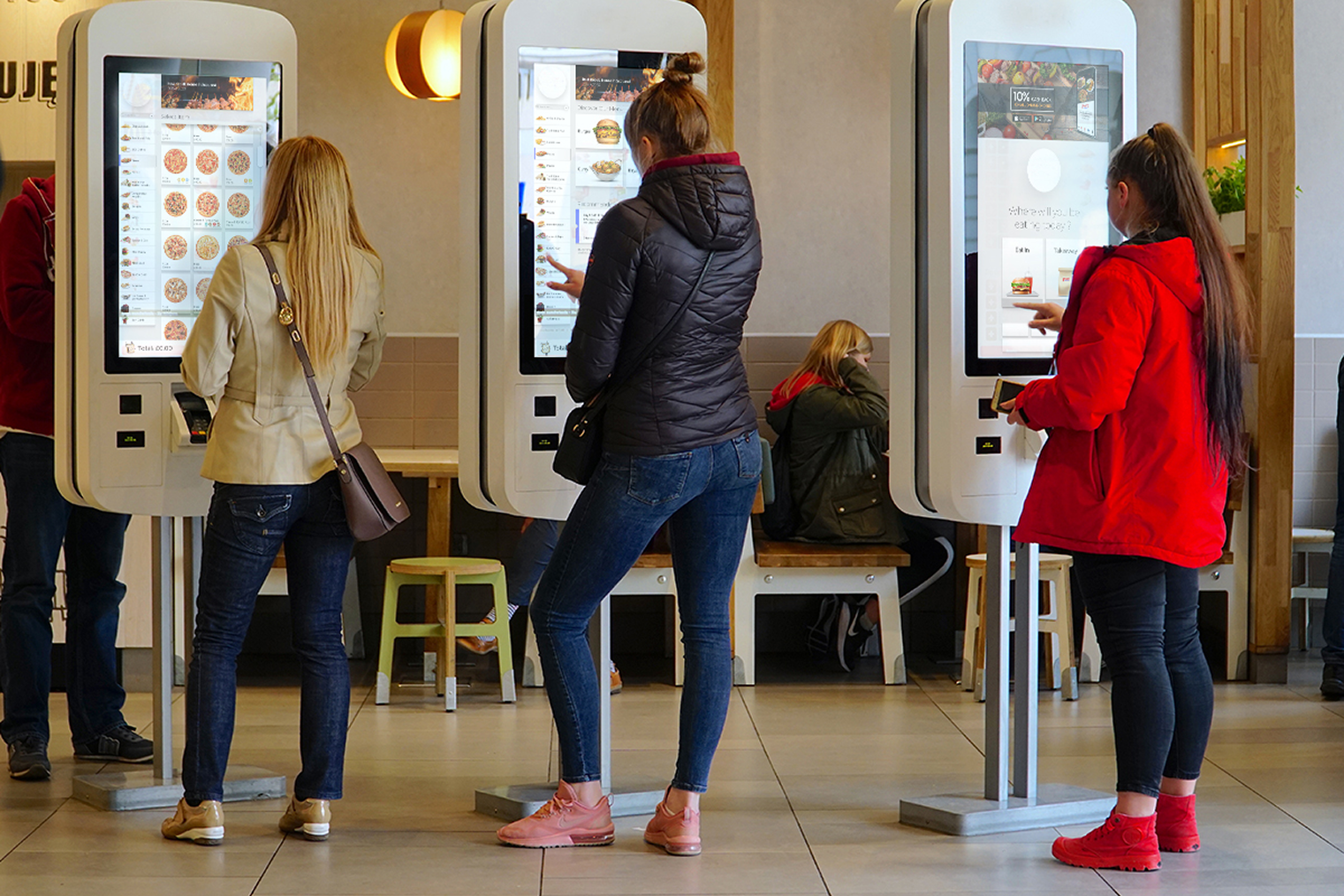
By allowing customers to place orders simultaneously instead of queueing for staff assistance, kiosks eliminate bottlenecks and maintain high throughput.


.webp)













.png)














.webp)


