The best cafe POS for a NZ coffee shop in 2026 does two things well: it processes orders fast enough to get through the morning rush without a queue building, and it keeps regular customers coming back through a loyalty programme that works without friction. Speed and repeat visits drive cafe profitability more than any other metric. This guide covers exactly what to look for — and what to avoid.
What NZ Cafes Actually Need From a POS System
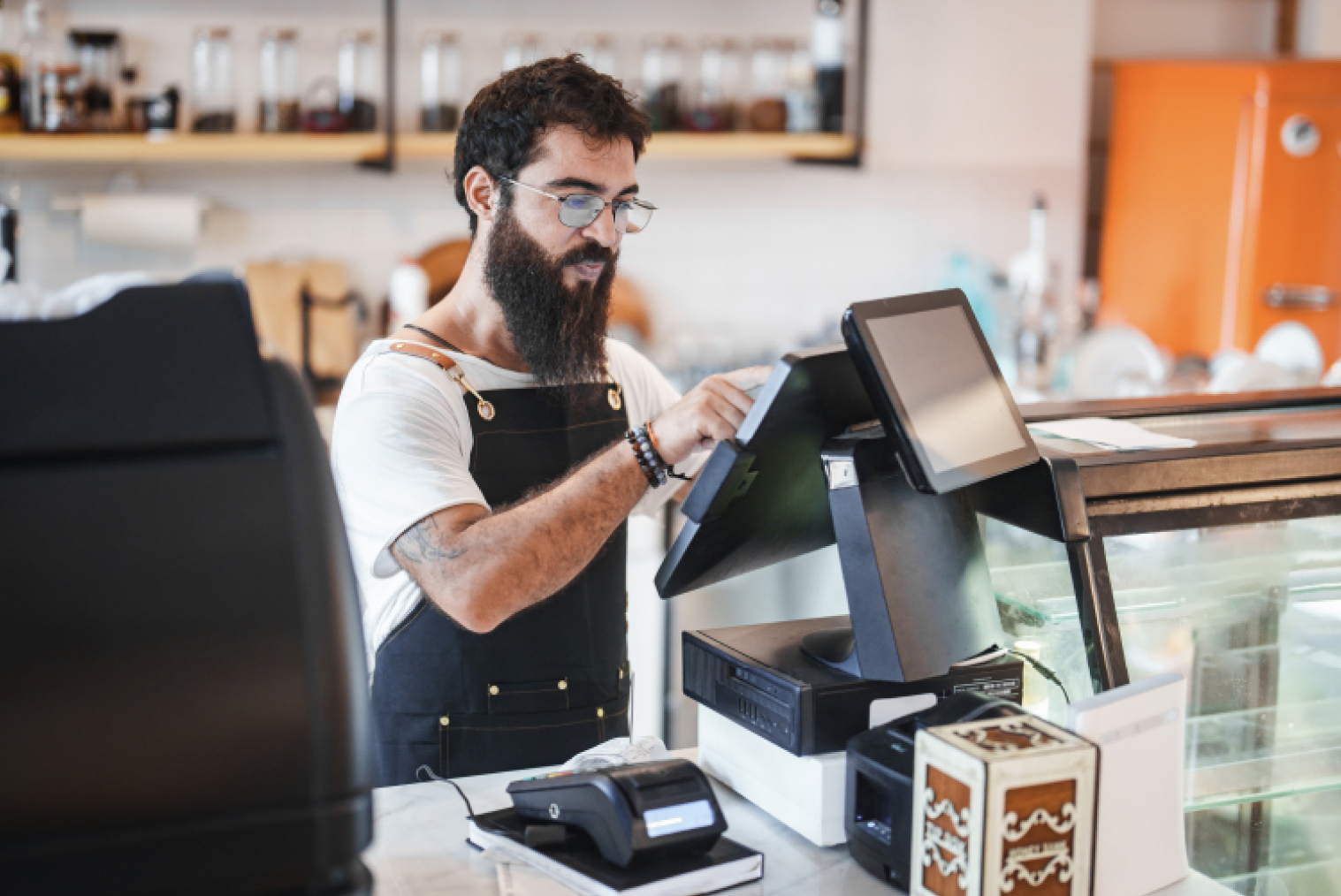
A cafe POS system NZ operators need in 2026 is not the same as a restaurant POS. Cafes run on speed and repeat business — two priorities that require very specific features. A full-service restaurant POS is optimised for table management and course-by-course ordering. A cafe POS needs to enter an oat milk flat white with an extra shot in two taps, ring up cabinet food at the same time, and recognise the loyalty regular before they even finish ordering.
In NZ, labour costs in hospitality averaged 40% of revenue in 2025 — a record high. At that cost level, a cafe cannot afford a POS that slows down the counter or requires three screens to complete a coffee modifier. Every second saved per transaction during a 45-minute morning rush translates directly to more customers served and less queue frustration.
This guide covers what makes a cafe POS genuinely cafe-ready in NZ, what loyalty features to look for, and what a realistic cafe setup costs in 2026.
What Makes a POS 'Cafe-Ready' for NZ Operations
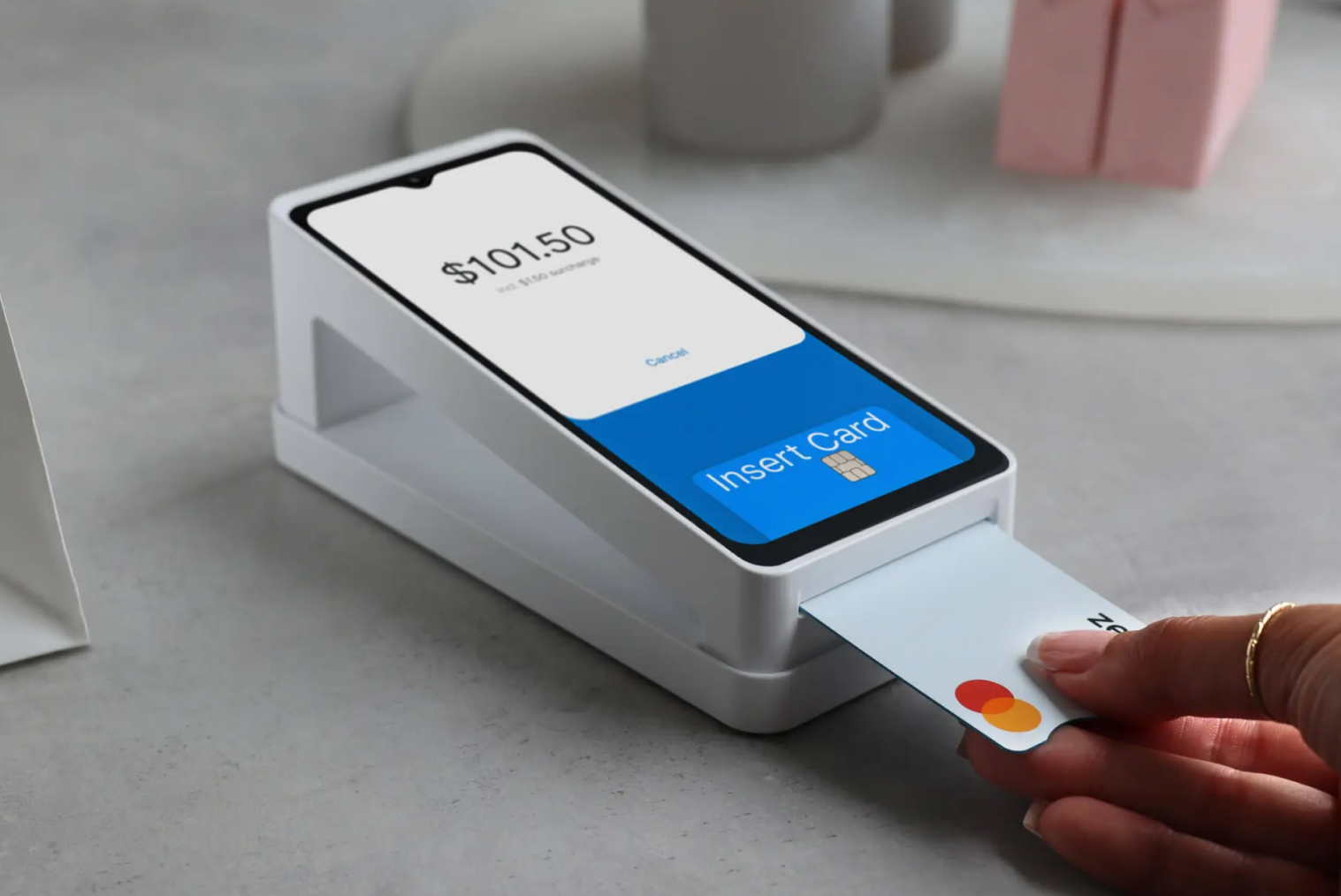
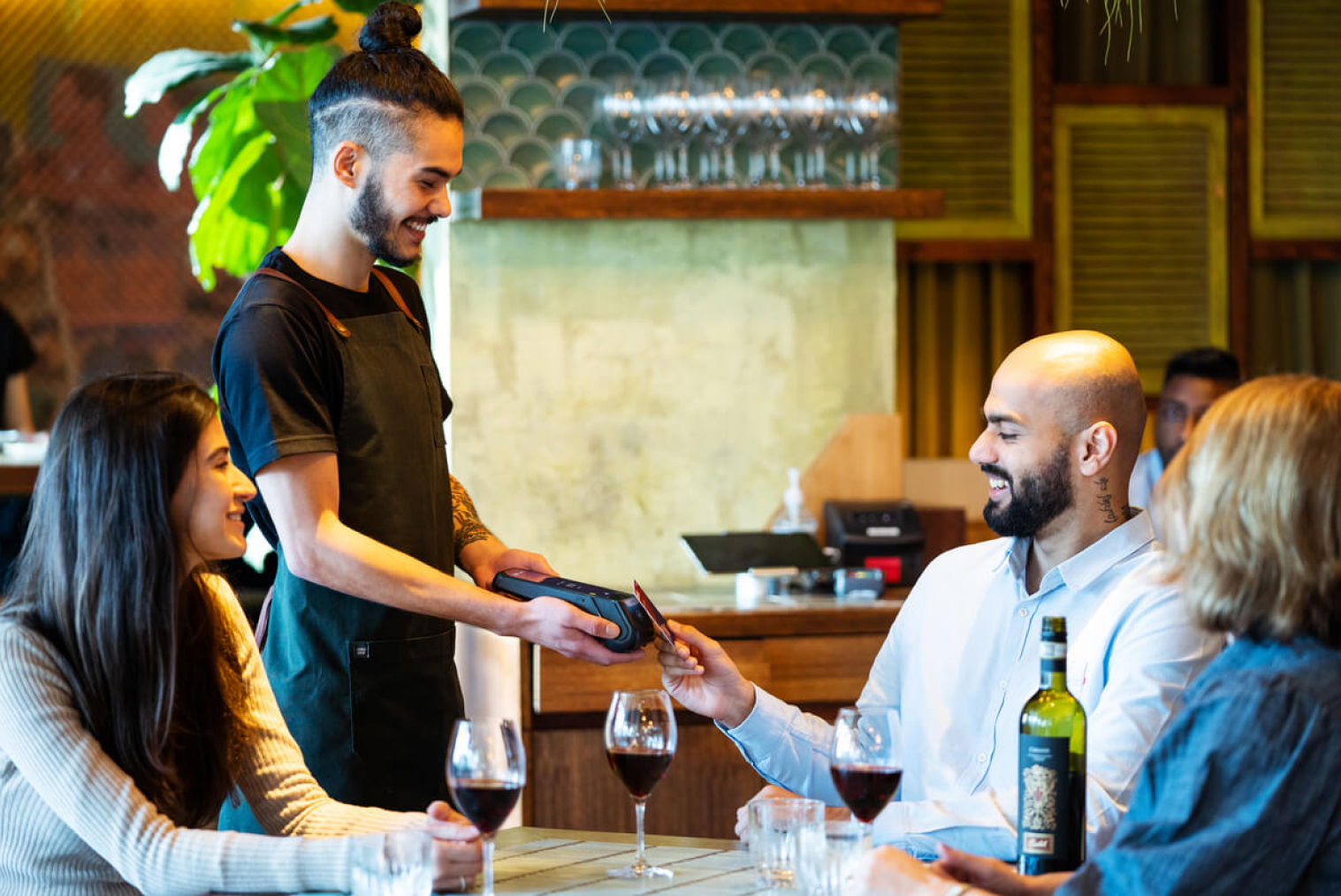
A cafe-ready POS has deep coffee modifier support (size, milk type, strength, temperature, extras — all on one screen), offline mode for connectivity dropouts, compact hardware that fits a tight counter, and EFTPOS NZ integration through Windcave or Verifone. Without these, it's not a cafe POS — it's a generic retail system running in a cafe.
Coffee Modifier Depth
The single most important speed feature. A flat white in NZ can have four or five variations. A POS that requires navigating multiple screens to add oat milk and set temperature is a POS that slows down every coffee order. Look for a system where all common modifiers are on a single screen — selectable in one tap.
Offline Mode
A Monday morning rush with a connectivity dropout is not hypothetical in NZ. Your cafe POS must continue processing orders and accepting EFTPOS when the internet drops, then sync automatically when it returns. Confirm that offline mode covers both order entry and payment processing — not just one of them.
Compact Hardware
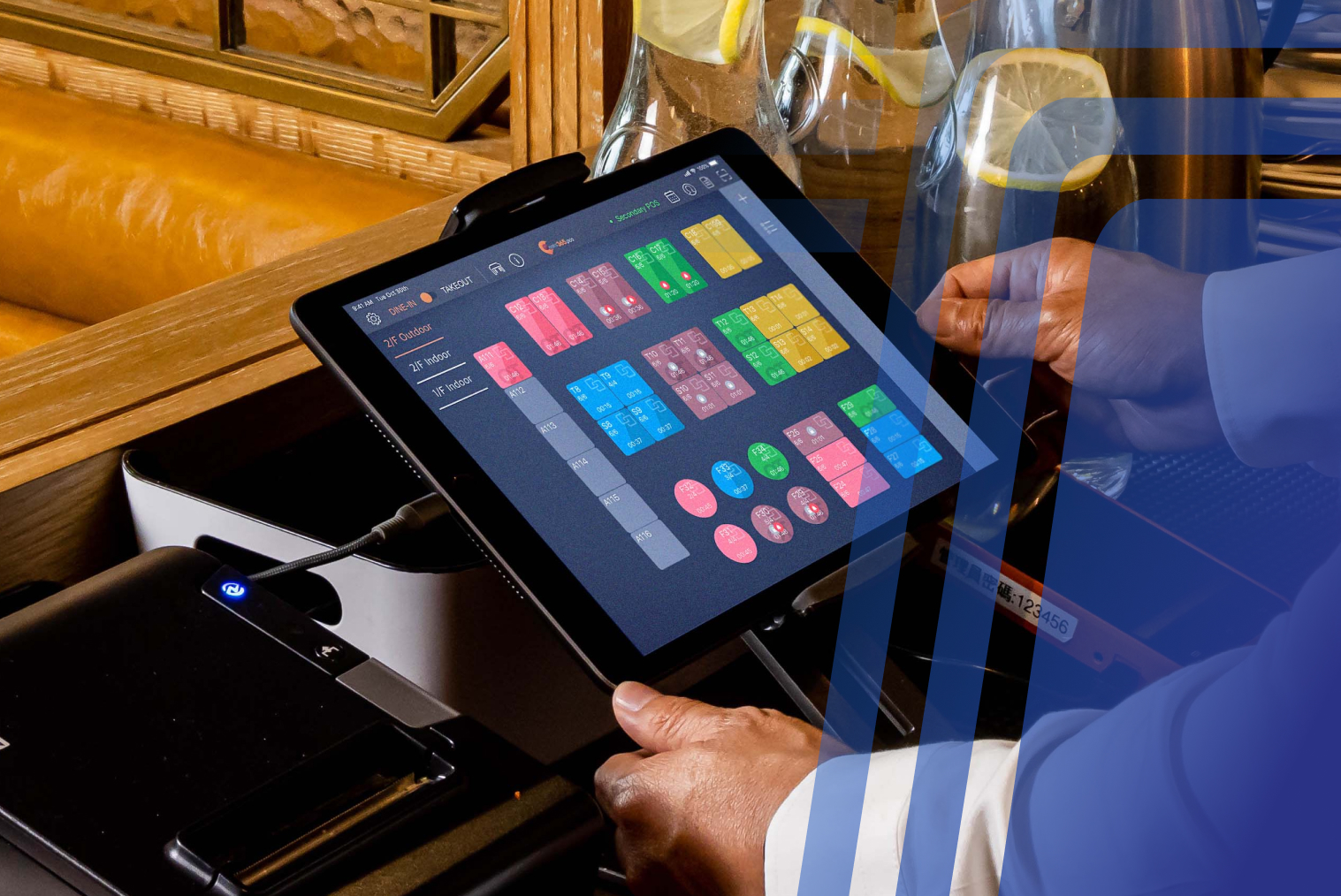
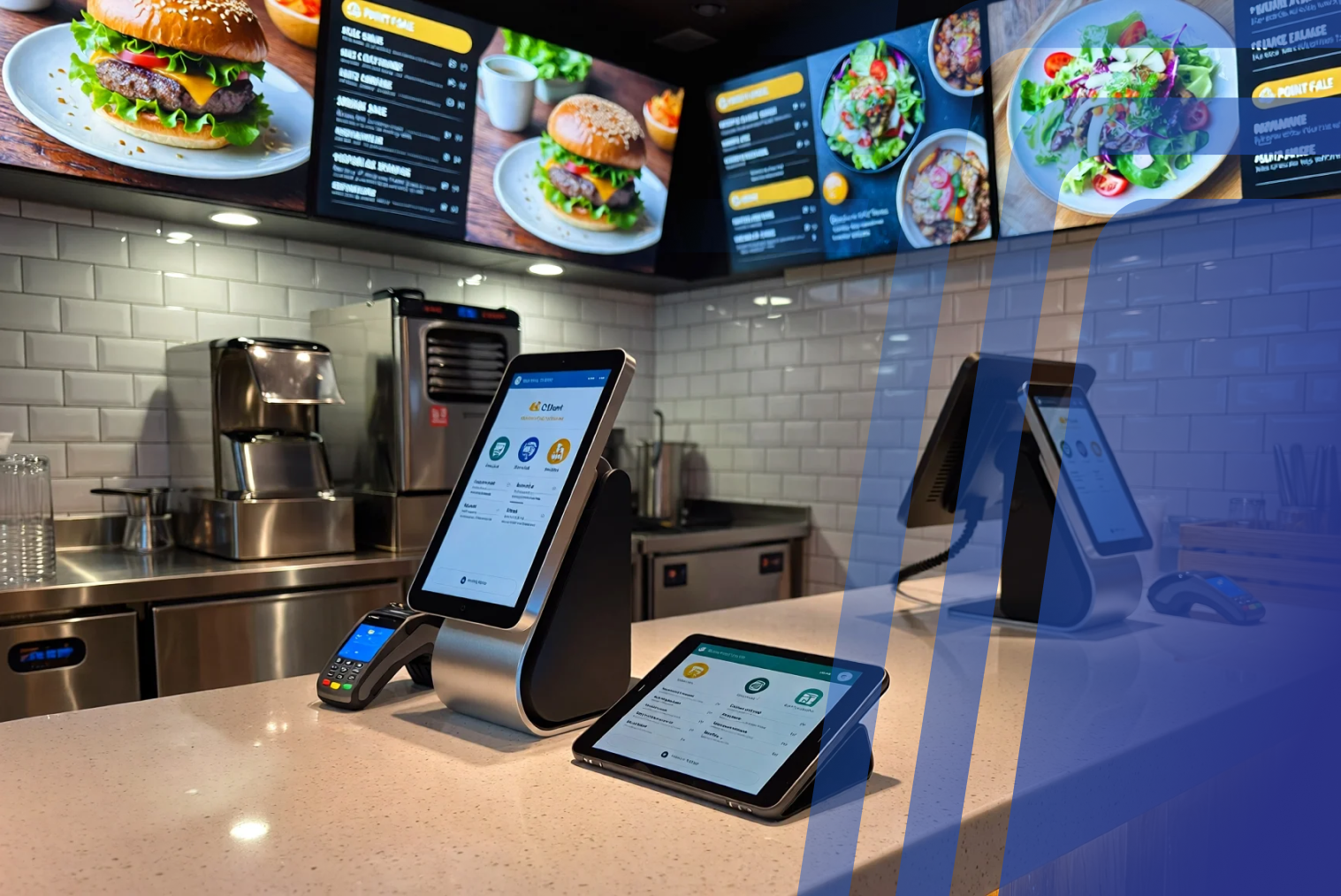
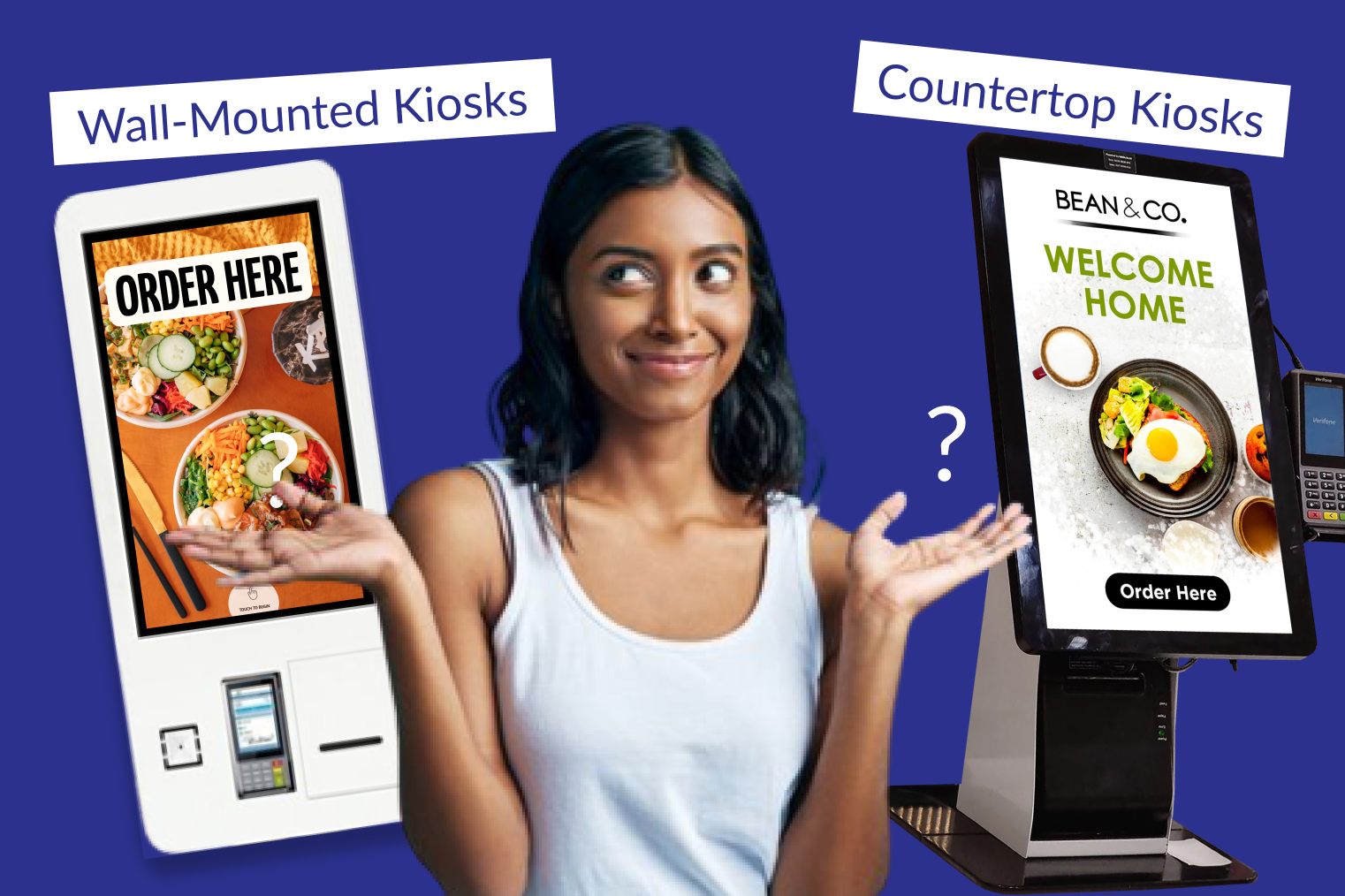
Counter space in NZ cafes is tight. An iPad-based POS or a compact Android terminal suits a cafe environment far better than a large proprietary touchscreen terminal. Confirm that the hardware footprint matches your counter layout before committing to a system.
Fast Reporting and Close-of-Day
End-of-day reconciliation should take under five minutes. A cafe POS should generate a shift report, GST summary, and cash reconciliation at the tap of a button — with direct Xero integration so your accounting doesn't require manual data entry.
Loyalty & Repeat-Visit Features: Must-Have vs Nice-to-Have
Loyalty is one of the highest-ROI features a cafe can activate. The Restaurant Association of NZ notes that operators with loyalty programmes see meaningfully higher repeat visit rates — and in a sector where every customer counts, keeping a regular is worth considerably more than acquiring a new one. Here's how to evaluate loyalty features:
| Feature |
Must-Have |
Nice-to-Have |
Why It Matters |
| Digital stamp cards |
✓ |
|
Replaces paper stamps — faster at the till, no lost cards |
| Points-based rewards |
✓ |
|
Flexible for mixed dine-in / takeaway regulars |
| Automatic recognition at POS |
✓ |
|
Loyalty that requires staff to ask 'do you have a card?' slows the queue |
| Loyalty via QR or app |
|
✓ |
Good for high-tech customer bases; not essential for all demographics |
| Birthday/milestone rewards |
|
✓ |
Nice engagement tool but not a core loyalty driver |
| Customer purchase history |
✓ |
|
Powers personalisation and identifies your highest-value regulars |
| Loyalty linked to online ordering |
✓ |
|
Prevents loyalty fragmentation between channels |
| NZ-based loyalty data storage |
✓ |
|
Privacy compliance and GDPR-equivalent NZ obligations |
A cafe POS with loyalty that recognises the customer automatically at the point of sale — without staff asking or customers fumbling — is the gold standard. Any friction in the loyalty redemption step creates queue delay and reduces how often customers actually use it.
Rush-Hour Speed: Queue-Busting, Pre-Orders & Mobile Ordering
During a NZ cafe's peak 30-minute morning window, POS speed is the most important operational variable. Every second saved per order means more customers served before the 8:30 am commuter rush ends. The features that most directly affect peak-hour throughput are fast modifier entry, pre-order/click-and-collect, and kiosk overflow.
Fast modifier entry is the baseline. Beyond that, pre-order functionality lets regular customers place and pay for their coffee before they arrive — bypassing the queue entirely. This is particularly effective in CBD and commuter-heavy locations where customers have a narrow window between arrival and needing to be at work.
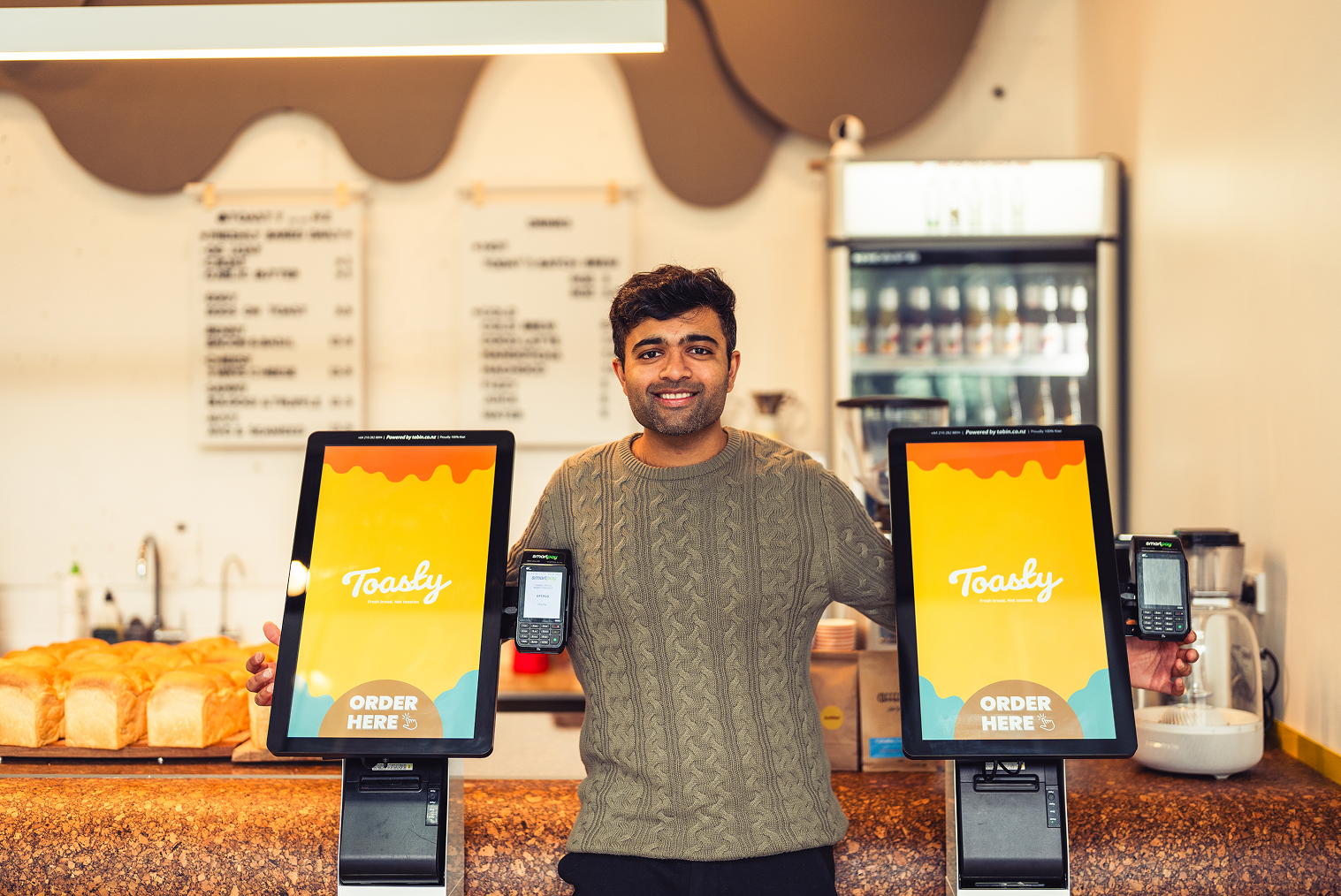
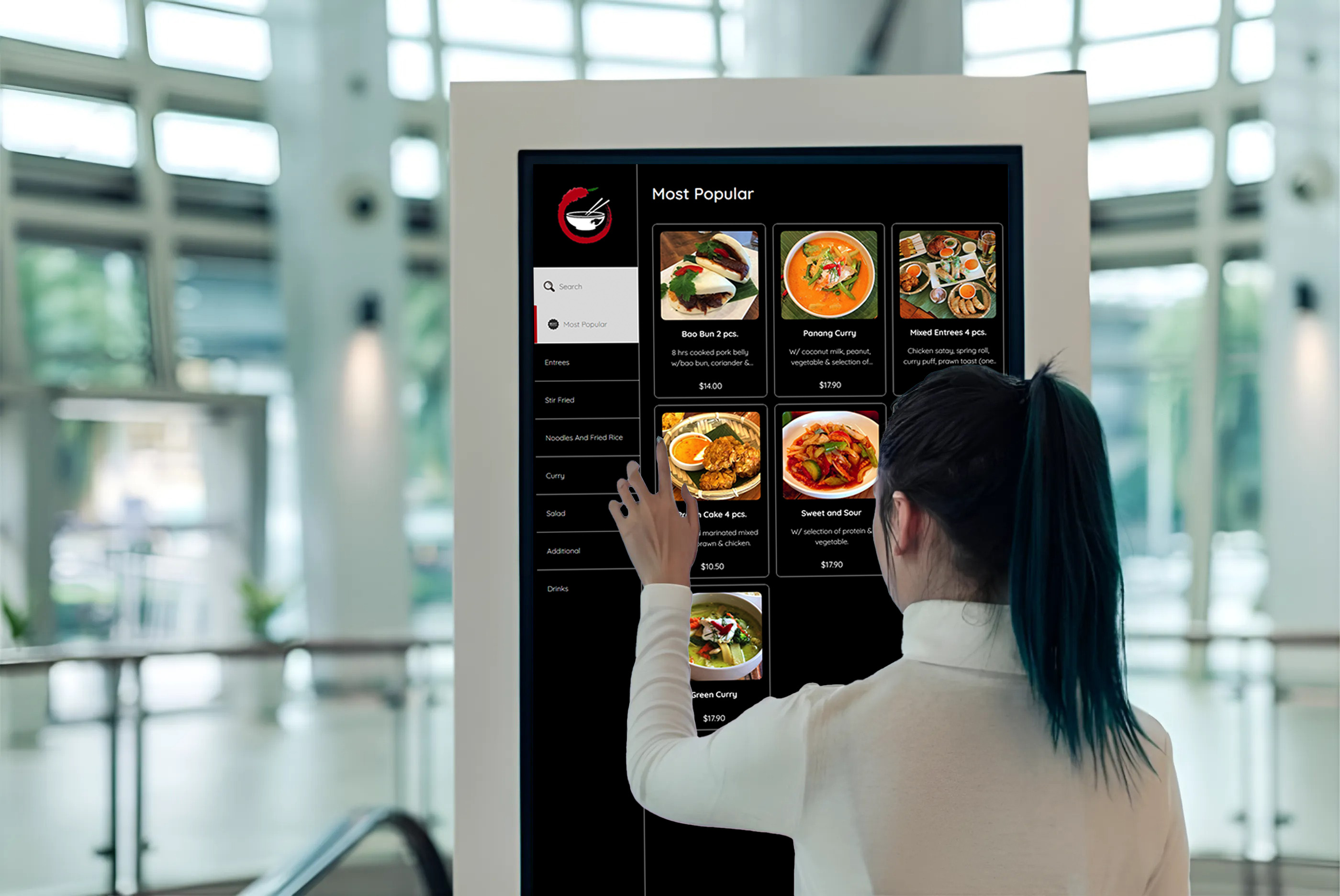
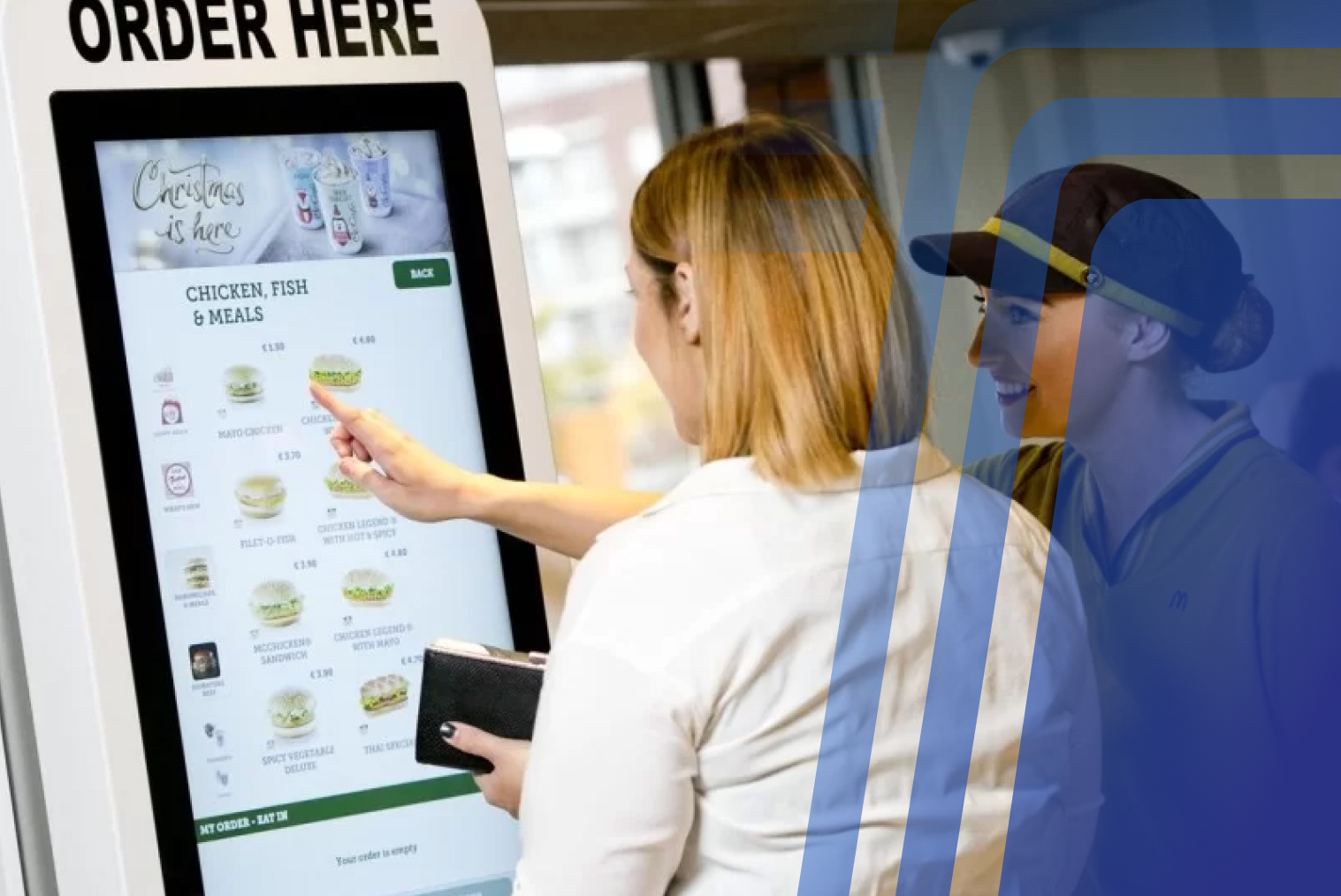
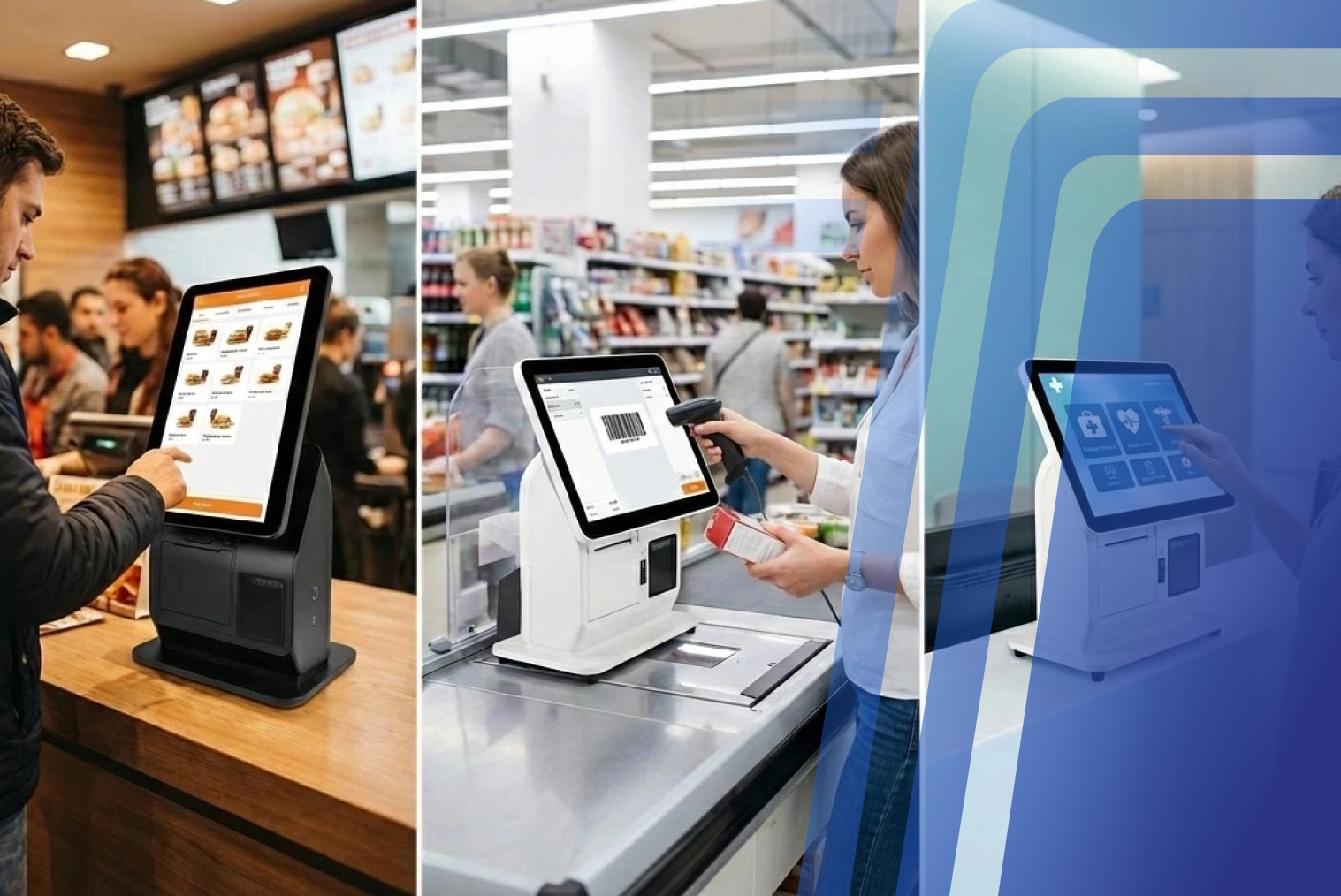
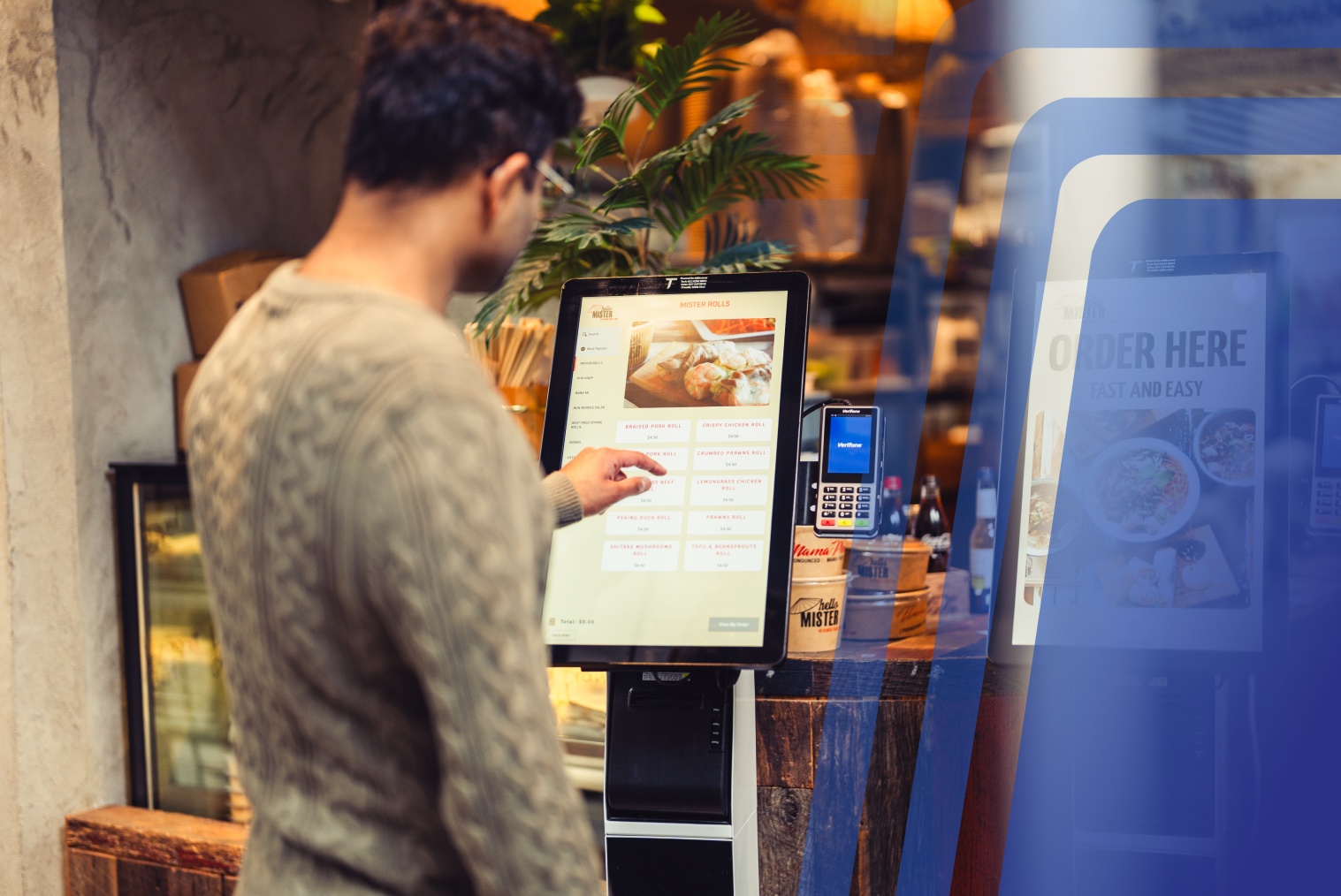
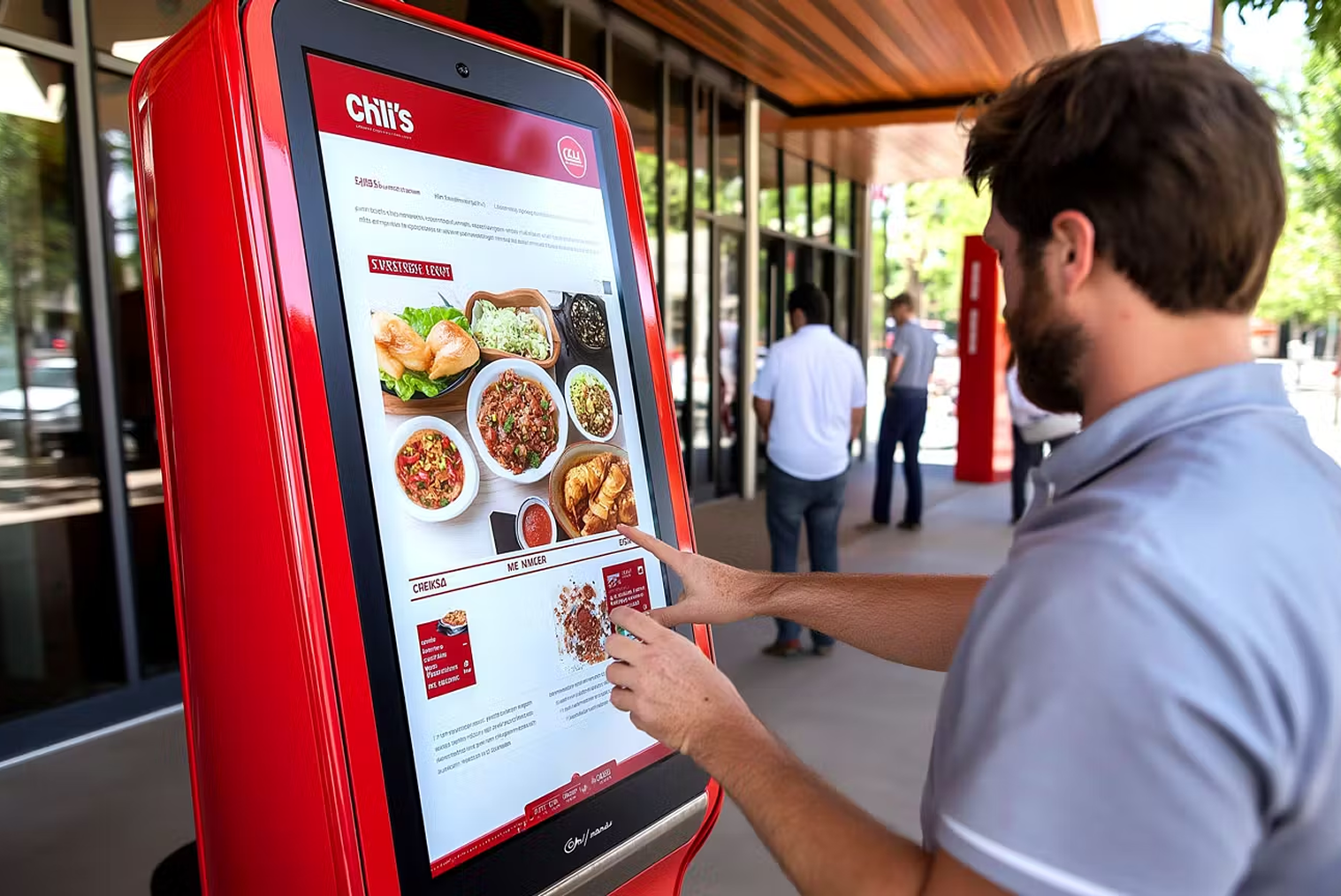
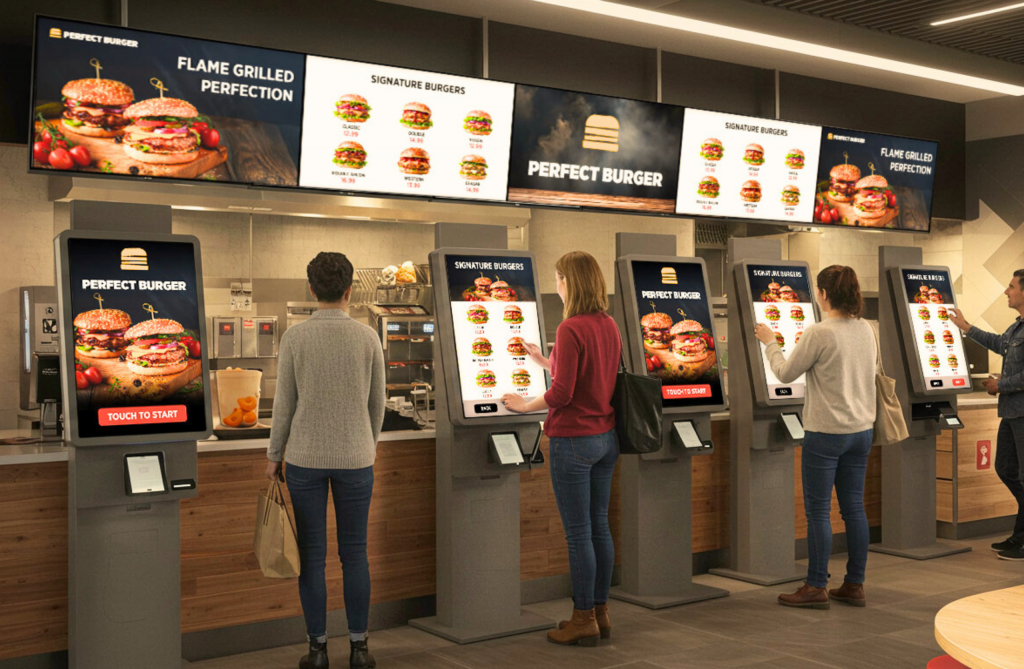
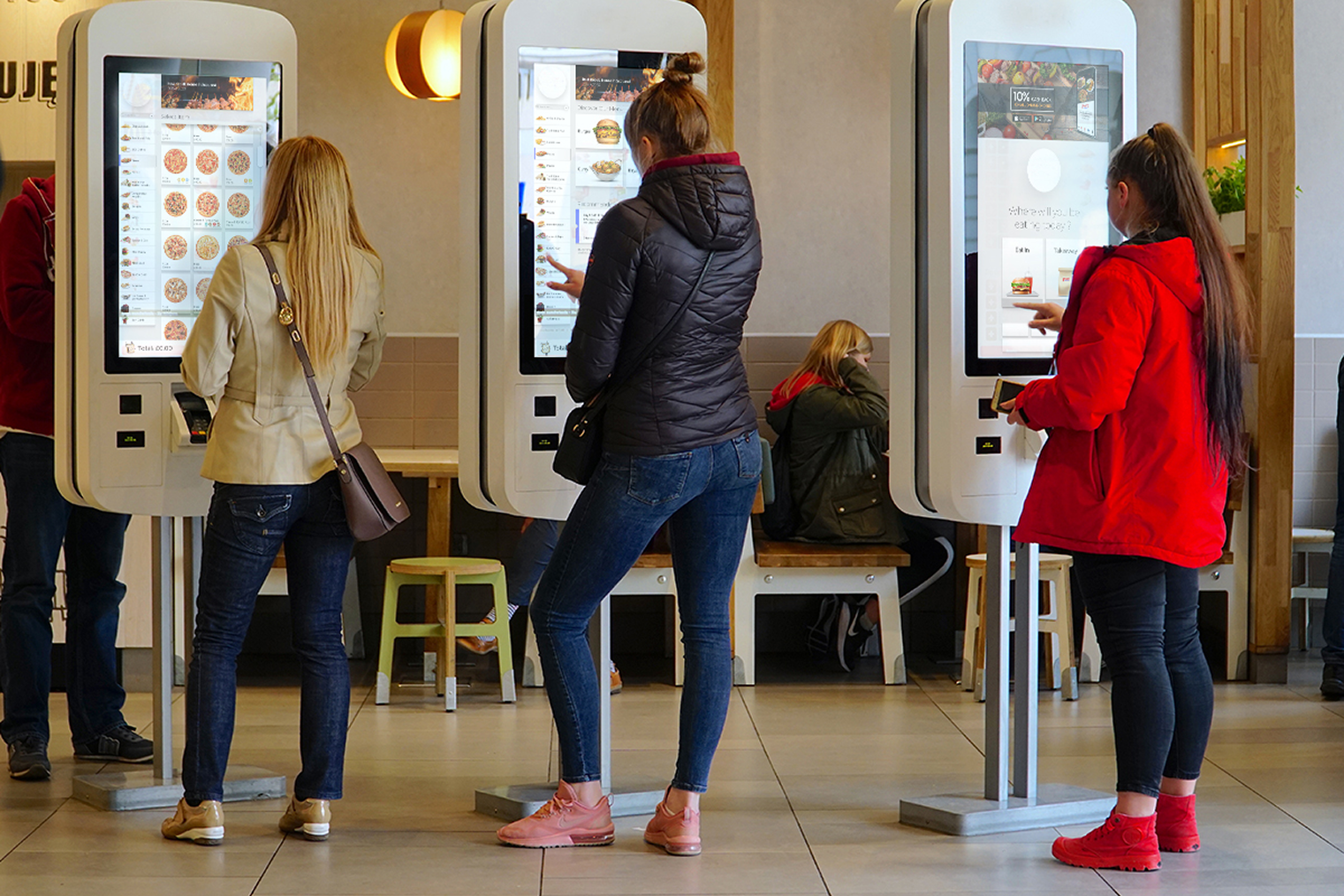
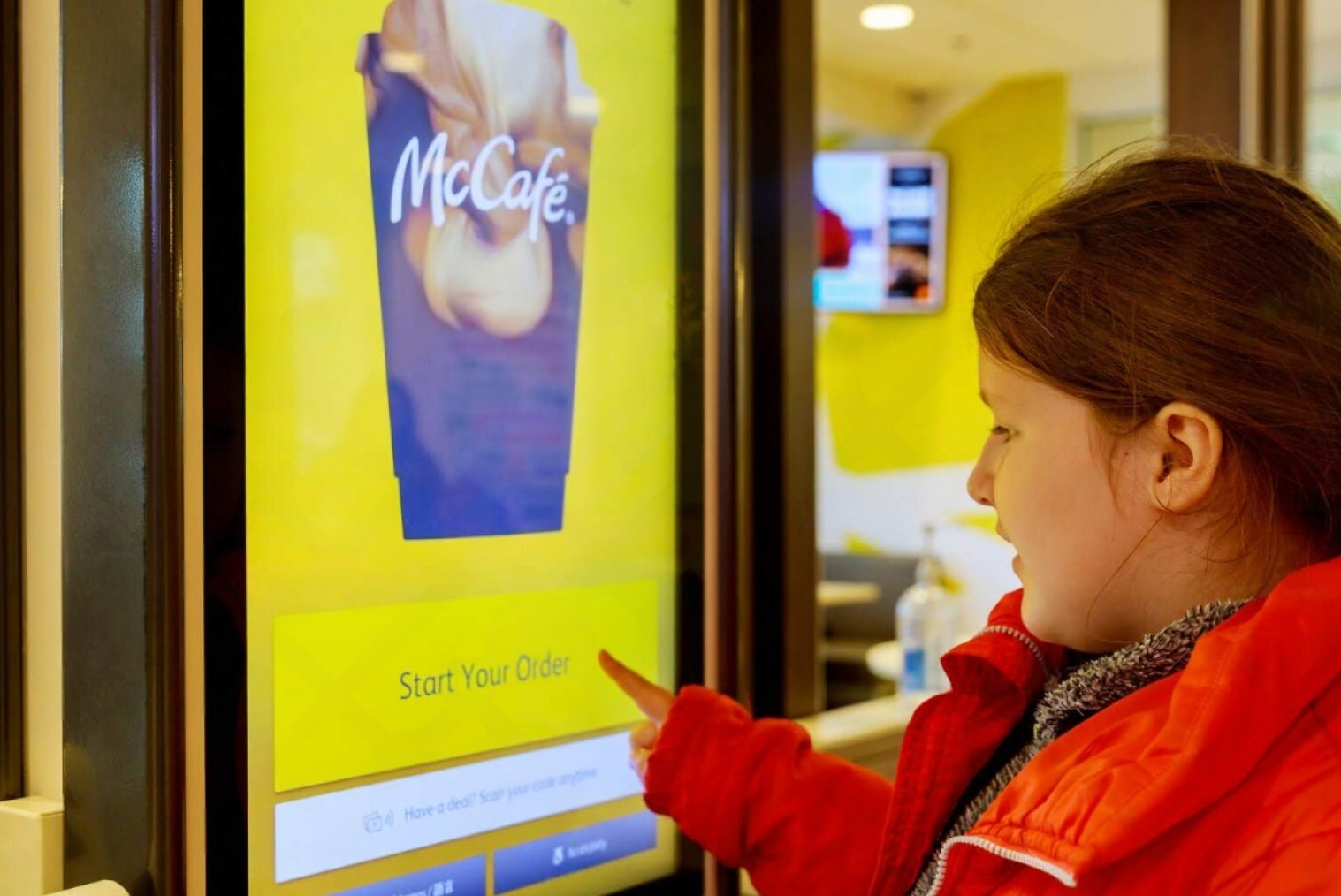
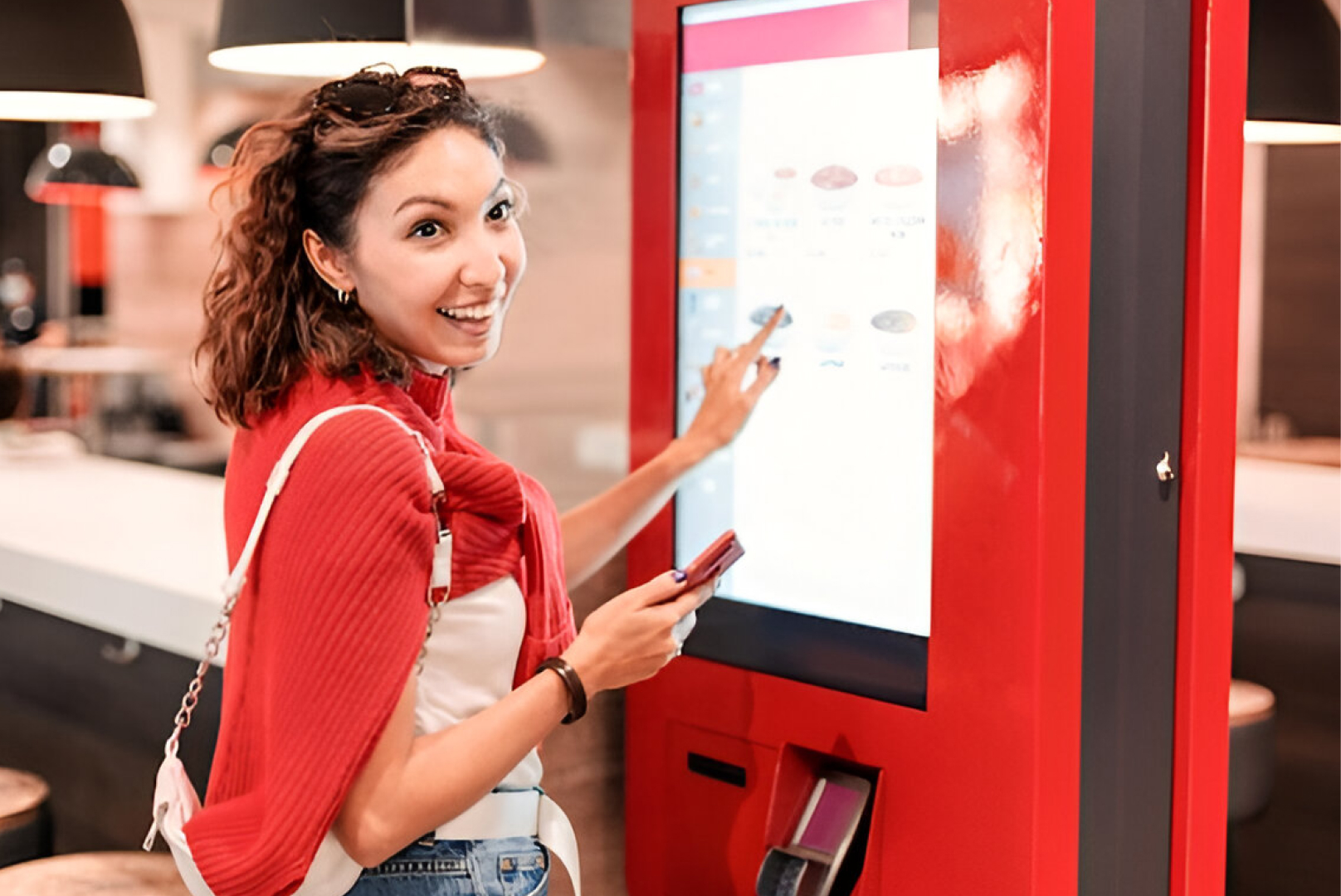
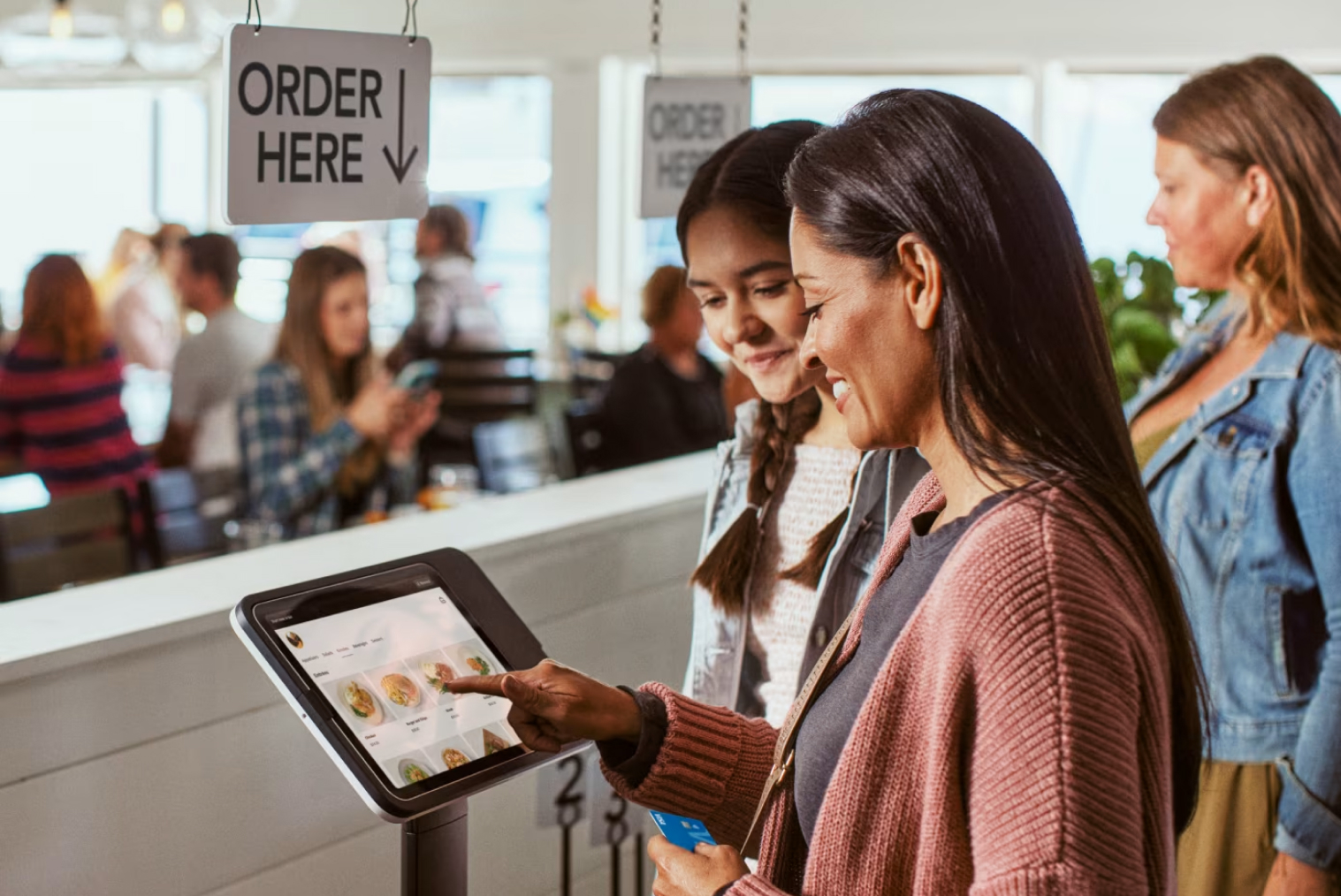
A self-ordering kiosk positioned near the entrance can absorb takeaway orders during peak periods, freeing counter staff to focus on drink preparation rather than order-taking. When the kiosk feeds directly into the same POS queue as counter orders, the kitchen sees all orders in one place — no separate screens, no missed tickets.
Cafe POS vs Full Restaurant POS — What's Different
A full-service restaurant POS is built around table management, course sequencing, and reservation handling. A cafe POS is built around counter speed, beverage modifiers, and loyalty. The two overlap — most good cafe POS systems can manage simple table ordering — but the focus is fundamentally different.
| Criterion |
Cafe POS |
Full Restaurant POS |
| Order entry speed |
Optimised — 2–4 taps per order |
Standard — more screens for course/table setup |
| Coffee modifier depth |
Deep — multiple levels per item |
Basic — modifiers exist but not cafe-optimised |
| Loyalty programme |
Core feature — regulars are the business model |
Common add-on — not always native |
| Table management |
Basic (optional) |
Full-featured — reservations, course sequencing |
| Offline mode |
Critical — non-negotiable for morning rushes |
Important — but connectivity is usually more stable |
| Hardware form factor |
Compact iPad or small Android terminal |
Larger touchscreen terminals standard |
| Monthly cost |
NZD $80–$160 for most NZ cafes |
NZD $150–$300+ for full-service features |
Integrating Loyalty With Online and QR Ordering
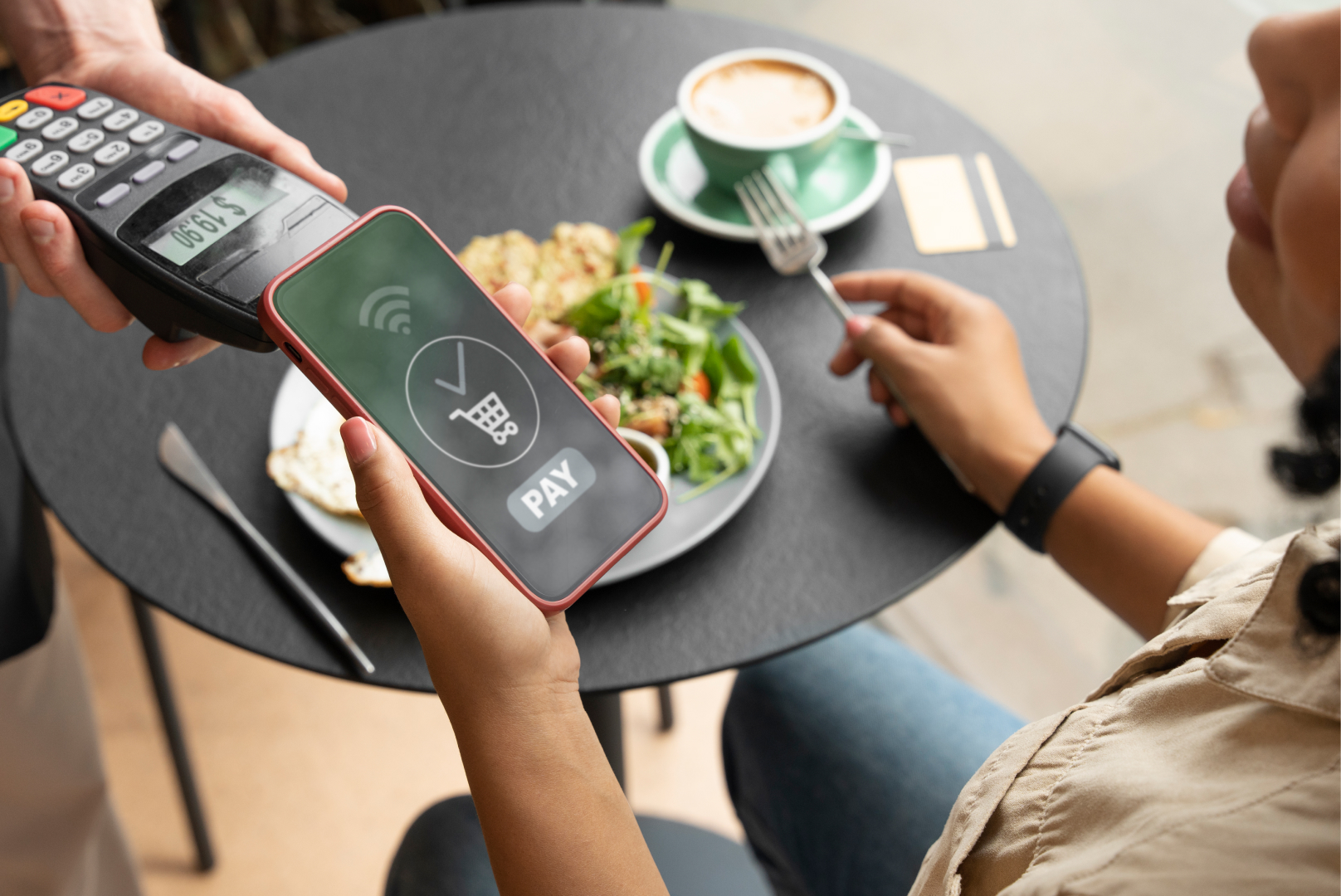
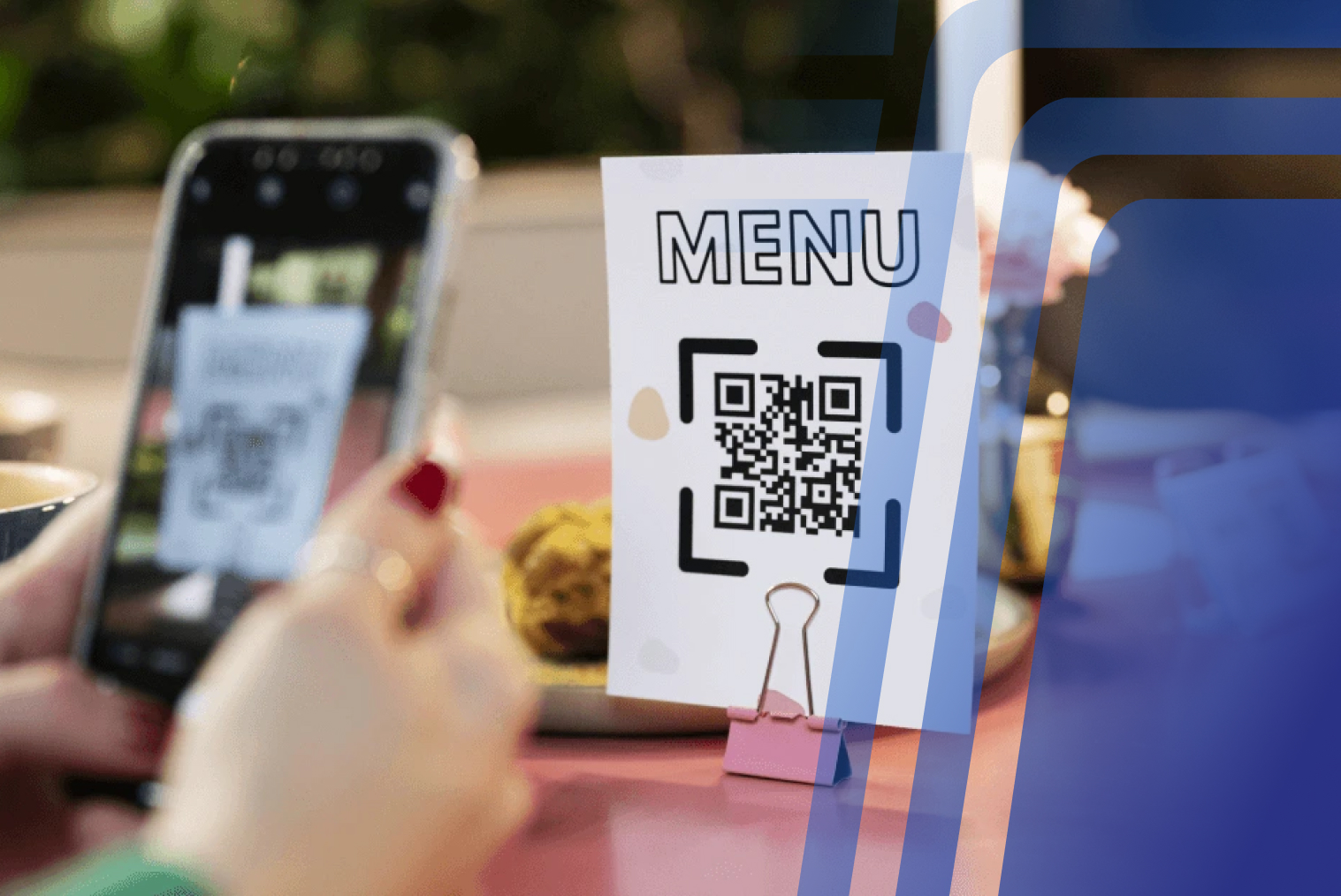
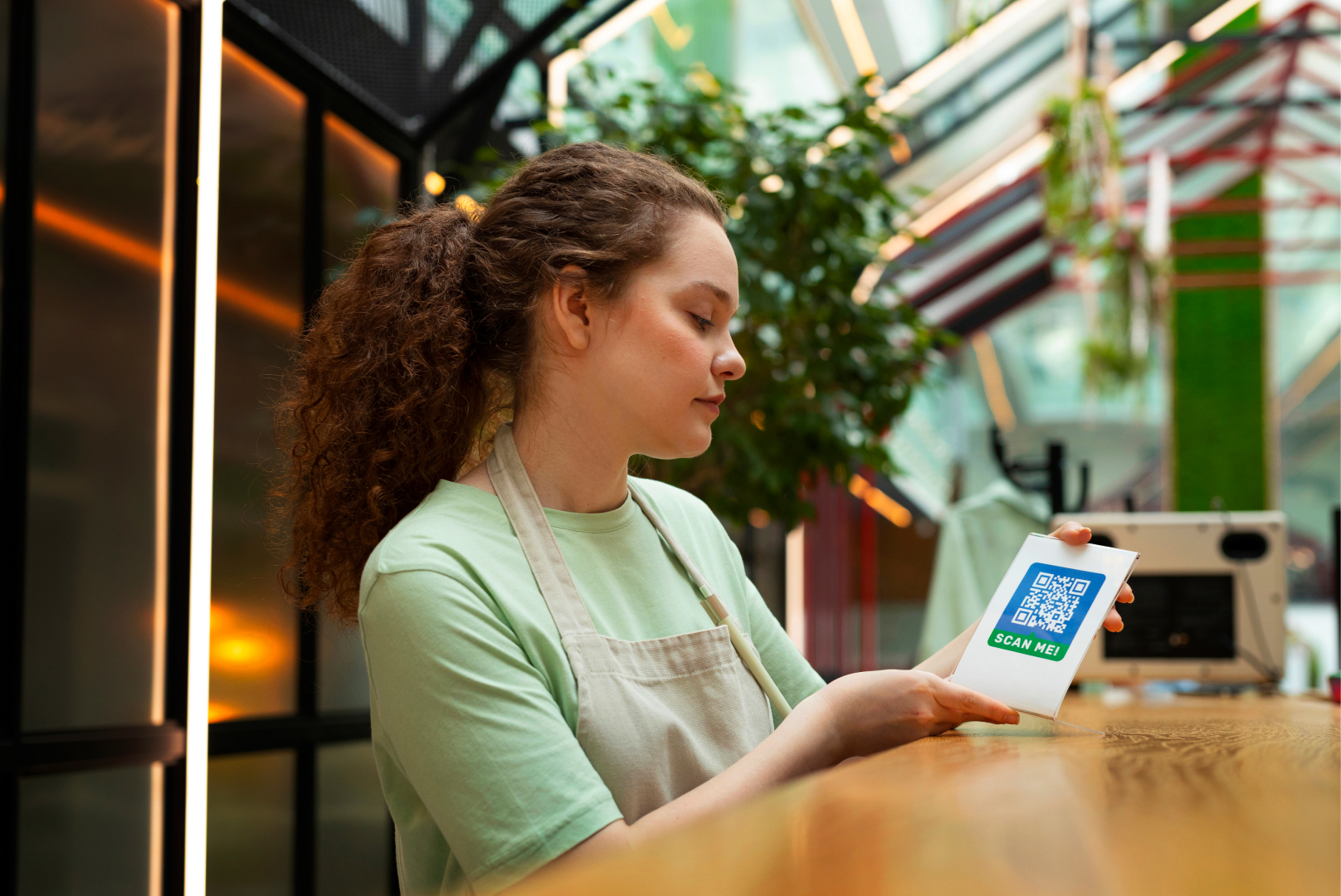
A loyalty programme that only works at the counter is a loyalty programme with a leak. If a regular customer orders click-and-collect online or via QR at the table, their points should accrue automatically — without staff involvement and without requiring the customer to mention it.
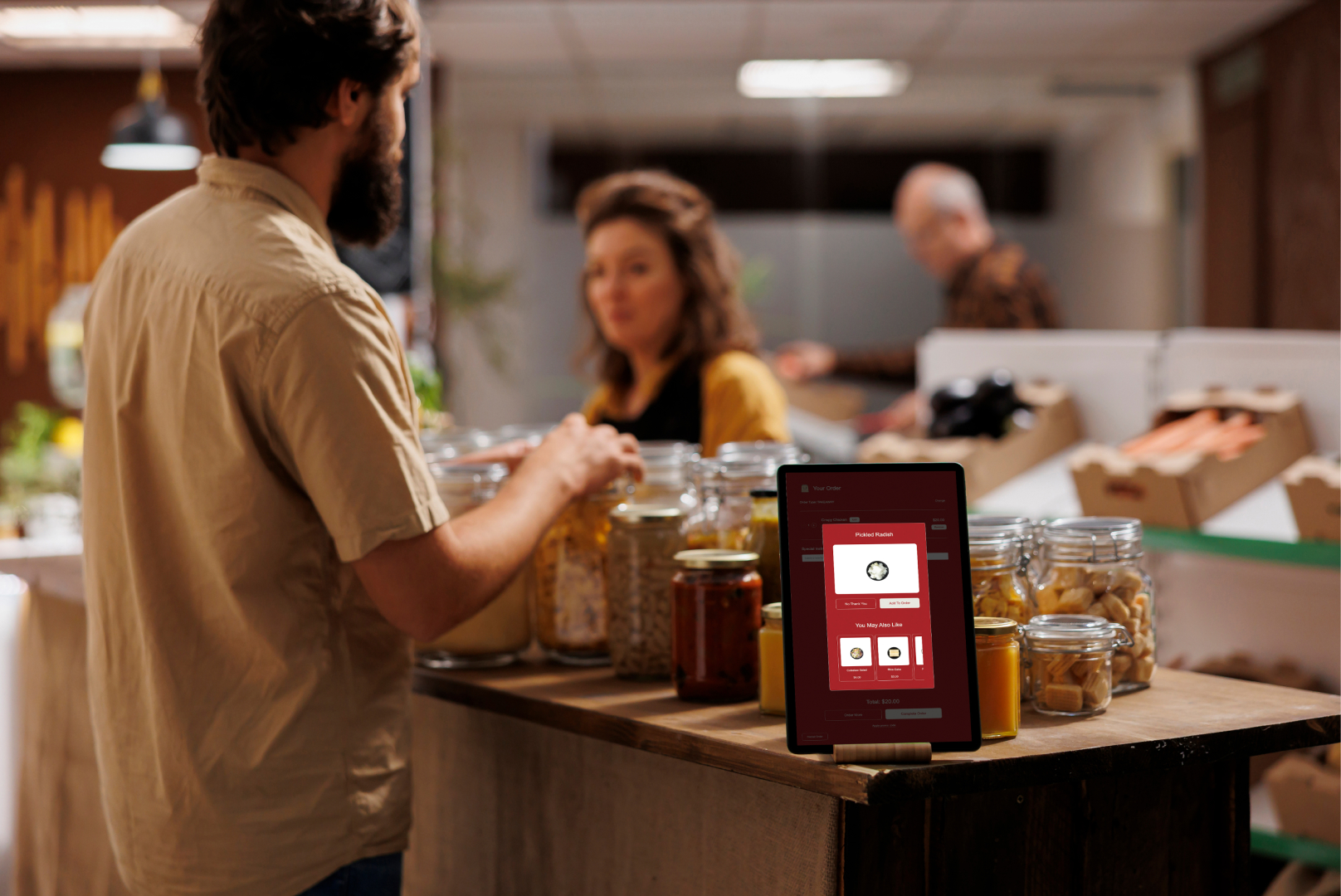
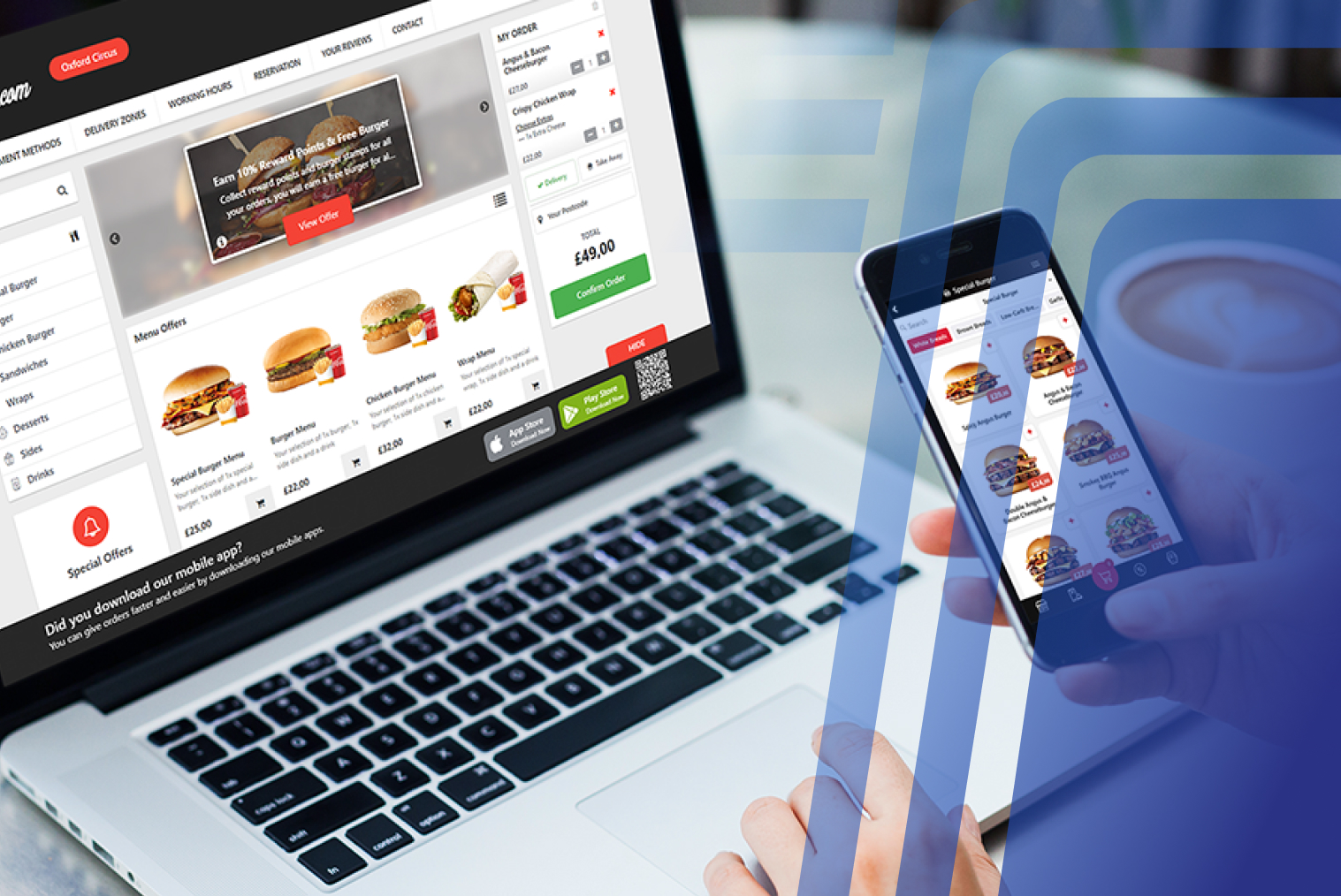
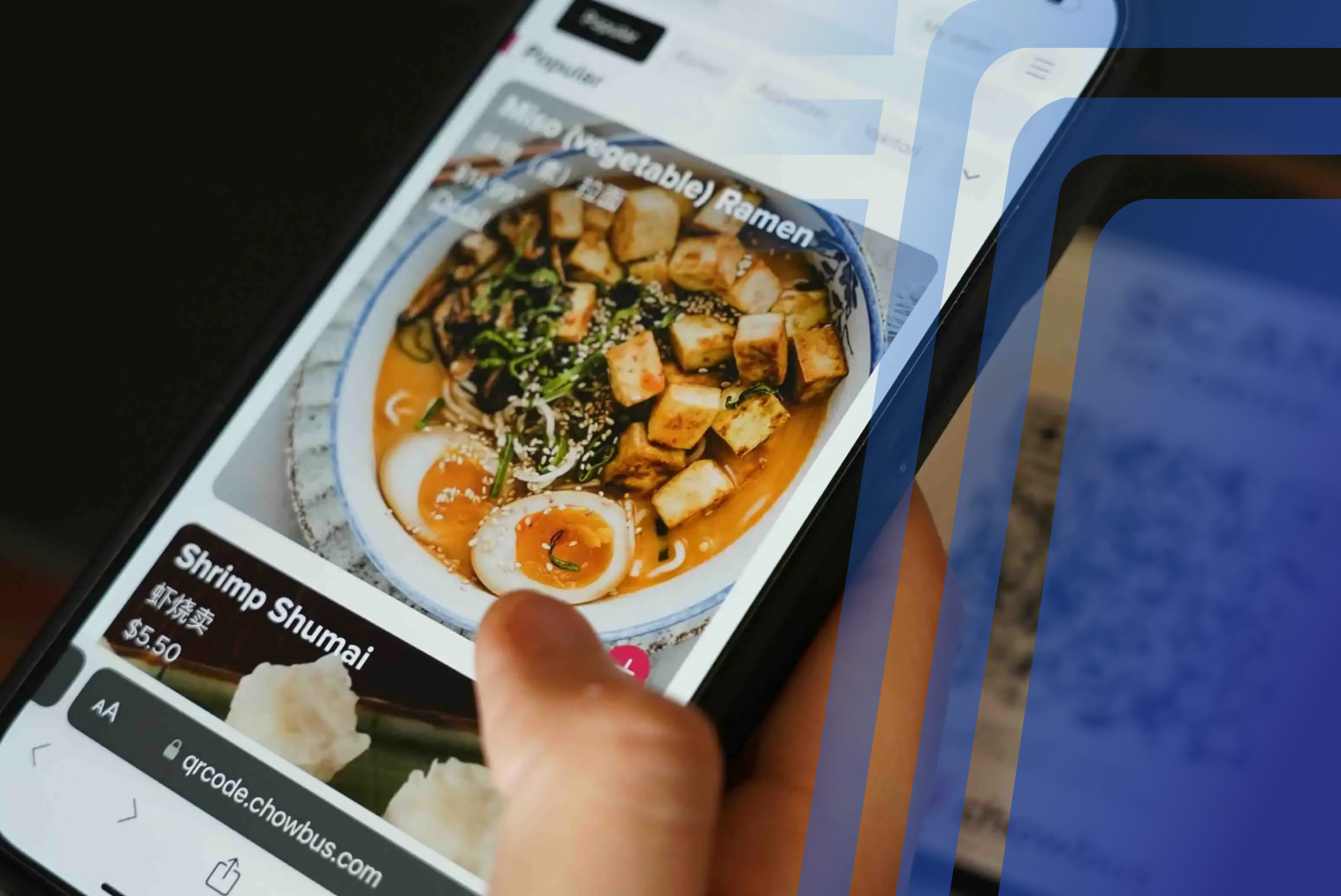
When loyalty is integrated with the same POS that handles QR ordering and online ordering, points are tracked, and redemptions are applied automatically across every channel. The customer's account balance is the same whether they're at the counter, ordering ahead on their phone, or scanning at the table. TABIN's cafe POS system connects loyalty, QR ordering, and counter POS in this way — a single customer profile that accumulates and redeems across all ordering channels.
Cross-channel loyalty is also a meaningful data asset. When you can see that a customer orders via app every weekday morning and occasionally dines in on weekends, you can target them with a weekday loyalty multiplier or a weekend brunch promotion — without guessing.
Pricing & What to Budget for a Cafe Setup in NZ (2026)
For a single-terminal NZ cafe in 2026, budget NZD $80–$160/month for a cafe-appropriate POS subscription, NZD $1,500–$2,500 for hardware (terminal, printer, card reader), and NZD $30–$50/month for EFTPOS terminal rental. Year-one total for a standard setup: NZD $3,000–$5,000.
| Cost Component |
Low Estimate (NZD) |
Mid Estimate (NZD) |
Notes |
| POS software (per month) |
$80 |
$130 |
Cafe-tier plan; includes loyalty and basic KDS |
| Hardware (one-off) |
$1,500 |
$2,500 |
Terminal, receipt printer, card reader |
| EFTPOS terminal rental (per month) |
$30 |
$50 |
Windcave or Verifone integration |
| Online ordering add-on (per month) |
$0 |
$40 |
If click-and-collect is required |
| Year-one total (software + EFTPOS × 12 + hardware) |
$2,820 |
$4,660 |
Payment processing fees additional |
Payment processing fees (typically 1.6–2.5% per card transaction) are charged separately by your bank or payment gateway. For a NZ cafe processing 150 transactions/day at NZD $12 average, that's approximately NZD $11,000–$16,500/year in processing fees — the largest ongoing cost and one that's often not discussed alongside the subscription price.
Why NZ Cafes Choose TABIN
The NZ cafes that choose TABIN do so because of what's connected, not just what's included. The coffee shop POS integrates natively with self-ordering kiosks, QR table ordering, click-and-collect, and loyalty — all managed from one dashboard, supported by a NZ-based team available during NZ trading hours.
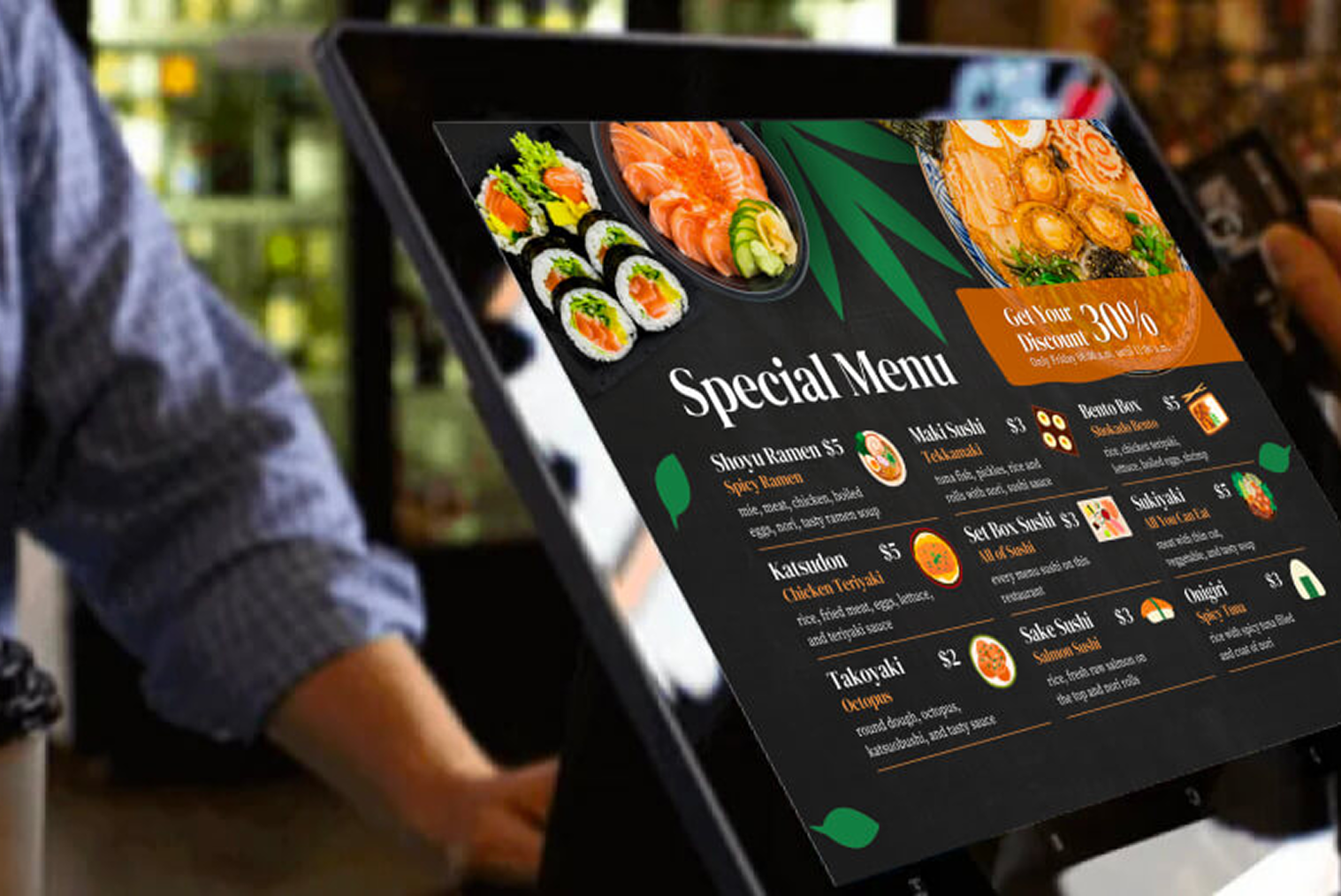
The coffee modifier system is built for NZ cafe orders — fast, multi-level, and configurable without developer support. Loyalty recognises returning customers automatically at the counter and accumulates points across every ordering channel. Menu changes made in the POS appear on the QR menu, the kiosk, and the online ordering page instantly.
If you're evaluating POS options for your cafe in 2026, contact the TABIN team for a demo using a real cafe menu and modifier setup. Bring your current monthly POS and EFTPOS costs and we'll build a like-for-like comparison in NZD.
Conclusion
Speed and loyalty are the two variables that separate a cafe POS from a generic point-of-sale system. Speed — because your morning rush won't wait for three-screen coffee modifiers. Loyalty — because a NZ cafe regular who visits four times a week is worth NZD $4,000–$8,000 a year in revenue and needs a loyalty programme that works without friction.
TABIN's cafe POS system is built for both — connected to kiosk, QR ordering, and loyalty in one platform, with NZ-based support and transparent NZD pricing. Book a demo to see how it performs under a real NZ cafe service scenario.
Frequently Asked Questions
Q1: What features should a cafe POS system have?
The essential features for a NZ cafe POS in 2026 are: fast multi-level coffee modifier entry (size, milk, strength, temperature — all on one screen), offline mode, native EFTPOS NZ integration (Windcave or Verifone), 15% GST handling, digital loyalty programme, KDS or printer routing for cabinet food, and Xero integration. A cafe POS system that doesn't handle coffee modifiers quickly is the single biggest operational risk for a counter-service venue.
Q2: Does TABIN's cafe POS include a loyalty programme?
Yes. TABIN's cafe POS with loyalty includes a digital loyalty programme that recognises returning customers automatically at the point of sale — no staff intervention required. Loyalty points accumulate across all ordering channels: counter, QR table ordering, and click-and-collect. This means a regular's loyalty balance is accurate regardless of how they order.
Q3: How fast should a cafe POS process orders during rush hour?
A standard coffee order should be completable in two to four taps on a well-configured cafe POS — under 15 seconds from order start to kitchen ticket. During a 30-minute morning rush, that speed differential is the difference between serving 40 customers and serving 55. Systems that route KDS orders automatically (without printing) and support pre-orders for regular customers significantly extend peak-hour capacity without adding counter staff.


.webp)










.png)















.webp)


