The pizza industry has always been fiercely competitive. Customers expect fast service, accurate orders, customization options, and seamless takeaway experiences. At the same time, restaurant owners are dealing with rising labour costs, staffing shortages, and increasing operational pressure. That is exactly why pizza kiosks are becoming one of the most valuable investments for modern pizza businesses — helping restaurants increase average order value through automated upselling while reducing labour costs by streamlining front-counter operations.
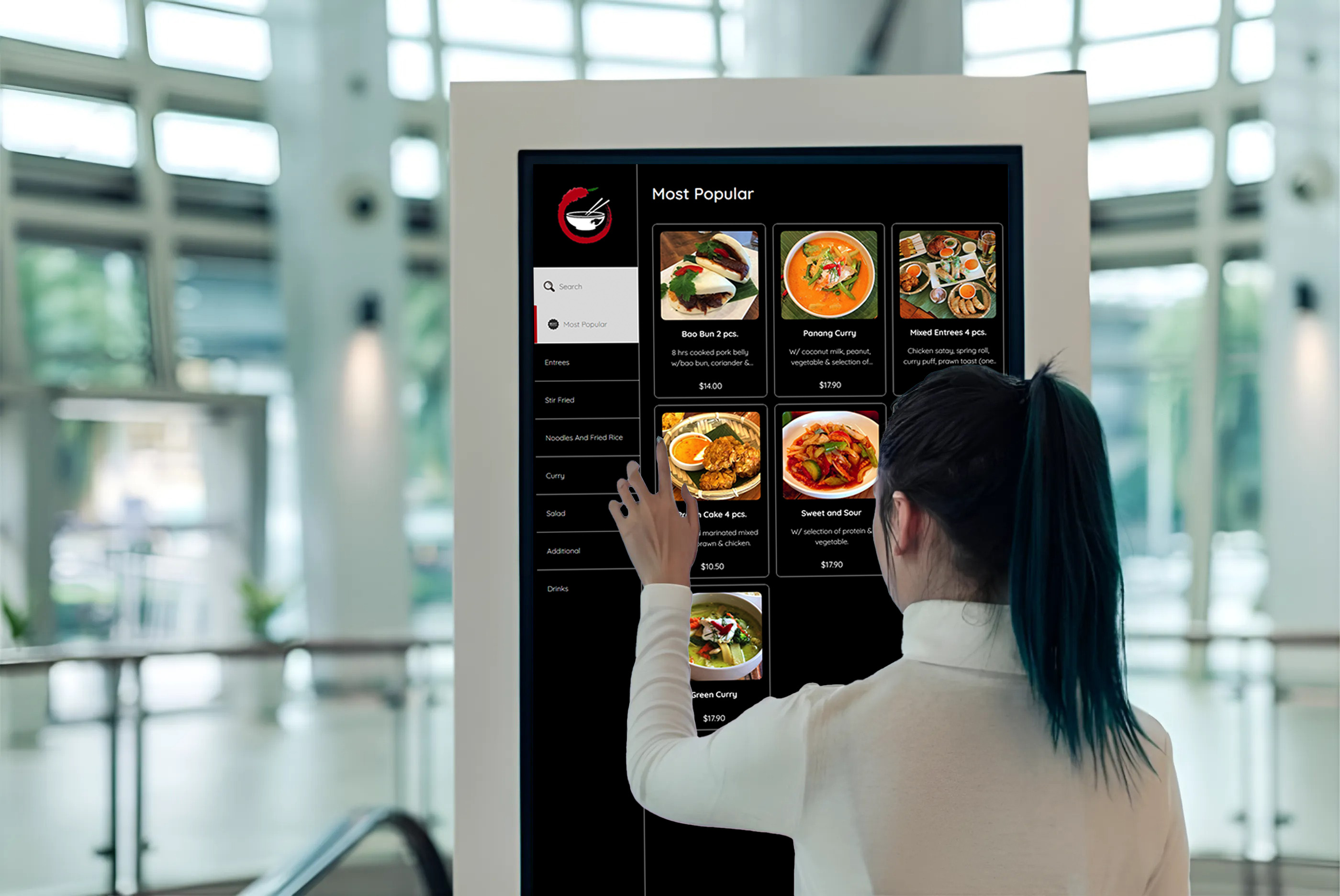
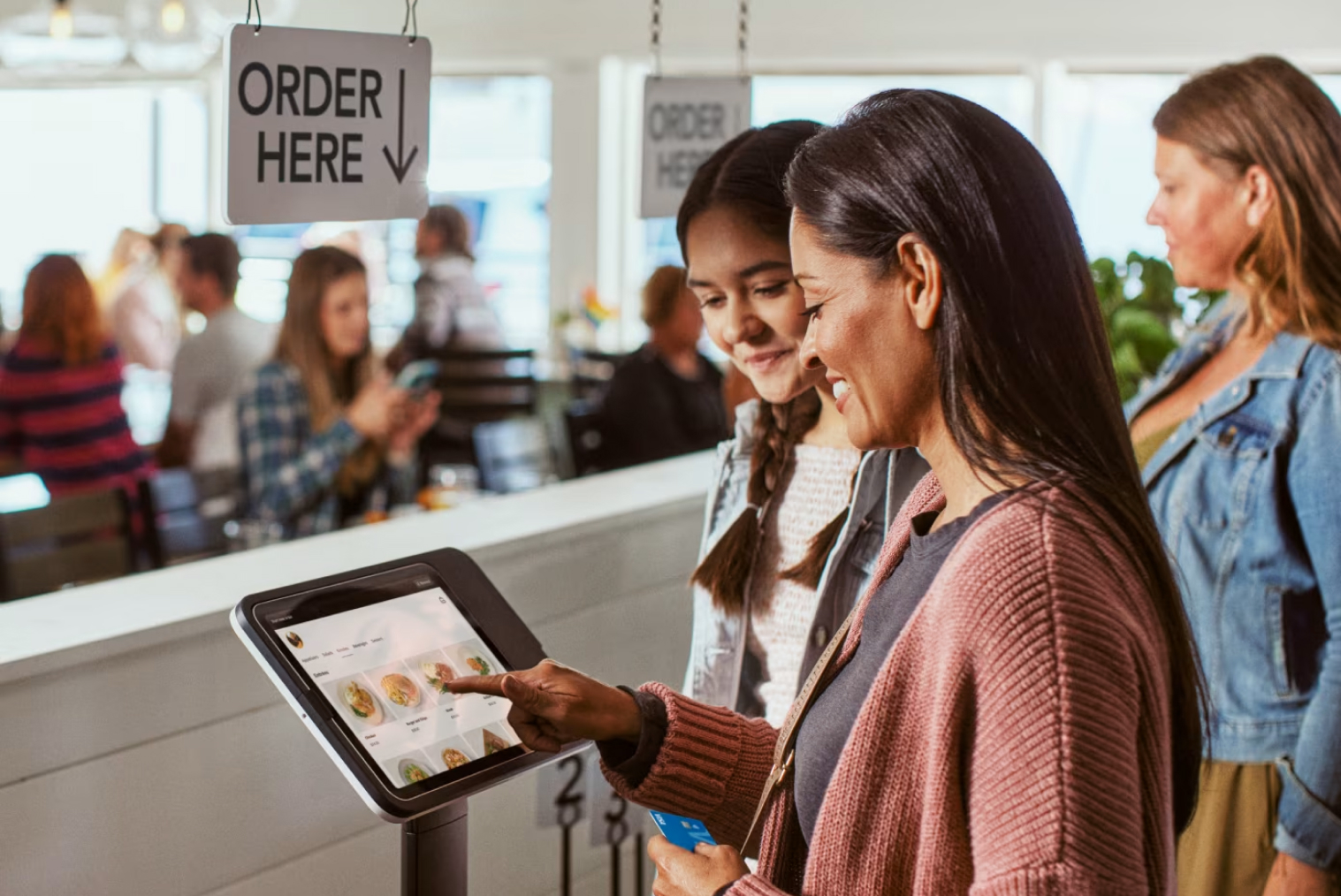
Walk into any busy pizza restaurant today and you will notice something changing. Customers are becoming more comfortable ordering through digital screens instead of waiting in line at a cashier counter. Whether it is a quick-service pizza outlet, takeaway shop, food court brand, or multi-location franchise, self-ordering technology is transforming how pizza businesses operate.
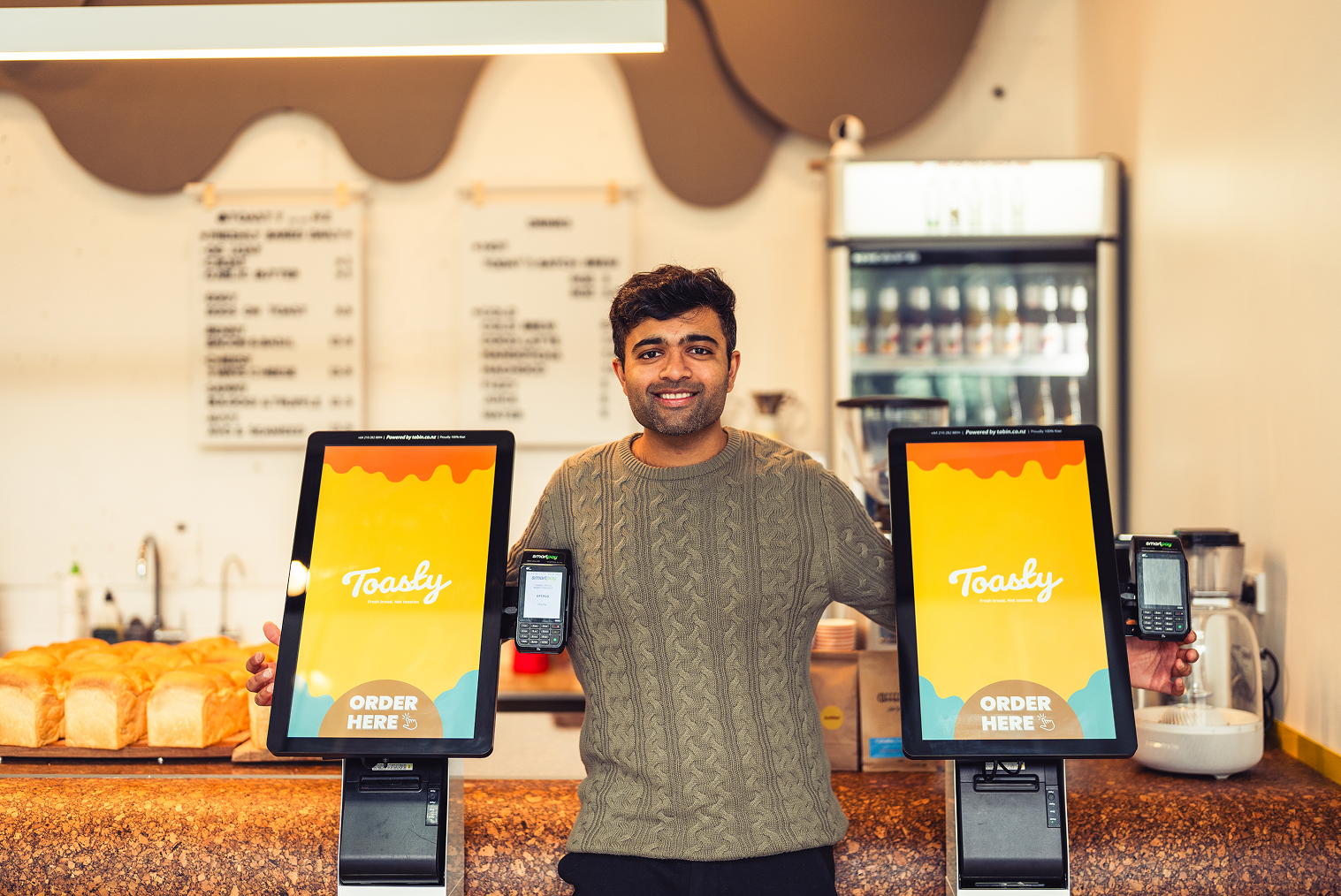
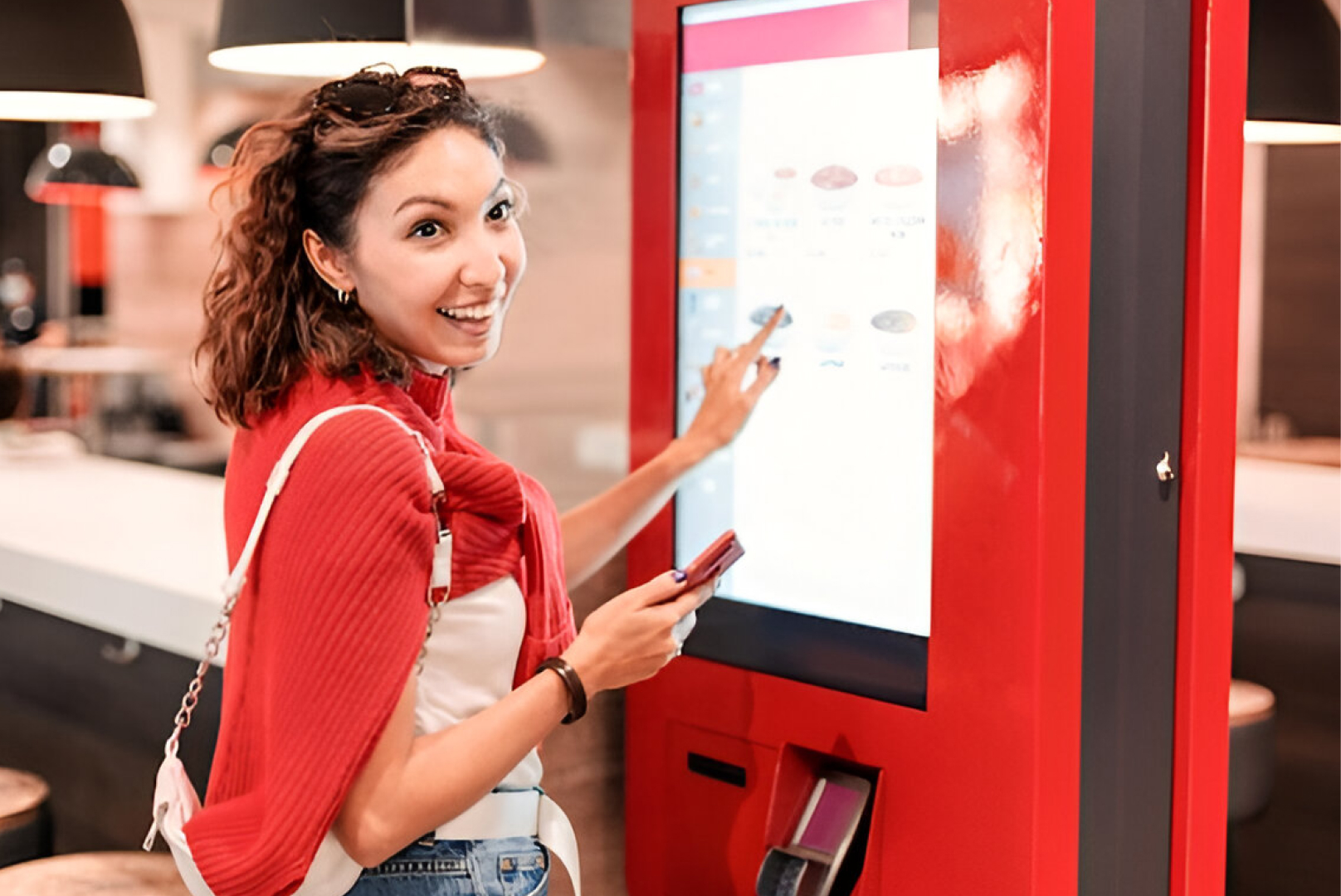
The reason is simple: kiosks do more than just automate ordering. A modern pizza kiosk machine for restaurants helps increase average order value, speed up order processing, reduce labour dependency, and improve customer flow during peak hours. According to a 2025 Tillster consumer report, 61% of restaurant guests said they want to see more self-service kiosks inside restaurants because of convenience and faster ordering experiences.
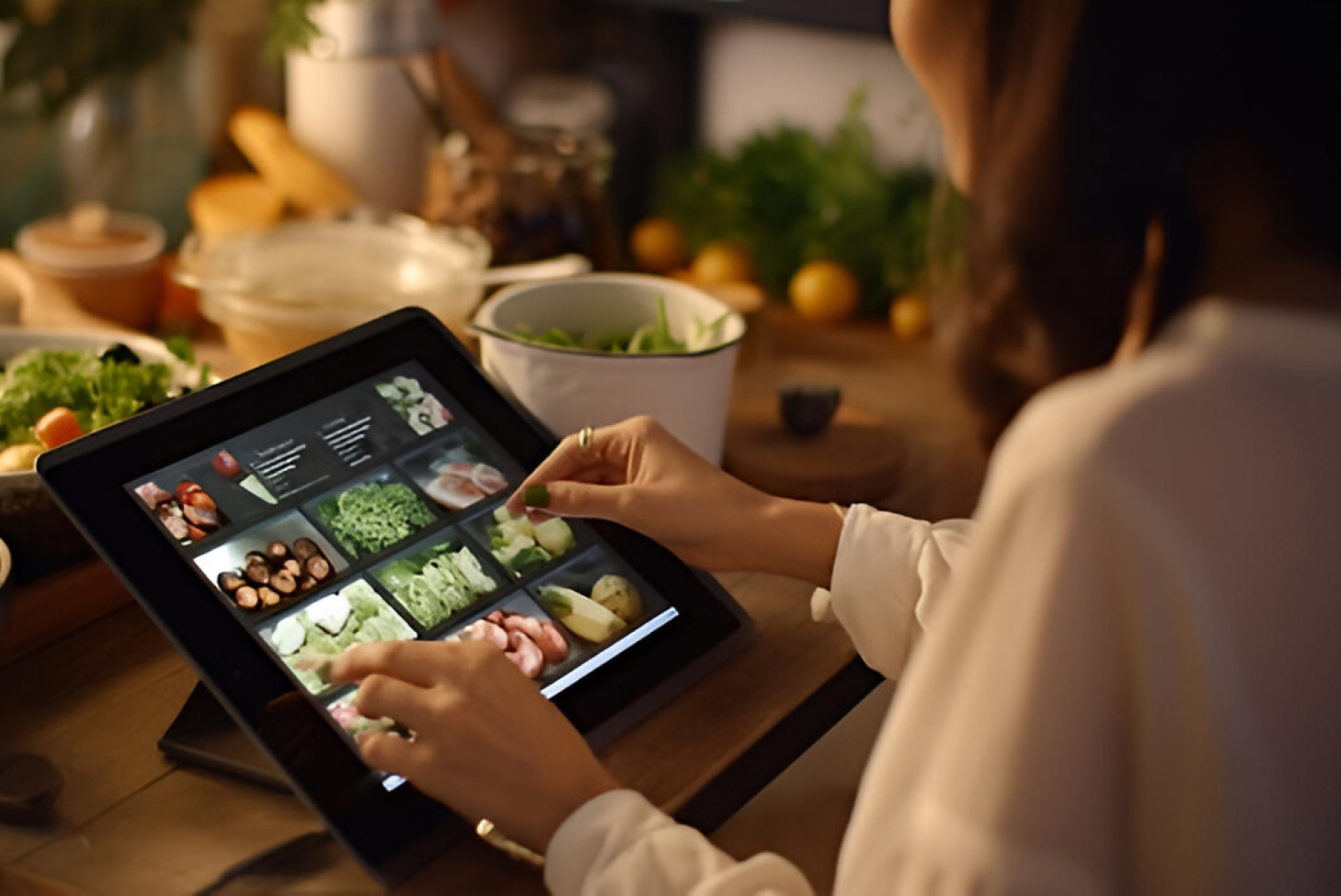
Pizza businesses are particularly suited for kiosks because pizza ordering naturally involves customization. Customers want to choose crust types, toppings, combo deals, drinks, side dishes, spice levels, and special add-ons. Self-service kiosks simplify this entire process while creating more opportunities for upselling.
For restaurants planning to modernize operations, a restaurant self service kiosk is no longer just a technology trend. It is becoming an operational necessity.
Why Pizza Businesses Are Adopting Self-Service Kiosks
Pizza outlets have their own operational difficulties unlike most other fast foods. Rush times can be very hectic, particularly at lunch, dinner, weekends, and sporting events. Lines can form up very quickly, calls can lead to chaos, and employees may find it difficult to attend to both counter and kitchen duties simultaneously.
This is where restaurant pizza kiosks create a major operational advantage.
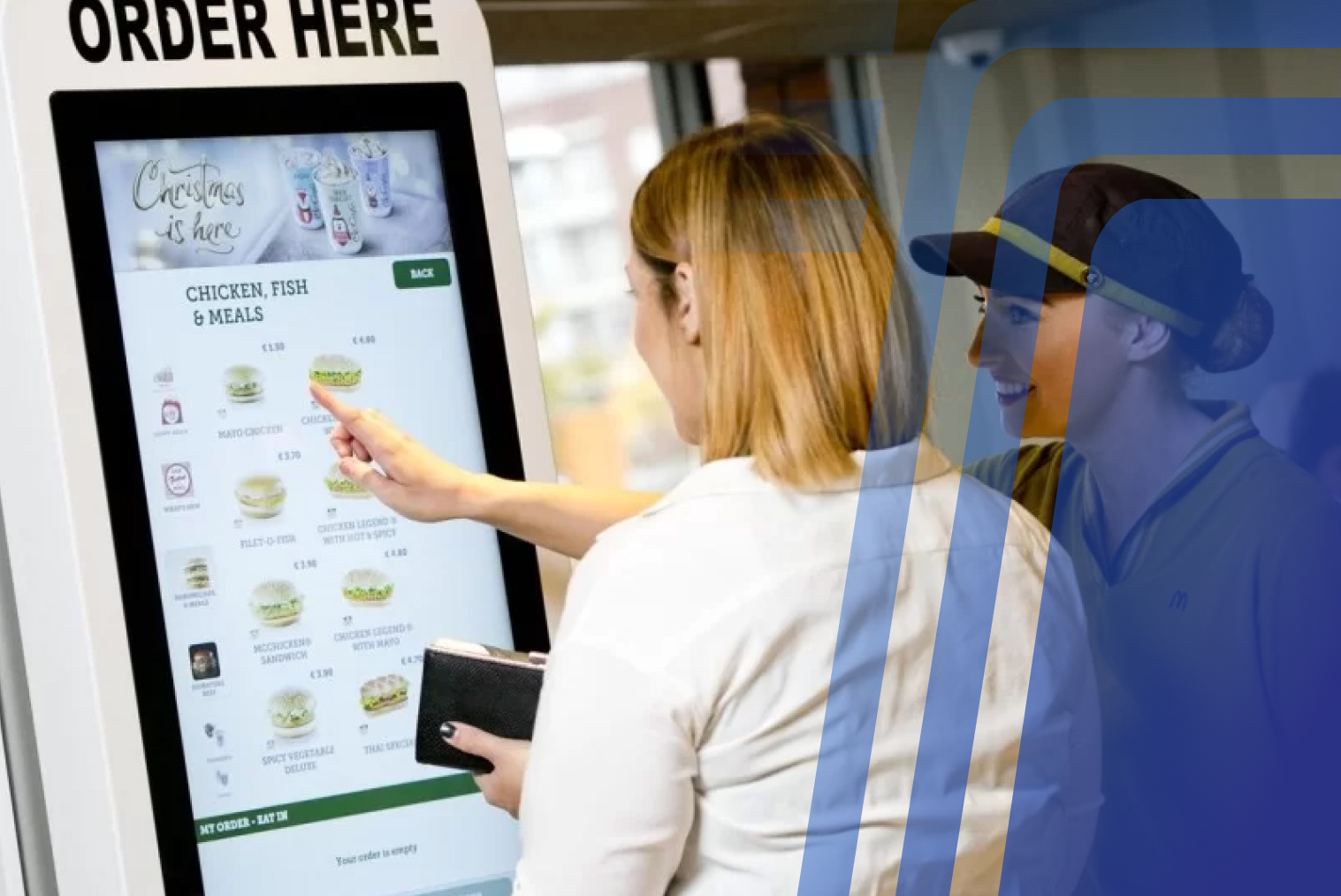
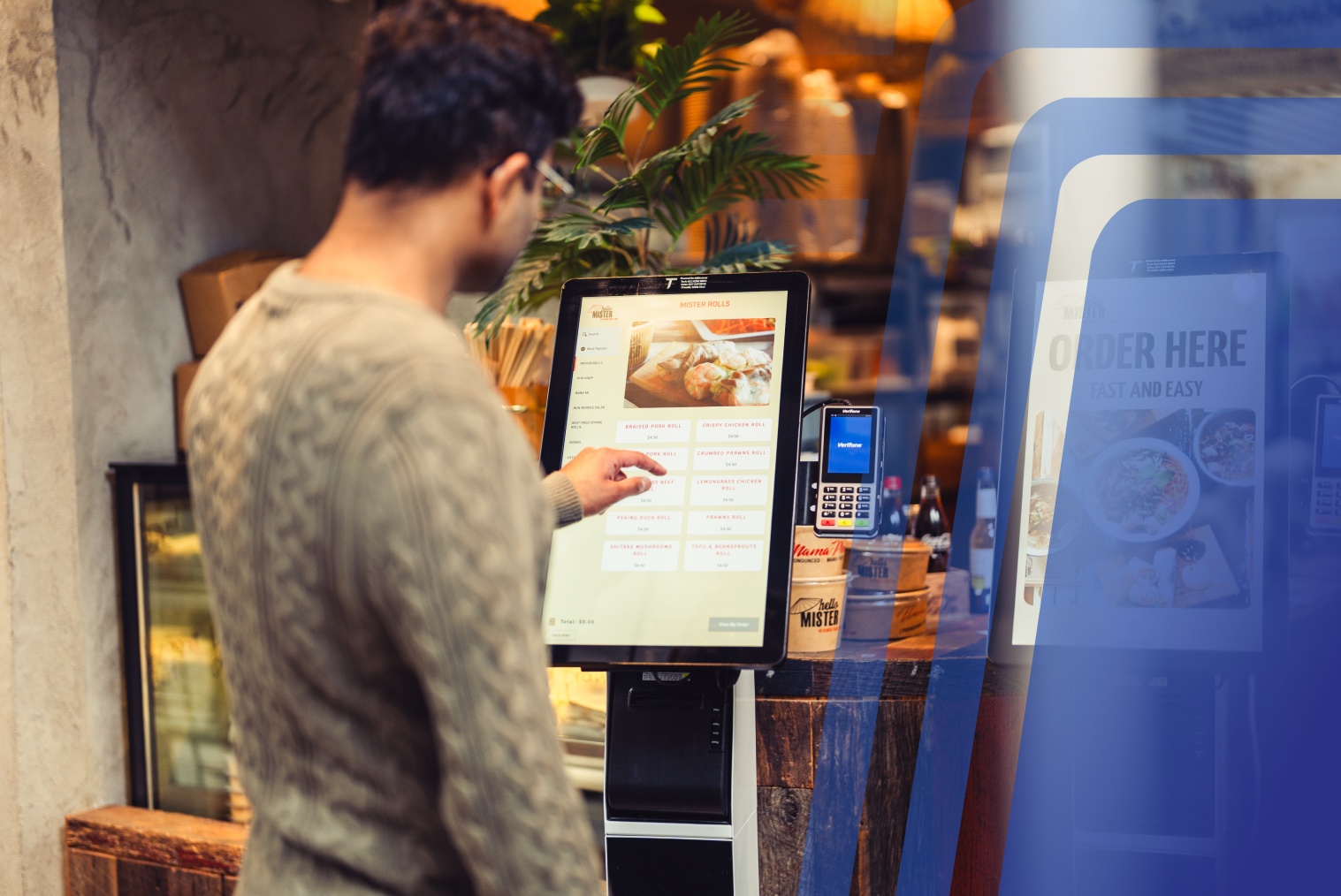
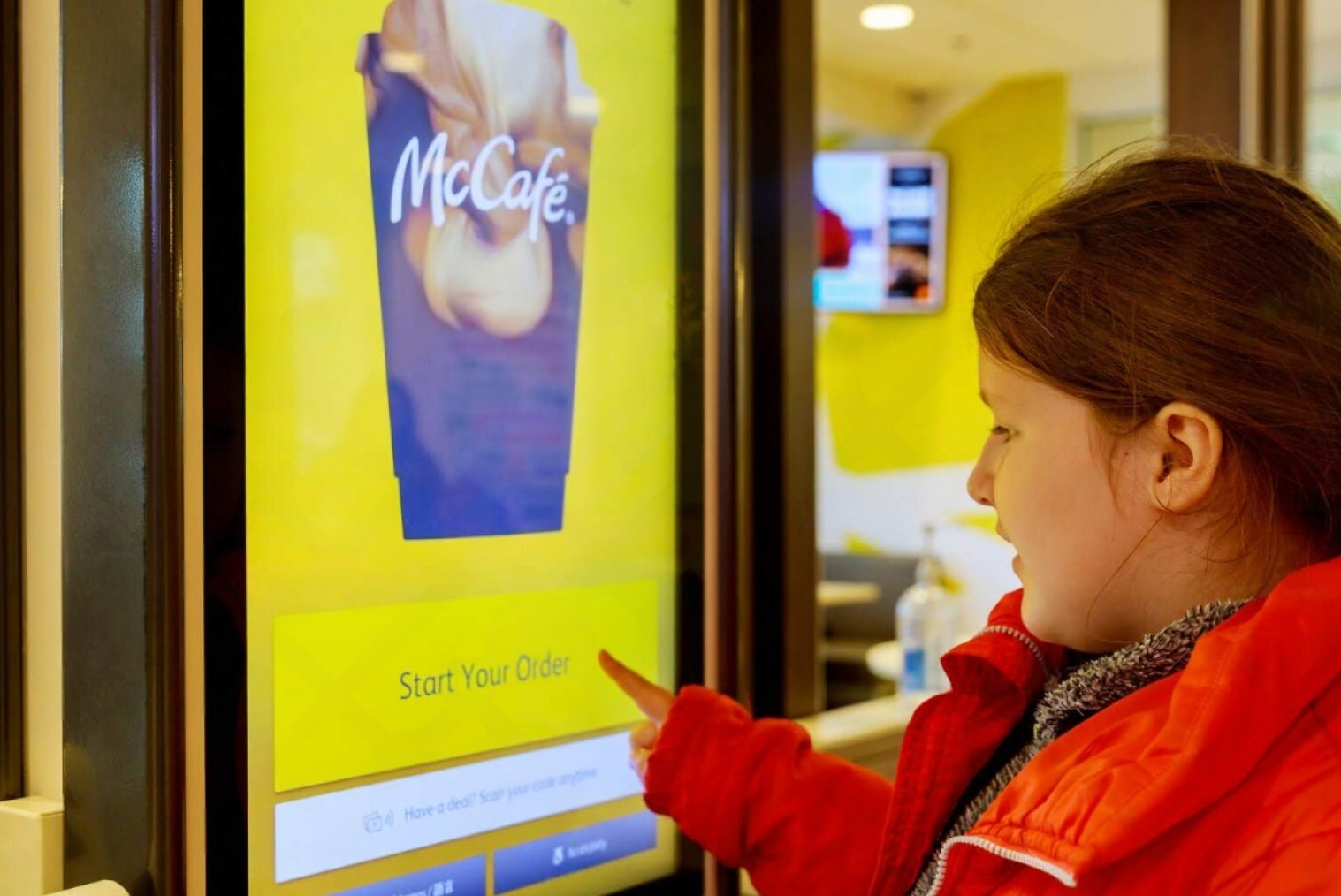
One of the biggest reasons pizza restaurants adopt kiosks is speed. Customers can browse the menu, customize their pizzas, and complete payment without waiting for cashier assistance. This significantly reduces congestion at the ordering counter. According to industry studies, self-service kiosks can reduce customer wait times by up to 40%.
One of the other reasons for using kiosks for placing orders is order accuracy. There is usually a high level of customization required when ordering pizzas. The customer could desire additional cheese, thin crust, no onions, extra chicken, stuffed crust, or half-and-half topping. This can easily result in miscommunication when placed verbally.
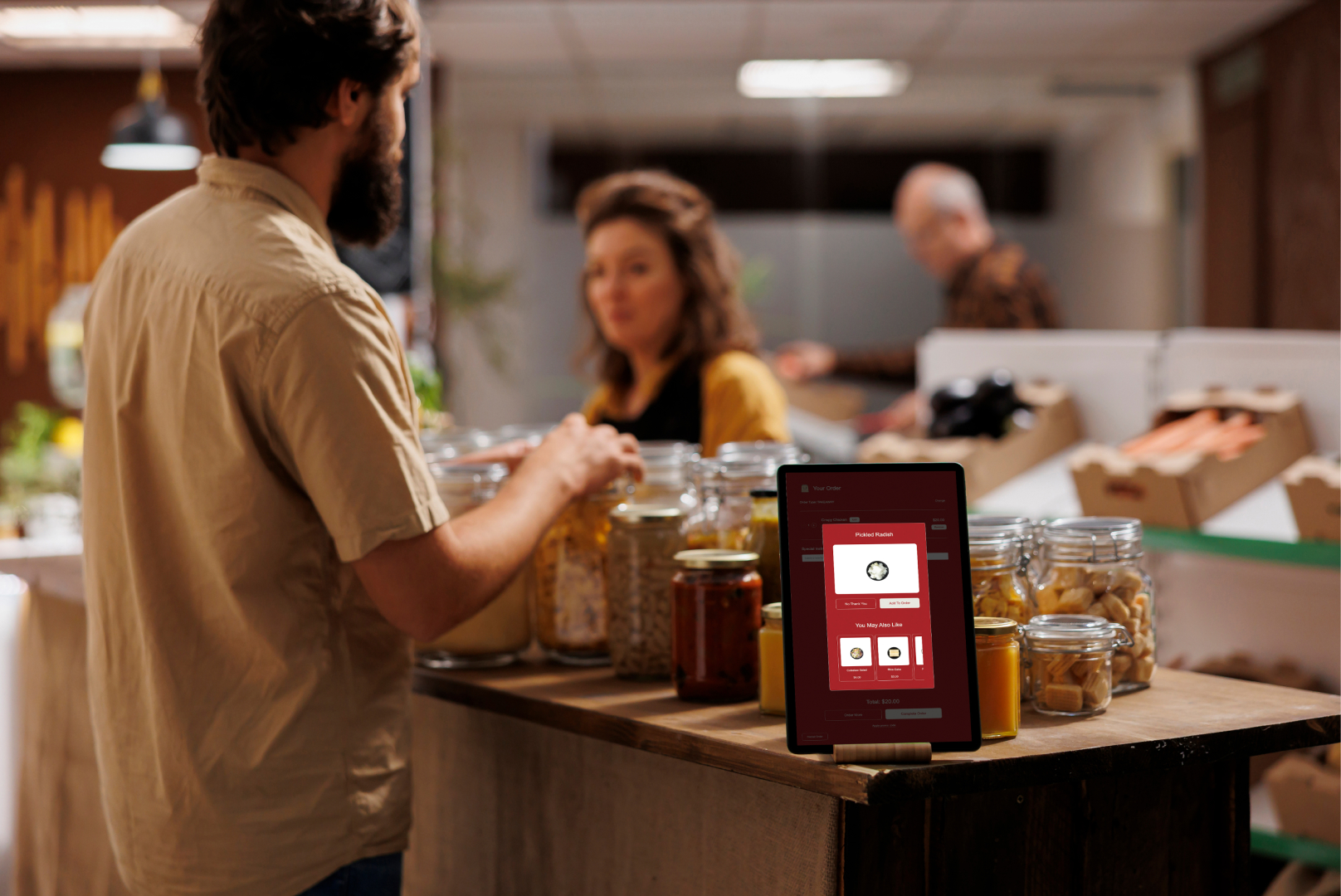
Pizza restaurants also benefit heavily from kiosk-driven upselling. Unlike busy cashiers who may forget to promote add-ons, kiosks consistently recommend side dishes, desserts, beverages, combo upgrades, and promotional bundles. Research from multiple QSR studies shows kiosk orders can generate 15% to 30% higher average ticket values.
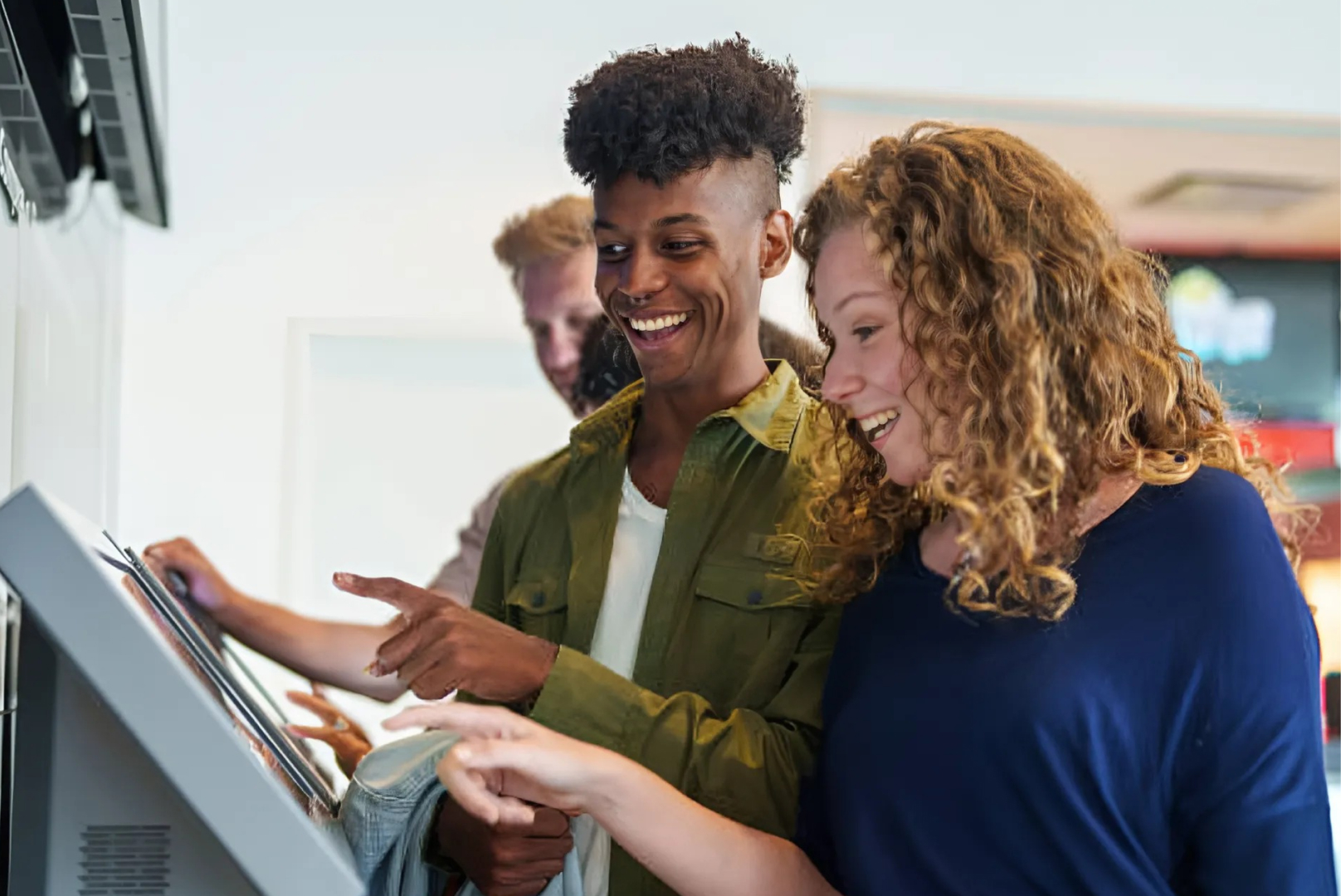
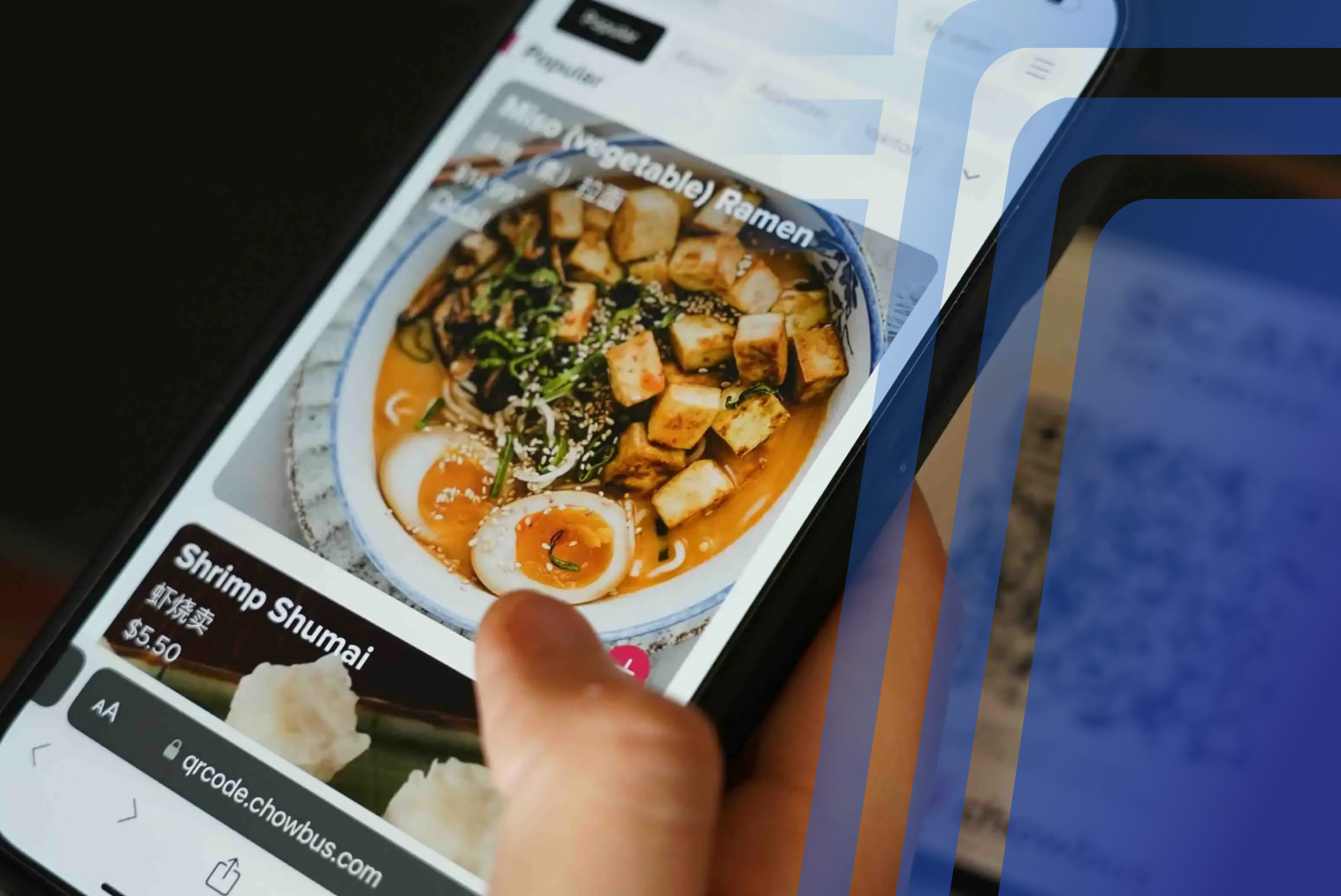
Another interesting shift is customer behavior itself. Many younger consumers actually prefer ordering digitally rather than interacting at the counter. Kiosks offer privacy, flexibility, and a pressure-free ordering experience. Customers spend more time exploring the menu, which naturally leads to larger orders.
For takeaway-focused businesses planning to explore kiosk solutions for takeaway restaurants, kiosks create a smoother and more scalable ordering process during high-demand periods.
Many restaurant owners searching for scalable Kiosk NZ solutions are now focusing on self-service technology to improve takeaway efficiency, reduce staffing pressure, and create faster customer ordering experiences.
7 Ways Pizza Kiosks Increase Order Value & Reduce Costs
1. Automated Upselling Increases Average Ticket Size
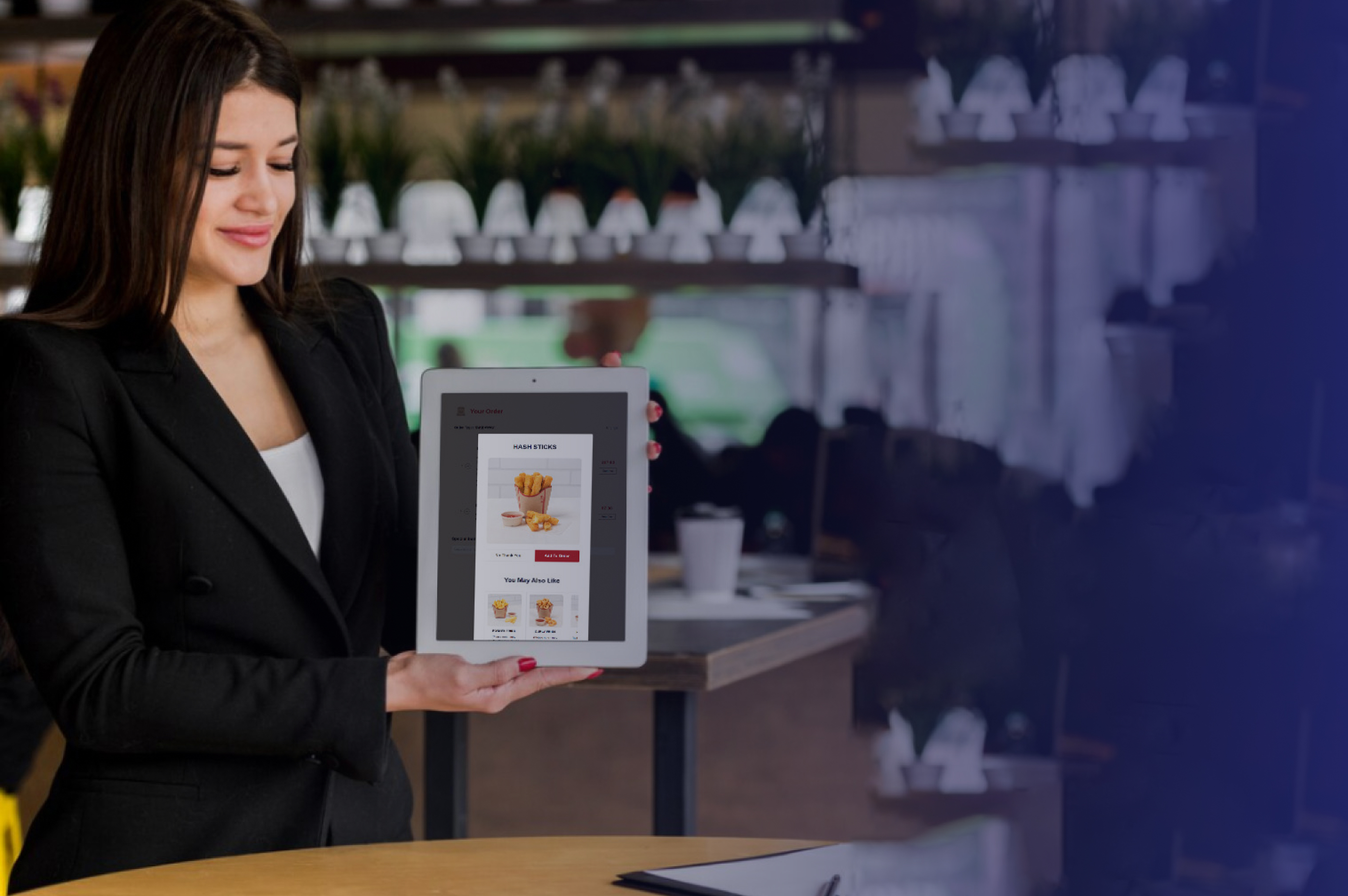
One of the strongest advantages of a pizza takeaway kiosk system is automated upselling. Every customer interaction becomes an opportunity to increase order value.
When customers place orders through kiosks, the system can automatically recommend:
- Extra toppings
- Garlic bread
- Combo upgrades
- Drinks
- Desserts
- Family meal deals
Unlike human cashiers, the kiosks never fail to upsell. They always ensure that premium items are highlighted at just the right time during the ordering process. Companies like Domino’s and other big pizza chains have made a massive investment in digital ordering processes since upselling affects their bottom line.
The underlying psychology is strong here. Consumers experience less stress when ordering using a computer screen, causing them to take an interest in other products offered as well. Product pictures also create more impulse buying compared to human suggestions.
2. Reduced Labour Dependency
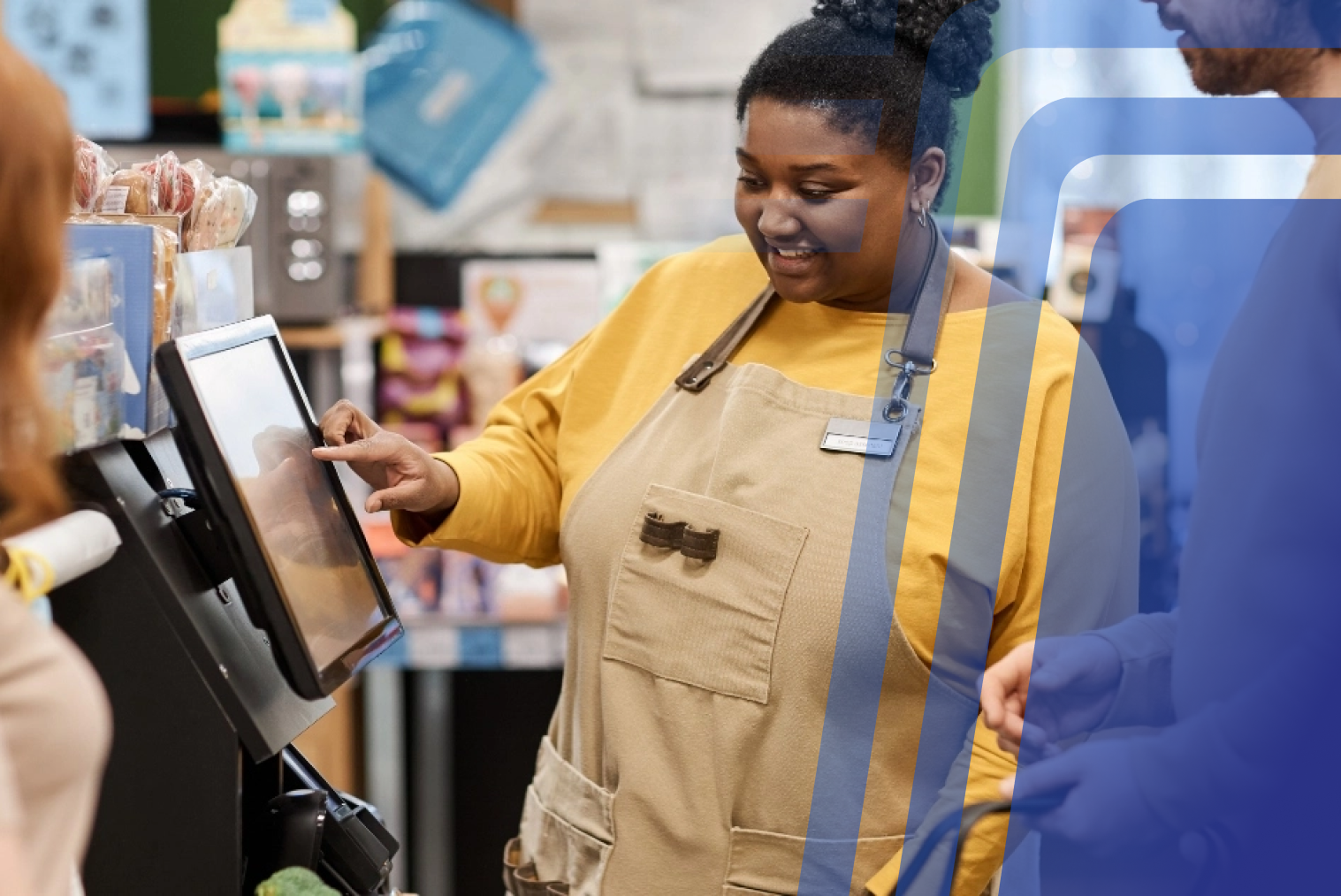
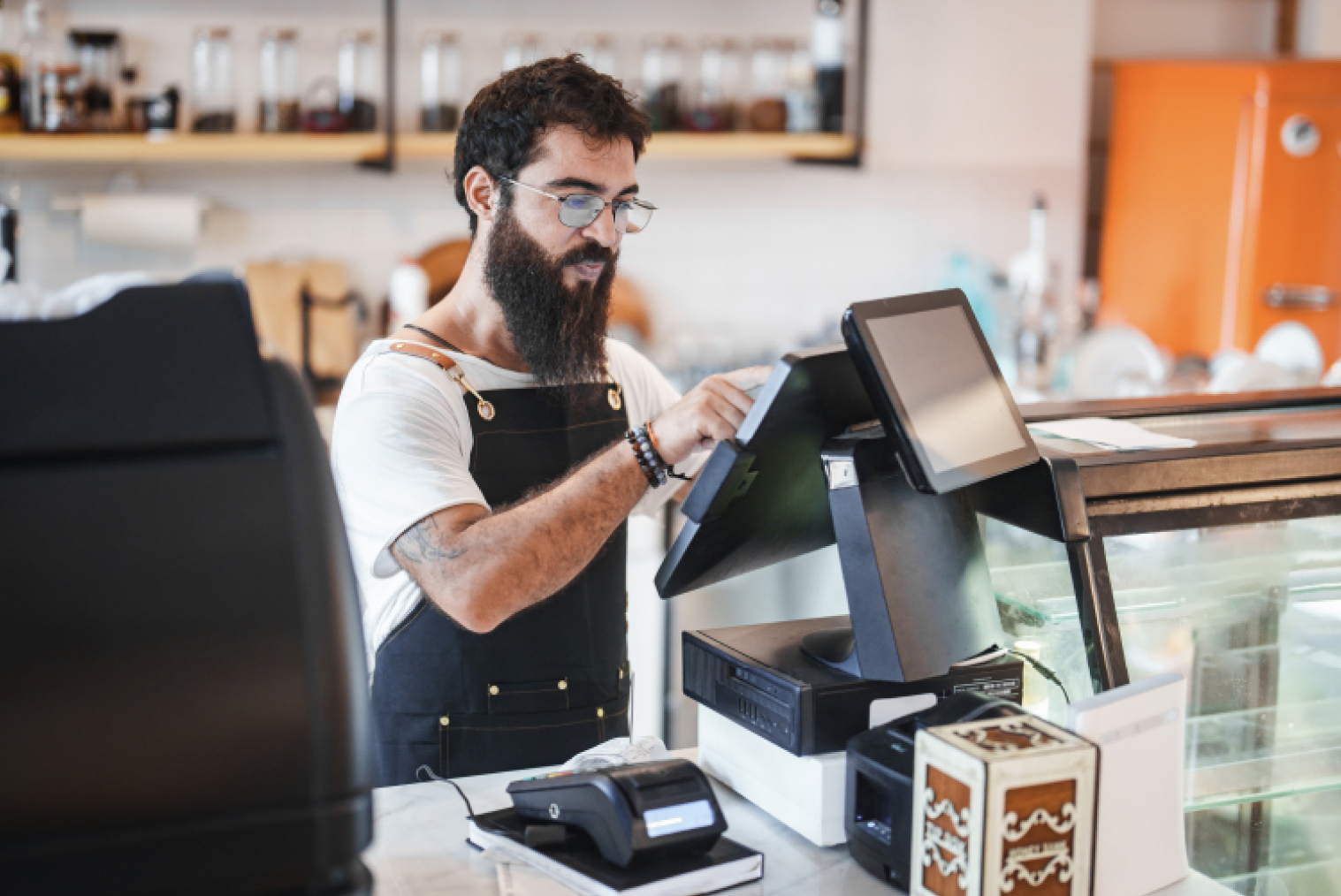
Labour costs continue rising globally, and pizza restaurants often require multiple front-counter staff members during busy hours. Kiosks help reduce this dependency by automating repetitive ordering tasks.
Instead of assigning several employees to take orders manually, restaurants can redirect staff toward:
- Food preparation
- Kitchen coordination
- Order packaging
- Customer support
- Delivery management
This does not necessarily mean eliminating staff completely. Instead, kiosks optimize workforce allocation. Restaurants can operate more efficiently with leaner front-of-house staffing models.
For smaller pizza outlets, even replacing one cashier shift with kiosk ordering can create substantial annual savings.
3. Faster Ordering During Rush Hours
There is significant concentration of activity in pizza restaurants. During the period of lunch breaks or weekends in the evening, small waits may end up being a queue of people.
Ordering food from kiosks increases the rate of production as many customers order at the same time, not having to wait for the order to be completed by one cashier.
Faster ordering means that more customers will be able to complete their order during the period when the service is busiest. Time plays a very crucial role in takeaway establishments.
4. Improved Order Accuracy
Incorrect pizza orders are expensive. Remakes waste ingredients, increase preparation time, and damage customer satisfaction.
A pizza kiosk machine significantly improves order accuracy because customers directly select their own modifications. Visual confirmations reduce misunderstandings while customized orders become easier for kitchen teams to interpret.
Digital ordering systems also reduce communication gaps caused by:
- Noisy restaurant environments
- Language barriers
- Human error
- Misheard toppings or modifications
Accurate orders improve both profitability and customer trust.
5. Better Promotional Campaign Performance
Kiosks make promotions far more dynamic and visible compared to printed menus or verbal staff suggestions.
Restaurants can instantly promote:
- Limited-time offers
- Combo meals
- Seasonal pizzas
- Upsized meals
- Happy-hour discounts
- Family bundles
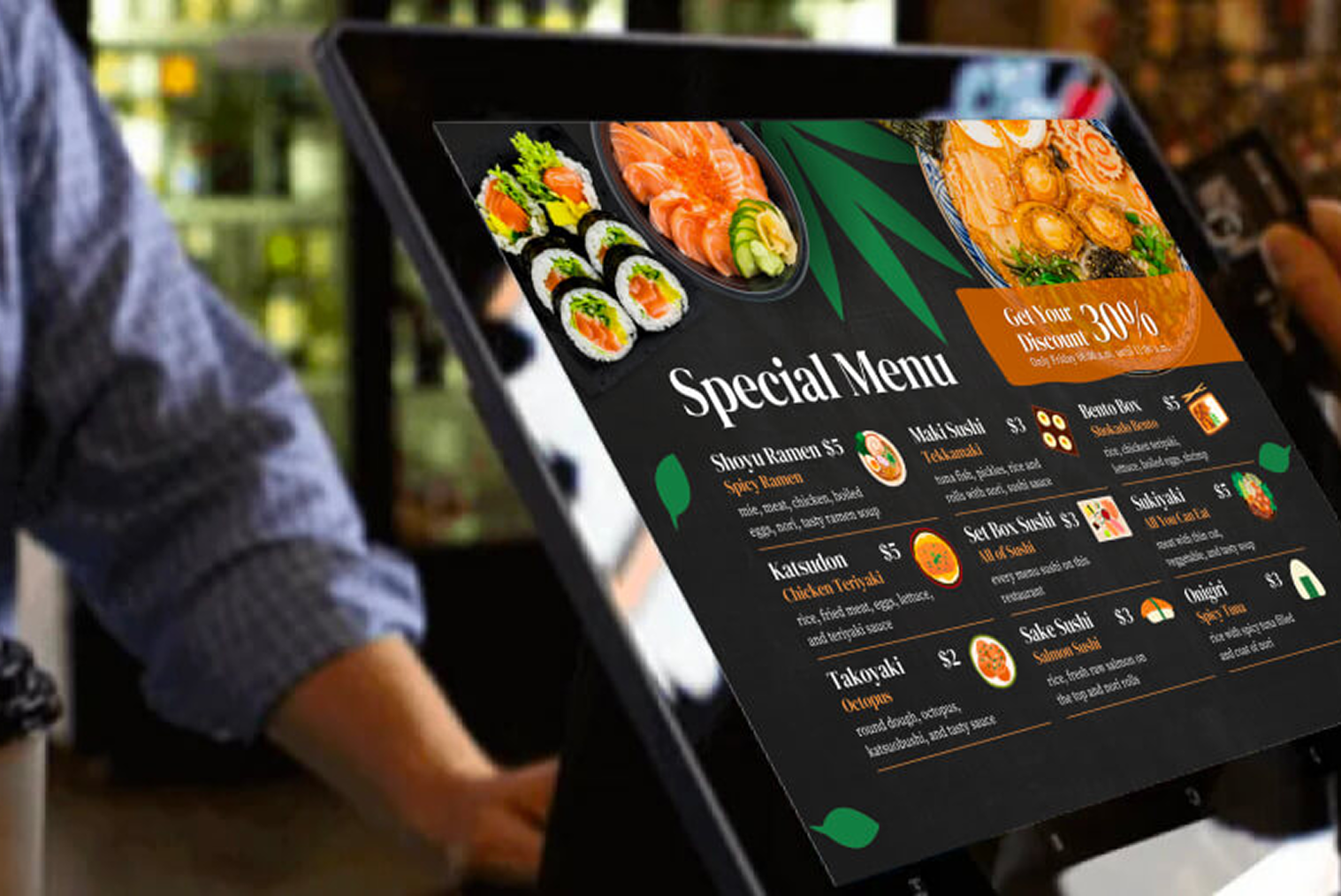
The best part is flexibility. Promotions can be updated instantly across all kiosks without reprinting materials or retraining staff.
Modern kiosks also support intelligent recommendation systems that display targeted promotions based on customer selections.
6. Increased Customer Independence
Many customers enjoy self-service experiences because they feel more in control of the ordering process.
Kiosks eliminate common frustrations such as:
- Feeling rushed while ordering
- Difficulty hearing staff
- Miscommunication
- Pressure from queues behind them
Customers can customize pizzas calmly and review their entire order before payment. This improves satisfaction while encouraging exploration of additional menu items.
This independent ordering style has become particularly popular among younger digital-first consumers.
7. Better Data Collection & Operational Insights
Modern restaurant pizza kiosks collect valuable customer behavior data that restaurants can use for smarter business decisions.
Restaurants can analyze:
- Most popular toppings
- Peak ordering hours
- Best-selling combo deals
- Upsell performance
- Customer purchase trends
These insights help optimize menu design, pricing strategies, and promotional campaigns.
Data-driven restaurants outperform guesswork-based operations because decisions are based on actual customer behavior patterns.
How Pizza Kiosks Directly Increase Revenue
Kiosks increase revenue through multiple operational improvements working together simultaneously.
First, upselling consistently increases average order value. According to QSR industry research, kiosk-based orders often generate significantly larger ticket sizes because customers interact with visual prompts and menu recommendations more frequently.
Second, faster ordering increases throughput. More orders per hour will increase the number of sales during peak times.
Third, fewer errors mean less waste due to remaking orders and wastage of ingredients. Errors affect profit margins and can increase customer retention rates.
Finally, one must note that kiosks can increase revenue due to customer psychology. Kiosks foster the behavior of looking around and taking their time ordering items such as premium pizzas, sides, desserts, and customizing their orders.
Research from BurgerFi’s kiosk implementation showed an 18.5% increase in average check size after adopting kiosk ordering systems.
For pizza restaurants, where add-ons and combo deals play a major role in profitability, kiosk-driven upselling can dramatically impact long-term revenue performance.
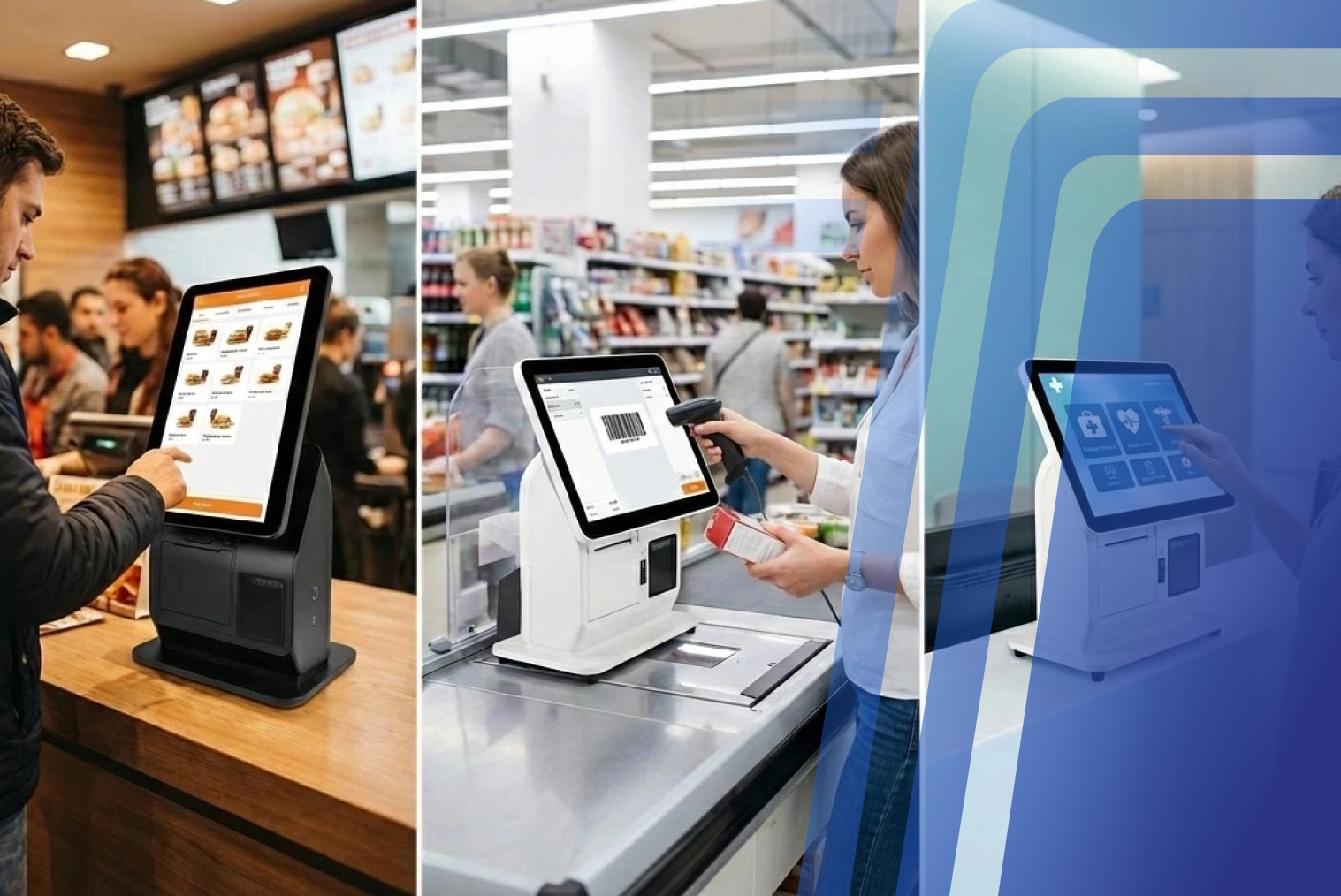
Where Pizza Kiosks Work Best
Not every pizza business operates the same way. Different kiosk setups work better depending on restaurant format and customer behavior.
1. Quick-Service Pizza Restaurants
QSR pizza brands benefit enormously from kiosks because speed and efficiency are central to the business model. Kiosks help reduce front-counter congestion while improving order throughput during rush periods.
2. Takeaway Pizza Shops
Takeaway-focused businesses often experience intense ordering surges. A pizza takeaway kiosk system allows customers to place orders quickly without depending entirely on staff availability.
These systems work especially well near entrances where customers can immediately begin ordering upon arrival.
3. Food Courts
Food courts are highly competitive environments where speed directly affects customer choice. Customers naturally gravitate toward shorter queues and faster service experiences.
Multiple kiosks inside food court pizza outlets help process large customer volumes efficiently.
4. Hybrid Dine-In Concepts
Some dine-in pizza restaurants use kiosks specifically for takeaway and pickup orders while maintaining traditional table service for seated guests.
This hybrid model combines operational efficiency with personalized hospitality.
Key Features of a Modern Pizza Kiosk System
Modern pizza kiosks are far more advanced than simple touchscreen ordering devices.
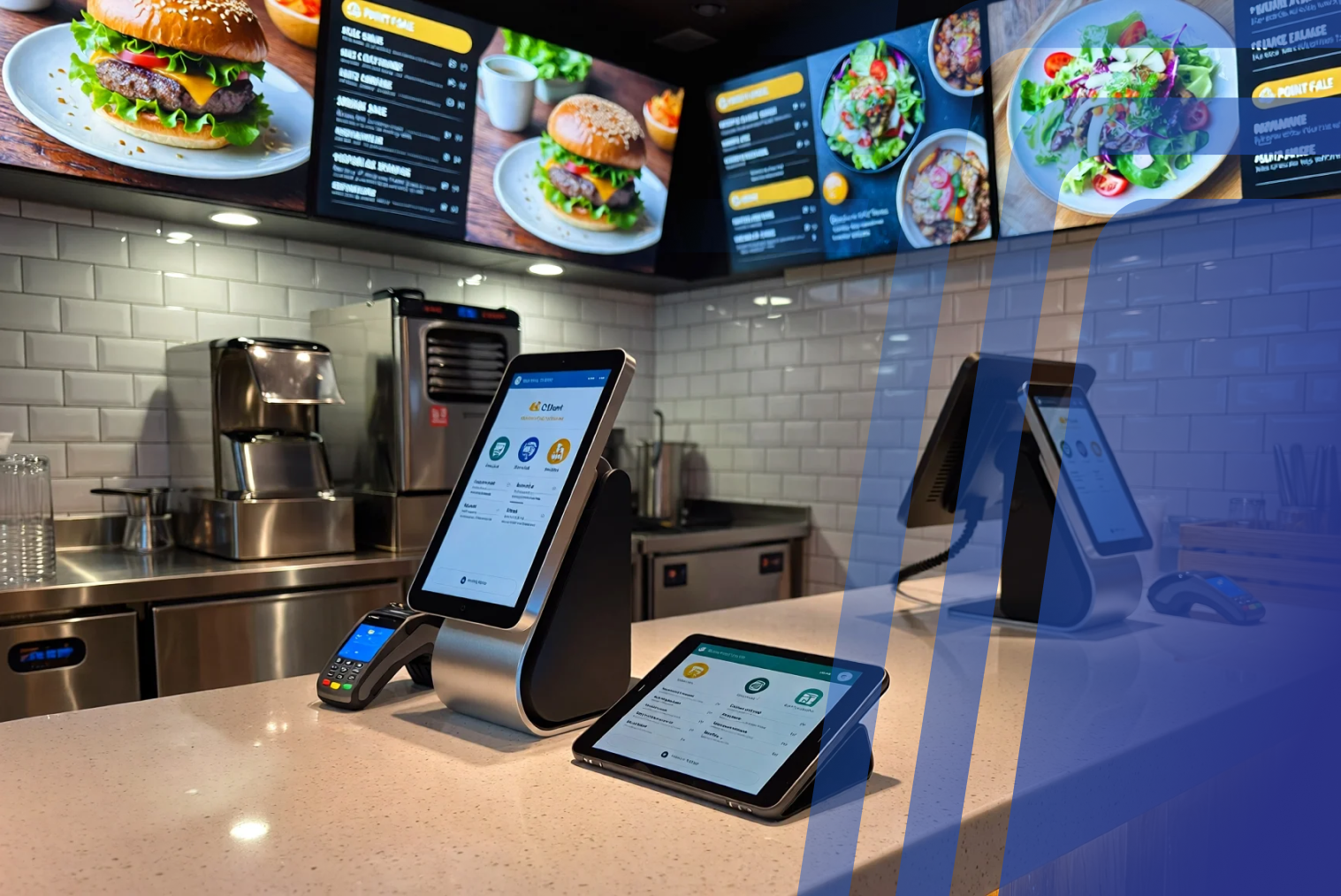
A high-performing pizza kiosk machine should include:
| Feature |
Why It Matters |
| Custom Pizza Builder |
Allows easy topping and crust modifications |
| POS Integration |
Syncs directly with restaurant systems |
| Digital Payments |
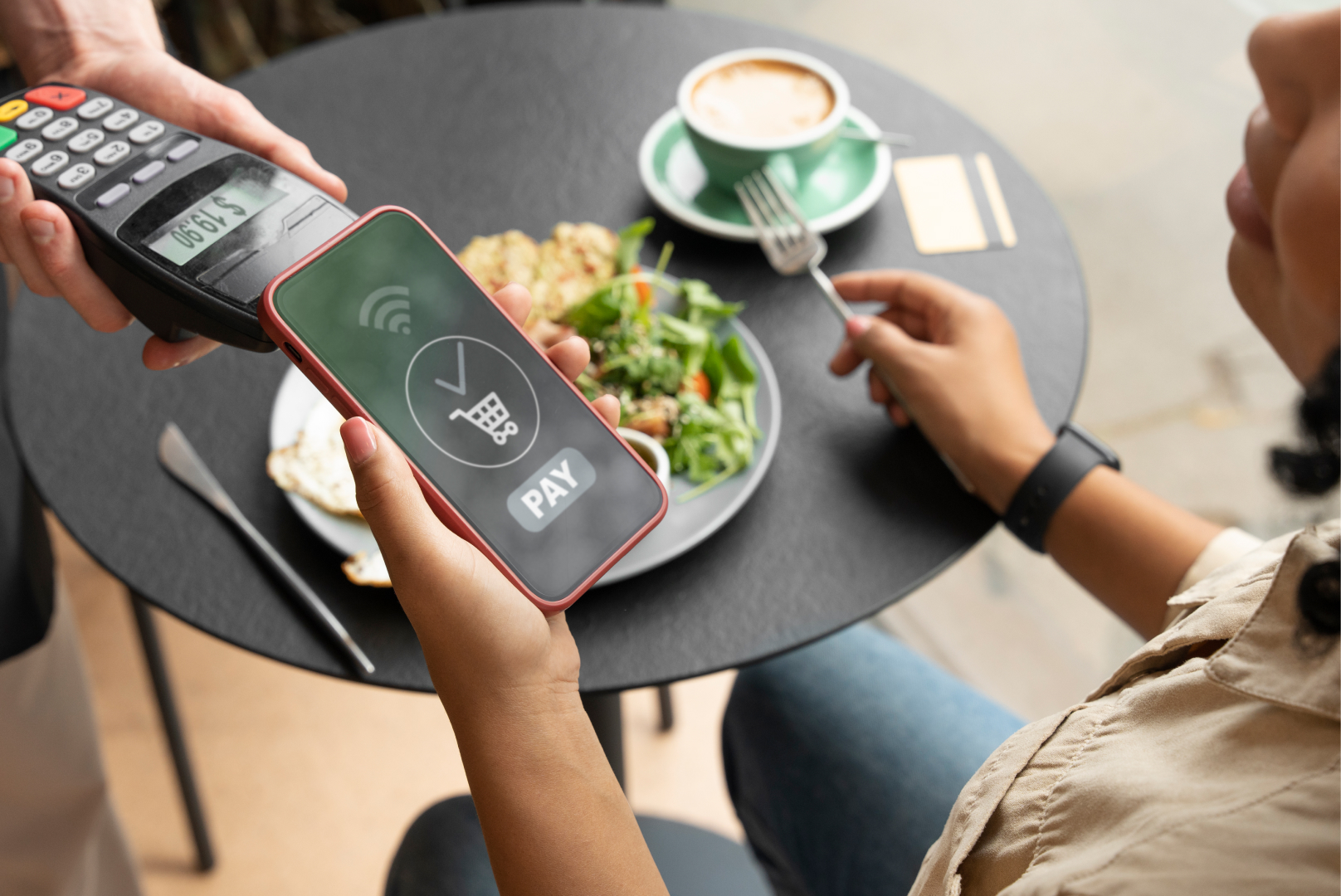
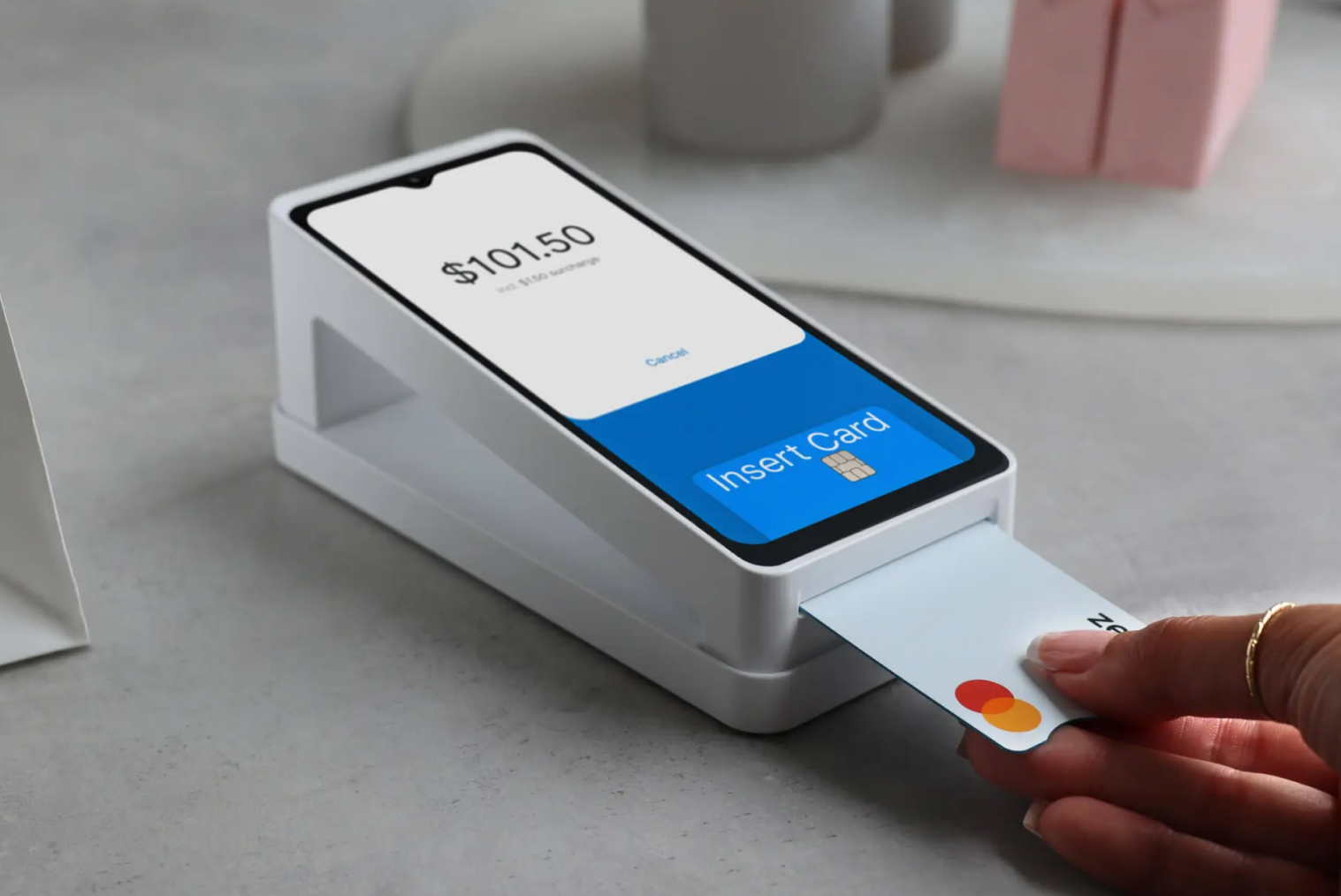
Supports cards, wallets, and contactless payments |
| Real-Time Promotions |
Displays combo offers and upsells |
| Kitchen Display Integration |
Sends accurate orders directly to kitchen |
| Loyalty Program Support |
Encourages repeat purchases |
| Multilingual Interface |
Improves accessibility |
Modern systems also support cloud-based management tools that allow restaurant owners to update menus, pricing, and promotions remotely.
The goal is creating a seamless customer experience while improving operational efficiency behind the scenes.
ROI of Installing a Pizza Kiosk Machine
Restaurant owners often ask the most important question: Are kiosks actually worth the investment?
In many cases, the answer is yes — especially for pizza restaurants with high takeaway volume and strong peak-hour traffic.
Kiosk ROI comes from several combined factors:
- Reduced labour costs
- Increased order values
- Faster throughput
- Improved order accuracy
- Better promotional performance
While kiosk hardware requires upfront investment, many restaurants recover costs through operational savings and higher sales performance over time.
The strongest ROI usually appears in businesses with:
- High customer turnover
- Frequent upselling opportunities
- Long queues during rush hours
- Labour-intensive front counters
Pizza restaurants naturally align with all these conditions.
Should You Install Pizza Kiosks in Your Restaurant?
If your pizza restaurant regularly experiences queues, staffing pressure, order inaccuracies, or missed upselling opportunities, kiosks can deliver major operational improvements.
The key is implementing kiosks strategically rather than simply following industry trends.
Restaurants should evaluate:
- Peak-hour customer volume
- Available floor space
- Customer demographics
- Existing labour challenges
- Takeaway demand
- Menu complexity
For many operators, starting with one or two kiosks allows them to measure customer adoption before scaling further.
As customer expectations continue shifting toward digital convenience, pizza kiosks are quickly becoming a competitive advantage rather than a luxury feature.
Restaurants investing in smarter ordering systems today are positioning themselves for stronger efficiency, higher revenue, and better customer experiences in the years ahead.


.webp)










.png)













.webp)


