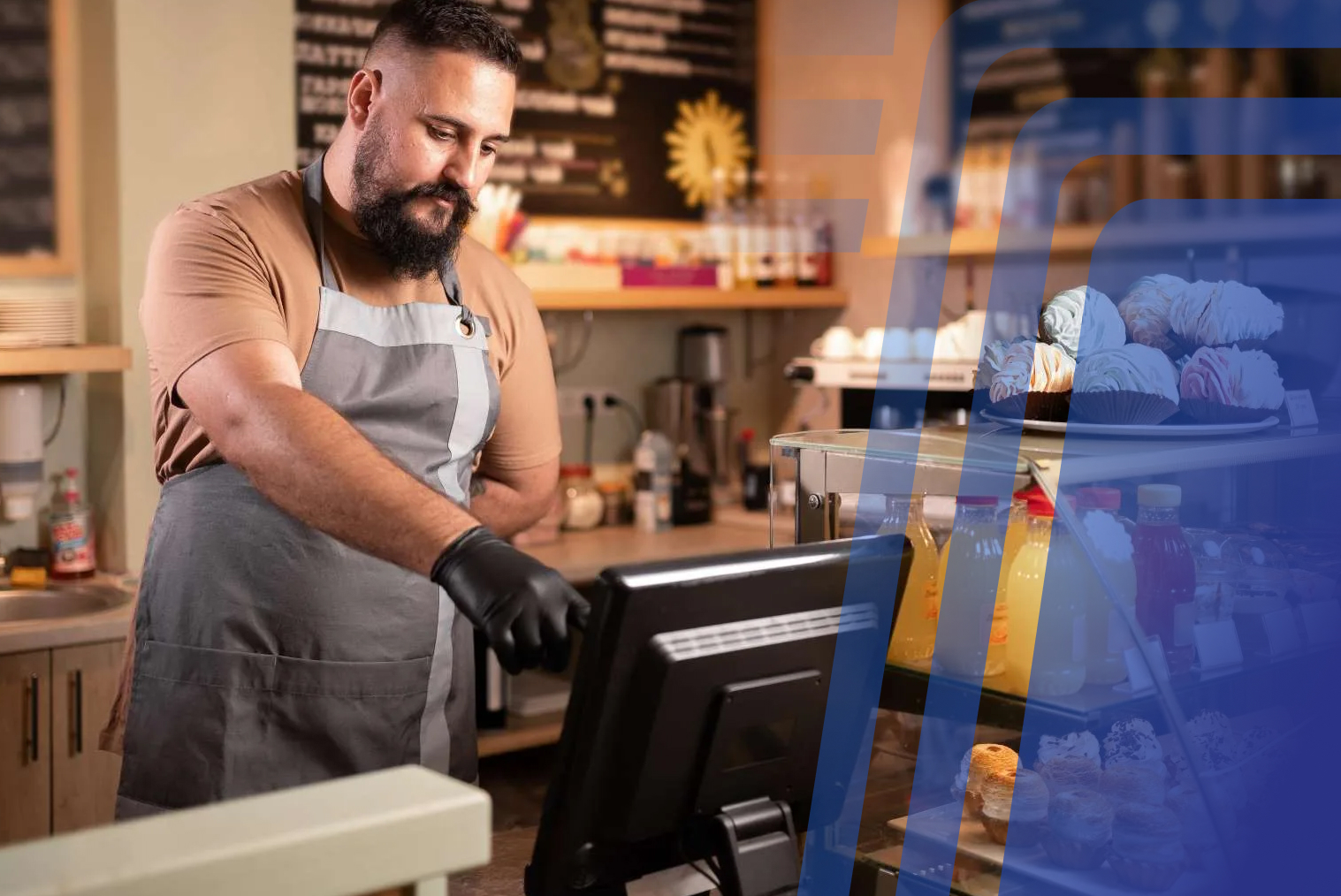
Imagine this: it’s Saturday evening, your restaurant is packed, and the line is growing. A customer places an order at the counter for a burger with no onions—but in the rush, the staff mishears and sends it out with extra onions instead. The customer’s unhappy, the kitchen must remake the dish, and your operations slow down.
These types of errors may seem small, but they add up. They waste food, time, and, worst of all, customer trust.
That’s where self-service kiosks in restaurants make a powerful difference.
Why Order Accuracy Is Critical in Modern Restaurants
Order mistakes don’t just hurt your bottom line; they damage your brand. With increasing competition, especially in quick-service and fast-casual formats, one wrong dish can push a customer to your competitor.
Inaccuracies often come from:
- Misheard or misinterpreted verbal commands
- Staff distress during busy times
- Fancy customisations or allergies not recorded correctly
- Customer-staff language barriers
But what if your customer could place the order themselves—exactly how they want it?
How Self-Service Kiosks Improve Order Accuracy
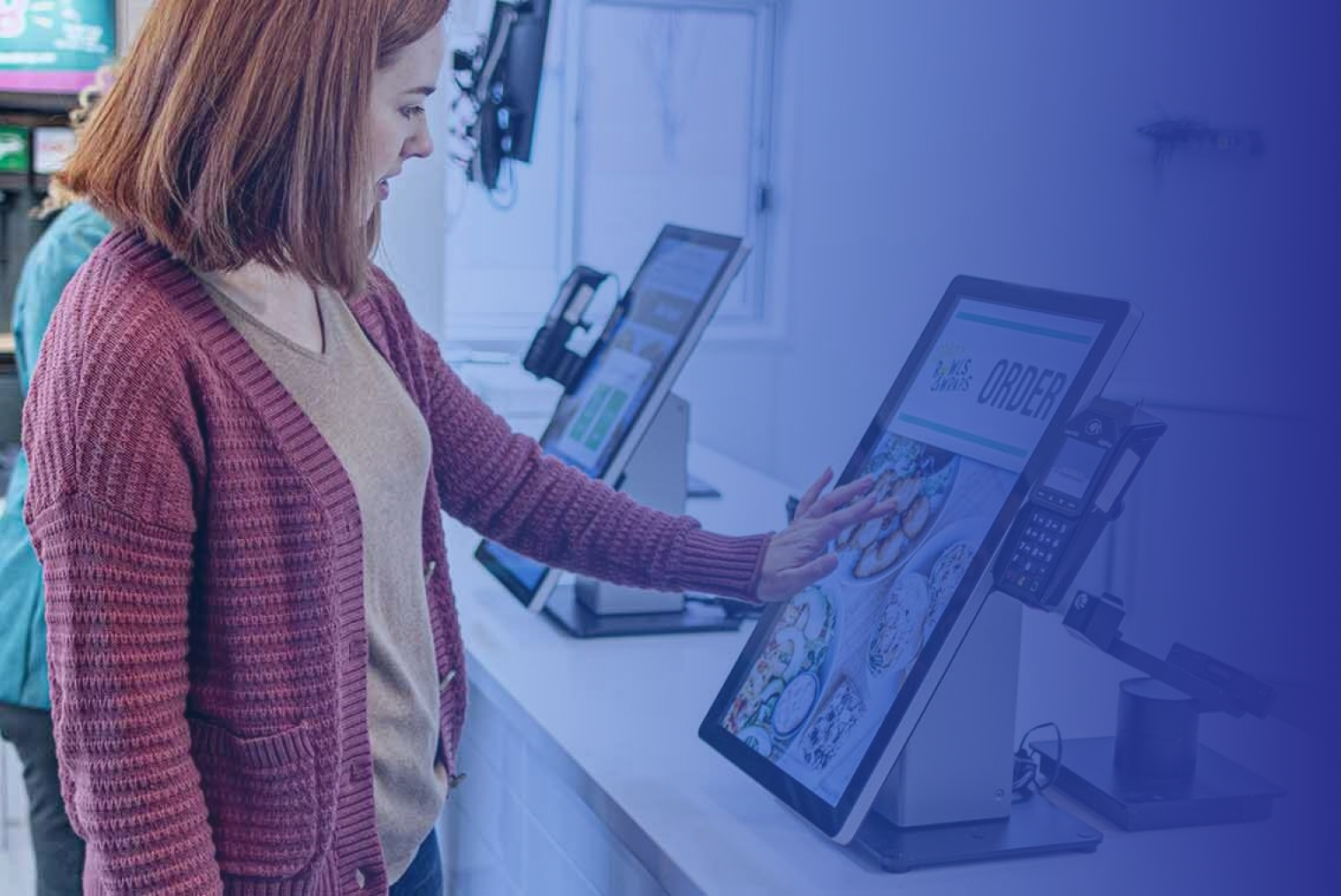
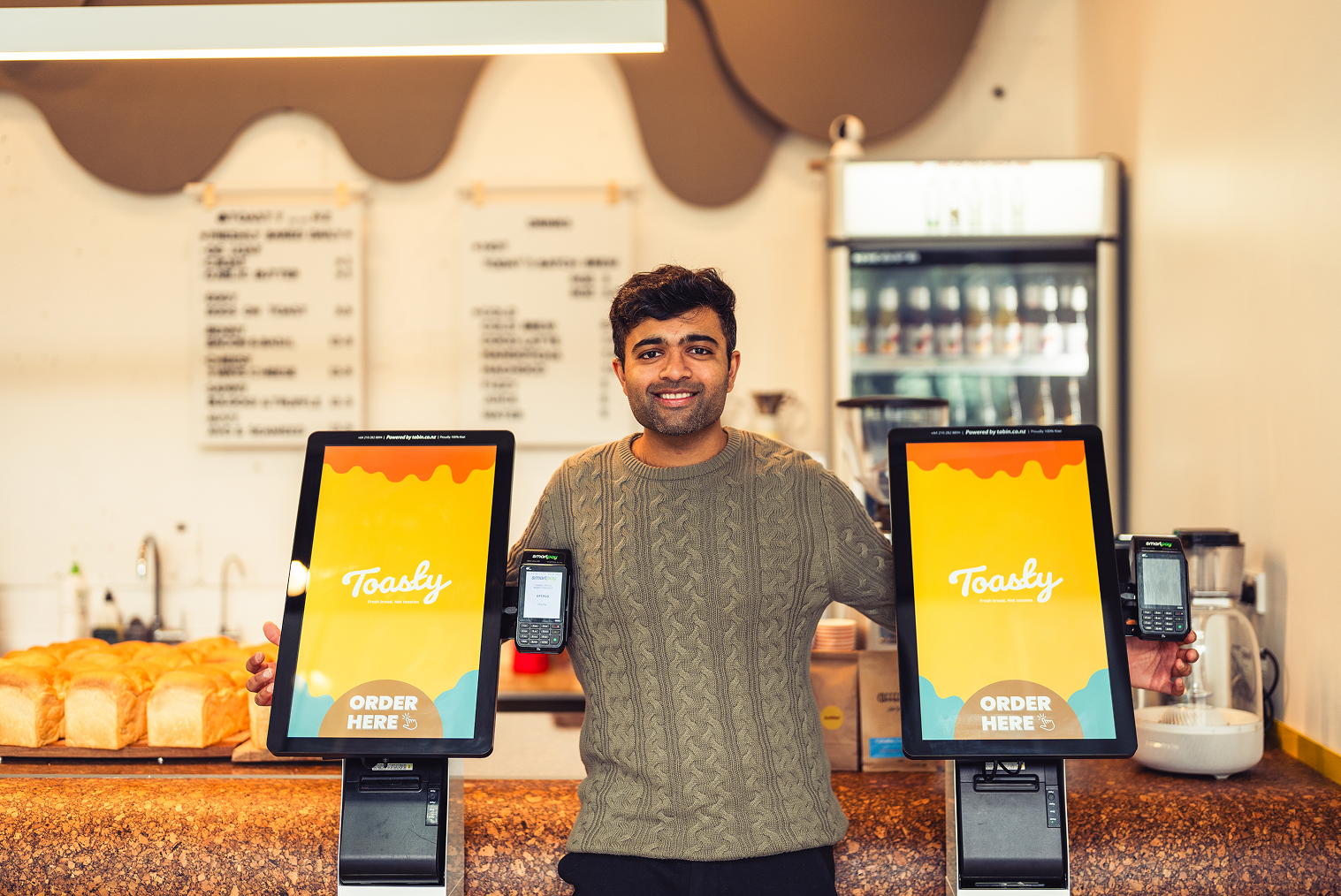
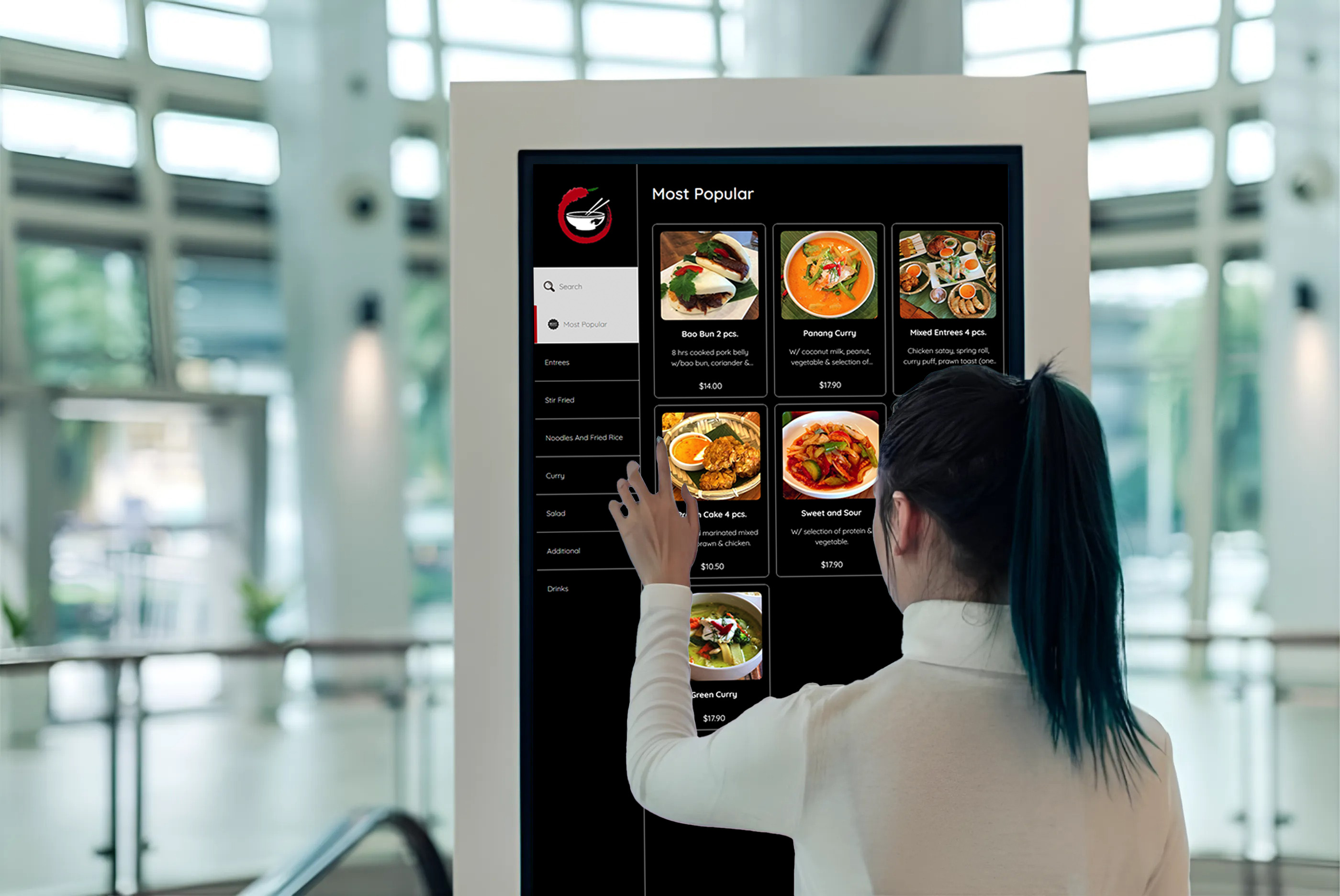
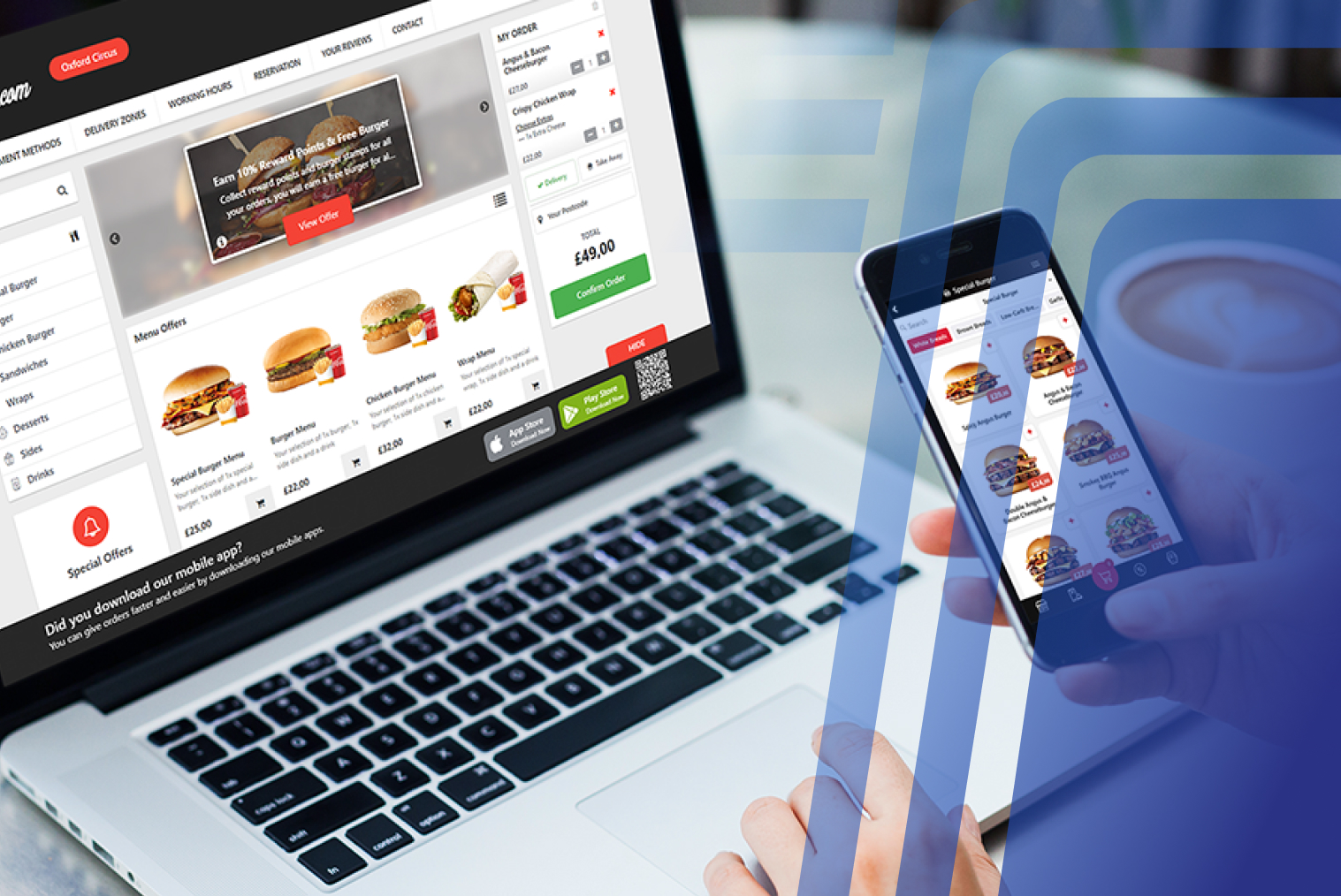
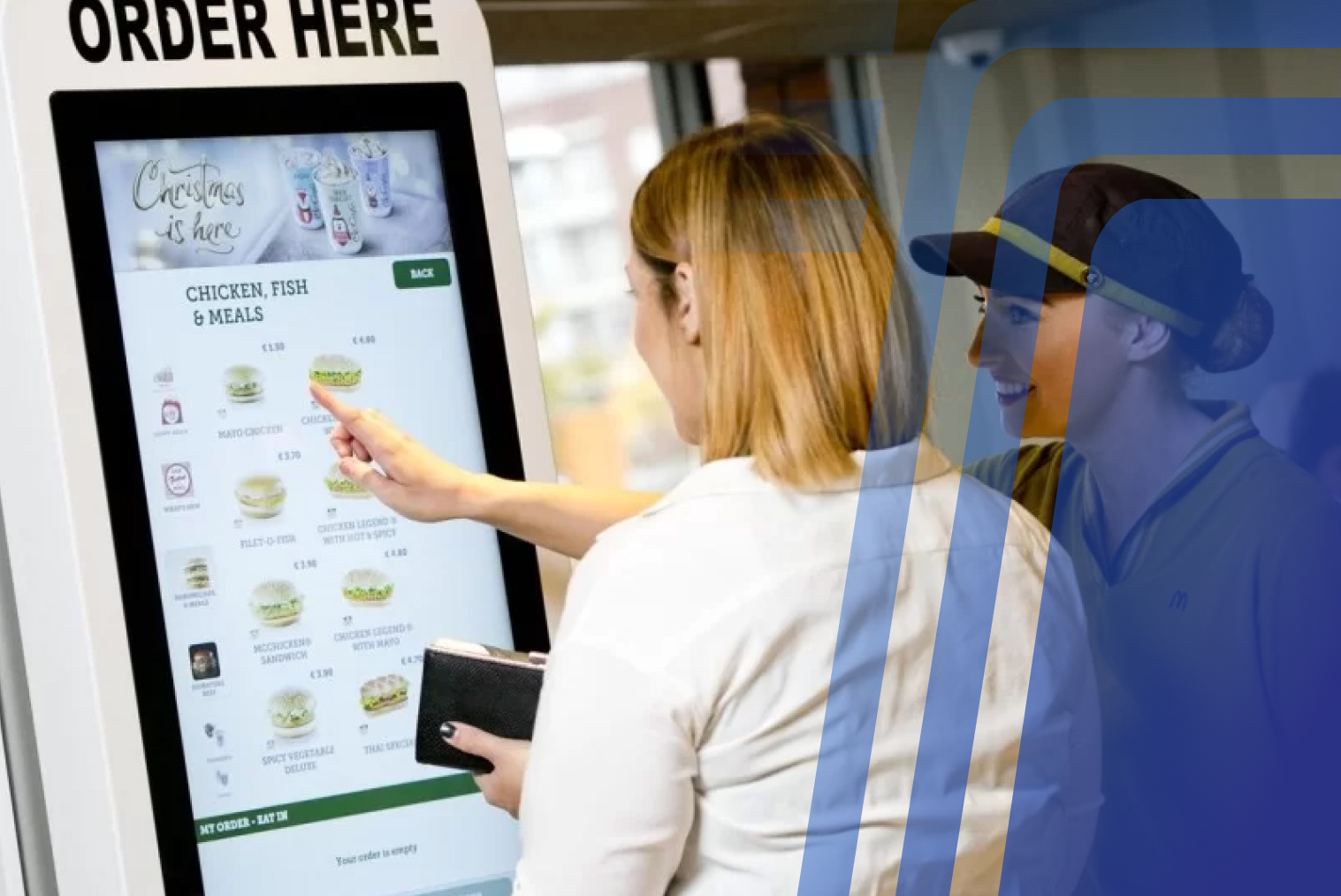
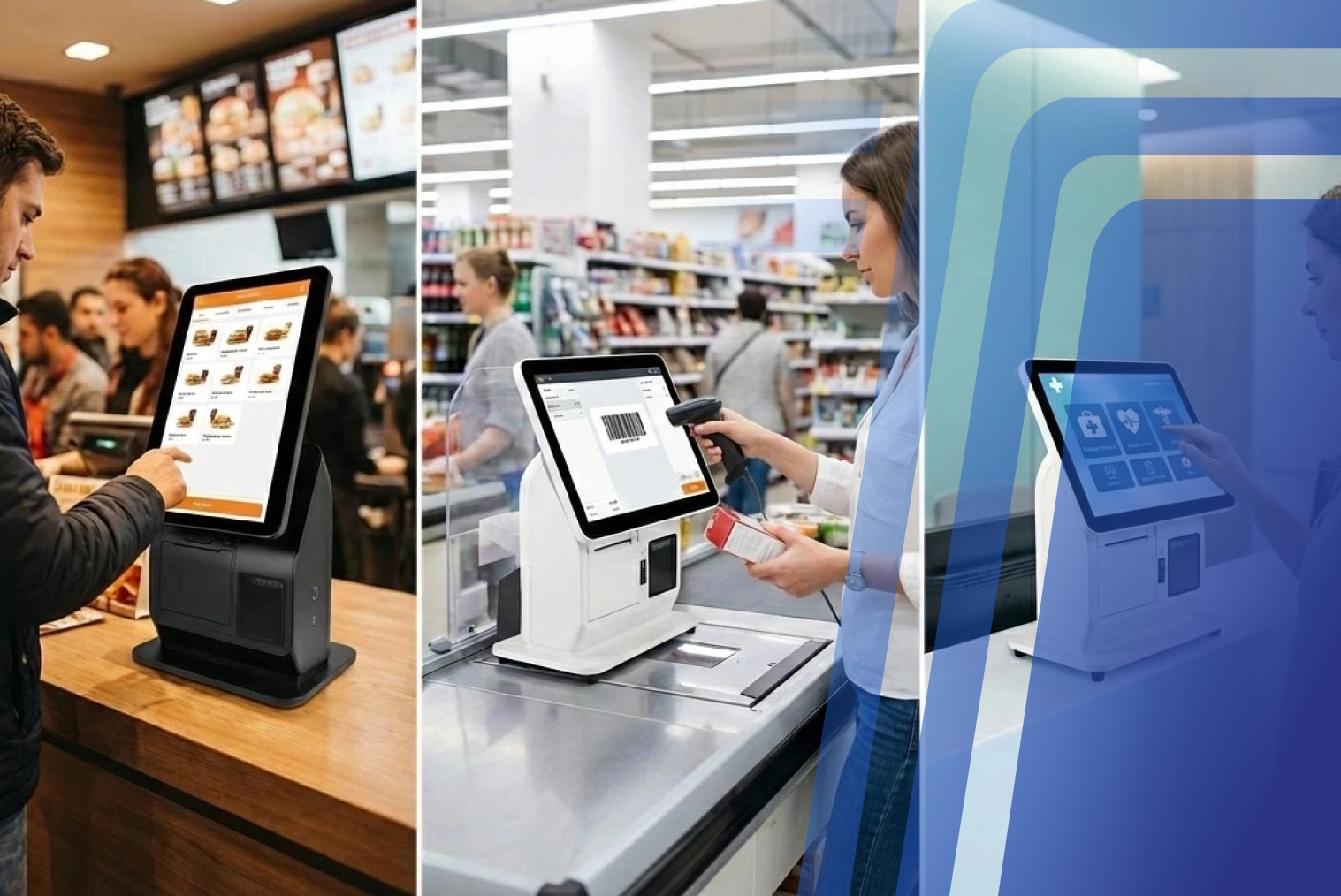
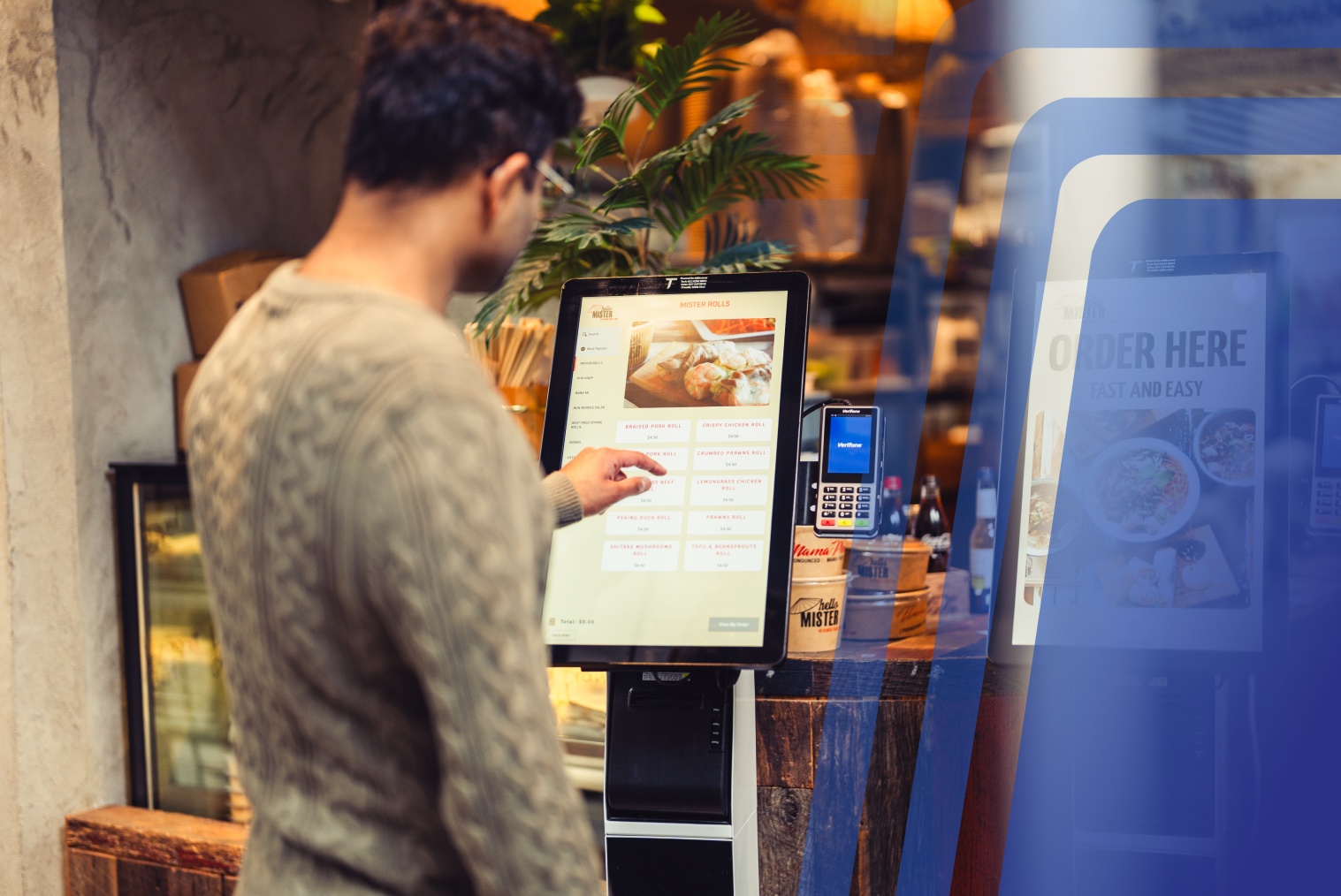
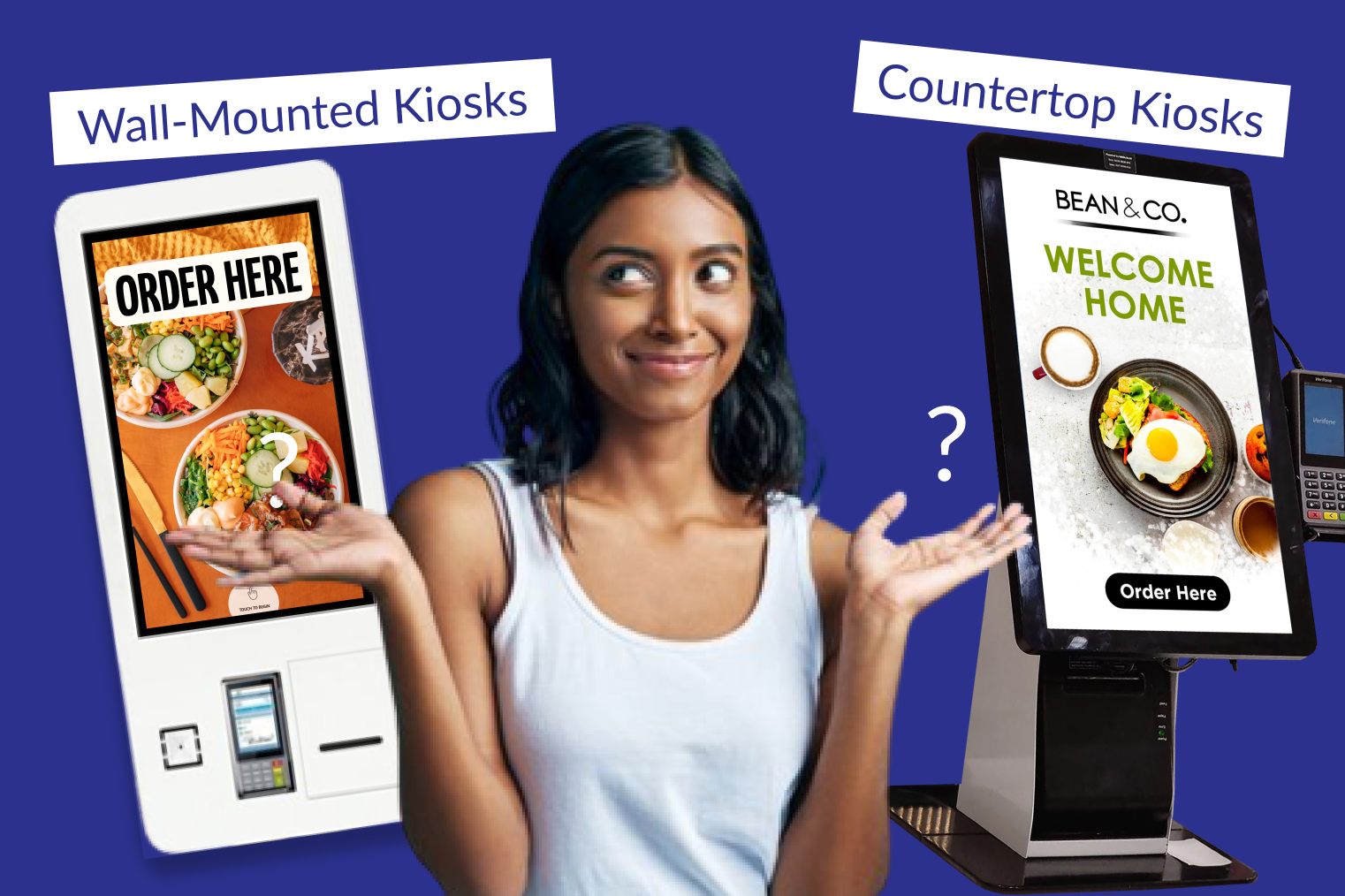
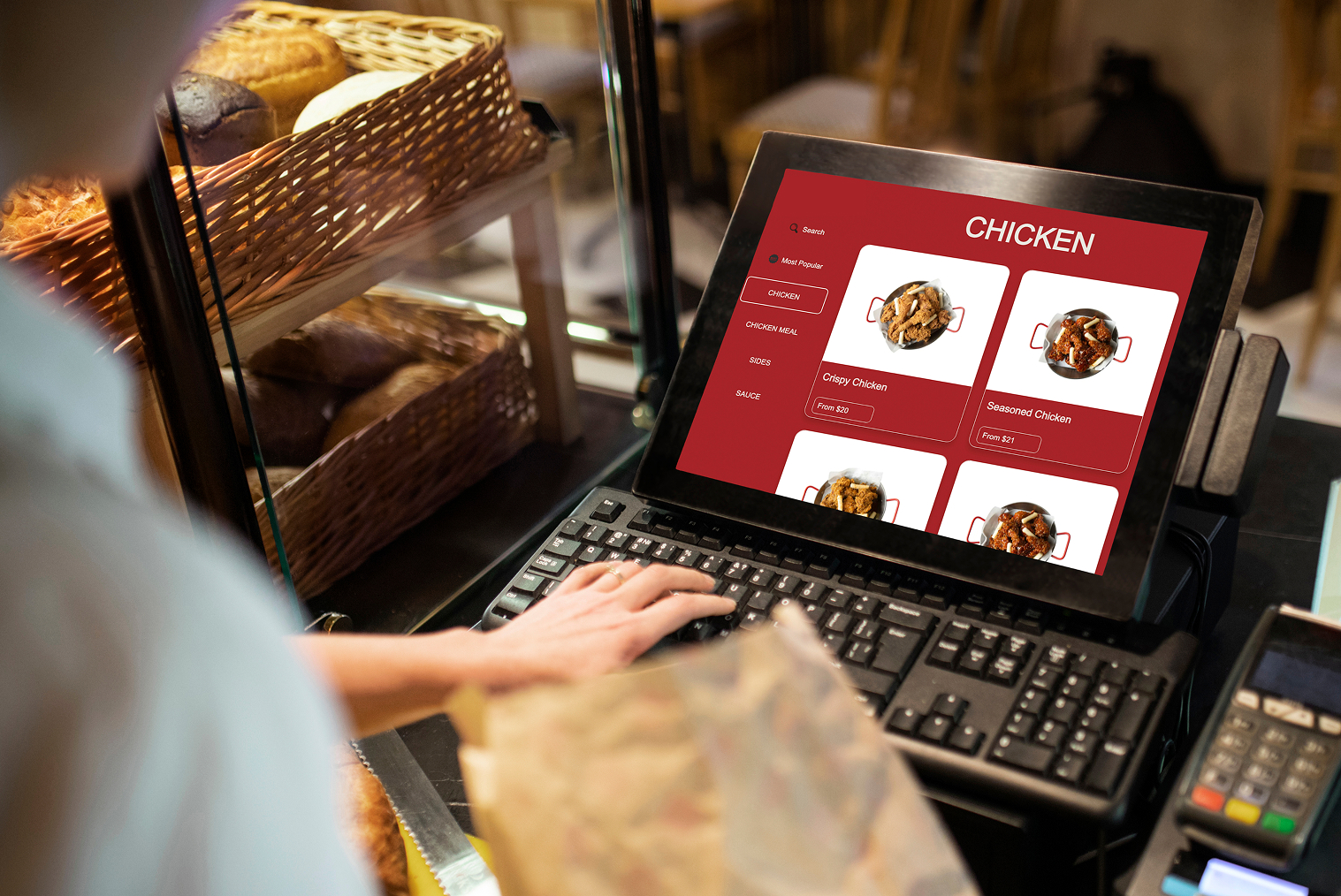
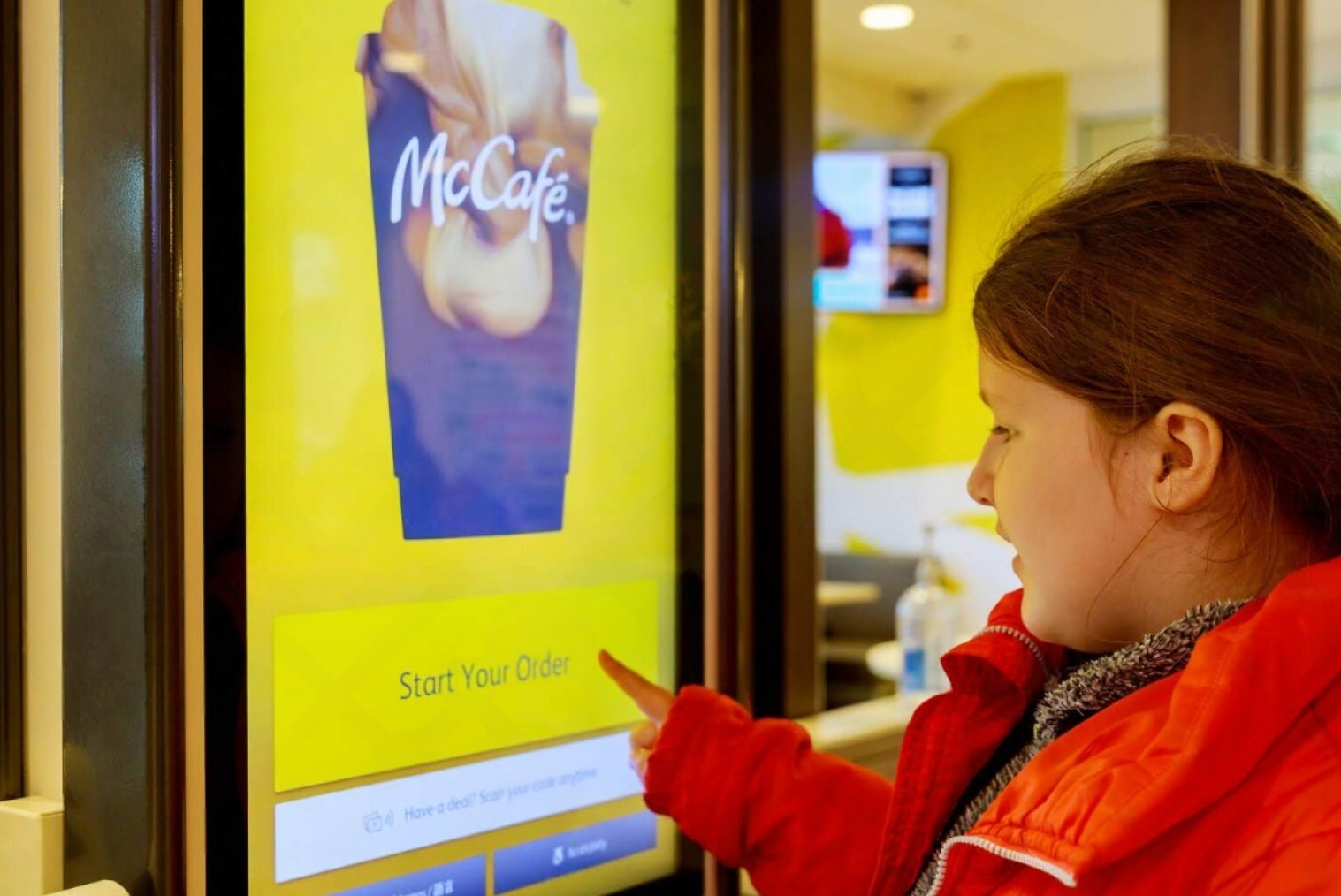
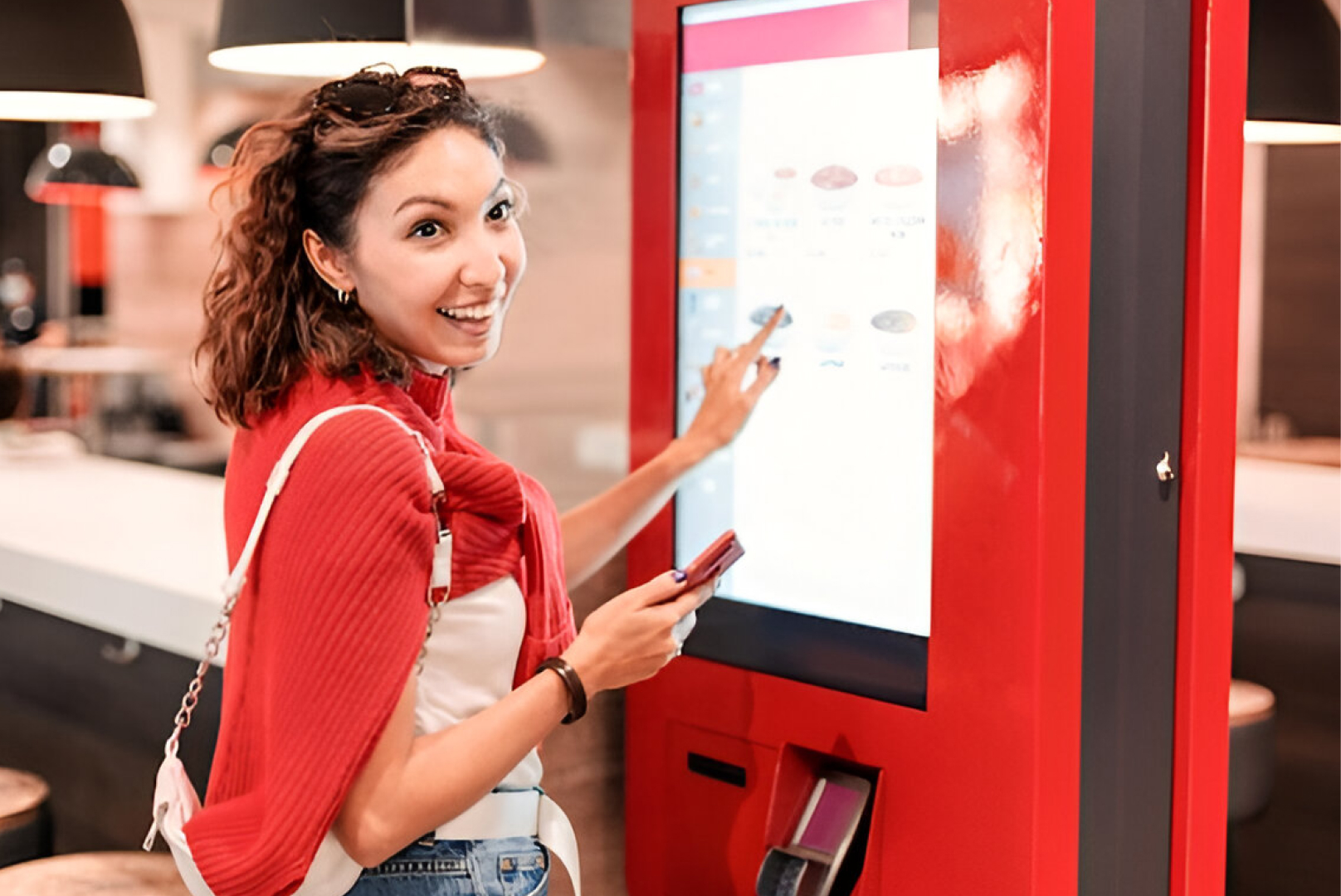
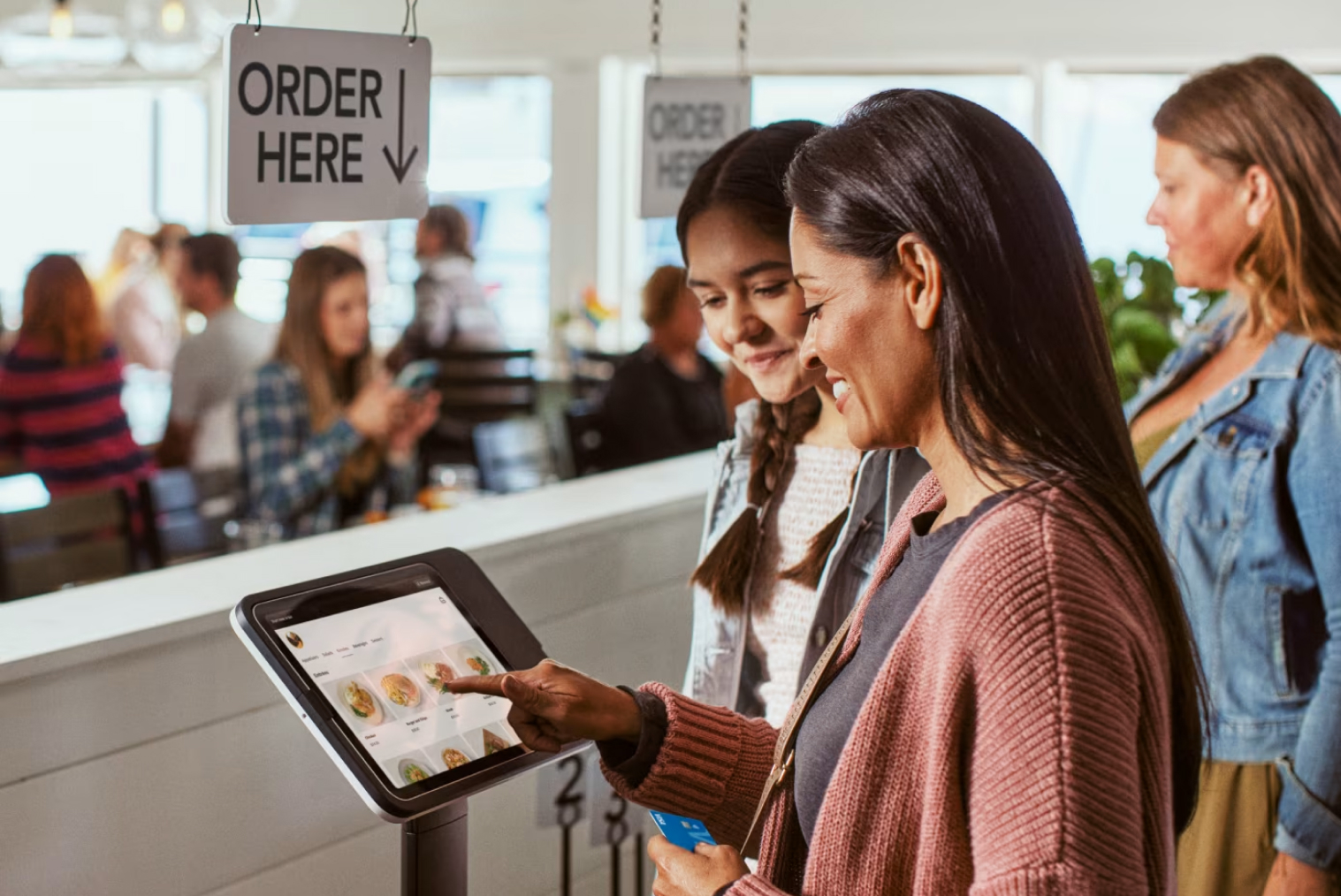
Self-service kiosks are transforming the restaurant experience by allowing customers to place their own orders directly through an interactive digital interface. Instead of relying on verbal communication with a cashier, customers select items, customise preferences, and confirm details themselves through self-ordering kiosks. This significantly reduces misunderstandings and manual entry errors.
Here’s how self-service kiosks improve order accuracy:
Customers Enter Orders Directly, Reducing Human Error
When customers input their own selections, there is no risk of staff mishearing or misinterpreting requests. The order goes exactly as selected, eliminating common communication mistakes that occur during busy periods.
Customisation Menus Prevent Missing or Incorrect Modifiers
Digital menus clearly display modification options such as:
- Extra sauce
- No onions
- Add cheese
- Spice level preferences
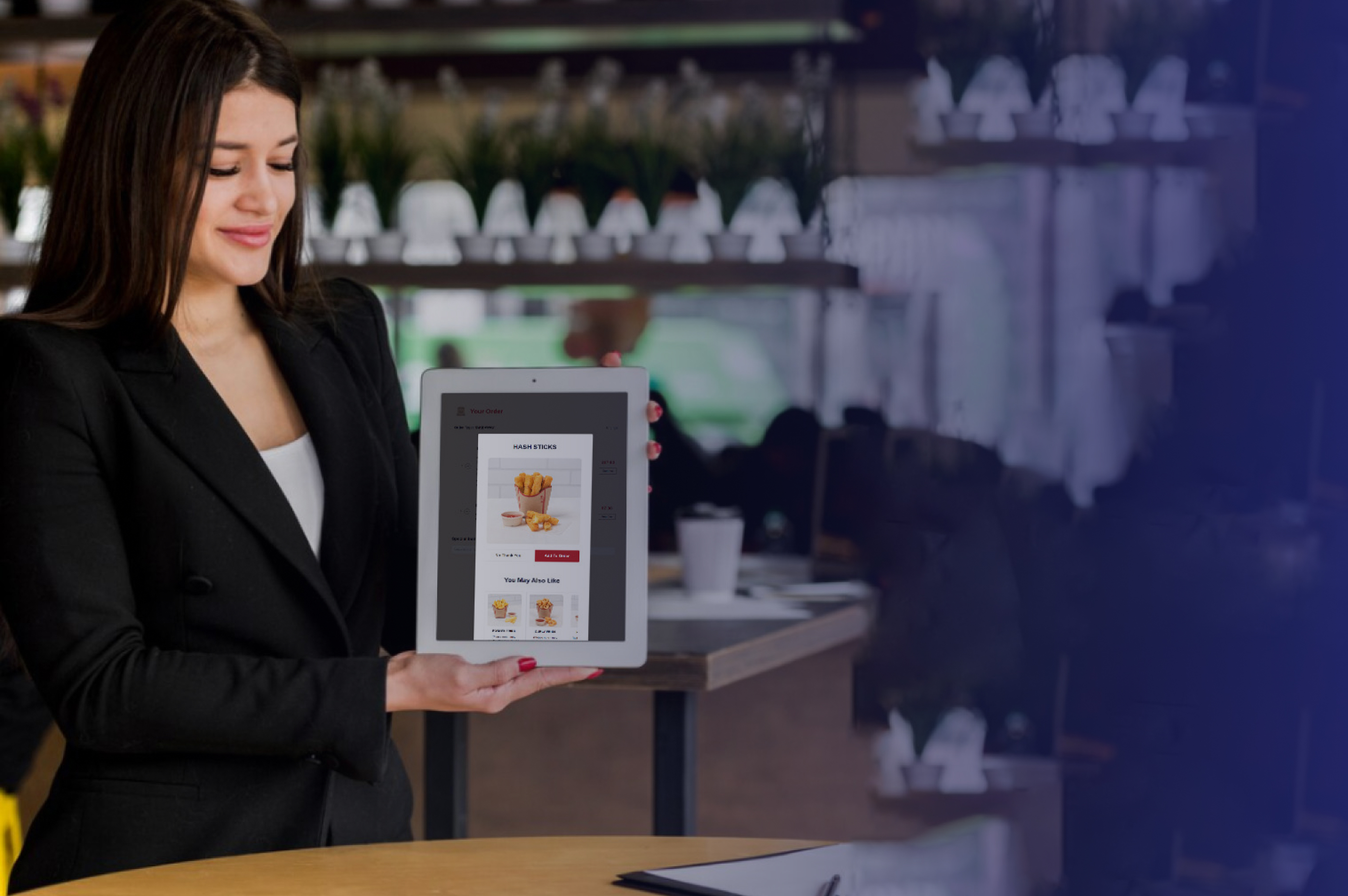
Because customers must actively select or confirm these options, important details are less likely to be forgotten. Structured menus also prevent incompatible selections, ensuring accurate combinations.
Visual Order Confirmation Improves Ordering Accuracy
Before completing payment, customers see a full order summary on the screen. This allows them to:
- Review all selected items
- Double-check customisations
- Correct mistakes instantly
This verification step acts as a built-in accuracy checkpoint.
Multilingual Interfaces Reduce Language-Based Ordering Errors
In diverse communities, language barriers can cause incorrect orders. Multilingual kiosks allow customers to select their preferred language, ensuring they fully understand menu options and customisation choices.
When customers are the ones directing how they order, the potential for errors decreases significantly using modern restaurant ordering kiosks and advanced self service kiosk key features.
The Role of Restaurant Automation in Improving Accuracy
Restaurant automation plays a critical role in maintaining consistency and reducing operational errors. By removing repetitive manual processes, automation ensures that what the customer selects is exactly what the kitchen prepares.
Less Staff Mistakes = Lower Operational Costs
When kiosks handle order entry, staff are no longer overwhelmed with multitasking. Instead, they can focus on:
- Maintaining food quality
- Managing kitchen efficiency
- Keeping dining areas clean
- Assisting customers who need support
With fewer order-taking responsibilities, the staff makes fewer mistakes. This results in:
- Fewer complaints
- Fewer refunds
- Reduced food waste
- Faster service during peak hours
Over time, this directly improves overall restaurant automation accuracy.
Automation Removes Manual Order Entry Mistakes
In traditional setups, orders may be:
- Heard incorrectly
- Written down incorrectly
- Entered incorrectly into the POS
Automation eliminates repeated data entry. The order is captured directly from the customer and processed digitally throughout the system.
POS and Kitchen Integration Improves Order Consistency
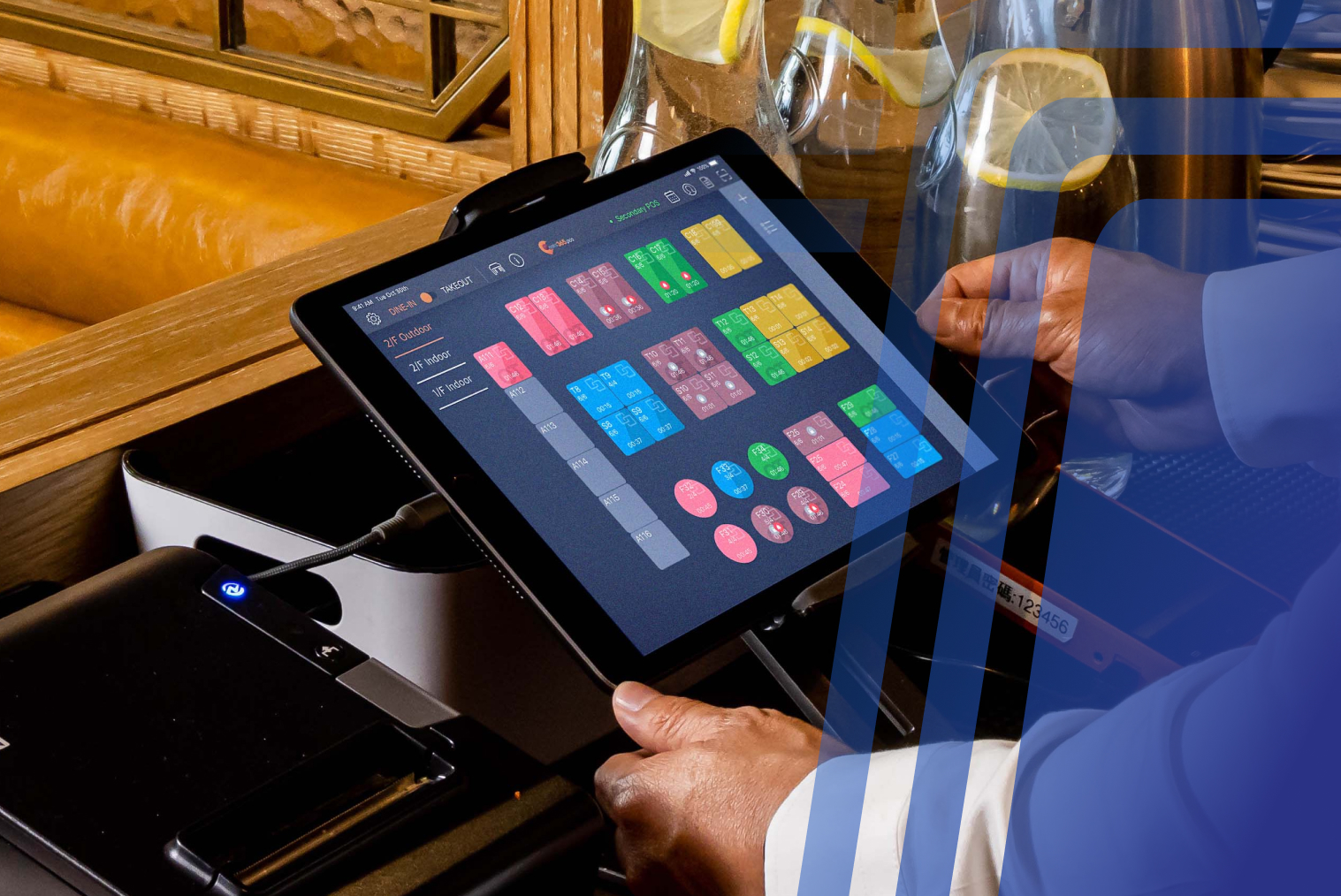
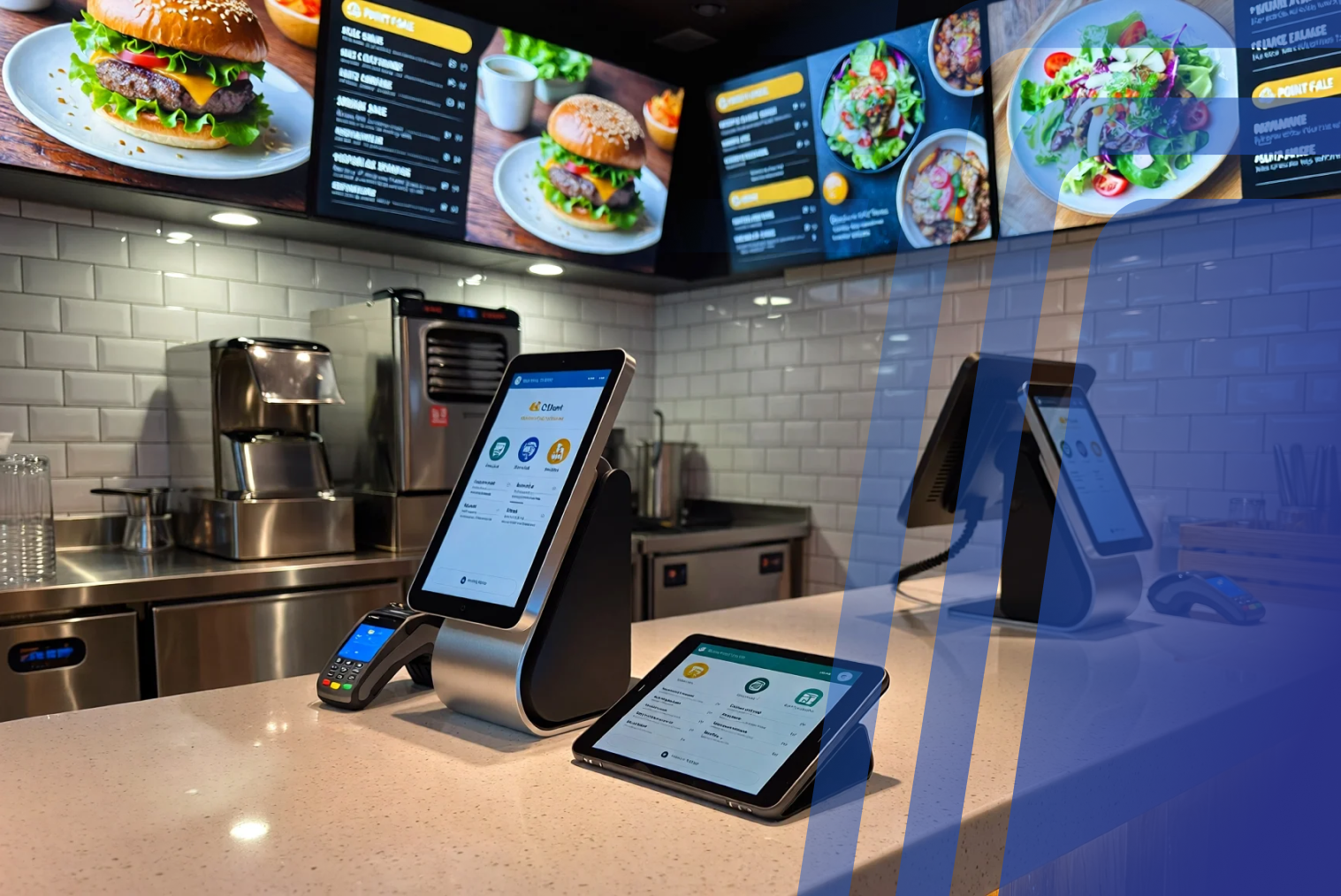
Because kiosks integrate directly with POS and kitchen systems, there is a single, unified source of truth. The kitchen receives exactly what the customer selected — not a reinterpreted version.
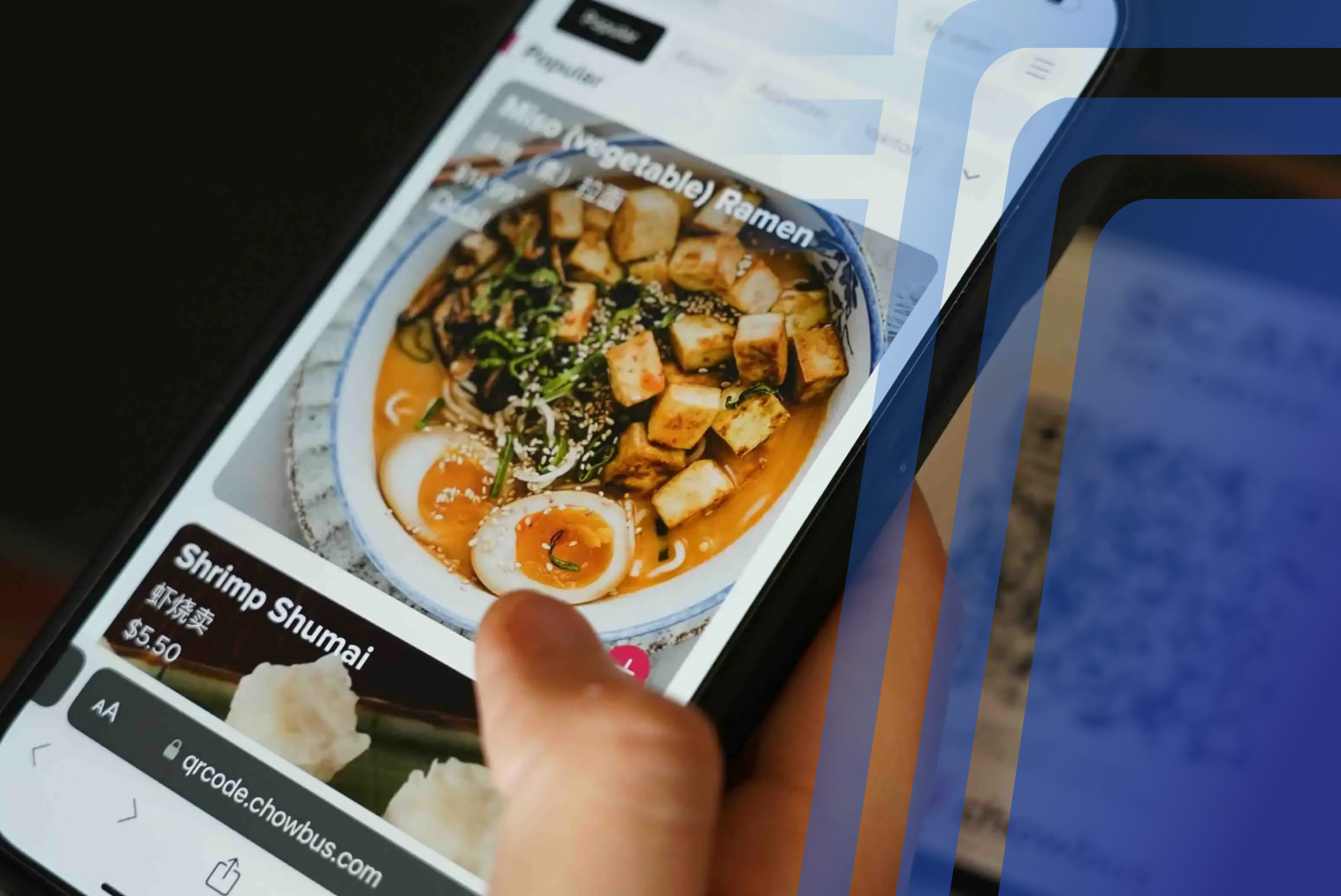
Standardised Digital Menus Reduce Variations and Errors
Digital menus ensure:
- Consistent pricing
- Fixed portion selections
- Mandatory modifier confirmations
This structured format prevents missing ingredients, forgotten add-ons, or inconsistent preparation instructions.
Kiosks vs Manual Ordering: Which Is More Accurate?
Comparing kiosks vs manual ordering accuracy clearly shows why automation is becoming the preferred model for modern restaurants.
Common Accuracy Issues in Manual Order Taking
Manual ordering depends heavily on:
- Verbal communication
- Memory retention
- Handwritten notes
- Fast POS entry under pressure
During rush hours, even experienced staff may mishear requests, forget modifiers, or input the wrong item code. These small mistakes quickly accumulate into operational inefficiencies.
Accuracy Advantages of Self-Service Kiosk Ordering
Self-service kiosks offer built-in safeguards that manual systems lack:
- Customers review and confirm their own orders
- Digital menus enforce structured selections
- Modifiers must be selected or confirmed
- Orders are transmitted instantly to kitchen systems
Because the customer validates the order before payment, error rates naturally decline.
Error Rate Differences Between Kiosks and Manual Ordering
Restaurants that adopt kiosks often see measurable improvements.
For example, a fast-food restaurant that implemented Tabin kiosks reported a 60% reduction in incorrect orders within one month.
While results vary depending on menu complexity and workflow, the pattern is consistent: digital self-ordering reduces preventable human errors.
How Improved Order Accuracy Reduces Costs and Rework
Order accuracy directly impacts profitability.
Every incorrect order creates a chain reaction:
- The dish must be remade
- Ingredients are wasted
- Staff time is lost
- Customer wait time increases
These remakes increase food costs and reduce kitchen efficiency, especially during peak hours.
When order accuracy improves:
- Food waste decreases
- Fewer refunds are issued
- Staff productivity improves
- Peak-hour pressure reduces
- Customer satisfaction increases
Over time, even a small reduction in order errors can translate into significant savings and smoother daily operations.
Accurate orders mean fewer disruptions — and fewer disruptions mean higher profitability.
How Higher Order Accuracy Improves Customer Satisfaction
A seamless, error-free ordering experience makes a lasting impression. When individuals receive what they requested—on time and precisely how they requested it—they're more likely to:
- Leave good reviews
- Come back again and again
- Tell their friends about your spot
Plus, many customers now prefer self-ordering because it feels faster, more private, and more empowering.
Final Thoughts: Small Device, Big Impact
If you’re still relying solely on counter staff for order entry, you’re missing out on a simple but powerful improvement. Self-service kiosks don’t just add convenience—they bring precision to your restaurant’s workflow. They reduce staff errors, improve order accuracy, boost revenue, and create a better customer experience—all from a single screen.
Frequently Asked Questions (FAQs)
Q1. Do kiosks reduce restaurant order mistakes?
Yes. By allowing customers to enter and confirm orders themselves, kiosks significantly reduce miscommunication and manual entry errors.
Q2. Are self-service kiosks more accurate than manual ordering?
In most restaurant environments, kiosks offer higher accuracy because orders go directly from the screen to the POS and kitchen without human interpretation.
Q3. Do self-service kiosks reduce staff mistakes during busy hours?
Yes. During peak times, kiosks reduce pressure on staff, lowering the chances of rushed or incorrect order entry.
Q4. Can self-service kiosks handle complex or customised orders accurately?
Yes. Customisation menus, modifiers, and visual confirmations help ensure even complex orders are recorded correctly.
Q5. Does improved order accuracy from kiosks increase customer satisfaction?
Absolutely. Accurate orders lead to fewer complaints, faster service, and a more positive overall dining experience.


.webp)












.png)













.webp)


